That first crack of a pepper mill releases something immediate - a warm, resinous hit that's part heat, part pine, part something almost floral you can't quite name. Black pepper is so embedded in everyday cooking that it's easy to overlook how much it actually does.
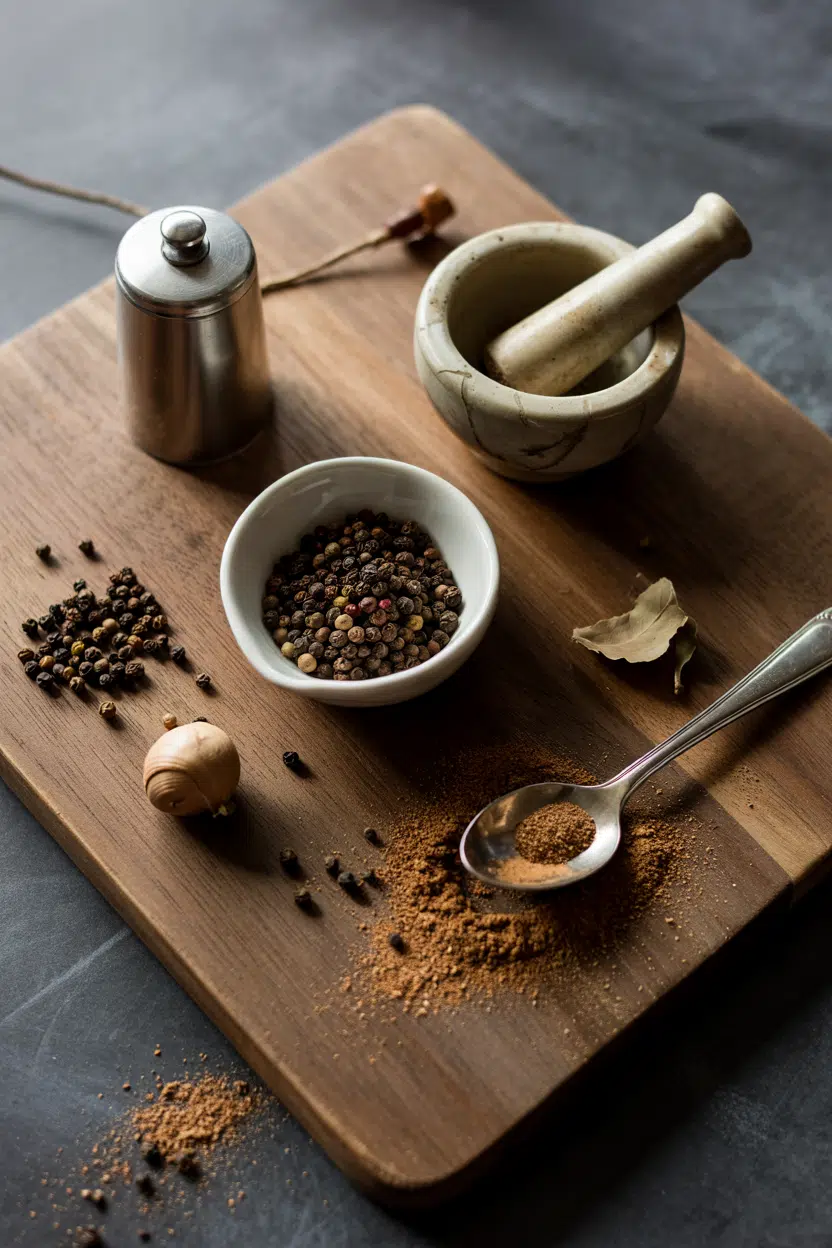
Understanding what drives its flavor, and how to use it well, makes a real difference in the finished dish.
Black pepper is the dried unripe fruit of Piper nigrum, delivering pungent heat from piperine alongside woody, floral, and faintly citrusy notes. Grind it fresh for maximum aroma. Whole peppercorns keep 2-4 years; ground pepper fades within months.
What Is Black Pepper?
Black pepper is the dried, unripe fruit of Piper nigrum, a flowering vine native to the Malabar coast of Southwest India. Each peppercorn is harvested green, then sun-dried until it shrinks and darkens to that familiar brown-black color.
Remember it later
Planning to try this recipe soon? Save it for a quick find later!
It's one of the oldest traded spices in the world - historically valuable enough to be used as currency. Today it remains the most widely used spice globally, sold whole, cracked, or ground.
You'll see it labeled under several names depending on origin and grade. Tellicherry and Malabar are the most recognized regional designations, with Tellicherry peppercorns harvested later for a larger size and fuller aroma.
- 🌱 Piper nigrum - the botanical species name; also called black peppercorn or Malabar pepper
- 🏷️ Tellicherry - a premium grade from Kerala, India, left on the vine longer for more developed flavor
- ⚪ White pepper - the same fruit, fully ripened and with the outer skin removed, producing a milder, earthier spice
- 🟢 Green peppercorn - harvested unripe like black pepper but processed differently, often brined or freeze-dried
For decisions about format and grade, comparing whole peppercorn vs ground pepper options gives a clear breakdown of the trade-offs.
What Does Black Pepper Taste Like?
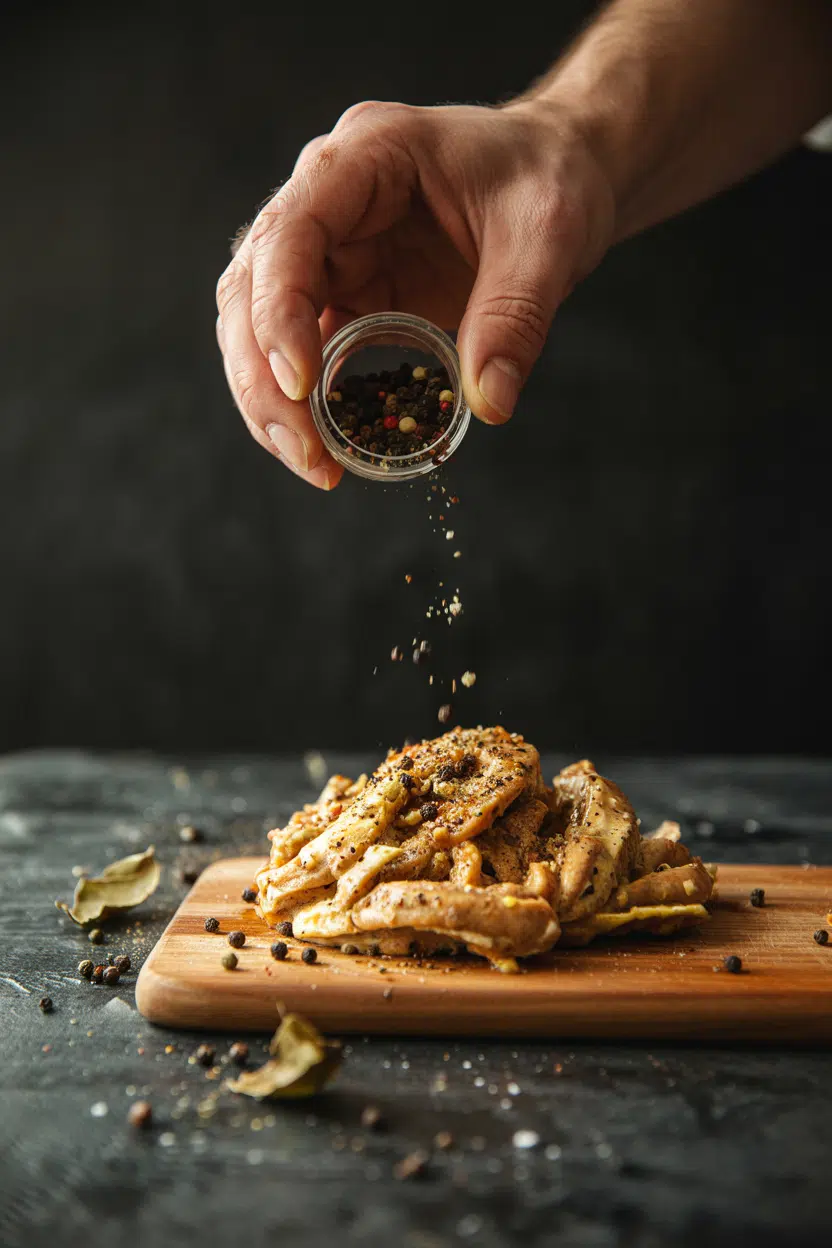
The heat in black pepper doesn't work like chili. Piperine, the active compound, stimulates different receptors - it creates a sharp, building tingle that hits the back of the throat rather than spreading across the palate.
Freshly ground pepper is noticeably brighter than pre-ground - the top notes of citrus and pine fade within days of grinding. Long cooking dulls piperine, which is why a braise seasoned only at the start tastes flat by the time it hits the table.
Compared to ground green pepper, black pepper has similar heat but is drier and more aromatic. It's sharper than white pepper, which loses its outer skin - and with it, most of those floral, citrusy highs.
If you've run out, black pepper swaps that work covers the closest alternatives by use case.
How to Use Black Pepper
Black pepper works across more cooking stages than most spices. Knowing which method preserves which part of its character lets you use it more deliberately.
| Method | Best For | Tip |
|---|---|---|
| 🌿 Fresh Ground | Finishing eggs, salads, pasta | Grind directly over the dish just before serving |
| 🍳 Cracked | Pepper crusts on steak, seared fish | Crack coarsely - fine grind burns before the crust sets |
| 🔥 Toasted Whole | Spice blends, garam masala, dry rubs | Toast in a dry pan 60-90 seconds, then grind immediately |
| 🫙 Infused Whole | Stocks, braises, pickles, marinades | Add at the start; remove before serving if texture is unwanted |
Pairings that hold up consistently: salt, garlic, lemon or lime, butter, beef, tomato, coriander, and cream. A classic peppercorn sauce for steak leans on the combination of cracked pepper, cream, and a splash of cognac - the fat softens the heat without killing it.
Indian and Southeast Asian cooking use black pepper as a primary spice, not just a background note. In French cuisine, it anchors steak au poivre and appears in Court-bouillon.
Middle Eastern spice blends like za'atar sometimes include it alongside dried herbs.
It also crosses into sweet territory more than people expect - paired with citrus zest in compound butters or used in some shortbread recipes, the heat reads as complexity rather than spice.
Avoid pairing it with delicate floral teas or very lightly sweetened pastries, where its pungency overwhelms rather than contrasts.
How to Buy and Store Black Pepper
Whole peppercorns are worth the small extra effort. Pre-ground pepper in a tin is convenient, however its aroma is largely gone by the time you open it.
When buying whole peppercorns, look for uniform dark brown-black color and a slightly glossy, wrinkled surface. Dull, grey, or unevenly colored peppercorns suggest age or poor storage.
- 🫙 Whole peppercorns - store in an airtight, opaque container in a cool, dark pantry; good for 2-4 years
- 🌿 Ground pepper - buy in small amounts; use within 3-6 months before aroma fades significantly
- 🚫 Avoid storing near the stove - heat and steam accelerate flavor loss faster than most people realize
For a fuller look at how age affects potency and when to replace your stock, black pepper's shelf life covers the specifics.
If you're also working with white pepper's flavor and uses, storage rules are similar but shelf life tends to be slightly shorter once ground.
Where to Start with Black Pepper
If you've only ever used pre-ground, buy a bag of whole Tellicherry peppercorns and a decent pepper mill first. That single change will show you the difference immediately.
From there, try using it in two stages in a braise - whole at the start, freshly ground at the finish. The layered result is noticeably better than either approach alone.
Frequently Asked Questions
Not exactly. Black pepper's heat comes from piperine, which triggers different receptors than capsaicin - the sensation is a sharp throat tingle rather than a spreading mouth burn. It's noticeably milder than most fresh chilis.
Volatile aromatic compounds released when you grind pepper stimulate nasal receptors directly. Coarse grinding or cracking releases more of these volatiles at once, which is why freshly cracked pepper provokes a stronger nose response than fine pre-ground.
Peak aroma lasts about 3-6 months after grinding. It won't spoil, however the piperine and volatile oils that give it character will have mostly dissipated after that window.
Yes - prolonged heat breaks down piperine and drives off the aromatic volatiles. A dish simmered for an hour loses much of its pepper brightness, which is why finishing with freshly ground pepper is standard practice.
Both come from Piper nigrum, however white pepper is fully ripened and has its outer skin removed before drying. That process strips most of the floral, citrusy top notes, leaving a milder, more earthy heat - and a much less complex aroma. If you need a swap, [green peppercorn stand-ins](https://forkliftkitchen.com/green-peppercorn-substitutes/) offers useful alternatives across the peppercorn family.