
Shakshuka doesn't get its persistent, building heat from tomatoes alone - that steady warmth spreading through each spoonful comes from a pinch of cayenne pepper stirred in early.

Ground from dried cayenne pods, this is the spice that delivers clean, reliable fire without altering moisture or muddying other flavors.
Cooks reach for it across Cajun rubs, hot sauces, and even chocolate desserts for one reason: it's a precision tool.
When you run out, replacements for red pepper flakes or replacements for chipotle powder can fill the gap, but neither replicates cayenne's sharp, focused punch.
Cayenne pepper is a finely ground, bright-red chili powder with clean, penetrating heat and a faint earthy base. Use it in dry rubs, soups, hot sauces, and spice blends wherever you need steady, consistent fire without added moisture.
What Is cayenne pepper?
Cayenne pepper is a dried, finely ground chili made from cayenne pods (Capsicum annuum), a variety originally cultivated in northern South America. The name comes from Cayenne, the capital of French Guiana, where the pepper was historically traded and distributed.
Remember it later
Planning to try this recipe soon? Save it for a quick find later!
Ground cayenne goes by several names depending on region and context.
You'll encounter it labeled as ground cayenne, cayenne powder, or sometimes "bird pepper" in parts of the Caribbean and West Africa.
The label "red pepper" is a frequent but misleading shorthand - red pepper can refer to any number of ground chilis, while cayenne is a specific species and heat level.
Most commercially sold cayenne sits between 30,000 and 50,000 Scoville heat units (SHU) - significantly hotter than standard paprika (roughly 250-1,000 SHU) but milder than habanero-based powders.
Understanding seasoning with chili powder helps clarify where cayenne sits in the chili family: chili powder is a blend, while cayenne is a single-origin, single-species grind.
- 🌍 Origin - Northern South America; named for Cayenne, French Guiana
- 🌿 Species - Capsicum annuum, same species as sweet bell and jalapeño peppers
- 🌡️ Heat range - 30,000-50,000 SHU; hotter than paprika, milder than habanero
- 🏷️ Also known as - ground cayenne, cayenne powder, bird pepper, red pepper (imprecise)
What Does cayenne pepper Taste Like?
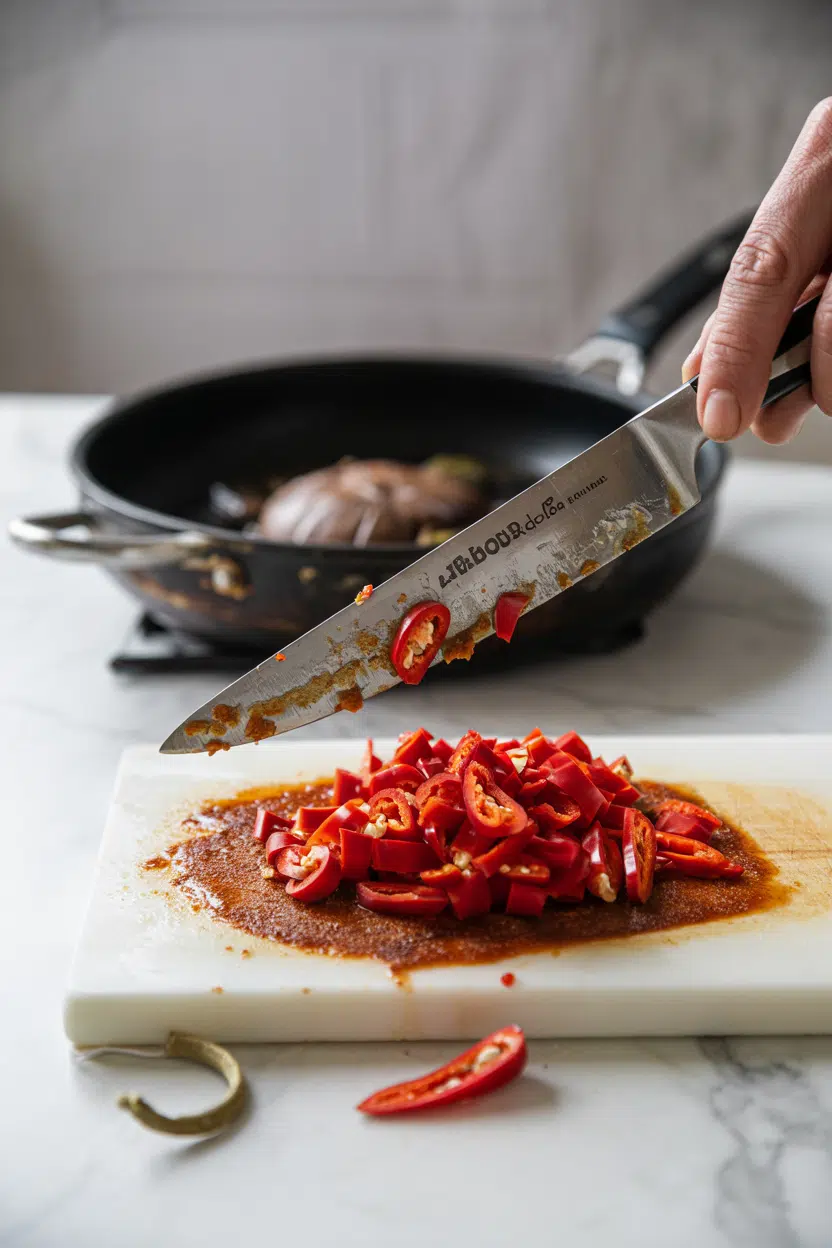
Capsaicin is the compound responsible for cayenne's defining characteristic: a sharp, penetrating heat that hits the back of the palate quickly and lingers. Unlike the rounded warmth of smoked paprika or the earthy burn of ancho, cayenne delivers what most cooks describe as clean fire - no smokiness, no sweetness, just forward heat.
Beneath that heat sits a faint earthy-vegetal base and a mild fruity brightness, though both are easy to miss unless cayenne is used sparingly. At high concentrations, the capsaicin effectively drowns out the subtler notes.
Compared to crushed red pepper flakes, ground cayenne is more consistent - each pinch delivers the same heat, whereas flakes vary based on seed concentration.
Compared to sweet paprika, it's in a different league entirely.
If you need the color of paprika without sacrificing heat, replacements for paprika worth considering include smoked paprika or a small amount of cayenne blended with a mild chili powder.
How to Use cayenne pepper
Cayenne's dry, powder form makes it one of the most adaptable heat sources in a spice cabinet. It disperses evenly into liquids, coats surfaces in dry rubs without clumping, and blooms quickly when hit with hot oil.
Cajun and Creole cooking relies heavily on cayenne as a foundational heat element in dry rubs, étouffée, and gumbo. In Mexican and Tex-Mex kitchens, it intensifies taco meat and enchilada sauces. South American and some Indian recipes use it as a powdered red chili substitute when dried whole chilis aren't available.
| Method | Best For | Tip |
|---|---|---|
| 🧂 Dry Rub | Grilled meats, Cajun or Creole spice blends | Combine with smoked paprika, black pepper, and cumin for balance |
| 🍳 Bloomed in Oil | Curries, sautéed bases, shakshuka | Keep heat moderate - 20-30 seconds max before adding wet ingredients |
| 🥣 Stirred into Liquid | Soups, stews, hot sauces, vinaigrettes | Add in stages; heat intensifies as the dish reduces |
| ✨ Finishing Dust | Roasted vegetables, eggs, chocolate desserts | Use after cooking so heat perception stays bright, not cooked-in |
Pairing cayenne with honey or brown sugar cuts its sharpness in marinades and glazes. Garlic and lime amplify its brightness; cumin and smoked paprika round it out.
Adding it to seasoning with hot sauce blends gives you layered heat rather than flat spice.
How to Buy and Store cayenne pepper
Look for a bright, saturated red color with no gray tints or visible clumps - both signal age or moisture exposure. Check the label carefully: "pure cayenne" is a specific grind, while generic "red pepper" blends may include other chilis and deliver inconsistent heat.
Prefer recent best-by dates and sealed, airtight packaging.
Store cayenne in an airtight, opaque container in a cool, dark pantry.
Peak flavor lasts 6-12 months; after that, the heat slowly fades rather than disappearing suddenly.
A sniff test tells you most of what you need to know - if the peppery sharpness is gone, the potency is too.
For a full breakdown of what to look for, check cayenne pepper spoilage signs to know when it's time to replace your jar.
Start Here for Better Heat
Cayenne is the right choice when you need controlled, additive heat with no moisture, smoke, or sweetness competing for attention.
- 🌶️ For dry rubs - Start with ¼ teaspoon per pound of meat; [making memphis dry rub ribs at home](https://forkliftkitchen.com/memphis-dry-rub-ribs/) is a good benchmark for cayenne proportion in a spice blend
- 🥣 For soups and stews - Add early and taste at the end; heat builds as liquid reduces
- 🍫 For sweet applications - Use a pinch only; even ⅛ teaspoon in chocolate desserts lands clearly
- 🧴 For [seasoning with cayenne pepper](https://forkliftkitchen.com/cayenne-pepper-substitutes/) in any recipe - Go low first; you can always add heat, not remove it
Frequently Asked Questions
No. Cayenne is a single-origin, single-species grind from Capsicum annuum pods. Chili powder is a seasoning blend that typically combines ground chilis, cumin, garlic powder, and oregano - cayenne is often one component of it.
Most ground cayenne falls between 30,000 and 50,000 Scoville heat units. That puts it well above jalapeño (2,500-8,000 SHU) but noticeably below habanero (100,000-350,000 SHU).
Yes, but use roughly half the amount - cayenne disperses more evenly and delivers consistent heat, while flakes have variable intensity based on seed content. Start with a 1:2 ratio (cayenne to flakes) and adjust.
A general starting point is ⅛ to ¼ teaspoon per four servings for moderate background heat. Dishes with fat or dairy can take slightly more, since both mute capsaicin perception.
Capsaicin is heat-stable, so cooking doesn't neutralize it. However, long simmering in liquid can slightly mellow the perception of heat as capsaicin distributes throughout the dish rather than concentrating in each bite.



