
You're halfway through pickling vegetables when you realize the jar of mustard seeds is empty. The recipe depends on that sharp bite and texture.
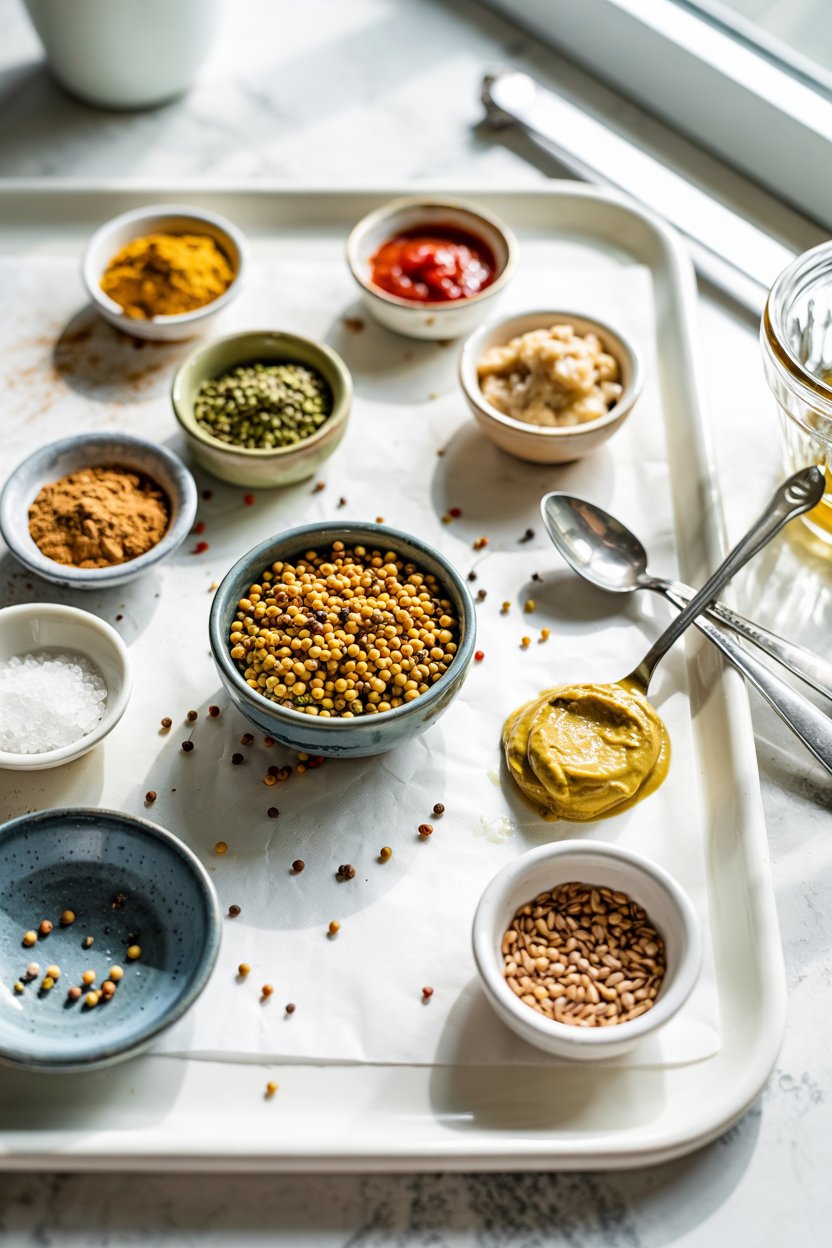
Mustard seeds bring heat and a crunchy pop that builds as they sit in brine or cook in oil. Swaps vary, some match the pungency, others add color or mild spice without the same kick.
The list below starts with the closest match and moves to bolder options that change the flavor more.
Mustard powder, horseradish, and wasabi powder replace mustard seeds best in cooking because they bring the same **sharp mustard heat** that wakes up sauces. We prioritize **salt/acid** first, then adjust heat so the swap does not turn harsh. Nigella, caraway, or fennel can cover the seed texture, however we add a small mustard note to keep the flavor on target.
7 Quick Mustard Seed Swaps for Cooking
These options range from pantry staples to specialty picks. The top choices mimic the pungency; the rest trade heat for texture or color.
Remember it later
Planning to try this recipe soon? Save it for a quick find later!
| # | Substitute | Best For | Ratio | Key Note |
|---|---|---|---|---|
| 1 | Mustard Powder | 🍳 Cooking | 1 teaspoon : 1 tablespoon seeds | Milder, no crunch |
| 2 | Turmeric | 🍳 Cooking | 1:1 | Adds color, less heat |
| 3 | Nigella Seeds | 🍳 Cooking | 1:1 | Oniony, less sharp |
| 4 | Horseradish | 🍳 Cooking | 1 tablespoon prepared : 1 tablespoon seeds | Sharp heat, wetter |
| 5 | Wasabi Powder | 🍳 Cooking | 1 teaspoon : 1 tablespoon seeds | Stronger, sinus-clearing |
| 6 | Caraway Seeds | 🍳 Cooking | 1:1 | Anise-like, milder |
| 7 | Fennel Seeds | 🍳 Cooking | 1:1 | Sweet, no heat |
1 - Mustard Powder
Mustard powder delivers similar sharpness without the seed crunch. It blends into dry rubs and spice mixes where whole seeds would stick out.
Use 1 teaspoon powder for every tablespoon of seeds. The flavor runs milder, so you may want to add an extra pinch if the recipe depends on strong heat.
If you're working with easy Yellow Mustard swaps that work, that page covers prepared options that bring a similar tang without seeds.
Here's what to know:
- Flavor - Sharp and tangy, but less intense than whole seeds
- Texture - No crunch; dissolves fully into liquids and rubs
- Best in - Dry rubs, marinades, spice blends
- Watch - Add late to avoid bitterness from overcooking
Skip if: The recipe needs whole seed texture for pickling or topping.
2 - Turmeric
Turmeric adds bright yellow color and mild earthiness to pickles and sauces. It works when you want the visual punch of mustard seeds without the sharp spice.
Use the same amount as the recipe calls for in seeds. The flavor stays in the background, slightly bitter, slightly peppery, so it won't overpower delicate vegetables.
- Flavor - Earthy and slightly bitter, no heat
- Color - Bright yellow that stains hands and cutting boards
- Best in - Pickling brines, turmeric-forward curries, yellow rice
Skip if: You're counting on mustard's pungent kick.
Mustard Powder
Works for: Dry rubs, marinades, spice blends
Skip if: You need whole seed texture
Turmeric
Works for: Pickles, yellow rice, mild curries
Skip if: You want sharp heat
3 - Nigella Seeds
Nigella seeds bring a slightly oniony, peppery flavor without the same heat. They look similar to black mustard seeds and hold up well in high-heat cooking.
Swap them in equal amounts. They work especially well in Indian flatbreads and pickling blends where you want texture without overwhelming spice.
Missing nigella seeds as well? Try easy Nigella Seed swaps that work for seeds that match the crunch.
- Flavor - Oniony and peppery, milder than mustard
- Texture - Small black seeds with a crunchy bite
- Best in - Naan, parathas, spiced pickles
Skip if: The dish depends on mustard's sharp pungency.
4 - Horseradish
Prepared horseradish delivers sharp heat similar to mustard seeds, but it's wet and juicy instead of crunchy. It works best in sauces, dressings, and spreads where texture isn't the focus.
Use 1 tablespoon prepared horseradish for every tablespoon of seeds. The heat fades quickly, so add it near the end of cooking or stir it into cold dishes.
Out of horseradish too? Check Horseradish replacements that work for options with a similar bite.
Skip if: You're making a dry rub or need seed texture for pickling.
5 - Wasabi Powder
Wasabi powder brings a stronger, more sinus-clearing heat than mustard seeds. It works in dips, dressings, and marinades where you want a sharp kick without whole seeds.
Use 1 teaspoon powder per tablespoon of seeds. Mix it with a small amount of water to form a paste before stirring it in, or the heat won't fully develop.
Can't find wasabi powder either? Look at quick Wasabi replacements to try for similar heat without the wait.
Skip if: You want subtlety or need the crunch of whole seeds.
| Use | Ratio | Notes |
|---|---|---|
| Dry rubs | 1 teaspoon powder : 1 tablespoon seeds | Dissolves fully; add late |
| Pickles | 1:1 turmeric or nigella | Keeps texture; less heat |
| Sauces | 1 tablespoon horseradish : 1 tablespoon seeds | Sharp bite; wetter texture |
6 - Caraway Seeds
Caraway seeds offer a warm, anise-like flavor without mustard's sharp heat. They work well in breads, sauerkraut, and savory dishes where you want mild spice and crunch.
Use 1 tablespoon caraway for every tablespoon of mustard seeds. The flavor leans sweeter and less aggressive, so it won't carry dishes that depend on pungency.
- Flavor - Warm, slightly sweet, anise-like
- Texture - Small, crunchy seeds similar in size to mustard
Skip if: The recipe needs mustard's sharp bite.
7 - Fennel Seeds
Fennel seeds bring a sweet, licorice-like flavor with no heat. They work in pickles, sauces, and Italian sausage blends where you want mild aromatic spice.
Swap them in equal amounts. The sweetness balances salty or acidic ingredients, but it won't replace the sharp kick mustard seeds provide.
Looking for fennel seed backups as well? Try swaps when Fennel Seed runs out for seeds with similar crunch.
What to expect:
- Flavor - Sweet and licorice-like, no pungency
- Texture - Slightly larger than mustard seeds, crunchy
- Best in - Italian sausage, pickled vegetables, tomato-based sauces
- Watch - Too much turns the dish candy-sweet
Skip if: You need mustard's sharp spice.
Making Mustard Seed Substitutes Work
Most of these swaps work without changing the recipe, but the best choice depends on what you're making. For pickles and brines, turmeric or nigella seeds keep the texture; for dry rubs, mustard powder blends in cleanly.
Test with a small batch if you're swapping in a new flavor.
- Closest match - Mustard powder for similar sharpness
- Easiest grab - Turmeric for color and mild spice
- Bold alternative - Wasabi powder for stronger heat
Frequently Asked Questions
Prepared mustard works in wet mixtures like dressings and marinades, but it adds vinegar and salt that mustard seeds don't bring. Use 1 teaspoon prepared mustard per tablespoon of seeds and reduce added salt.
Turmeric and nigella seeds work best because they hold their texture in brine. Mustard powder dissolves and loses the crunchy bite pickles need.
Mustard powder and horseradish come closest. Mustard powder works in dry applications, while horseradish fits wet dishes like sauces and dips.
Both work for texture, but they shift the flavor. Fennel adds sweetness, caraway brings anise notes. Nigella seeds stay closer to the savory, slightly bitter tone Indian dishes expect.
Heat a dry skillet over medium heat, add the seeds, and stir constantly for 1-2 minutes until they smell fragrant. Pull them off the heat before they darken or they'll turn bitter.
7 Best Substitutes for Mustard Seed
Ingredients
Method
- Choose substitute based on your recipe's needs: mustard powder for dry rubs, turmeric or nigella for pickles, horseradish for sauces, and others for texture or color.
- Toast dry seed substitutes like nigella, caraway, and fennel in a dry skillet over medium heat for 1-2 minutes until fragrant to enhance flavor.
- Mix or blend substitutes as needed: form wasabi powder into a paste with water before use; add prepared horseradish near the end of cooking or in cold dishes.
- Apply substitute ratios carefully: 1 teaspoon mustard powder per 1 tablespoon seeds, 1:1 for turmeric and nigella seeds, 1 tablespoon prepared horseradish per 1 tablespoon seeds, etc.
- Taste test and adjust seasoning after adding substitutes to ensure the right heat and flavor balance in your dish.



