• Skip to primary navigation
  • Skip to main content
  • Skip to primary sidebar
  • Recipe Index
    • Air Fryer
  • Side Dishes
  • Substitutes
  • About
  • Contact
  • Subscribe

ForkLiftKitchen

menu icon
go to homepage
  • Recipe Index
    • Air Fryer
  • Side Dishes
  • Substitutes
  • About
  • Contact
  • Subscribe
subscribe
search icon
Homepage link
  • Recipe Index
    • Air Fryer
  • Side Dishes
  • Substitutes
  • About
  • Contact
  • Subscribe
×

Blog

7 Best Substitutes for Mustard Oil

January 24, 2026

You start measuring mustard oil and come up short. The recipe calls for a tablespoon more than what's left in the bottle, and your market doesn't carry it.
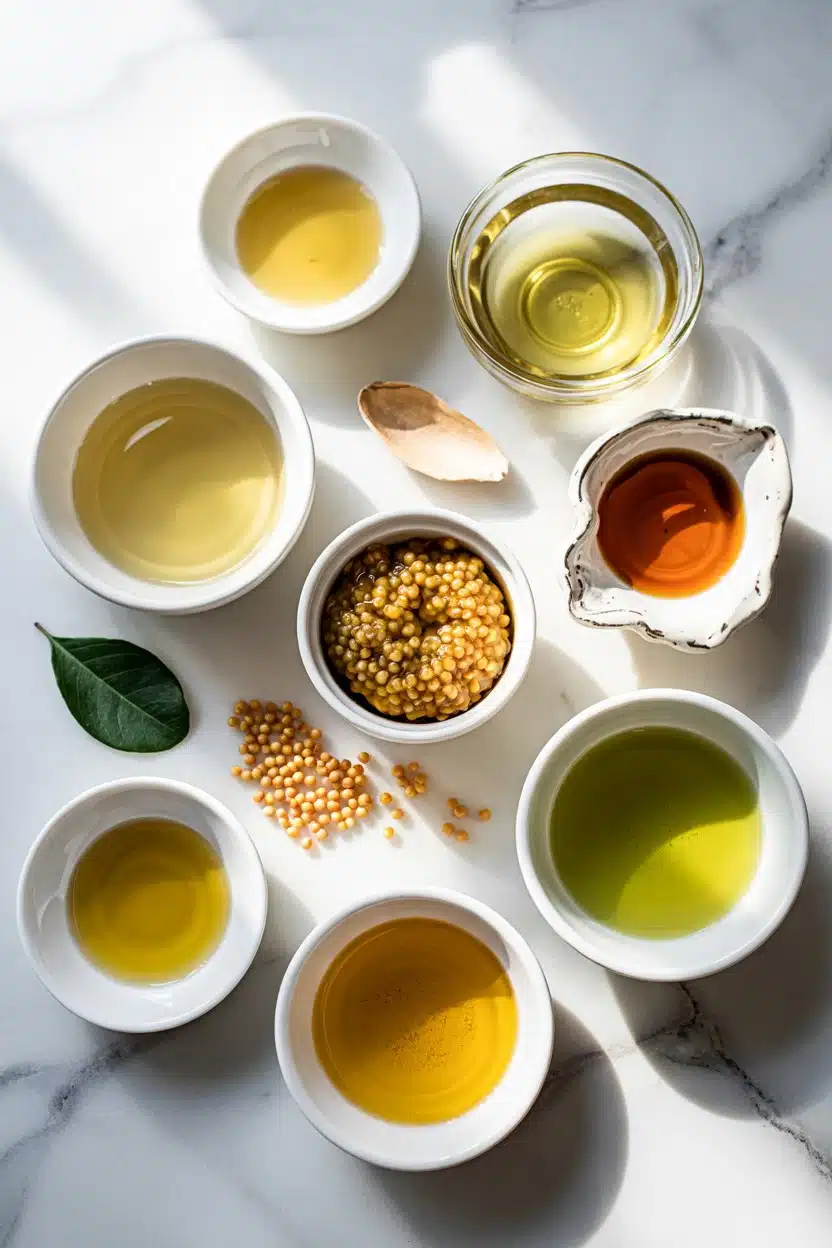
7 Best Substitutes for Mustard Oil

Mustard oil adds pungency and heat-what makes it different from regular cooking oils. The swap depends on tempering spices, or using it raw in pickles or dressings.

Quick Substitute Reference
# Substitute Best For Ratio Key Note
1 Groundnut Oil 🍳 Cooking 1:1 Mildly nutty, less pungent
2 Canola Oil Mix 🍳 Cooking 1 tablespoon + ¼ teaspoon seeds Neutral base with mustard aroma
3 Sesame Oil ✨ Both 1:1 Toasty, rich, less sharp
4 Olive Oil Mix 🍳 Cooking 1 tablespoon + ⅛ teaspoon powder Fruity olive base, mild mustard spice
5 Walnut Oil 🍳 Cooking 1:1 Nutty and rich, subtle pungency
6 Avocado Oil 🍳 Cooking 1:1 Buttery and mild, very neutral
7 Mustard Paste Mix 🍳 Cooking 1 teaspoon paste + 1 tablespoon oil Strong pungency, thicker
QUICK SUMMARY

Groundnut oil and canola oil with mustard seeds best replicate mustard oil's heat and aroma. Focus on matching pungency and cooking method. Adjust spice levels when using milder oils to keep flavor balanced.

🌰Closest match: Groundnut oil fries clean and stays neutral without overpowering spices.
⚖️Ratio + fix: Swap 1:1; add mustard seeds to canola oil for aroma release.
🔥Watch heat: Sesame oil changes flavor and is less sharp than mustard oil.

7 Simple Mustard Oil Swaps to Save Time

Some swaps stay close to the original, while others require small adjustments. Pick based on the dish and what you have.

1 - Groundnut Oil

Groundnut oil handles high heat without breaking down. It fries clean, stays neutral, and doesn't overpower spices.

The flavor runs mildly nutty but lacks the sharp bite mustard oil brings. Use it for frying and sautéing where you need heat stability more than pungency.

Each substitute behaves differently; understanding what peanut oil does helps you pick swaps when Peanut Oil runs out.

Use 1 tablespoon per 1 tablespoon of mustard oil. Adjust seasoning if the dish feels flat.

Skip if: a strong mustard flavor is essential.

Groundnut Oil

Works for: High-heat frying and sautéing

Skip if: Strong mustard flavor is essential

Canola Oil Mix

Works for: Tempering and light cooking

Skip if: Raw oil flavor is important

2 - Canola Oil Mix

Canola oil brings nothing to the table on its own. Adding mustard seeds wakes it up-they pop in hot oil, releasing aroma without changing the base.

Use 1 tablespoon canola oil plus ¼ teaspoon mustard seeds per tablespoon of mustard oil. Heat the seeds in the oil first to bloom the flavor.

Results vary by dish; a Canola Oil replacements that work guide helps when you know its purpose.

Skip if: raw oil flavor is important.

3 - Sesame Oil

Sesame oil adds toasted depth that shifts the dish in a different direction. It's rich and nutty but less sharp than mustard oil.

Use it for finishing Asian-inspired dishes or drizzling over roasted vegetables. The toasty quality works when mustard oil's pungency isn't the main goal.

Here's what to know:

  • Use 1 tablespoon sesame oil per 1 tablespoon mustard oil.
  • Keep heat moderate-sesame oil scorches faster than mustard oil.
  • For dressings, it adds body without the bite.
  • If you're making stir-fries, add it at the end instead of cooking with it.

The swap depends on what sesame oil does in your recipe; match the function first with Sesame Oil swaps by recipe type.

Finish the dish with extra salt or a pinch of red chili flakes if it tastes too mild.

Skip if: pungent mustard flavor is the goal.

Shortcut
Mix 1 tablespoon neutral oil with ¼ teaspoon mustard seeds for instant pungency without buying specialty oils.

4 - Olive Oil Mix

Olive oil gives you a fruity base. Adding mustard powder brings mild spice without the throat-clearing heat of mustard oil.

Use 1 tablespoon olive oil plus ⅛ teaspoon mustard powder per tablespoon of mustard oil. Each substitute behaves differently; understanding the role of olive oil helps you pick Olive Oil alternatives to try.

Whisk the powder in thoroughly-it clumps if you don't. This works for salad dressings and marinades where raw oil matters.

Skip if: a strong mustard heat is needed.

Use Ratio Notes
Frying 1:1 groundnut or avocado oil High smoke point, neutral flavor
Tempering 1 tablespoon canola + ¼ teaspoon mustard seeds Bloom seeds first for aroma
Dressings 1 tablespoon olive oil + ⅛ teaspoon mustard powder Whisk powder thoroughly

5 - Walnut Oil

Walnut oil tastes rich and nutty with a subtle pungency that doesn't hit as hard as mustard oil. It works for drizzling over greens, finishing grain bowls, or mixing into cold sauces.

Use 1 tablespoon per tablespoon of mustard oil. Don't heat it-walnut oil turns bitter above medium heat.

Results vary by dish; finding Walnut Oil substitutes for cooking helps when you know its purpose.

Skip if: high heat cooking.

Watch Out
Walnut and sesame oils burn quickly. Add them after cooking, not during.

6 - Avocado Oil

Avocado oil stays neutral and handles heat without breaking down. It won't bring mustard oil's sharpness, but it won't interfere with the dish either.

Use 1 tablespoon per tablespoon of mustard oil. It works for roasting, searing, and deep frying.

  • Swap 1:1 for any high-heat method.
  • Expect a buttery mouthfeel instead of pungency.
  • Season more aggressively to compensate for the neutral flavor.

Boost the dish with extra spices or a squeeze of lemon at the end.

Skip if: mustard flavor is a must.

Best Pick
For high-heat frying, avocado oil matches mustard oil's smoke point without changing texture.

7 - Mustard Paste Mix

Mustard paste dissolved in neutral oil gives you the closest pungency match. It's thick and strong-closer to the original flavor but messier to work with.

Mix 1 teaspoon mustard paste with 1 tablespoon neutral oil per tablespoon of mustard oil. Whisk until smooth before adding to the dish.

  • Use for dressings and marinades where raw flavor matters.
  • Adjust paste amount if you want more or less heat.
  • Strain if the texture bothers you.

This won't work for frying-paste solids burn. Stick to cold or low-heat uses.

Skip if: frying or where pure oil is required.

Before You Swap Mustard Oil

Most of these swaps work without major changes, but the right choice depends on what you're making. For frying, groundnut or avocado oil comes closest.

For finishing or dressings, sesame or walnut oil adds depth without the bite.

  • Closest match - Groundnut oil for high-heat cooking
  • Easiest grab - Canola oil plus mustard seeds
  • Bold alternative - Mustard paste mix for raw uses

Frequently Asked Questions

Can I use vegetable oil instead of mustard oil?

Yes, but add mustard seeds or powder to mimic the pungency. Plain vegetable oil works for frying but won't replicate the sharp flavor mustard oil brings to pickles or dressings.

Does sesame oil taste like mustard oil?

No. Sesame oil is toasty and nutty, while mustard oil is sharp and pungent. Sesame oil works as a finishing oil when you don't need mustard oil's bite.

Can I substitute mustard oil in baking?

Yes, but use a neutral oil like canola or avocado oil instead. Mustard oil's pungency doesn't translate well in baked goods, so skip the mustard seeds or powder for cakes and breads.

What's the best mustard oil substitute for pickles?

Mix mustard paste with a neutral oil like canola or sunflower oil. This keeps the sharp, pungent flavor pickles need without using pure mustard oil.

Why does my substitute taste bland?

Neutral oils lack mustard oil's pungency. Add mustard seeds, mustard powder, or extra spices to bring back the heat and depth the dish needs.

7 Best Substitutes for Mustard Oil

7 Best Substitutes for Mustard Oil

No ratings yet
This guide covers seven effective mustard oil substitutes with practical ratios and notes for different cooking uses such as frying, tempering, and dressings. Choose based on the dish and desired pungency.
Print Recipe Pin Recipe
Prep Time 7 minutes mins
Cook Time 6 minutes mins
Total Time 13 minutes mins
Servings: 4 servings
Course: Cooking
Cuisine: General
Ingredients Method Notes

Ingredients
  

  • 1 tablespoon Groundnut Oil Mildly nutty, less pungent. Use 1:1 substitution for cooking where heat stability is needed, skip if strong mustard flavor is essential.
  • Canola Oil Mix Use 1 tablespoon canola oil + ¼ teaspoon mustard seeds; heat seeds in oil first to bloom aroma. Neutral base with mustard aroma, skip if raw oil flavor is crucial.
  • 1 tablespoon Sesame Oil Toasty, rich, less sharp. Use 1:1 for finishing or drizzling. Keep heat moderate and add at the end for stir-fries, skip if pungent mustard flavor is needed.
  • Olive Oil Mix Use 1 tablespoon olive oil + ⅛ teaspoon mustard powder; whisk powder thoroughly. Fruity olive base with mild mustard spice, skip if strong mustard heat is needed.
  • 1 tablespoon Walnut Oil Nutty and rich with subtle pungency. Use for drizzling or cold sauces. Do not heat as it turns bitter. Skip if high heat cooking is required.
  • 1 tablespoon Avocado Oil Buttery and mild, very neutral. Use 1:1 for high-heat methods like roasting or frying. Season aggressively to compensate for neutral flavor, skip if mustard flavor is required.
  • Mustard Paste Mix Mix 1 teaspoon mustard paste with 1 tablespoon neutral oil; whisk smooth. Strong pungency, thicker consistency. Use for raw or low-heat dishes only, not for frying.

Method
 

  1. Pick the substitute based on cooking need: frying, tempering, or raw use like dressings and pickles.
  2. For mixes with seeds or powder, heat or whisk thoroughly to release flavors properly.
  3. Apply each substitute using the recommended ratio; adjust seasoning to maintain desired pungency or flavor balance.
  4. For oils prone to burning like walnut or sesame, add after cooking or keep heat moderate.
  5. When using mustard paste mix, whisk smooth before adding and avoid high heat to prevent burning solids.
  6. Taste and adjust final seasoning with salt, chili flakes, or lemon juice as needed to compensate for differences in pungency.

Notes

Whisk olive oil mix thoroughly to prevent clumps and maintain smooth texture for dressings and marinades.

Tried this recipe?

Let us know how it was!

What Goes With Chicken Marsala? 15 Easy Side Dishes

January 24, 2026

Chicken marsala brings tender meat, earthy mushrooms, and a silky wine-butter sauce to the plate. The richness wants something to balance it.

What Goes With Chicken Marsala? 15 Easy Side Dishes

We look for sides that either soak up that glossy sauce or add contrast through brightness and crunch. Creamy starches catch every drop, steamed vegetables bring freshness, and crisp salads cut through the buttery depth.

Roasted potatoes echo the richness while adding texture. Bright lemony greens provide sharpness the dish needs.

QUICK SUMMARY

Chicken marsala is rich, earthy, and buttery with a silky wine sauce, so it needs sides that either catch the sauce or add bright contrast. Creamy polenta and garlic linguine soak up every drop. Lemon asparagus and arugula salad add the fresh acidity the plate needs. Starches anchor the meal while vegetables balance the richness.

🍚Soak it up: Polenta, linguine, or roasted potatoes catch sauce
🥗Add contrast: Lemon asparagus or peppery arugula brighten the plate
⏱️Quick pick: Steamed green beans ready in 10 minutes

15 Ideal Sides to Pair with Chicken Marsala

The sides below range from creamy starches that catch sauce to bright vegetables that refresh the palate. Some take 10 minutes while others suit dinner party timing.

# Side Dish Best For Prep
1 Garlic Roasted Baby Potatoes ✨ Any Night ✅ Easy
2 Steamed Asparagus with Lemon Zest ✨ Any Night ✅ Easy
3 Creamy Parmesan Polenta ✨ Any Night ✅ Easy
4 Arugula Salad with Lemon Vinaigrette ✨ Any Night ✅ Easy
5 Sautéed Garlic Green Beans 🌙 Weeknight ✅ Easy
6 Brown Butter Lemon Broccolini ✨ Any Night ✅ Easy
7 Rosemary Focaccia Bread 🎉 Hosting ⚡ Medium
8 Lemon Herb Risotto ✨ Any Night ⚡ Medium
9 Roasted Brussels Sprouts with Balsamic Glaze ✨ Any Night ✅ Easy
10 Caramelized Shallot and Mushroom Sauté ✨ Any Night ✅ Easy
11 Garlic Butter Linguine 🌙 Weeknight ✅ Easy
12 Mixed Baby Greens with Balsamic Vinaigrette ✨ Any Night ✅ Easy
13 Herb-Infused Garlic Breadsticks 🎉 Hosting ⚡ Medium
14 Roasted Carrots with Thyme and Honey ✨ Any Night ✅ Easy
15 Wild Rice Pilaf with Herbs ✨ Any Night ⚡ Medium

1. Garlic Roasted Baby Potatoes

Crispy golden edges and fluffy centers create texture that echoes the marsala sauce richness. Roasting brings out the natural sweetness while garlic and rosemary add depth.

  • Toss with herbs before roasting - Fresh rosemary and thyme infuse flavor during the 30-minute roast.
  • Cut evenly - Halve larger potatoes so everything cooks at the same rate.

The buttery finish works with the sauce without competing. For variety, try an easy baby potatoes to try when you want something richer.

Quick Tip
Roast at 425°F for crispy edges in 30 minutes without flipping.

2. Steamed Asparagus with Lemon Zest

Bright acidity and tender crunch balance the buttery chicken marsala. Steam asparagus until just tender to keep the snappy texture intact.

A squeeze of lemon lifts the earthy mushroom notes while fresh zest adds aromatic brightness. Drizzle with olive oil and a pinch of salt just before serving.

If You Want Try This
Quick prep Steam for 4 minutes, finish with zest
Extra flavor Toss with brown butter before serving
Crunch Blanch briefly and shock in ice water

3. Creamy Parmesan Polenta

Silky texture goes with the marsala sauce richness without overwhelming the plate. The mild corn flavor provides a neutral base that lets the chicken shine.

A few notes:

  • Use chicken broth - Swap water for broth to add savory depth.
  • Stir constantly - Prevents lumps and creates a velvety finish.
  • Add butter at the end - Stir in butter and parmesan off heat for silky texture.

Polenta thickens as it cools, so serve immediately. Consider a quick parmesan polenta side dish when you want something that catches every drop of sauce.

Instant Polenta

Works for: Weeknight dinners, quick meals under 10 minutes

Skip if: You want deeper corn flavor and creamier texture

Traditional Polenta

Works for: Dinner parties, when you have 25 minutes to stir

Skip if: You need something on the table fast

4. Arugula Salad with Lemon Vinaigrette

Peppery greens and bright vinaigrette cut through the marsala sauce richness. Dress the salad just before serving to keep leaves crisp and fresh.

The sharp bite of arugula provides contrast while lemon vinaigrette adds acidity the plate needs. Shave parmesan over the top for a salty finish that ties the flavors together.

Our Pick
Use baby arugula for tender leaves without the tough stems.

5. Sautéed Garlic Green Beans

Earthy flavor pairs naturally with mushrooms while adding fresh crunch to the plate. Cook green beans quickly in hot oil to keep bright color and snappy texture.

What to know:

  • Blanch first - Drop beans in boiling water for 2 minutes before sautéing for even cooking.
  • Use high heat - Hot oil creates slight char without turning beans soft.
  • Add garlic at the end - Prevents burning while keeping the garlicky punch strong.
  • Season generously - Salt and pepper bring out the natural sweetness.

Green beans take 15 minutes start to finish. Try something fresh on the side when you want a classic French preparation.

Method Time Best For
Blanch then sauté 8 minutes Crisp tender texture
Roast at 450°F 15 minutes Caramelized edges
Steam only 5 minutes Lightest option

6. Brown Butter Lemon Broccolini

Nutty butter and citrus brighten the rich chicken marsala. Finish broccolini with a squeeze of lemon for fresh lift that cuts through the sauce.

  • Cook butter until golden - Swirl butter in the pan until it smells nutty and turns amber.
  • Use tender stems - Broccolini cooks faster than regular broccoli and stays crisp.
  • Add lemon last - Squeeze fresh lemon over the finished dish to preserve bright acidity.
  • Season with flaky salt - A final pinch adds textural crunch.

Broccolini takes 12 minutes from start to finish. For something buttery that goes with the marsala sauce, consider a side that pairs well with rich chicken dishes.

Shortcut
Use pre-trimmed broccolini from the produce section to skip stem prep.

7. Rosemary Focaccia Bread

Soft bread with herby olive oil topping is ideal for sopping up marsala sauce. The tender crumb catches every drop without turning soggy.

  • Warm before serving - Heat bread slightly in the oven for a tender interior and crispy edges.
  • Drizzle with olive oil - Brush the top with garlic-infused olive oil right before slicing.

Focaccia holds up better than regular bread and adds an Italian touch to the meal. Make it ahead and reheat when guests arrive.

Method Time Best For
Homemade focaccia 2 hours (includes rising) Dinner parties, make-ahead meals
Store-bought focaccia 5 minutes (reheat only) Weeknight dinners, quick meals
Garlic bread substitute 10 minutes When you need something fast

8. Lemon Herb Risotto

Creamy texture with zesty brightness balances sauce richness without overpowering the chicken. Stir consistently to achieve a silky finish that coats each grain of rice.

Keep in mind:

  • Use warm broth - Cold broth slows cooking and creates uneven texture.
  • Add lemon at the end - Stir in zest and juice off heat to preserve bright flavor.

Risotto takes 35 minutes of active stirring however the result is worth it. Pair with golden risotto on the side when you want a classic Italian preparation.

Golden Rule
Add broth one ladle at a time and stir until absorbed before adding more.

9. Roasted Brussels Sprouts with Balsamic Glaze

Sweet acidity and caramel notes contrast the marsala sauce richness. Roast until crispy edges form to develop deep flavor and textural crunch.

The balsamic glaze adds a glossy finish that ties the flavors together. Shave parmesan over the top while the sprouts are still hot for a salty contrast.

Watch Out
Do not crowd the pan or sprouts steam instead of roasting and turn soft.

10. Caramelized Shallot and Mushroom Sauté

Echoes mushroom notes in the marsala sauce while adding sweet depth from the shallots. Cook low and slow to get deep caramelization without burning.

The earthy richness goes with the chicken without competing. Add a splash of white wine during cooking to deglaze the pan and capture every bit of flavor.

If You Want Try This
Deeper flavor Use a mix of shiitake and cremini mushrooms
Faster cooking Slice mushrooms thin for quicker caramelization
Extra richness Finish with a pat of butter and fresh thyme

11. Garlic Butter Linguine

Simple pasta catches sauce and adds mild garlic flavor without overwhelming the plate. Use plenty of pasta water to create a light butter sauce that coats every strand.

What to know:

  • Reserve pasta water - Save a cup before draining to thin the butter sauce.
  • Toss with garlic butter - Mix hot pasta with garlic-infused butter off heat for silky texture.
  • Add parsley - Fresh herbs brighten the buttery richness.

Linguine takes 20 minutes from boiling water to plated. For a richer option, try buttery butter linguine on the side when you want herb-infused flavor.

Fresh Pasta

Works for: Special occasions, when you want tender texture

Skip if: You need something shelf-stable and quick

Dried Pasta

Works for: Weeknight meals, pantry-friendly options

Skip if: You want the most delicate texture

12. Mixed Baby Greens with Balsamic Vinaigrette

Light fresh contrast cuts through the richness of chicken marsala. Add toasted nuts for an extra crunch dimension that balances the soft chicken.

Dress greens just before serving to keep them crisp. The balsamic vinaigrette provides sweet acidity that refreshes the palate between bites.

Quick Tip
Toss greens with vinaigrette using your hands for even coating without bruising leaves.

13. Herb-Infused Garlic Breadsticks

Crunchy exterior with soft center works perfectly for dipping in marsala sauce. Brush with fresh garlic butter immediately after baking for maximum flavor.

  • Use fresh herbs - Rosemary, thyme, and oregano add authentic Italian flavor.
  • Bake until golden - Watch closely in the final minutes to prevent burning.
  • Serve warm - Breadsticks are at their peak right out of the oven.

Make the dough ahead and refrigerate until ready to bake. Try an easy infused breadsticks to try for a traditional Italian version.

Method Time Best For
Homemade dough 90 minutes (includes rising) Dinner parties, make-ahead hosting
Store-bought dough 25 minutes Weeknight dinners, quick meals
Frozen breadsticks 12 minutes Last-minute guests, time-crunched nights

14. Roasted Carrots with Thyme and Honey

Sweet tender carrots add brightness and color contrast to the plate. Cut carrots evenly for uniform roasting so everything finishes at the same time.

The honey glaze caramelizes during roasting and creates a glossy finish. Fresh thyme adds herby notes that tie the side to the marsala sauce.

Our Pick
Use rainbow carrots for visual appeal that makes the plate look restaurant-quality.

15. Wild Rice Pilaf with Herbs

Nutty grains add texture and earthy flavor that goes with the marsala sauce. Toast rice in butter before cooking for richer taste and deeper color.

The herby finish from fresh parsley and thyme ties the pilaf to the chicken. Wild rice holds its shape and provides chewy texture that contrasts the tender chicken.

  • Use chicken broth - Adds savory depth that water cannot match.
  • Add aromatics - Sauté onions and garlic before adding rice for layered flavor.
  • Fluff with a fork - Prevents clumping and keeps grains separate.
  • Make ahead - Reheat gently with a splash of broth to refresh texture.

Wild rice takes 40 minutes however it holds well and reheats beautifully. Consider a creamy side to try when you want something that works for both weeknight dinners and dinner parties.

Golden Rule
Check rice at 35 minutes and drain any excess liquid to prevent mushiness.

These sides cover everything from quick weeknight options to dinner party starches that impress guests. Mix a starch with a vegetable for a complete plate.

Frequently Asked Questions

What sides go best with chicken marsala?

Creamy polenta, garlic linguine, and roasted potatoes catch the marsala sauce while steamed asparagus, arugula salad, and green beans add fresh contrast to balance the richness.

What vegetables pair well with chicken marsala?

Green beans, asparagus, broccolini, and Brussels sprouts work best because they add bright acidity and crisp texture that cuts through the buttery sauce.

How many side dishes should I serve with chicken marsala?

Serve one starch to catch the sauce and one vegetable for contrast, or add a simple salad when hosting for a complete three-component plate.

Can I prep sides for chicken marsala ahead of time?

Wild rice pilaf, focaccia bread, and roasted vegetables reheat well while salad greens and vinaigrette store separately until you are ready to toss and serve.

What is a healthy side for chicken marsala?

Steamed asparagus with lemon, sautéed green beans, or arugula salad provide fresh vegetables with minimal added fat while balancing the rich marsala sauce.

What Goes With Chicken Marsala? 15 Easy Side Dishes

What Goes With Chicken Marsala? 15 Easy Side Dishes

No ratings yet
We provide a list of 15 sides that pair with chicken marsala by adding creamy starches, bright vegetables, and fresh salads. These options offer a balance of textures and temperatures with varying preparation times, from quick 10-minute veggies to make-ahead breads and grains.
Print Recipe Pin Recipe
Prep Time 15 minutes mins
Cook Time 10 minutes mins
Total Time 25 minutes mins
Servings: 4 servings
Course: Dinner, Side Dish
Cuisine: Italian
Ingredients Equipment Method Notes

Ingredients
  

  • Garlic Roasted Baby Potatoes crispy
  • Steamed Asparagus with Lemon Zest bright
  • Creamy Parmesan Polenta creamy
  • Arugula Salad with Lemon Vinaigrette tangy
  • Sautéed Garlic Green Beans crunchy
  • Brown Butter Lemon Broccolini bright
  • Rosemary Focaccia Bread soft
  • Lemon Herb Risotto creamy
  • Roasted Brussels Sprouts with Balsamic Glaze crunchy
  • Caramelized Shallot and Mushroom Sauté rich
  • Garlic Butter Linguine creamy
  • Mixed Baby Greens with Balsamic Vinaigrette tangy
  • Herb-Infused Garlic Breadsticks crunchy
  • Roasted Carrots with Thyme and Honey sweet
  • Wild Rice Pilaf with Herbs chewy

Equipment

  • Sheet pan
  • Mixing bowl
  • Cutting board
  • Skillet

Method
 

  1. Assess what the main dish already provides-if it has starch, focus on vegetables and fresh sides.
  2. Choose 2-3 sides that fill different gaps: one vegetable, one starch or bread, one sauce or dip.
  3. Start the longest-cooking side first. Prep quick items like salads while the oven works.
  4. Balance temperatures-pair hot roasted vegetables with a cold slaw or chilled dip.
  5. Plate the main dish with sides arranged around it. Drizzle sauce or add garnish last.

Notes

Add a fresh salad or tangy vinaigrette and keep it chilled until serving. This prevents the plate from feeling too heavy or bland when paired with rich chicken marsala.

Tried this recipe?

Let us know how it was!

You Might Also Like

  • 15 Best Sides for Veal Piccata to Try Tonight
  • 16 Sides That Go Perfectly With Grilled Swordfish
  • 15 Sides to Serve With Couscous

What to Eat With Chicken Casserole? 15 Easy Side Ideas

January 24, 2026

Chicken casserole sits in the bowl with cream sauce, tender chicken, and soft starches already working together. That combination delivers comfort and warmth.

What to Eat With Chicken Casserole? 15 Easy Side Ideas

What the meal needs is contrast-something crisp, bright, or light to cut through all that richness. Roasted vegetables add char, tangy slaws bring acid, and fresh greens provide snap.

We look for sides that either soak up the extra sauce or add the textures the casserole can't provide on its own.

QUICK SUMMARY

Chicken casserole is creamy, rich, and already packed with protein and starch, so it needs sides that bring freshness and crunch. Roasted Brussels sprouts add caramelized edges and slight bitterness, tangy apple cider slaw cuts through the cream with acid, and simple lemon vinaigrette salad provides crisp greens that lighten each bite.

🥗Add freshness: Salads and slaws bring acid and crunch
🥕Balance richness: Roasted vegetables add char and bite
⏱️Quick pick: Lemon vinaigrette salad in 10 minutes

15 Easy Side Ideas for Chicken Casserole

These sides bring the contrast, crunch, and brightness that round out the meal.

# Side Dish Best For Prep
1 Roasted Garlic Mashed Potatoes ✨ Any Occasion ⚡ Medium
2 Steamed Green Beans Almondine 🌙 Weeknight ✅ Easy
3 Tangy Apple Cider Slaw ✨ Any Occasion ✅ Easy
4 Herb Tossed Rice Pilaf 🌙 Weeknight ⚡ Medium
5 Crispy Roasted Brussels Sprouts ✨ Any Occasion ⚡ Medium
6 Warm Cheddar Biscuit Bites 🎉 Hosting ✅ Easy
7 Simple Lemon Vinaigrette Salad 🌙 Weeknight ✅ Easy
8 Honey Glazed Carrots with Thyme ✨ Any Occasion ⚡ Medium
9 Curly Parsley Garlic Bread ✨ Any Occasion ✅ Easy
10 Sautéed Garlic Mushrooms 🌙 Weeknight ✅ Easy
11 Creamy Dijon Mustard Sauce ✨ Any Occasion ✅ Easy
12 Chilled Cucumber Dill Salad ✨ Any Occasion ✅ Easy
13 Baked Sweet Potato Wedges 🌙 Weeknight ⚡ Medium
14 Rosemary Sea Salt Focaccia 🎉 Hosting 🔪 Involved
15 Classic Caesar Salad ✨ Any Occasion ✅ Easy

1. Roasted Garlic Mashed Potatoes

Creamy potatoes with roasted garlic echo the casserole's comfort without fighting for attention. The earthy garlic adds depth that goes with the cream sauce.

Quick Tip
Use roasted garlic cloves instead of raw for sweeter, mellower flavor that doesn't overpower.
  • Roast garlic first - Wrap whole heads in foil, roast at 400°F for 40 minutes until soft.
  • Add sour cream - A spoonful makes the texture silkier and adds tang.
  • Keep them warm - Place the bowl over a pot of simmering water to hold temperature.

For something creamy alongside, a quick mashed potatoes side dish delivers every time.

2. Steamed Green Beans Almondine

Crisp green beans with toasted almonds bring snap and nutty richness that cut through the casserole's cream. The bright color adds visual contrast to the golden casserole.

Sauté beans in butter with sliced almonds until the nuts turn golden and fragrant. Season with salt and a squeeze of lemon juice.

If You Want Try This
Extra crunch Toast almonds separately before adding
More brightness Add lemon zest with the juice
Richer flavor Use brown butter instead of regular

3. Tangy Apple Cider Slaw

Cool, crunchy cabbage with apple cider vinegar dressing cuts straight through casserole richness. The slaw's acidity wakes up the palate between bites.

Make the dressing a day ahead so the flavors deepen and mellow. Toss the slaw just before serving to keep it crisp.

Shred cabbage thin, toss with grated carrot and thinly sliced apple. Whisk cider vinegar, honey, and a touch of Dijon for the dressing.

4. Herb Tossed Rice Pilaf

Light, fluffy rice with fresh herbs provides a neutral base that soaks up extra casserole sauce. The aromatic parsley and thyme add freshness without competing.

Shortcut
Use pre-cooked rice and just toss with butter, herbs, and lemon zest for a 5-minute side.

A few notes:

  • Toast the rice first - Sauté rice in butter for 2 minutes before adding liquid for nuttier flavor.
  • Use chicken broth - Swap water for broth to add savory depth.
  • Finish with lemon zest - Fresh zest brightens the rice without making it wet.

When you need something golden that still feels light, try this golden rice pilaf recipe for another take.

5. Crispy Roasted Brussels Sprouts with Balsamic Glaze

Caramelized Brussels sprouts bring char, slight bitterness, and crispy edges that contrast with casserole creaminess. The balsamic glaze adds sweet-tart complexity.

Roast halved sprouts on a sheet pan at 425°F for 25 minutes, tossing once halfway through. Drizzle with balsamic reduction in the last 5 minutes.

The high heat creates those golden, crispy edges that make Brussels sprouts worth eating. Serve warm, not hot.

Our Pick
This side works for weeknight dinners and holiday spreads-it upgrades the plate either way.

6. Warm Cheddar Biscuit Bites

Buttery biscuits with sharp cheddar bring soft, flaky texture and cheesy richness that echo casserole comfort. Fresh from the oven, they feel special without extra work.

  • Grate your own cheese - Pre-shredded cheese doesn't melt as smoothly.
  • Keep butter cold - Cold butter creates flaky layers when the biscuits bake.

Serve with honey butter on the side for a sweet contrast. The biscuits soak up casserole sauce and add a bread element to the meal.

Method Time Best For
From scratch 25 minutes Hosting or weekends
Drop biscuits 15 minutes Weeknight speed
Refrigerated dough 10 minutes Last-minute meals

7. Simple Lemon Vinaigrette Salad

Crisp romaine and baby greens with bright lemon dressing provide the freshness casserole needs. The peppery arugula adds bite that balances richness.

Whisk lemon juice, olive oil, Dijon mustard, and a pinch of salt for the dressing. Toss just before serving to prevent wilting.

Quick Tip
Add thinly sliced radishes for extra crunch and a peppery kick.

This side comes together in 10 minutes and feels light enough to eat between rich casserole bites. Pair it with a crisp vinaigrette salad side dish when time is tight.

8. Honey Glazed Carrots with Thyme

Sweet roasted carrots with honey glaze bring color, tenderness, and earthy sweetness to the plate. Fresh thyme adds herby complexity that complements chicken.

Toss carrot sticks in olive oil, honey, and thyme sprigs before roasting at 400°F for 25 minutes. The edges caramelize while the centers stay tender.

If You Want Try This
Deeper sweetness Use maple syrup instead of honey
More savory notes Add minced garlic in the last 5 minutes
Faster cooking Cut carrots thinner for quicker roasting
  • Peel carrots first - The skins turn tough and chewy when roasted.
  • Space them out - Crowded pans steam instead of roast.
  • Flip halfway - Turn carrots once for even caramelization.

When you want a side that pairs well, glazed carrots deliver every time.

9. Curly Parsley Garlic Bread

Crunchy, buttery bread with fresh garlic and parsley adds texture and savory richness. The crispy edges soak up casserole sauce while the soft center provides chew.

Homemade Garlic Butter

Works for: Controlling salt and garlic intensity

Skip if: You need it on the table in under 10 minutes

Store-Bought Spread

Works for: Quick weeknight meals

Skip if: You want fresh garlic flavor

Keep in mind:

  • Toast under the broiler - Watch closely for golden edges without burning.
  • Sprinkle parsley after toasting - Fresh herbs stay bright and aromatic.

Mix softened butter with minced garlic, parsley, and a pinch of salt. Spread on sliced baguette and broil for 3 minutes.

10. Sautéed Garlic Mushrooms

Earthy mushrooms with browned garlic bring umami depth that enhances casserole savoriness. The tender texture and rich flavor add another layer without overwhelming.

Cook sliced mushrooms over high heat without stirring for 3 minutes to develop golden edges. Add garlic in the last minute to prevent burning.

Watch Out
Garlic burns fast-add it after the mushrooms release their liquid and start browning.
  • Use high heat - Mushrooms need heat to brown instead of steam.
  • Do not crowd the pan - Work in batches if needed for better caramelization.
  • Season at the end - Salt draws out moisture, so add it after cooking.
  • Finish with butter - A pat of butter adds richness and shine.

When you need something earthy and quick, this crisp mushrooms recipe delivers in 15 minutes.

11. Creamy Dijon Mustard Sauce

Tangy sauce with sharp mustard and cream adds acidity that cuts through casserole richness. Drizzle it over vegetables or use it as a dipping sauce for bread.

Golden Rule
Start with less mustard than you think-you can always add more tang, but you cannot take it back.

Whisk Dijon mustard, heavy cream, lemon juice, and fresh tarragon until smooth. Heat gently without boiling to thicken slightly.

The sauce takes 10 minutes and stores in the fridge for up to three days. Reheat gently before serving.

12. Chilled Cucumber Dill Salad

Cool, crisp cucumbers with fresh dill and tangy dressing refresh the palate between rich casserole bites. The chilled temperature provides contrast to the warm main dish.

Salt sliced cucumbers and let them sit for 10 minutes to draw out excess water. Pat dry before tossing with dressing.

Mix sour cream, white vinegar, fresh dill, and a pinch of sugar for the dressing. Use Persian cucumbers for thinner skins and fewer seeds.

Cucumber Type Best For Notes
English Thin slices Fewer seeds, mild flavor
Persian Quick prep No need to peel or seed
Regular Budget meals Peel and seed before using

This side works as a make-ahead option for potlucks or family gatherings. Store it chilled and toss before serving.

13. Baked Sweet Potato Wedges with Paprika

Sweet, crispy wedges with smoky paprika introduce starch variety and gentle spice. The caramelized edges add crunch that contrasts with casserole creaminess.

Baked Wedges

Works for: Crispy edges with tender centers

Skip if: You need them done in under 20 minutes

Air-Fried Wedges

Works for: Speed and extra crispness

Skip if: You do not have an air fryer

  • Cut evenly - Uniform wedges cook at the same rate.
  • Toss in cornstarch - A light coating adds extra crispness to the edges.

Toss wedges in olive oil, smoked paprika, garlic powder, and salt. Bake at 425°F for 30 minutes, flipping once halfway through.

14. Rosemary Sea Salt Focaccia

Herby, chewy focaccia with rosemary and coarse salt offers savory bread that soaks up casserole sauce. The dimpled surface holds olive oil and herbs in every bite.

Our Pick
This bread impresses guests without requiring advanced baking skills-just time for the dough to rise.

A few notes:

  • Dimple deeply - Press fingers into the dough to create wells that hold olive oil.
  • Use fresh rosemary - Dried herbs do not release the same aroma.

Let the dough rise twice for the best texture. Drizzle with olive oil and sprinkle rosemary and flaky sea salt before baking at 425°F for 20 minutes.

For another baked side to try, an easy salt focaccia to try brings similar chewy satisfaction.

15. Classic Caesar Salad with Crunchy Croutons

Crisp romaine with tangy Caesar dressing and garlic croutons adds freshness and crunch that balance casserole richness. The Parmesan shavings bring salty sharpness.

Toast cubed bread in olive oil with minced garlic and grated Parmesan until golden. Toss croutons separately so they stay crisp until serving.

Quick Tip
Make the dressing with anchovy paste instead of whole anchovies for easier mixing and better flavor distribution.
  • Tear romaine by hand - Knife cuts bruise the edges and cause browning.
  • Add dressing gradually - Start with less and toss, adding more if needed.
  • Use real Parmesan - Freshly grated cheese melts slightly into the dressing.
  • Serve immediately - Dressed greens wilt fast.

When you need something bright on the side, Caesar salad delivers crunch and tang in 20 minutes.

If you are building meals around chicken, try other chicken meals to try for more pairing ideas. For lighter options, easy meatless meal ideas bring vegetables to the center of the plate.

When seafood sounds good, fresh seafood dinner options provide quick, healthy variety.

Common questions come up when planning sides for chicken casserole.

Frequently Asked Questions

What sides go best with chicken casserole?

Roasted vegetables, fresh salads, and crusty bread bring contrast to the casserole's creamy richness with crisp textures and bright flavors.

What vegetables go with chicken casserole?

Green beans, Brussels sprouts, glazed carrots, and sautéed mushrooms add color, crunch, and earthy flavors that balance the casserole.

Can I prep sides for chicken casserole ahead of time?

Cucumber salad, coleslaw, mashed potatoes, and focaccia dough all prepare a day ahead and reheat or assemble quickly before serving.

How many sides should I serve with chicken casserole?

Two sides work for weeknight dinners-one vegetable and one starch or salad-while hosting meals benefit from three sides for variety.

What is a healthy side for chicken casserole?

Steamed green beans, lemon vinaigrette salad, or roasted Brussels sprouts add vegetables and freshness without extra cream or starch.

What to Eat With Chicken Casserole? 15 Easy Side Ideas

What to Eat With Chicken Casserole? 15 Easy Side Ideas

No ratings yet
We provide a list of 15 sides that balance chicken casserole by adding fresh vegetables, crunchy salads, roasted vegetables, and savory breads. These options offer a range of textures, temperatures, and effort levels to create a well-rounded meal that contrasts the creamy richness of the casserole.
Print Recipe Pin Recipe
Prep Time 15 minutes mins
Cook Time 10 minutes mins
Total Time 25 minutes mins
Servings: 4 servings
Course: Dinner, Side Dish
Cuisine: Chicken Casserole
Ingredients Equipment Method Notes

Ingredients
  

  • Roasted Garlic Mashed Potatoes creamy
  • Steamed Green Beans Almondine crunchy
  • Tangy Apple Cider Slaw tangy
  • Herb Tossed Rice Pilaf bright
  • Crispy Roasted Brussels Sprouts crunchy
  • Warm Cheddar Biscuit Bites rich
  • Simple Lemon Vinaigrette Salad bright
  • Honey Glazed Carrots with Thyme tender
  • Curly Parsley Garlic Bread crunchy
  • Sautéed Garlic Mushrooms earthy
  • Creamy Dijon Mustard Sauce tangy
  • Chilled Cucumber Dill Salad crisp
  • Baked Sweet Potato Wedges crunchy
  • Rosemary Sea Salt Focaccia chewy
  • Classic Caesar Salad crunchy

Equipment

  • Sheet pan for roasting vegetables
  • Mixing bowl for salads and dips
  • Cutting board
  • Serving platter to arrange sides

Method
 

  1. Assess what the main dish already provides-if it has starch, focus on vegetables and fresh sides.
  2. Choose 2-3 sides that fill different gaps: one vegetable, one starch or bread, one sauce or dip.
  3. Start the longest-cooking side first. Prep quick items like salads while the oven works.
  4. Balance temperatures-pair hot roasted vegetables with a cold slaw or chilled dip.
  5. Plate the main dish with sides arranged around it. Drizzle sauce or add garnish last.

Notes

Add a fresh salad or tangy slaw and keep it chilled until serving. This prevents the plate from feeling too heavy or bland when paired with the creamy casserole.

Tried this recipe?

Let us know how it was!

7 Best Substitutes for Macadamia Oil in Cooking & Baking

January 24, 2026

You measure out macadamia oil for a vinaigrette and realize the bottle's nearly empty. The recipe needs a full tablespoon, and you've got maybe half that.

7 Best Substitutes for Macadamia Oil in Cooking & Baking

Macadamia oil brings a buttery, mild nuttiness and a high smoke point-traits that matter differently depending on What matters most is matching the cooking method, so pick a swap that handles the same temperature range.

Quick Substitute Reference
# Substitute Best For Ratio Key Note
1 Avocado Oil ✨ Both 1:1 Mild, buttery, high-heat safe
2 Almond Oil 🍳 Cooking 1:1 Nuttier, lower smoke point
3 Light Olive Oil ✨ Both 1:1 Fruitier, less buttery
4 Grapeseed Oil ✨ Both 1:1 Neutral, almost flavorless
5 Walnut Oil 🍳 Cooking ¾:1 Rich, bold nut flavor
6 Sunflower Oil ✨ Both 1:1 Light, slightly sweet
7 Peanut Oil 🍳 Cooking 1:1 Stronger nutty taste
QUICK SUMMARY

Avocado oil and light olive oil best match macadamia oil's buttery flavor and high smoke point. Focus on matching heat tolerance first. For dressings, consider almond oil's nuttiness. Use a 1:1 swap ratio and adjust seasoning if needed.

🥑Closest match: Avocado oil mimics buttery flavor and handles high heat well.
⚖️Ratio + fix: Swap 1:1; adjust seasoning to balance flavor differences.
⚠️Watch heat: Walnut oil's strong flavor can overpower delicate dishes if overheated.

7 Simple Macadamia Oil Swaps to Save Time

Here are the best replacements, starting with the closest match. Pick based on roasting, or drizzling cold.

1 - Avocado Oil

Avocado oil mimics macadamia oil's buttery profile and handles high heat just as well. Use it for sautéing, roasting, or finishing dishes where you want a smooth, neutral backdrop.

Swap 1 tablespoon macadamia oil for 1 tablespoon avocado oil. The flavor stays mild, so it won't compete with garlic, herbs, or citrus.

What to expect:

  • Same smoke point (around 520°F)
  • Slightly less nutty character
  • Works in both hot and cold applications
  • Stays stable at frying temperatures

Skip if: you need a pronounced nutty flavor for finishing.

Avocado Oil

Works for: high-heat searing, neutral dressings, roasting vegetables

Skip if: you want a distinct nut flavor in the final dish

Macadamia Oil

Works for: high-heat cooking, buttery drizzles, delicate vinaigrettes

Skip if: you need a more assertive nut taste

2 - Almond Oil

Almond oil brings a stronger nutty sweetness than macadamia oil. It shines in dressings, light sautés, and drizzles where you want that flavor to register.

The smoke point sits lower-around 420°F-so save it for medium-heat tasks. If you're out of almond oil too, replacements similar to Almond Oil covers milder nut-oil options that stay stable under heat.

  • Use 1:1 for dressings and finishing
  • Avoid deep frying or high-heat roasting

Skip if: you're searing protein at 450°F or above.

3 - Light Olive Oil

Light olive oil (or extra light) offers a mild, fruity undertone and a high smoke point. It works for sautéing, baking, and even shallow frying.

Use 1 tablespoon per 1 tablespoon of macadamia oil. The flavor leans slightly fruitier, so it pairs well with Mediterranean herbs and citrus.

If you're out of olive oil as well, replacements similar to Olive Oil lists neutral, high-heat options that won't add competing flavors.

Skip if: you need a buttery finish or a neutral canvas for delicate fish.

Best Pick
Light olive oil matches macadamia oil's versatility-high smoke point, mild flavor, and pantry-friendly.

4 - Grapeseed Oil

Grapeseed oil is nearly flavorless and handles heat up to 420°F. It disappears into dressings, stir-fries, and baked goods without adding character.

Swap 1:1 for macadamia oil in any recipe where you want the other ingredients to lead. The neutral profile makes it a safe choice for delicate sauces or emulsions.

  • Almost no taste-lets herbs and spices shine
  • High smoke point for frying and roasting
  • Works in baking when you don't want oil flavor

When you're out of grapeseed oil too, Grapeseed Oil replacements that work covers clean, high-heat oils that stay out of the way.

Skip if: you want a rich, nutty finish on roasted vegetables.

Use Ratio Notes
High-heat searing 1:1 Avocado or light olive oil; both hit 500°F+
Cold vinaigrettes 1:1 Almond oil adds sweetness; grapeseed stays neutral
Baking (neutral) 1:1 Grapeseed or light olive oil; no strong flavor

5 - Walnut Oil

Walnut oil delivers a bold, deeply nutty flavor that can overpower subtle dishes. It shines as a finishing oil for salads, roasted beets, or grain bowls.

Keep the heat low-walnut oil breaks down above 320°F. Use ¾ tablespoon per 1 tablespoon of macadamia oil to dial back the intensity.

If you're out of walnut oil as well, common Walnut Oil swaps ranked covers milder nut oils that handle moderate heat better.

Skip if: you're cooking at high heat or need a mild backdrop.

Watch Out
Walnut oil turns bitter when overheated. Drizzle it cold or add it after cooking.

6 - Sunflower Oil

Sunflower oil tastes light and slightly sweet, with a smoke point around 440°F. It works for frying, baking, and salad dressings when you want minimal flavor interference.

Swap 1:1 for macadamia oil in most recipes. The mild profile blends into batters, stir-fries, and marinades without competing.

Here's what to know:

  • Neutral enough for baking cakes and muffins
  • Stable at medium-high heat for pan-frying
  • Less buttery than macadamia oil, so adjust seasoning

When sunflower oil isn't an option either, Sunflower Oil substitutes ranked lists clean, high-heat swaps that stay neutral.

Skip if: you want a rich, nutty finish for roasted nuts or drizzled vegetables.

Shortcut
For quick baking swaps, sunflower oil measures 1:1 and won't alter cake or muffin texture.

7 - Peanut Oil

Peanut oil brings a mild, roasted nut flavor and a smoke point around 450°F. It's a top choice for stir-frying, deep frying, and wok cooking where high heat is non-negotiable.

Use 1 tablespoon per 1 tablespoon of macadamia oil. The flavor is more assertive than macadamia's buttery softness, so it pairs best with bold seasonings-garlic, ginger, chili, soy.

If you're short on peanut oil too, simple Peanut Oil substitutes list covers high-heat oils that stay stable under wok conditions.

  • Ideal for Asian stir-fries and tempura
  • Handles prolonged frying without breaking down

Skip if: you need a subtle finish for delicate fish or light vinaigrettes.

Golden Rule
Match the oil's smoke point to your cooking method-high-heat tasks need avocado, peanut, or light olive oil.

Before You Swap Macadamia Oil

Most of these swaps work without changing the recipe, but the right choice depends on For high-heat searing or roasting, avocado oil comes closest in smoke point and mildness. For finishing or dressings where you want a nutty kick, almond or walnut oil delivers more character.

  • Closest match - Avocado oil for high heat and buttery mildness
  • Easiest grab - Light olive oil, already in most pantries
  • Neutral pick - Grapeseed oil for baking or delicate sauces

Frequently Asked Questions

Can I use regular olive oil instead of macadamia oil?

Regular olive oil works for low-heat cooking and dressings, but its lower smoke point and stronger flavor make light olive oil a better match for high-heat recipes.

Does almond oil taste the same as macadamia oil?

Almond oil tastes nuttier and slightly sweeter, so it adds more flavor. Use it in dressings or drizzles where that character fits the dish.

Which substitute works best for baking?

Grapeseed oil or sunflower oil are the safest picks-they stay neutral and won't change the texture or flavor of cakes, muffins, or quick breads.

Can I deep fry with walnut oil?

No-walnut oil breaks down around 320°F and turns bitter. Stick to avocado, peanut, or light olive oil for frying.

Is there a substitute for people with nut allergies?

Grapeseed oil, sunflower oil, and light olive oil are all nut-free and work 1:1 in place of macadamia oil without changing cooking behavior.

7 Best Substitutes for Macadamia Oil in Cooking & Baking

7 Best Substitutes for Macadamia Oil

No ratings yet
This guide helps you choose the best substitute for macadamia oil based on cooking method and heat tolerance. Use the right oil for searing, roasting, or dressings to match flavor and smoke point.
Print Recipe Pin Recipe
Prep Time 6 minutes mins
Cook Time 5 minutes mins
Total Time 11 minutes mins
Servings: 4 servings
Course: Substitute Guide
Ingredients Method Notes

Ingredients
  

  • 1 tablespoon Avocado Oil Mild, buttery, high-heat safe. Use 1:1 ratio to macadamia oil.
  • 1 tablespoon Almond Oil Nuttier, lower smoke point. Use 1:1 ratio for dressings and finishing; avoid high heat above 420°F.
  • 1 tablespoon Light Olive Oil Fruitier, less buttery. Use 1:1 ratio matching macadamia oil for sautéing, baking, shallow frying.
  • 1 tablespoon Grapeseed Oil Neutral, almost flavorless. Use 1:1 ratio in recipes wanting other flavors to lead.
  • 0.75 tablespoon Walnut Oil Rich, bold nut flavor. Use ¾ tablespoon per 1 tablespoon macadamia oil for milder intensity and low heat.
  • 1 tablespoon Sunflower Oil Light, slightly sweet. Use 1:1 ratio for frying, baking, dressings with minimal flavor impact.
  • 1 tablespoon Peanut Oil Stronger nutty taste. Use 1:1 ratio best with bold seasonings and high-heat cooking.

Method
 

  1. Choose your substitute based on whether you'll be cooking with heat or drizzling cold.
  2. For high-heat tasks like searing or roasting, prefer avocado oil, peanut oil, or light olive oil for best smoke point match.
  3. For dressings or finishing where nutty flavor is desired, use almond oil or walnut oil with consideration to heat limits.
  4. Apply the recommended swap ratios: 1:1 for most oils; ¾ tablespoon walnut oil per 1 tablespoon macadamia oil to reduce intensity.
  5. Adjust seasoning accordingly if the substitute is less buttery or has a stronger nutty flavor.
  6. Use grapeseed or sunflower oil for neutral flavor in baking or delicate sauces without altering texture or taste.
  7. Taste-test the dish after swapping oils to ensure flavor balance and consistency.

Notes

Use almond oil with caution and add slowly to dressings to prevent overpowering the dish.

Tried this recipe?

Let us know how it was!

7 Best Substitutes for Lemon Oil in Baking & Citrus Desserts

January 24, 2026

You're halfway through a sauce recipe when you realize the lemon oil is gone. What the dish needs is that clean citrus punch-not just lemon flavor, but the concentrated oil-based brightness that sits on top of other ingredients without watering them down.

7 Best Substitutes for Lemon Oil in Baking & Citrus Desserts

The swap depends on mixing a cocktail, or finishing a hot dish. Some options mimic the oil base; others bring acidity or zest instead, which changes liquid ratios and how the flavor disperses.

QUICK SUMMARY

Lemon zest, lemon extract, and lemon olive oil replace lemon oil best because they keep a clean, bright citrus note without turning bitter. For baking, we watch bitterness and keep the liquid steady-zest gives aroma, extract gives punch, and infused oil keeps the fat base consistent. If the swap tastes sharp, we smooth it with a small pinch of sugar or an extra spoon of fat, not more acid.

🍋Closest citrus: Use zest for aroma; rub into sugar first for stronger lemon lift.
⚖️Ratio + tweak: Start with ½ teaspoon extract per 1 teaspoon oil; reduce other liquid slightly.
🚫Watch out: Lemon juice can dull flavor in batters; add it last and do not overmix.

7 Top Lemon Oil Alternatives That Hold Up

These substitutes range from pantry staples to specialty swaps. Pick based on what the oil does in your recipe-flavor boost, liquid balance, or aromatic lift.

Quick Substitute Reference
# Substitute Best For Ratio Key Note
1 Lemon Zest 🥧 Baking 1 teaspoon : 1 tsp Bright but less intense
2 Lemon Extract ✨ Both ½ teaspoon : 1 tsp Strong with mild alcohol note
3 Lemon Juice 🍳 Cooking 1 tablespoon : 1 teaspoon (reduce liquids) Tangy and acidic, watery
4 Lemon Herb Oil 🍳 Cooking 1:1 Herbaceous, lighter citrus
5 Diluted Lemon EO 🍳 Cooking 1 drop : 1 tsp Very concentrated, needs dilution
6 Lemon Olive Oil 🍳 Cooking 1 tablespoon : 1 Tbsp Subtle, savory-leaning
7 Limoncello 🥧 Baking 1 tablespoon : 1 Tbsp Sweet, alcoholic, zesty

1 - Lemon Zest

Freshly grated zest delivers bright citrus aroma without added liquid. It works best in batters, frostings, and desserts where you need flavor distributed evenly through the mix.

Use 1 teaspoon of zest for every teaspoon of lemon oil. The flavor is less intense, so you might want to increase it slightly if the dish feels flat.

Here's what to know:

  • Zest early so the oils release fully into wet ingredients.
  • Avoid the white pith-it turns bitter and chalky.

Results vary by dish. A Lemon Pepper replacement works best when you know its purpose.

Skip if: you're making cocktails or need an oil-based ingredient that won't clump.

Lemon Zest

Works for: cakes, cookies, glazes, marinades where citrus flavor blends in

Skip if: you need pure oil consistency or liquid precision

Lemon Extract

Works for: baked goods, cocktails, and recipes needing concentrated lemon without bulk

Skip if: you want zero alcohol or pure oil texture

2 - Lemon Extract

This alcohol-based option packs a strong lemon aroma with a faint boozy edge. It disperses cleanly in both wet and dry mixes, making it reliable for cookies, cakes, and mixed drinks.

Use half a teaspoon of extract for every teaspoon of lemon oil. The concentrated flavor means a little goes far-start small and adjust.

  • Mix into wet ingredients first to avoid clumping.
  • The alcohol evaporates during baking, leaving pure lemon behind.
  • In no-bake desserts, the alcohol note lingers slightly.
  • For cocktails, it blends smoother than juice or zest.

Each substitute behaves differently. Understanding the role of Lemon Extract substitutes ranked helps you pick.

Skip if: you're avoiding alcohol or need a texture closer to pure oil.

3 - Lemon Juice

Fresh lemon juice brings tangy acidity and citrus brightness but adds water to your recipe. It's a solid choice for dressings, marinades, and savory dishes where a little extra liquid won't throw off the balance.

Use 1 tablespoon of juice per teaspoon of lemon oil, then reduce other liquids by the same amount. The acidity can sharpen flavors, so taste as you go and dial back if needed.

The watery consistency makes this swap less ideal for batters or doughs where moisture control matters. For sauces and glazes, it works fine as long as you account for the thinner texture.

Lemon Juice swaps by recipe type covers what to use when juice isn't available either.

Skip if: you're baking something delicate or need an oil-based ingredient that won't dilute the mix.

Best Pick
For desserts and baked goods, lemon extract comes closest. For cooking and finishing, lemon zest holds up better without changing liquid ratios.

4 - Lemon Herb Oil

Lemon verbena or lemon balm infused into oil-or crushed fresh-adds a lighter, herbaceous citrus note. It works best as a finishing drizzle for salads, grilled vegetables, or seafood where the subtle flavor enhances rather than dominates.

Use the same amount as lemon oil. The flavor is gentler, so this swap shines in dishes where lemon plays a supporting role rather than the lead.

  • Infuse the oil yourself by steeping fresh leaves in neutral oil for 24 hours.
  • Fresh crushed leaves release oils quickly-muddle them gently into dressings or marinades.

Instead of Lemon Pepper try these for swaps that lean herbal or citrus-forward.

Skip if: the recipe needs bold, concentrated lemon or you're baking something that requires precision.

Use Ratio Notes
Baking (cakes, cookies) ½ teaspoon extract : 1 teaspoon oil Strong aroma; alcohol evaporates
Dressings and marinades 1 tablespoon juice : 1 teaspoon oil (reduce liquids) Adds acidity; thins consistency
Finishing dishes 1:1 lemon herb oil or lemon olive oil Subtle citrus; works for drizzling

5 - Diluted Lemon EO

Food-grade lemon essential oil is extremely concentrated-one drop replaces a teaspoon of lemon oil. It delivers pure citrus aroma without liquid, making it useful for cocktails, frostings, or small-batch flavoring where precision matters.

Always dilute it first. Mix one drop into a teaspoon of neutral oil or alcohol before adding to your recipe.

  • Verify the label says "food-grade" or "safe for ingestion."
  • Add it drop by drop-overshooting turns the dish soapy and harsh.
  • In hot dishes, the intensity fades slightly, so adjust near the end of cooking.

The swap depends on what Lemon Pepper swaps that match your dish's flavor.

Skip if: you're working in large quantities or need a more forgiving ingredient that won't overpower with one extra drop.

Watch Out
Lemon essential oil is potent. One extra drop can turn a dish bitter or medicinal. Start with less and taste before adding more.

6 - Lemon Olive Oil

This specialty oil blends olive oil with lemon essence, delivering a mild citrus note with a savory edge. It's designed for drizzling over salads, roasted vegetables, or Mediterranean dishes where the fruity base goes with the lemon rather than competing with it.

Use 1 tablespoon of lemon olive oil for every tablespoon of lemon oil. The flavor is subtle, so it works best in recipes where lemon plays a background role.

The swap depends on what Olive Oil does in your recipe. Match the function first with quick Olive Oil replacements to try.

Skip if: you're baking sweets or mixing cocktails where olive oil's fruitiness doesn't belong.

Golden Rule
If the recipe relies on concentrated lemon flavor, reach for extract or zest. If it just needs a hint of citrus, lemon olive oil or herb-infused options do the job without overpowering.

7 - Limoncello

This Italian liqueur brings sweet lemon zest flavor with a boozy kick. It's ideal for desserts, glazes, and cocktails where the sugar and alcohol enhance rather than distract.

Use 1 tablespoon of limoncello for every tablespoon of lemon oil. The sweetness adds a new dimension, so cut back on sugar elsewhere in the recipe.

The alcohol doesn't fully evaporate in no-bake desserts, leaving a faint warmth. In baked goods, it mellows into a smooth lemon finish.

Each substitute behaves differently. Understanding the role of tested Limoncello replacements helps you pick.

Skip if: you're cooking savory dishes or need a non-alcoholic option.

Shortcut
Out of multiple options? Lemon extract works in most situations. It's strong, flexible, and adjusts easily to both sweet and savory dishes.

Picking the Right Replacement

Most of these swaps work without changing the recipe, but the best choice depends on what you're making. For baking and desserts, lemon extract comes closest to the concentrated aroma of lemon oil.

For cooking and finishing dishes, lemon zest or herb-infused oil keeps the flavor clean without adding extra liquid.

  • Closest match - Lemon extract for concentrated citrus punch
  • Easiest grab - Lemon zest for baking without extra liquid
  • Bold alternative - Limoncello for desserts with a sweet, boozy edge

Frequently Asked Questions

Can I use lemon juice instead of lemon oil in baking?

Lemon juice adds liquid and acidity, which can throw off the balance in batters and doughs. Use it for marinades, dressings, and savory dishes instead. For baking, lemon extract or zest works better without changing moisture ratios.

How much lemon zest equals one teaspoon of lemon oil?

Use 1 teaspoon of freshly grated zest for every teaspoon of lemon oil. The flavor is less intense, so taste and add more if needed. Avoid the white pith-it turns bitter.

Is lemon extract the same as lemon oil?

Lemon extract is alcohol-based and diluted, while lemon oil is pure concentrated citrus oil. Extract works in most recipes but has a slightly different texture and a faint alcohol note that evaporates during baking.

Can I substitute lemon essential oil for lemon oil in cooking?

Yes, but only if it's labeled food-grade. Use one drop per teaspoon of lemon oil and dilute it first in neutral oil or alcohol. Undiluted essential oil is too strong and can taste soapy.

What's the best lemon oil substitute for cocktails?

Lemon extract or diluted food-grade essential oil works best. Both blend smoothly without adding bulk or changing the drink's texture. Avoid lemon juice unless the recipe calls for acidity.

Lemon Oil Substitutes for Baking and Citrus Desserts

7 Best Substitutes for Lemon Oil

No ratings yet
This guide helps you pick the right lemon oil substitute based on your recipe's needs-baking, cooking, or cocktails. Each option varies in intensity, liquid impact, and aroma. Adjust carefully for best results.
Print Recipe Pin Recipe
Prep Time 7 minutes mins
Cook Time 6 minutes mins
Total Time 13 minutes mins
Servings: 4 servings
Course: Substitute Guide
Ingredients Method Notes

Ingredients
  

  • 1 teaspoon Lemon Zest Bright but less intense; use freshly grated zest, avoid bitter white pith.
  • 0.5 teaspoon Lemon Extract Strong with mild alcohol note; mix into wet ingredients first to avoid clumps.
  • 1 tablespoon Lemon Juice Tangy and acidic; reduce other liquids by equal amount to compensate.
  • 1 teaspoon Lemon Herb Oil Herbaceous, lighter citrus; same amount as lemon oil, good for finishing dishes.
  • Diluted Lemon EO Very concentrated; dilute one drop in 1 teaspoon neutral oil or alcohol before use.
  • 1 tablespoon Lemon Olive Oil Subtle, savory-leaning; use equal amount, best for background citrus flavor.
  • 1 tablespoon Limoncello Sweet, alcoholic, zesty; reduces sugar needed in recipe.

Method
 

  1. Choose your substitute based on the dish: use lemon zest or extract for baking, lemon juice or infused oils for cooking, diluted essential oil or extract for cocktails.
  2. For zest, grate early to release oils and avoid the bitter white pith; mix into batters or frostings.
  3. When using lemon extract, add it into wet ingredients first to avoid clumps and start with half the lemon oil amount, adjusting as needed.
  4. If substituting with lemon juice, use 1 tablespoon per teaspoon of lemon oil and reduce other liquids by equivalent amounts.
  5. For lemon herb or lemon olive oil, use a 1:1 ratio to lemon oil; ideal for drizzling and finishing dishes.
  6. Dilute one drop of food-grade lemon essential oil in a teaspoon of neutral oil or alcohol before use; add cautiously to avoid overpowering.
  7. Use limoncello 1:1 in place of lemon oil for desserts and cocktails; reduce added sugar to balance sweetness.
  8. Taste and adjust the amount as needed, especially with potent substitutes to avoid bitterness or over-acidity.

Notes

Add diluted lemon essential oil slowly and taste-test to prevent overpowering bitterness or harshness in your dish.

Tried this recipe?

Let us know how it was!

7 Best Substitutes for Grapeseed Oil in Cooking & Baking

January 24, 2026

You measure out what you need for stir-frying vegetables, and the bottle comes up short. Grapeseed oil brings a high smoke point and neutral flavor, which matters when you're searing or roasting at temperature.

7 Best Substitutes for Grapeseed Oil in Cooking & Baking

The best swap depends on what you're cooking-high-heat frying needs one thing, dressings need another. Each option below covers the ratio and where it fits best.

QUICK SUMMARY

Canola oil, sunflower oil, and safflower oil replace grapeseed oil best because they stay neutral and handle similar heat for sautéing and baking. For cooking, we prioritize smoke point + neutrality first, then adjust seasoning after the swap. If a substitute tastes heavier (like light sesame), we cut it with a neutral oil and use it only as a small flavor accent.

🍳Closest neutral: Use canola for high-heat pans when you want zero flavor.
⚖️Ratio + tweak: Swap 1:1; for olive oil, lower heat to avoid sharp notes.
🔥Watch out: Light sesame still shows; use 1 part sesame to 3 parts neutral.

7 Grapeseed Oil Substitutes Without Big Changes

These swaps cover high-heat cooking, baking, and dressings. Pick based on smoke point and flavor needs, and the table above shows which ones work where.

Quick Substitute Reference
# Substitute Best For Ratio Key Note
1 Canola Oil ✨ Both 1:1 Neutral, slightly earthy
2 Sunflower Oil ✨ Both 1:1 Mild, light nuttiness
3 Avocado Oil 🍳 Cooking 1:1 Buttery, rich flavor
4 Light Olive Oil ✨ Both 1:1 Mild olive notes
5 Safflower Oil ✨ Both 1:1 Neutral, slight nuttiness
6 Vegetable Oil ✨ Both 1:1 Neutral oil blend
7 Light Sesame Oil 🍳 Cooking 1:1 Toasty, nutty flavor

1 - Canola Oil

Canola oil handles high heat the same way grapeseed oil does, making it a reliable match for frying and roasting. The flavor runs slightly earthy but stays mild enough for baking and salad dressings.

Use one tablespoon for every tablespoon of grapeseed oil. It won't change texture or cooking time, so no other adjustments matter.

If you're short on canola too, quick Canola Oil replacements to try cover similar neutral options that work across recipes.

Skip if: you want a completely flavorless base-canola brings a faint earthy note.

Canola Oil

Works for: High-heat frying, baking, dressings with minimal flavor shift

Skip if: You need zero flavor presence in delicate dishes

Grapeseed Oil

Works for: High-heat cooking, neutral backdrop for strong seasonings

Skip if: You want a richer, buttery note in the dish

2 - Sunflower Oil

Sunflower oil matches grapeseed's high smoke point and brings a light, slightly nutty finish that stays in the background. It works well for sautéing and dressings without overpowering other ingredients.

Swap one tablespoon per tablespoon of grapeseed oil. The texture stays the same, and you won't need to adjust cooking times.

  • Smoke point: Around 450°F, which handles most stovetop and oven tasks
  • Flavor: Mild with a hint of nuttiness that won't dominate vinaigrettes
  • Best use: Sautéing vegetables, light frying, or cold dressings

Out of sunflower oil as well? Instead of Sunflower Oil try these for swaps that match the neutral profile.

Skip if: the recipe depends on zero flavor presence-sunflower's nutty note shows up in very mild dishes.

3 - Avocado Oil

Avocado oil brings a buttery, grassy flavor that works best when you want richness alongside high heat. The smoke point sits around 520°F, making it ideal for roasting and grilling where you need oil that won't break down.

Use one tablespoon per tablespoon of grapeseed oil. The texture stays similar, but the flavor adds a subtle, rich layer that suits roasted vegetables and seared proteins.

  • Smoke point: High enough for intense roasting or grilling
  • Flavor shift: Buttery and grassy, more pronounced than grapeseed
  • Cost: More expensive than most neutral oils
Best Pick
Avocado oil excels in high-heat roasting where a mild buttery note goes with the dish instead of hiding.

Skip if: you're working with a tight budget or need a completely neutral backdrop.

4 - Light Olive Oil

Light olive oil (also called refined olive oil) handles medium-high heat without the strong flavor of extra virgin. It brings a mild olive note that works in baking and low-heat cooking where grapeseed oil usually stays neutral.

Use one tablespoon per tablespoon of grapeseed oil. The texture behaves the same, so no adjustments to baking times or mixing methods matter.

For baking, this swap stays closer to grapeseed than extra virgin, which can overpower cakes and breads. For dressings, the mild olive flavor shows up more than grapeseed but still sits behind vinegar and spices.

If light olive oil isn't on hand either, simple Olive Oil substitutes list offers neutral picks that match baking needs.

Skip if: you're frying at high heat-light olive oil's smoke point sits lower than grapeseed.

Use Ratio Notes
Baking 1:1 Mild flavor won't dominate cakes or breads
Low-heat sautéing 1:1 Works for vegetables and aromatics under medium heat
Salad dressings 1:1 Olive note shows up but stays balanced with vinegar

5 - Safflower Oil

Safflower oil handles frying and dressings with a neutral base and a slight nutty edge. The smoke point sits around 450°F, which covers most stovetop and oven work without breaking down.

Use one tablespoon per tablespoon of grapeseed oil. The texture and cooking behavior stay the same, so no timing or technique shifts matter.

What to know:

  • Smoke point: High enough for frying and roasting without smoke
  • Flavor: Neutral with a faint nuttiness that stays in the background
  • Availability: Less common than canola or vegetable oil but found in most grocery stores
  • Best use: Dressings where you want minimal flavor and frying where high heat matters

Missing safflower too? Swaps when Safflower Oil runs out covers neutral alternatives that behave the same at high heat.

Skip if: you need a richer, buttery note-safflower stays lean and neutral.

Watch Out
Safflower oil's nutty note shows up more in cold dressings than in cooked dishes where heat mellows the flavor.

6 - Vegetable Oil

Vegetable oil blends neutral oils like soybean, canola, and corn, making it a catch-all swap for grapeseed oil. It handles high heat and baking without adding flavor, and it's usually the cheapest option.

Use one tablespoon per tablespoon of grapeseed oil. The texture and smoke point match closely enough that you won't need to adjust cooking times or temperatures.

  • Smoke point: Around 400-450°F, which covers frying and roasting
  • Flavor: Neutral blend with no distinct taste

Out of vegetable oil as well? Swaps when Vegetable Oil runs out offers similar neutral picks for baking and frying.

For baking, vegetable oil keeps cakes and muffins moist without adding flavor. For frying, it handles most stovetop work but won't reach the higher smoke points of avocado or safflower oil.

Skip if: you want a specific flavor-vegetable oil stays completely neutral.

7 - Light Sesame Oil

Light sesame oil (not the toasted kind) brings a toasty, nutty flavor that works best in Asian stir-fries and dressings. The smoke point sits around 410°F, which covers most stovetop cooking but not intense roasting.

Use one tablespoon per tablespoon of grapeseed oil. The flavor adds a pronounced nutty note, so this swap changes the dish more than the others.

Here's what to expect:

  • Smoke point: Moderate, good for sautéing and stir-frying but not deep frying
  • Flavor: Toasty and nutty, much bolder than grapeseed oil

Missing light sesame oil too? Easy Sesame Oil swaps that work covers neutral alternatives that stay closer to grapeseed's profile.

Skip if: the recipe needs a neutral backdrop-light sesame oil's flavor shows up clearly.

Golden Rule
Light sesame oil fits Asian stir-fries and dressings where the nutty flavor enhances the dish, but avoid it in baking or delicate sauces.

Making Grapeseed Oil Substitutes Work

Most of these swaps work without changing the recipe, but the best choice depends on what you're cooking. For high-heat frying and roasting, canola, sunflower, or avocado oil come closest.

For baking or dressings where flavor matters less, light olive oil or vegetable oil keep things neutral.

  • Closest match - Canola oil for neutral high-heat cooking
  • Easiest grab - Vegetable oil for all-purpose use
  • Bold alternative - Light sesame oil for Asian stir-fries

Frequently Asked Questions

Can I use the same ratio for all grapeseed oil substitutes?

Yes, all the substitutes listed use a 1:1 ratio, so you can swap one tablespoon of grapeseed oil for one tablespoon of any substitute without adjusting measurements.

Which substitute tastes most like grapeseed oil?

Canola oil and vegetable oil stay the most neutral, with minimal flavor that won't change the dish. Sunflower and safflower oil add a faint nuttiness, while light sesame oil brings a pronounced toasty note.

Can I use these substitutes for baking?

Canola oil, light olive oil, and vegetable oil work well in baking because they stay neutral and won't overpower cakes or breads. Avoid light sesame oil for baking since the nutty flavor shows up clearly.

Which substitute works best for high-heat frying?

Avocado oil handles the highest heat with a smoke point around 520°F, followed by sunflower and safflower oil at 450°F. Canola and vegetable oil also work for most frying but sit slightly lower in smoke point.

Are any of these substitutes better for salad dressings?

Sunflower oil and safflower oil bring a mild nuttiness that works well in dressings without overpowering vinegar or spices. Light olive oil adds a subtle olive note, while canola and vegetable oil stay completely neutral.

Grapeseed Oil Substitutes for Cooking and Baking

7 Best Substitutes for Grapeseed Oil

No ratings yet
This guide helps you choose the right grapeseed oil substitute depending on whether you're frying, roasting, baking, or making dressings. Use a 1:1 ratio for all options with no recipe adjustments needed.
Print Recipe Pin Recipe
Prep Time 7 minutes mins
Cook Time 6 minutes mins
Total Time 13 minutes mins
Servings: 4 servings
Course: Substitution Guide
Cuisine: General
Ingredients Method Notes

Ingredients
  

  • 1 tablespoon Canola Oil Neutral, slightly earthy flavor. Use 1:1 ratio for all grapeseed oil applications.
  • 1 tablespoon Sunflower Oil Mild with light nuttiness. Use 1:1 ratio. Best for sautéing, frying, dressings.
  • 1 tablespoon Avocado Oil Buttery and rich flavor. Use 1:1 ratio. Ideal for high-heat roasting and grilling.
  • 1 tablespoon Light Olive Oil Mild olive notes. Use 1:1 ratio. Good for baking, low-heat sautéing, and dressings.
  • 1 tablespoon Safflower Oil Neutral with slight nuttiness. Use 1:1 ratio. Suited for frying and dressings.
  • 1 tablespoon Vegetable Oil Neutral oil blend. Use 1:1 ratio. All-purpose for frying and baking.
  • 1 tablespoon Light Sesame Oil Toasty, nutty flavor. Use 1:1 ratio. Best for Asian stir-fries and dressings.

Method
 

  1. Choose the substitute based on your cooking method: high-heat frying or roasting, baking, or salad dressings.
  2. Use each substitute in a 1:1 ratio to replace grapeseed oil exactly with no adjustments.
  3. Apply the substitute directly in your recipe, matching the original grapeseed oil amount.
  4. Adjust cooking temperature or timing only if the substitute has a lower smoke point than grapeseed oil.
  5. Taste the dish after cooking and adjust seasonings if the substitute adds a noticeable flavor or note.

Notes

Drain sunflower oil slowly to prevent a watery texture in delicate dressings.

Tried this recipe?

Let us know how it was!

7 Best Substitutes for Flaxseed Oil in Vegan Baking

January 24, 2026

You reach for the bottle and realize the flaxseed oil is nearly gone. This recipe depends on its light, nutty richness to balance bright citrus or add depth to a simple vinaigrette without overpowering delicate greens.

7 Best Substitutes for Flaxseed Oil in Vegan Baking

The substitute has to match what flaxseed oil does-light body, subtle earthiness, and a profile that stays in the background.

What matters most is keeping the flavor mild and avoiding oils that turn bitter or heavy under heat, so pick a swap that mimics the same gentle presence. Start small and taste as you go.

QUICK SUMMARY

For flaxseed oil swaps in cooking, we use walnut oil, hemp oil, or canola oil depending on heat. Flaxseed oil is delicate and works best cold, so the main risk is bitterness from heating it. We keep these swaps for dressings and finishing and use a neutral oil when the pan gets involved. We prioritize salt/acid first, then adjust body with a small drizzle.

🥗Best cold swap: Walnut oil keeps a similar nutty note for dressings and dips.
⚖️Ratio + fix: Swap 1:1, then add ½ teaspoon mustard to help emulsify.
🔥Do not heat: Treat flax-style oils as finishing oils-use canola for sautéing instead.

7 Flaxseed Oil Swaps That Keep Flavor Balanced

These substitutes are ranked by how closely they mirror flaxseed oil's mild nuttiness and versatility. Each offers a slightly different angle, but all work in cold and low-heat applications where you need clean flavor and smooth texture.

Quick Substitute Reference
# Substitute Best For Ratio Key Note
1 Chia Seed Oil ✨ Both 1:1 Milder, less earthy
2 Walnut Oil 🍳 Cooking 1:1 Richer, nuttier punch
3 Hemp Oil 🍳 Cooking 1:1 Earthy, grassy undertone
4 Canola Oil ✨ Both 1:1 Neutral, no nuttiness
5 Avocado Oil ✨ Both 1:1 Buttery, mild grass note
6 Olive Oil Light ✨ Both 1:1 Fruity, slight pepper
7 Soybean Oil ✨ Both 1:1 Neutral, no distinct flavor

1 - Chia Seed Oil

Chia seed oil brings a mild, slightly nutty profile that feels lighter than flaxseed oil. The earthy undertone is softer, making it easier to layer into dressings and smoothies without competing with brighter ingredients.

Use 1 tablespoon per 1 tablespoon of flaxseed oil. The texture stays silky, and the flavor sits in the background-ideal for recipes where you want omega-3s without a strong seed presence.

  • Works in cold dishes and baking without flavor interference.
  • Stays stable in no-cook preparations like vinaigrettes and drizzles.
  • Milder seed note makes it more flexible across sweet and savory applications.

If you're short on chia seed oil too, easy Chia Seeds swaps that work covers seed-based options with similar profiles.

Skip if: you're looking for a richer, more pronounced nutty flavor.

Chia Seed Oil

Works for: Cold dressings, baking, smoothies where mild nuttiness fits

Skip if: You need a bold, earthy seed flavor

Walnut Oil

Works for: Finishing drizzles, bold vinaigrettes, grain salads

Skip if: The dish involves high heat or delicate greens

2 - Walnut Oil

Walnut oil delivers a richer, more hearty nutty punch compared to flaxseed oil. The flavor runs deeper, making it a strong match for bold salads and grain bowls where you want the oil to stand out rather than blend in.

Use 1 tablespoon per 1 tablespoon of flaxseed oil in dressings and finishing drizzles. Keep it cold-heat turns the nuttiness bitter and muddy.

If you're missing walnut oil too, Walnut Oil substitutes for cooking covers similar nut-forward options.

Skip if: you need an oil that stays neutral or plan to cook over medium-high heat.

3 - Hemp Oil

Hemp seed oil brings an earthy, grassy undertone that reads more vegetal than flaxseed oil. The flavor is distinct-noticeable in simple dressings but still mild enough to work in blended sauces and cold preparations where a little extra depth helps.

  • Use 1 tablespoon per 1 tablespoon of flaxseed oil in drizzles, dips, and no-cook sauces.
  • Avoid heat entirely-it turns the oil bitter and kills the subtle herbal notes.

Out of hemp oil as well? Replacements similar to Hemp Oil covers seed oils with earthy profiles.

Skip if: you need a truly neutral option or the recipe involves cooking.

Watch Out
Hemp oil and walnut oil both turn bitter over heat. Keep them cold or use them as finishing drizzles only.

4 - Canola Oil

Canola oil strips out the nutty character entirely, leaving you with a neutral, light base. The texture stays close to flaxseed oil, but the flavor disappears-useful when you need the fat without any competing notes.

Use 1 tablespoon per 1 tablespoon of flaxseed oil in baking, frying, or any recipe where you want the other ingredients to lead. It works across all heat levels and doesn't shift flavor in dressings or sauces.

Here's what to know:

  • Stays stable at high heat, unlike flaxseed oil.
  • No nuttiness-best for recipes where you're adding other flavor layers.
  • Works in sweet and savory applications without changing the profile.
  • Easy pantry grab when you need flexibility without special shopping.

Don't have canola oil either? Canola Oil swaps by recipe type covers neutral options that work across cooking methods.

Skip if: you're counting on that mild nutty flavor to anchor the dish.

5 - Avocado Oil

Avocado oil adds a buttery, slightly grassy note that sits somewhere between neutral and distinctive. The texture runs smoother than flaxseed oil, and it handles heat far better-making it a better choice for sautéing and roasting than for cold drizzles where the mild grass flavor can read out of place.

Use 1 tablespoon per 1 tablespoon of flaxseed oil. The buttery quality works well in vinaigrettes with bold acids like lime or lemon, but it can feel too rich in delicate dressings built around lighter oils.

  • High smoke point makes it flexible for sautéing and baking.
  • Mild grassy note can feel slightly off in cold dishes expecting pure nuttiness.
  • Texture stays smooth even when chilled, unlike some seed oils.
  • Works best when you need an oil that can handle both cooking and finishing.

Skip if: you want a truly neutral base or need the distinct earthiness flaxseed oil brings to dressings.

Use Ratio Notes
Cold dressings 1:1 Chia seed oil and hemp oil keep nuttiness; canola stays neutral
High-heat cooking 1:1 Avocado oil and canola oil work; skip walnut and hemp entirely
Baking 1:1 Canola oil, olive oil light, and soybean oil blend in without shifting flavor

6 - Olive Oil Light

Light olive oil brings a mild fruity note with a slight peppery finish. The flavor is softer than extra-virgin but still present-enough to shift the profile in simple vinaigrettes where flaxseed oil's nuttiness would normally anchor the taste.

Use 1 tablespoon per 1 tablespoon of flaxseed oil. It works in low-heat cooking and baking without turning bitter, but the fruity undertone can feel out of place in recipes expecting a more neutral or earthy base.

What to expect:

  • Fruity note stays subtle but noticeable in cold preparations.
  • Handles gentle heat better than flaxseed oil without breaking down.
  • Works in baking where a hint of olive fruitiness won't interfere.

If you're out of light olive oil as well, Olive Oil substitutes for cooking covers mild oils that work across heat levels.

Skip if: you need a truly neutral option or the dish relies on nutty, earthy depth.

Best Pick
For the closest match to flaxseed oil's nuttiness, use chia seed oil. For high-heat cooking, switch to avocado oil or canola oil.

7 - Soybean Oil

Soybean oil strips out all nuttiness and leaves you with a neutral, slightly oily base. The texture is lighter than flaxseed oil, and the flavor disappears entirely-making it a solid choice for recipes where you need fat but no competing notes.

Use 1 tablespoon per 1 tablespoon of flaxseed oil in baking, frying, or any preparation where the other ingredients carry the flavor. It handles heat well and stays stable across cooking methods.

Missing soybean oil too? Soybean Oil substitutes for cooking covers neutral oils that work in similar ways.

Skip if: you want any trace of nuttiness or earthy depth.

Shortcut
If you're making a vinaigrette and need nuttiness, use chia seed oil or walnut oil. If you're baking, canola oil or soybean oil keep it neutral.

How to Choose a Flaxseed Oil Substitute

The right choice depends on whether you need nuttiness or just clean, neutral fat. For cold dressings and drizzles, chia seed oil and walnut oil keep the earthy flavor close.

For cooking or baking, canola oil and avocado oil stay stable without shifting taste.

  • Closest match - Chia seed oil for mild nuttiness
  • Easiest grab - Canola oil for neutral cooking
  • Bold alternative - Walnut oil for rich, nutty punch

Frequently Asked Questions

Can I use olive oil instead of flaxseed oil?

Light olive oil works in most recipes, but it brings a fruity note that shifts the flavor. Use it in baking or mild dressings where a hint of olive fruitiness won't interfere with the dish.

What's the best substitute for flaxseed oil in salad dressing?

Chia seed oil or hemp oil keep the mild nuttiness close to flaxseed oil without overpowering greens. Walnut oil works if you want a bolder, richer flavor.

Can I cook with flaxseed oil substitutes?

Avocado oil and canola oil handle high heat well. Walnut oil and hemp oil turn bitter when cooked, so keep them for cold applications only.

Does walnut oil taste the same as flaxseed oil?

No. Walnut oil brings a richer, more pronounced nutty flavor. It works well in bold salads and grain dishes but can overpower delicate recipes where flaxseed oil's subtlety is key.

Can I use canola oil in place of flaxseed oil for baking?

Yes. Canola oil works at a 1:1 ratio in baking, but it won't add the mild nuttiness flaxseed oil brings. The texture stays the same, but the flavor shifts to neutral.

Flaxseed Oil Substitutes for Vegan Baking

7 Best Substitutes for Flaxseed Oil

No ratings yet
Use these seven substitutes for flaxseed oil to maintain light, nutty richness in dressings, baking, and cooking. Each alternative offers mild flavor and similar texture, suited for cold dishes or low-heat applications.
Print Recipe Pin Recipe
Prep Time 7 minutes mins
Cook Time 1 minute min
Total Time 8 minutes mins
Servings: 4 servings
Course: Dressings, Sauces, Substitutes
Cuisine: Global
Ingredients Method Notes

Ingredients
  

  • 1 tablespoon Chia Seed Oil Use as a 1:1 mild, less earthy substitute for flaxseed oil in dressings, baking, and smoothies.
  • 1 tablespoon Walnut Oil Use as a 1:1 richer, nuttier punch substitute in cold dressings and finishing drizzles; avoid heat to prevent bitterness.
  • 1 tablespoon Hemp Oil Use as a 1:1 substitute with earthy, grassy undertones for drizzles, dips, and no-cook sauces; avoid heat to prevent bitterness.
  • 1 tablespoon Canola Oil Use as a neutral, no-nuttiness 1:1 substitute across baking, frying, and cooking at all heat levels.
  • 1 tablespoon Avocado Oil Use as a 1:1 substitute with buttery, mild grass note; suitable for sautéing, roasting, and vinaigrettes with bold acids.
  • 1 tablespoon Olive Oil Light Use as a 1:1 substitute with mild fruity, slight pepper flavor; best for baking and low-heat cooking.
  • 1 tablespoon Soybean Oil Use as a neutral, no distinct flavor 1:1 substitute for baking, frying, or any heat-supported preparation.

Method
 

  1. Choose a substitute based on your use case: cold dressings use chia seed or walnut oil; high-heat cooking benefits from avocado or canola oil; baking suits canola, olive oil light, or soybean oil.
  2. Measure the substitute oil using a 1:1 ratio replacing flaxseed oil exactly.
  3. Add the substitute oil slowly to the recipe, tasting as you go to ensure balanced flavor and texture.
  4. Avoid heating walnut or hemp oil to prevent bitterness; use them only as finishing drizzles or in cold applications.
  5. For cooking or baking, prefer oils stable under heat like avocado, canola, olive oil light, or soybean oil.

Notes

Add chia seed oil slowly while tasting to prevent overpowering the dish with woody or bitter notes.

Tried this recipe?

Let us know how it was!

15 Sides to Serve With Lettuce Cups

January 24, 2026

Lettuce cups deliver crisp freshness and bright vegetables but leave the plate wanting protein, warmth, and heartier textures. The light nature means you need sides that add substance without weighing things down.

15 Sides to Serve With Lettuce Cups

We pick companions that bring savory richness, cooked proteins, or satisfying starches. Think warm dipping sauces, roasted vegetables, or quick grain salads that round out the meal.

Below are 15 sides that turn lettuce cups into a complete spread.

QUICK SUMMARY

Lettuce cups need sides that add protein, warmth, and substance. Creamy peanut sauce, roasted edamame, and grain salads fill out the plate. Match the Asian flavors or contrast with something rich and cooked.

🥫Dips First: Peanut sauce and chili dips add creamy richness without heaviness
🍞Add Starch: Quinoa salads and sweet potato fries bring satisfying heft
⏱️Quick Wins: Most sides prep in under 20 minutes for easy entertaining

What to Serve With Lettuce Cups: 15 Sides That Complete the Plate

The sides below range from creamy dips and roasted vegetables to protein-packed meatballs and crunchy pickles. Some prep ahead while others come together in minutes.

# Side Dish Best For Prep
1 Spicy Thai Peanut Sauce ✨ Any ✅ Easy
2 Crispy Garlic Edamame Beans 🌙 Weeknight ✅ Easy
3 Vietnamese Shrimp Spring Rolls 🎉 Hosting ⚡ Medium
4 Cilantro Lime Quinoa Salad ✨ Any ✅ Easy
5 Honey Soy Glazed Chicken Skewers ✨ Any ⚡ Medium
6 Sesame Roasted Broccoli Florets 🌙 Weeknight ✅ Easy
7 Chilled Cucumber and Radish Salad ✨ Any ✅ Easy
8 Toasted Baguette Slices with Herb Butter ✨ Any ✅ Easy
9 Sweet Potato Fries with Chili Lime Salt 🌙 Weeknight ⚡ Medium
10 Classic Edam Cheese Plate 🎉 Hosting ✅ Easy
11 Tangy Pickled Daikon Radish ✨ Any ✅ Easy
12 Vietnamese Lemongrass Beef Meatballs ✨ Any ⚡ Medium
13 Crispy Wonton Chips with Sweet Chili Sauce ✨ Any ✅ Easy
14 Asian Pear and Jicama Slaw ✨ Any ✅ Easy
15 Miso Soup with Wakame and Tofu 🌙 Weeknight ✅ Easy

1. Spicy Thai Peanut Sauce

Creamy, nutty richness transforms lettuce cups into something more substantial. The sauce clings to vegetables and proteins with tangy heat that builds slowly.

Serve warm or at room temperature for easy dipping. Try creamy peanut sauce on the side when you want something that works for drizzling or dunking.

Quick Tip
Thin with warm water if the sauce gets too thick after chilling.

2. Crispy Garlic Edamame Beans

Crunchy, salty contrast adds protein without heaviness. Roasted edamame delivers satisfying snap that fresh vegetables alone cannot provide.

Toss with olive oil and crushed garlic, then roast until golden and crisp. The fresh edamame beans we love take about 15 minutes in a hot oven.

3. Vietnamese Shrimp Spring Rolls

Light, fresh protein goes with the lettuce cups without competing. Rice paper wrappers create tender translucent shells that show colorful vegetables and herbs.

What to know:

  • Soften wrappers properly - Dip rice paper in warm water for 10 seconds until pliable.
  • Work with damp hands - Keeps wrappers from sticking to your fingers.

The rolls prep quickly once you establish a rhythm with the wrapping technique.

If You Want Try This
Make-ahead option Prep filling ingredients the night before
Extra protein Add thin-sliced grilled chicken
Vegetarian version Use marinated tofu strips

4. Cilantro Lime Quinoa Salad

Nutty grains bring bright citrus freshness that cuts through richer fillings. The quinoa adds texture and substance without feeling heavy.

Keep in mind:

  • Cook in broth - Vegetable or chicken broth adds depth regular water cannot match.
  • Cool completely first - Hot quinoa turns dressing watery.
  • Add herbs last - Prevents wilting and keeps color bright.

If you want our favorite quinoa salad side, this version works for both casual meals and party spreads.

Our Pick
Make this 2 hours ahead so flavors develop fully without herbs losing freshness.

5. Honey Soy Glazed Chicken Skewers

Tender protein with sticky-sweet coating provides savory richness lettuce cups need. The glaze caramelizes during cooking for deeper flavor.

A few notes:

  • Cut uniform pieces - Ensures even cooking on the grill.
  • Soak wooden skewers - Prevents burning during high-heat cooking.
  • Glaze at the end - Honey burns easily over direct flame.

Grill or broil for smoky edges that contrast with fresh vegetables. The juicy chicken skewers we love take about 25 minutes from start to finish.

Grilled Method

Works for: Outdoor cooking and charred flavor

Skip if: Weather prevents grilling

Broiler Method

Works for: Quick indoor cooking year-round

Skip if: You want visible grill marks

6. Sesame Roasted Broccoli Florets

Nutty sesame flavor and tender-crisp texture balance the freshness of lettuce cups. Roasting brings out natural sweetness that steaming never achieves.

  • Use high heat - 425°F creates crispy edges without drying out centers.
  • Spread florets apart - Crowding creates steam instead of roast.
  • Toast seeds separately - Raw sesame seeds burn before broccoli finishes.
  • Drizzle soy sauce after - Adding before roasting makes vegetables soggy.

Try a side that pairs well when you need something that complements Asian flavors naturally.

Shortcut
Use pre-cut florets from the produce section to skip trimming and washing.

7. Chilled Cucumber and Radish Salad

Bright, crisp, zesty notes refresh the palate between rich bites. The vegetables stay crunchy even after marinating in tangy dressing.

  • Slice thin - Thicker pieces stay too firm and refuse dressing.
  • Add sugar sparingly - Just enough to balance vinegar sharpness.
  • Chill 30 minutes minimum - Cold temperature enhances crispness.

Rice vinegar brings milder acidity than distilled white vinegar. When hosting friends who expect more than chips, a side that pairs well adds variety without extra work.

This salad works equally well as a topping for the lettuce cups themselves.

Method Time Best For
Quick pickle 30 minutes Same-day serving
Overnight marinade 8 hours Deeper flavor development
Flash salt 15 minutes Extra-crisp texture

8. Toasted Baguette Slices with Herb Butter

Light crunchy texture adds starch without heaviness. The butter melts into warm bread for richness that contrasts with cool crisp lettuce.

A few notes:

  • Spread before toasting - Butter browns with bread for better flavor.
  • Use day-old bread - Fresh baguette gets too crispy and hard.

The a buttery slices butter side dish takes 10 minutes and works as both a side and a base for building extra appetizer bites.

Golden Rule
Toast until edges turn golden but centers stay slightly soft for perfect texture contrast.

9. Sweet Potato Fries with Chili Lime Salt

Golden crispy fries add warmth and sweet-savory contrast to the fresh lettuce cups. The chili lime seasoning echoes Asian flavors without copying them exactly.

Use a high-temp oven to ensure crispiness that rivals deep-frying. Try this easy lime salt recipe when you want sides that feel substantial but cook quickly.

Quick Tip
Cut fries evenly and soak in cold water 20 minutes to remove excess starch for crispier results.

10. Classic Edam Cheese Plate

Creamy, mild counterpoint provides richness without overpowering delicate lettuce cup flavors. The cheese adds protein and substance for guests who want something more filling.

Keep in mind:

  • Room temperature matters - Cold cheese loses flavor complexity.
  • Add fresh fruit - Balances saltiness with natural sweetness.
  • Include nuts - Provides crunchy texture contrast.

The classic cheese plate we love assembles in 5 minutes and works for both casual gatherings and dinner parties.

If you need comforting meatless recipes that go beyond standard cheese plates, vegetarian options bring variety to party spreads.

If You Want Try This
Sharper flavor Substitute aged cheddar
Creamier texture Add brie or camembert
Budget option Use pre-sliced cheese assortments

11. Tangy Pickled Daikon Radish

Bright acidity cuts through richer flavors with crisp crunch that stays firm even after days in brine. The quick pickle method takes minutes to prepare.

Rice vinegar and sugar create sweet-tart balance that complements Asian seasonings. When you want an easy daikon radish to try, this version requires no canning equipment or special skills.

Watch Out
Use too much vinegar and the pickles turn mouth-puckeringly sour instead of bright and balanced.

12. Vietnamese Lemongrass Beef Meatballs

Hearty aromatic protein brings bright herbs and satisfying richness to light lettuce cups. The lemongrass adds citrusy brightness without actual citrus fruit.

  • Mince lemongrass finely - Large pieces turn woody and unpleasant.
  • Use ground beef with some fat - Lean meat creates dry rubbery meatballs.
  • Bake instead of frying - Lighter cooking method matches fresh vegetables better.
  • Let rest 5 minutes - Juices redistribute for tender texture.

The juicy beef meatballs on the side take 30 minutes and reheat beautifully for make-ahead party prep.

For those exploring easy pork meals to try, similar techniques work across different ground meats.

Beef Version

Works for: Rich savory depth

Skip if: You prefer lighter proteins

Ground Chicken

Works for: Lower-fat alternative

Skip if: You want hearty beefy flavor

13. Crispy Wonton Chips with Sweet Chili Sauce

Crunchy texture and sweet-spicy sauce create addictive dipping that complements lettuce cups perfectly. The wonton wrappers fry in minutes for fast party prep.

  • Cut wrappers into triangles - Creates chip-sized pieces for easy dipping.
  • Fry in small batches - Prevents oil temperature from dropping.
  • Drain on paper towels - Removes excess oil for lighter crunch.

The this easy chili sauce recipe works as both a dipping sauce and a drizzle for the lettuce cups themselves.

Quick Tip
Store chips in an airtight container with paper towels to absorb moisture and maintain crispness for up to 3 days.

14. Asian Pear and Jicama Slaw

Crisp sweet peppery freshness delivers creaminess without mayo. The combination of fruits and vegetables creates unexpected texture contrast.

A few notes:

  • Julienne thinly - Uniform pieces make eating easier.
  • Dress right before serving - Preserves maximum crunch.
  • Use toasted sesame oil - Regular sesame oil tastes raw and bitter.
  • Add lime juice gradually - Too much overpowers the delicate pear sweetness.

Try an easy jicama slaw to try when you want something that works as both a side and a topping for protein-filled lettuce cups.

The slaw stays crisp for hours however benefits most from quick assembly before guests arrive.

Our Pick
This slaw works beautifully as a filling for extra lettuce cups when main fillings run low.

15. Miso Soup with Wakame and Tofu

Light savory broth complements fresh vegetables with umami depth that enhances without overwhelming. The soup adds warmth to an otherwise cold meal.

Keep in mind:

  • Use instant miso paste - Dissolves quickly for fast preparation.
  • Add tofu at the end - Prevents breaking apart during cooking.
  • Do not boil after adding miso - High heat destroys beneficial enzymes.
  • Serve immediately - Wakame seaweed turns slimy if soup sits too long.

When you want a side that pairs well with Asian appetizers, this soup takes 10 minutes from start to finish.

If you like simple sweet endings here, balancing savory starters with lighter desserts creates better meal flow.

Method Time Best For
Instant dashi 5 minutes Weeknight speed
Homemade stock 30 minutes Deeper flavor
Vegetable broth 10 minutes Vegetarian guests

Common questions about serving lettuce cups come up frequently when planning Asian-inspired meals or party appetizers.

Frequently Asked Questions

What are the best sides for Asian appetizers?

Peanut sauce, edamame, spring rolls, and miso soup match Asian flavors naturally while adding protein and warmth.

What proteins pair well with lettuce wraps?

Chicken skewers, beef meatballs, shrimp spring rolls, and tofu from miso soup all add substance without competing with fresh vegetables.

Can lettuce cups work for a complete meal?

Add grain salads, protein skewers, and soup to transform lettuce cups from appetizer to full dinner that feels balanced and satisfying.

What sides prep ahead for lettuce cup parties?

Peanut sauce, pickled daikon, quinoa salad, cucumber salad, and cheese plates all hold well when made hours or days before serving.

How do you balance lettuce cup meals?

Combine something warm, something starchy, something protein-rich, and something creamy to round out the fresh crisp vegetables.

Lettuce Cup Sides for a Full Meal

15 Sides to Serve With Lettuce Cups

No ratings yet
We provide a list of 15 sides that complete lettuce cups by adding protein, warmth, and substance. These options vary in texture, temperature, and effort, from creamy dips and savory meatballs to crisp salads and roasted vegetables, helping create a balanced meal.
Print Recipe Pin Recipe
Prep Time 15 minutes mins
Cook Time 10 minutes mins
Total Time 25 minutes mins
Servings: 4 servings
Course: Dinner, Side Dish
Cuisine: Asian
Ingredients Equipment Method Notes

Ingredients
  

  • Spicy Thai Peanut Sauce creamy
  • Crispy Garlic Edamame Beans crunchy
  • Vietnamese Shrimp Spring Rolls tender
  • Cilantro Lime Quinoa Salad bright
  • Honey Soy Glazed Chicken Skewers rich
  • Sesame Roasted Broccoli Florets sweet
  • Chilled Cucumber and Radish Salad crisp
  • Toasted Baguette Slices with Herb Butter crunchy
  • Sweet Potato Fries with Chili Lime Salt crispy
  • Classic Edam Cheese Plate creamy
  • Tangy Pickled Daikon Radish tangy
  • Vietnamese Lemongrass Beef Meatballs rich
  • Crispy Wonton Chips with Sweet Chili Sauce crispy
  • Asian Pear and Jicama Slaw crisp
  • Miso Soup with Wakame and Tofu umami

Equipment

  • Sheet pan for roasting vegetables
  • Mixing bowl for salads and dips
  • Cutting board always needed for prep
  • Serving platter for presenting the sides and main

Method
 

  1. Assess what the main dish already provides-if it has starch, focus on vegetables and fresh sides.
  2. Choose 2-3 sides that fill different gaps: one vegetable, one starch or bread, one sauce or dip.
  3. Start the longest-cooking side first. Prep quick items like salads while the oven works.
  4. Balance temperatures-pair hot roasted vegetables with a cold slaw or chilled dip.
  5. Plate the main dish with sides arranged around it. Drizzle sauce or add garnish last.

Notes

Add a bright salad or tangy sauce and keep it chilled until serving. This prevents the meal from feeling too heavy or bland alongside the fresh lettuce cups.

Tried this recipe?

Let us know how it was!

7 Substitutes for Chili Sauce in Asian Stir-Fries

January 24, 2026

Running out of chili sauce mid-recipe happens. You've already measured the rice, prepped the veggies, or set the marinade timer-and now the bottle's empty.

7 Substitutes for Chili Sauce in Asian Stir-Fries

Chili sauce adds heat, tang, and a touch of sweetness that balances savory dishes. Swaps vary in thickness, spice level, and sugar content, so the closest match depends on what you're making.

These seven options range from pantry staples to bold paste swaps. Start with the ratio, taste as you go, and adjust heat or sweetness to match your dish.

QUICK SUMMARY

We swap chili sauce with sriracha, sweet chili sauce, or a chili + honey mix based on whether we need heat, sweetness, or a glossy finish. The main risk is wrong sweetness level, so we match sweetness first, then adjust heat with hot sauce or chili flakes. We start 1:1, then thin with a spoon of water if the substitute is thicker than the original.

🥫Best all-around swap: Use sriracha when you want heat fast in sauces and bowls.
⚖️Ratio + fix: Swap 1:1; add 1 teaspoon honey if the sauce tastes too dry.
🍅Common mistake: Tomato paste mix gets heavy-thin with vinegar to keep it bright.

7 Quick Chili Sauce Substitutes That Work

Each substitute below fills the role of chili sauce in a slightly different way. Match the swap to your dish-dipping, glazing, or stirring into soups-and start with the listed ratio.

Quick Substitute Reference
# Substitute Best For Ratio Key Note
1 Sriracha Sauce ✨ Both 1:1 Spicier with garlic
2 Hot Sauce 🍳 Cooking 1:1 Sharper vinegar tang
3 Gochujang 🍳 Cooking 2 teaspoon per 1 Tbsp Thicker, fermented umami
4 Harissa Paste 🍳 Cooking 1:1 Smoky, earthy, less sweet
5 Chili + Honey 🍳 Cooking 1 teaspoon each per 1 Tbsp Fresh, floral heat
6 Tomato Paste Mix 🍳 Cooking 1 tablespoon + ½ teaspoon each More umami, less sweet
7 Sweet Chili Sauce ✨ Both 1:1 Sweeter, milder heat

1 - Sriracha

Sriracha lands closer to chili sauce than most hot sauces, but it runs spicier and brings garlic notes along with the heat.

The ratio stays 1:1, making it the easiest grab when you're mid-recipe.

  • Spicier - Reduce by ¼ if you want less heat
  • Garlicky - Works in marinades and stir-fries where garlic fits

Skip if: you need a vinegar-forward tang without garlic.

Sriracha

Works for: dipping sauces, marinades, stir-fries

Skip if: you want milder heat or no garlic

Chili Sauce

Works for: balanced sweet-heat in most dishes

Skip if: you want bold garlic or extra spice


2 - Hot Sauce

Hot sauce delivers sharper vinegar tang and more heat, but it skips the sweetness that rounds out chili sauce. Use it when you're adding heat to soups, stews, or braises where you can balance the acidity with another ingredient.

Start with a 1:1 ratio, then taste. If it reads too sharp, add a pinch of sugar or honey.

If the heat overwhelms the dish, pull back to ¾ tablespoon and adjust from there.

The swap depends on what hot sauce does in your recipe; if you're also out of hot sauce, Hot Sauce swaps that match covers tangy heat options that work in similar contexts.

Skip if: the recipe needs sweetness to balance savory or salty flavors.


3 - Gochujang

Gochujang brings fermented umami and moderate heat, but it's thicker than chili sauce and less sweet. It works best in Korean-style marinades, stews, and glazes where depth matters more than brightness.

Here's what to know:

  • Thicker texture - Thin with water or soy sauce if you need a pourable consistency
  • Umami-forward - Adds funk that chili sauce doesn't
  • Less sweet - Add honey if the dish needs balance
  • Use 2 teaspoons per 1 tablespoon - Start here and adjust for heat

The paste coats proteins and vegetables better than thinner sauces, making it ideal for grilled or roasted dishes. If you're also out of gochujang, Gochujang swaps that match covers fermented heat options that deliver similar depth.

Skip if: you need a thin, pourable sauce for dipping or drizzling.

Best Pick
For Korean-style dishes, gochujang delivers umami and heat that chili sauce can't match. Thin it slightly and add sweetness to balance.

4 - Harissa

Harissa runs spicy with smoky and earthy notes, but it skips the sweetness that defines chili sauce. The paste works in North African or Mediterranean dishes where bold heat and spice blends fit the flavor.

Use it 1:1, but expect the dish to shift away from sweet heat toward earthy warmth. If you're also missing harissa, Harissa Paste substitutes ranked covers smoky heat options that work in similar contexts.

Skip if: the recipe relies on sweet heat to balance soy, ginger, or citrus.


5 - Chili + Honey

Fresh red chili mixed with honey gives you clean heat and natural sweetness, but it lacks the shelf stability and vinegar tang of bottled chili sauce.

  • Mix 1 teaspoon finely chopped chili with 1 teaspoon honey per 1 tablespoon chili sauce
  • Floral heat - Fresher and brighter than processed sauces

The flavor stays lighter and more delicate, making it better for finishing dishes or drizzling over proteins. If fresh chilies aren't available either, Red Chili Pepper substitutes ranked covers dried and powdered options that work in similar heat-plus-sweet contexts.

Skip if: you need a sauce that holds up in the fridge for weeks or adds vinegar tang.

Use Ratio Notes
Dipping sauces 1:1 chili + honey Fresh, floral heat
Glazing proteins 1:1, brush during last 5 min Caramelizes quickly
Stir-fries 1:1, add at end Heat fades if cooked too long

6 - Tomato Paste Mix

Tomato paste mixed with chili flakes and vinegar builds a thick, savory base with balanced acidity, but it skips the sweetness and consistency of bottled chili sauce. It works in cooked dishes where you're already layering flavors-stews, braises, or thick sauces-but not for dipping or finishing.

Mix 1 tablespoon tomato paste with ½ teaspoon chili flakes and ½ teaspoon vinegar per 1 tablespoon chili sauce. The paste adds umami depth that chili sauce doesn't, making it better for dishes that simmer or reduce.

  • Thicker body - Adds richness to sauces and braises
  • Less sweet - Add honey if the dish needs balance
  • Umami-forward - Works in savory contexts, not sweet-and-spicy glazes

If you don't have tomato paste either, Tomato Paste alternatives worth trying covers thick umami bases that work in similar cooked applications.

Skip if: you need a pourable sauce for dipping or drizzling over finished dishes.

Watch Out
Tomato paste mix thickens as it cooks. Start with less, then adjust consistency with water or broth to match your dish.

7 - Sweet Chili Sauce

Sweet chili sauce runs sweeter and milder than chili sauce, with garlicky undertones that make it better for dipping and glazing than for cooking into savory dishes. The heat stays gentle, so you get more sugar and less bite.

What to expect:

  • Sweeter profile - Use it when the dish benefits from extra sugar
  • Milder heat - Add cayenne or chili flakes if you need more spice
  • Garlicky - Works in Asian-inspired dishes where garlic fits

The sauce holds up well in cold applications-spring rolls, lettuce wraps, or drizzled over grilled proteins-but it can turn cloying in stews or braises where savory flavors dominate. If you're out of sweet chili sauce as well, Sweet Chili Sauce alternatives to try covers mild heat options with similar sweetness that work in dipping and glazing contexts.

Skip if: the recipe needs savory heat without added sugar.

Golden Rule
When using sweet chili sauce in place of regular chili sauce, cut back on any added sugar in the recipe to avoid overpowering the dish.

Picking the Right Replacement

Most of these swaps work without major changes, but the best choice depends on what you're making. For quick stir-fries or marinades, sriracha comes closest in consistency and heat.

For thick, savory dishes, gochujang or tomato paste mix adds depth that chili sauce doesn't.

  • Closest match - Sriracha for balanced heat and consistency
  • Easiest grab - Hot sauce for quick heat adjustments
  • Bold alternative - Gochujang for fermented umami depth

Frequently Asked Questions

Can I use ketchup instead of chili sauce?

Ketchup works in a pinch if you add heat. Mix 1 tablespoon ketchup with ¼ teaspoon cayenne or chili flakes per tablespoon of chili sauce, but expect a thicker texture and sweeter taste.

Does chili sauce taste the same as hot sauce?

No. Chili sauce balances heat with sweetness and mild tang, while hot sauce delivers sharper vinegar and more intense spice without sweetness.

Can I use chili sauce substitutes in baking?

Sriracha and sweet chili sauce work in glazes or marinades for baked proteins. Avoid paste-based swaps like gochujang or harissa in baked goods-they're too thick and change texture.

How do I make chili sauce less spicy?

Add honey, sugar, or a splash of vinegar to balance heat. Start with ½ teaspoon per tablespoon of sauce, taste, and adjust until the spice mellows.

What if my substitute is too thin or too thick?

Thin thick pastes like gochujang with water, soy sauce, or vinegar until pourable. Thicken watery sauces by simmering for 2-3 minutes or whisking in a pinch of cornstarch mixed with cold water.

Chili Sauce Substitutes That Work

7 Best Substitutes for Chili Sauce

No ratings yet
Chili sauce adds heat, tang, and sweetness to dishes. Use these seven pantry substitutes with specific ratios to balance your recipe's heat and flavor while adjusting as needed.
Print Recipe Pin Recipe
Prep Time 6 minutes mins
Cook Time 5 minutes mins
Total Time 11 minutes mins
Servings: 4 servings
Course: Substitutes
Cuisine: Various
Ingredients Method Notes

Ingredients
  

  • 1 to 1 Use Sriracha Sauce at a 1:1 ratio; spicier with garlic, reduce by ¼ for less heat
  • 1 to 1 Use Hot Sauce at 1:1 ratio; sharper vinegar tang, add sugar or honey if too sharp
  • 2 teaspoons Gochujang Use 2 teaspoon per 1 tablespoon chili sauce; thicker, fermented umami; thin with water or soy sauce if needed
  • 1 to 1 Use Harissa Paste 1:1 ratio; smoky, earthy, less sweet
  • 1 teaspoon Chili + Honey Mix 1 teaspoon chili with 1 teaspoon honey per 1 tablespoon chili sauce; fresh, floral heat
  • 1 tablespoon Tomato Paste Mix Mix 1 tablespoon tomato paste with ½ teaspoon chili flakes and ½ teaspoon vinegar per 1 tablespoon chili sauce; more umami, less sweet
  • 1 to 1 Use Sweet Chili Sauce 1:1 ratio; sweeter and milder heat

Method
 

  1. Choose your substitute based on cooking method: dipping, glazing, or stirring into dishes.
  2. Prepare the substitute: thin thick pastes like gochujang with water or soy sauce as needed.
  3. Mix or blend ingredient substitutes like chili + honey to combine evenly.
  4. Use the recommended ratio for each substitute and adjust the amount gradually to suit the dish's heat and sweetness.
  5. Taste-test the dish after adding the substitute and adjust seasoning or thickness as necessary before serving.

Notes

Thin gochujang substitutes carefully to avoid a gritty texture and ensure pourable consistency for better coating.

Tried this recipe?

Let us know how it was!

7 Substitutes for Tempura Flour for Light Crispy Batters

January 24, 2026

We started measuring and there's not enough tempura flour to finish the batch. Tempura flour creates that signature light, airy crunch through its low-protein blend and sometimes a leavening agent or starch mix.

7 Substitutes for Tempura Flour for Light Crispy Batters

The right substitute depends on whether you need gluten-free options or just want a crispy coating. Some swaps mimic the delicate texture closely, while others add a denser or crunchier finish.

Quick Substitute Reference
# Substitute Best For Ratio Key Note
1 AP Flour + Cornstarch 🍳 Cooking ¾ cup AP + ¼ cup cornstarch per 1 cup Milder flavor, less airy
2 Cake Flour 🍳 Cooking 1:1 Lighter texture, softer finish
3 Rice Flour ✨ Both 1:1 Crispier, more brittle
4 Gluten-Free Blend ✨ Both 1:1 Varies by blend
5 Self-Rising Flour 🍳 Cooking 1:1 Adds mild puffiness
6 Chickpea Flour 🍳 Cooking 1:1 Nutty, denser crumb
7 Cornstarch + AP Flour 🍳 Cooking ½ cup each per 1 cup Very light, crisp

7 Top Tempura Flour Alternatives That Hold Up

These substitutes are ranked by how closely they replicate tempura flour's lightness and crisp texture. Some work better for frying, others for batter-based recipes.

1 - AP Flour + Cornstarch

This blend replicates the low-protein structure of tempura flour without buying specialty products. The cornstarch lightens the all-purpose flour, reducing gluten development and creating a crispier coating.

Use ¾ cup all-purpose flour plus ¼ cup cornstarch for every 1 cup of tempura flour. The texture won't be quite as airy, but it crisps well in hot oil and works for most fried dishes.

For frying vegetables or shrimp, this swap delivers a golden, crunchy exterior. If you're also short on cornstarch, simple Cornstarch substitutes list covers potato starch and arrowroot.

Skip if: You need the delicate, ultra-light crunch of authentic tempura.

AP Flour + Cornstarch

Works for: Crispy fried coatings on vegetables, seafood, or poultry

Skip if: You want the airier texture of traditional tempura batter

Cake Flour

Works for: Delicate batters with fine crumb and softer texture

Skip if: You need maximum crispiness or gluten for structure

2 - Cake Flour

Cake flour has less protein than all-purpose flour, which keeps the batter tender and reduces chewiness. It creates a lighter coating but won't crisp as hard as tempura flour.

Use 1 cup cake flour for every 1 cup of tempura flour. The coating stays delicate and works well for items that cook quickly, like thin-sliced vegetables or small shrimp.

The softer finish means less snap when you bite into it. For recipes where texture trumps crunch, cake flour fits the bill.

Skip if: You want a crunchy, brittle coating or need gluten to hold the batter together.

3 - Rice Flour

Rice flour is naturally gluten-free and produces a crunchier, more brittle texture than tempura flour. It crisps fast in hot oil and holds up well for frying.

Use 1 cup rice flour for every 1 cup of tempura flour. The coating won't be as airy, but it delivers a clean, neutral flavor and a satisfying snap.

Here's what to know:

  • Works best for gluten-free diets or anyone avoiding wheat.
  • Creates a firmer, less delicate crust than traditional tempura.
  • Pairs well with sauces since the neutral flavor lets other ingredients shine.

If you're missing rice flour too, Rice Flour replacements that work includes tapioca starch and potato starch for similar crispness.

Skip if: You prefer the light, pillowy texture of authentic tempura.

Watch Out
Rice flour crisps faster than tempura flour. Watch your oil temperature-anything above 375°F can burn the coating before the inside cooks through.

4 - Gluten-Free Blend

Gluten-free flour blends combine rice flour, tapioca starch, and sometimes xanthan gum to mimic all-purpose flour's structure. The result varies by brand, but most produce a lighter, crispier coating than wheat-based options.

Use 1 cup gluten-free blend for every 1 cup of tempura flour. The texture is usually slightly less airy, but it works well for frying and stays crispy after cooling.

Key details:

  • Check the ingredient list-some blends include leavening agents or added starch.
  • Works for both frying and baking when you need a gluten-free option.
  • The coating may feel slightly grainier depending on the blend.
  • Add a pinch of baking powder if the blend lacks leavening for extra lift.

Skip if: You want the traditional tempura texture or prefer a single-ingredient flour.

Use Ratio Notes
Light frying 1:1 Works for vegetables and seafood
Heavy batters 1:1 + ¼ teaspoon xanthan gum Adds structure for thicker coatings
Quick tempura 1:1 + soda water Boosts airiness in the batter

5 - Self-Rising Flour

Self-rising flour includes baking powder and salt, which adds a mild puffiness to the batter. It creates a softer, slightly thicker coating compared to tempura flour.

Use 1 cup self-rising flour for every 1 cup of tempura flour. The leavening agent produces a lighter texture, but it won't be as delicate as traditional tempura.

If you're out of self-rising flour as well, Self-rising Flour swaps that match covers alternatives with similar lift and structure.

Skip if: You don't want any rising action in your batter or prefer a flatter, crispier coating.

Best Pick
For a quick tempura-style batter, mix self-rising flour with cold soda water. The bubbles and leavening work together to create a lighter coating without extra steps.

6 - Chickpea Flour

Chickpea flour adds a nutty, earthy flavor and works well for savory fried items. It produces a denser crumb and a slightly heavier coating than tempura flour.

Use 1 cup chickpea flour for every 1 cup of tempura flour. The coating crisps nicely but lacks the airy lightness of traditional tempura.

If chickpea flour isn't available either, what to use for Chickpea includes lentil and pea flour for similar body and flavor.

Skip if: You need a neutral flavor or want a light, delicate texture.

Golden Rule
Chickpea flour absorbs more liquid than wheat flour. Add extra water to your batter gradually until it reaches the consistency of heavy cream.

7 - Cornstarch + AP Flour

Mixing cornstarch with all-purpose flour creates an ultra-crispy coating with a light, powdery finish. The starch reduces gluten development and helps the batter fry up fast.

Use ½ cup cornstarch plus ½ cup all-purpose flour for every 1 cup of tempura flour. The coating crisps quickly and stays crunchy, but it can feel slightly powdery if overused.

The essentials:

  • Works best for high-heat frying where you want maximum crunch.
  • The coating browns fast, so watch your oil temperature.
  • Adds minimal flavor, letting the fried item shine.
  • Use cold water or soda water in the batter for extra lightness.

If you're also short on cornstarch, instead of Cornstarch try these includes tapioca and arrowroot for similar crispness.

Skip if: You want the batter to have more body or need gluten for binding.

Shortcut
For the crispiest coating, chill your cornstarch-flour batter in the fridge for 10 minutes before frying. The cold batter hits the hot oil faster and crisps up instantly.

Making Tempura Flour Substitutes Work

Most of these swaps work without changing the recipe, but the best choice depends on For light, crispy coatings, stick with the all-purpose flour and cornstarch mix or rice flour. For gluten-free options, rice flour or a gluten-free blend delivers the closest texture.

  • Closest match - AP Flour + Cornstarch for crisp coatings
  • Easiest grab - Cake Flour for delicate batters
  • Gluten-free option - Rice Flour for crunchy, wheat-free frying

Frequently Asked Questions

Can I use regular flour instead of tempura flour?

Yes, but mix it with cornstarch to reduce gluten and lighten the texture. Use ¾ cup all-purpose flour plus ¼ cup cornstarch for every 1 cup of tempura flour.

Does rice flour work for tempura?

Rice flour creates a crunchier, more brittle coating than tempura flour. It's gluten-free and works well for frying, but it won't have the same airy lightness.

What's the difference between tempura flour and cake flour?

Tempura flour often includes starch or leavening for extra lightness, while cake flour is just low-protein wheat flour. Cake flour works as a substitute but produces a slightly softer, less crispy coating.

Can I make tempura flour at home?

Mix ¾ cup all-purpose flour, ¼ cup cornstarch, and a pinch of baking powder. This blend mimics the light, crispy texture of store-bought tempura flour.

Which substitute is best for gluten-free tempura?

Rice flour or a gluten-free flour blend works best. Both crisp up well in hot oil and deliver a neutral flavor without wheat.

7 Substitutes for Tempura Flour for Light Crispy Batters

7 Best Substitutes for Tempura Flour

No ratings yet
This guide covers seven practical substitutes for tempura flour. Choose based on texture preference or dietary needs. Ratios and qualities vary between lighter, crisp coatings and gluten-free options.
Print Recipe Pin Recipe
Prep Time 7 minutes mins
Cook Time 6 minutes mins
Total Time 13 minutes mins
Servings: 4 servings
Course: Cooking
Ingredients Method Notes

Ingredients
  

  • 0.75 cup AP Flour + Cornstarch Use ¾ cup all-purpose flour plus ¼ cup cornstarch for every 1 cup of tempura flour. Milder flavor, less airy.
  • 1 cup Cake Flour Use 1:1 ratio to tempura flour. Lighter texture, softer finish.
  • 1 cup Rice Flour Use 1:1 ratio. Gluten-free, crispier and more brittle coating.
  • 1 cup Gluten-Free Blend Use 1:1 ratio. Texture varies by blend; add baking powder if no leavening.
  • 1 cup Self-Rising Flour Use 1:1 ratio. Adds mild puffiness and lighter texture.
  • 1 cup Chickpea Flour Use 1:1 ratio. Nutty flavor, denser crumb; add extra water to batter.
  • 0.5 cup Cornstarch + AP Flour Use equal parts ½ cup cornstarch and ½ cup all-purpose flour for 1 cup tempura flour. Very light and crisp coating.

Method
 

  1. Select a substitute based on your need for gluten-free options or desired texture (lighter, crispier, or denser).
  2. Blend or mix substitutes like chickpea flour gradually with extra water to reach batter consistency similar to heavy cream where needed.
  3. Measure and combine ingredients according to the specified ratios for each substitute to replace 1 cup tempura flour.
  4. For frying, watch oil temperature especially with rice flour and cornstarch blends to avoid burning the coating.
  5. Chill cornstarch-flour batter before frying for an extra crispy texture when using that substitute.
  6. Taste and check consistency of batter; adjust liquid amounts gently to avoid too dense or watery batter.

Notes

Add extra water gradually when using chickpea flour to avoid a batter that's too thick or gritty.

Tried this recipe?

Let us know how it was!

7 Best Substitutes for Tapioca Flour in Gluten-Free Baking

January 24, 2026

We started measuring and there's not enough tapioca flour to finish. This recipe depends on how it thickens without turning cloudy or breaking down under heat.

7 Best Substitutes for Tapioca Flour in Gluten-Free Baking

The right substitute depends on thickening a sauce, or coating something for frying-texture and clarity shift with each swap. Some options mimic the gloss and transparency, while others lean starchy or grainy.

Quick Substitute Reference
# Substitute Best For Ratio Key Note
1 Arrowroot Powder 🍳 Cooking 1:1 Neutral, slightly lighter
2 Potato Starch ✨ Both 1:1 Mild, earthy undertone
3 Cornstarch 🥧 Baking 1:1 Slight chalkiness
4 All-Purpose Flour ✨ Both 1⅓ cups per 1 cup Wheat flavor, denser
5 Rice Flour ✨ Both 1:1 Mild, slightly nutty
6 Sweet Rice Flour 🍳 Cooking 1:1 Sweet, sticky, chewy
7 Modified Starch 🍳 Cooking 1:1 Very smooth under heat
QUICK SUMMARY

Arrowroot and potato starch are top substitutes for tapioca flour, focusing on texture and clarity. Choose based on whether you need a glossy finish or crisp coating. For sauces, whisk starch into cold liquid first to avoid lumps.

✨Closest match: Arrowroot keeps sauces glossy and translucent without clouding.
⚖️Ratio + fix: Swap 1:1; whisk starch into cold liquid before heating.
🔥Watch heat: Arrowroot breaks down at high temperatures, avoid prolonged boiling.

7 Tapioca Flour Replacements for Better Texture

Some swaps stay close to tapioca's glossy finish and neutral profile, while others shift the mouthfeel or add a hint of starch. Pick based on whether you need transparency in a sauce or structure in gluten-free baking.

1 - Arrowroot

Arrowroot delivers the same glossy, translucent finish without clouding your sauce. It works well at lower temperatures and doesn't break down when you reheat leftovers.

Use it one-to-one in soups, gravies, or fruit glazes where clarity matters. The texture stays slightly lighter than tapioca, so it won't feel as thick in cold applications like pudding.

If you're also out of arrowroot, Arrowroot Powder substitutes for cooking covers options that thicken without turning opaque.

Here's what to know:

  • Stir into liquid at the end of cooking to prevent thinning.
  • It loses power under high heat or prolonged simmering.
  • Works best in recipes served warm, not chilled overnight.
  • Freezes poorly-sauces turn watery after thawing.

Skip if: you need a coating for fried foods or plan to freeze the dish.

Arrowroot Powder

Works for: Clear sauces and low-acid dishes

Skip if: You're deep-frying or freezing

Potato Starch

Works for: Crispy coatings and quick thickening

Skip if: You're simmering for over 20 minutes

2 - Potato Starch

Potato starch thickens fast and crisps up beautifully when you toss it on chicken or vegetables before roasting. It holds moisture without turning gummy in the first few hours.

Swap it one-to-one in stir-fries, gravies, or as a coating for pan-fried proteins. Long cooking times or freezing can make the texture slimy, so use it in dishes you'll serve the same day.

  • Mix with cold water before adding to hot liquid to avoid clumps.
  • It absorbs more liquid than tapioca, so your sauce may look thicker.
  • Best for high-heat applications like searing or roasting.

Skip if: the recipe simmers for more than 20 minutes or you plan to freeze portions.

3 - Cornstarch

Cornstarch sets puddings and pie fillings without the chewiness tapioca brings. It blends smoothly into custards and thickens evenly when you whisk it into cold milk first.

  • Use it one-to-one in baking or stovetop desserts.
  • Stir constantly over medium heat to prevent lumps and a raw starch taste.

Recipes that rely on stretch or bounce-like mochi or chewy cookies-won't get the same texture with cornstarch. It firms up as it cools but doesn't provide the elastic bite tapioca does.

If you're short on cornstarch too, what to use for Cornstarch keeps you in the smooth-thickening range.

Skip if: you need elasticity or a glossy, translucent finish in sauces.

Best Pick
Arrowroot powder matches tapioca's clarity and works at lower temperatures without breaking down-ideal for delicate sauces and reheated dishes.

4 - All-Purpose Flour

All-purpose flour thickens soups and gravies with a heartier, more opaque finish. It adds body without the glossy sheen tapioca creates, so your sauce looks matte instead of shiny.

Use 1⅓ cups of flour for every cup of tapioca in roux-based dishes or cream sauces. The wheat flavor shows up more in lighter broths, and the texture leans denser rather than silky.

  • Cook it in fat first to eliminate the raw flour taste.
  • It needs longer simmering than tapioca to fully thicken.
  • Works well in baked goods that don't require gluten-free compliance.

Gluten-free recipes won't bind the same way, and the texture shifts from tender to crumbly without xanthan gum or another binder. When you're missing all-purpose flour as well, easy All-purpose Flour swaps that work breaks down grain-free and gluten-free thickening picks.

Skip if: you're keeping the recipe gluten-free or want a clear, glossy sauce.

Use Ratio Notes
Clear sauces 1:1 arrowroot Keeps transparency, thins if overheated
Crispy coatings 1:1 potato starch Crisps fast, turns gummy if frozen
Puddings 1:1 cornstarch Sets firm, less chewy than tapioca

5 - Rice Flour

Rice flour creates a fine, crisp coating on fried foods and works in gluten-free baking without adding chewiness. It absorbs oil well, so breaded chicken or tempura vegetables stay crunchy longer.

Swap it one-to-one in batters, dredges, or gluten-free dough. The texture in baked goods can feel slightly grainy if you don't sift it first, and it won't provide the stretch tapioca gives to mochi or bubble tea pearls.

Don't have rice flour either? Rice Flour alternatives worth trying narrows down gluten-free picks that crisp or thicken without grittiness.

What to expect:

  • Sift before mixing into batters to avoid a sandy mouthfeel.
  • It browns faster than tapioca, so watch your heat.
  • Works best in dry coatings, not creamy sauces.
  • The nutty undertone shows up more in delicate cakes.

Skip if: you need a glossy sauce or a chewy, elastic texture in desserts.

Watch Out
Potato starch and sweet rice flour turn gummy when frozen or simmered too long-use them in dishes you'll serve the same day.

6 - Sweet Rice Flour

Sweet rice flour brings the sticky, chewy texture tapioca is known for in mochi and boba. It thickens sauces quickly and holds moisture without separating when reheated.

Use it one-to-one in desserts or savory dishes where you want that springy bite. It's sweeter than regular tapioca, so adjust sugar in recipes that don't call for much sweetness.

Here's what to know:

  • Mix with cold water before adding to hot liquid to prevent clumps.
  • It firms up as it cools, creating a dense, chewy crumb in baked goods.

Recipes that need a light, airy texture-like sponge cakes or delicate custards-won't work well with sweet rice flour. The stickiness can overpower the dish, making it dense instead of tender.

Out of sweet rice flour too? instead of Rice try these for grains that absorb and hold moisture without sticking.

Skip if: the recipe calls for a light, fluffy texture or you're avoiding extra sweetness.

Golden Rule
For glossy, translucent sauces, stick to arrowroot or tapioca-cornstarch and flour turn opaque and won't give you that shiny finish.

7 - Modified Starch

Modified starch thickens evenly and stays stable under heat, making it reliable for commercial sauces or dishes that sit on a steam table. It handles reheating and freezing without breaking down or turning watery.

Swap it one-to-one in gravies, soups, or cream-based dishes that need consistent texture over time. The flavor stays neutral, but it's harder to find in home pantries, so it's more of a workaround if you have it on hand.

  • Mix with cold liquid before adding to hot dishes to prevent clumping.
  • It tolerates higher acidity than tapioca, so it works in tomato-based sauces.

Skip if: you're looking for a natural, minimally processed option or want that signature tapioca chew.

Shortcut
Need a thickener fast? Cornstarch and potato starch work in a pinch-just whisk them into cold water first to avoid lumps.

Picking the Right Replacement

Most of these swaps work without changing the recipe, but the best choice depends on what you're making. For clear sauces and reheated dishes, arrowroot comes closest to tapioca's glossy finish.

For crispy coatings or gluten-free baking, potato starch or rice flour hold up better without adding chewiness.

  • Closest match - Arrowroot powder (same clarity and sheen)
  • Easiest grab - Cornstarch (works in most thickening jobs)
  • Gluten-free option - Rice flour (crisp coatings, mild flavor)

Frequently Asked Questions

Can I use cornstarch instead of tapioca flour in baking?

Yes, but cornstarch works best in puddings and pie fillings where you need a firm set. It won't give you the chewy texture tapioca brings to cookies or mochi.

Does arrowroot powder taste different from tapioca flour?

No, both taste neutral. Arrowroot creates a slightly lighter texture and thins out if you overheat it, so keep the heat low and stir it in at the end.

Can I substitute all-purpose flour for tapioca flour in gluten-free recipes?

No, all-purpose flour contains gluten and will change the texture and structure. Stick to rice flour, potato starch, or arrowroot for gluten-free swaps.

Why does potato starch turn gummy in some recipes?

Potato starch breaks down after long cooking or freezing. Use it in dishes you'll serve the same day and avoid simmering for more than 20 minutes.

Which substitute works best for frying or crispy coatings?

Rice flour or potato starch create the crispiest coatings. Both absorb less oil than tapioca and stay crunchy longer after frying.

7 Best Substitutes for Tapioca Flour in Gluten-Free Baking

7 Best Substitutes for Tapioca Flour

No ratings yet
This guide covers seven practical substitutes for tapioca flour, detailing their best uses, ratios, and key notes. Choose replacements based on cooking method, clarity needed, and texture preferences.
Print Recipe Pin Recipe
Prep Time 7 minutes mins
Cook Time 8 minutes mins
Total Time 15 minutes mins
Servings: 4 servings
Course: Baking, Cooking, Substitutes
Cuisine: General
Ingredients Method Notes

Ingredients
  

  • 1 cup Arrowroot Powder Use 1:1 ratio as a cooking substitute, neutral flavor with a slightly lighter texture
  • 1 cup Potato Starch Use 1:1 ratio suitable for both cooking and coatings, mild earthy undertone
  • 1 cup Cornstarch Use 1:1 ratio ideal for baking with slight chalkiness
  • 1.33 cups All-Purpose Flour Use 1⅓ cups per 1 cup tapioca, adds wheat flavor and denser texture
  • 1 cup Rice Flour Use 1:1 ratio for both cooking and coatings, mild and slightly nutty taste
  • 1 cup Sweet Rice Flour Use 1:1 ratio cooking substitute, sweet sticky and chewy texture
  • 1 cup Modified Starch Use 1:1 ratio cooking substitute, very smooth under heat and stable

Method
 

  1. Choose your substitute based on the dish: clear sauces use arrowroot, crispy coatings use potato starch or rice flour, baking uses cornstarch or all-purpose flour.
  2. For starches like potato starch and sweet rice flour, mix with cold water before adding to hot liquids to avoid clumps and ensure smooth texture.
  3. Use the specified 1:1 ratio for most substitutes except all-purpose flour, which needs 1⅓ cups per cup of tapioca.
  4. Stir arrowroot in at the end of cooking to maintain thickness and clarity; avoid overheating or prolonged simmering.
  5. Cook all-purpose flour in fat before adding liquid to eliminate raw taste and allow longer simmering to thicken.
  6. Watch for texture changes: avoid freezing dishes with potato starch or sweet rice flour to prevent gumminess or watery sauces.
  7. Taste-test and check consistency after thickening to adjust liquid or thickener for desired result without cloudiness or grainy texture.

Notes

Thin arrowroot slowly to prevent thinning and watery sauces when reheated.

Tried this recipe?

Let us know how it was!

15 Sides That Go Perfectly With Sole Meuniere

January 24, 2026

Sole meuniere brings tender fish, golden butter, bright lemon, and fresh parsley to the plate. That combination covers protein and a classic French sauce.

what-to-serve-with-sole-meuniere

What's missing is starch to soak up the butter, vegetables for color and texture, and something crisp or bright to refresh the palate. Roasted potatoes catch every drop of sauce, steamed asparagus adds snap, and herb salads provide peppery contrast.

The dish shines in spring when fresh herbs and spring vegetables are abundant, making it easy to build a balanced meal around this elegant centerpiece.

QUICK SUMMARY

Sole meuniere is buttery, lemony, and delicate, so it needs sides that soak up the brown butter sauce or add fresh contrast. Roasted fingerling potatoes catch every drop, steamed asparagus brings bright crunch, and herb salad adds peppery lightness. Starches anchor the plate. Vegetables balance the richness.

🥔Soak it up: Roasted potatoes, rice pilaf, crusty baguette
🥗Add contrast: Asparagus, herb salad, wilted spinach
⏱️Quick pick: Buttered peas with mint (10 minutes)

What to Serve With Sole Meuniere: 15 Sides That Deliver

You want options that catch the lemon butter sauce, add vegetables the fish does not provide, and bring textural contrast to tender fillets.

#Side DishBest ForPrep
1Roasted Garlic Fingerling Potatoes✨ Any✅ Easy
2Steamed Asparagus with Lemon Zest✨ Any✅ Easy
3Parsley and Arugula Herb Salad✨ Any✅ Easy
4Green Beans Almondine with Toasted Almonds✨ Any✅ Easy
5Buttered Pea and Mint Medley🌙 Weeknight✅ Easy
6Lemon-Dill Basmati Rice Pilaf✨ Any✅ Easy
7French Baguette with Herb Butter✨ Any✅ Easy
8Wilted Spinach with Garlic and Lemon🌙 Weeknight✅ Easy
9Crisp Radish and Cucumber Salad with Vinaigrette✨ Any✅ Easy
10Classic Capers and Lemon Butter Sauce✨ Any✅ Easy
11Oven-Roasted Cherry Tomatoes with Thyme✨ Any✅ Easy
12Cauliflower Purée with Garlic✨ Any✅ Easy
13Crispy Parmesan Zucchini Fries✨ Any⚡ Medium
14Chilled Cucumber Yogurt Raita🌙 Weeknight✅ Easy
15Herbed Quinoa Salad with Lemon Dressing✨ Any✅ Easy

1. Roasted Garlic Fingerling Potatoes

Crispy exteriors and buttery interiors soak up the lemon butter sauce from the fish. The texture contrast between tender sole and golden potatoes anchors the plate.

Quick Tip
Roast fingerlings at 425°F for 25-30 minutes, tossing halfway through for even browning.

2. Steamed Asparagus with Lemon Zest

Bright, snappy spears add fresh crunch to the tender fish. The lemon zest echoes the citrus notes in the meuniere sauce without competing with the butter.

Steam until just tender, about 4-5 minutes, then finish with a generous pinch of fresh lemon zest. When you want this easy asparagus zest recipe that delivers without fuss, this works.

3. Parsley and Arugula Herb Salad

Peppery arugula and fresh parsley create a bright herbaceous salad that refreshes the palate between bites of buttery fish. The simple dressing lets the greens shine.

A few notes:

  • Dress lightly - Use just enough olive oil and lemon juice to coat the leaves.
  • Add parsley stems - They provide extra crunch and herbal punch.
  • Serve immediately - Dressed greens wilt quickly.

For an easy arugula salad to try that brings citrus brightness, that recipe adapts well.

If You WantTry This
Maximum crunchAdd sliced radishes or fennel
Extra richnessToss in shaved Parmesan
More colorMix in baby spinach or watercress

4. Green Beans Almondine with Toasted Almonds

Nutty crunch from toasted almonds balances the tender texture of the fish. The slight bitterness from blanched green beans cuts through the buttery richness of the sole.

Toast almonds separately in a dry skillet until fragrant, then toss with blanched beans. This classic French side feels like bright toasted almonds we love for elegant dinners.

5. Buttered Pea and Mint Medley

Sweet peas with fresh mint add bright pops of color and natural sweetness that go with the savory fish. The mint echoes the fresh parsley garnish on the sole.

Quick tips:

  • Use frozen peas - They cook in 3-4 minutes and taste just as sweet as fresh.
  • Add mint at the end - Heat wilts delicate mint leaves quickly.

Try a side that pairs well when you want herbaceous notes that match the dish.

Our Pick
For weeknight speed, this takes 10 minutes start to finish and uses pantry staples.

6. Lemon-Dill Basmati Rice Pilaf

Light, fragrant rice with subtle citrus notes soaks up every drop of brown butter sauce without overwhelming the delicate fish. The dill adds fresh herbal contrast.

What to know:

  • Toast the rice first - Sauté dry basmati in butter for 2 minutes before adding liquid.
  • Use broth instead of water - Vegetable or chicken broth adds depth.
  • Fluff with a fork - Stirring makes rice gummy.

For our favorite rice pilaf side that brings texture and flavor, this adapts beautifully.

MethodTimeBest For
Stovetop pilaf25 minutesHosting or weeknight dinners
Rice cooker30 minutesHands-off cooking
Instant Pot20 minutesQuick pressure cooking

7. French Baguette with Herb Butter

Crusty bread with a tender crumb catches the lemon butter sauce beautifully. The herb butter adds richness and echoes the parsley garnish on the fish.

The details:

  • Warm the bread - Heat in a 350°F oven for 5 minutes to crisp the crust.
  • Make compound butter - Mix softened butter with fresh parsley, chives, and a pinch of salt.
  • Slice thick - Thin slices get soggy too fast.
  • Serve immediately - Warm bread stays crusty for about 15 minutes.

When you need an easy baguette butter to try for soaking up sauce, this delivers.

Shortcut
Buy pre-made garlic butter from the bakery section and add fresh herbs at home.

8. Wilted Spinach with Garlic and Lemon

Tender greens add slight bitterness and bright lemon notes that refresh the palate. The garlic goes with the buttery fish without competing with the parsley.

Sauté spinach in olive oil over medium-high heat until just wilted, about 2 minutes, then finish with lemon juice. For this bright wilted spinach recipe that works on busy nights, this comes together fast.

Fresh Spinach

Works for: Bright color, tender texture, quick cooking

Skip if: You need to prep ahead (wilts after cooking)

Frozen Spinach

Works for: Make-ahead convenience, longer hold time

Skip if: You want bright green color (turns darker)

9. Crisp Radish and Cucumber Salad with Vinaigrette

Refreshing crunch and sharp acidity cut through the richness of the buttery sole. The mustard vinaigrette adds tangy punch without overpowering delicate fish flavors.

Keep in mind:

  • Slice thin - Use a mandoline for even, crisp slices.
  • Salt cucumbers first - Let them sit for 10 minutes to draw out excess water.
  • Toss just before serving - Vinaigrette makes vegetables soggy if it sits too long.

Try fresh salad vinaigrette on the side when you want something bright and crunchy.

Watch Out
Do not skip salting the cucumbers or the salad will be watery and bland.

10. Classic Capers and Lemon Butter Sauce

Bright and briny sauce enhances the sole's flavor with salty pops from capers and extra citrus brightness from fresh lemon juice. This builds on the meuniere base.

Quick tips:

  • Use the fish pan - Make the sauce in the same skillet after cooking the sole.
  • Add capers last - They lose brininess if cooked too long.
  • Finish with parsley - Fresh herbs brighten the sauce.
  • Drizzle over everything - The sauce works on fish, potatoes, and vegetables.

When you need our favorite butter sauce side for adding complexity, this takes 10 minutes. However you are looking for light seafood dinner ideas that feel elegant without being fussy, this style of plating works.

If You WantTry This
More richnessAdd an extra tablespoon of butter
Sharper tangUse twice the lemon juice
Herbal notesMix in fresh dill or tarragon

11. Oven-Roasted Cherry Tomatoes with Thyme

Sweet acidity adds depth and bright color contrast to the golden fish. The tomatoes burst and caramelize, creating a jammy texture that goes with the butter sauce.

A few notes:

  • Roast at 400°F - High heat caramelizes the sugars in about 20 minutes.
  • Use fresh thyme - Dried thyme turns bitter when roasted.

Roast until tomatoes burst and release their juices, then spoon over the sole or serve alongside. Try bright tomatoes thyme we love for a side that works year-round.

Golden Rule
Do not stir the tomatoes while roasting or they turn mushy instead of jammy.

12. Cauliflower Purée with Garlic

Silky, mild purée balances textures on the plate without competing with the fish. The neutral starch soaks up lemon butter sauce the way mashed potatoes would, however it feels lighter.

Steam cauliflower until very tender, then blend with butter, garlic, and a splash of cream until smooth. For this fluffy cauliflower puree recipe that delivers creamy comfort, this adapts to weeknight or hosting meals.

Stovetop Steaming

Works for: Quick cooking, bright color, full control

Skip if: You want deeper flavor (less caramelization)

Oven Roasting

Works for: Nutty flavor, golden color, hands-off cooking

Skip if: You are short on time (takes 30 minutes)

13. Crispy Parmesan Zucchini Fries

Crunchy, salty bites add textural contrast cutting through the richness of the buttery fish. The Parmesan coating brings savory depth that goes with the lemon in the sole.

What to know:

  • Bake on a wire rack - Air circulation keeps them crispy on all sides.
  • Do not overcrowd the pan - Fries steam instead of crisp if they touch.

Coat zucchini sticks in Parmesan and breadcrumbs, then bake at 425°F until golden. Try an easy zucchini fries to try when you want something crunchy that bakes while the fish cooks.

MethodTimeBest For
Oven baking25 minutesBatch cooking for hosting
Air frying15 minutesWeeknight speed and crispness
Pan-frying10 minutesExtra crispy coating (more oil)

14. Chilled Cucumber Yogurt Raita

Cool, creamy dip refreshes the palate between bites of buttery fish. The tangy yogurt base cuts through richness while cucumber adds crisp texture.

Quick tips:

  • Use Greek yogurt - Regular yogurt turns thin and watery.
  • Drain cucumbers first - Pat sliced cucumbers on paper towels for 10 minutes.
  • Add cumin - Toasted cumin seeds bring earthy warmth.

For a tangy yogurt raita side dish that cools things down, this works beautifully. When planning easy weeknight chicken meals that need fresh contrast, this style of side adapts well.

Shortcut
Use pre-shredded cucumber from the produce section to skip the draining step.

15. Herbed Quinoa Salad with Lemon Dressing

Light grain adds texture and citrus brightness that echoes the lemon in the fish without feeling heavy. Fresh herbs tie the whole plate together.

The details:

  • Cook quinoa in broth - Vegetable broth adds depth plain water cannot provide.
  • Cool completely - Warm quinoa makes the herbs wilt and turn dark.
  • Add plenty of herbs - Use equal parts parsley, mint, and dill for maximum freshness.
  • Dress generously - Quinoa absorbs dressing quickly, so taste and adjust.

Toss cooked quinoa with chopped herbs, lemon juice, and olive oil, then chill for at least 30 minutes. However you are planning savory beef recipes we make that need grain sides, this preparation method works across proteins.

Quick Tip
Make the quinoa salad up to 2 days ahead and store covered in the fridge.

These sides cover what sole meuniere needs: starches that soak up sauce, vegetables that add color and crunch, and bright flavors that refresh the palate.

Frequently Asked Questions

What sides go best with sole meuniere?

Roasted fingerling potatoes, steamed asparagus, and herb salad work best because they soak up the lemon butter sauce, add fresh vegetables, and provide textural contrast to the tender fish.

What vegetables go with sole meuniere?

Asparagus, green beans almondine, wilted spinach, and roasted cherry tomatoes pair well because they add bright acidity, crisp texture, and fresh color without competing with the delicate fish.

What starch pairs well with sole meuniere?

Roasted fingerling potatoes, lemon-dill rice pilaf, crusty baguette, and cauliflower purée work perfectly because they soak up the brown butter sauce and add substance to the plate.

Can I prep sides for sole meuniere ahead of time?

Rice pilaf, cauliflower purée, quinoa salad, and roasted tomatoes can be made up to 2 days ahead and reheated or served at room temperature, making hosting easier.

What wine pairs with sole meuniere?

Crisp white wines like Chablis, Sauvignon Blanc, or Pinot Grigio go with the lemon butter sauce without overwhelming the delicate sole flavors.

Sides That Go Perfectly With Sole Meuniere

15 Sides That Go Perfectly With Sole Meuniere

No ratings yet
We provide a list of 15 sides that complement sole meuniere by adding starches to soak up butter sauce, fresh vegetables for color and crunch, and bright salads or dips for contrast. These options vary in texture, temperature, and effort to help create a balanced and elegant meal.
Print Recipe Pin Recipe
Prep Time 15 minutes mins
Cook Time 10 minutes mins
Total Time 25 minutes mins
Servings: 4 servings
Course: Dinner, Side Dish
Cuisine: French
Ingredients Equipment Method Notes

Ingredients
  

  • Roasted Garlic Fingerling Potatoes crispy
  • Steamed Asparagus with Lemon Zest bright
  • Parsley and Arugula Herb Salad fresh
  • Green Beans Almondine with Toasted Almonds nutty
  • Buttered Pea and Mint Medley sweet
  • Lemon-Dill Basmati Rice Pilaf fragrant
  • French Baguette with Herb Butter tender
  • Wilted Spinach with Garlic and Lemon tender
  • Crisp Radish and Cucumber Salad with Vinaigrette crisp
  • Classic Capers and Lemon Butter Sauce bright
  • Oven-Roasted Cherry Tomatoes with Thyme jammy
  • Cauliflower Purée with Garlic creamy
  • Crispy Parmesan Zucchini Fries crunchy
  • Chilled Cucumber Yogurt Raita creamy
  • Herbed Quinoa Salad with Lemon Dressing light

Equipment

  • Sheet pan for roasting vegetables
  • Mixing bowl for salads and dips
  • Cutting board
  • Skillet for sautéing and toasting

Method
 

  1. Assess what the main dish already provides-if it has starch, focus on vegetables and fresh sides.
  2. Choose 2-3 sides that fill different gaps: one vegetable, one starch or bread, one sauce or dip.
  3. Start the longest-cooking side first. Prep quick items like salads while the oven works.
  4. Balance temperatures-pair hot roasted vegetables with a cold slaw or chilled dip.
  5. Plate the main dish with sides arranged around it. Drizzle sauce or add garnish last.

Notes

Add a fresh herb salad and a starch like roasted potatoes or rice pilaf. Prep salads ahead or keep dips chilled. This prevents the meal from feeling too heavy or one-dimensional.

Tried this recipe?

Let us know how it was!

15 Best Sides to Serve with Hungarian Mushroom Soup

January 24, 2026

Earthy mushrooms in a velvety, paprika-spiked broth. Hungarian mushroom soup delivers warmth and depth in every spoonful, however that richness needs contrast on the plate.

Without something crisp or bright alongside, the meal blurs into one creamy note.

15 Best Sides to Serve with Hungarian Mushroom Soup
QUICK SUMMARY

Hungarian mushroom soup is creamy and earthy with a paprika kick. Golden Rye Sour Cream Bread soaks up broth without falling apart, Zesty Lemon Garlic Roasted Broccoli adds crispy, bright contrast, and Tangy Apple Cider Pickled Red Cabbage cuts through richness with sharp acidity.

🍞Soak it up: Golden Rye Sour Cream Bread, crackers, crusty bread
🥗Add freshness: Crisp Herb Cucumber Salad, Tangy Apple Cider Pickled Red Cabbage, Zesty Lemon Garlic Roasted Broccoli
⏱️Quick pick: Crisp Herb Cucumber Salad ready in 10 minutes

The best sides bring texture the soup lacks. Crusty bread for dipping, a tangy salad to cut through the cream, or roasted vegetables with caramelized edges all work.

Central European flavors-caraway, dill, sour cream, pickled things-feel natural here, though a simple green salad does the job too.

These 15 sides range from no-cook options to warming roasted dishes. Some take five minutes, others need half an hour in the oven.

# Side Dish Best For Prep
1 Golden Rye Sour Cream Bread ✨ Any ✅ Easy
2 Zesty Lemon Garlic Roasted Broccoli ✨ Any ⚡ Medium
3 Tangy Apple Cider Pickled Red Cabbage ✨ Any ✅ Easy
4 Smoky Paprika Roasted Carrots ✨ Any ⚡ Medium
5 Crisp Herb Cucumber Salad 🌙 Weeknight ✅ Easy
6 Buttery Garlic Parmesan Dinner Rolls 🎉 Hosting 🔪 Involved
7 Warm Tangy Sauerkraut with Onions ✨ Any ✅ Easy
8 Toasted Walnut and Arugula Salad 🎉 Hosting ✅ Easy
9 Simple Herbed Butter Spread ✨ Any ✅ Easy
10 Crunchy Rye Crackers ✨ Any ✅ Easy
11 Bright Beet and Orange Salad ✨ Any ✅ Easy
12 Roasted Sweet Potato Wedges with Thyme 🌙 Weeknight ⚡ Medium
13 Creamy Horseradish Sauce ✨ Any ✅ Easy
14 Fresh Tomato and Basil Salad 🌙 Weeknight ✅ Easy
15 Warm Cheese Toasties with Smoked Paprika 🎉 Hosting ✅ Easy

15 Complementary Sides for Hungarian Mushroom Soup

From crusty breads and crunchy salads to warming roasted vegetables, this list covers quick weeknight sides and dishes worth the extra effort for guests. Build your plate with one bread or cracker for dipping, plus something fresh or pickled to balance the cream.

1. Golden Rye Sour Cream Bread

A thick slice of rye bread does what crackers cannot-it soaks up broth without falling apart. The slight tang from sour cream in the dough mirrors the soup's own dairy richness while the crust adds crunch the smooth soup needs.

Slice about half an inch thick and toast lightly under the broiler. The edges should turn golden while the center stays soft enough to absorb liquid.

A few notes:

  • Rye flour brings earthy, slightly nutty flavor that echoes mushrooms
  • Day-old bread actually works better for dipping
  • Spread with something warm on the side before serving

Fresh bread tastes wonderful, however toasted bread holds together better in soup.

Quick Tip
Cut bread into thick fingers for easier dipping-thin slices disintegrate too quickly.

2. Zesty Lemon Garlic Roasted Broccoli

High-heat roasting transforms broccoli into something the soup desperately needs: crispy, charred edges with a bitter bite. The lemon cuts through creamy richness better than any steamed vegetable could.

Toss florets with olive oil and sliced garlic, then roast at 425°F until the tips turn nearly black. That char is not burning-it is flavor.

  • Squeeze lemon juice after roasting, not before
  • Spread florets in a single layer so they roast rather than steam
  • Larger florets work better than small pieces
  • Try a fresh side to try when the oven is occupied
Method Time Best For
Roasted 20 min Crispy edges, deep flavor
Steamed 5 min Bright color, tender-crisp
Air fried 12 min Quick crunch, less oil

3. Tangy Apple Cider Pickled Red Cabbage

Fermented and pickled vegetables appear throughout Central European cuisine for good reason. The sharp acidity slices through rich, creamy dishes in a way raw vegetables cannot match.

Apple cider vinegar adds fruity sweetness alongside the tang, while red cabbage brings crunch that lasts even after sitting in brine. Make this a day ahead-the flavor deepens overnight and the color turns more bright.

Our Pick
Pickled cabbage steals the show here-the acidity and crunch make every spoonful of soup taste richer.

4. Smoky Paprika Roasted Carrots

Carrots roasted with smoked paprika bring the Hungarian flavor full circle. The natural sweetness caramelizes in the oven while smoky spice ties everything back to the soup's paprika base.

Cut carrots into similar-sized pieces-matchsticks cook faster but whole baby carrots look impressive for guests. Either way, roast until the edges turn deep golden and slightly wrinkled.

  • Smoked paprika, not sweet-the smokiness matters here
  • A drizzle of honey in the last five minutes builds deeper caramelization
  • Try an easy paprika carrots to try for a sweeter take
Shortcut
Use pre-cut carrot sticks from the produce section to shave 10 minutes off prep.

5. Crisp Herb Cucumber Salad

Cold, crunchy, and bright-cucumber salad provides the temperature contrast that rich soups need. The herbs add freshness while vinegar dressing wakes up the palate between warm, creamy bites.

Salt sliced cucumbers before dressing them. Ten minutes in a colander draws out water that would otherwise dilute everything.

  • Rice vinegar keeps the flavor light and clean
  • Fresh dill connects to Eastern European flavors

We toss this together while the soup heats up. For something heartier, our favorite cucumber salad side adds protein without much extra work.

If you enjoy quick vegetarian options to try, cucumber salad appears on that list too.

Rice Vinegar Dressing

Works for: Light, clean flavor that does not overpower

Skip if: You want more punch and acidity

Red Wine Vinegar Dressing

Works for: Bold tang, Mediterranean feel

Skip if: You prefer subtle, delicate sides

6. Buttery Garlic Parmesan Dinner Rolls

Soft dinner rolls absorb soup better than crusty bread, and the butter-garlic-parmesan combination adds richness without competing. These take more effort than sliced bread however the texture payoff makes sense for dinner parties.

Warm rolls in a low oven before serving-cold bread from the fridge hardens and loses that pillowy quality. Five minutes at 300°F brings them back.

The same approach works for tender pork dishes we love when you want bread on the table.

If You Want Try This
Softer rolls Brush with melted butter after baking
Crispier crust Skip the butter, bake 3 minutes longer
More flavor Add fresh rosemary to the dough

7. Warm Tangy Sauerkraut with Onions

Sauerkraut belongs next to Hungarian food. The fermented tang cuts through cream-based dishes while the soft, wilted texture creates a gentle contrast rather than a jarring crunch.

Heat sauerkraut gently with sautéed onions-high heat destroys the probiotics and makes the cabbage mushy. Drain most of the brine first to control the sourness.

This is a side that pairs well with nearly any Central European main.

Golden Rule
Drain sauerkraut before heating-too much brine overwhelms everything else on the plate.

8. Toasted Walnut and Arugula Salad

Peppery arugula bites back against rich, creamy soups in a way that mild lettuces cannot. Walnuts add crunch and earthiness that connect to the mushrooms while a simple lemon dressing keeps everything bright.

Dress the salad just before serving. Arugula wilts faster than sturdier greens and turns slimy if it sits in acid too long.

Keep in mind:

  • Toast walnuts in a dry pan until fragrant-raw nuts taste flat
  • Shaved parmesan adds salt and richness if you want more substance

We keep a quick arugula salad side dish in regular rotation for weeknight dinners.

Watch Out
Arugula turns bitter and slimy if dressed more than 5 minutes before serving.

9. Simple Herbed Butter Spread

Compound butter transforms ordinary bread into something worth remembering. Fresh herbs-dill, chives, parsley-add brightness that plain butter lacks, and the creamy richness feels right next to a cream-based soup.

Bring butter to room temperature before mixing in herbs. Cold butter does not incorporate evenly and you end up with herb pockets instead of a smooth spread.

  • Dill connects to Eastern European flavors
  • Chives add mild onion notes without sharpness
  • A pinch of flaky salt on top makes everything pop
  • Roll into a log, chill, and slice for a restaurant presentation

Check out our favorite butter spread side for a garlic-forward version.

This spread also works beautifully alongside quick chicken dinner ideas when bread is on the menu.

Herb Flavor Best With
Dill Bright, grassy Eastern European dishes
Chives Mild onion Any bread or roll
Parsley Fresh, clean Garlicky preparations

10. Crunchy Rye Crackers

Rye crackers bring crunch without the commitment of baking bread. The earthy grain flavor echoes the mushrooms while the crispy texture provides what creamy soup lacks.

Store-bought works fine for weeknights. For hosting, homemade crackers baked with caraway seeds feel authentically Central European.

A few notes:

  • Caraway seeds are traditional but not required
  • Thick crackers dip better; thin crackers shatter
  • Cool completely before storing or they turn soft
  • Airtight containers keep them crisp for days

We bake a quick rye crackers side dish when we want something different, though the flavor heads in an Asian direction.

Crackers travel well too-something to consider for potlucks.

11. Bright Beet and Orange Salad

Earthy beets meet citrus brightness in a salad that looks as striking as it tastes. The sweetness balances the soup's savory depth while orange segments add juicy acidity to cut through cream.

Pre-cooked beets from the produce section save about 45 minutes. No shame in that shortcut-roasting beets is messy and time-consuming.

Slice beets thin and fan them alongside orange segments. A handful of arugula underneath adds peppery contrast and keeps colors from bleeding together.

Shortcut
Vacuum-packed cooked beets taste nearly as good as home-roasted and skip the purple-stained cutting board.

12. Roasted Sweet Potato Wedges with Thyme

Natural sweetness from roasted sweet potatoes rounds out the soup's savory, earthy notes. Thyme adds herbal fragrance without overwhelming the delicate mushroom flavor.

Cut wedges evenly-mismatched sizes mean some pieces burn while others stay soft. About half an inch thick works well for crispy edges and creamy centers.

Roast at 400°F until the bottoms turn golden before flipping. Patience matters here.

Moving wedges too early tears off the caramelized crust.

If You Want Try This
Crispier wedges Space them apart, single layer only
Softer texture Cover with foil for first 15 minutes
More flavor Toss with smoked paprika before roasting

13. Creamy Horseradish Sauce

Sharp, pungent horseradish cuts through rich foods like nothing else. Mixed with sour cream or crème fraîche, it becomes a cool, creamy condiment that wakes up the palate between spoonfuls of warm soup.

Serve it chilled in a small dish on the side. A little goes a long way-start with half a teaspoon on your bread before adding more.

  • Fresh grated horseradish burns hotter than jarred
  • Sour cream mellows the heat; crème fraîche adds richness
  • A squeeze of lemon brightens everything

Try zesty horseradish sauce we love when you want something with Italian flavors instead.

Fresh Horseradish

Works for: Intense heat, sharper flavor, impressive presentation

Skip if: You prefer milder heat or want convenience

Prepared Horseradish

Works for: Consistent heat level, no prep, longer shelf life

Skip if: You want the freshest, most pungent kick

14. Fresh Tomato and Basil Salad

Juicy tomatoes and fragrant basil add Mediterranean brightness to balance Hungarian richness. The acidity from ripe tomatoes cuts cream while basil brings aromatic freshness the soup does not have.

Use the best tomatoes you can find-this salad has nowhere for mediocre produce to hide. Out of season, cherry tomatoes often taste better than larger varieties.

  • Salt tomatoes 5 minutes before serving to draw out juices
  • Tear basil rather than cutting to prevent browning
  • A drizzle of good olive oil ties everything together
  • Balsamic glaze adds sweetness if you want it

Check out a tangy side to try for another bright salad option.

Quick Tip
Room temperature tomatoes taste sweeter than cold ones-pull them from the fridge 30 minutes ahead.

15. Warm Cheese Toasties with Smoked Paprika

Melty cheese on crispy bread-simple and satisfying. Smoked paprika dusted on top connects these toasties to the Hungarian flavors in the soup while the golden, crunchy exterior adds texture.

Use a cheese that melts well. Gruyère, sharp cheddar, or even a blend works better than aged cheeses that turn oily instead of gooey.

A few notes:

  • Butter the outside of the bread for golden color
  • Press down gently while cooking for even contact with the pan

The smoky flavor from paprika makes these feel intentional rather than like basic grilled cheese. We use this easy toasties paprika recipe as inspiration for the spice combination.

Cheese Melt Quality Flavor
Gruyère Smooth, creamy Nutty, slightly sweet
Sharp cheddar Stringy, gooey Tangy, bold
Fontina Very smooth Mild, buttery

A few common questions come up when planning sides for Hungarian mushroom soup.

Frequently Asked Questions

How many sides should I serve with Hungarian mushroom soup?

One bread option plus one salad or vegetable makes a complete meal for most weeknight dinners.

Can I make the sides ahead of time?

Pickled cabbage, herbed butter, and crackers all improve or hold well when made a day or two ahead.

What sides work for a dinner party with Hungarian mushroom soup?

Cheese toasties, arugula salad with walnuts, and homemade dinner rolls feel more impressive for guests.

Are these sides vegetarian-friendly?

All 15 sides listed here are vegetarian, matching the soup itself for a fully meatless meal.

What if I want something more filling alongside the soup?

Sweet potato wedges or buttery dinner rolls add substance without making the meal feel heavy.

Sides to Serve with Hungarian Mushroom Soup for Cozy Meals

What to Serve with Hungarian Mushroom Soup

No ratings yet
This list of sides complements Hungarian mushroom soup by adding texture contrast and balanced flavors. From crusty breads to fresh salads and roasted vegetables, these options create a varied and balanced plate alongside the creamy, earthy soup.
Print Recipe Pin Recipe
Prep Time 15 minutes mins
Cook Time 20 minutes mins
Total Time 35 minutes mins
Servings: 4 servings
Course: Dinner, Sides
Cuisine: Central European, Hungarian-Inspired
Ingredients Method Notes

Ingredients
  

  • Golden Rye Sour Cream Bread crusty, tangy, for dipping
  • Zesty Lemon Garlic Roasted Broccoli crispy, bitter, bright
  • Tangy Apple Cider Pickled Red Cabbage crunchy, tangy, acidic
  • Smoky Paprika Roasted Carrots sweet, smoky, caramelized
  • Crisp Herb Cucumber Salad crisp, bright, cooling
  • Buttery Garlic Parmesan Dinner Rolls soft, rich, absorbent
  • Warm Tangy Sauerkraut with Onions tangy, soft texture
  • Toasted Walnut and Arugula Salad peppery, crunchy, bright
  • Simple Herbed Butter Spread creamy, fresh herbs
  • Crunchy Rye Crackers crunchy, earthy
  • Bright Beet and Orange Salad sweet, bright, acidic
  • Roasted Sweet Potato Wedges with Thyme sweet, herbaceous, crispy edges
  • Creamy Horseradish Sauce sharp, creamy, pungent
  • Fresh Tomato and Basil Salad bright, acidic, fresh
  • Warm Cheese Toasties with Smoked Paprika melty, smoky, crispy exterior

Method
 

  1. Choose 2 to 3 sides that balance the soup's creamy richness with fresh, crunchy, or starchy textures.
  2. Start cooking the longest-prep sides such as roasted vegetables first, then prepare quicker sides like salads or spreads last.
  3. Serve the chosen sides alongside Hungarian mushroom soup, plating bread or crackers separately if including spreads or sauces.

Notes

Add one fresh or tangy side like a crisp salad and keep it separate until serving to avoid a heavy, bland plate.

Tried this recipe?

Let us know how it was!

What Goes With Popovers: 15 Best Sides to Try

January 24, 2026

Popovers bring golden, airy drama to the table with their crisp exterior and hollow center. That showstopping puff needs something substantial to turn it into a complete meal.

what-to-serve-with-popovers

We look for sides that add protein, vegetables, and sauces that go with the buttery richness without competing. Roasted meats provide savory depth, fresh salads cut through the richness, and creamy gravies turn popovers into vehicles for soaking up flavor. The best pairings balance the light texture with heartier elements.

QUICK SUMMARY

Popovers are buttery and airy, so they need proteins, vegetables, and sauces to create a full meal. Herb-roasted chicken adds savory depth, garlic green beans bring crisp freshness, and mushroom gravy provides richness for soaking. Starches like mashed potatoes complement but are optional.

🍗Add protein: Roasted chicken, beef, or pork pair perfectly
🥗Fresh contrast: Green salads and roasted vegetables balance richness
⏱️Quick pick: Sautéed garlic green beans ready in 15 minutes

What to Serve With Popovers: 15 Sides That Complete the Plate

Popovers work as bread alongside proteins and vegetables. The right combinations turn them into a proper meal.

#Side DishBest ForPrep
1Herb-Roasted Garlic Chicken✨ Any Occasion⚡ Medium
2Creamy Mushroom Gravy🎉 Hosting✅ Easy
3Sautéed Garlic Green Beans🌙 Weeknight✅ Easy
4Zesty Roasted Root Vegetables🎉 Hosting⚡ Medium
5Tangy Apple Cider Slaw✨ Any Occasion✅ Easy
6Brown Butter Brussels Sprouts🎉 Hosting⚡ Medium
7Honey-Dijon Glazed Carrots🌙 Weeknight⚡ Medium
8Classic Caesar Salad✨ Any Occasion✅ Easy
9Buttery Whipped Mashed Potatoes🎉 Hosting⚡ Medium
10Roasted Garlic Asparagus🌙 Weeknight✅ Easy
11Smoky Bacon Bits✨ Any Occasion✅ Easy
12Whipped Herb Butter Spread✨ Any Occasion✅ Easy
13Light Lemon-Dressed Arugula Salad🌙 Weeknight✅ Easy
14Roasted Sweet Potato Wedges🌙 Weeknight⚡ Medium
15Simple Tomato Basil Soup🌙 Weeknight⚡ Medium

1. Herb-Roasted Garlic Chicken

Tender chicken brings savory protein that pairs naturally with buttery popovers. The herbs add aromatic depth while the garlic provides pungency.

Roast chicken pieces at 425°F with fresh rosemary, thyme, and smashed garlic cloves for 45 minutes. If you love golden chicken on the side, this delivers reliable results every time.

Quick Tip
Let chicken rest 10 minutes after roasting so juices redistribute throughout the meat.

2. Creamy Mushroom Gravy

Rich, earthy gravy adds moisture and umami that transforms popovers into vehicles for soaking up flavor. The mushrooms provide meaty texture without actual meat.

Quick tips:

  • Sauté mushrooms first - Brown them in butter until golden before adding liquid.
  • Use broth gradually - Add stock in stages to control thickness.
  • Season at the end - Taste before adding salt since broth contains sodium.
  • Whisk constantly - Prevents lumps from forming in the gravy.

Try an easy mushroom gravy to try when you want something that comes together in 20 minutes. Make it ahead and reheat gently before serving.

3. Sautéed Garlic Green Beans

Crisp beans bring bright color and snappy texture that contrast the soft interior of popovers. The garlic adds pungency without overwhelming.

The details:

  • Trim ends first - Remove tough stems before cooking.
  • Use medium-high heat - Beans need quick cooking to stay crisp.

Sauté in olive oil for 8 minutes until tender but still firm. For a crisp side to try, this works with any protein pairing.

If You WantTry This
More crunchBlanch beans first, then sauté quickly
Deeper flavorAdd anchovy paste with the garlic
Sweeter notesToss with toasted almonds at the end

4. Zesty Roasted Root Vegetables

Carrots and parsnips develop caramelized edges and natural sweetness when roasted at high heat. The lemon zest adds brightness that cuts through richness.

A few notes:

  • Cut evenly - Uniform pieces ensure everything cooks at the same rate.
  • Use parchment paper - Prevents sticking and makes cleanup easier.
  • Flip halfway - Ensures even browning on all sides.

Roast at 425°F for 35 minutes with olive oil and lemon zest. When hosting calls for this fresh root vegetables recipe, the presentation impresses without extra work.

Our Pick
Rainbow carrots add visual interest and slightly different flavors compared to standard orange varieties.

5. Tangy Apple Cider Slaw

Cool, crunchy cabbage dressed with apple cider vinegar cuts through the buttery popovers effectively. The crisp apples add sweet-tart notes.

Keep in mind:

  • Shred cabbage thin - Fine shreds absorb dressing better.
  • Salt cabbage first - Draws out excess moisture for crunchier slaw.
  • Use crisp apples - Honeycrisp or Granny Smith hold texture best.

Mix shredded cabbage with sliced apples and dress with cider vinegar, olive oil, and a touch of honey. Try this cool cider slaw recipe when you need something that gets better after sitting an hour.

6. Brown Butter Brussels Sprouts

Roasted sprouts develop crispy charred leaves and tender centers. The brown butter adds nutty richness that goes with the popovers without competing.

Halve brussels sprouts and roast at 425°F for 25 minutes, then toss with browned butter in the last 5 minutes. For this easy brussels sprouts recipe, the key is high heat for maximum caramelization.

Roasted Method

Works for: Deep caramelization and crispy texture

Skip if: You need dinner in under 20 minutes

Sautéed Method

Works for: Quick weeknight meals with less cleanup

Skip if: You want maximum crispiness

7. Honey-Dijon Glazed Carrots

Sweet honey and tangy mustard create balanced glaze that coats tender roasted carrots. The combination adds complexity without overwhelming the popovers.

What to know:

  • Use whole carrots - Baby carrots or thick-cut pieces hold glaze better.
  • Roast before glazing - Cook carrots most of the way, then add glaze in final minutes.

Roast carrots at 400°F for 20 minutes, then brush with honey-Dijon mixture and return to oven for 10 minutes. When you need fresh dijon carrots on the side, this delivers sweet-savory balance.

MethodTimeBest For
Roasted30 minutesCaramelized edges and concentrated flavor
Steamed12 minutesQuick prep with lighter texture
Braised25 minutesTender texture with absorbed glaze

8. Classic Caesar Salad

Crisp romaine lettuce dressed with tangy Caesar dressing provides refreshing contrast to rich popovers. The Parmesan adds salty umami notes.

Toss romaine with homemade dressing made from garlic, anchovy, lemon juice, and Parmesan. For this easy caesar salad recipe, making dressing from scratch takes only 5 minutes and tastes noticeably better than bottled versions.

Shortcut
Use pre-washed romaine hearts and quality bottled Caesar when time is tight.

9. Buttery Whipped Mashed Potatoes

Creamy mashed potatoes add comforting starch that pairs with both popovers and gravy. The butter enriches without making the plate feel heavy.

The details:

  • Use Yukon Gold potatoes - They create naturally creamy texture without being gluey.
  • Heat milk first - Cold dairy cools down potatoes and affects texture.

Boil potatoes until tender, then mash with warm cream and butter until smooth. When hosting calls for this buttery mashed potatoes recipe, whipping them creates lighter consistency than traditional mashing.

10. Roasted Garlic Asparagus

Tender asparagus spears with crisp tips and garlicky flavor add elegant simplicity. The bright green color looks appealing on the plate.

Quick tips:

  • Snap off woody ends - Asparagus naturally breaks where tender part begins.
  • Use high heat - 425°F creates slight char on tips.

Toss asparagus with olive oil and minced garlic, then roast for 15 minutes. Try roasted asparagus on the side when you want a vegetable that cooks while popovers bake.

Golden Rule
Thicker asparagus spears need 18-20 minutes, while thin ones finish in 12 minutes.

11. Smoky Bacon Bits

Crispy bacon adds salty crunch and smoky depth that contrasts the airy texture of popovers. The rendered fat adds richness to salads and vegetables.

A few notes:

  • Cook until crispy - Underdone bacon turns chewy when cooled.
  • Drain on paper towels - Removes excess grease.
  • Crumble when cool - Hot bacon crumbles unevenly.
  • Make extra - Bacon bits store well and improve multiple sides.

Cook bacon in a skillet until golden and crisp, about 12 minutes. For quick bacon bits on the side, sprinkle them over salads, vegetables, or mashed potatoes for instant flavor boost.

If You WantTry This
Extra crispyBake bacon at 400°F on a wire rack
Less messCook in the oven on parchment paper
Faster cookingUse a microwave between paper towels

12. Whipped Herb Butter Spread

Softened butter whipped with fresh herbs creates rich spread that melts into warm popovers. The parsley and chives add bright herbal notes.

Whip room-temperature butter with chopped parsley, chives, and a pinch of salt until fluffy. When you want a tangy butter spread side dish, this takes 10 minutes and stores in the fridge for a week.

Fresh Herbs

Works for: Bright flavor and bright color

Skip if: Herbs wilt quickly and lose potency

Dried Herbs

Works for: Longer shelf life and consistent flavor

Skip if: You want maximum freshness and brightness

13. Light Lemon-Dressed Arugula Salad

Peppery arugula with bright lemon dressing provides sharp contrast to buttery popovers. The shaved Parmesan adds salty richness.

What to know:

  • Dress just before serving - Arugula wilts quickly under acidic dressing.
  • Use quality olive oil - The simple dressing highlights oil flavor.
  • Add lemon zest - Provides extra citrus punch beyond just juice.
  • Shave Parmesan thin - Use a vegetable peeler for delicate curls.

Toss arugula with olive oil, lemon juice, and shaved Parmesan right before serving. When you need our favorite arugula salad side, this comes together in under 10 minutes with minimal ingredients.

Watch Out
Too much lemon juice overwhelms the peppery arugula-start with 2 tablespoons per 4 cups greens.

14. Roasted Sweet Potato Wedges

Sweet potatoes develop caramelized edges and creamy centers when roasted properly. The natural sweetness balances savory popovers effectively.

Cut sweet potatoes into wedges, toss with olive oil and smoked paprika, then roast at 425°F for 40 minutes. For this creamy side dish recipe, flip wedges halfway through for even browning on all sides.

Quick Tip
Leave skin on sweet potatoes for extra nutrients and textural contrast against creamy interior.

15. Simple Tomato Basil Soup

Warm soup provides comforting start that pairs with popovers as dippers. The bright tomato and fresh basil add acidity that cuts richness.

Keep in mind:

  • Use quality tomatoes - San Marzano canned tomatoes work better than fresh in winter.
  • Simmer gently - Boiling makes tomatoes taste metallic.
  • Blend until smooth - Silky texture complements crusty popover edges.

Simmer tomatoes with garlic and fresh basil for 30 minutes, then blend until smooth. When you want a side that pairs well with bread, this soup works for dipping or sipping between bites.

MethodTimeBest For
Stovetop30 minutesTraditional method with best flavor control
Slow cooker4 hoursHands-off cooking with deep flavor development
Pressure cooker15 minutesQuick weeknight version with good results

We also explore satisfying dinner options in our guides to satisfying beef meals we love, quick chicken dinner ideas, and comforting pork dinner options for more pairing inspiration.

Frequently Asked Questions

What sides go best with popovers?

Roasted meats, fresh salads, and creamy gravies pair best because popovers need protein and vegetables to create a complete meal.

What vegetables go with popovers?

Roasted asparagus, sautéed green beans, glazed carrots, and brussels sprouts work well because they add crisp texture and fresh flavor.

Can I prep sides for popovers ahead of time?

Most vegetables can be prepped and stored raw, while gravies and soups can be made fully ahead and reheated before serving.

How many sides should I serve with popovers?

Serve one protein, one vegetable, and one optional starch or salad to create a balanced plate without overwhelming the meal.

What starch pairs with popovers?

Mashed potatoes or roasted sweet potato wedges work as optional additions when serving popovers with meat and gravy.

What Goes With Popovers: 15 Best Sides to Try

What Goes With Popovers: 15 Best Sides to Try

No ratings yet
We provide a list of 15 sides that complete the plate with popovers by adding savory proteins, fresh vegetables, tangy salads, and rich sauces. These options offer a variety of textures and temperatures, from crisp roasted vegetables to creamy gravies, suited to different effort levels.
Print Recipe Pin Recipe
Prep Time 15 minutes mins
Cook Time 10 minutes mins
Total Time 25 minutes mins
Servings: 4 servings
Course: Dinner, Side Dish
Cuisine: American
Ingredients Equipment Method Notes

Ingredients
  

  • Herb-Roasted Garlic Chicken savory
  • Creamy Mushroom Gravy rich
  • Sautéed Garlic Green Beans crisp
  • Zesty Roasted Root Vegetables bright
  • Tangy Apple Cider Slaw tangy
  • Brown Butter Brussels Sprouts crispy
  • Honey-Dijon Glazed Carrots balanced
  • Classic Caesar Salad tangy
  • Buttery Whipped Mashed Potatoes creamy
  • Roasted Garlic Asparagus crisp
  • Smoky Bacon Bits smoky
  • Whipped Herb Butter Spread rich
  • Light Lemon-Dressed Arugula Salad bright
  • Roasted Sweet Potato Wedges caramelized
  • Simple Tomato Basil Soup bright

Equipment

  • Sheet pan for roasting vegetables
  • Mixing bowl for salads and dressings
  • Cutting board
  • Skillet for sautéing and cooking bacon

Method
 

  1. Assess what the main dish already provides-if it has starch, focus on vegetables and fresh sides.
  2. Choose 2-3 sides that fill different gaps: one vegetable, one starch or bread, one sauce or dip.
  3. Start the longest-cooking side first. Prep quick items like salads while the oven works.
  4. Balance temperatures-pair hot roasted vegetables with a cold slaw or chilled dip.
  5. Plate the main dish with sides arranged around it. Drizzle sauce or add garnish last.

Notes

Add a fresh salad or tangy slaw and keep it chilled until serving. This prevents the meal from feeling too heavy or unbalanced alongside rich popovers.

Tried this recipe?

Let us know how it was!

What to Eat With Peking Duck? 15 Easy Side Ideas

January 24, 2026

Crispy mahogany skin, tender meat glazed with hoisin, and the ritual of wrapping everything in soft pancakes. Peking duck delivers richness and ceremony in every bite.

what-to-serve-with-peking-duck

The plate needs fresh crunch, bright acid, and something starchy to soak up those sweet savory juices. Pickled vegetables cut through fat, steamed rice balances the intensity, and julienned scallions add sharp herbaceous snap.

Holiday feasts and special occasions call for sides that honor the duck without competing. Light vegetables, aromatic starches, and tangy condiments keep the focus where it belongs.

QUICK SUMMARY

Peking duck brings crispy skin, rich meat, and sweet hoisin glaze. It needs fresh vegetables, neutral starches, and bright acidity. Jasmine rice soaks up juices, pickled cucumbers cut the richness, and scallion pancakes wrap everything together. Steamed greens add lightness, while tangy sauces amplify flavor.

🍚Soak it up: Jasmine rice, coconut rice, or soft pancakes
🥗Add contrast: Pickled vegetables, cucumber salad, fresh herbs
⏱️Quick pick: Julienned scallions and cucumbers ready in 10 minutes

15 Easy Side Ideas for Peking Duck

We picked sides that balance richness without stealing attention from the duck. Each option adds texture, brightness, or starch to complete the meal.

#Side DishBest ForPrep
1Steamed Chinese Scallion Pancakes✨ Any Meal✅ Easy
2Roasted Garlic Jasmine Rice✨ Any Meal✅ Easy
3Tangy Pickled Cucumber Salad✨ Any Meal✅ Easy
4Cold Julienne Scallions and Cucumbers✨ Any Meal✅ Easy
5Light Stir-Fried Baby Bok Choy with Garlic🌙 Weeknight✅ Easy
6Classic Hoisin Dipping Sauce✨ Any Meal✅ Easy
7Spicy Szechuan Chili Oil Drizzle✨ Any Meal✅ Easy
8Roasted Honey Soy Glazed Carrots✨ Any Meal⚡ Medium
9Fresh Cilantro and Mint Herb Salad✨ Any Meal✅ Easy
10Sesame Ginger Slaw✨ Any Meal✅ Easy
11Steamed Edamame with Sea Salt🌙 Weeknight✅ Easy
12Chinese Five-Spice Roasted Sweet Potatoes✨ Any Meal⚡ Medium
13Crunchy Toasted Coconut Rice✨ Any Meal⚡ Medium
14Pickled Daikon Radish Ribbons✨ Any Meal✅ Easy
15Crispy Garlic Green Beans🌙 Weeknight✅ Easy

1. Steamed Chinese Scallion Pancakes

Soft, warm wraps catch every piece of duck and crispy skin. The pliable texture makes them essential for assembling traditional wraps with hoisin and scallions.

Quick tips:

  • Steam briefly before serving - Ten seconds in a bamboo steamer keeps them soft and warm.
  • Keep covered until plating - Exposed pancakes dry out and crack when you try to fold them.
Quick Tip
Stack steamed pancakes between damp paper towels to maintain moisture while guests serve themselves.

2. Roasted Garlic Jasmine Rice

Fragrant rice soaks up duck juices and provides neutral starch that balances the sweet hoisin glaze. Toasted garlic adds aromatic depth without competing with the main dish.

The details:

  • Toast garlic first - Cook minced garlic in oil until golden before adding rice for deeper flavor.
  • Use day-old rice - Refrigerated rice stays fluffy and separate when reheated.
  • Add water gradually - Start with less liquid than you think and adjust as needed.
  • Let it rest - Five minutes off heat with the lid on creates perfect texture.

If you need this easy jasmine rice recipe, it delivers consistent results every time.

If You WantTry This
Neutral basePlain steamed jasmine rice
Aromatic depthGarlic-roasted jasmine rice
Rich textureCoconut jasmine rice

3. Tangy Pickled Cucumber Salad

Bright acid and crisp texture cut through duck fat with every bite. The cold temperature refreshes the palate between rich mouthfuls.

Quick-pickle with rice vinegar and a pinch of sugar for sweet-tart balance. Thin slices work better than thick chunks for wrapping in pancakes alongside the duck.

Our Pick
English cucumbers hold up better than regular cucumbers and need less draining before pickling.

4. Cold Julienne Scallions and Cucumbers

Fresh, herbaceous strips add crisp snap and sharp onion bite. Thin matchsticks wrap easily in pancakes and provide textural contrast to tender duck meat.

Keep in mind:

  • Slice lengthwise first - Cut scallions and cucumbers into thin strips for easy eating.
  • Soak scallions briefly - Five minutes in ice water curls the ends and mellows sharp bite.
  • Drain thoroughly - Pat vegetables dry to prevent watery pancakes.

Arrange on a platter with the duck for traditional Cantonese presentation. Guests build their own wraps with precisely the amount of crunch they want.

5. Light Stir-Fried Baby Bok Choy with Garlic

Tender greens bring mild bitterness and silky texture that balance the sweet glaze. High heat preserves bright green color and snappy stems.

A few notes:

  • Cut in half lengthwise - Halved heads cook evenly and look attractive on the plate.
  • Start with stems - Add leafy tops 30 seconds later so everything finishes together.
  • Do not overcrowd the pan - Work in batches to maintain high heat and prevent steaming.

When you want crisp bok choy we love, stir-frying delivers the best texture in under 10 minutes.

Watch Out
Overcooking turns bok choy slimy and dulls the color. Pull it when stems are tender-crisp.

Baby Bok Choy

Works for: Quick cooking, individual portions, elegant plating

Skip if: You need bulk for a crowd or want heartier greens

Regular Bok Choy

Works for: Larger gatherings, longer cooking methods, chopped dishes

Skip if: You want tender greens or fast prep time

6. Classic Hoisin Dipping Sauce

Sweet, savory sauce amplifies duck flavor with molasses depth and five-spice complexity. Extra hoisin on the side lets guests control sweetness in their wraps.

Add a touch of sesame oil and chili paste for nutty richness and subtle heat. The thicker consistency clings to duck meat better than thin sauces that drip off pancakes.

Golden Rule
Start with a small dollop of hoisin in each wrap. Too much overwhelms the duck and makes pancakes soggy.

7. Spicy Szechuan Chili Oil Drizzle

Aromatic heat and numbing Szechuan peppercorns add complexity without overpowering delicate duck flavor. Drizzle sparingly over rice or vegetables for controlled spice.

The oil carries garlic, ginger, and star anise into every bite. Guests who want heat can add more while others skip it entirely.

Toast whole peppercorns and dried chilies before steeping in hot oil for deeper flavor. The oil stays shelf-stable for weeks when you need a smooth side to try for future meals.

Heat LevelOil RatioBest For
Mild1 teaspoon per servingGuests who want subtle warmth
Medium2 teaspoon per servingThose who enjoy noticeable heat
Hot1 tablespoon per servingSpice enthusiasts who want intensity

8. Roasted Honey Soy Glazed Carrots

Sweet umami notes echo the hoisin glaze while adding natural vegetable sweetness. Caramelized edges deliver textural contrast to soft roasted centers.

What to know:

  • Cut evenly - Uniform pieces finish at the same time and brown consistently.
  • Roast at 425°F - High heat caramelizes natural sugars and creates golden edges.
  • Glaze near the end - Add honey-soy mixture during the last 5 minutes to prevent burning.

When you need a side that pairs well with rich proteins, glazed carrots bring sweetness without heaviness.

Shortcut
Use pre-cut baby carrots to skip peeling and chopping. They roast just as well as whole carrots.

9. Fresh Cilantro and Mint Herb Salad

Bright, fragrant leaves add cooling freshness that lifts rich duck fat. Toss with lime juice and fish sauce for Vietnamese-inspired brightness.

Whole leaves work better than chopped herbs for clean eating and bright presentation. The combination cleanses the palate between bites of crispy skin and sweet sauce.

Shredded cabbage adds crunch without overwhelming the herbs. Keep the dressing light so the herbs stay crisp and the salad feels refreshing rather than heavy.

10. Sesame Ginger Slaw

Crunchy cabbage and carrots provide sharp ginger bite that cuts through duck richness. Toasted sesame seeds add nutty depth to every forkful.

Rice vinegar and sesame oil create tangy dressing that feels lighter than mayo-based versions. The slaw holds up for hours without wilting when you make it ahead.

Shred vegetables thin for tender texture that mixes easily with duck in wraps. If you want our favorite ginger slaw side, this delivers crunch and acidity in one bowl.

Quick Tip
Massage shredded cabbage with salt for 10 minutes to soften it and remove bitterness before dressing.

11. Steamed Edamame with Sea Salt

Simple, tender soybeans add fresh veggie protein without competing flavors. Bright green pods look attractive on the plate and provide interactive eating.

Quick tips:

  • Steam until bright green - Four to five minutes keeps them tender but not mushy.
  • Use flaked sea salt - Large crystals add textural crunch and distribute flavor better than table salt.
  • Serve warm - Cold edamame loses its appealing texture and flavor.

Try a side that pairs well when you want something light that guests can eat with their hands between bites.

If You WantTry This
Classic simplicitySea salt only
Spicy kickChili flakes and garlic
Umami depthSoy sauce and sesame oil

12. Chinese Five-Spice Roasted Sweet Potatoes

Sweet earthiness pairs naturally with aromatic spices in the duck seasoning. Caramelized edges add textural contrast to creamy interiors.

The details:

  • Cut into wedges - Uniform pieces roast evenly and create more crispy edges.
  • Toss with oil first - Coat thoroughly before adding spices so they stick and distribute evenly.

The warm spices echo traditional Peking duck flavors without repeating them exactly. When you need a side that pairs well with celebratory meals, this brings festive warmth.

Our Pick
Japanese sweet potatoes hold their shape better than orange varieties and offer subtle chestnut flavor.

13. Crunchy Toasted Coconut Rice

Slightly sweet nutty rice adds exotic flavor that complements Asian aromatics in the duck. Toasted coconut flakes provide textural contrast to fluffy grains.

Keep in mind:

  • Toast coconut separately - Watch carefully as it burns quickly and turns bitter.
  • Use unsweetened flakes - Sweetened coconut makes the rice cloying alongside hoisin sauce.

Stir toasted coconut into cooked rice just before serving to preserve crunch. The combination works for a quick coconut rice side dish that feels special without extra effort.

Jasmine Rice

Works for: Traditional presentations, neutral flavor, soaking up sauces

Skip if: You want something with more personality or exotic flair

Coconut Rice

Works for: Special occasions, tropical flavor notes, richer texture

Skip if: You prefer classic preparations or want pure neutrality

14. Pickled Daikon Radish Ribbons

Tangy, crunchy ribbons clear the palate with sharp acidity and mild peppery bite. The white color looks striking against mahogany duck skin on the plate.

A few notes:

  • Use a vegetable peeler - Long ribbons look more elegant than chopped chunks.
  • Quick-pickle for 20 minutes - Rice vinegar, sugar, and salt create tangy brine fast.
  • Drain before serving - Excess liquid makes everything around it soggy.

When you want this classic radish ribbons recipe, the crisp texture and bright acid balance rich proteins perfectly.

Golden Rule
Pickled vegetables should taste bright and clean, not vinegary. Rinse briefly if the acid overwhelms.

15. Crispy Garlic Green Beans

Blistered tender beans add savory snap with garlicky depth. High heat creates charred spots that bring smoky complexity to the plate.

Quick tips:

  • Dry beans thoroughly - Moisture prevents browning and creates steam instead of sear.
  • Use high heat - A hot skillet chars the beans quickly while keeping interiors tender-crisp.

The green color and snappy texture provide visual and textural contrast to soft duck meat. For a side that pairs well with roasted proteins, garlic beans deliver in 15 minutes.

Shortcut
Use frozen green beans if fresh are unavailable. Thaw and pat completely dry before cooking.
Cooking MethodTimeBest For
Stir-fried8 minutesCrisp-tender texture, charred spots
Steamed6 minutesClean flavor, bright color, low-fat option
Roasted15 minutesHands-off cooking, caramelized edges

Common questions come up when planning sides for this special dish.

Frequently Asked Questions

What sides go best with Peking duck?

Steamed scallion pancakes, jasmine rice, pickled cucumbers, and julienned scallions form the traditional foundation that balances richness with fresh crunch and neutral starch.

What vegetables go with Peking duck?

Baby bok choy, green beans, glazed carrots, pickled daikon, and fresh herb salads add brightness and crunch without overwhelming the duck.

Can I prep sides for Peking duck ahead of time?

Pickled vegetables, dipping sauces, herb salads, and cooked rice hold well for hours while scallion pancakes and stir-fried vegetables taste best made just before serving.

How many sides should I serve with Peking duck?

Three to four sides work well-one starch, one pickled vegetable, one fresh element, and hoisin sauce cover all the bases without overwhelming the table.

What makes a side dish work with Peking duck?

Sides need to either soak up rich juices with starch, cut through fat with acid and crunch, or add freshness with herbs and vegetables that do not compete with the duck.

What to Eat With Peking Duck? 15 Easy Side Ideas

What to Eat With Peking Duck? 15 Easy Side Ideas

No ratings yet
We provide a list of 15 sides that balance Peking duck by adding fresh vegetables, neutral starches, and tangy sauces. These options offer a variety of textures, temperatures, and effort levels to build a well-rounded meal without overpowering the main dish.
Print Recipe Pin Recipe
Prep Time 15 minutes mins
Cook Time 10 minutes mins
Total Time 25 minutes mins
Servings: 4 servings
Course: Dinner, Side Dish
Cuisine: Chinese
Ingredients Equipment Method Notes

Ingredients
  

  • Steamed Chinese Scallion Pancakes soft
  • Roasted Garlic Jasmine Rice aromatic
  • Tangy Pickled Cucumber Salad tangy
  • Cold Julienne Scallions and Cucumbers crisp
  • Light Stir-Fried Baby Bok Choy with Garlic bright
  • Classic Hoisin Dipping Sauce rich
  • Spicy Szechuan Chili Oil Drizzle spicy
  • Roasted Honey Soy Glazed Carrots caramelized
  • Fresh Cilantro and Mint Herb Salad bright
  • Sesame Ginger Slaw crunchy
  • Steamed Edamame with Sea Salt tender
  • Chinese Five-Spice Roasted Sweet Potatoes warm
  • Crunchy Toasted Coconut Rice nutty
  • Pickled Daikon Radish Ribbons tangy
  • Crispy Garlic Green Beans smoky

Equipment

  • Sheet pan for roasted vegetables
  • Mixing bowl for salads and dips
  • Cutting board for chopping and prepping
  • Serving platter for arranging sides and duck

Method
 

  1. Assess what the main dish already provides-if it has starch, focus on vegetables and fresh sides.
  2. Choose 2-3 sides that fill different gaps: one vegetable, one starch or bread, one sauce or dip.
  3. Start the longest-cooking side first. Prep quick items like salads while the oven works.
  4. Balance temperatures-pair hot roasted vegetables with a cold slaw or chilled dip.
  5. Plate the main dish with sides arranged around it. Drizzle sauce or add garnish last.

Notes

Add a fresh vegetable side or salad and keep it separate or chilled until serving. This prevents the plate from feeling too heavy or unbalanced with the rich duck.

Tried this recipe?

Let us know how it was!

You Might Also Like

  • 15 Best Sides to Serve With Chicken Marbella Ina Garten
  • 15 Best Sides for Corned Beef Hash for Brunch & Dinner
  • What to Eat With Liver and Onions: 15 Best Side Dishes

7 Best Substitutes for Psyllium Husk for Gluten-Free Baking

January 24, 2026

You reach for psyllium husk and the jar is empty. That viscous, fiber-rich binding power is the only reason gluten-free dough holds together.

7 Best Substitutes for Psyllium Husk for Gluten-Free Baking

Most swaps work in similar ways-they gel, thicken, or bind-but results vary by recipe type. The key is matching the function psyllium serves: binding in breads, thickening in sauces, or adding bulk to fiber supplements.

Quick Substitute Reference
# Substitute Best For Ratio Key Note
1 Ground Flaxseed ✨ Both 1:1 Nutty flavor, dense texture
2 Chia Seeds (ground) ✨ Both 1:1 Slippery gel, mild taste
3 Agar Agar Powder 🍳 Cooking 1 teaspoon per 1 tbsp Firmer set, neutral flavor
4 Xanthan Gum 🥧 Baking ⅓ teaspoon per 1 tbsp Creates elasticity, no bulk
5 Guar Gum ✨ Both ⅓ teaspoon per 1 tbsp Slightly less elastic
6 Pectin Powder 🍳 Cooking 1 teaspoon per 1 tbsp Fruity undertone, gel texture
7 Ground Oat Bran 🥧 Baking 1:1 Earthy flavor, less gel
QUICK SUMMARY

Flaxseed and chia seeds offer the best binding texture for gluten-free baking. Focus on matching the binding or thickening function first. For breads, ground seeds work well; remember to adjust liquid amounts slightly for gel formation.

🌾Closest match: Flaxseed gels like psyllium, creating sticky, elastic doughs.
⚖️Ratio + fix: Use 1:1 ground chia to psyllium; add extra water for gel.
❗Watch out: Xanthan gum can make dough too elastic if overused.

7 Quick Psyllium Husk Substitutes That Work

These swaps range from pantry staples like flaxseed to specialty binders like xanthan gum. Pick based on whether you need binding power for bread or thickening for a sauce.

1 - Flaxseed

Ground flaxseed gels when mixed with water, creating a sticky binder that mimics psyllium's texture in gluten-free breads and muffins. The swap depends on what Ground Flaxseed substitutes ranked does in your recipe-match the function first.

Use 1 tablespoon ground flaxseed per 1 tablespoon psyllium husk. The nutty flavor is more pronounced than psyllium's neutral taste.

Here's what to know:

  • Mix with water first - Let flaxseed sit 5 minutes to gel before adding to dough.
  • Expect denser crumb - Breads turn out heavier but hold together well.
  • Toast for milder flavor - Light toasting before grinding reduces the grassy note.
  • Store in the fridge - Ground flaxseed oxidizes quickly; keep it sealed and cold.

Skip if: You need a light, airy texture or completely neutral flavor.

Ground Flaxseed

Works for: Dense breads, muffins, and fiber-rich bakes

Skip if: You want light, delicate textures

Psyllium Husk

Works for: Clean binding without flavor impact

Skip if: You prefer a nutty, earthy note

2 - Chia Seeds

Ground chia seeds form a slippery gel that binds vegan and gluten-free batters without adding much flavor. Use 1 tablespoon ground chia per 1 tablespoon psyllium husk.

The gel is less firm than psyllium's, so baked goods may turn out slightly softer. Mix chia with water and let it sit 10 minutes before adding to recipes.

If you're short on chia seeds too, Chia Seeds alternatives worth trying covers firmer gel options.

Skip if: Your recipe depends on psyllium's fibrous, chewy texture.

Shortcut
No grinder? Blitz whole chia seeds in a coffee grinder for 10 seconds.

3 - Agar Agar

Agar agar powder thickens and stabilizes gluten-free recipes with a firmer set than psyllium. Results vary by dish, so understanding the role of replacements similar to Agar Agar helps you pick.

Use 1 teaspoon agar agar per 1 tablespoon psyllium husk, plus 2-3 tablespoons extra water. The gel forms quickly once the mixture cools.

  • Dissolve in hot liquid - Agar won't gel unless heated to at least 185°F.
  • Sets at room temp - No refrigeration needed for structure.

Skip if: You need the fibrous, chewy bite psyllium provides in breads.

4 - Xanthan Gum

Xanthan gum creates elasticity in gluten-free doughs without adding bulk or fiber. Use ⅓ teaspoon per 1 tablespoon psyllium husk.

It binds ingredients and improves texture, but it won't thicken liquids the same way psyllium does. What matters most is binding power, so if you're low on xanthan gum as well, simple Xanthan Gum substitutes list narrows it to swaps that create stretch.

  • Start with less - Xanthan is potent; too much makes dough slimy.
  • Mix dry ingredients first - Prevents clumping when you add liquids.

Skip if: Your recipe requires bulk or high fiber content.

Use Ratio Notes
Binding dough ⅓ teaspoon xanthan per 1 tablespoon psyllium Creates elasticity but no bulk
Thickening sauces ¼ teaspoon xanthan per 1 tablespoon psyllium Less powerful for liquid thickening
High-fiber baking Not recommended Xanthan adds no fiber

5 - Guar Gum

Guar gum thickens and binds gluten-free batters with a milder texture than xanthan gum. Use ⅓ teaspoon per 1 tablespoon psyllium husk.

It works well in pancakes, quick breads, and sauces but lacks the fibrous quality psyllium brings. The texture runs slightly softer, so avoid it in recipes where structure is critical.

Out of guar gum also? Guar Gum alternatives to try covers similar binding options.

Skip if: You need psyllium's fibrous bite or high gel strength.

Watch Out
Too much guar gum creates a slimy texture. Measure carefully.

6 - Pectin

Pectin powder adds structure and gel to gluten-free recipes, especially in jams and jellies where psyllium sometimes appears as a thickener. Use 1 teaspoon per 1 tablespoon psyllium husk.

The slightly sweet, fruity undertones work better in desserts than savory dishes. Pectin forms a firmer gel than psyllium once it cools.

Skip if: You need a fibrous binder for bread or a completely neutral flavor.

7 - Oat Bran

Ground oat bran provides fiber and binding in baking with a nutty, earthy flavor that's more pronounced than psyllium. Use equal amounts-1 tablespoon oat bran per 1 tablespoon psyllium husk.

It adds texture and wholesome flavor but doesn't gel as strongly, so baked goods may turn out slightly crumblier. If you're short on oat bran as well, Oat Bran alternatives worth trying covers grains that absorb moisture similarly.

  • Grind finely - Coarse oat bran creates gritty texture in delicate bakes.
  • Expect denser results - Oat bran absorbs less liquid than psyllium.
  • Toast before use - Brings out a richer, nuttier flavor.
  • Skip in light cakes - The texture is too heavy for airy recipes.

Skip if: You need a light, delicate crumb or neutral flavor.

Best Pick
For gluten-free breads that need serious binding power, ground flaxseed delivers the closest texture to psyllium.

How to Choose a Psyllium Husk Substitute

The right choice depends on what you're making and what you have on hand. For gluten-free breads, ground flaxseed or chia seeds come closest to psyllium's binding power.

For thickening sauces or adding structure without bulk, xanthan gum or guar gum work better.

  • Closest match - Ground flaxseed for binding and fiber
  • Easiest grab - Xanthan gum for quick elasticity
  • Dietary option - Agar agar for vegan, allergen-free structure

Frequently Asked Questions

Can I use ground flaxseed instead of psyllium husk in gluten-free bread?

Yes, use 1 tablespoon ground flaxseed per 1 tablespoon psyllium husk. The bread will turn out denser with a nuttier flavor, but the binding power is similar. Mix flaxseed with water and let it gel for 5 minutes before adding to dough.

Does xanthan gum work the same as psyllium husk?

Xanthan gum creates elasticity but doesn't add bulk or fiber like psyllium. Use ⅓ teaspoon xanthan per 1 tablespoon psyllium. It works well for binding in gluten-free baking but won't thicken liquids as effectively.

What's the difference between chia seeds and psyllium husk?

Chia seeds form a slippery gel that's less firm than psyllium's fibrous texture. Both bind vegan and gluten-free recipes, but chia adds a mild flavor and softer crumb. Grind chia seeds before using for smoother results.

Can I substitute psyllium husk with oat bran?

Yes, use equal amounts-1 tablespoon oat bran per 1 tablespoon psyllium. Oat bran adds fiber and a nutty flavor but doesn't gel as strongly, so baked goods may be crumblier. Grind it finely for smoother texture.

Is agar agar a good substitute for psyllium husk in cooking?

Agar agar thickens and stabilizes recipes with a firmer set than psyllium. Use 1 teaspoon agar per 1 tablespoon psyllium, plus extra water. It works well in sauces and jellies but lacks the fibrous texture needed for breads.

7 Best Substitutes for Psyllium Husk for Gluten-Free Baking

7 Best Substitutes for Psyllium Husk

No ratings yet
This guide covers seven effective substitutes for psyllium husk, with clear ratios and usage tips. Choose based on the role psyllium plays: binding in breads, thickening sauces, or adding fiber.
Print Recipe Pin Recipe
Prep Time 10 minutes mins
Cook Time 8 minutes mins
Total Time 18 minutes mins
Servings: 6 servings
Course: Baking, Cooking
Ingredients Method Notes

Ingredients
  

  • 1 tablespoon Ground Flaxseed Mix with water and let sit 5 minutes before use
  • 1 tablespoon Chia Seeds (ground) Mix with water and let sit 10 minutes before use
  • 1 teaspoon Agar Agar Powder Add 2-3 tablespoons extra water, dissolve in hot liquid above 185°F
  • 0.33 teaspoon Xanthan Gum Mix dry ingredients first, start with less to avoid slimy dough
  • 0.33 teaspoon Guar Gum Measure carefully to avoid slimy texture
  • 1 teaspoon Pectin Powder Works best in desserts due to fruity undertone
  • 1 tablespoon Ground Oat Bran Grind finely and toast before use for better texture

Method
 

  1. Choose your substitute based on usage: binding bread or thickening sauces.
  2. For ground flaxseed and ground chia, mix with water and let them gel before adding to recipes.
  3. For agar agar, dissolve powder in hot liquid over 185°F with extra water, then let set at room temperature.
  4. For xanthan gum and guar gum, mix dry ingredients first and add gradually to avoid clumps or slimy texture.
  5. Use pectin powder primarily in sweet recipes to benefit from its fruity flavor and gel texture.
  6. Grind and toast oat bran before use to reduce grit and enhance flavor; use equal volume to psyllium.
  7. Adjust recipes accordingly to accommodate differences in texture, flavor, and binding strength.

Notes

Mix ground flaxseed with water and let gel to prevent a watery dough that won't bind properly.

Tried this recipe?

Let us know how it was!

What to Eat With Mesquite Chicken? 15 Easy Side Ideas

January 24, 2026

Smoky mesquite chicken brings bold flavor with tender meat and charred edges from the grill. That intensity needs balance.

what-to-serve-with-mesquite-chicken

We look for sides that add freshness, crunch, or neutral starch to round out the plate. Bright slaws cut through smokiness, roasted vegetables echo the char, and creamy starches soak up any drippings.

QUICK SUMMARY

Mesquite chicken is smoky, spicy, and intensely flavored from the grill. It needs sides that add freshness or absorb the bold flavors. Cilantro lime rice provides a bright base, tangy apple cider slaw cuts the richness, and black bean corn salad adds protein and crunch. Starches balance heat while vegetables bring cooling contrast.

🍚Soak it up: Rice, mashed potatoes, or cornbread catch juices
🥗Add freshness: Slaw, salsa, or green salads balance smoke
⏱️Quick pick: Black bean corn salad comes together in 10 minutes

What to Serve With Mesquite Chicken: 15 Sides That Work

These sides balance smoky chicken with fresh vegetables, neutral starches, and tangy flavors.

#Side DishBest ForPrep
1Roasted Garlic Mashed Potatoes✨ Any Day⚡ Medium
2Cilantro Lime Rice🌙 Weeknight✅ Easy
3Grilled Corn on the Cob with Chili Butter🎉 Hosting✅ Easy
4Tangy Apple Cider Slaw✨ Any Day✅ Easy
5Roasted Chipotle Sweet Potatoes🌙 Weeknight⚡ Medium
6Black Bean and Corn Salad✨ Any Day✅ Easy
7Jalapeño Cheddar Cornbread🎉 Hosting⚡ Medium
8Avocado Tomato Salsa🌙 Weeknight✅ Easy
9Honey Lime Glazed Carrots✨ Any Day⚡ Medium
10Garlic Herb Dinner Rolls🎉 Hosting🔪 Involved
11Simple Mixed Green Salad with Vinaigrette🌙 Weeknight✅ Easy
12Chipotle Lime Aioli✨ Any Day✅ Easy
13Steamed Green Beans with Lemon Zest🌙 Weeknight✅ Easy
14Quinoa and Roasted Vegetable Salad✨ Any Day⚡ Medium
15Spicy Roasted Cauliflower Bites✨ Any Day⚡ Medium

1. Roasted Garlic Mashed Potatoes

Creamy mashed potatoes with roasted garlic provide a neutral base that balances smoky spice. The silky texture contrasts the chicken's char.

Quick tips:

  • Warm your dairy - Cold butter and cream make lumpy mash.
  • Do not overmix - Stop when smooth to avoid gummy texture.
Quick Tip
Roast whole garlic bulbs in foil at 400°F for 40 minutes until soft and sweet.

2. Cilantro Lime Rice

Bright citrus and fresh cilantro cut through richness with zesty notes. The fluffy rice soaks up any pan drippings from the chicken.

Squeeze lime juice over cooked rice and stir in chopped cilantro right before serving. The heat releases the oils without wilting the herbs too much.

If you need a side that pairs well with bold flavors, this delivers every time.

3. Grilled Corn on the Cob with Chili Butter

Charred corn echoes the smoky notes from the grill while chili butter adds spicy richness. Sweet kernels provide natural contrast to savory chicken.

A few notes:

  • Grill until lightly charred - You want some blackened spots for flavor.
  • Brush butter while hot - It melts into the kernels and crevices.

Try a quick chili butter side dish when corn is in season and grilling feels easy.

If You WantTry This
Extra heatAdd cayenne to the butter
Tangy kickSqueeze lime over finished corn
Cheesy richnessSprinkle cotija after grilling

4. Tangy Apple Cider Slaw

Crisp cabbage with apple cider vinaigrette refreshes the palate between bites. The acidity cuts through smoky richness without weighing down the plate.

Use thinly sliced green apples for sweetness and crunch. A simple vinaigrette made with cider vinegar, olive oil, and honey holds up better than mayo-based dressings in warm weather.

This works when you want something light that does not require cooking.

5. Roasted Chipotle Sweet Potatoes

Sweet potatoes roasted with chipotle powder bring natural sweetness with smoky heat. The caramelized edges add textural contrast to tender chicken.

Toss cubed sweet potatoes with olive oil and chipotle powder before spreading on a sheet pan. Roast at 425°F for 25 minutes until golden and crisp at the edges.

When you need this easy chipotle potatoes recipe that complements grilled chicken, this delivers.

Our Pick
Cut potatoes into 1-inch cubes so they cook evenly and develop crispy edges all around.

6. Black Bean and Corn Salad

Protein-rich beans with sweet corn kernels and lime dressing make a hearty yet refreshing side. The bright flavors balance spicy chicken without adding heaviness.

Keep in mind:

  • Rinse beans thoroughly - This removes excess sodium and starchy liquid.
  • Use fresh corn when possible - Frozen works but lacks the snap.
  • Dress just before serving - Lime juice wilts vegetables if it sits too long.
  • Add jalapeño for heat - Seed it first to control spice level.

We reach for tangy corn salad we love when we want something that travels well to cookouts.

With Fresh Corn

Works for: Peak summer when corn is sweet and crisp

Skip if: You need speed or corn is out of season

With Canned Beans

Works for: Quick weeknight prep with pantry staples

Skip if: You want the freshest possible salad

7. Jalapeño Cheddar Cornbread

Slightly spicy cornbread with melted cheddar adds warmth and sweetness. The crumbly texture soaks up chicken juices while jalapeños echo the heat.

The details:

  • Use fresh jalapeños - Jarred ones turn mushy and taste pickled.
  • Do not overbake - Pull it when just set to keep it moist.
MethodTimeBest For
Cast iron skillet25 minutesCrispy edges and even heat
9x9 baking pan30 minutesThick square slices
Muffin tin18 minutesIndividual portions

8. Avocado Tomato Salsa

Creamy avocado with ripe tomatoes and lime juice provides cooling contrast to smoky spice. The chunky texture adds freshness without competing for attention.

Quick tips:

  • Dice just before serving - Avocado browns quickly when exposed to air.
  • Salt the tomatoes first - This draws out excess moisture and concentrates flavor.

Use ripe tomatoes and firm avocados for the best texture. If you love this zesty side dish recipe that comes together fast, this works every time.

Shortcut
Use cherry tomatoes halved instead of dicing larger ones to save time.

9. Honey Lime Glazed Carrots

Roasted carrots with honey and lime zest bring sweet tang with subtle char. The glaze caramelizes in the oven and adds a glossy finish.

Toss whole peeled carrots with honey, olive oil, and lime zest before roasting at 400°F. The natural sugars in the carrots concentrate and brown at the edges.

When you want a roasted side to try that adds color to the plate, this delivers.

A few notes:

  • Cut carrots evenly - Uniform size ensures they cook at the same rate.
  • Use fresh lime zest - Bottled juice lacks the aromatic oils.
Golden Rule
Roast carrots on a single layer with space between them so they caramelize instead of steam.

10. Garlic Herb Dinner Rolls

Soft buttery rolls with garlic and herbs soak up smoky juices. The bread provides a neutral base that balances bold chicken flavors.

Brush rolls with melted butter mixed with minced garlic and chopped parsley right after baking. The heat releases the garlic oils and creates a glossy finish.

What to know:

  • Brush while hot - Butter absorbs better into warm bread.
  • Use real butter - Margarine does not deliver the same richness.
  • Add fresh herbs - Dried herbs taste dusty on buttery rolls.
  • Warm before serving - Cold rolls feel dense and heavy.
If You WantTry This
Faster prepUse store-bought dough and add butter
Richer flavorBrush rolls twice with garlic butter
Extra herbsMix in rosemary or thyme with parsley

11. Simple Mixed Green Salad with Vinaigrette

Light greens with tangy vinaigrette add crispness without overpowering the main dish. The acidity cuts through smokiness and refreshes the palate.

Use a mix of romaine, arugula, and spinach for varied texture. A simple vinaigrette made with red wine vinegar, olive oil, and Dijon mustard brightens every bite.

This works when you need a cool side to try that requires no cooking and comes together in minutes.

12. Chipotle Lime Aioli

Creamy smoky aioli with lime adds richness and cooling spice. The sauce works as a dipping condiment or drizzle over grilled chicken.

Keep in mind:

  • Start with less chipotle - You can always add more but cannot take it back.
  • Use adobo sauce - The liquid from canned chipotles delivers smoky flavor without seeds.
  • Add lime juice gradually - Too much thins the aioli and makes it runny.

Mix mayo with minced chipotle peppers, lime juice, and a pinch of garlic powder. Let it sit for 10 minutes so the flavors meld before serving.

We turn to an easy lime aioli to try when we want something creamy that complements spicy grilled meats.

Watch Out
Chipotle peppers vary in heat-taste as you go to avoid an overly spicy aioli.

13. Steamed Green Beans with Lemon Zest

Tender green beans with fresh lemon zest provide bright acidity that balances smoky meat. The simple preparation keeps the focus on the chicken.

Steam beans until crisp-tender and toss with lemon zest, olive oil, and salt. The citrus oils release without cooking the beans further.

This works when you need something light that comes together quickly and does not add extra richness to the plate.

Steamed Beans

Works for: Keeping vegetables light and bright with minimal fat

Skip if: You want more flavor complexity or char

Sautéed Beans

Works for: Adding garlic and butter for richer flavor

Skip if: You want to avoid extra calories from fat

14. Quinoa and Roasted Vegetable Salad

Protein-rich quinoa with roasted vegetables adds hearty texture and earthy notes. The grain salad balances smoky chicken without feeling heavy.

Roast bell peppers, zucchini, and red onion until charred at the edges. Toss with warm quinoa, olive oil, and fresh herbs for a complete side.

A few notes:

  • Roast vegetables first - They need higher heat than quinoa cooking requires.
  • Rinse quinoa thoroughly - This removes the bitter coating on the seeds.
  • Dress while warm - Quinoa absorbs vinaigrette better when hot.

When you want our favorite vegetable salad side that travels well and holds up at room temperature, this works.

Quick Tip
Make quinoa ahead and store it in the fridge-it reheats quickly or works cold.

15. Spicy Roasted Cauliflower Bites

Crispy cauliflower florets with smoked paprika echo the char from grilled chicken. The crunchy texture contrasts tender meat without adding starch.

What to know:

  • Cut florets evenly - Uniform size ensures even roasting and crisp edges.
  • Use high heat - Roast at 425°F so cauliflower browns instead of steaming.
  • Toss halfway through - This prevents burning on one side.
  • Add spice at the end - Smoked paprika burns easily if added too early.

Coat florets with olive oil and smoked paprika before spreading on a sheet pan. Roast until golden and crisp at the edges.

Try this easy cauliflower bites recipe when you want something crunchy that complements bold grilled flavors.

MethodTimeBest For
Roasted30 minutesCrispy edges and caramelized flavor
Air fried18 minutesFaster cooking with less oil
Grilled12 minutesMatching the char from chicken

These sides balance the smoky intensity of mesquite chicken with fresh vegetables, neutral starches, and tangy flavors that round out the plate.

If you enjoy grilled chicken dinners, explore comforting meatless recipes or savory pork dinner ideas for more pairing inspiration. When you need something sweet after dinner, try easy dessert ideas to try that finish the meal.

Frequently Asked Questions

What sides go best with mesquite chicken?

Cilantro lime rice, black bean corn salad, and tangy apple cider slaw balance the smoky spice with fresh flavors and neutral starches.

What vegetables go with mesquite chicken?

Grilled corn, roasted sweet potatoes, steamed green beans, and spicy cauliflower bites all go with the smoky char without competing for attention.

Can I prep sides to serve with mesquite chicken ahead of time?

Black bean corn salad, chipotle lime aioli, and quinoa vegetable salad hold well in the fridge for up to 2 days before serving.

What are healthy or low-carb sides for mesquite chicken?

Green salad with vinaigrette, steamed green beans with lemon zest, and spicy roasted cauliflower bites keep things light without adding extra carbs.

How many side dishes should I serve with mesquite chicken?

Two sides work for weeknights-one starch and one vegetable-while hosting calls for three or four options including salad and bread.

What to Eat With Mesquite Chicken? 15 Easy Side Ideas

What to Eat With Mesquite Chicken? 15 Easy Side Ideas

No ratings yet
We provide 15 side options to balance smoky mesquite chicken with fresh vegetables, neutral starches, and tangy flavors. These sides offer a range of textures, temperatures, and preparation times to help you build a balanced meal with ease.
Print Recipe Pin Recipe
Prep Time 15 minutes mins
Cook Time 10 minutes mins
Total Time 25 minutes mins
Servings: 4 servings
Course: Dinner, Side Dish
Cuisine: American
Ingredients Equipment Method Notes

Ingredients
  

  • Roasted Garlic Mashed Potatoes creamy
  • Cilantro Lime Rice bright
  • Grilled Corn on the Cob with Chili Butter smoky
  • Tangy Apple Cider Slaw tangy
  • Roasted Chipotle Sweet Potatoes smoky
  • Black Bean and Corn Salad crunchy
  • Jalapeño Cheddar Cornbread rich
  • Avocado Tomato Salsa creamy
  • Honey Lime Glazed Carrots sweet
  • Garlic Herb Dinner Rolls rich
  • Simple Mixed Green Salad with Vinaigrette crisp
  • Chipotle Lime Aioli creamy
  • Steamed Green Beans with Lemon Zest bright
  • Quinoa and Roasted Vegetable Salad hearty
  • Spicy Roasted Cauliflower Bites crunchy

Equipment

  • Sheet pan For roasting vegetables
  • Mixing bowl For salads and dips
  • Cutting board Always needed for prep
  • Serving platter For plating the meal

Method
 

  1. Assess what the main dish already provides-if it has starch, focus on vegetables and fresh sides.
  2. Choose 2-3 sides that fill different gaps: one vegetable, one starch or bread, one sauce or dip.
  3. Start the longest-cooking side first. Prep quick items like salads while the oven works.
  4. Balance temperatures-pair hot roasted vegetables with a cold slaw or chilled dip.
  5. Plate the main dish with sides arranged around it. Drizzle sauce or add garnish last.

Notes

Include a fresh salad or tangy slaw and keep it chilled until serving. This prevents the meal from feeling too heavy or one-dimensional when paired with smoky chicken.

Tried this recipe?

Let us know how it was!

What to Eat With Mojo Chicken: 15 Best Side Dishes

January 24, 2026

Bright citrus meets garlicky, herby chicken with just enough spice to keep things interesting. Mojo chicken brings bold flavor-but the plate wants balance.

what-to-serve-with-mojo-chicken
p>We need sides that either echo that brightness or cool things down with neutral starch and fresh vegetables. Fluffy rice soaks up the juices, crispy plantains add sweet contrast, and crunchy slaw cuts through richness.

This works for summer grilling, weeknight dinners, or casual gatherings where you want bright, citrus-forward food that feels authentic and complete.

QUICK SUMMARY

Mojo chicken is zesty, garlicky, and bright from citrus marinade. The plate needs neutral starches to catch the sauce and fresh vegetables for textural contrast. Cilantro lime rice or black beans and rice soak up every drop, while grilled zucchini and sweet plantains add smoky-sweet balance. Creamy sides like garlic mashed potatoes temper the tangy punch.

🍚Soak it up: Rice, mashed potatoes, or soft dinner rolls
🥗Add contrast: Grilled vegetables, slaw, or fresh salads
⏱️Quick pick: Cilantro lime rice ready in 20 minutes

15 Ideal Sides for Mojo Chicken

These sides balance bright citrus with neutral starches, fresh vegetables, and creamy textures that let the mojo marinade shine.

#Side DishBest ForPrep
1Cilantro Lime Rice✨ Any Night✅ Easy
2Roasted Garlic Mashed Potatoes🌙 Weeknight⚡ Medium
3Grilled Zucchini with Lemon✨ Any Night✅ Easy
4Sweet Fried Plantains✨ Any Night✅ Easy
5Black Bean Salad with Red Onion✨ Any Night✅ Easy
6Roasted Corn and Bell Pepper Medley✨ Any Night⚡ Medium
7Tangy Apple Cider Slaw✨ Any Night✅ Easy
8Cornbread Muffins with Honey Butter✨ Any Night⚡ Medium
9Avocado and Tomato Salsa✨ Any Night✅ Easy
10Spicy Mango Chutney🎉 Hosting✅ Easy
11Steamed Green Beans with Toasted Almonds✨ Any Night✅ Easy
12Garlic Herb Dinner Rolls🎉 Hosting🔪 Involved
13Charred Sweet Potato Wedges✨ Any Night⚡ Medium
14Cucumber and Jicama Salad✨ Any Night✅ Easy
15Caribbean Black Beans and Rice✨ Any Night⚡ Medium

1. Cilantro Lime Rice

Fluffy grains pick up bright citrus and fresh herb notes that echo the mojo marinade. The rice stays light and tender, soaking up pan juices without competing with the chicken's bold flavor.

Rinse rice well before cooking to remove excess starch and keep every grain separate. Fluff with a fork after resting to maintain texture.

Quick Tip
Add lime zest at the end for extra brightness without turning the rice soggy.

2. Roasted Garlic Mashed Potatoes

Creamy, buttery mash tempers tangy citrus with rich garlic depth. The smooth texture contrasts crispy chicken skin and provides a neutral base that balances zesty marinade.

What to know:

  • Use warm milk and butter - Cold dairy causes lumps and thick texture.
  • Mash while hot - Cooled potatoes turn gluey when worked too much.
  • Add roasted garlic gradually - Start with 3-4 cloves and taste before adding more.
  • Save pasta water - A splash loosens the mash without thinning flavor.

If you prefer an easy mashed potatoes to try, this method delivers silky results every time.

3. Grilled Zucchini with Lemon

Smoky char adds depth, while lemon brightens each bite with subtle acidity. Thick slices hold up on the grill and develop golden edges that complement mojo's herby notes.

Slice zucchini lengthwise into planks about half an inch thick to avoid drying out over direct heat. Brush with olive oil and season with salt before grilling.

If You WantTry This
Extra char flavorLeave on the grill 2 minutes longer per side
Softer textureMove to indirect heat after initial sear
More brightnessSqueeze fresh lemon over hot zucchini

4. Sweet Fried Plantains

Golden, caramelized edges bring creamy sweetness that balances savory, tangy chicken. Ripe plantains soften into tender bites with natural sugar that contrasts bright citrus without overpowering the plate.

A few notes:

  • Use yellow plantains with black spots - Green ones stay starchy and firm.
  • Slice on a diagonal - Angled cuts maximize surface area for browning.

Fry in a shallow layer of oil over medium heat until edges turn deep gold. Drain on paper towels and serve warm for best texture.

Our Pick
Fry plantains just before serving-they lose their crisp edges as they sit.

5. Black Bean Salad with Red Onion

Earthy beans add hearty protein and mild flavor that complements citrus without competing. Diced red onion brings sharp bite, while lime dressing ties everything to the mojo marinade.

Chill the salad for at least 30 minutes before serving to let flavors meld and onion mellow slightly.

Canned Black Beans

Works for: Quick weeknight meals, last-minute prep

Skip if: You have time to cook dried beans for better texture

Dried Black Beans

Works for: Meal prep, hosting, deeper flavor

Skip if: You need dinner on the table in under 30 minutes

6. Roasted Corn and Bell Pepper Medley

Sweet corn kernels caramelize in the oven, while bell peppers soften and develop smoky edges. The mix adds warm, roasted flavor that echoes grilled mojo chicken without repeating the same marinade notes.

Quick tips:

  • Toss vegetables in olive oil before roasting - This promotes even browning and prevents sticking.
  • Roast at 425°F for maximum caramelization - Lower temps steam the vegetables instead of charring them.
  • Stir halfway through - Move peppers and corn around for consistent color.

For crisp pepper medley we love, high heat and a sheet pan make all the difference.

Shortcut
Use frozen corn straight from the bag-no need to thaw before roasting.

7. Tangy Apple Cider Slaw

Crunchy cabbage and carrots provide crisp texture, while apple cider vinegar dressing adds bright acidity. The slaw cuts through richness and offers refreshing contrast between bites of garlicky chicken.

The details:

  • Drain excess dressing after tossing - Too much liquid makes slaw soggy within an hour.
  • Shred cabbage thinly - Thick pieces stay tough and chewy.
  • Let it sit 10 minutes before serving - Cabbage softens slightly and absorbs dressing.

A slaw with a side that pairs well works when you want something that holds up in warm weather.

MethodTimeBest For
Hand-shredded cabbage10 minutesBetter texture, more control over thickness
Pre-shredded bag2 minutesSpeed when you need dinner fast
Food processor5 minutesLarge batches, consistent results

8. Cornbread Muffins with Honey Butter

Sweet, tender crumb soaks up mojo pan juices and provides comforting starch. Honey butter melts into warm muffins, adding richness that balances tangy citrus without overwhelming the plate.

Keep in mind:

  • Warm muffins before serving - Heat brings out the honey butter's sweetness.
  • Use a light hand when mixing batter - Overmixing creates dense, tough texture.

Serve this easy muffins butter recipe on the side for spreading at the table, or brush melted honey butter over tops right out of the oven.

9. Avocado and Tomato Salsa

Creamy avocado tempers bright acidity from lime and tomatoes. The salsa feels fresh and cool, offering mild flavor that complements garlicky chicken without competing for attention.

Prepare just before serving to keep avocado from browning and tomatoes from releasing too much liquid. Dice ingredients small for even distribution in every spoonful.

Watch Out
Salsa turns watery if made more than 30 minutes ahead-drain excess liquid before serving.

10. Spicy Mango Chutney

Sweet-spicy layers add depth with mango's natural sugness balanced by chili heat. The chutney brings brightness that echoes citrus marinade while offering contrasting sweetness that rounds out savory chicken.

A few notes:

  • Serve chilled or at room temperature - Cold chutney provides better contrast against hot chicken.
  • Start with less chili - You can always add more heat but cannot take it away.
  • Let flavors meld overnight - Chutney tastes better the next day after spices bloom.

This condiment works when you want layered flavor and a side that pairs well with grilled proteins.

Golden Rule
Taste chutney after chilling-cold dulls spice, so season more boldly than you think.

11. Steamed Green Beans with Toasted Almonds

Crunchy green beans add fresh texture, while toasted almonds bring nutty richness. The combination stays light and simple, letting mojo chicken remain the star without competing flavors.

What to know:

  • Steam beans just until tender-crisp - Overcooked beans turn gray and lose snap.
  • Toast almonds in a dry skillet - Watch closely to prevent burning.
  • Toss beans with butter immediately - Heat helps coating stick evenly.
  • Season with salt right before serving - Early salting draws out moisture.

For something similar, this roasted side dish recipe delivers the same crunchy-nutty combination with different vegetables.

Steamed Green Beans

Works for: Preserving bright color, quick prep

Skip if: You want deeper roasted flavor

Roasted Green Beans

Works for: Caramelized edges, more intense flavor

Skip if: Oven space is already full

12. Garlic Herb Dinner Rolls

Soft, buttery bread mops up every drop of citrus-garlic pan sauce. The rolls provide comforting starch and rich flavor that balances tangy mojo without adding competing spices.

Brush rolls with herb garlic butter as soon as they come out of the oven so the coating melts into the crust. Serve warm for best texture.

Quick Tip
Use store-bought dough if short on time-brush with garlic butter for homemade flavor.

13. Charred Sweet Potato Wedges

Sweet, smoky wedges add caramelized edges and tender centers. The natural sweetness contrasts tangy citrus, while smoked paprika echoes grilled chicken's char without repeating the mojo marinade.

The details:

  • Cut wedges evenly - Uniform size ensures consistent cooking.
  • Toss with smoked paprika and olive oil - This adds depth without overpowering sweetness.
  • Roast at 425°F on a single layer - Crowding causes steaming instead of crisping.
  • Flip halfway through - This promotes even browning on all sides.

When you want something hearty, this roasted side dish recipe delivers similar crispy-tender texture with different seasoning.

If You WantTry This
Extra crispy edgesToss wedges in cornstarch before roasting
More smokinessDouble the smoked paprika and add cumin
Softer textureRoast at 400°F for 5 minutes longer

14. Cucumber and Jicama Salad

Crisp cucumber and crunchy jicama provide refreshing texture with mild sweetness. Lime juice dressing ties the salad to mojo flavors, while chili powder adds subtle heat that complements garlicky chicken.

Quick tips:

  • Peel jicama completely - The skin is tough and fibrous.
  • Dress lightly - Too much lime juice overwhelms delicate vegetables.
  • Chill before serving - Cold salad contrasts hot chicken better.

This salad works when you want something that stays crisp and this cool side dish recipe holds up without wilting in warm weather.

Our Pick
Cut vegetables into matchsticks for maximum crunch and even dressing coverage.

15. Caribbean Black Beans and Rice

Earthy beans and fluffy rice create a classic combination with rich, satisfying flavor. Coconut milk adds creaminess that tempers tangy mojo, while the pairing feels authentic to Caribbean cuisine without repeating marinade spices.

A few notes:

  • Use coconut milk in the rice - This adds subtle sweetness and silky texture.
  • Cook beans separately - Mixing too early turns rice mushy.
  • Season beans with cumin and oregano - These spices complement mojo without competing.
  • Let rice rest 5 minutes after cooking - Resting firms up grains and prevents stickiness.

For something similar, this creamy side dish recipe delivers the same hearty comfort with traditional Cuban seasoning.

Golden Rule
Rinse canned beans thoroughly to remove excess sodium and prevent overly salty rice.

We also turn to quick chicken dinner ideas when planning weeknight meals that need balanced sides, or quick pork recipes we make when grilling season calls for bold, citrus-forward proteins.

Frequently Asked Questions

What sides go best with mojo chicken?

Neutral starches like cilantro lime rice or black beans and rice soak up citrus pan juices, while fresh vegetables like grilled zucchini or black bean salad add contrast.

What starch pairs with mojo chicken?

Fluffy rice, creamy mashed potatoes, or soft dinner rolls work well because they absorb the tangy marinade without adding competing flavors.

Can I prep sides for mojo chicken ahead of time?

Black bean salad, apple cider slaw, and mango chutney hold up well when made a day ahead, while rice and roasted vegetables reheat easily.

What's a healthy low-carb side for mojo chicken?

Grilled zucchini, steamed green beans with almonds, or cucumber jicama salad provide fresh vegetables without adding starch.

How many sides should I serve with mojo chicken?

Two sides work for weeknight dinners-one starch and one vegetable-while hosting calls for three or four to offer variety.

What to Eat With Mojo Chicken: 15 Best Side Dishes

What to Eat With Mojo Chicken: 15 Best Side Dishes

No ratings yet
We provide a list of 15 sides that balance mojo chicken by adding fresh vegetables, neutral starches, and creamy textures. These options offer a range of textures, temperatures, and effort levels to complement the bright citrus and bold garlic flavors of the main dish.
Print Recipe Pin Recipe
Prep Time 15 minutes mins
Cook Time 10 minutes mins
Total Time 25 minutes mins
Servings: 4 servings
Course: Dinner, Side Dish
Cuisine: Caribbean
Ingredients Equipment Method Notes

Ingredients
  

  • Cilantro Lime Rice bright
  • Roasted Garlic Mashed Potatoes creamy
  • Grilled Zucchini with Lemon smoky
  • Sweet Fried Plantains creamy
  • Black Bean Salad with Red Onion crunchy
  • Roasted Corn and Bell Pepper Medley smoky
  • Tangy Apple Cider Slaw tangy
  • Cornbread Muffins with Honey Butter rich
  • Avocado and Tomato Salsa creamy
  • Spicy Mango Chutney tangy
  • Steamed Green Beans with Toasted Almonds crunchy
  • Garlic Herb Dinner Rolls rich
  • Charred Sweet Potato Wedges smoky
  • Cucumber and Jicama Salad crunchy
  • Caribbean Black Beans and Rice rich

Equipment

  • Sheet pan For roasting vegetables
  • Mixing bowl For salads and dips
  • Cutting board
  • Serving platter

Method
 

  1. Assess what the main dish already provides-if it has starch, focus on vegetables and fresh sides.
  2. Choose 2-3 sides that fill different gaps: one vegetable, one starch or bread, one sauce or dip.
  3. Start the longest-cooking side first. Prep quick items like salads while the oven works.
  4. Balance temperatures-pair hot roasted vegetables with a cold slaw or chilled dip.
  5. Plate the main dish with sides arranged around it. Drizzle sauce or add garnish last.

Notes

Add a fresh vegetable side or tangy slaw and keep it chilled. This prevents the plate from feeling too heavy and balances the bright, citrusy chicken.

Tried this recipe?

Let us know how it was!

You Might Also Like

  • 15 Sides to Serve With Hawaiian Sliders
  • 15 Easy Sides for Twice Baked Potatoes Dinner
  • What to Serve With Bo Ssam? 15 Best Side Dishes

Fresh Caprese Pasta with Basil

January 24, 2026

Cold pasta with torn mozzarella and ripe tomatoes makes dinner feel effortless. The ingredients do the work - you just boil, drain, and toss.

Fresh Caprese Pasta with Basil

This is what you make when it's too hot to stand over the stove. The pasta cools while you slice tomatoes and drain cheese.

Perfect for weeknight dinners when cooking feels like too much effort but cereal isn't the answer.

QUICK SUMMARY

Fresh Caprese Pasta with Basil combines al dente pasta with cherry tomatoes, fresh mozzarella, and basil for a light Italian meal. The key is cooling the pasta slightly before adding cheese so it doesn't melt into clumps. Make this when you want real food without turning on the oven.

⏱️Time Reality: 20 minutes start to finish, pasta boils while you prep ingredients
🔑Critical Move: Drain pasta completely and toss with olive oil immediately to prevent sticking
⚠️Watch Out: Add basil last or it browns from residual heat - tear leaves by hand right before serving

Why This Recipe Works

The pasta stays firm because you boil it 1-2 minutes less than the package says. For something more substantial with layers, try this this quick bake dish that works with similar Italian flavors.

Quick Reference
⏱️
Prep Time
10 min
🔥
Cook Time
8-10 min
⏰
Total Time
20 min
🍽️
Servings
4 servings
📊
Difficulty
Easy
🏷️
Category
Main Dish
💡
Quick Tip
Use al dente pasta and fresh mozzarella
🎯
Best For
Weeknight | Meal prep | Entertaining

What makes this work:

  • Salted pasta water seasons from inside - 1 tablespoon salt per 4 quarts water flavors every bite
  • Room temperature mozzarella stays creamy - cold cheese clumps, warm cheese gets rubbery
  • Cherry tomatoes stay juicy without watering down the pasta - their skins hold shape when tossed gently
  • Draining mozzarella on paper towels prevents a watery mess - 10 minutes removes excess brine
  • Balsamic glaze adds sweetness that regular vinegar can't match - use half as much for the right balance
Quick Tip
Boil pasta 8 minutes, taste for firmness - slight bite remains when it's ready

What You'll Need

Fresh Caprese Pasta with Basil - Fresh Caprese Pasta with Basil

Buy fresh mozzarella in the deli section, not the shredded stuff in bags. If you're looking for another pasta dish that uses fresh ingredients, this saucy lasagna recipe builds on similar Mediterranean flavors with layered vegetables.

🍜
Pasta Base
  • 12 oz penne or farfalle pasta
  • 1 tablespoon salt (for pasta water)
🥬
Fresh Vegetables
  • 2 cups cherry or grape tomatoes, halved
  • 1 cup fresh basil leaves
🧀
Cheese & Dairy
  • 8 oz fresh mozzarella (bocconcini or ciliegine), drained and cut
🥢
Dressing
  • 3 tablespoon extra virgin olive oil
  • 2 tablespoon balsamic vinegar or glaze
  • Salt and black pepper to taste
  • 2 cloves garlic, minced (optional)

Ingredient Details

  • Fresh mozzarella
    Drain on paper towels for 10 minutes - wet cheese makes the pasta watery
  • Cherry tomatoes
    Halve them so they release juice that mixes with olive oil to form a light dressing
  • Fresh basil
    Tear by hand instead of chopping - cut edges brown faster and bruise the leaves
  • Extra virgin olive oil
    Use the good stuff - it's half the flavor in this dish and nothing covers up low quality
  • Balsamic glaze
    Thicker and sweeter than regular vinegar - if using vinegar, add ½ teaspoon honey
  • Pasta shape
    Penne and farfalle catch dressing in their ridges - avoid angel hair or spaghetti
  • Garlic
    Optional but adds bite - mince it fine so it distributes evenly without overpowering basil

Ingredient Swaps

Most swaps work as long as you keep the tomatoes and basil. Vegan versions need firmer cheese or the texture falls apart.

Four swaps that hold up:

  • Fresh mozzarella → vegan mozzarella or firm tofu cubes: Cube tofu into ½-inch pieces and pat dry - dairy-free but less creamy
  • Regular pasta → gluten-free pasta: Use rice or corn-based pasta, cook 1 minute less to avoid mushiness - gluten-free
  • Balsamic glaze → regular balsamic vinegar plus ½ teaspoon honey: Mix before tossing, tastes sharper but works in a pinch
  • Cherry tomatoes → grape tomatoes or chopped Roma tomatoes: Roma tomatoes release more liquid, so drain excess before serving

Zucchini Noodles Instead of Pasta

Works for: Low-carb meals, lighter texture, faster prep (no boiling)

Skip if: You want filling leftovers or need something that travels well for meal prep

Dried Basil Instead of Fresh

Works for: Budget cooking, off-season when fresh herbs cost $4 a pack

Skip if: Serving guests or making it ahead - dried basil lacks the bright flavor that defines this dish

Instructions

The pasta cools for 5 minutes after draining so the cheese doesn't melt into sticky clumps. A good this dip can make or break the plate, and this classic sauce dish adds richness if you want something creamier on the side.

  1. Boil pasta in salted water. Bring 4 quarts water to a rolling boil, add 1 tablespoon salt, then add pasta. Stir once and cook 8 minutes for penne or farfalle. Taste a piece - it should be firm with a slight bite in the center.

  2. Drain pasta and toss with olive oil. Pour pasta into a colander and shake to remove excess water. Transfer to a large mixing bowl and immediately toss with 1 tablespoon olive oil to prevent sticking. Let cool 5 minutes.

  3. Prep tomatoes, mozzarella, and basil. Halve cherry tomatoes and place in the bowl. Drain mozzarella on paper towels for 10 minutes, then cut into bite-sized pieces. Tear basil leaves by hand into large pieces but don't add yet.

  4. Toss pasta with remaining ingredients. Add tomatoes, mozzarella, remaining 2 tablespoons olive oil, balsamic vinegar, minced garlic if using, and a pinch of salt and black pepper. Toss gently for 10-15 seconds until everything is coated but tomatoes stay intact.

  5. Add basil and serve. Fold in torn basil leaves right before serving so they stay bright green. Taste and adjust salt or balsamic if needed. Serve immediately or chill 15 minutes to let flavors blend.

Golden Rule
Drain pasta completely and toss with olive oil immediately to prevent sticking - wet pasta dilutes the dressing

What to Serve With It

Most people skip salad, but it balances the meal. For a version that comes together quickly, a fresh salad side uses similar Italian flavors with rice as the base.

Side Dish Prep Why It Works How to Serve
Simple green salad Easy Light freshness cuts through creamy mozzarella Toss mixed greens with lemon vinaigrette, serve on the side
Garlic bread Easy Crunchy texture contrasts soft pasta, soaks up leftover dressing Toast sliced baguette with butter and garlic, serve warm
Roasted asparagus Medium Slight bitterness complements sweet tomatoes and basil Roast at 425°F for 12 minutes with olive oil and salt
Steamed green beans Easy Keeps meal light and adds color without competing flavors Steam 5 minutes until crisp-tender, toss with lemon zest
Bruschetta platter Medium Extends tomato-basil theme in finger food format for entertaining Top toasted bread with diced tomatoes, garlic, and basil

Three ways to serve it:

  • For picnics and potlucks: Pack in an airtight container and serve cold - flavors improve after sitting 30 minutes
  • For meal prep: Store pasta and dressing separately, toss together right before eating to prevent sogginess
  • For entertaining: Serve in a large shallow bowl with extra basil leaves and balsamic glaze on the side for drizzling

For more ideas on building complete meals around healthy veggie main dishes, our pairing guide covers sides that work with Italian vegetarian recipes.

Best Pick
Garlic bread soaks up the olive oil and tomato juice at the bottom of the bowl - nothing goes to waste

Store and Reheat

Store leftovers in an airtight container for 3-4 days, but the basil wilts and the pasta absorbs dressing. Minestrone adds the contrast this plate needs, but timing matters, and we keep a batch ready for nights like this with this quick minestrone dish that reheats without getting mushy.

Method Time Best For
🍳 Stovetop 2-3 min low heat Warming leftovers without drying out mozzarella
📦 Microwave 1 min low power Quick reheating, but watch cheese texture closely
❄️ Serve Chilled No reheating needed Ideal for preserving fresh texture and bright basil flavor

For best results when storing:

  • Store in shallow containers - prevents crushing tomatoes and keeps pasta from clumping at the bottom
  • Keep extra basil separate - add fresh torn leaves when you reheat or serve cold to avoid brown wilted leaves
  • Don't freeze this dish - mozzarella turns rubbery and tomatoes get mushy when thawed
  • Refresh with olive oil before serving - leftover pasta absorbs dressing, so drizzle 1 tablespoon before eating
  • Store dressing separately for meal prep - mix pasta, tomatoes, and mozzarella but add oil and balsamic right before eating to prevent soggy pasta

Frequently Asked Questions

Can I make Fresh Caprese Pasta with Basil ahead and store?

Yes, store pasta and dressing separately for up to 3 days. Mix together right before serving so the pasta doesn't absorb all the oil and get soggy.

How long to cook pasta for Caprese; how to tell al dente?

Boil penne or farfalle for 8 minutes, then bite a piece - it should have a slight firmness in the center. If it's soft all the way through, it's overcooked.

What fresh herbs work besides basil in Caprese pasta?

Fresh oregano or parsley work but change the flavor profile - oregano adds earthiness while parsley tastes milder. Basil is traditional and gives the brightest flavor.

Why is my Caprese pasta turning watery and how to fix?

Watery pasta comes from wet mozzarella or under-drained pasta. Drain cheese on paper towels for 10 minutes and shake pasta dry in the colander before tossing.

Can I use shredded mozzarella instead of fresh in Caprese pasta?

Shredded mozzarella won't work the same - it's drier and lacks the creamy texture that makes this dish work. Stick with fresh mozzarella balls for the right consistency.

Fresh Caprese Pasta with Basil

Fresh Caprese Pasta with Basil

No ratings yet
Fresh Caprese Pasta with Basil combines al dente pasta with cherry tomatoes, fresh mozzarella, and basil for a light Italian meal. The recipe focuses on cooling the pasta slightly before adding the cheese to keep it creamy without clumping. It's perfect for when you want a quick, fresh dinner without turning on the oven.
Print Recipe Pin Recipe
Prep Time 10 minutes mins
Cook Time 10 minutes mins
Total Time 20 minutes mins
Servings: 4 servings
Course: Main Dish
Cuisine: Italian
Ingredients Equipment Method Notes

Ingredients
  

  • 12 oz penne or farfalle pasta
  • 1 tablespoon salt for pasta water
  • 2 cups cherry tomatoes halved
  • 1 cup fresh basil leaves torn by hand, add last
  • 8 oz fresh mozzarella drained on paper towels for 10 minutes, cut into bite-sized pieces
  • 3 tablespoon extra virgin olive oil divided
  • 2 tablespoon balsamic vinegar or glaze
  • 2 cloves garlic minced, optional
  • black pepper to taste
  • salt to taste

Equipment

  • Large pot for boiling pasta
  • Colander for draining pasta
  • Large mixing bowl to toss pasta and ingredients
  • Paper towels to drain mozzarella

Method
 

  1. Bring 4 quarts of water to a rolling boil, add 1 tablespoon salt, then add pasta. Stir once and cook for 8 minutes until al dente with a slight bite at the center. Taste test to confirm.
    12 oz penne or farfalle pasta, 1 tbsp salt
  2. Drain pasta in a colander and shake to remove excess water. Transfer to a large bowl and immediately toss with 1 tablespoon olive oil to prevent sticking. Let cool for 5 minutes.
    3 tbsp extra virgin olive oil
  3. Halve cherry tomatoes and add to the bowl. Drain mozzarella on paper towels for 10 minutes, then cut into bite-sized pieces. Tear basil leaves by hand but do not add yet.
    2 cups cherry tomatoes, 8 oz fresh mozzarella, 1 cup fresh basil leaves
  4. Add tomatoes, mozzarella, remaining 2 tablespoons olive oil, balsamic vinegar or glaze, minced garlic (if using), and a pinch of salt and black pepper. Toss gently for 10-15 seconds until everything is coated but tomatoes remain intact.
    2 cups cherry tomatoes, 8 oz fresh mozzarella, 3 tbsp extra virgin olive oil, 2 tbsp balsamic vinegar or glaze, 2 cloves garlic, black pepper, salt
  5. Fold in torn basil leaves right before serving to keep them bright green. Taste and adjust seasoning if needed. Serve immediately or chill for 15 minutes to blend flavors.
    1 cup fresh basil leaves

Notes

  • Drain mozzarella on paper towels for 10 minutes to prevent watery pasta.
  • Toss pasta with olive oil immediately after draining to avoid sticking.
  • Add basil at the end to keep leaves fresh and green without browning.

Tried this recipe?

Let us know how it was!

Vegetable Lo Mein

January 24, 2026

You need 20 minutes and one pan. No marinating, no precooking, no multi-step prep - just boil noodles while you chop vegetables.

Vegetable Lo Mein

The wok does most of the work. High heat crisps the vegetables while the noodles stay separate and glossy.

This is what you make on a Tuesday when the fridge is full of random vegetables and you still want real food. Works for weeknight dinners or meal prep when cooking feels like a chore.

QUICK SUMMARY

Vegetable lo mein is a 20-minute stir-fried noodle dish with crisp-tender vegetables and glossy sauce. Boil the noodles al dente, stir-fry vegetables in batches over high heat, then toss everything together with soy sauce and sesame oil. Add the sauce at the very end to prevent soggy, clumpy noodles.

⏱️Time: 10 minutes prep, 10 minutes cooking - done in 20 total
🔥Method: Boil noodles 3-4 minutes, drain and rinse immediately to stop cooking
⚠️Watch Out: Overcrowding the pan creates soggy vegetables - cook in batches if needed

Why This Recipe Works

High heat stir-frying crisps vegetables while keeping them bright and snappy. For a version that comes together quickly, a crispy fry side dish brings similar texture with different spice notes.

The noodles get rinsed under cold water after boiling. This stops the cooking process and prevents them from turning into a sticky clump when you toss them in the wok.

Quick Reference
⏱️
Prep Time
10 min
🔥
Cook Time
10 min
⏰
Total Time
20 min
🍽️
Servings
4 servings
📊
Difficulty
Easy
🏷️
Category
Main Dish
💡
Quick Tip
Avoid overcrowding pan for crisp-tender veggies
🎯
Best For
Weeknight | Meal prep
  • Boil lo mein noodles for 3-4 minutes until al dente, then drain immediately to prevent mushiness during stir-frying
  • Rinse noodles under cold water for 30 seconds to stop cooking and wash away excess starch that causes clumping
  • Preheat your wok or large skillet for 2 minutes over high heat before adding vegetables so they sear instead of steam
  • Cut all vegetables into uniform ¼-inch slices so they cook evenly and finish at the same time
  • Add soy sauce and sesame oil at the very end and toss for only 1-2 minutes to coat without making the noodles soggy
Quick Tip
Drizzle 1 teaspoon sesame oil off the heat right before serving to boost aroma without burning the oil.

What You'll Need

Vegetable Lo Mein - Vegetable Lo Mein

A good tian can make or break the plate. For a version that comes together quickly, a tender tian on the side works when you want something baked instead of stir-fried.

Fresh vegetables and lo mein noodles form the foundation. The sauce relies on soy sauce for umami and sesame oil for nutty aroma.

🍜
Noodles
  • 8 oz lo mein noodles
🥬
Vegetables
  • 1 cup carrots, sliced
  • 1 cup bell peppers, sliced
  • 1 cup snow peas
  • 1 cup cabbage, shredded
  • Optional: mushrooms, bean sprouts
🧄
Aromatics
  • 3 cloves garlic, minced
  • 1 tablespoon fresh ginger, minced
  • 2 green onions, sliced
🥢
Sauce & Oil
  • 3 tablespoon soy sauce
  • 2 tablespoon vegetable oil
  • 1 tablespoon sesame oil

Ingredient Details

  • Lo mein noodles
    Round, wheat-based noodles that stay chewy - find them in the Asian aisle or substitute with fresh Chinese egg noodles
  • Mixed vegetables
    Use fresh for crisp texture - carrots and bell peppers add sweetness, snow peas and cabbage bring crunch
  • Soy sauce
    Regular or low-sodium works - this is your primary salt and umami source, so taste before adding more
  • Garlic and ginger
    Fresh minced versions deliver the most aroma - cook them for only 30 seconds to prevent burning
  • Sesame oil
    Toasted sesame oil adds nutty aroma - use it as a finishing oil, not for cooking, since it burns easily
  • Vegetable oil
    Neutral high-heat oil like canola or peanut works best for stir-frying without smoking
  • Green onions
    Optional garnish that adds freshness and mild onion flavor - slice thinly and sprinkle at the end

Ingredient Swaps

Most swaps work when you match texture and cooking time. Rich mains need something to cut through, and soup does exactly that - a comforting soup recipe brings heat and acidity to balance the noodles.

Four swaps that keep the dish on track:

  • Lo mein noodles → gluten-free rice noodles: Lighter texture with quicker cook time, stays separate without clumping (gluten-free)
  • Soy sauce → tamari: Same saltiness and umami depth, naturally gluten-free
  • Fresh vegetables → thawed frozen stir-fry mix: Convenient but softer texture - thaw completely and pat dry before cooking
  • Vegetable oil → peanut or canola oil: Minor flavor difference with the same high-heat performance

Gluten-Free Rice Noodles

Works for: Lighter texture, quicker cooking, naturally gluten-free

Skip if: You want the chewy bite of traditional wheat noodles

Frozen Stir-Fry Mix

Works for: Convenience, no chopping, budget-friendly

Skip if: You want crisp-tender texture - frozen vegetables release more water

Spaghetti Noodles

Works for: Budget-friendly, pantry staple, similar texture

Skip if: You want authentic chewy lo mein texture

Instructions

The whole dish comes together in 20 minutes if you prep vegetables while the water boils. For a version that comes together quickly, a classic noodles dish brings similar texture with spicy peanut sauce.

Follow the cooking order and everything finishes at the right doneness.

  1. Bring a large pot of water to a rolling boil, add lo mein noodles, and cook for 3-4 minutes until al dente - they should be tender but still have a slight chew. Drain immediately and rinse under cold water for 30 seconds to stop the cooking and prevent sticking.

  2. Heat a wok or large skillet over high heat for 2 minutes until a drop of water sizzles instantly. Add 2 tablespoons vegetable oil and swirl to coat the pan evenly.

  3. Add minced garlic and ginger, stir constantly for 30 seconds until fragrant but not browned. Toss in carrots and bell peppers first, stir-fry for 2 minutes, then add snow peas and cabbage, cooking for another 2 minutes until vegetables are crisp-tender with slight char.

  4. Add the drained noodles to the wok, toss everything together for 1 minute to heat through and combine. Pour in 3 tablespoons soy sauce and 1 tablespoon sesame oil, then toss vigorously for 1-2 minutes until the noodles are glossy and evenly coated.

  5. Remove from heat, taste and adjust seasoning with more soy sauce if needed. Garnish with sliced green onions and serve immediately while the vegetables are still crisp.

Watch Out
Don't overcrowd the pan with vegetables - cook in two batches if needed, leaving 2 inches of space for proper stir-frying and searing.

What to Serve With It

Most people skip sides, but they balance the meal. Rich mains need something to cut through, and chicken does exactly that - a tender chicken recipe adds protein without overwhelming the noodles.

The noodles work as a main or a side. Pair with something light or add protein for a complete dinner.

Side Dish Prep Why It Works How to Serve
Steamed dumplings Easy Adds protein and texture contrast without competing flavors Serve hot with dipping sauce on the side
Simple cucumber salad Easy Crisp, cool, refreshing balance to warm noodles Toss with rice vinegar and sesame seeds
Egg drop soup Easy Light, warm starter that doesn't fill you up Serve in small bowls before the noodles
Spring rolls Medium Crispy finger food for entertaining or meal variety Serve with sweet chili sauce
Pickled vegetables Easy Adds brightness and acidity to cut through the sauce Serve in small bowls as a palate cleanser

Three ways to serve it:

  • As a main: Add tofu, shrimp, or sliced chicken during the stir-fry step for complete protein
  • As a side: Pair with grilled meats or roasted fish to round out a larger dinner
  • For meal prep: Pack in airtight containers with sauce on the side to prevent sogginess
Best Pick
Serve with chili garlic sauce or sriracha on the side for people who want extra heat without changing the base recipe.

Store and Reheat

Lo mein keeps for 3-4 days in the fridge if you store it properly in a shallow container. The noodles can get sticky but reheating with a splash of water or oil brings them back.

Add a teaspoon of sesame oil when reheating to refresh the aroma.

Method Time Best For
🍳 Stovetop 3-5 minutes Retains texture, re-crisps vegetables, best overall method
📦 Microwave 1-2 minutes Quick reheating for single portions, add water to prevent drying
🔥 Oven 8-10 minutes at 350°F Larger portions, gentle warming without overcooking

For best results when storing:

  • Cool lo mein completely before transferring to an airtight container to prevent condensation and sogginess
  • Store in shallow containers so the noodles cool quickly and reheat evenly
  • Add a splash of water or vegetable broth when reheating to loosen clumped noodles
  • Freeze portions for up to 1 month in freezer-safe bags - thaw overnight in the fridge before reheating
  • Store sauce separately if meal prepping to prevent noodles from absorbing too much liquid and turning mushy

Frequently Asked Questions

How long to cook lo mein noodles for vegetable lo mein?

Boil lo mein noodles for 3-4 minutes until al dente - they should be tender with a slight chew. Drain immediately and rinse under cold water for 30 seconds to stop cooking and prevent sticking.

Can I make vegetable lo mein ahead and store it?

Yes, store cooled lo mein in an airtight container in the fridge for 3-4 days. Reheat on the stovetop with a splash of water or oil to loosen clumped noodles and refresh the texture.

How do I know when the vegetables and noodles are done in lo mein?

Vegetables should be crisp-tender with slight char - they soften but still have snap when you bite them. Noodles are done when they're glossy, separate easily, and heated through without being mushy.

What can cause soggy or clumpy noodles and how to fix it?

Overcooked noodles or adding sauce too early makes them soggy - boil noodles al dente and add sauce only at the end. Clumping happens when noodles aren't rinsed after boiling - rinse under cold water and toss with a little oil.

Can I use rice noodles instead of lo mein noodles?

Yes, gluten-free rice noodles work with a lighter texture and quicker cook time. They stay separate without clumping but lack the chewy bite of traditional wheat-based lo mein noodles.

Vegetable Lo Mein

Vegetable Lo Mein

No ratings yet
Vegetable lo mein is a quick 20-minute stir-fried noodle dish featuring crisp-tender vegetables and glossy noodles. The noodles are boiled al dente, rinsed to prevent clumping, then tossed with stir-fried veggies and a savory soy-sesame sauce added at the end to keep the noodles separate and flavorful.
Print Recipe Pin Recipe
Prep Time 10 minutes mins
Cook Time 10 minutes mins
Total Time 20 minutes mins
Servings: 4 servings
Course: Main Dish
Cuisine: Asian-Inspired
Ingredients Equipment Method Notes

Ingredients
  

  • 8 oz lo mein noodles round wheat-based noodles
  • 1 cup carrots sliced ¼ inch
  • 1 cup bell peppers sliced ¼ inch
  • 1 cup snow peas trimmed if needed
  • 1 cup cabbage shredded
  • 3 cloves garlic minced
  • 1 tablespoon fresh ginger minced
  • 2 green onions sliced thin
  • 3 tablespoon soy sauce regular or low-sodium
  • 2 tablespoon vegetable oil neutral high-heat oil
  • 1 tablespoon sesame oil toasted, added at end

Equipment

  • Wok or large skillet Used for stir-frying vegetables and tossing noodles
  • Large pot For boiling lo mein noodles

Method
 

  1. Bring a large pot of water to rolling boil, add lo mein noodles and cook for 3-4 minutes until al dente. Drain immediately and rinse under cold water for 30 seconds to stop cooking and prevent sticking.
    8 oz lo mein noodles
  2. Heat a wok or large skillet over high heat for 2 minutes until a drop of water sizzles instantly. Add vegetable oil and swirl to coat the pan evenly.
    2 tbsp vegetable oil
  3. Add minced garlic and ginger, stir constantly for 30 seconds until fragrant but not browned.
    3 cloves garlic, 1 tbsp fresh ginger
  4. Add carrots and bell peppers first, stir-fry for 2 minutes. Then add snow peas and cabbage, cooking for another 2 minutes until vegetables are crisp-tender with slight char. Cook in batches if needed to avoid overcrowding.
    1 cup carrots, 1 cup bell peppers, 1 cup snow peas, 1 cup cabbage
  5. Add drained noodles to the wok, toss everything together for 1 minute to heat through and combine evenly.
    8 oz lo mein noodles, 1 cup carrots, 1 cup bell peppers, 1 cup snow peas, 1 cup cabbage
  6. Pour in soy sauce and sesame oil, then toss vigorously for 1-2 minutes until noodles are glossy and coated. Remove from heat, garnish with sliced green onions, and serve immediately.
    2 green onions, 3 tbsp soy sauce, 1 tbsp sesame oil

Notes

  • Rinse noodles after boiling to prevent sticky, clumpy texture.
  • Preheat wok well and avoid overcrowding for crisp vegetables.
  • Add sesame oil only at the end to boost aroma without burning.

Tried this recipe?

Let us know how it was!
« Previous Page
Next Page »

Primary Sidebar

ForkliftKitchen recipe developer

Welcome!

Recipe Developer · 12+ Yr Kitchen Veteran

I'm the recipe developer behind this site, focused on practical, well-tested dishes and smart ingredient swaps. Every recipe is written to be clear, reliable, and easy to make at home.

650+ Recipes
12+ Yrs Exp.
3x Tested
Our Story →

As Featured In

Allrecipes

TASTE OF HOME

Food52

HUFFPOST

Yahoo! Life

Our Editorial Standards

  • ✓ Every recipe tested at least 3 times before publishing
  • ✓ Substitutes verified by real kitchen trials, not guesswork
  • ✓ Reviewed for accuracy by our editorial team
  • ✓ Updated regularly with seasonal info and reader feedback

Most Popular

  • Creamy Lemon Shrimp Linguine
    Creamy Lemon Shrimp Linguine
  • Creamy Garlic Mushroom Chicken
    Creamy Garlic Mushroom Chicken
  • Sesame Ginger Chicken Noodle Bowls
    Sesame Ginger Chicken Noodle Bowls
  • Baked Lemon Herb Fish Fillets
    Baked Lemon Herb Fish Fillets
  • Veggie Loaded Fried Rice
    Veggie Loaded Fried Rice
  • Spicy Garlic Shrimp Stir Fry
    Spicy Garlic Shrimp Stir Fry

Join 8,000+ Home Cooks

Weekly Kitchen Tips

Easy recipes, smart substitutes, and real cooking shortcuts — every Thursday.

Subscribe Free →


Side Dishes

  • What to Serve With Asian Salmon? 15 Best Side Dishes
    What to Serve With Asian Salmon? 15 Best Side Dishes
  • Side Dishes for Strawberry Spinach Salad
    15 Best Side Dishes for Strawberry Spinach Salad
  • Sides for Grilled Cauliflower Steaks to Complete the Meal
    15 Sides for Grilled Cauliflower Steaks to Complete the Meal
  • 15 Sides To Serve With Calabacitas
    15 Best Sides for Calabacitas – Mexican-Inspired Favorites


Substitutes

  • 7 Best Substitutes for Hot Sauce in Marinades & Stir-Fries
    7 Best Substitutes for Hot Sauce in Marinades & Stir-Fries
  • 9 Best Substitutes for Butter in Baking and Cooking
  • 7 Best Substitutes for Tagliatelle for Italian Pasta Dishes
    7 Best Substitutes for Tagliatelle for Italian Pasta Dishes
  • 7 Best Substitutes for Udon Noodles in Asian Stir-Fries
    7 Best Substitutes for Udon Noodles in Asian Stir-Fries


Browse by Topic

  • Side Dishes320
  • Substitutes785
  • Dinner163
  • Air Fryer77
  • Taste Profiles484
  • Food Storage123


Reader Reviews

★★★★★

"Finally a food blog that tells you exactly why a substitute works instead of just listing options."

— Sarah M., via email

★★★★★

"The side dish recommendations are so specific — saved my dinner party twice this month."

— James R., Pinterest comment

★★★★★

"I trust this site more than most because they actually test everything. You can tell."

— Priya K., blog comment

Footer

↑ Back to Top

Forklift Kitchen

We do the heavy lifting so you can enjoy the cooking. Tested recipes, smart substitutes, and perfect pairings—built for real home cooks.

Content

  • Recipes
  • Substitutes
  • What to Serve With
  • Blog

Company

  • About Us
  • Contact
  • Subscribe

Legal

  • Privacy Policy
  • Terms of Service

As an Amazon Associate I earn from qualifying purchases.

© 2026 Forklift Kitchen.

Rate This Recipe

Your vote:


A rating is required
A name is required
An email is required