You start measuring mustard oil and come up short. The recipe calls for a tablespoon more than what's left in the bottle, and your market doesn't carry it.
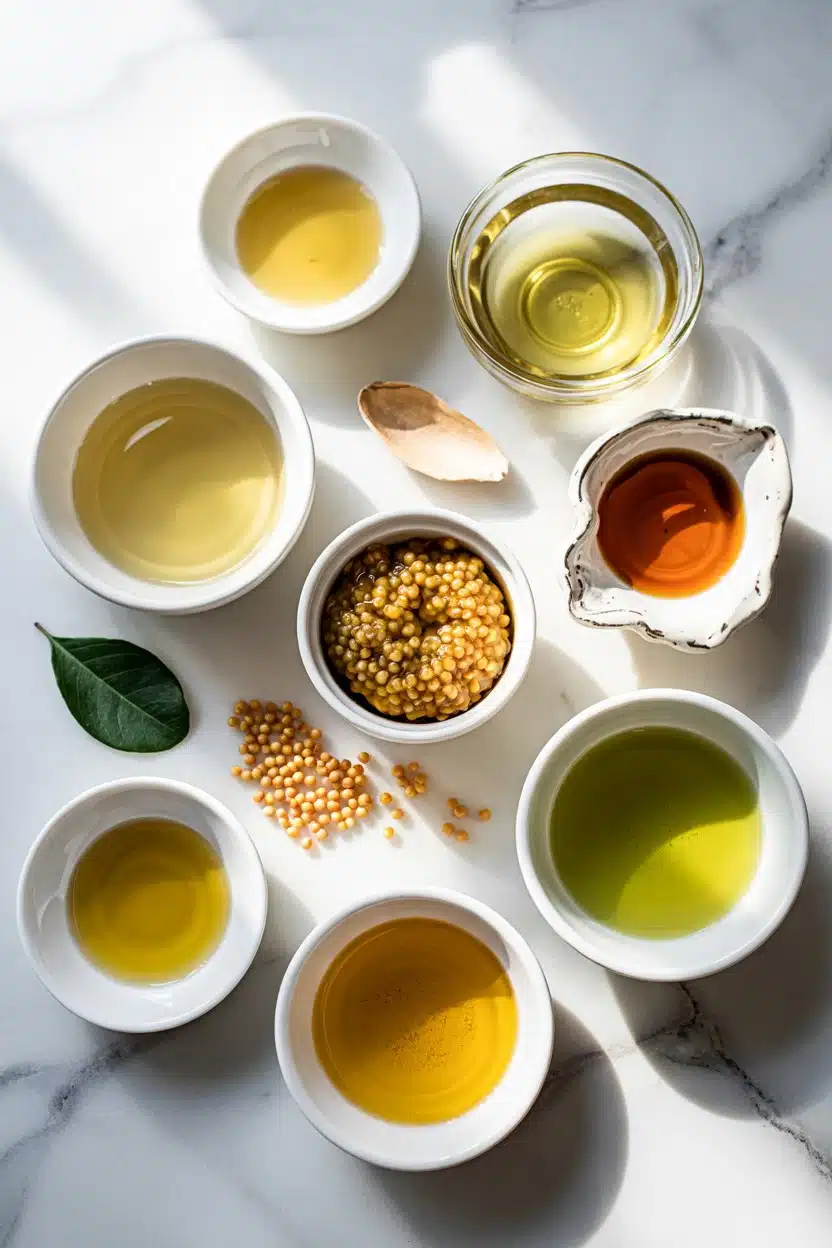
Mustard oil adds pungency and heat-what makes it different from regular cooking oils. The swap depends on tempering spices, or using it raw in pickles or dressings.
| # | Substitute | Best For | Ratio | Key Note |
|---|---|---|---|---|
| 1 | Groundnut Oil | 🍳 Cooking | 1:1 | Mildly nutty, less pungent |
| 2 | Canola Oil Mix | 🍳 Cooking | 1 tablespoon + ¼ teaspoon seeds | Neutral base with mustard aroma |
| 3 | Sesame Oil | ✨ Both | 1:1 | Toasty, rich, less sharp |
| 4 | Olive Oil Mix | 🍳 Cooking | 1 tablespoon + ⅛ teaspoon powder | Fruity olive base, mild mustard spice |
| 5 | Walnut Oil | 🍳 Cooking | 1:1 | Nutty and rich, subtle pungency |
| 6 | Avocado Oil | 🍳 Cooking | 1:1 | Buttery and mild, very neutral |
| 7 | Mustard Paste Mix | 🍳 Cooking | 1 teaspoon paste + 1 tablespoon oil | Strong pungency, thicker |
Groundnut oil and canola oil with mustard seeds best replicate mustard oil's heat and aroma. Focus on matching pungency and cooking method. Adjust spice levels when using milder oils to keep flavor balanced.
7 Simple Mustard Oil Swaps to Save Time
Some swaps stay close to the original, while others require small adjustments. Pick based on the dish and what you have.
Remember it later
Planning to try this recipe soon? Save it for a quick find later!
1 - Groundnut Oil
Groundnut oil handles high heat without breaking down. It fries clean, stays neutral, and doesn't overpower spices.
The flavor runs mildly nutty but lacks the sharp bite mustard oil brings. Use it for frying and sautéing where you need heat stability more than pungency.
Each substitute behaves differently; understanding what peanut oil does helps you pick swaps when Peanut Oil runs out.
Use 1 tablespoon per 1 tablespoon of mustard oil. Adjust seasoning if the dish feels flat.
Skip if: a strong mustard flavor is essential.
Groundnut Oil
Works for: High-heat frying and sautéing
Skip if: Strong mustard flavor is essential
Canola Oil Mix
Works for: Tempering and light cooking
Skip if: Raw oil flavor is important
2 - Canola Oil Mix
Canola oil brings nothing to the table on its own. Adding mustard seeds wakes it up-they pop in hot oil, releasing aroma without changing the base.
Use 1 tablespoon canola oil plus ¼ teaspoon mustard seeds per tablespoon of mustard oil. Heat the seeds in the oil first to bloom the flavor.
Results vary by dish; a Canola Oil replacements that work guide helps when you know its purpose.
Skip if: raw oil flavor is important.
3 - Sesame Oil
Sesame oil adds toasted depth that shifts the dish in a different direction. It's rich and nutty but less sharp than mustard oil.
Use it for finishing Asian-inspired dishes or drizzling over roasted vegetables. The toasty quality works when mustard oil's pungency isn't the main goal.
Here's what to know:
- Use 1 tablespoon sesame oil per 1 tablespoon mustard oil.
- Keep heat moderate-sesame oil scorches faster than mustard oil.
- For dressings, it adds body without the bite.
- If you're making stir-fries, add it at the end instead of cooking with it.
The swap depends on what sesame oil does in your recipe; match the function first with Sesame Oil swaps by recipe type.
Finish the dish with extra salt or a pinch of red chili flakes if it tastes too mild.
Skip if: pungent mustard flavor is the goal.
4 - Olive Oil Mix
Olive oil gives you a fruity base. Adding mustard powder brings mild spice without the throat-clearing heat of mustard oil.
Use 1 tablespoon olive oil plus ⅛ teaspoon mustard powder per tablespoon of mustard oil. Each substitute behaves differently; understanding the role of olive oil helps you pick Olive Oil alternatives to try.
Whisk the powder in thoroughly-it clumps if you don't. This works for salad dressings and marinades where raw oil matters.
Skip if: a strong mustard heat is needed.
| Use | Ratio | Notes |
|---|---|---|
| Frying | 1:1 groundnut or avocado oil | High smoke point, neutral flavor |
| Tempering | 1 tablespoon canola + ¼ teaspoon mustard seeds | Bloom seeds first for aroma |
| Dressings | 1 tablespoon olive oil + ⅛ teaspoon mustard powder | Whisk powder thoroughly |
5 - Walnut Oil
Walnut oil tastes rich and nutty with a subtle pungency that doesn't hit as hard as mustard oil. It works for drizzling over greens, finishing grain bowls, or mixing into cold sauces.
Use 1 tablespoon per tablespoon of mustard oil. Don't heat it-walnut oil turns bitter above medium heat.
Results vary by dish; finding Walnut Oil substitutes for cooking helps when you know its purpose.
Skip if: high heat cooking.
6 - Avocado Oil
Avocado oil stays neutral and handles heat without breaking down. It won't bring mustard oil's sharpness, but it won't interfere with the dish either.
Use 1 tablespoon per tablespoon of mustard oil. It works for roasting, searing, and deep frying.
- Swap 1:1 for any high-heat method.
- Expect a buttery mouthfeel instead of pungency.
- Season more aggressively to compensate for the neutral flavor.
Boost the dish with extra spices or a squeeze of lemon at the end.
Skip if: mustard flavor is a must.
7 - Mustard Paste Mix
Mustard paste dissolved in neutral oil gives you the closest pungency match. It's thick and strong-closer to the original flavor but messier to work with.
Mix 1 teaspoon mustard paste with 1 tablespoon neutral oil per tablespoon of mustard oil. Whisk until smooth before adding to the dish.
- Use for dressings and marinades where raw flavor matters.
- Adjust paste amount if you want more or less heat.
- Strain if the texture bothers you.
This won't work for frying-paste solids burn. Stick to cold or low-heat uses.
Skip if: frying or where pure oil is required.
Before You Swap Mustard Oil
Most of these swaps work without major changes, but the right choice depends on what you're making. For frying, groundnut or avocado oil comes closest.
For finishing or dressings, sesame or walnut oil adds depth without the bite.
- Closest match - Groundnut oil for high-heat cooking
- Easiest grab - Canola oil plus mustard seeds
- Bold alternative - Mustard paste mix for raw uses
Frequently Asked Questions
Yes, but add mustard seeds or powder to mimic the pungency. Plain vegetable oil works for frying but won't replicate the sharp flavor mustard oil brings to pickles or dressings.
No. Sesame oil is toasty and nutty, while mustard oil is sharp and pungent. Sesame oil works as a finishing oil when you don't need mustard oil's bite.
Yes, but use a neutral oil like canola or avocado oil instead. Mustard oil's pungency doesn't translate well in baked goods, so skip the mustard seeds or powder for cakes and breads.
Mix mustard paste with a neutral oil like canola or sunflower oil. This keeps the sharp, pungent flavor pickles need without using pure mustard oil.
Neutral oils lack mustard oil's pungency. Add mustard seeds, mustard powder, or extra spices to bring back the heat and depth the dish needs.
7 Best Substitutes for Mustard Oil
Ingredients
Method
- Pick the substitute based on cooking need: frying, tempering, or raw use like dressings and pickles.
- For mixes with seeds or powder, heat or whisk thoroughly to release flavors properly.
- Apply each substitute using the recommended ratio; adjust seasoning to maintain desired pungency or flavor balance.
- For oils prone to burning like walnut or sesame, add after cooking or keep heat moderate.
- When using mustard paste mix, whisk smooth before adding and avoid high heat to prevent burning solids.
- Taste and adjust final seasoning with salt, chili flakes, or lemon juice as needed to compensate for differences in pungency.