• Skip to primary navigation
  • Skip to main content
  • Skip to primary sidebar
  • Recipe Index
    • Air Fryer
  • Side Dishes
  • Substitutes
  • About
  • Contact
  • Subscribe

ForkLiftKitchen

menu icon
go to homepage
  • Recipe Index
    • Air Fryer
  • Side Dishes
  • Substitutes
  • About
  • Contact
  • Subscribe
subscribe
search icon
Homepage link
  • Recipe Index
    • Air Fryer
  • Side Dishes
  • Substitutes
  • About
  • Contact
  • Subscribe
×

Blog

5 Best Substitutes for Port Wine in Cooking & Cocktails

January 26, 2026

You're halfway through a pan sauce when you realize Port Wine is missing. What matters is what it does in the dish-sweet depth, richness, a bit of acidity-not the exact bottle.

5 Best Substitutes for Port Wine in Cooking & Cocktails

Port Wine adds sweetness and body to reductions, glazes, and braises. Swaps need similar weight and enough sugar to balance savory flavors.

Some bring alcohol warmth; others rely on fruit and vinegar to mimic the complexity.

The list starts with the closest matches and moves to pantry-friendly backups. Check the ratio column if you need a fast answer.

QUICK SUMMARY

Madeira, sherry, and a grape juice mix replace port best in cooking because they keep the **sweet, winey depth** that builds sauces and braises. We prioritize **salt/acid** first, then adjust sweetness so the dish stays rounded instead of sharp. A red wine mix works when you need body, however we add sweetness in small steps and reduce longer for a jammy finish.

🍷Best all-around: Use Madeira when you want sweetness plus baked-fruit depth in sauces.
⚖️Ratio + fix: Start 1:1, then add 1-2 teaspoon sugar if it tastes dry.
🔥Watch out: Juice swaps burn fast-keep heat low and stir while reducing.

5 Smart Port Wine Swaps When You're Out

These substitutes are ranked by how well they mimic Port Wine. Start at the top for the closest match, or scan for what's already in your pantry.

Quick Substitute Reference
# Substitute Best For Ratio Key Note
1 Grape Juice Mix 🍳 Cooking ½ cup juice + 1 tablespoon vinegar per 1 cup Sweeter, no alcohol
2 Madeira 🍳 Cooking 1:1 Nutty, slightly sweeter
3 Sherry ✨ Both 1:1 Lighter, drier
4 Red Wine Mix 🍳 Cooking 1 cup wine + 1 teaspoon sugar per 1 cup Less sweet, more tannin
5 Non-Alcoholic Juice 🍳 Cooking 1:1 Very sweet, no warmth

1 - Grape Juice Mix

Red grape juice combined with balsamic vinegar delivers sweetness and acidity without alcohol. It works in sauces and marinades where you need fruity depth but don't rely on the boozy warmth Port Wine brings.

The mix runs sweeter and lacks complexity. Use ½ cup grape juice plus 1 tablespoon balsamic vinegar for each cup of Port Wine.

Here's what to know:

  • Best in reductions - The vinegar cuts through the sugar and adds tang that mimics aged wine.
  • Adjust sweetness - Taste as you go; grape juice can overpower if the dish already has sugar.

If you're short on balsamic too, quick Balsamic Vinegar replacements to try covers tangy swaps that balance fruit-forward bases.

*Skip if:* The recipe needs alcohol to deglaze or extract fat-soluble flavors.

Red Grape Juice + Balsamic

Works for: sauces, marinades, glazes

Skip if: recipe requires alcohol warmth

Madeira Wine

Works for: rich stews, pan sauces

Skip if: making a sweet dessert sauce

2 - Madeira

Madeira brings nutty sweetness and slightly less alcohol intensity than Port Wine. It shines in rich sauces and stews where you want depth without overwhelming the dish.

Swap one cup Madeira for one cup Port Wine. The flavor leans nuttier and a bit drier, so it fits better in savory contexts than dessert recipes.

If you're also out of Madeira, easy Madeira Wine swaps that work covers fortified alternatives for similar richness.

*Skip if:* You're making a sweet reduction meant to drizzle over fruit or ice cream.

Shortcut
Madeira and Port Wine both deglaze pans well. Use whichever you have on hand for weeknight sauces.

3 - Sherry

Sweet or medium Sherry works in both cooking and cocktails. It's lighter and drier than Port Wine, with nutty and fruity notes that don't dominate the dish.

  • Use equal amounts - Sherry swaps 1:1 for Port Wine in most recipes.
  • Adjust for body - If the dish feels thin, simmer longer to concentrate the flavor.
  • Best in pan sauces - The lighter profile suits chicken, pork, and mushroom dishes.
  • Watch sweetness - Medium Sherry is less sweet than Port Wine, so taste and add a pinch of sugar if needed.

Missing Sherry as well? Sherry replacements that work covers nutty alternatives for cooking.

*Skip if:* The recipe demands very full-bodied, syrupy sweetness.

Use Ratio Notes
Pan sauces 1:1 Lighter body; simmer to reduce
Marinades 1:1 Add sugar if too dry
Cocktails 1:1 Slightly less sweet

4 - Red Wine Mix

Red wine with a touch of sugar works in savory dishes where you need acidity and tannin more than thick sweetness. It's not as syrupy as Port Wine, but it deglazes pans and builds sauce foundations just fine.

Use one cup red wine plus one teaspoon sugar per cup of Port Wine. The result is less sweet and more wine-forward, so it fits better in braises and gravies than desserts.

  • Best for savory - The tannin structure suits beef, lamb, and mushroom dishes.
  • Adjust sweetness - Add sugar gradually; you want balance, not candy.

*Skip if:* You're making a sweet glaze or dessert sauce.

Watch Out
Don't skip the sugar. Straight red wine is too dry and sharp to mimic Port Wine's richness.

5 - Non-Alcoholic Juice

Non-alcoholic grape juice gives you sweetness without alcohol. It's ideal for recipes where you need fruity depth but can't use booze-think family-friendly sauces or dishes for kids.

The flavor is much sweeter and lacks the warmth alcohol provides. Use one cup juice for one cup Port Wine, and reduce the amount of any other sugar in the recipe.

  • Best in glazes - The thick sweetness coats well and caramelizes nicely.
  • Cut with acid - Add a splash of vinegar or lemon juice to balance the sugar.
  • Watch heat - Grape juice burns faster than wine; stir often and keep the heat medium.

The swap works when you're cooking for people who avoid alcohol or when the recipe doesn't rely on booze to extract fat-soluble flavors.

*Skip if:* The dish needs alcoholic warmth or you're deglazing a pan with fond that requires alcohol to lift.

Best Pick
For alcohol-free cooking, non-alcoholic grape juice is the easiest swap. Just cut the sweetness with acid and watch the heat.

Making Port Wine Substitutes Work

Most of these swaps work without changing the recipe. The best choice depends on

For savory dishes, Madeira or Sherry come closest. For sweet reductions, grape juice with balsamic gives you fruit and tang without alcohol.

  • Closest match - Madeira, for nutty sweetness
  • Easiest grab - Red wine mix, pantry-ready
  • Alcohol-free option - Non-alcoholic grape juice, for family meals

Frequently Asked Questions

Can I use regular red wine instead of Port Wine?

Yes, but add sugar to match Port Wine's sweetness. Use one teaspoon of sugar per cup of red wine and taste as you go.

Does Sherry taste the same as Port Wine?

No, Sherry is lighter and drier with nutty notes. It works in most recipes but won't give you the thick, syrupy sweetness Port Wine brings.

Can I substitute Port Wine in baking?

Yes, but use Madeira or grape juice with balsamic vinegar instead. Red wine with sugar works too, but it's less sweet and may need adjustments.

What's the best alcohol-free substitute for Port Wine?

Non-alcoholic grape juice works best. Add a splash of vinegar to cut the sweetness and balance the flavor.

How do I adjust ratios when substituting Port Wine?

Most substitutes work 1:1, but adjust sugar and acid to match your recipe. Taste as you cook and tweak sweetness or tang as needed.

5 Best Substitutes for Port Wine in Cooking & Cocktails

5 Best Substitutes for Port Wine

5 from 1 vote
Port Wine provides sweet depth and richness in sauces and braises. These substitutes offer similar sweetness and acidity levels, ranging from alcohol-free options to fortified wines, each suited for cooking or glazing.
Print Recipe Pin Recipe
Prep Time 7 minutes mins
Cook Time 10 minutes mins
Total Time 17 minutes mins
Servings: 4 servings
Course: Substitute Guide
Ingredients Method Notes

Ingredients
  

  • 0.5 cup Grape Juice Use with 1 tablespoon balsamic vinegar per 1 cup Port Wine; sweeter, no alcohol
  • 1 tablespoon Balsamic Vinegar Use with ½ cup grape juice per 1 cup Port Wine; adds acidity to balance sweetness
  • 1 cup Madeira 1:1 ratio; nutty, slightly sweeter, best for rich sauces and stews
  • 1 cup Sherry 1:1 ratio; lighter and drier than Port Wine, may need added sugar to increase sweetness
  • 1 cup Red Wine Use with 1 teaspoon sugar per 1 cup Port Wine; less sweet, more tannin
  • 1 teaspoon Sugar Add to red wine to mimic Port Wine sweetness
  • 1 cup Non-Alcoholic Grape Juice 1:1 ratio; very sweet without alcohol, best balanced with vinegar or lemon juice

Method
 

  1. Select the substitute based on your dish type: use Madeira or Sherry for savory sauces, grape juice mix or non-alcoholic juice for sweet reductions or alcohol-free cooking.
  2. For grape juice mix, combine ½ cup grape juice with 1 tablespoon balsamic vinegar for each 1 cup of Port Wine needed.
  3. Use Madeira or Sherry in a 1:1 ratio to replace Port Wine; simmer longer if the sauce feels too thin.
  4. For the red wine mix, add 1 teaspoon of sugar per 1 cup of red wine before substituting 1:1 for Port Wine; adjust sugar gradually to balance sweetness.
  5. Use non-alcoholic grape juice 1:1 with Port Wine and reduce other sugar in the recipe; add a splash of vinegar or lemon juice to balance sweetness.
  6. When using alcohol-free substitutes, avoid using them to deglaze pans requiring alcohol to extract fat-soluble flavors.
  7. Taste the dish as you cook and adjust sweetness or acidity as needed to achieve balanced flavor and consistency.

Notes

Add balsamic vinegar slowly to grape juice mix and taste-test to prevent overpowering sweetness or imbalance.

Tried this recipe?

Let us know how it was!

5 Best Substitutes for Sake in Asian Cooking

January 26, 2026

You reach for the sake and the bottle's empty. Or you're cooking Japanese-inspired dishes but don't keep sake on hand.

Sake adds subtle sweetness and umami depth to marinades, glazes, and sauces. Its low acidity and mild alcohol content help tenderize proteins and balance salty or sweet flavors without overpowering the dish.

The right substitute depends on whether you need that hint of sweetness, the alcohol's tenderizing effect, or just a liquid component that won't throw off the flavor.

5 Best Substitutes for Sake in Asian Cooking

These swaps range from direct matches to pantry workarounds that get you through the recipe.

QUICK SUMMARY

Dry white wine, dry sherry, and mirin replace sake best in cooking because they give **clean acidity** and light sweetness that lifts sauces. We prioritize salt/acid first, then adjust sweetness so the dish stays balanced. Rice vinegar mix or apple cider vinegar mix help when you only need tang, however we dilute vinegar and add a small pinch sugar to avoid harshness.

🍶Best all-around: Use dry white wine for clean lift in stir-fries and glazes.
⚖️Ratio + fix: Swap 1:1, then add 1 teaspoon sugar if using vinegar.
🔥Watch out: Mirin is sweeter-reduce other sugar or the sauce turns sticky.

5 Easy Sake Swaps for Cooking

These options start with the closest match and move toward more accessible pantry alternatives. Pick based on what you have and what role sake plays in your recipe-some provide sweetness, others focus on acidity or just add liquid without changing the balance.

Quick Substitute Reference
# Substitute Best For Ratio Key Note
1 Dry White Wine 🍳 Cooking 1:1 Drier, more acidic
2 Mirin 🍳 Cooking 1 tablespoon + 1 teaspoon water Sweeter, needs dilution
3 Dry Sherry 🍳 Cooking 1:1 Nutty, stronger alcohol
4 Rice Vinegar Mix 🍳 Cooking 1 teaspoon + 1 tablespoon water No alcohol, more tang
5 Apple Cider Vinegar Mix 🍳 Cooking 1 teaspoon + 1 tablespoon water Fruity, sharper bite

1 - Dry White Wine

White wine brings a similar alcohol content and light body, making it a solid swap in marinades and stir-fry sauces. The main difference is acidity-white wine tastes sharper and less sweet than sake, so it works best in savory dishes where a bit of brightness won't hurt.

Use 1 tablespoon of dry white wine for every 1 tablespoon of sake. If the recipe leans sweet (like teriyaki), add a pinch of sugar to balance the wine's dryness.

Results vary by dish. A White Wine swaps by recipe type guide breaks down which varieties handle heat best and which turn too sharp.

Skip if: The recipe needs a hint of sweetness or calls for low-acid ingredients like delicate fish.

Best Pick
Sauvignon Blanc or Pinot Grigio work best-they're dry without heavy oak flavors that compete with soy or miso.

2 - Mirin

Mirin is a Japanese sweet rice wine that shares sake's rice base but brings more sugar and a thicker texture. It shines in glazes, teriyaki sauce, and dishes where you want a glossy finish with mild sweetness.

What to expect:

  • Sweeter profile - Adds noticeable sweetness compared to sake's subtle touch.
  • Less alcohol - Lower alcohol content, so it won't tenderize proteins as aggressively.
  • Thicker consistency - Works well in sauces that need body but may feel too syrupy in light broths.
  • Best for glazing - The sugar content caramelizes nicely over high heat.

Use 1 tablespoon of mirin plus 1 teaspoon of water for every 1 tablespoon of sake to thin it slightly and match sake's lighter body.

Cook times differ across grains. If you're also out of mirin, common Rice swaps ranked covers options that absorb liquid at different rates.

Skip if: You need low alcohol content or the dish can't handle extra sweetness (like a delicate dashi broth).

3 - Dry Sherry

Dry sherry brings a nutty, deeper flavor that works in braises and stews where sake plays a supporting role rather than the star. The alcohol content matches sake, so it still helps tenderize meat and deglaze pans.

The nuttiness adds complexity, which can enhance dishes with mushrooms, soy sauce, or caramelized onions. It's less neutral than sake, so use it where a richer background note won't feel out of place.

Use 1 tablespoon of dry sherry for every 1 tablespoon of sake-no adjustments needed for ratio.

Use Ratio Notes
Braises, stews 1:1 Nutty depth enhances long-cooked dishes
Pan sauces 1:1 Stronger alcohol taste burns off quickly
Light broths Skip Too bold for delicate flavors

Skip if: The recipe requires a light, delicate flavor (like miso soup or poached fish).

4 - Rice Vinegar Mix

Rice vinegar mixed with water gives you the acidity and mild flavor that sake provides without any alcohol. This works in stir-fry sauces, dressings, and marinades where the alcohol's tenderizing effect isn't critical.

The main trade-off is sharpness-rice vinegar tastes more tangy than sake, so you'll need to balance it with a pinch of sugar if the dish leans sweet. It won't help deglaze pans or tenderize meat the way alcohol does, but it keeps the flavor closer to sake than most non-alcoholic swaps.

Use 1 teaspoon of rice vinegar plus 1 tablespoon of water for every 1 tablespoon of sake. Add a small pinch of sugar if the original recipe includes mirin or calls for sweetness.

Grains absorb liquid at different rates. If you're also missing rice vinegar, what to use for Rice Vinegar covers milder acid options that won't overpower the dish.

Skip if: The recipe depends on alcohol for deglazing or tenderizing (like a braise or long-cooked marinade).

Watch Out
Start with less vinegar than the recipe calls for-you can always add more, but too much tang can't be fixed once it's in the pot.

5 - Apple Cider Vinegar Mix

Apple cider vinegar mixed with water works in dressings and pickling where sake provides acidity and a mild background note. The fruity tang tastes sharper than sake, so it fits better in bolder recipes where a bit of extra zing won't throw off the balance.

It brings no alcohol, so skip it in dishes that need tenderizing or deglazing. Use it where sake's role is flavor layering rather than texture work.

Use 1 teaspoon of apple cider vinegar plus 1 tablespoon of water for every 1 tablespoon of sake. If the dish leans sweet, add a pinch of sugar to soften the vinegar's sharpness.

Skip if: The recipe features delicate fish or light broths where the fruity acidity would stand out awkwardly.

Golden Rule
Apple cider vinegar works best in room-temperature applications-heat can intensify its sharpness and make it taste more aggressive than sake ever would.

Before You Swap Sake

Most of these swaps work without rewriting the recipe, but the best choice depends on what sake does in the dish. For marinades and glazes, mirin comes closest to sake's sweetness and body.

For deglazing or tenderizing, dry white wine or dry sherry provide the alcohol content that vinegar-based swaps can't match.

Start with the ratio listed, taste as you go, and adjust sweetness or acidity if needed.

  • Closest match - Dry White Wine for cooking and marinades
  • Easiest grab - Rice Vinegar Mix from the pantry
  • No-alcohol option - Rice Vinegar Mix for stir-fries and dressings

Frequently Asked Questions

Can I use cooking sake instead of drinking sake?

Yes, but cooking sake often contains added salt, so reduce the soy sauce or salt in your recipe. Drinking sake tastes cleaner and works better in dishes where the sake flavor shows through, like glazes or light broths.

Does sake cook off completely in recipes?

Most of the alcohol evaporates during cooking, but traces remain depending on heat level and time. For a fully alcohol-free dish, use rice vinegar mixed with water instead.

Can I swap sake in baking recipes?

Sake rarely appears in baking, but if a recipe calls for it, use dry white wine or a mix of rice vinegar and water. Match the liquid volume and add a pinch of sugar if the batter needs sweetness.

What if my substitute tastes too acidic?

Add a small pinch of sugar to balance the sharpness. Start with ¼ teaspoon, stir, and taste before adding more.

Can I use sake substitutes in marinades for fish?

Yes, but stick to dry white wine or mirin for the mildest flavor. Avoid apple cider vinegar-it's too sharp for delicate fish and can overpower the marinade.

5 Best Substitutes for Sake in Asian Cooking

5 Best Substitutes for Sake

5 from 1 vote
Sake adds subtle sweetness and umami to dishes while tenderizing proteins with mild alcohol and low acidity. These five substitutes offer alternatives balancing sweetness, acidity, and liquid role depending on your recipe needs.
Print Recipe Pin Recipe
Prep Time 6 minutes mins
Cook Time 6 minutes mins
Total Time 12 minutes mins
Servings: 4 servings
Course: Cooking
Cuisine: Japanese-inspired
Ingredients Method Notes

Ingredients
  

  • 1 tablespoon Dry White Wine Use equal amount to sake; add pinch of sugar if dish is sweet to balance acidity.
  • Mirin Use 1 tablespoon plus 1 teaspoon water to dilute for lighter body; sweeter than sake.
  • 1 tablespoon Dry Sherry Use equal amount to sake; stronger alcohol and nutty flavor suitable for braises and stews.
  • Rice Vinegar Mix Mix 1 teaspoon rice vinegar with 1 tablespoon water; add pinch of sugar if dish is sweet; no alcohol, more tangy.
  • Apple Cider Vinegar Mix Mix 1 teaspoon apple cider vinegar with 1 tablespoon water; add pinch of sugar if dish is sweet; sharper and fruity taste.

Method
 

  1. Identify the role sake plays in your recipe: sweetness, acidity, tenderizing, or liquid balance.
  2. Select the appropriate substitute based on the recipe role and flavor profile needed.
  3. If needed, dilute mirin, rice vinegar, or apple cider vinegar with the specified amount of water to match sake's consistency.
  4. Measure and substitute according to the recommended ratios for each alternative.
  5. Add sugar if the substitute tastes too acidic or if the dish requires sweetness, adjusting gradually to taste.
  6. Use dry white wine or dry sherry when alcohol's tenderizing or deglazing action is desired; use vinegar mixes for acidity without alcohol.
  7. Taste the dish as you cook to ensure the substitution maintains balance in flavor without overpowering.

Notes

Thin mirin before use to avoid a syrupy texture altering your dish's balance.

Tried this recipe?

Let us know how it was!

5 Best Substitutes for Rum Extract in Baking & Cocktails

January 26, 2026

Rum extract runs out faster than you'd think. Most baking and cocktail recipes call for just a teaspoon or two, but when the bottle is empty mid-recipe, you need a quick fix.

The substitute you pick depends on mixing a drink, or glazing a dessert. Some swaps mimic the deep, molasses-like warmth of rum extract, while others lean sweeter or nuttier.

5 Best Substitutes for Rum Extract in Baking & Cocktails

Start with the closest match, then adjust based on what you have and what you're making.

QUICK SUMMARY

Vanilla extract, dark rum, and molasses replace rum extract best in baking because they recreate the **sweet, warm aroma** without tasting artificial. We prioritize fat + sweetness first, then adjust liquid so batters stay consistent. Almond extract or maple syrup also work, however we keep almond tiny and reduce other sugar when using maple.

🍦Closest aroma: Use vanilla extract to mimic the warm background note in cakes.
⚖️Ratio + tweak: Use 1:1 vanilla, then add 1 teaspoon molasses for depth.
🧪Watch out: Almond extract dominates-start with 1-2 drops, then stop.

5 Quick Rum Extract Swaps for Cooking

These substitutes are ranked by how closely they match rum extract's flavor. Each one works best in specific types of recipes.

Quick Substitute Reference
# Substitute Best For Ratio Key Note
1 Vanilla Extract 🥧 Baking 1:1 Sweeter, less intense
2 Almond Extract 🥧 Baking ½ to ¾ teaspoon per 1 tsp Nutty, more potent
3 Dark Rum ✨ Both 1 tablespoon per 1 tsp Contains alcohol
4 Maple Syrup 🍳 Cooking 1:1 Sweet, woody
5 Molasses 🍳 Cooking ½ tablespoon per 1 tsp Deep, hearty

1 - Vanilla Extract

Vanilla extract delivers sweetness without the alcohol bite. It works in most baked goods where rum extract adds background warmth, but it won't replicate the molasses-like depth.

Use 1:1 for rum extract. The flavor runs milder, so you might not notice a significant shift in cakes, cookies, or quick breads.

Here's what to know:

  • Best for desserts - Fits naturally into batters and frostings without competing with other flavors.
  • Avoid in cocktails - The vanilla profile feels out of place in drinks that rely on rum's complexity.
  • Sweeter finish - Expect a slightly more sugary undertone compared to rum extract.

*Skip if:* You need a boozy, caramelized note for rum cakes or tropical glazes.

Vanilla Extract

Works for: Cakes, cookies, custards, frostings

Skip if: You're making rum balls or cocktails

Rum Extract

Works for: Rum cakes, glazes, tropical desserts, drinks

Skip if: You want a milder, less boozy flavor

2 - Almond Extract

Almond extract brings a nutty sweetness that shifts the flavor noticeably. It's more potent than rum extract, so use half to three-quarters of a teaspoon per teaspoon called for.

If you're also short on almond extract, Almond Extract swaps that match covers similar intensity options.

The nuttiness works well in cookies, pound cakes, and biscotti. It doesn't mimic rum's molasses undertones, so it changes the character of the dish rather than replicating it.

  • Best in baking - Adds complexity to almond-forward desserts or anything with stone fruits.
  • Avoid in savory dishes - The nutty sweetness feels out of place in marinades or glazes.
  • Start with less - A little goes a long way; too much tastes artificial.
  • Pair with vanilla - Mixing almond and vanilla extracts softens the nutty edge.

*Skip if:* You're making a rum-soaked cake or tropical fruit salad where the rum flavor is the main feature.

3 - Dark Rum

Dark rum contains alcohol, so it delivers the closest match in flavor and aroma. Use 1 tablespoon of liquid rum for every teaspoon of rum extract.

The higher liquid volume means you might need to reduce other liquids slightly in baked goods. If you're out of dark rum too, what to use for Rum offers liquor-free backups that still deliver warmth.

The alcohol burns off during baking, leaving behind the deep, caramelized notes rum extract provides. In cocktails or no-bake desserts, the alcohol remains, so adjust based on your preference.

*Skip if:* You're avoiding alcohol or baking at high heat where the extra liquid could throw off the texture.

Best Pick
For cocktails and soaking cakes, dark rum replicates rum extract's richness without compromise. The alcohol presence matches the original intent.

4 - Maple Syrup

Maple syrup adds sweetness and a woody depth that works in glazes and baked goods. The flavor lacks the alcohol bite of rum extract, but it brings a similar richness.

If you're missing maple syrup as well, Maple Syrup alternatives worth trying lists viscous sweeteners that behave similarly.

Use it 1:1 for rum extract. The extra liquid volume is minimal, so most recipes handle it without adjustment.

  • Best in glazes - The syrupy texture coats evenly and caramelizes well under heat.
  • Avoid in light desserts - The strong maple flavor overpowers delicate batters like angel food cake.

*Skip if:* You need the alcohol note for authenticity, like in rum balls or tiramisu.

Use Ratio Notes
Baking (cakes, muffins) 1:1 Adds sweetness; reduce sugar slightly
Glazes and marinades 1:1 Caramelizes well; watch for burning
No-bake desserts 1:1 Woody flavor stands out more

5 - Molasses

Molasses delivers a deep, bittersweet flavor that works in rich baked goods and marinades. Use half a tablespoon per teaspoon of rum extract.

The bold taste shifts the dish toward something darker and less sweet. Missing molasses too?

Check what to use for Molasses for thick, caramel-forward swaps.

The thick texture means it distributes unevenly if not mixed thoroughly. Warm it slightly before adding to cold batters for smoother incorporation.

*Skip if:* You're making something light and fruity, like pineapple upside-down cake, where molasses would overpower the other flavors.

Watch Out
Molasses tastes bitter if you use too much. Start with half the amount and taste before adding more.

Picking the Right Replacement

Most of these substitutes deliver warmth and sweetness, but the best choice depends on mixing a drink, or glazing. For desserts, vanilla extract comes closest without changing the recipe significantly.

For cocktails or soaking cakes, dark rum replicates the boozy depth better than any extract.

  • Closest match - Dark rum for cocktails and rum-soaked cakes
  • Easiest grab - Vanilla extract for everyday baking
  • Sweetener option - Maple syrup for glazes and marinades

Frequently Asked Questions

Can I use vanilla extract instead of rum extract in a cake?

Yes, vanilla extract works 1:1 in cakes. The flavor runs sweeter and less complex, but it won't ruin the recipe.

Does almond extract taste like rum extract?

No, almond extract tastes nuttier and more potent. Use half the amount and expect a different flavor.

Can I substitute rum extract in cocktails?

Dark rum works best in cocktails since it contains alcohol. Rum extract adds flavor without the booze, so the swap changes the drink's strength.

Is maple syrup a good substitute for baking?

Maple syrup works in glazes and denser baked goods like gingerbread. The woody sweetness lacks rum's alcohol warmth, but it adds similar richness.

How much molasses should I use instead of rum extract?

Use half a tablespoon of molasses per teaspoon of rum extract. The flavor is bold and slightly bitter, so less is better.

5 Best Substitutes for Rum Extract in Baking & Cocktails

5 Best Substitutes for Rum Extract

5 from 1 vote
Rum extract substitutes vary by use: vanilla extract works well for baking, dark rum is best for cocktails and soaking cakes, while maple syrup and molasses suit cooking and glazes. Almond extract adds a nutty twist but changes flavor profile.
Print Recipe Pin Recipe
Prep Time 7 minutes mins
Cook Time 8 minutes mins
Total Time 15 minutes mins
Servings: 6 servings
Ingredients Method Notes

Ingredients
  

  • 1 teaspoon Vanilla Extract Use 1:1 ratio for rum extract; sweeter and less intense flavor
  • Almond Extract Use ½ to ¾ teaspoon per 1 teaspoon rum extract; nutty and more potent
  • 1 tablespoon Dark Rum Use 1 tablespoon per 1 teaspoon rum extract; contains alcohol
  • 1 teaspoon Maple Syrup Use 1:1 ratio for rum extract; sweet and woody flavor
  • 0.5 tablespoon Molasses Use ½ tablespoon per 1 teaspoon rum extract; deep and robust flavor

Method
 

  1. Choose your substitute based on recipe type: vanilla and almond extracts for baking, dark rum for both baking and cocktails, maple syrup and molasses for cooking and glazes.
  2. For vanilla extract, use a 1:1 substitution. Adjust sweetness if needed and avoid using in cocktails.
  3. For almond extract, use between half to three-quarters of a teaspoon per teaspoon of rum extract. Use sparingly to avoid overpowering flavors.
  4. When substituting dark rum, use 1 tablespoon of liquid rum for each teaspoon of rum extract. Reduce other liquids slightly if baking.
  5. For maple syrup, use equal parts as substitute. Use in glazes and dense baked goods; avoid in light desserts.
  6. Use half a tablespoon of molasses per teaspoon of rum extract. Warm slightly before mixing for smoother incorporation and start with less to avoid bitterness.
  7. Taste your dish after substitution and adjust amounts carefully to maintain desired flavor and consistency.

Notes

Warm molasses slightly before adding to cold batters to avoid gritty texture and uneven flavor distribution.

Tried this recipe?

Let us know how it was!

6 Best Substitutes for Rum in Cocktails & Baking

January 26, 2026

You pull the rum bottle forward and tip it. Empty.

The recipe calls for 2 tablespoons in the glaze, and you're mid-prep. Rum adds warmth and caramelized depth, but swaps depend on cooking, or mixing a drink.

6 Best Substitutes for Rum in Cocktails & Baking

Some replacements mimic the sweetness, others bring acidity or fruit notes that shift the final flavor.

Start with what you have, then match the dish type.

QUICK SUMMARY

Brandy, whiskey, and a molasses mix replace rum best in cooking because they give similar **warm caramel notes** and alcohol lift. We prioritize **sweetness + bitterness** first when rum shows up as "flavor," then adjust proof so the dish does not taste raw. Vanilla or coconut extract help when you only need aroma, however we keep them tiny so they do not turn perfume-like.

🥃Closest flavor: Use brandy for smooth warmth without the sharp grain edge.
⚖️Ratio + fix: Swap 1:1, then add 1 teaspoon molasses if missing depth.
🚫Watch out: Extracts overwhelm fast-start with 2-3 drops, then taste.

6 Smart Rum Swaps When You're Out

These options range from direct alcohol-for-alcohol trades to non-alcoholic mixtures that mimic sweetness and complexity. Match the substitute to baking a cake, or building a cocktail.

Quick Substitute Reference
# Substitute Best For Ratio Key Note
1 Brandy ✨ Both 1:1 Fruitier, less sweet
2 Molasses Mix 🍳 Cooking 1 tablespoon molasses + 2 tablespoon water + ¼ teaspoon vanilla per 1 tablespoon rum Rich, deep sweetness
3 Vinegar Sugar Mix 🍳 Cooking 1 tablespoon vinegar + 1 tablespoon brown sugar per 1 tablespoon rum Tangy and sweet
4 Vanilla Extract 🥧 Baking 1 teaspoon per 1 tablespoon rum Intense vanilla, sweeter
5 Whiskey 🍳 Cooking 1:1 Smoky, less sweet
6 Coconut Extract 🥧 Baking 1 teaspoon per 1 tablespoon rum Sweet tropical flavor

1 - Brandy

Brandy delivers similar warmth but leans fruitier and less sweet than rum. It works in most cocktails and desserts without changing technique.

Use equal amounts in glazes, sauces, or cake batters. The fruit notes stand out more in lighter dishes like poached pears or cream-based sauces.

Here's what to know:

  • Flavor: Similar warmth, but the fruit base replaces rum's sugarcane sweetness
  • Best in: Cocktails, caramel sauces, flambéed dishes, fruit compotes
  • Cooking behavior: Same alcohol content, so it flambés and reduces the same way
  • Adjustment: Add ½ teaspoon brown sugar per tablespoon if you need more sweetness

If you're out of Brandy too, easy Brandy swaps that work cover options that keep similar richness.

*Skip if::* the recipe needs a lighter, brighter flavor or you're making a mojito-style drink.

Brandy

Works for: Caramel sauces, flambéed desserts, savory glazes

Skip if: You need lighter flavor or working with citrus-forward recipes

Molasses Mix

Works for: Marinades, baked goods, barbecue sauces

Skip if: Making cocktails or delicate desserts

2 - Molasses Mix

Combine 1 tablespoon molasses, 2 tablespoons water, and ¼ teaspoon vanilla extract for every tablespoon of rum. This mixture brings deep sweetness with a slight bitter edge, but no alcohol.

It works well in baking-brownies, gingerbread, spice cakes-and in marinades where you want caramelization. The molasses thickens slightly as it cooks, so it coats meat or vegetables more than rum does.

  • Texture: Thicker and syrupy compared to liquid rum
  • Flavor shift: Rich molasses dominates; vanilla rounds it out but won't replicate rum's complexity
  • Best use: Baking, barbecue glazes, sticky marinades

Don't have molasses either? Molasses swaps that match for comparable sweetness.

*Skip if:* you're making cocktails or light custards where the heavy molasses flavor overwhelms.

Best Pick
For baking, molasses mix mimics rum's sweetness and depth without changing oven behavior.

3 - Vinegar Sugar Mix

Mix 1 tablespoon apple cider vinegar with 1 tablespoon brown sugar per tablespoon of rum. The vinegar's tang balances the sugar, creating a sweet-acidic profile that works in sauces and some baked goods.

This swap shines in savory glazes for pork or chicken, where the acidity cuts through fat. In baking, it adds moisture and a slight tang that complements spices like cinnamon and cloves.

The sugar dissolves into the vinegar, so stir until smooth before adding. Missing apple cider vinegar as well?

Apple Cider Vinegar alternatives worth trying for similar acidity.

*Skip if:* you're making a cocktail or a dessert where the vinegar's sharpness would clash with delicate flavors.

4 - Vanilla Extract

Use 1 teaspoon vanilla extract per tablespoon of rum in baking recipes. The intense vanilla aroma adds sweetness and depth, but you lose the alcohol's ability to dissolve certain fats and enhance other flavors.

Vanilla works in cakes, cookies, and custards where rum is a background player. It won't replicate rum's complexity in recipes where alcohol is the star, like tiramisu or rum balls.

*Skip if:* the recipe is savory or you're making drinks.

5 - Whiskey

Whiskey brings a strong, smoky, oaky flavor that's less sweet than rum. Use equal amounts in hearty recipes-barbecue sauces, hearty stews, or cocktails where bold flavors dominate.

The oak notes stand out, so this works best when you want a deeper, earthier profile. In baking, whiskey can overpower lighter cakes or custards.

  • Flavor: Smoky and dry with woody undertones
  • Alcohol match: Same proof as most rums, so it flambés and reduces similarly
  • Best in: Glazes for ribs, bourbon balls, old-fashioned cocktails

*Skip if:* the dish needs light or fruity flavor, or you're baking something delicate like angel food cake.

Use Ratio Notes
Cocktails 1:1 Brandy or Whiskey Match intensity to drink style
Baking 1 teaspoon Vanilla or Coconut Extract per 1 tablespoon rum Add ½ teaspoon water if batter is too thick
Savory Glazes 1 tablespoon Vinegar + 1 tablespoon Sugar per 1 tablespoon rum Dissolve sugar first

6 - Coconut Extract

Use 1 teaspoon coconut extract per tablespoon of rum in tropical desserts or drinks. The sweet coconut flavor mimics rum's warmth but adds a distinct island profile.

This works in piña colada-inspired bakes, coconut cream pies, or any recipe where coconut goes with the other ingredients. Out of coconut extract as well?

Quick Coconut Extract replacements to try for tropical flavor.

What to expect:

  • Flavor: Sweet and tropical, no alcohol content
  • Best in: Desserts, smoothies, tropical cocktails (as a flavoring, not a substitute for alcohol's mouthfeel)

*Skip if:* the recipe needs true rum flavor or you're working with savory dishes.

Shortcut
For quick baking swaps, vanilla extract works in 90% of recipes without any other adjustments.

Before You Swap Rum

The right substitute depends on what you're making. For cocktails, brandy or whiskey keep the alcohol content and warmth.

For baking, vanilla or coconut extract add flavor without changing texture.

Start with the closest match to your dish type, then adjust sweetness or acidity as needed.

  • Closest match - Brandy for cocktails and desserts
  • Easiest grab - Vanilla extract for baking
  • Non-alcoholic option - Molasses mix for depth and sweetness

Frequently Asked Questions

Can I use bourbon instead of rum in baking?

Yes, bourbon works in most baking recipes at a 1:1 ratio. The flavor is smokier and less sweet, so it pairs best with spice cakes, brownies, or pecan pies where the oak notes complement other ingredients.

Does rum extract work the same as rum?

Rum extract provides the flavor but not the alcohol content. Use ½ to 1 teaspoon extract per tablespoon of rum in recipes where the alcohol isn't needed for texture or chemical reactions, like no-bake desserts or frostings.

What's the best non-alcoholic substitute for rum in cocktails?

Mix 1 tablespoon apple juice with ½ teaspoon molasses and a splash of vanilla extract. This mimics rum's sweetness and warmth without alcohol, though it won't replicate the mouthfeel or bite.

Can I swap rum for rum extract in tiramisu?

Yes, but increase the liquid slightly to match the original volume. Use 1 teaspoon rum extract plus 2 tablespoons of the coffee or cream mixture to replace 3 tablespoons of rum.

Will apple cider vinegar work in place of rum for baking?

Only when mixed with brown sugar. The vinegar alone is too acidic and will throw off the flavor balance. Use 1 tablespoon vinegar plus 1 tablespoon brown sugar per tablespoon of rum.

6 Best Substitutes for Rum in Cocktails & Baking

6 Best Substitutes for Rum

5 from 1 vote
Explore six practical substitutes for rum tailored to your cooking, baking, or cocktail needs. Choose based on flavor and dish type for the best results with equivalent ratios.
Print Recipe Pin Recipe
Prep Time 9 minutes mins
Cook Time 10 minutes mins
Total Time 19 minutes mins
Servings: 4 servings
Course: Substitute
Cuisine: All
Ingredients Method Notes

Ingredients
  

  • 1 to 1 Brandy Use equal amounts as rum. Add ½ teaspoon brown sugar per tablespoon for extra sweetness if needed.
  • Molasses Mix Mix 1 tablespoon molasses, 2 tablespoon water, and ¼ teaspoon vanilla per 1 tablespoon rum.
  • Vinegar Sugar Mix Mix 1 tablespoon apple cider vinegar with 1 tablespoon brown sugar per 1 tablespoon rum, dissolve sugar first.
  • 1 teaspoon Vanilla Extract Use 1 teaspoon per 1 tablespoon rum in baking for sweetness and depth.
  • 1 to 1 Whiskey Use equal amounts as rum. Provides smoky flavor with less sweetness.
  • 1 teaspoon Coconut Extract Use 1 teaspoon per 1 tablespoon rum in tropical desserts or drinks for sweet flavor.

Method
 

  1. Choose your substitute based on your recipe type: cooking (Brandy, Whiskey, Molasses Mix, Vinegar Sugar Mix) or baking (Vanilla Extract, Coconut Extract).
  2. If using Molasses Mix, combine molasses, water, and vanilla as described and blend to a smooth consistency before use.
  3. For Vinegar Sugar Mix, dissolve brown sugar into vinegar fully by stirring before adding to your dish.
  4. Apply the substitute using suggested ratios exactly: 1:1 for Brandy and Whiskey; 1 teaspoon extract for baking substitutions; specific mixes per tablespoon of rum as noted.
  5. Adjust sweetness by adding brown sugar to Brandy if needed or add ½ teaspoon water in baking batters if too thick with extracts.
  6. Taste your preparation to confirm balance and consistency after adding substitutes, adjusting as necessary to maintain flavor profile and texture.

Notes

Add molasses mix slowly and blend well to prevent gritty texture in baking or sauces.

Tried this recipe?

Let us know how it was!

7 Best Substitutes for Matzo Meal in Crispy Coating & Baking

January 26, 2026

You're breading chicken cutlets and there's no matzo meal in the cabinet. The coating needs to hold without turning gummy or sliding off during frying.

7 Best Substitutes for Matzo Meal in Crispy Coating & Baking

Most swaps work if you match the texture the recipe expects. Crispy coatings need something dry and fine, while binding in meatballs calls for a denser option.

Quick Substitute Reference
# Substitute Best For Ratio Key Note
1 Plain Breadcrumbs ✨ Both 1:1 Slightly less dense
2 Panko Breadcrumbs 🍳 Cooking 1:1 Extra crispy, lighter
3 Crushed Saltine Crackers 🍳 Cooking 1:1 Slightly salty
4 Almond Meal 🥧 Baking 1:1 Nutty, moist texture
5 Crushed Cornflakes 🍳 Cooking 1:1 Sweet corn flavor
6 Crumbled Rice Cakes 🍳 Cooking 1:1 Mild, gluten-free
7 Oat Flour 🥧 Baking ¾ cup per 1 cup Softer, earthy
QUICK SUMMARY

Breadcrumbs and panko are top substitutes, focusing on texture first for crispiness. Choose based on desired crunch and moisture retention. For best results, crush crackers finely to avoid uneven coating.

🍞Closest match: Breadcrumbs provide a neutral, even coating similar to matzo meal.
⚖️Ratio + fix: Swap 1:1; add a bit of oil for extra browning if needed.
⚠️Watch out: Almond meal can be softer and less crispy, changing texture when baked.

7 Smart Matzo Meal Swaps When You're Out

These swaps cover different textures and uses. Some stay close to the original, while others shift the crunch or binding strength.

1 - Breadcrumbs

Plain breadcrumbs deliver a neutral base that works across most recipes. They coat evenly and brown without much fuss, though they pack slightly less density than matzo meal.

The swap works for breading proteins or thickening soups where you need something that disappears into the dish. When you're also out of breadcrumbs, easy Rum swaps that work covers options that handle similar binding jobs.

  • Use 1:1 by volume - Swap directly without recalculating the recipe.
  • Toast lightly for more crunch - A quick pass in a dry skillet adds texture.

Skip if: you need a gluten-free option or the recipe calls for extra density.

Breading

Works for: Cutlets, fish, chicken that need even coating

Skip if: You want extra-thick crust or gluten-free

Binding

Works for: Meatballs, meatloaf, stuffing that hold together

Skip if: The recipe needs a finer, denser texture

2 - Panko

Panko creates a lighter, flakier coating that crisps faster than matzo meal. The gaps between flakes trap more air, so you get extra crunch without heaviness.

Here's what to know:

  • Swap 1:1 by volume - Measure the same amount the recipe calls for.
  • Press firmly when coating - Panko doesn't stick as well, so pack it onto proteins.
  • Reduce frying time slightly - Panko browns quicker than denser crumbs.
  • Pulse in a food processor for finer texture - This helps when you need something closer to matzo meal.

If panko isn't available either, simple Rum substitutes list includes crispy coating alternatives that mimic the same airy structure.

Skip if: the dish needs dense binding or you're making something like matzo balls that rely on a specific consistency.

3 - Saltine Crackers

Crushed saltines bring a flaky texture with a mild salt kick. They work best in savory dishes where the extra sodium blends into the flavor.

Use equal volume to replace matzo meal. Crush them by hand for uneven bits or pulse in a processor for finer crumbs.

  • Toast crushed crackers before using - A few minutes in a dry pan deepens the flavor.
  • Season lightly or skip added salt - Saltines already carry enough sodium.
Watch Out
Saltines turn soggy fast in wet mixtures. Use them for coatings or dry stuffing, not in batters or moist fillings.

Skip if: the recipe is sweet or you're trying to cut sodium.

4 - Almond Meal

Almond meal adds a nutty richness and works as a gluten-free swap that holds moisture. It behaves differently than matzo meal-softer, denser, and less crispy when baked.

  • Replace 1:1 by volume - Swap directly without adjusting other ingredients.
  • Chill dough or batter longer - Almond meal absorbs liquid slowly, so give it time to hydrate.
  • Expect a tender crumb - Baked goods stay moist but won't crisp the same way.
  • Toast lightly before using - This deepens the nutty flavor and removes excess moisture.

If almond meal isn't on hand either, common Almonds swaps ranked includes other nut-based options that deliver similar richness without gluten.

Skip if: you're dealing with nut allergies or need a neutral flavor that won't compete with other ingredients.

Use Ratio Notes
Breading 1:1 Press firmly; browns faster than matzo meal
Baking 1:1 Keeps cakes moist but less crisp on top
Binding 1:1 Works in meatballs; chill mixture before shaping

5 - Cornflakes

Crushed cornflakes deliver a crunchy coating with a hint of sweetness. They work for breading when you want something lighter and crispier than matzo meal.

Crush them coarsely for chunky texture or finely for even coverage. Use equal volume and press firmly so the flakes stick.

The mild corn flavor balances savory seasonings without clashing.

Skip if: the dish needs to stay strictly savory or you're binding a wet mixture that would turn the flakes soggy.

Best Pick
Cornflakes work better for baked "fried" chicken than actual frying. The dry heat crisps them evenly without turning greasy.

6 - Rice Cakes

Crumbled rice cakes create a light, neutral coating that stays gluten-free. They lack the heft of matzo meal but crisp nicely when fried or baked.

Use equal volume. Pulse in a food processor until the crumbs resemble coarse sand, then press onto proteins or mix into batters.

  • Season generously - Rice cakes taste bland, so add salt, pepper, or herbs.
  • Toast crumbs lightly before using - This removes excess moisture and improves texture.
  • Avoid wet mixtures - Rice cakes turn gummy when soaked; use them for dry coatings only.

If rice cakes aren't available either, instead of Rice try these covers crispy coating alternatives that handle similar gluten-free applications.

Shortcut
Buy plain rice cakes, not flavored. Flavored versions carry oils or seasonings that interfere with the coating's texture.

Skip if: you're binding meatballs or making something dense that needs more structure.

7 - Oat Flour

Oat flour works as a gluten-free binder with a slightly sweet, earthy taste. It doesn't crisp like matzo meal, so it's better for binding than breading.

Use ¾ cup of oat flour for every 1 cup of matzo meal. It absorbs more liquid, so the mixture might feel denser at first but loosens as it hydrates.

Quick Tip
Make your own by pulsing rolled oats in a food processor until fine. This gives you control over the texture and skips the trip to the store.

Skip if: the recipe needs a crispy coating or you want something neutral that won't shift the flavor.

Final Thoughts on Swapping Matzo Meal

Most of these swaps work without changing much in your recipe. Breadcrumbs or panko stay closest for breading, while almond meal or oat flour handle binding in gluten-free applications.

Start with what you have and adjust seasoning as needed.

  • Closest match - Breadcrumbs for neutral coating
  • Easiest grab - Panko for extra crunch
  • Dietary option - Almond meal for gluten-free baking

Frequently Asked Questions

Can I use breadcrumbs in matzo balls?

Breadcrumbs work, but they change the texture. Matzo balls stay light and fluffy, while breadcrumbs make them denser. If that's fine, swap 1:1 and chill the mixture longer before shaping.

Do these substitutes taste like matzo meal?

Most stay neutral, but almond meal adds nuttiness and cornflakes bring sweetness. Plain breadcrumbs or panko come closest to matzo meal's mild flavor.

Which substitute works best for frying?

Panko crisps faster and stays crunchier than matzo meal. Press it firmly onto proteins so it doesn't fall off during frying.

Can I swap matzo meal in baking recipes?

Almond meal or oat flour work better for baking than breadcrumbs. They bind moisture without turning gummy and keep cakes or muffins tender.

Are any of these swaps gluten-free?

Almond meal, rice cakes, and oat flour work for gluten-free cooking. Check that your oats are certified gluten-free if cross-contamination matters.

7 Best Substitutes for Matzo Meal in Crispy Coating & Baking

7 Best Substitutes for Matzo Meal

No ratings yet
This guide offers seven effective substitutes for matzo meal covering different textures and uses. Choose based on whether you need breading or binding, and adjust seasoning and technique accordingly.
Print Recipe Pin Recipe
Prep Time 7 minutes mins
Cook Time 6 minutes mins
Total Time 13 minutes mins
Servings: 4 servings
Course: Substitutes
Cuisine: General
Ingredients Method Notes

Ingredients
  

  • 1 cup Plain Breadcrumbs Slightly less dense than matzo meal, use 1:1 by volume
  • 1 cup Panko Breadcrumbs Extra crispy and lighter, use 1:1 by volume and press firmly when coating
  • 1 cup Crushed Saltine Crackers Slightly salty; use 1:1 by volume, crush by hand or pulse for finer crumbs
  • 1 cup Almond Meal Nutty and moist texture, 1:1 swap, chill mixture longer to hydrate
  • 1 cup Crushed Cornflakes Sweet corn flavor, use 1:1 by volume, crush coarsely or finely for texture
  • 1 cup Crumbled Rice Cakes Mild and gluten-free; use 1:1 by volume, pulse to coarse crumbs and season generously
  • 0.75 cup Oat Flour Softer and earthy taste; use ¾ cup oat flour per 1 cup matzo meal

Method
 

  1. Choose your substitute based on use: breadcrumbs or panko for breading, almond meal or oat flour for binding and baking.
  2. Toast or pulse ingredients as needed for texture: toast breadcrumbs or crackers lightly, pulse panko or rice cakes for finer crumbs.
  3. Apply substitute at a 1:1 ratio by volume except oat flour at ¾ cup per 1 cup matzo meal.
  4. Press firmly when coating with panko or cornflakes to ensure coating sticks during frying.
  5. Adjust frying time with panko as it browns faster; reduce slightly to avoid burning.
  6. Avoid using saltines or rice cakes in wet mixtures to prevent sogginess or gumminess.
  7. Chill mixtures longer when using almond meal or breadcrumbs to allow hydration and binding.
  8. Taste-test seasoning after substitution as salt content and flavor may vary, especially with crackers and rice cakes.

Notes

Press breadcrumbs firmly to avoid coating detaching during frying and prevent sogginess from moisture.

Tried this recipe?

Let us know how it was!

Crispy Baked Kale Chips

January 26, 2026

Most homemade chips either taste burnt or turn soggy halfway through the bag. The fix is drying the kale completely and baking at 275°F so the moisture evaporates instead of steaming.

Crispy Baked Kale Chips

Low heat gives you crispy edges without charring. You skip the babysitting and flipping that comes with higher temps.

Make this when you want a crunchy snack that doesn't come from a vending machine. It works for meal prep or party spreads when you need something that looks like you tried.

QUICK SUMMARY

Crispy Baked Kale Chips use completely dry kale leaves, a light coating of olive oil, and low-temperature baking to create crunchy, non-greasy chips. The key is spacing the leaves in a single layer so air circulates and moisture evaporates evenly. Bake at 275°F for 20-25 minutes for intact, lightly browned chips.

⏱️Time: 30-35 minutes total, most of it hands-off in the oven
🔥Method: Dry kale thoroughly, toss with oil and seasonings, spread in single layer
⚠️Watch Out: Wet kale steams instead of crisps - pat dry for 3-5 minutes before oiling

Why This Recipe Works

Low oven temperature dries the kale without scorching the edges. Most people skip bites, but it balances the meal. For a version that comes together quickly, something tender like bites adds the same crunch without the cleanup.

Quick Reference
⏱️
Prep Time
10 min
🔥
Cook Time
20-25 min
⏰
Total Time
30-35 min
🍽️
Servings
4 servings
📊
Difficulty
Easy
🏷️
Category
Snack | Side | Appetizer
💡
Quick Tip
Use dry kale and low temp for crispy chips
🎯
Best For
Weeknight | Meal prep | Entertaining

Five moves that deliver crispy chips:

  • Dry kale completely with a salad spinner then pat with a towel for 3-5 minutes before adding oil
  • Remove thick central stems before seasoning so every piece crisps evenly
  • Bake at 275°F for 20-25 minutes instead of high heat that burns edges before centers dry
  • Leave 1 inch between leaves on the baking sheet so air flows around each piece
  • Cool chips on a wire rack for 5 minutes after baking to finish crisping
Quick Tip
Line your baking sheet with parchment paper to prevent sticking and make cleanup faster. Silicone mats work too but parchment gives slightly crisper results.

What You'll Need

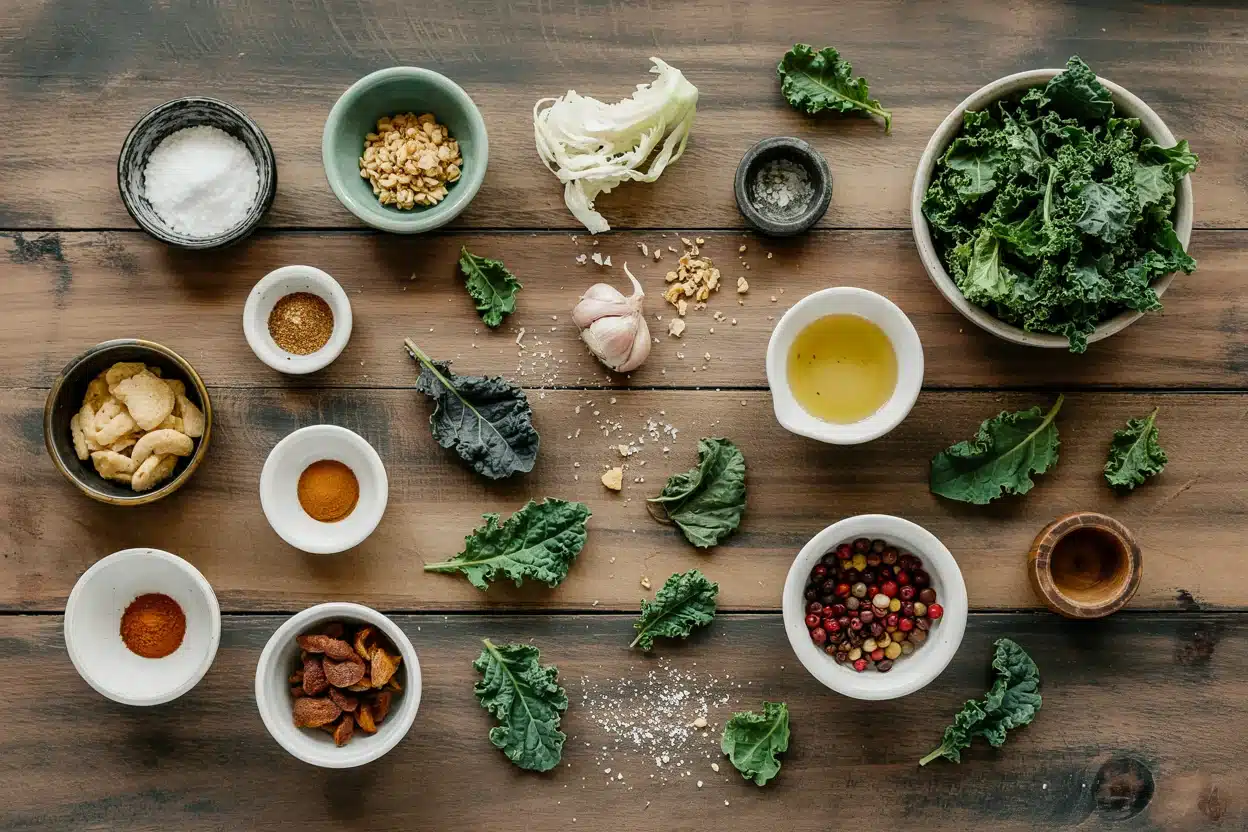
Crispy Baked Kale Chips - Crispy Baked Kale Chips

The shopping list is short and most items sit in your pantry already. A good snack can make or break the plate. For a version that comes together quickly, a simple snack variation uses the same baking method with different seasonings.

🥬
Greens
  • 1 large bunch kale leaves (curly or lacinato)
🥢
Oil & Seasonings
  • 1 tablespoon olive oil
  • ½ teaspoon salt
  • ¼ teaspoon black pepper
🌶️
Flavor Boosters
  • 2 tablespoons nutritional yeast
  • ½ teaspoon garlic powder (optional)
  • ½ teaspoon smoked paprika (optional)
  • Red chili flakes (optional)
🧀
Optional Add-Ins
  • 2 tablespoons grated parmesan cheese
  • 1 teaspoon lemon juice

Ingredient Details

  • Kale leaves
    Curly kale holds seasonings better but lacinato (dinosaur kale) crisps more evenly - both work fine
  • Olive oil
    Use just 1 tablespoon per bunch - more oil makes greasy chips that never fully crisp
  • Salt
    Add before baking to draw out moisture, then finish with flaky sea salt after for texture
  • Nutritional yeast
    Adds cheesy, savory flavor without dairy - find it in the bulk section or with supplements
  • Garlic powder
    Dried garlic powder works better than fresh minced which burns at low baking temps
  • Smoked paprika
    Optional but adds smoky depth - regular paprika works if that's what you have
  • Parmesan cheese
    Grate fresh instead of using pre-grated for better melt and flavor - skip for vegan version

Ingredient Swaps

You can adjust seasonings or swap the base greens without changing the method. Rich mains need something to cut through, and snack does exactly that. We keep a batch ready for nights like this - homemade snack recipe uses the same low-temp baking approach.

Four swaps that work:

  • Avocado oil instead of olive oil - neutral flavor with similar crispness and better high-heat stability
  • Spinach leaves instead of kale - more delicate texture, cooks 5 minutes faster, slightly less crispy
  • Grated vegan parmesan instead of nutritional yeast - similar cheesy flavor with slightly different texture
  • Sea salt flakes instead of regular salt - gives crunchy salt bursts but use half the amount

Curly Kale

Works for: holding seasonings in ruffled edges, creates crunchier texture

Skip if: you want faster prep - curly takes longer to wash thoroughly

Lacinato (Dinosaur) Kale

Works for: even crisping, flatter leaves dry faster, easier to wash

Skip if: you prefer maximum crunch - lacinato is slightly less crispy

Instructions

The process is simple but timing matters for crispy results. Most people skip pork, but it balances the meal. For a version that comes together quickly, easy pork side pairs well with light snacks like kale chips.

  1. Wash and dry the kale thoroughly. Rinse leaves under cold water, spin in a salad spinner, then pat dry with a kitchen towel for 3-5 minutes. Wet kale steams instead of crisps.
  2. Remove thick stems and tear into chip-sized pieces. Strip the thick central stem from each leaf and tear the greens into 2-3 inch pieces. Discard stems or save for smoothies.
  3. Toss kale with oil and seasonings. In a large bowl, massage 1 tablespoon olive oil into the kale leaves until evenly coated. Sprinkle with salt, black pepper, nutritional yeast, and any optional seasonings. Toss to distribute.
  4. Arrange in a single layer on lined baking sheets. Spread kale pieces on parchment-lined baking sheets with 1 inch between each leaf. Crowding causes steaming. Bake at 275°F for 20-25 minutes, flipping halfway through at 12 minutes.
  5. Cool on a wire rack before serving. Remove chips when edges are browned and leaves feel papery-dry. Transfer to a wire rack and let cool for 5 minutes to finish crisping. Chips crisp more as they cool.
Watch Out
If chips feel soft after cooling, return them to the oven for 3-5 minutes. Even slightly damp kale won't crisp and will turn limp in storage.

What to Serve With It

Kale chips work as a standalone snack but also fill gaps on bigger spreads. Rich mains need something to cut through, and chicken does exactly that. For a version that comes together quickly, juicy chicken side dish needs a crunchy contrast.

Side Dish Prep Why It Works How to Serve
Hummus Easy Creamy dip balances crispy kale, adds protein Scoop with kale chips instead of pita
Roasted chicken breast Medium Light protein complements crunchy snack without heaviness Serve kale chips on the side as a crispy garnish
Quinoa salad Easy Whole grain adds substance, fresh contrast to crispy greens Crumble kale chips on top for texture
Fresh fruit slices Easy Refreshing palate cleanser between savory chips Arrange on platter with kale chips for party spread
Guacamole Easy Creamy avocado and spicy kick pair with salty chips Use kale chips as scoops instead of tortilla chips

Three ways to serve it:

  • As a crunchy topping for salads or grain bowls instead of croutons
  • On a cheese platter where kale chips replace crackers and add green crunch
  • With ranch dressing or tahini lemon dip for a cool, creamy contrast
Shortcut
Make a double batch and store half for quick weeknight snacks. Kale chips stay crispy for 3-4 days if stored properly in an airtight container with a drying packet.

Store and Reheat

Kale chips lose crispness fast when exposed to air or humidity. The shrimp works best when it hits the table at the same time as the main. We keep a batch ready for nights like this - this quick shrimp dish needs a crunchy side to balance the richness.

Method Time Best For
🔥 Oven 4-5 min at 300°F Refreshing limp chips, restores crispness
🍳 Stovetop 1-2 min in dry pan Small batches, quick crisp-up
📦 Microwave Not recommended Quick check only - chips turn soft

For best results when storing:

  • Let kale chips cool completely on a wire rack before storing - warm chips create condensation that ruins crispness
  • Store in an airtight container with a silica gel packet or a folded paper towel to absorb moisture
  • Keep chips in a single layer if possible or separate layers with parchment paper
  • Store at room temperature in a cool, dry place - fridge adds humidity that makes chips soggy
  • Refresh limp chips by baking at 300°F for 3-5 minutes before serving again

Frequently Asked Questions

Can I use other greens like spinach for kale chips?

Yes, but spinach leaves are more delicate and cook 5 minutes faster at 275°F. They won't crisp quite as firmly as kale but still make a good light chip.

How should I store baked kale chips to keep them crispy?

Store completely cooled chips in an airtight container at room temperature with a silica gel packet or paper towel to absorb moisture. They'll stay crisp for 3-4 days if stored properly.

What temperature and time are best for crispy kale chips?

Bake at 275°F for 20-25 minutes, flipping halfway through at 12 minutes. Low heat dries the kale without burning the edges before centers crisp.

Why do my kale chips turn soggy or burn quickly?

Soggy chips happen when kale isn't dried completely before baking or leaves are crowded on the pan. Burnt chips result from baking above 300°F - stick to low temps and watch closely in the last 5 minutes.

Can I make kale chips in an air fryer?

Yes, air fry at 275°F for 8-10 minutes, shaking the basket halfway through. Work in small batches so leaves don't overlap and cook unevenly.

Crispy Baked Kale Chips

Crispy Baked Kale Chips

No ratings yet
Crispy Baked Kale Chips use fully dried kale leaves, a light coating of olive oil, and low-temperature baking at 275°F to create crunchy, non-greasy chips. Spacing the leaves in a single layer allows air circulation for even moisture evaporation and perfectly crisp edges without charring.
Print Recipe Pin Recipe
Prep Time 10 minutes mins
Cook Time 25 minutes mins
Total Time 35 minutes mins
Servings: 4 servings
Course: Appetizer, Side, Snack
Cuisine: American
Ingredients Equipment Method Notes

Ingredients
  

  • 1 large bunch kale leaves curly or lacinato, central stems removed
  • 1 tablespoon olive oil
  • 0.5 teaspoon salt
  • 0.25 teaspoon black pepper
  • 2 tablespoons nutritional yeast
  • 0.5 teaspoon garlic powder optional
  • 0.5 teaspoon smoked paprika optional
  • red chili flakes optional, to taste
  • 2 tablespoons grated parmesan cheese optional
  • 1 teaspoon lemon juice optional

Equipment

  • Salad spinner To dry kale leaves thoroughly
  • Baking sheet To bake kale chips in a single layer
  • Parchment paper To line baking sheet and prevent sticking
  • Wire rack To cool chips after baking for extra crisping

Method
 

  1. Rinse kale leaves under cold water. Use a salad spinner to dry completely, then pat dry with a kitchen towel for 3-5 minutes to remove all moisture.
    1 large bunch kale leaves
  2. Remove thick central stems from each kale leaf and tear the leaves into 2-3 inch chip-sized pieces. Discard stems or save for smoothies.
    1 large bunch kale leaves
  3. In a large bowl, massage 1 tablespoon olive oil into the kale leaves until evenly coated. Sprinkle with salt, black pepper, nutritional yeast, and optional seasonings like garlic powder, smoked paprika, red chili flakes, parmesan cheese, and lemon juice. Toss to combine evenly.
    1 large bunch kale leaves, 1 tablespoon olive oil, 0.5 teaspoon salt, 0.25 teaspoon black pepper, 2 tablespoons nutritional yeast, 0.5 teaspoon garlic powder, 0.5 teaspoon smoked paprika, red chili flakes, 2 tablespoons grated parmesan cheese, 1 teaspoon lemon juice
  4. Spread kale pieces in a single layer on parchment-lined baking sheets, leaving about 1 inch between pieces to allow air circulation and prevent steaming.
    1 large bunch kale leaves
  5. Bake at 275°F for 20-25 minutes, flipping all pieces halfway through at about 12 minutes. Remove when edges are browned and leaves feel papery dry.
    1 large bunch kale leaves
  6. Transfer baked chips to a wire rack and let cool for 5 minutes to complete crisping before serving or storing.
    1 large bunch kale leaves

Notes

  • Always use completely dry kale to prevent soggy chips.
  • Leave space between leaves on baking sheet to allow moisture to evaporate evenly.
  • Cool chips on wire rack after baking to ensure maximum crispness.

Tried this recipe?

Let us know how it was!

7 Best Substitutes for Lupin Flour in Gluten-Free Baking

January 26, 2026

You're mid-bake and the lupin flour container is lighter than expected. This recipe counts on its protein and binding strength to hold the structure together.

7 Best Substitutes for Lupin Flour in Gluten-Free Baking

The right swap depends on what lupin flour does in your dish-protein boost, gluten-free structure, or nutty flavor. Some alternatives work across the board, while others shine in specific applications.


Quick Substitute Reference
# Substitute Best For Ratio Key Note
1 Almond Flour 🥧 Baking 1:1 Richer, sweeter flavor
2 Chickpea Flour 🍳 Cooking 1:1 Earthy, stronger taste
3 Soy Flour ✨ Both 1:1 Beany, hearty
4 Coconut Flour 🥧 Baking ⅓ cup + liquid Highly absorbent
5 Sunflower Flour 🥧 Baking 1:1 Mildly nutty
6 Pea Protein ✨ Both 1:1 + liquid Earthy, grassy
7 Pumpkin Seed Flour 🥧 Baking 1:1 Rich, earthy

QUICK SUMMARY

Almond flour and chickpea flour are top substitutes, focusing on flavor and protein respectively. Prioritize matching lupin flour's protein or nutty taste based on your recipe. Adjust liquid when using coconut flour to maintain texture.

🌰Closest flavor match: Almond flour adds nutty sweetness and tender texture in baked goods.
⚖️Ratio + fix: Use ⅓ cup coconut flour per 1 cup lupin flour; increase liquids by ¼ cup.
⚠️Watch out: Chickpea flour can make baked goods denser and adds a bitter note.

7 Best Lupin Flour Alternatives for Recipes

Each substitute below fills the role of lupin flour in a slightly different way.


1 - Almond Flour

Almond flour brings a nutty sweetness that works in cakes, cookies, and muffins. The texture stays tender and moist, though it runs richer than lupin flour.

Use a 1:1 swap for most baking. The flavor leans sweeter, so cut back on sugar if the recipe already tips toward dessert.

If you're short on almond flour too, Almonds substitutes for cooking covers nut-free and budget-friendly options.

Skip if: you need a neutral flavor or the recipe can't handle extra moisture.


Almond Flour

Works for: gluten-free cakes, cookies, pancakes

Skip if: you want a neutral base or need less fat

Chickpea Flour

Works for: savory baking, thickening sauces, flatbreads

Skip if: you want a light, fluffy crumb


2 - Chickpea Flour

Chickpea flour adds protein and structure, making it a go-to for savory baked goods and thickening soups. The flavor skews earthy and slightly bitter, so it works better in flatbreads, fritters, or stews than in cakes.

Swap 1:1 and expect a denser crumb. If you're missing chickpea flour as well, Chickpea alternatives worth trying lists legume-based flours with similar binding power.

Skip if: you need a light texture or neutral taste for delicate baking.


3 - Soy Flour

Soy flour delivers high protein and works in dense breads, muffins, and protein-rich baking. The flavor runs beany and savory, so it fits better in hearty recipes than in subtle desserts.

Use a 1:1 ratio. The texture stays firm and slightly coarse.

Pair it with other flours if you want a softer crumb.

Here's what to know:

  • Adds moisture-reduce liquid slightly if the batter looks too wet.
  • Browns faster-lower oven temp by 25°F or watch closely.
  • Flavor builds-taste before adding extra salt or spices.
  • Shelf life matters-store in the fridge to prevent rancidity.

If you're out of soy flour too, Soy Flour substitutes for cooking covers grain-based and legume options that hold structure.

Skip if: you need a light, delicate texture or want to avoid a strong beany taste.


Best Pick
For gluten-free baking with protein, soy flour and chickpea flour deliver the closest match to lupin flour's binding strength.

4 - Coconut Flour

Coconut flour absorbs liquid faster than almost any other flour. Use ⅓ cup coconut flour for every 1 cup lupin flour and increase liquid by at least ¼ cup.

The flavor runs mildly sweet with a tropical edge, so it works in muffins, pancakes, and low-carb baking.

  • Clumps form easily-sift before mixing.
  • Batter thickens as it sits-add liquid gradually and let it rest 5 minutes.
  • Eggs help bind-use at least one extra egg per cup of coconut flour.

Skip if: you need a light, airy texture or want to avoid adjusting liquid ratios.


5 - Sunflower Flour

Sunflower flour delivers a mildly nutty flavor without the sweetness of almond flour. It works in gluten-free breads, muffins, and flatbreads.

Swap 1:1 and expect a slightly denser crumb. The flavor stays earthy but won't overpower most recipes.

Missing sunflower flour too? Common Sunflower Seeds swaps ranked covers seed-based alternatives that match the texture.

Skip if: you want a lighter texture or the nutty flavor doesn't fit your dish.


Use Ratio Notes
Gluten-free baking 1:1 Almond flour for sweetness, soy flour for density
Savory baking 1:1 Chickpea flour adds structure, sunflower flour stays mild
Low-carb recipes ⅓ cup + liquid Coconut flour absorbs fast, pea protein adds firmness

6 - Pea Protein

Pea protein flour boosts protein without adding much flavor. It works in protein bars, shakes, and baked goods where you want firmness.

Use a 1:1 ratio but add extra liquid-pea protein absorbs moisture quickly. The flavor runs earthy and slightly grassy, so pair it with spices or sweeteners.

The texture stays dense and can turn gritty if you overmix.

Skip if: you need a fine, smooth crumb or want to avoid a grainy texture.


Watch Out
Coconut flour absorbs three times more liquid than lupin flour. Start with ⅓ cup and adjust or the batter will turn into paste.

7 - Pumpkin Seed Flour

Pumpkin seed flour brings a rich, earthy flavor and works in gluten-free baking, especially muffins and breads. Swap 1:1 and expect a slightly denser crumb.

The flavor stays nutty but less sweet than almond flour.

  • Color shifts green-normal for pumpkin seed flour.
  • Flavor builds-taste before adding extra spices.

Out of pumpkin seed flour as well? Pumpkin substitutes ranked lists seed-based options that match the earthy profile.

Skip if: you need a neutral flavor or the green tint doesn't fit your dish.


Shortcut
For a quick 1:1 swap with minimal adjustments, almond flour, chickpea flour, or soy flour work across most recipes without reworking liquid ratios.

Final Thoughts on Swapping Lupin Flour

Most of these swaps work without major recipe changes, but the best choice depends on what you're making. For gluten-free baking, almond flour or soy flour comes closest to lupin flour's protein and binding strength.

For savory baking or thickening, chickpea flour holds structure without adding sweetness.

  • Closest match - Soy flour for protein-rich baking
  • Easiest grab - Almond flour for quick swaps
  • Dietary option - Coconut flour for low-carb needs

Frequently Asked Questions

Can I use almond flour instead of lupin flour in all recipes?

Almond flour works in most baking recipes but adds moisture and sweetness. For savory dishes or recipes needing neutral flavor, chickpea or soy flour fits better.

Does chickpea flour taste like lupin flour?

Chickpea flour runs earthier and slightly bitter compared to lupin flour's milder taste. It works best in savory baking or dishes with strong spices.

Why does coconut flour need extra liquid?

Coconut flour absorbs three times more liquid than most flours. Use ⅓ cup coconut flour for every 1 cup lupin flour and add at least ¼ cup extra liquid to prevent a dry crumb.

Can I substitute lupin flour in bread recipes?

Soy flour and chickpea flour work for dense, protein-rich breads. For lighter loaves, blend with a starchier flour to balance the texture.

Which substitute works for nut-free baking?

Chickpea flour, soy flour, and pea protein are all nut-free. Sunflower and pumpkin seed flours work if seed allergies aren't a concern.

7 Best Substitutes for Lupin Flour in Gluten-Free Baking

7 Best Substitutes for Lupin Flour

No ratings yet
This guide explains the key substitutes for lupin flour with practical ratio advice and usage tips. Choose based on protein, texture, and flavor needs to get the best swap for your recipe.
Print Recipe Pin Recipe
Prep Time 7 minutes mins
Cook Time 6 minutes mins
Total Time 13 minutes mins
Servings: 6 servings
Course: Baking, Cooking
Cuisine: Gluten-Free, Low-Carb
Ingredients Method Notes

Ingredients
  

  • 1 cup Almond Flour Use a 1:1 swap for most baking; cut sugar if recipe is sweet.
  • 1 cup Chickpea Flour Swap 1:1 in savory goods; expect denser crumb and earthy flavor.
  • 1 cup Soy Flour Use 1:1 ratio; reduce liquid slightly if too wet; store chilled.
  • Coconut Flour Use ⅓ cup coconut flour per 1 cup lupin flour plus extra liquid.
  • 1 cup Sunflower Flour Swap 1:1 for gluten-free breads; mild nutty flavor, denser crumb.
  • 1 cup Pea Protein Use 1:1 ratio plus extra liquid; dense texture may turn gritty if overmixed.
  • 1 cup Pumpkin Seed Flour Swap 1:1; expect slightly denser crumb and earthy nutty flavor.

Method
 

  1. Select your substitute based on recipe type: baking, cooking, or both protein and structure needs.
  2. If using coconut flour or pea protein, prepare to increase liquid and add eggs where suggested.
  3. For almond, chickpea, soy, sunflower, or pumpkin seed flours, use a 1:1 swap ratio with lupin flour.
  4. When using soy flour, reduce liquid slightly if batter appears too wet and store flour in the fridge to keep fresh.
  5. Add coconut flour gradually by sifting and mix slowly to avoid clumps; let batter rest to thicken before baking.
  6. Taste test dough or batter before adding extra salt or spices, especially with soy and pumpkin seed flours.
  7. Adjust recipe liquids based on the absorbency of the substitute to maintain proper batter consistency.

Notes

Add liquid slowly when using pea protein to prevent a gritty texture in your baked goods.

Tried this recipe?

Let us know how it was!

You Might Also Like

  • 7 Best Substitutes for Thai Chili Pepper in Spicy Recipes
  • 7 Best Substitutes for Stracciatella Cheese in Italian Dishes
  • 7 Best Substitutes for Demerara Sugar in Baking & Toppings

Puppy Chow Muddy Buddies

January 26, 2026

When you need a party snack that travels well and makes enough for a crowd, powdered-sugar-coated cereal delivers.

One bag, one bowl, and 15 minutes gives you 8 servings of chocolate-peanut butter crunch.

Puppy Chow Muddy Buddies

The whole batch cools while you clean the bowl. No baking, no stovetop babysitting, just melt-coat-shake-done.

Perfect for holiday parties when you're bringing something that needs to sit out or weekends when you want a sweet snack without turning on the oven.

QUICK SUMMARY

Puppy Chow Muddy Buddies coat Rice Chex cereal in melted chocolate and peanut butter, then toss everything in powdered sugar for a crunchy, sweet snack ready in 15 minutes. The key is cooling the chocolate mixture 1-2 minutes before coating so the cereal stays crisp instead of soggy.

⏱️Time Reality: 10 minutes prep, 5 minutes melting, no baking required
🔥First Move: Melt chocolate and peanut butter in 30-second bursts, stirring between each
⚠️Watch Out: Adding powdered sugar before chocolate sets creates clumps-let coated cereal cool 5 minutes first

Why This Recipe Works

The chocolate-peanut butter mixture melts smooth in the microwave, coats every piece of cereal evenly, then sets firm enough to hold the powdered sugar coating. For a version that comes together quickly, this easy beans recipe takes minimal hands-on work and feeds a group without doubling the batch.

Quick Reference
⏱️
Prep Time
10 min
🔥
Cook Time
5 min
⏰
Total Time
15 min
🍽️
Servings
8 servings
📊
Difficulty
Easy
🏷️
Category
Snack
💡
Quick Tip
Cool fully before storing for crisp texture
🎯
Best For
Holiday parties | Movie nights | Quick treat

What makes this work:

  • Rice Chex stays crunchy because the light, airy squares don't absorb moisture like dense cereals do
  • Melting chocolate with peanut butter and butter creates a smooth coating that clings to every surface without pooling
  • Cooling the melted mixture 1-2 minutes before adding cereal prevents the squares from getting soggy
  • Shaking in a sealed bag distributes powdered sugar evenly without overworking the coating
  • Semi-sweet chocolate chips balance the powdered sugar's sweetness without tasting bitter
Quick Tip
Stir the melted chocolate mixture every 30 seconds to prevent hot spots that can seize the chocolate or scorch the peanut butter.

What You'll Need

Puppy Chow Muddy Buddies - Puppy Chow Muddy Buddies

Most of these ingredients sit in the pantry already-cereal, chocolate chips, peanut butter, powdered sugar. We keep a batch ready for nights like this - a tender homemade bites recipe uses similar coating technique but swaps vegetables for cereal base.

🥣
Base & Coating
  • 9 cups Rice Chex cereal
  • 1½ cups powdered sugar
🍫
Chocolate Mix
  • 1 cup semi-sweet chocolate chips
  • ½ cup peanut butter
  • ¼ cup butter
  • 1 teaspoon vanilla extract
  • ⅛ teaspoon salt
🎨
Optional Add-Ins
  • ½ cup chopped nuts or mini M&Ms

Ingredient Details

  • Rice Chex cereal
    Use the original unflavored variety-flavored cereals compete with the chocolate coating
  • Powdered sugar
    Sift before using if clumpy to avoid chalky spots in the coating
  • Semi-sweet chocolate chips
    Quality chips melt smoother-store brands work but can taste waxy
  • Peanut butter
    Creamy blends better than chunky; natural peanut butter separates and creates oily coating
  • Butter
    Salted or unsalted both work-adjust the added salt if using salted
  • Vanilla extract
    Pure vanilla tastes cleaner than imitation but either works in a pinch
  • Salt
    Balances the sweetness-skip if your peanut butter is already heavily salted

Ingredient Swaps

Peanut allergies or dietary restrictions don't stop this recipe-sunflower seed butter or almond butter work with the same measurements. A good bites can make or break the plate. For a version that comes together quickly, another great mix recipe offers savory contrast to this sweet snack.

Four swaps that work:

  • Peanut butter → Almond butter or sunflower seed butter: Changes flavor slightly but coating stays smooth; sunflower seed butter may tint the mixture greenish (harmless reaction with baking soda in some cereals)
  • Semi-sweet chocolate chips → Dark chocolate or dairy-free chips: Dark chocolate tastes more intense, dairy-free chips melt differently and may need an extra 15-30 seconds in the microwave
  • Rice Chex → Corn Chex or gluten-free cereal: Corn Chex tastes slightly sweeter, gluten-free alternatives work but check that they're sturdy enough to handle coating without crumbling
  • Butter → Coconut oil or vegan butter: Coconut oil makes the coating set firmer at room temperature, vegan butter works 1:1 but may taste less rich

Natural Peanut Butter

Works for: Oil-on-top natural PB if you stir thoroughly first and accept slightly looser coating

Skip if: You want the smoothest, creamiest coating-regular stabilized peanut butter blends better

Dairy-Free Chocolate

Works for: Dairy allergies or vegan diets when paired with vegan butter

Skip if: You're picky about chocolate flavor-some dairy-free chips taste chalky or waxy

Instructions

The whole process takes 15 minutes from opening the cereal box to shaking the final batch in powdered sugar. Most people skip bites, but it balances the meal. We keep a batch ready for nights like this - this simple mix uses similar shake-and-coat technique for savory snacks.

  1. Melt the chocolate mixture: Combine chocolate chips, peanut butter, and butter in a microwave-safe bowl. Microwave in 30-second bursts, stirring after each interval, until smooth and fully melted (about 1½-2 minutes total). Stir in vanilla extract and salt until blended.

  2. Cool briefly: Let the melted chocolate mixture sit for 1-2 minutes to cool slightly. This step prevents the hot mixture from making the cereal soggy when you combine them.

  3. Coat the cereal: Pour the chocolate mixture over 9 cups of Rice Chex in a large bowl. Stir gently with a spatula, folding from the bottom up, until every piece is coated. Work carefully to avoid crushing the cereal squares.

  4. Add powdered sugar: Transfer the coated cereal to a large sealable plastic bag or container. Add 1½ cups powdered sugar, seal, and shake gently until all pieces are evenly coated in white powder. Shake in bursts-10 seconds on, pause, 10 seconds on-to prevent clumping.

  5. Cool and serve: Spread the coated cereal on parchment paper or a clean baking sheet. Let sit for 10-15 minutes until the chocolate sets completely. Break apart any clumps with your hands before transferring to a serving bowl.

Watch Out
If your chocolate mixture seizes (turns grainy and stiff), you likely overheated it or got water in the bowl. Add 1 tablespoon of butter and microwave for 15 seconds, stirring vigorously to bring it back together.

What to Serve With It

This snack works for movie nights when you need something sweet to balance salty popcorn or pretzels, but it also fits holiday parties where guests expect variety. Rich mains need something to cut through, and fried rice does exactly that. For a version that comes together quickly, this tender fried rice adds savory balance to a snack-heavy spread.

Side Dish Prep Why It Works How to Serve
Fresh fruit slices (apples, strawberries, grapes) Easy Cuts through sweetness with crisp, juicy texture Arrange on a platter next to the Muddy Buddies bowl
Plain yogurt or Greek yogurt dip Easy Adds creamy, tangy contrast to the crunchy coating Serve in small cups for dipping individual pieces
Cheese cubes (cheddar, Colby, pepper jack) Easy Provides savory balance to the chocolate-peanut butter sweetness Skewer cheese and serve alongside for easy grabbing
Vegetable sticks (carrots, celery, bell peppers) Easy Light, crunchy contrast that doesn't add more sugar Serve with ranch or hummus to make them more appealing
Salted pretzels or popcorn Easy Salty crunch complements the sweet coating without competing Mix in the same bowl or serve separately for contrast

Three ways to serve it:

  • Movie night spread: Set out Muddy Buddies in a large bowl with smaller bowls of popcorn, pretzels, and M&Ms for guests to mix their own snack blend
  • Party platter: Arrange on a tray with cheese cubes, grapes, and apple slices for a sweet-savory snack board that covers multiple taste preferences
  • Lunch box treat: Pack individual portions in small bags or containers alongside fruit and a cheese stick for balanced afternoon snacks
Best Pick
For holiday parties, double the batch and split into two gallon bags-shake one with red and green M&Ms mixed in right before serving for festive color without extra work.

Store and Reheat

Muddy Buddies stay crisp for 3-4 days in an airtight container at room temperature, but they can soften if exposed to humidity or stored while still warm. A good bites can make or break the plate. For a version that comes together quickly, juicy chicken side dish pairs well with quick snacks when you need something more substantial.

Method Time Best For
🔥 Oven 5 min at 250°F (120°C) Refreshing crispness after storage or softening from humidity
📦 Microwave 15-20 seconds Quick warming before serving if chocolate has hardened too much
🧊 Room temperature 30 min Bringing frozen portions back to snackable texture

For best results when storing:

  • Cool completely before sealing: Trap steam in the container and the powdered sugar dissolves into sticky coating-spread on parchment and wait 15 minutes minimum
  • Use shallow, airtight containers: Stacking Muddy Buddies too deep creates pressure that crushes the cereal; wide, flat containers preserve the crunch
  • Skip the fridge: Cold storage makes the chocolate coating dull and the texture chalky-room temperature maintains the best texture
  • Freeze in portions: Divide into small freezer bags, press out air, and freeze up to 1 month; thaw at room temperature for 30 minutes before serving
  • Refresh texture in the oven: If Muddy Buddies soften from humidity, spread on a baking sheet and warm at 250°F (120°C) for 5 minutes to crisp them up again

Frequently Asked Questions

Can I substitute almond butter for peanut butter in Puppy Chow Muddy Buddies?

Yes, almond butter works 1:1 with peanut butter and creates a slightly nuttier, less sweet coating. Natural almond butter may make the mixture looser, so stir thoroughly before measuring and expect a thinner coating that still sets firm.

How long can I store Puppy Chow Muddy Buddies and how to reheat?

Store in an airtight container at room temperature for 3-4 days or freeze up to 1 month. Reheat softened batches in a 250°F (120°C) oven for 5 minutes to restore crispness, or microwave frozen portions for 15-20 seconds before serving.

What indicates Muddy Buddies are fully coated and set?

Every cereal piece should look evenly white with no chocolate showing through, and the coating should feel dry and powdery to the touch, not sticky or wet. If you can pick up a piece without powdered sugar transferring to your fingers, the chocolate has set completely.

Why does my chocolate seize or become grainy during melting?

Chocolate seizes when it overheats or contacts water-even a drop from a wet spoon. Melt in short 30-second bursts and stir between each; if it seizes, add 1 tablespoon of butter and microwave for 15 seconds, then stir vigorously to smooth it out.

Can I scale the recipe to make a larger batch without changing texture?

Double or triple all ingredients proportionally, but coat the cereal in batches-overfilling the bowl makes even coating impossible and leaves bare spots. Use multiple bags for the powdered sugar step if making more than 18 cups of cereal at once.

Puppy Chow Muddy Buddies

Puppy Chow Muddy Buddies

No ratings yet
Puppy Chow Muddy Buddies coat Rice Chex cereal in a smooth melted chocolate and peanut butter mixture, then toss it in powdered sugar for a crunchy, sweet snack ready in 15 minutes. Cooling the chocolate mixture before coating keeps the cereal crisp, making this perfect for parties and easy snacking.
Print Recipe Pin Recipe
Prep Time 10 minutes mins
Cook Time 5 minutes mins
Total Time 15 minutes mins
Servings: 8 servings
Course: Snack
Ingredients Equipment Method Notes

Ingredients
  

  • 9 cups Rice Chex cereal Use original unflavored variety
  • 1.5 cups powdered sugar Sift if clumpy
  • 1 cup semi-sweet chocolate chips Quality chips melt smoother
  • 0.5 cup peanut butter Creamy works best
  • 0.25 cup butter Salted or unsalted both work
  • 1 teaspoon vanilla extract Pure vanilla preferred but optional
  • 0.125 teaspoon salt Adjust if using salted peanut butter
  • 0.5 cup chopped nuts or mini M&Ms Optional add-ins

Equipment

  • Microwave-safe bowl Use for melting chocolate, peanut butter, and butter
  • Large bowl For mixing coated cereal
  • Large sealable plastic bag or container For shaking cereal with powdered sugar
  • Spatula For folding cereal and chocolate mixture gently

Method
 

  1. Combine chocolate chips, peanut butter, and butter in a microwave-safe bowl. Microwave in 30-second bursts, stirring after each, until smooth and fully melted (about 1½-2 minutes total). Stir in vanilla extract and salt until blended.
    1 cup semi-sweet chocolate chips, 0.5 cup peanut butter, 0.25 cup butter, 1 teaspoon vanilla extract, 0.125 teaspoon salt
  2. Let the melted chocolate mixture sit for 1-2 minutes to cool slightly; this prevents making the cereal soggy when combined.
  3. Pour the chocolate mixture over 9 cups of Rice Chex in a large bowl. Stir gently with a spatula, folding from the bottom up, until every piece is coated without crushing the cereal.
    9 cups Rice Chex cereal
  4. Transfer the coated cereal to a large sealable plastic bag or container. Add 1½ cups powdered sugar, seal, and shake gently in bursts of 10 seconds on, pause, then 10 seconds on until all pieces are evenly coated.
    1.5 cups powdered sugar
  5. Spread the coated cereal on parchment paper or a clean baking sheet and let sit for 10-15 minutes until the chocolate sets completely. Break apart any clumps before serving.

Notes

  • Cool the coated Muddy Buddies completely before storing to maintain crisp texture.
  • Use a large bowl and gentle folding to avoid crushing the cereal during coating.
  • If chocolate mixture seizes, add 1 tablespoon butter and microwave 15 seconds, then stir to smooth.

Tried this recipe?

Let us know how it was!

What Goes With Bang Bang Shrimp? 15 Best Side Dishes

January 26, 2026

Crispy, spicy, creamy shrimp with a tangy sauce bring bold flavor and satisfying crunch to the table. That combination covers heat and texture, but the plate still needs balance.

The best companions add cooling elements, fresh vegetables, or neutral starches that soak up the sauce. Some bring crispness to echo the coating, while others provide relief from the spice. We look for sides that support the shrimp without fighting for attention.

QUICK SUMMARY

Bang bang shrimp brings crispy coating, creamy spicy sauce, and tender seafood-but needs balance. Jasmine rice soaks up the sauce, Asian slaw cuts through richness with lime and crunch, and cucumber salad cools the heat between bites. Add roasted vegetables for char or pickled cabbage for tang.

🍚Soak it up: Jasmine rice, quinoa, or garlic noodles catch every drop of sauce
🥗Cool it down: Cucumber salad, slaw, or creamy cilantro sauce balance the heat
⏱️Quick pick: Ginger lime cucumber salad comes together in 10 minutes

15 Perfect Sides to Serve with Bang Bang Shrimp

You need sides that balance spice, add vegetables, and provide textural variety without competing with the shrimp.

#Side DishBest ForPrep
1Garlic Butter Jasmine Rice✨ Any Meal✅ Easy
2Roasted Sesame Garlic Broccoli🌙 Weeknight✅ Easy
3Crisp Asian Slaw with Lime Dressing✨ Any Meal✅ Easy
4Sweet Corn & Scallion Fritters🎉 Hosting⚡ Medium
5Ginger Lime Cucumber Salad✨ Any Meal✅ Easy
6Roasted Sweet Potato Wedges with Smoked Paprika🌙 Weeknight⚡ Medium
7Steamed Garlic Green Beans with Toasted Almonds✨ Any Meal✅ Easy
8Cilantro Lime Quinoa Salad✨ Any Meal✅ Easy
9Toasted Coconut Dinner Rolls🎉 Hosting🔪 Involved
10Mango Salsa with Jalapeño and Red Onion✨ Any Meal✅ Easy
11Creamy Cilantro Lime Sauce✨ Any Meal✅ Easy
12Quick Pickled Red Cabbage✨ Any Meal✅ Easy
13Asian Garlic Noodles with Scallions🌙 Weeknight✅ Easy
14Spicy Roasted Cauliflower Florets🌙 Weeknight⚡ Medium
15Tangy Apple Cider Coleslaw✨ Any Meal✅ Easy

1. Garlic Butter Jasmine Rice

Fluffy rice with garlic butter catches the creamy sauce that drips from each shrimp. Toasting the garlic in butter before adding the rice creates deeper, richer flavor that holds up to the spicy notes.

The rice stays neutral enough to let the shrimp shine while providing substance to the meal. When you want this easy jasmine rice recipe, keep the grains separate and avoid stirring too much once the rice is cooked.

Quick Tip
Rinse jasmine rice under cold water until the water runs clear to remove excess starch and prevent clumping.

2. Roasted Sesame Garlic Broccoli

Charred florets with toasted sesame seeds add nutty depth and crisp edges. High heat creates caramelization that brings out the natural sweetness of broccoli without turning it soft.

What to know:

  • Dry the broccoli completely - Moisture on the florets creates steam instead of char.
  • Use a hot oven - Roast at 425°F to get crispy edges without burning.
  • Add sesame oil at the end - Drizzle after roasting to preserve the nutty aroma.
  • Toss halfway through - Flip the florets at the 10-minute mark for even browning.

The garlic mellows as it roasts, adding savory notes without overpowering the shrimp.

3. Crisp Asian Slaw with Lime Dressing

Shredded cabbage, carrots, and fresh herbs tossed in tangy lime dressing bring brightness and crunch. The acidity cuts through the creamy sauce while the raw vegetables provide textural contrast.

Quick tips:

  • Shred vegetables thinly - Use a mandoline or sharp knife to get uniform pieces that hold dressing well.
  • Let it sit - Toss the slaw 30 minutes before serving so flavors meld without vegetables going limp.
Our Pick
Add sliced jalapeño and fresh mint to the slaw for extra heat and herbaceous notes that complement the shrimp.

4. Sweet Corn & Scallion Fritters

Golden fritters with sweet corn kernels and bright scallions add another crispy element to the plate. The tender interior contrasts with the crunchy coating, echoing the texture of the shrimp in a different form.

The details:

  • Drain corn well - Pat canned or thawed frozen corn dry to prevent batter from becoming watery.
  • Keep batter thick - You want it to hold together when dropped in the pan, not spread thin.
  • Serve warm - These lose their crisp edges as they cool, so plate them right after frying.

Drizzle spicy mayo over the fritters to tie the flavors together. If you love this quick scallion fritters recipe, serve them alongside rather than underneath the shrimp to keep both elements crispy.

If You WantTry This
Extra crispinessAdd panko breadcrumbs to the batter
More heatMix diced jalapeño into the batter
SweetnessUse fresh corn for natural sugar content

5. Ginger Lime Cucumber Salad

Cool cucumber slices with grated ginger and lime juice provide instant relief from spice. The crisp, watery texture refreshes the palate between bites of rich shrimp.

A few notes:

  • Slice thin - Use a mandoline to get paper-thin rounds that absorb dressing quickly.
  • Salt and drain - Sprinkle salt on sliced cucumbers, let them sit 10 minutes, then pat dry to remove excess water.
  • Grate ginger fresh - Pre-minced ginger lacks the sharp, bright bite that balances the lime.

The salad stays crunchy even after dressing because the cucumbers release water before you toss them.

Shortcut
Use English cucumbers instead of regular ones to skip the seeding step-they have fewer seeds and thinner skins.

6. Roasted Sweet Potato Wedges with Smoked Paprika

Caramelized sweet potato wedges with smoky paprika bring earthy sweetness and crisp edges. Soaking the wedges in cold water for 15 minutes removes surface starch and helps them crisp up in the oven without turning mushy.

The natural sugars in sweet potatoes balance the heat from the shrimp while the paprika adds a subtle smoky layer. When you need a quick wedges paprika side dish, toss them in oil and spices before roasting at 425°F for 25-30 minutes, flipping once.

Oven Roasting

Works for: Large batches, deeper caramelization, hands-off cooking

Skip if: You need them in under 20 minutes

Air Frying

Works for: Speed, extra crispiness, small portions

Skip if: You are cooking for more than four people

7. Steamed Garlic Green Beans with Toasted Almonds

Bright green beans with garlicky bite and crunchy almonds add snappy texture and nutty richness. Steam the beans just until they turn vibrant green and still have a crisp-tender bite.

Quick tips:

  • Blanch first - Drop beans in boiling water for 2 minutes, then plunge into ice water to lock in color.
  • Toast almonds separately - Scatter sliced almonds in a dry skillet over medium heat until golden and fragrant.
  • Add garlic last - Toss minced garlic with hot beans off the heat so it stays pungent without burning.
  • Season generously - Green beans need salt to bring out their natural sweetness.

The almonds provide a textural echo of the crispy shrimp coating while the garlic ties the flavors together. Try this roasted side dish recipe when you want vegetables with char and crunch.

Watch Out
Overcooking green beans turns them drab olive instead of bright green-stop steaming the moment they look vibrant.

8. Cilantro Lime Quinoa Salad

Fluffy quinoa tossed with fresh cilantro, lime juice, and diced vegetables offers a light grain-based side with zesty brightness. Rinsing quinoa under cold water before cooking removes the bitter coating that can make it taste soapy.

The quinoa absorbs the lime dressing while staying separate and fluffy, providing a neutral base that highlights the shrimp. When you make this fresh quinoa salad recipe, fluff it with a fork after cooking and let it cool slightly before adding dressing so it does not turn gummy.

MethodTimeBest For
Stovetop15 minutesConsistent texture, easy monitoring
Rice cooker20 minutesHands-off cooking, perfect results
Instant Pot12 minutesSpeed, batch cooking

9. Toasted Coconut Dinner Rolls

Soft rolls with toasted coconut flakes brushed with butter add a slightly sweet, tropical note. The tender crumb soaks up sauce while the coconut provides textural interest and a subtle aroma that complements seafood.

Keep in mind:

  • Toast coconut first - Spread unsweetened coconut flakes on a sheet pan and bake at 325°F until golden, stirring every 2 minutes.
  • Brush with butter - Apply melted butter to the tops before sprinkling coconut so the flakes stick.
  • Bake until golden - The rolls should sound hollow when tapped and have a light golden color on top.

The rolls work when you want something to mop up sauce without adding heaviness. Try our favorite dinner rolls side for a version that comes together faster with minimal yeast rise time.

Golden Rule
Warm rolls hold butter and sauce better than room-temperature bread-reheat them briefly before serving if made ahead.

10. Mango Salsa with Jalapeño and Red Onion

Diced mango with jalapeño heat and sharp red onion brings sweet-spicy brightness. The juicy fruit provides cooling relief while the jalapeño adds another layer of heat that plays well with the shrimp sauce.

A few notes:

  • Dice small - Cut mango, onion, and jalapeño into uniform pieces so each bite gets balanced flavor.
  • Chill before serving - Cold salsa tastes brighter and more refreshing against hot shrimp.

The salsa doubles as a topping for the shrimp or a standalone side that provides acidity and sweetness. When you need cool red onion on the side, let the diced onion sit in lime juice for 10 minutes to mellow the sharpness before mixing with mango.

Quick Tip
Remove jalapeño seeds and membranes for mild heat, or leave them in if you want the salsa to match the spice level of the shrimp.

11. Creamy Cilantro Lime Sauce

Blended cilantro, lime juice, and Greek yogurt create a cooling drizzle that balances heat. The yogurt base feels lighter than mayo-based sauces while still providing richness and tang.

The details:

  • Use Greek yogurt - Regular yogurt turns too thin and watery for dipping or drizzling.
  • Add garlic gradually - Start with one clove and taste before adding more to avoid overpowering the fresh cilantro.
  • Thin with water - Add a tablespoon at a time until you reach drizzling consistency.

The sauce works as a dip for the shrimp or a drizzle over vegetables and starches. When you want our favorite lime sauce side, blend it smooth for a silky texture or leave it slightly chunky for more texture.

If You WantTry This
Extra creaminessAdd half an avocado to the blender
More heatBlend in a seeded jalapeño
Brighter flavorDouble the lime juice and zest

12. Quick Pickled Red Cabbage

Thinly sliced cabbage in vinegar brine with sugar and spices adds tangy crunch. The acidity cuts through the creamy sauce while the bright purple color makes the plate look more vibrant.

Quick tips:

  • Slice thin - Use a mandoline or sharp knife to get uniform ribbons that pickle evenly.
  • Let it marinate - The cabbage needs at least 30 minutes in the brine to absorb flavor and soften slightly.

The pickled cabbage stays crunchy even after marinating because the vinegar firms up the cell walls. When you need a quick red cabbage side dish, warm the vinegar mixture before pouring over cabbage to speed up the pickling process.

Our Pick
Add thinly sliced red onion and a pinch of red pepper flakes to the brine for more complexity and heat.

13. Asian Garlic Noodles with Scallions

Tender noodles tossed with garlic, butter, and scallions bring savory richness and a silky texture. Toss the noodles while still warm so the butter melts evenly and coats every strand without clumping.

What to know:

  • Use fresh noodles - They cook faster and have better texture than dried noodles.
  • Toast garlic lightly - Cook minced garlic in butter just until fragrant, not brown.
  • Add scallions at the end - Toss sliced scallions with hot noodles off the heat to keep them bright and crisp.
  • Season with soy sauce - A splash adds umami depth without making the noodles salty.

The noodles soak up the shrimp sauce while providing a neutral base that highlights the seafood. Try this tender noodles scallions recipe when you want a side that comes together in the time it takes to boil water.

Shortcut
Use pre-cooked udon or ramen noodles from the refrigerated section-rinse them under hot water and toss with garlic butter.

14. Spicy Roasted Cauliflower Florets

Charred cauliflower with red pepper flakes and cumin brings smoky heat and crisp edges. High heat caramelizes the natural sugars in cauliflower while the spices echo the heat in the shrimp without overwhelming it.

A few notes:

  • Cut florets evenly - Uniform size ensures they roast at the same rate and get crispy edges without burning.
  • Flip halfway through - Toss the cauliflower at the 15-minute mark for even browning on all sides.

The roasted florets add textural variety and vegetable content to the plate. When you need something fresh on the side, serve the cauliflower hot from the oven so the edges stay crispy.

MethodTimeBest For
Oven roasting25 minutesLarge batches, deeper char
Air frying15 minutesSpeed, crispier texture
Pan roasting12 minutesSmall portions, stovetop convenience

15. Tangy Apple Cider Coleslaw

Shredded cabbage and carrots in apple cider vinegar dressing bring crisp sweetness and acidity. The vinegar-based dressing feels lighter than mayo-based slaws while still providing creamy texture from a touch of oil.

Dress the slaw just before serving to keep the vegetables crunchy and prevent them from releasing too much water. The apple cider vinegar adds fruity tang that balances the spicy sauce without competing with it.

The slaw works when you want something cool and refreshing that adds vegetables to the plate. Try this fresh side dish recipe for a version with more body that still feels light.

Quick Tip
Massage the shredded cabbage with a pinch of salt for 5 minutes to soften it slightly and bring out natural sweetness.

These sides give you options for weeknight dinners and casual gatherings where bang bang shrimp is the star. If you love easy seafood recipes we make, these pairings work just as well with other fried or grilled seafood. For nights when you want simple chicken dishes we love, many of these sides bring the same balance of freshness and substance. When you need easy meatless meal ideas, the vegetable-forward options here stand on their own with added protein like tofu or tempeh.

Frequently Asked Questions

What sauce goes with bang bang shrimp?

The shrimp already comes with creamy spicy sauce, so add cooling cilantro lime sauce, tangy mango salsa, or plain Greek yogurt with lime to balance the heat.

What are the best sides for fried shrimp?

Fried shrimp pairs well with jasmine rice, Asian slaw, steamed vegetables, or pickled cabbage that add freshness and cut through the richness of the coating.

What are easy vegetable sides for seafood?

Roasted broccoli, steamed green beans, cucumber salad, and roasted cauliflower all work with seafood because they cook quickly and bring different textures to the plate.

Can I make bang bang shrimp sides ahead of time?

Asian slaw, pickled cabbage, quinoa salad, and cilantro lime sauce all hold well in the refrigerator for up to two days and taste better after flavors meld.

What starch goes best with spicy shrimp?

Jasmine rice, garlic noodles, and quinoa all soak up the sauce without adding more heat, giving you a neutral base that balances the spice.

What Goes With Bang Bang Shrimp? 15 Best Side Dishes

No ratings yet
We provide a list of 15 sides that balance bang bang shrimp by adding fresh vegetables, cooling salads, and neutral starches. These options offer a variety of textures, temperatures, and preparation effort to help build a balanced meal around the spicy shrimp.
Print Recipe
Prep Time 15 minutes mins
Cook Time 10 minutes mins
Total Time 25 minutes mins
Servings: 4 servings
Course: Dinner, Side Dish
Cuisine: Seafood
Ingredients Equipment Method Notes

Ingredients
  

  • Garlic Butter Jasmine Rice neutral
  • Roasted Sesame Garlic Broccoli crisp
  • Crisp Asian Slaw with Lime Dressing bright
  • Sweet Corn & Scallion Fritters crispy
  • Ginger Lime Cucumber Salad cool
  • Roasted Sweet Potato Wedges with Smoked Paprika smoky
  • Steamed Garlic Green Beans with Toasted Almonds crunchy
  • Cilantro Lime Quinoa Salad bright
  • Toasted Coconut Dinner Rolls creamy
  • Mango Salsa with Jalapeño and Red Onion tangy
  • Creamy Cilantro Lime Sauce creamy
  • Quick Pickled Red Cabbage tangy
  • Asian Garlic Noodles with Scallions rich
  • Spicy Roasted Cauliflower Florets spicy
  • Tangy Apple Cider Coleslaw crisp

Equipment

  • Sheet pan used for roasted vegetables and rolls
  • Mixing bowl for salads and sauces
  • Cutting board for chopping vegetables and herbs
  • Serving platter to arrange main dish and sides

Method
 

  1. Assess what the main dish already provides-if it has starch, focus on vegetables and fresh sides.
  2. Choose 2-3 sides that fill different gaps: one vegetable, one starch or bread, one sauce or dip.
  3. Start the longest-cooking side first. Prep quick items like salads while the oven works.
  4. Balance temperatures-pair hot roasted vegetables with a cold slaw or chilled dip.
  5. Plate the main dish with sides arranged around it. Drizzle sauce or add garnish last.

Notes

Add a crisp salad or tangy sauce and keep it chilled until serving. This prevents the plate from feeling too heavy or unbalanced with the spicy shrimp.

Tried this recipe?

Let us know how it was!

5 Best Substitutes for Ouzo in Classic Greek Cocktails

January 26, 2026

You reach for the bottle mid-recipe and find nothing. Ouzo brings that sharp anise kick to cocktails and Mediterranean dishes, and skipping it leaves a gap.

Swaps exist, but they behave differently. Some lean sweeter, others pack more alcohol, and a few taste milder.

The ratio stays close, but the profile shifts.

5 Best Substitutes for Ouzo in Classic Greek Cocktails

We tested what works and what doesn't. Each option below covers where it shines, where it falls short, and how to adjust.

QUICK SUMMARY

Pastis, sambuca, and anisette replace ouzo best in cooking because they keep the **anise-licorice aroma** that perfumes seafood, sauces, and baked goods. We prioritize **salt/acid** first, then adjust heat so the licorice note does not dominate. Absinthe or star anise vodka also work, however we use smaller amounts and cook off alcohol gently.

🌿Closest aroma: Use pastis for a similar anise note without harsh edges.
⚖️Ratio + tweak: Use ½ the amount first, then taste and add.
🔥Watch out: Absinthe runs strong-keep heat low and do not pour heavy.

5 Quick Ouzo Swaps for Cooking

Some swaps stay close to Ouzo's profile, while others require small adjustments. Start with what you have, then match the intensity and sweetness to your dish.

Quick Substitute Reference
# Substitute Best For Ratio Key Note
1 Pastis ✨ Both 1:1 Sweeter, slightly milder
2 Absinthe 🍳 Cooking 1:1 Stronger herbal punch
3 Sambuca 🍳 Cooking 1:1 Sweeter, syrupy texture
4 Star Anise Vodka 🍳 Cooking 1:1 Lighter alcohol, pure anise
5 Anisette 🥧 Baking 1:1 Milder anise, less alcohol

1 - Pastis

Pastis shares the same anise backbone but leans sweeter. The alcohol content sits lower, making it less sharp in cocktails and gentler in cooked dishes.

Use it 1:1 in any recipe calling for Ouzo. The flavor stays recognizable, though drinks taste slightly rounder and less dry.

  • Sweetness - Adds a touch more sugar than Ouzo
  • Alcohol - Lower proof softens the bite
  • Best context - Cocktails and marinades that can handle a hint of extra sweetness

Skip if: You need a bone-dry spirit or a high-alcohol base for flambéing.

Pastis

Works for: Cocktails, light sauces, marinades with herbs

Skip if: You want a sharper, drier finish

Ouzo

Works for: High-proof drinks, flambé, dry anise flavor

Skip if: You prefer a softer, sweeter profile

2 - Absinthe

Absinthe hits harder with more herbal complexity and higher alcohol. The anise flavor runs deeper, and the botanical mix adds notes of fennel, wormwood, and other herbs.

Swap it 1:1, but expect a stronger punch. Cocktails gain intensity, and cooked dishes pick up more layered herbal notes.

Here's what to know:

  • Intensity - More potent than Ouzo in both flavor and alcohol
  • Herbal notes - Fennel and wormwood add complexity
  • Best use - Strong cocktails and recipes where bold flavor helps
  • Adjustment - Start with half the amount if you're unsure

No absinthe either? Our quick Absinthe replacements to try breaks down swaps that match intensity without the wormwood edge.

Skip if: You need a subtle background note or a lighter spirit.

3 - Sambuca

Sambuca brings the same anise flavor but with noticeable sweetness and a syrupy texture. It's thicker than Ouzo and leans more dessert-friendly.

Use it 1:1 in recipes where sweetness won't throw off the balance. It works in after-dinner drinks and baked goods, but it can overpower savory dishes.

  • Sweetness - Much higher than Ouzo
  • Texture - Syrupy, not dry
  • Best for - Desserts, sweet cocktails, coffee drinks

The extra sugar changes the profile. Taste as you go and reduce any added sweetener in the recipe.

Missing Sambuca too? The Sambuca substitutes ranked guide covers anise-forward options with less sugar and more versatility.

Skip if: You're making a dry cocktail or a savory marinade.

Use Ratio Notes
Cocktails 1:1 Pastis or Sambuca work; adjust for sweetness
Marinades 1:1 Absinthe or Pastis; Absinthe runs stronger
Baking 1:1 Anisette or Sambuca for milder alcohol

4 - Star Anise Vodka

This swap gives you anise flavor without the high alcohol bite. Infuse vodka with star anise for a few days, and you get a clean, lighter option that works in drinks and cooked dishes.

Use it 1:1 in place of Ouzo. The flavor stays pure anise without the sweetness or herbal complexity of other spirits.

What to expect:

  • Clean profile - No added sugar or botanicals
  • Lower intensity - Less alcohol punch than Ouzo

No vodka on hand either? Check out what to use for Vodka to find neutral spirits that infuse well with star anise.

Skip if: You need a ready-to-use option or a spirit with more body.

Watch Out
Star anise infusions take 3-5 days. Plan ahead or use Pastis for a faster swap.

5 - Anisette

Anisette offers mild anise flavor with lower alcohol and more sweetness. It's gentler than Ouzo and works best in baking or light cocktails where you need anise without the sharp edge.

Use it 1:1 in recipes that can handle the extra sugar. It won't hold up in high-proof drinks or flambé, but it fits desserts and coffee-based cocktails.

The lower alcohol means less burn and a softer finish. Adjust other liquids if the recipe needs a stronger base.

Skip if: You're making a dry cocktail or need a high-proof spirit.

Best Pick
For baking, Anisette delivers anise flavor without overwhelming the dish. The mild profile blends into cakes and pastries.

Making Ouzo Substitutes Work

Most swaps follow a 1:1 ratio, but the flavor shifts. Pastis gives you the closest match for cocktails, while Absinthe works when you want more intensity.

For baking, stick with Anisette or Sambuca. For drinks, Pastis or star anise vodka keep the anise flavor without changing the profile too much.

  • Closest match - Pastis for balanced anise
  • Easiest grab - Sambuca if you have it
  • Baking option - Anisette for mild sweetness

Frequently Asked Questions

Can I use Pastis instead of Ouzo in cocktails?

Yes, Pastis works in a 1:1 swap. It tastes slightly sweeter and less dry, but the anise flavor stays close enough for most drinks.

Does Absinthe taste the same as Ouzo?

No, Absinthe runs stronger with more herbal complexity. Use it 1:1, but expect deeper fennel and wormwood notes alongside the anise.

Can I bake with Sambuca instead of Ouzo?

Yes, Sambuca works well in baking. It's sweeter and syrupy, so reduce any added sugar in the recipe by a tablespoon or two.

How do I make star anise vodka?

Add 3-4 star anise pods to a cup of vodka and let it sit for 3-5 days. Strain before using. The flavor stays clean and anise-forward without extra sweetness.

Is Anisette strong enough for cocktails?

Anisette works in light cocktails but lacks the alcohol punch for high-proof drinks. Use it in coffee cocktails or dessert drinks where mild anise fits.

5 Best Substitutes for Ouzo in Classic Greek Cocktails

5 Best Substitutes for Ouzo

5 from 1 vote
Ouzo substitutes vary in sweetness, alcohol content, and flavor intensity. Use Pastis for cocktails, Absinthe for bold herbal notes, Sambuca for sweetness, Star Anise Vodka for mild anise, and Anisette for baking.
Print Recipe Pin Recipe
Prep Time 7 minutes mins
Cook Time 5 minutes mins
Total Time 12 minutes mins
Servings: 4 servings
Course: Cooking, Substitutes
Cuisine: Mediterranean
Ingredients Method Notes

Ingredients
  

  • 1 to 1 Pastis Use in 1:1 ratio as a substitute; sweeter and slightly milder than Ouzo.
  • 1 to 1 Absinthe Use in 1:1 ratio; stronger herbal punch, higher alcohol; start with half if unsure.
  • 1 to 1 Sambuca Use in 1:1 ratio; sweeter, syrupy texture; suited for desserts and sweet cocktails.
  • 1 to 1 Star Anise Vodka Use in 1:1 ratio; lighter alcohol, pure anise flavor; infuse vodka with star anise for 3-5 days.
  • 1 to 1 Anisette Use in 1:1 ratio; milder anise, less alcohol; ideal for baking and light cocktails.

Method
 

  1. Choose your substitute based on your dish: Pastis for cocktails and marinades, Absinthe for strong herbal flavor, Sambuca for desserts, Star Anise Vodka for a lighter anise, Anisette for baking.
  2. If using Star Anise Vodka, infuse vodka with 3-4 star anise pods for 3-5 days before use.
  3. Replace Ouzo with your chosen substitute in a 1:1 ratio in your recipe.
  4. Adjust sweetness and alcohol intensity as needed for your dish.
  5. Taste your dish after adding the substitute to ensure the desired flavor balance and adjust if necessary.

Notes

Infuse star anise vodka for 3-5 days to avoid weak flavor in your swap.

Tried this recipe?

Let us know how it was!

6 Best Substitutes for Orange Bitters for Classic Cocktails

January 26, 2026

You reach for the orange bitters and find the bottle empty. Most cocktails only need a few dashes, so one good swap keeps the drink balanced.

The goal is to replace the aromatic bitterness and hint of orange oil. Some options are more herbal, others more citrusy, and a few need fresh zest to get that orange note right.

6 Best Substitutes for Orange Bitters for Classic Cocktails

Each substitute below is a little different, but all can stand in for orange bitters.

QUICK SUMMARY

Angostura, lemon bitters, and a zest + Angostura mix replace orange bitters best in cocktails because they keep **aromatic bitterness** and lift the finish. We match **sweetness + bitterness** first, then adjust proof so the drink stays balanced. Orange extract works fast for aroma, however we keep doses tiny and add bitterness separately if needed.

🍊Closest function: Use Angostura for structure when orange bitters are missing.
⚖️Ratio + fix: Use 2 dashes, then add orange zest if you need citrus.
🧪Watch out: Extract turns bitter-start with 1-2 drops and stop early.

6 Quick Orange Bitters Alternatives for Recipes

These swaps range from pantry staples to specialty bottles. Choose based on what your drink needs and what you have at home.

Quick Substitute Reference
# Substitute Best For Ratio Key Note
1 Angostura Bitters 🍳 Cooking ½ teaspoon per 1 teaspoon More spicy and herbal
2 Lemon Bitters ✨ Both 1:1 Citrusy with lemon instead
3 Zest & Angostura Mix 🍳 Cooking 1 teaspoon Angostura + ½ teaspoon zest Fresh orange oils added
4 Orange Extract ✨ Both ¼ teaspoon per 1 teaspoon Concentrated, less bitter
5 Celery Bitters 🍳 Cooking ½ teaspoon per 1 teaspoon Earthy and vegetal
6 Non-Alcoholic Syrup 🍳 Cooking 1:1 Sweeter, no alcohol

1 - Angostura

Angostura is a classic bitter with lots of herbal and spicy notes, but not much citrus. It works best if your drink already has some fresh citrus from juice or peel.

Use half the amount the recipe calls for. The flavor is stronger, so a few dashes go further than orange bitters.

If you're out of Angostura too, other aromatic bitters will keep that backbone in your drink.

*Skip if:* the recipe needs a strong orange flavor or you're making a drink where citrus is the main player, like a margarita riff.

Lemon bitters give you citrus bite without the sweetness of orange. The sharper flavor works best in gin drinks, light sauces, and cocktails that are more tart.

Here's what to know:

No Lemon Pepper? Lemon Pepper replacements can cover citrus-forward seasoning swaps.

*Skip if:* the drink relies on orange liqueur (like a margarita or sidecar) or you need the sweetness orange bitters provide.

Mixing fresh orange zest with Angostura gets you both bitterness and orange oils. It takes a little extra time but is the closest match when orange flavor matters.

Use 1 teaspoon Angostura and half a teaspoon of finely grated orange zest for each teaspoon of orange bitters. Muddle the zest in the shaker or glass before adding the rest.

2 - Lemon Bitters

Want more herbal notes? Angostura Bitters alternatives can add warmth without citrus.

*Skip if:* you're in a rush or don't have fresh oranges.

  • Ratio - Use the same amount as orange bitters.
  • Best for - Brightening cocktails like Tom Collins or gin fizzes.
  • Flavor shift - Expect a sharper, more acidic finish.
  • Cooking use - Adds zing to vinaigrettes or marinades that need citrus without juice.

Orange extract gives you strong citrus flavor but skips the bitterness. It's good when you want orange taste in baking or in cocktails that already have other bitters.

3 - Zest & Angostura Mix

No extract? Orange Extract alternatives include fresh zest and juice for similar brightness.

The flavor is pure orange, but you lose the bitterness that balances spirits. Pair it with another bitters if your recipe needs more depth.

*Skip if:* you're making a drink where bitterness is key, like a Negroni or Aperol Spritz.

Celery bitters bring earthy, vegetal notes instead of citrus. They work in savory cocktails like Bloody Marys or in gin or vodka drinks.

Shortcut
Zest directly over the drink using a microplane, then add the Angostura. The oils release right into the glass.

4 - Orange Extract

Use half the amount of orange bitters. The flavor shifts toward herbal and grassy instead of fruity.

  • Ratio - Use ¼ teaspoon per teaspoon of orange bitters.
  • Best for - Cakes, cookies, or drinks where sweetness balances the alcohol.
  • Adjustment - Add a drop of Angostura or another bitters if the drink tastes flat.
  • Watch out - The flavor leans more dessert-like than herbal.

*Skip if:* the drink is sweet or tropical, or you're making desserts that need orange flavor.

Non-alcoholic orange bitters syrup gives you citrus sweetness without alcohol or bitterness. It's handy for mocktails, spritzers, and recipes for kids or non-drinkers.

Use Ratio Notes
Baking ¼ teaspoon per 1 tsp Works in muffins, glazes, or frostings
Cocktails ¼ teaspoon per 1 tsp Pair with Angostura for balanced complexity
Marinades ¼ teaspoon per 1 tsp Brightens citrus-based glazes for chicken or pork

5 - Celery Bitters

Out of this too? Simple Orange Bitters substitutes include alcohol-free swaps that still add flavor.

*Skip if:* you need the sharpness and bitterness of classic cocktails or are making a drink where alcohol is important.

Most of these swaps work without much change to your recipe. The best choice depends on whether you want bright citrus or more bitter notes.

  • Best for - Savory drinks, broths, or recipes where celery or cucumber already appear.
  • Adjustment - Add a squeeze of fresh orange juice if the recipe needs citrus balance.

For cocktails, Angostura or the zest mix are closest. For baking, orange extract gives you the flavor without alcohol.

Watch Out
Celery bitters can taste overpowering in small, spirit-forward drinks. Start with just a dash and taste before adding more.

6 - Non-Alcoholic Syrup

Non-alcoholic orange bitters syrup delivers citrus sweetness without the alcohol or the sharp bitterness. It works in mocktails, spritzers, and recipes where kids or non-drinkers need a substitute.

  • Ratio - Use the same amount as orange bitters.
  • Best for - Mocktails, sodas, or fruit-based drinks.
  • Flavor shift - Sweeter and less complex, closer to orange simple syrup.

Out of this option too? Simple Orange Bitters substitutes list includes alcohol-free swaps that still add depth.

*Skip if:* you need the sharpness and bitterness that define classic cocktails or you're making a drink where alcohol plays a key role.

Best Pick
For alcohol-free drinks, combine non-alcoholic orange syrup with a splash of tonic water. The quinine adds bitterness the syrup lacks.

Picking the Right Replacement

Most of these swaps work without changing the recipe much. The right choice depends on whether you need bright citrus or bitter complexity.

For cocktails, Angostura or the zest mix comes closest. For baking, orange extract delivers the flavor without the alcohol bite.

  • Closest match - Zest & Angostura Mix for full orange flavor with bitterness
  • Easiest grab - Angostura if you stock a home bar
  • Alcohol-free option - Non-Alcoholic Syrup for mocktails and family-friendly drinks

Frequently Asked Questions

Can I skip orange bitters entirely?

Yes, but the drink loses aromatic depth. Add a strip of fresh orange peel to mimic some of the citrus oils.

Do orange bitters and orange extract taste the same?

No. Orange extract tastes sweeter and more concentrated, while bitters add complexity with herbal and spicy notes alongside the citrus.

Can I use orange juice instead of orange bitters?

Not directly. Orange juice adds liquid and sweetness but lacks the bitterness and aromatic oils that bitters provide. Use fresh zest with a dash of Angostura instead.

Are lemon bitters a good substitute for baking?

They work, but the flavor shifts toward tart instead of sweet. Use lemon bitters in recipes where lemon already appears, like poppy seed muffins or lemon bars.

How do I store homemade orange bitters?

Keep them in a sealed glass bottle at room temperature. They last indefinitely due to the high alcohol content, but the flavor peaks within the first year.

6 Best Substitutes for Orange Bitters for Classic Cocktails

6 Best Substitutes for Orange Bitters

5 from 1 vote
Use these six substitutes to replace orange bitters by matching aromatic bitterness, citrus oils, or both. Choose based on whether you want herbal depth, citrus brightness, or alcohol-free options.
Print Recipe Pin Recipe
Prep Time 7 minutes mins
Cook Time 6 minutes mins
Total Time 13 minutes mins
Servings: 4 servings
Ingredients Method Notes

Ingredients
  

  • 0.5 teaspoon Angostura Bitters Use half the amount of orange bitters for a spicier, herbal flavor.
  • 1 teaspoon Lemon Bitters Use in equal amounts for a citrusy lemon flavor without orange sweetness.
  • Zest & Angostura Mix Use 1 teaspoon Angostura bitters plus ½ teaspoon fresh orange zest per teaspoon of orange bitters.
  • 0.25 teaspoon Orange Extract Use ¼ teaspoon per teaspoon of orange bitters; add a drop of Angostura if flat.
  • 0.5 teaspoon Celery Bitters Use half the amount; add fresh orange juice for citrus balance if needed.
  • 1 teaspoon Non-Alcoholic Syrup Use equal amounts; suitable for mocktails with sweeter flavor and no alcohol.

Method
 

  1. Choose your substitute based on whether you want herbal depth, citrus brightness, or alcohol-free options.
  2. If using Zest & Angostura Mix, finely grate orange zest and muddle in the shaker or glass before adding other ingredients.
  3. Apply the substitute according to its recommended ratio to orange bitters in your recipe.
  4. For Orange Extract, add a drop of Angostura bitters if the drink tastes flat to add complexity.
  5. Taste-test after adding the substitute and adjust slightly if needed, especially with Celery Bitters and Non-Alcoholic Syrup.

Notes

Add orange zest slowly when using zest mix to avoid overpowering your drink's balance.

Tried this recipe?

Let us know how it was!

5 Best Substitutes for Non-alcoholic Gin for Home Bartenders

January 26, 2026

Non-alcoholic gin mimics the botanical profile of traditional gin without the alcohol. When a recipe calls for it, the drink depends on those herbal, juniper-forward notes for balance.

Swaps vary because non-alcoholic spirits behave differently in cocktails than they do in cooking. Some options replicate the juniper bite; others lean into citrus or herbal brightness.

A few add sweetness that changes the drink's structure.

5 Best Substitutes for Non-alcoholic Gin for Home Bartenders

What works best depends on building a spritz, or balancing flavors in a sauce. The list below starts with the closest botanical matches and moves toward sweeter, fruitier alternatives.

QUICK SUMMARY

Seedlip Garden 108, juniper water, and a cucumber botanical mix replace gin best in cocktails because they keep **juniper-forward, herbal freshness** without alcohol. We match **sweetness + bitterness** first, then adjust dilution so the drink does not taste like flavored water. Non-alc vermouth can help add structure, however we keep it measured so it does not take over.

🌿Closest vibe: Use Seedlip Garden 108 for clean botanicals in mixed drinks.
⚖️Ratio move: Build with 2-3 oz NA base, then add citrus for lift.
🧊Watch out: Juniper water goes bland-use more ice and a shorter shake.

5 Quick Non-alcoholic Gin Swaps for Cocktails

These substitutes replicate the botanical profile or structure of non-alcoholic gin in different ways. Some emphasize juniper; others shift toward herbal or citrus notes.

Quick Substitute Reference
# Substitute Best For Ratio Key Note
1 Juniper Water 🍳 Cooking 1 tablespoon per 1 tbsp Botanical, less intense
2 Seedlip Garden 108 ✨ Both 1:1 Herbal, subtle bitter
3 Grape Juice Mix 🍳 Cooking ¾ cup juice + ¼ cup tea per cup Sweeter, fruitier
4 Non-alc Vermouth ✨ Both 1:1 Sweeter, less sharp
5 Cucumber Botanical Mix 🍳 Cooking 1 tablespoon juice + drops extract per tbsp Cool, fresh, less complex

1 - Juniper Water

Steeping juniper berries in hot water extracts the piney, resinous flavor that defines gin. The result tastes botanical but lacks the sharp bite of distilled spirits.

Use 1 tablespoon of steeped, strained juniper water for every tablespoon of non-alcoholic gin. The flavor sits in the background rather than taking center stage.

  • Steep fresh or dried juniper berries - Crush them lightly to release oils before adding hot water.
  • Strain thoroughly - Sediment clouds the liquid and turns bitter.
  • Chill before mixing - Warm water dilutes cocktails and flattens carbonation.

*Skip if:* you need volume or a clean, clear liquid for presentation.

Juniper Water

Works for: Drinks where botanical notes matter more than structure.

Skip if: The recipe requires liquid volume or a stronger flavor punch.

Seedlip Garden 108

Works for: Craft mocktails that need a complex, layered profile.

Skip if: You want an alcoholic bite or sharp finish.

2 - Seedlip Garden 108

This non-alcoholic spirit blends peas, hay, spearmint, rosemary, and thyme. It delivers herbal brightness without sweetness or alcohol burn.

Swap it 1:1 for non-alcoholic gin in any drink that calls for fresh, green notes. The finish feels slightly bitter, similar to vermouth.

  • No added sugar - Keeps drinks dry and balanced.
  • Distilled botanicals - The flavor mimics gin's complexity without juniper dominance.
  • Works in martinis and spritzes - Layer it with tonic or soda for a clean, refreshing base.
  • Shorter shelf life once opened - Use within a few weeks for peak freshness.

*Skip if:* you need a stronger alcoholic bite or a neutral base.

Best Pick
Seedlip Garden 108 replicates gin's herbal complexity better than any homemade infusion. Use it in any drink that highlights botanical flavors.

3 - Grape Juice Mix

White grape juice adds mild sweetness and body. Mixing it with herbal tea brings in the botanical notes missing from juice alone.

Combine ¾ cup white grape juice with ¼ cup cooled herbal tea (chamomile, mint, or green tea work well) to replace 1 cup of non-alcoholic gin. If you need herbal depth without sweetness, White Pepper swaps by recipe type covers spice-forward alternatives that shift flavor without adding sugar.

Here's what to know:

  • Choose unsweetened juice - Added sugar pushes drinks into soda territory.
  • Cool the tea completely - Warm liquid wilts ice and waters down the cocktail.

*Skip if:* the drink relies on a dry finish or savory base.

4 - Non-alc Vermouth

Non-alcoholic vermouth carries the same herbal, slightly bitter profile as traditional vermouth but without the alcohol content. It tastes sweeter than gin and works best in drinks that already lean floral or aromatic.

Use equal parts vermouth to non-alcoholic gin. The added sweetness rounds out citrus-forward cocktails but can overpower delicate botanicals.

  • Pairs well with citrus - Lemon or grapefruit juice balances the sweetness.
  • Shake or stir as usual - No technique changes needed.

The texture sits heavier than gin, so it works better in stirred drinks than shaken ones. *Skip if:* you need a clear liquid or want to avoid added sweetness.

Use Ratio Notes
Cocktails with citrus 1:1 Sweetness balances acidity
Spritzes 1:1 Bubbles lighten the texture
Stirred drinks 1:1 Heavier body changes mouthfeel

5 - Cucumber Botanical Mix

Cucumber juice delivers a clean, vegetal flavor that mimics gin's fresh, crisp profile. Adding botanical extract (juniper, coriander, or cardamom) fills in the herbal complexity.

Use 1 tablespoon cucumber juice plus a few drops of botanical extract for every tablespoon of non-alcoholic gin. If you're also out of cucumber, instead of Cucumber try these for similar crispness in cold drinks.

What to expect:

  • Mild flavor - Works best in light, refreshing drinks like spritzes or Collins-style cocktails.
  • Needs balancing - Add a squeeze of lemon or lime to sharpen the taste.
  • Short shelf life - Fresh cucumber juice turns watery and bitter within 24 hours.

*Skip if:* the drink requires strong flavor intensity or a complex botanical profile.

Shortcut
Skip peeling the cucumber. The skin adds a subtle bitterness that rounds out the flavor.

Before You Swap Non-alcoholic Gin

The right substitute depends on balancing a spritz, or adding botanical depth to a sauce. Juniper water comes closest to gin's piney flavor, but Seedlip Garden 108 replicates the complexity of a distilled spirit.

For sweeter drinks, grape juice mixed with herbal tea works better than plain juice. Non-alcoholic vermouth fills the same role in stirred cocktails but changes the texture.

  • Closest match - Seedlip Garden 108 replicates botanical complexity
  • Easiest grab - Grape Juice Mix uses pantry staples
  • Dry option - Juniper Water skips added sweetness

Frequently Asked Questions

Can I use regular gin instead of non-alcoholic gin?

Regular gin adds alcohol content and a sharper bite. If you're avoiding alcohol, stick to the substitutes listed above. If alcohol isn't a concern, use regular gin in a 1:1 ratio and expect a stronger, more intense flavor.

Does juniper water taste the same as non-alcoholic gin?

No. Juniper water captures the piney, resinous flavor but lacks the complexity of distilled botanicals. It works as a base note but won't replicate the full profile of non-alcoholic gin.

Can I use these substitutes in baking?

Most of these substitutes work better in drinks than in baked goods. Juniper water and cucumber juice lack the body needed for cakes or glazes. Seedlip Garden 108 and non-alcoholic vermouth add flavor but won't replicate the texture of spirits in baking.

What if my substitute tastes too sweet?

Add a squeeze of lemon or lime to balance the sweetness. A pinch of salt also helps cut through sugar without adding sourness. If the drink still feels heavy, dilute with soda water or tonic.

Can I mix these substitutes together?

Yes. Combining juniper water with cucumber juice adds depth without sweetness. Mixing grape juice with Seedlip balances fruitiness with herbal complexity. Start with equal parts and adjust to taste.

5 Best Substitutes for Non-alcoholic Gin for Home Bartenders

5 Best Substitutes for Non-alcoholic Gin

5 from 1 vote
Non-alcoholic gin substitutes vary based on use in cocktails or cooking. Choose juniper water for subtle botanical notes, Seedlip Garden 108 for herbal complexity, or sweeter options like grape juice mix and non-alcoholic vermouth.
Print Recipe Pin Recipe
Prep Time 7 minutes mins
Cook Time 5 minutes mins
Total Time 12 minutes mins
Servings: 4 servings
Course: Cocktails, Drinks, Substitutes
Cuisine: General
Ingredients Method Notes

Ingredients
  

  • 1 tablespoon Juniper Water Use 1 tablespoon per 1 tablespoon of non-alcoholic gin; steep fresh or dried juniper berries, strain thoroughly, chill before mixing.
  • 1 to 1 Seedlip Garden 108 non-alcoholic spirit; swap 1:1 for non-alcoholic gin in drinks calling for fresh, green notes.
  • Grape Juice Mix Combine ¾ cup white grape juice with ¼ cup cooled herbal tea per cup of non-alcoholic gin to replace; use unsweetened juice, cool tea completely.
  • 1 to 1 Non-alcoholic vermouth, use equal parts to non-alcoholic gin; pairs well with citrus, sweeter and heavier than gin.
  • 1 tablespoon Cucumber Botanical Mix Use 1 tablespoon cucumber juice plus a few drops of botanical extract per tablespoon of non-alcoholic gin; add lemon or lime to balance.

Method
 

  1. Select your substitute based on use: Juniper Water for subtle botanical notes in drinks or cooking; Seedlip Garden 108 for herbal complexity in cocktails; sweeter or fruitier options for flavor balance.
  2. For Juniper Water, lightly crush juniper berries and steep in hot water. Strain thoroughly to avoid bitterness and chill before using to maintain cocktail quality.
  3. Use Seedlip Garden 108 in a 1:1 ratio as a direct substitute in any drink needing fresh, green herbal notes without added sugar or alcohol bite.
  4. Prepare Grape Juice Mix by combining ¾ cup unsweetened white grape juice with ¼ cup cooled herbal tea. Use this mixture to replace 1 cup of non-alcoholic gin.
  5. Swap non-alcoholic gin with equal parts non-alcoholic vermouth in drinks that benefit from floral or aromatic sweetness. Adjust for heavier texture in stirred cocktails.
  6. For Cucumber Botanical Mix, use 1 tablespoon cucumber juice with a few drops of botanical extract. Add a squeeze of lemon or lime to sharpen and balance flavor.
  7. Taste your drink after substitution and adjust acidity or dilution with soda if needed to balance sweetness or botanical intensity.

Notes

Strain juniper water thoroughly before use to prevent bitterness and sediment affecting drink clarity and taste.

Tried this recipe?

Let us know how it was!

5 Best Substitutes for Pernod in French Cooking & Cocktails

January 26, 2026

You need Pernod for a cocktail or a classic French dish. The bottle isn't in the bar cart.

The swap depends on whether you need the anise flavor, the alcohol base, or both. Liquor-based options carry the punch and herbal complexity, while extracts and teas deliver flavor without the proof.

5 Best Substitutes for Pernod in French Cooking & Cocktails

These substitutes work across cooking and mixing, ranked by how closely they mirror Pernod's licorice-forward profile and alcohol content.

QUICK SUMMARY

Pastis, absinthe, and anise extract replace Pernod best in cocktails because they keep the **clean anise lift** and herbal snap. We match **sweetness + bitterness** first, then adjust dilution so the anise does not turn sharp. Fennel tea or dry white vermouth can help in mixed drinks, however we add anise in small steps.

🌿Closest match: Use pastis for similar anise flavor with familiar sweetness.
⚖️Ratio + fix: Start at ½ the amount, then add 1-2 ml at a time.
🧪Watch out: Extract overwhelms fast-use a drop, stir, then taste.

5 Quick Pernod Swaps When You're Out

These substitutes are ranked by how well they replicate Pernod's anise punch and alcohol backbone. Pick based on mixing drinks, or avoiding alcohol entirely.

Quick Substitute Reference
# Substitute Best For Ratio Key Note
1 Absinthe 🍳 Cooking 1:1 Stronger anise, higher proof
2 Pastis ✨ Both 1:1 Slightly sweeter
3 Anise Extract 🥧 Baking 1 teaspoon per 1 tbsp No alcohol, concentrated
4 Fennel Tea 🍳 Cooking ¼ cup per 1 tbsp Mild licorice, no alcohol
5 Dry White Vermouth 🍳 Cooking 1:1 Herbaceous, less anise

1 - Absinthe

Absinthe delivers a more intense anise flavor and a higher alcohol content than Pernod. The herbal complexity matches well in French-inspired sauces and bold cocktails where you want the licorice note front and center.

Use equal parts in place of Pernod. The proof runs higher, so the drink or dish will carry more heat.

If you're short on absinthe too, simple Absinthe substitutes list covers anise-forward spirits that work for cocktails and cooking.

*Skip if:* you need a milder anise presence or a lower-proof option for delicate sauces.

French Cocktails

Works for: Classic mixed drinks needing anise depth

Skip if: You want a softer licorice note

Braised Dishes

Works for: Stews and reductions with bold flavors

Skip if: The sauce is light or cream-based

2 - Pastis

Pastis offers a similar anise profile but with a touch more sweetness. It works equally well in Mediterranean cooking and aperitif-style drinks.

Swap 1:1 for Pernod. The sweetness rounds out sharper ingredients like tomatoes or citrus.

Here's what to know:

  • Flavor balance - Slightly sweeter than Pernod, so adjust sugar or acid if the dish tastes too rich.
  • Cocktail clarity - Clouds when mixed with water, just like Pernod, making it ideal for traditional serves.
  • Cooking behavior - The alcohol burns off at the same rate, leaving behind a clean anise finish.

Missing pastis as well? Pastis replacements that work helps you find anise spirits that match the sweetness and proof.

*Skip if:* you're making a dish where added sweetness throws off the balance, like a briny seafood stew.

Best Pick
Pastis is the closest match for Pernod in both flavor and proof, making it the safest swap for cocktails and cooking.

3 - Anise Extract

Anise extract delivers concentrated licorice flavor without the alcohol. It works best in baking and non-alcoholic dishes where you need the taste but not the proof.

Use 1 teaspoon of extract for every tablespoon of Pernod. The flavor intensity means a little goes a long way, so start with less and taste as you go.

Out of anise extract too? Common Anise swaps ranked gives you non-alcoholic and alcohol-based options for baking and cooking.

Use Ratio Notes
Baking (cakes, cookies) 1 teaspoon per 1 tablespoon Pernod No alcohol, sweeter finish
Frostings and glazes ½ teaspoon per 1 tablespoon Pernod Adjust to avoid overpowering sweetness
Non-alcoholic sauces 1 teaspoon per 1 tablespoon Pernod Add early to let flavor bloom

*Skip if:* the recipe depends on alcohol for texture, like a flambé or a reduction where the proof matters.

4 - Fennel Tea

Fennel tea brings a mild licorice note without alcohol or added sugar. It works in cooking where you want the flavor to stay subtle, like in poaching liquids or light broths.

Use ¼ cup of brewed fennel tea for every tablespoon of Pernod. Steep the tea strong to get enough flavor, then reduce the liquid if the recipe needs less volume.

The flavor stays gentler than Pernod, so it won't dominate dishes with delicate ingredients like white fish or root vegetables. You lose the alcohol kick, which means no flambé or deglazing punch, but the herbal sweetness adds depth without changing the dish's character.

  • Steeping time - Brew for at least 5 minutes to extract enough licorice flavor.
  • Best for poaching - The mild anise complements fruit poaching liquids and light syrups.
  • Volume adjustment - Reduce the tea by half if the recipe can't handle extra liquid.
  • No alcohol burn - The flavor won't intensify during cooking, so add it toward the end for the cleanest taste.

*Skip if:* you need the sharpness or proof that Pernod provides, like in a bold reduction or a classic cocktail.

Watch Out
Fennel tea won't replicate Pernod's alcohol backbone. Use it only when the licorice flavor matters more than the proof.

5 - Dry White Vermouth

Dry white vermouth offers herbal complexity with mild sweetness and less anise than Pernod. It works in savory dishes and cocktails where you want the alcohol base without the licorice dominating.

Swap 1:1 for Pernod. The herbaceous notes blend well with garlic, shallots, and cream sauces.

  • Flavor shift - Less anise, more botanical, so the dish or drink takes on a different herbal profile.
  • Cooking performance - Deglazes pans and builds sauces the same way Pernod does, just without the licorice punch.

Can't find dry white vermouth either? White Pepper alternatives worth trying covers herbaceous swaps for depth.

*Skip if:* the recipe specifically calls for anise flavor, like a classic French bouillabaisse or a Sazerac-style cocktail.

Golden Rule
When alcohol matters more than anise, dry white vermouth delivers the proof and botanical complexity without the licorice.

Before You Swap Pernod

Most of these swaps work without major changes, but the best choice depends on whether you need the anise flavor, the alcohol, or both. For cocktails and bold sauces, stick to absinthe or pastis.

For baking or non-alcoholic dishes, anise extract or fennel tea keeps the flavor without the proof.

  • Closest match - Pastis for similar sweetness and proof
  • Easiest grab - Anise extract for baking and desserts
  • No-alcohol option - Fennel tea for cooking without the proof

Frequently Asked Questions

Can I use sambuca instead of Pernod?

Sambuca works in a pinch, but it's sweeter and has a different herbal profile. Use it in cocktails or desserts where extra sweetness won't hurt, and cut back on any added sugar in the recipe.

What's the difference between Pernod and pastis?

Pernod is a brand of pastis, so they share the same anise base and proof. Pastis as a category includes many brands with slight variations in sweetness and herbal notes, but they all swap 1:1 for Pernod in recipes.

Can I skip Pernod in a recipe entirely?

You can skip it if the recipe uses only a small amount for accent flavor. Replace the liquid with white wine or broth to maintain volume, but expect the dish to lose its licorice note.

Does Pernod work in baking?

Pernod works in baking when you want both alcohol and anise flavor, like in certain cakes or glazes. For a stronger flavor without the proof, use anise extract at a 1 teaspoon to 1 tablespoon ratio.

What happens if I use too much anise extract?

Too much anise extract makes the dish taste medicinal and overpowering. Start with half the recommended amount, taste, and add more only if needed. The flavor concentrates as it sits, so give it a few minutes before adjusting.

5 Best Substitutes for Pernod in French Cooking & Cocktails

5 Best Substitutes for Pernod

5 from 1 vote
If you need Pernod but don't have it, choose a substitute based on whether you want anise flavor, alcohol content, or both. Use absinthe or pastis for alcohol-based swaps and anise extract or fennel tea for non-alcoholic options.
Print Recipe Pin Recipe
Prep Time 7 minutes mins
Cook Time 5 minutes mins
Total Time 12 minutes mins
Servings: 4 servings
Course: Substitution Guide
Cuisine: French-Inspired
Ingredients Method Notes

Ingredients
  

  • 1 to 1 Absinthe Use equal parts to Pernod. Stronger anise and higher proof.
  • 1 to 1 Pastis Use equal parts to Pernod. Slightly sweeter than Pernod.
  • 1 teaspoon Anise Extract Use 1 teaspoon per 1 tablespoon of Pernod. No alcohol, very concentrated.
  • 0.25 cup Fennel Tea Use ¼ cup brewed tea per tablespoon of Pernod. Mild licorice, no alcohol.
  • 1 to 1 Dry White Vermouth Use equal parts to Pernod. Herbaceous, less anise flavor.

Method
 

  1. Choose your substitute based on use case: absinthe or pastis for alcohol and anise; anise extract or fennel tea for no alcohol.
  2. For absinthe, pastis, and dry white vermouth, use a 1:1 substitution ratio with Pernod.
  3. For anise extract, use 1 teaspoon per 1 tablespoon of Pernod; adjust taste carefully due to concentration.
  4. For fennel tea, use ¼ cup brewed tea per 1 tablespoon Pernod; steep strong for at least 5 minutes.
  5. Adjust sweetness when using pastis if the dish tastes too rich, and reduce liquid volume if using fennel tea to avoid dilution.
  6. Add liquid substitutes gradually and taste as you go to ensure balance and desired flavor.

Notes

Add anise extract slowly when substituting to avoid overpowering medicinal flavor.

Tried this recipe?

Let us know how it was!

5 Best Substitutes for Pastis in Classic French Cocktails

January 26, 2026

Pastis brings that licorice punch to seafood broths and cocktails, but it's easy to run out or skip it if you don't keep anise liqueurs on hand. The substitutes below range from direct swaps to improvised mixes, all built around matching that anise backbone.

5 Best Substitutes for Pastis in Classic French Cocktails

Each substitute behaves differently. Some carry more alcohol bite, others lean sweeter, and a few skip the booze entirely.

Pick based on the dish and what you already have. The Quick Reference Table shows ratios and best uses, so you can swap fast without guessing.

QUICK SUMMARY

Pernod, absinthe, and anisette replace pastis best in cocktails because they keep the **anise-forward sweetness** and herbal top notes. We match **sweetness + bitterness** first, then adjust dilution so the drink stays bright. Fennel infusion or a star anise mix can stand in for flavor, however we add sweetness separately to keep balance.

🥂Closest swap: Use Pernod for the nearest pastis-style profile in drinks.
⚖️Ratio move: Swap 1:1, then add water slowly to hit the right lift.
🧊Watch out: Infusions go weak-steep longer, then strain before mixing.

5 Quick Pastis Swaps When You're Out

The list starts with the closest match and moves toward more creative options. Each one fills a different gap, so skim the whole thing before you pick.

Quick Substitute Reference
# Substitute Best For Ratio Key Note
1 Pernod 🍳 Cooking 1:1 Slightly sweeter, less intense
2 Absinthe 🍳 Cooking 1:1 Stronger herbal bite
3 Anisette 🥧 Baking 1:1 Sweeter, strong licorice
4 Fennel Infusion 🍳 Cooking ¼ cup per 1 tbsp Non-alcoholic, mild
5 Star Anise Mix 🥧 Baking 1 teaspoon vanilla + ½ teaspoon star anise per 1 tbsp Sweet, no alcohol

1 - Pernod

Pernod shares the same anise base as Pastis, but it runs a touch sweeter and softer on the palate. The alcohol bite is still there, just not as sharp.

Use it in cocktails, sauces, or marinades where you want that licorice note without overwhelming the dish. It blends well with citrus and herbs, making it a solid stand-in for French fish stews or aperitifs.

Here's what to know:

  • Ratio - Use 1 tablespoon Pernod per 1 tablespoon Pastis.
  • Flavor - Similar anise character, slightly more rounded sweetness.
  • Best for - Mixed drinks, seafood sauces, cold-weather braises.
  • Adjustment - Taste before adding more; the sweetness can creep up.

If you're also out of Pernod, quick Pernod replacements to try keeps you in the anise lane with options that match texture and heat.

Skip if: You need a strong, bold licorice punch-Pernod is milder.

Pernod

Works for: Cocktails, delicate seafood dishes, lighter sauces

Skip if: You want a more assertive anise flavor

Absinthe

Works for: Bold cocktails, herbal-forward drinks, rich braises

Skip if: The recipe needs a gentle touch

2 - Absinthe

Absinthe hits harder than Pastis. The herbal notes are sharper, the alcohol more pronounced, and the flavor lingers longer.

It works when you want that anise backbone but don't mind a bolder, more complex profile. Think stirred cocktails, bitter aperitifs, or dishes where the liqueur won't simmer down.

Out of Absinthe as well? Swaps when Absinthe runs out covers herbal alternatives that hold up to heat.

Skip if: The recipe calls for a subtle anise note or simmered cooking-Absinthe's intensity doesn't soften much.

3 - Anisette

Anisette is sweeter and less complex than Pastis, built more for desserts and sweet cocktails than savory cooking. The licorice flavor is strong, but it lacks the herbal depth you get from absinthe or Pastis.

Use it when you need that anise punch in baking or drinks where sweetness plays a bigger role. It works in syrups, glazes, or after-dinner liqueurs where the sugar won't throw off the balance.

  • Ratio - Use 1 tablespoon per 1 tablespoon Pastis.
  • Flavor - Pronounced licorice, noticeably sweeter.

Don't have Anisette either? Simple Anise substitutes list offers spice-based and extract options for similar flavor.

Skip if: You're cooking savory dishes or making strong, dry cocktails-the sweetness will dominate.

Watch Out
Anisette's sugar content can caramelize quickly in high-heat cooking, so keep the flame moderate and stir often.

4 - Fennel Infusion

Fennel infusion gives you that anise flavor without the alcohol. Steep fennel seeds in hot water, strain, and use the liquid wherever Pastis would go.

It works best in soups, marinades, and braises where the anise note supports the dish without needing that boozy edge. The flavor is milder and fresher than liqueur-based swaps.

  • Ratio - Use ¼ cup fennel infusion per 1 tablespoon Pastis.
  • Flavor - Light, clean anise with no sweetness or alcohol.
  • Prep - Steep 1 tablespoon fennel seeds in ½ cup boiling water for 10 minutes, then strain.

Missing Fennel Seed too? Swaps when Fennel Seed runs out keeps you in the anise family with spices that work in similar applications.

Because it's non-alcoholic, you'll need more volume to match the flavor intensity. Taste as you go and add in small increments.

Skip if: You're making cocktails or dishes where alcohol plays a structural role-the infusion won't replicate that.

Use Ratio Notes
Cocktails 1:1 Pernod or Absinthe; adjust sweetness to taste
Marinades ¼ cup infusion per 1 tbsp Fennel infusion; increase volume for depth
Baking 1 teaspoon vanilla + ½ teaspoon star anise per 1 tbsp Star Anise Mix; no alcohol, warm spice notes

5 - Star Anise Mix

Combine vanilla extract and ground star anise to mimic Pastis in baking and non-alcoholic drinks. The vanilla adds sweetness, the star anise brings that licorice note.

It won't replicate the alcohol or complexity, but it works when you need anise flavor in batters, frostings, or syrups. The mix is gentle enough for delicate recipes but strong enough to carry through baking.

What to expect:

  • Ratio - Use 1 teaspoon vanilla extract + ½ teaspoon ground star anise per 1 tablespoon Pastis.
  • Flavor - Sweet with warm anise spice, no alcohol.
  • Best for - Cookies, cakes, glazes, non-alcoholic punches.

Out of Anise entirely? Anise substitutes for cooking covers fennel, tarragon, and other spices that match similar warmth.

Skip if: You're cooking with high heat or long simmering-ground spices can turn bitter or lose potency.

Best Pick
For non-alcoholic desserts and drinks, the Star Anise Mix delivers clean licorice flavor without needing a liqueur cabinet.

Final Thoughts on Swapping Pastis

Most of these swaps work without changing the recipe, but the best choice depends on baking, or mixing drinks. For cocktails and sauces, Pernod is the closest match; for desserts, Anisette or the Star Anise Mix fits better.

Test with a small batch if you're unsure. Most swaps need only minor tweaks to balance sweetness or intensity.

  • Closest match - Pernod for similar anise character
  • Easiest grab - Anisette if you stock dessert liqueurs
  • Dietary option - Fennel infusion for alcohol-free cooking

Frequently Asked Questions

Can I use the same ratio for all Pastis substitutes?

No. Most liqueur-based swaps like Pernod and Absinthe work 1:1, but non-alcoholic options like fennel infusion need more volume-about ¼ cup per tablespoon of Pastis-to match the flavor intensity.

Does Absinthe taste the same as Pastis in recipes?

Not quite. Absinthe carries a stronger alcohol bite and more pronounced herbal notes, so it works best in bold cocktails or dishes where the extra intensity won't overpower other flavors.

Can I bake with Pernod instead of Pastis?

Yes, but it runs sweeter, so reduce any added sugar by a teaspoon or two. Taste the batter before baking to make sure the anise flavor isn't too soft.

What's the best non-alcoholic Pastis substitute for cooking?

Fennel infusion. Steep fennel seeds in hot water, strain, and use the liquid in marinades, soups, or braises where you want anise flavor without the alcohol.

Will Anisette work in savory dishes?

Not well. The sweetness throws off most savory recipes, so save Anisette for desserts, glazes, or sweet cocktails where the sugar fits the profile.

5 Best Substitutes for Pastis in Classic French Cocktails

5 Best Substitutes for Pastis

5 from 1 vote
Pastis adds a licorice flavor to broths and cocktails. This guide offers five substitutes with ratios and best uses for cooking, baking, and drinks, helping you swap easily based on your dish and ingredients.
Print Recipe Pin Recipe
Prep Time 7 minutes mins
Cook Time 5 minutes mins
Total Time 12 minutes mins
Servings: 4 servings
Course: Substitute Guide
Cuisine: French-Inspired
Ingredients Method Notes

Ingredients
  

  • 1 tablespoon Pernod Use 1 tablespoon Pernod per 1 tablespoon Pastis. Slightly sweeter and less intense anise flavor.
  • 1 tablespoon Absinthe Use 1 tablespoon Absinthe per 1 tablespoon Pastis. Stronger herbal bite with sharper alcohol notes.
  • 1 tablespoon Anisette Use 1 tablespoon Anisette per 1 tablespoon Pastis. Sweeter licorice flavor, better suited for baking and desserts.
  • 0.25 cup Fennel Infusion Use ¼ cup fennel infusion per 1 tablespoon Pastis. Non-alcoholic, mild anise flavor. Steep 1 tablespoon fennel seeds in ½ cup boiling water for 10 minutes then strain.
  • Star Anise Mix Use 1 teaspoon vanilla extract plus ½ teaspoon ground star anise per 1 tablespoon Pastis. Sweet, no alcohol, suitable for baking.

Method
 

  1. Select your substitute based on the dish type-cooking, baking, or cocktails.
  2. For fennel infusion, steep fennel seeds in boiling water for 10 minutes then strain to prepare the liquid.
  3. Apply the substitute according to recommended ratios, adjusting sweetness or intensity by taste.
  4. Use Pernod or Absinthe for cocktails and savory dishes, Anisette or Star Anise Mix for baking.
  5. Taste-test the dish after adding the substitute and adjust incrementally to find the balanced flavor.

Notes

Add fennel infusion slowly and taste-test to prevent watery or bland results.

Tried this recipe?

Let us know how it was!

7 Substitutes for Non-alcohol Red Wine in Cooking & Sauces

January 26, 2026

You're standing at the stove, recipe open, and realize the non-alcohol red wine is nowhere. Maybe you finished it last week or never bought it at all.

What matters is the role it plays-acidity, depth, a hint of fruity tartness-and how closely your swap can match those qualities. Some juices bring sweetness, others add sharpness, and a few mimic the earthy backbone wine provides.

7 Substitutes for Non-alcohol Red Wine in Cooking & Sauces

You'll see options organized by how they behave in cooking, from mild fruit juices to vinegar-based mixes that cut through rich sauces. Pick based on what you're making and what's already in your fridge.

QUICK SUMMARY

Pomegranate juice, sour cherry juice, and a grape juice mix replace red wine best in cooking because they bring **fruit depth** and gentle tannin-like bite without alcohol. We prioritize **salt/acid** first, then adjust body so sauces do not turn sweet. Diluted red wine vinegar or a broth vinegar mix adds the missing sharp edge, however we start small to avoid sour results.

🍒Best for sauces: Use pomegranate for deep color and a tart finish.
⚖️Ratio + fix: Swap 1:1, then add 1-2 teaspoon vinegar if it tastes sweet.
🚫Watch out: Straight grape juice cloys-cut with broth and simmer to reduce.

7 Quick Non-alcohol Red Wine Substitutes That Work

Each substitute below fills the role of non-alcohol red wine in a slightly different way. Some lean sweeter, others bring sharp acidity, and a few offer savory depth.

Quick Substitute Reference
# Substitute Best For Ratio Key Note
1 Grape Juice Mix 🍳 Cooking ½ cup juice + 1 teaspoon vinegar per 1 cup Sweeter, mild tartness
2 Cranberry Juice 🍳 Cooking 1:1 Tart and fruity
3 Pomegranate Juice 🍳 Cooking ¾ cup per 1 cup Deep fruity, balanced tartness
4 Diluted Red Wine Vinegar 🍳 Cooking 1 tablespoon vinegar + 3 tablespoon water per 1 tbsp Sharp, less sweet
5 Broth Vinegar Mix 🍳 Cooking ¾ cup broth + 1 tablespoon vinegar per 1 cup Umami-rich, mild acidity
6 Blackcurrant Juice 🍳 Cooking ¾ cup per 1 cup Tart, deep berry flavor
7 Sour Cherry Juice 🍳 Cooking ¾ cup per 1 cup Bright acidity, tart cherry

1 - Grape Juice Mix

Red grape juice alone runs too sweet for most savory cooking. Adding a teaspoon of vinegar per half cup brings the acidity closer to what wine provides.

Use ½ cup grape juice plus 1 teaspoon vinegar for every 1 cup of non-alcohol red wine. The flavor stays milder than wine, with less complexity, but it works in marinades and pan sauces where you need liquid and a hint of tartness.

Here's what to know:

  • Mix the vinegar in before adding to the pan so the acidity distributes evenly
  • Use white wine vinegar or apple cider vinegar for a cleaner taste
  • This swap works best in recipes where wine isn't the main flavor driver

*Skip if:* The dish relies on wine for deep, earthy notes-grape juice won't replicate that backbone.

Red Grape Juice

Works for: Quick marinades, glazes, light pan sauces

Skip if: You need complexity or the dish simmers longer than 10 minutes

White Grape Juice

Works for: Lighter sauces, seafood dishes, recipes calling for white wine

Skip if: The recipe needs red wine's color or richer fruit notes

2 - Cranberry Juice

Cranberry juice brings tart, bright acidity that stands up to long braises and stews. The fruit flavor is more pronounced than grape juice, but it balances well with fatty meats and root vegetables.

Swap 1:1 for non-alcohol red wine. The color stays close to wine, and the tartness helps cut through richness without adding sugar.

  • Use unsweetened cranberry juice when possible to avoid cloying sweetness
  • The acidity helps tenderize meat in slow-cooked dishes
  • Works especially well with pork, beef, and game meats
  • Add a pinch of sugar if the tartness feels too sharp

*Skip if:* You're making a delicate sauce where cranberry's boldness will overpower other ingredients.

3 - Pomegranate Juice

Pomegranate juice delivers deep, fruity flavor with enough tartness to mimic wine's acidity. It works particularly well in reductions and glazes where you want a slightly sweet, tangy finish.

Use ¾ cup pomegranate juice for every 1 cup of non-alcohol red wine. The flavor is bolder than grape juice but less sharp than vinegar-based swaps, making it a strong middle-ground option for rich meat sauces.

If you're also out of pomegranate juice, Pomegranate substitutes for cooking covers options that match the tartness and fruity depth. *Skip if:* The recipe needs subtle sweetness-pomegranate tends to dominate lighter dishes.

Best Pick
Pomegranate juice works in nearly any sauce or braise that calls for red wine. The color, acidity, and fruity depth hit all the right notes without needing extra adjustments.

4 - Diluted Red Wine Vinegar

Red wine vinegar alone is too sharp for most recipes, but cutting it with water brings the acidity down to a manageable level. This swap works best when you need the tang of wine without any sweetness.

Mix 1 tablespoon red wine vinegar with 3 tablespoons water for every tablespoon of non-alcohol red wine. Use it in deglazing pans, finishing sauces, or anywhere you want a clean, acidic lift without fruit flavor.

  • Add the diluted vinegar at the end of cooking to preserve its sharpness
  • This swap won't add body or sweetness, so pair it with broth if the recipe needs volume

Don't have red wine vinegar either? Red Wine Vinegar alternatives worth trying breaks down similar acidic options by cooking method. *Skip if:* The dish needs sweetness or fruity depth-vinegar only brings acidity and a sharp edge.

5 - Broth Vinegar Mix

Beef or vegetable broth mixed with a splash of vinegar mimics the savory depth and acidity of non-alcohol red wine. The broth adds body and umami, while the vinegar provides the tang wine usually delivers.

Use ¾ cup broth plus 1 tablespoon vinegar for every 1 cup of non-alcohol red wine. This works especially well in stews, soups, and braised dishes where you need liquid volume and savory complexity.

  • Beef broth works best for red meat dishes; vegetable broth keeps it lighter
  • Add the vinegar after the broth has heated to avoid losing its sharpness
  • Use balsamic vinegar for a slightly sweeter, more complex flavor
  • This swap won't add color, so the final dish may look lighter than expected

Missing vegetable broth too? Common Vegetable Broth swaps ranked lists options that keep the savory base intact. *Skip if:* You're making a sauce where the fruity notes of wine are essential-broth can't replicate that.

Use Ratio Notes
Deglazing pans ¼ cup broth + 1 teaspoon vinegar High heat; scrape browned bits quickly
Braising liquid 1 cup broth + 1 tablespoon vinegar Add at the start; simmers for hours
Finishing sauces ½ cup broth + 1 teaspoon vinegar Stir in at the end; don't boil

6 - Blackcurrant Juice

Blackcurrant juice offers a tart, deep berry flavor that works well in sauces and reductions. The tartness is sharper than grape juice, and the color is darker, making it a closer visual match to red wine.

Use ¾ cup blackcurrant juice for every 1 cup of non-alcohol red wine. It pairs well with game meats, lamb, and hearty vegetables where a bold fruit flavor won't feel out of place.

What to expect:

  • The flavor is more intense than most fruit juices, so start with less if you're unsure
  • Works best in recipes where you want a sweet-tart balance without adding sugar

Out of blackcurrant juice as well? Easy Currant swaps that work covers similar tart fruit options. *Skip if:* The recipe calls for subtle flavor-blackcurrant's boldness can overpower delicate sauces.

Watch Out
Blackcurrant juice can stain pans and utensils quickly. Clean up right away to avoid permanent discoloration.

7 - Sour Cherry Juice

Sour cherry juice brings bright acidity and a tart cherry flavor that works in cooked dishes where you need a punch of tartness. The flavor is sharper than sweet cherry juice, making it a better match for savory recipes.

Use ¾ cup sour cherry juice for every 1 cup of non-alcohol red wine. It works well in sauces for duck, pork, or beef, where the tartness cuts through fat and adds a fruity lift without cloying sweetness.

If you're short on sour cherry juice too, common Cherry Pepper swaps ranked offers tart fruit options for similar acidity. *Skip if:* You're making a dish that needs subtle sweetness-sour cherry's sharpness can feel too aggressive in light sauces.

Golden Rule
When using fruit juices in place of wine, reduce the amount slightly and taste as you go. Most juices run sweeter than wine, and you can always add more.

Picking the Right Replacement

Most of these swaps work without major recipe changes, but the best choice depends on what you're cooking. For rich meat sauces and reductions, pomegranate or blackcurrant juice delivers the depth and tartness wine usually provides.

For lighter dishes or when you need clean acidity without sweetness, diluted red wine vinegar or a broth-vinegar mix keeps the balance sharp.

  • Closest match - Pomegranate juice for rich sauces
  • Easiest grab - Grape juice with vinegar for quick cooking
  • Savory option - Broth with vinegar for stews

Frequently Asked Questions

Can I use regular grape juice instead of the vinegar mix?

You can, but the dish will taste noticeably sweeter. Wine brings acidity that balances richness, and grape juice alone lacks that sharpness. Adding vinegar restores the tartness most savory recipes need.

Do these substitutes work in baking?

Most do, but you'll need to adjust for sweetness. Fruit juices work well in cakes and glazes where a hint of sweetness fits. Avoid vinegar-based swaps in baking unless the recipe specifically calls for acidic liquid.

Will cranberry juice change the flavor of my sauce?

It adds a tart, fruity note that's more pronounced than grape juice. In long-cooked dishes like braises, the cranberry flavor mellows and blends into the background. For quick pan sauces, you'll notice it more.

Can I mix different substitutes together?

Yes. Combining broth with a splash of fruit juice and a teaspoon of vinegar gives you body, sweetness, and acidity all at once. Start with small amounts and taste as you adjust.

How do I reduce the sweetness if my swap tastes too sugary?

Add a small splash of vinegar or lemon juice to cut the sweetness. Start with a teaspoon, stir, and taste. You can also let the sauce reduce longer to concentrate the savory flavors and evaporate some of the sugar.

7 Best Substitutes for Non-alcohol Red Wine in Cooking & Sauces

7 Best Substitutes for Non-alcohol Red Wine

5 from 1 vote
This guide lists seven effective substitutes for non-alcohol red wine in cooking. Each swap matches acidity, depth, and fruity tartness differently, helping you choose based on your dish and available ingredients.
Print Recipe Pin Recipe
Prep Time 7 minutes mins
Cook Time 6 minutes mins
Total Time 13 minutes mins
Servings: 4 servings
Course: Substitute
Cuisine: General
Ingredients Method Notes

Ingredients
  

  • 0.5 cup Grape Juice Mix Add 1 teaspoon vinegar to ½ cup grape juice before use for milder acidity.
  • 1 cup Cranberry Juice Use unsweetened cranberry juice as a 1:1 substitute for non-alcohol red wine.
  • 0.75 cup Pomegranate Juice Use ¾ cup per 1 cup non-alcohol red wine for rich sauces and reductions.
  • 1 tablespoon Diluted Red Wine Vinegar Mix 1 tablespoon red wine vinegar with 3 tablespoons water per tablespoon of wine.
  • 0.75 cup Broth Vinegar Mix Combine ¾ cup broth plus 1 tablespoon vinegar for each cup of non-alcohol red wine.
  • 0.75 cup Blackcurrant Juice Use ¾ cup blackcurrant juice per 1 cup non-alcohol red wine for tart depth.
  • 0.75 cup Sour Cherry Juice Use ¾ cup sour cherry juice per 1 cup non-alcohol red wine for bright acidity.

Method
 

  1. Choose a substitute based on your cooking method and desired flavor profile.
  2. Mix or dilute ingredients as needed before adding to your recipe (e.g., add vinegar to grape juice or dilute vinegar with water).
  3. Apply the substitute using the recommended ratios relative to the amount of non-alcohol red wine called for.
  4. Adjust flavor by tasting during cooking and adding small amounts of vinegar or sugar if needed to balance acidity and sweetness.
  5. Use fruit juice substitutes in marinades, sauces, or reductions; use vinegar and broth mixes for deglazing, braising, or finishing sauces as appropriate.
  6. Clean utensils quickly after using blackcurrant juice to prevent staining.

Notes

Add vinegar slowly to grape juice substitutes and blend well to prevent overly sweet or unbalanced acidity in your dish.

Tried this recipe?

Let us know how it was!

5 Best Substitutes for Midori in Craft Cocktails

January 26, 2026

Midori delivers the signature sweet melon flavor in cocktails that need a bright pop. That vivid green color and honeydew-forward taste is hard to replicate exactly, but you can get close with the right swap.

5 Best Substitutes for Midori in Craft Cocktails

Swaps vary in sweetness, alcohol content, and how much melon flavor they carry. Some mimic the fruit-forward profile, while others lean herbal or rely on fresh juice and syrup.

Each substitute below fills the role of Midori in a slightly different way. Pick based on mocktail, or something that needs a specific color or sweetness level.

QUICK SUMMARY

Honeydew liqueur, melon schnapps, and a cantaloupe juice mix replace Midori best in cocktails because they keep the **sweet melon aroma** and bright fruit body. We match **sweetness + bitterness** first, then adjust proof so the drink stays clean instead of syrupy. Green Chartreuse or peach liqueur can work in a pinch, however we lighten sweetness and keep pours smaller.

🍈Closest match: Use honeydew liqueur for melon flavor with similar sweetness.
⚖️Ratio + tweak: Swap 1:1, then add 5-10 ml lime if it tastes flat.
🧊Watch out: Juice mixes thin fast-shake hard and reduce extra mixers.

5 Smart Midori Swaps When You're Out

These five substitutes cover everything from pantry liqueurs to fresh juice mixes. Choose based on whether you need the alcohol content, specific sweetness level, or just the melon flavor.

Quick Substitute Reference
# Substitute Best For Ratio Key Note
1 Honeydew Liqueur 🍳 Cooking 1:1 Similar sweetness, less herbal
2 Cantaloupe Juice Mix 🍳 Cooking ½ cup juice + 1 teaspoon syrup per ½ cup Fresh, no alcohol
3 Melon Schnapps 🍳 Cooking 1:1 Sweeter, higher alcohol
4 Green Chartreuse 🍳 Cooking 1 tablespoon per 1 tbsp Herbal, less melon
5 Peach Liqueur 🍳 Cooking 1 tablespoon per 1 tbsp Stone fruit flavor

1 - Honeydew Liqueur

Honeydew melon liqueur mirrors Midori's sweetness and fruity intensity without the herbal undertones. The flavor sits squarely in the melon family, making it the easiest direct swap for most cocktails.

It works best in drinks where the melon note is the main flavor driver. The green color is usually present, though it may be slightly lighter depending on the brand.

Here's what to know:

  • Ratio - Use 1 tablespoon per 1 tablespoon of Midori
  • Sweetness - Nearly identical; no extra simple syrup needed
  • Color - Bright green, though some brands lean more yellow-green

If you're short on honeydew liqueur too, Melon Liqueur alternatives to try covers other fruit-forward liqueurs that match the sweet intensity.

Skip if: You want a drier, less candy-like finish.


Honeydew Liqueur

Works for: Fruity cocktails, dessert drinks, green-hued presentations

Skip if: You're making savory drinks or need a drier profile

Cantaloupe Juice Mix

Works for: Mocktails, brunch drinks, non-alcoholic alternatives

Skip if: The recipe requires alcohol for balance or preservation


2 - Cantaloupe Juice Mix

Fresh cantaloupe juice combined with simple syrup delivers pure melon flavor without the alcohol. The sweetness level adjusts easily-start with 1 teaspoon of syrup per ½ cup juice and add more if needed.

  • Ratio - Use ½ cup cantaloupe juice + 1 teaspoon simple syrup for ½ cup Midori
  • Texture - Thinner than liqueur; shake well with ice to chill and dilute slightly

Out of cantaloupe as well? Try instead of Cantaloupe try these for honeydew or other melon juice options that keep the flavor bright.

Skip if: You need the alcohol content for cocktail structure.


Best Pick
Cantaloupe juice mix works for mocktails where alcohol isn't required. The fresh melon taste is closer to real fruit than most liqueurs.

3 - Melon Schnapps

Melon schnapps runs sweeter than Midori with a higher alcohol kick. The melon flavor is less nuanced-more candy-like-but it fills the same role in mixed drinks and shots.

Use equal parts 1:1 as Midori. The sweetness may overpower subtle ingredients, so taste as you mix.

  • Alcohol content - Typically 15-20% higher than Midori; adjust other spirits accordingly
  • Flavor - Less fruity depth, more sugar-forward sweetness

Skip if: You're building a cocktail with complex herbal or citrus layers that need a more refined melon note.


4 - Green Chartreuse

Green Chartreuse swaps the melon sweetness for herbal complexity. You'll lose the fruity flavor entirely, but the green color and liqueur texture remain.

Use 1 tablespoon per 1 tablespoon of Midori. The herbal and spicy notes shift the drink's profile, so this works best in cocktails where you want a botanical edge instead of fruit.

If Green Chartreuse isn't available either, Green Chartreuse alternatives to try offers other herbal liqueurs that bring similar complexity without the melon angle.


Use Ratio Notes
Fruity Cocktails 1:1 Honeydew Liqueur Closest melon match
Mocktails ½ cup juice + 1 teaspoon syrup per ½ cup Midori Fresh, no alcohol
Herbal Cocktails 1 tablespoon Green Chartreuse per 1 tablespoon Midori Loses melon, gains herbs

5 - Peach Liqueur

Peach liqueur shifts the flavor from melon to stone fruit. The sweetness level stays similar, but the aroma and taste lean more floral and less grassy.

Use 1 tablespoon per 1 tablespoon of Midori. This swap works best when the cocktail includes citrus or other fruit juices that can blend with the peach notes.

Missing peach liqueur as well? Check easy Peach Schnapps swaps that work for apricot or nectarine liqueurs that deliver a comparable sweetness and fruit-forward finish.

Skip if: You need pure melon flavor for a signature cocktail where the melon note defines the drink.


Watch Out
Peach liqueur changes the flavor direction entirely. Use it only when the melon note isn't critical to the recipe's identity.

Shortcut
For quick mocktails, blend ½ cup honeydew chunks with 1 tablespoon simple syrup and strain. The fresh juice tastes closer to real melon than most liqueurs.

Final Thoughts on Swapping Midori

Most of these swaps work without changing the recipe structure, but the flavor will shift depending on which substitute you choose. For cocktails where the melon note is essential, honeydew liqueur comes closest.

For non-alcoholic options, cantaloupe juice with simple syrup delivers fresh melon flavor without the alcohol.

Try a few and see which you prefer.

  • Closest match - Honeydew liqueur for melon intensity
  • Easiest grab - Melon schnapps for convenience
  • Non-alcoholic option - Cantaloupe juice mix for fresh flavor

Frequently Asked Questions

Can I use fresh melon juice instead of Midori?

Yes, blend honeydew or cantaloupe with simple syrup for a fresh alternative. Use ½ cup juice plus 1 teaspoon syrup per ½ cup Midori, then strain out pulp for a smoother texture.

Does melon schnapps taste the same as Midori?

No, melon schnapps runs sweeter and has less fruity complexity. It works in mixed drinks and shots, but the melon flavor is more candy-like than Midori's honeydew-forward profile.

Can I substitute Midori in baking recipes?

Midori is rare in baking, but if a recipe calls for it, swap with honeydew liqueur or cantaloupe juice mixed with simple syrup. Reduce other liquids slightly to account for the added sweetness.

Will Green Chartreuse work if I need the green color?

Yes, Green Chartreuse delivers the green hue, but the flavor shifts to herbal and spicy instead of melon. Use it only when the color matters more than the fruity taste.

How do I adjust sweetness when swapping Midori?

Start with the recommended ratio, then taste. If the substitute is less sweet, add ¼ teaspoon simple syrup at a time until the balance feels right.

5 Best Substitutes for Midori in Craft Cocktails

5 Best Substitutes for Midori

No ratings yet
Midori's sweet melon flavor and bright green color can be closely matched using these five substitutes. Choose based on alcohol content, sweetness, and the flavor profile you need.
Print Recipe Pin Recipe
Prep Time 9 minutes mins
Cook Time 6 minutes mins
Total Time 15 minutes mins
Servings: 4 servings
Course: Cocktail
Cuisine: American
Ingredients Method Notes

Ingredients
  

  • 1 tablespoon Honeydew Liqueur Use as a 1:1 substitute for Midori; similar sweetness, less herbal undertones
  • Cantaloupe Juice Mix Use ½ cup juice + 1 teaspoon simple syrup for ½ cup Midori; fresh melon flavor, no alcohol
  • 1 tablespoon Melon Schnapps Use 1:1 as Midori; sweeter with higher alcohol content, less nuanced melon flavor
  • 1 tablespoon Green Chartreuse Use 1 tablespoon per 1 tablespoon Midori; herbal, green color without melon flavor
  • 1 tablespoon Peach Liqueur Use 1 tablespoon per 1 tablespoon Midori; stone fruit flavor changes the cocktail profile

Method
 

  1. Select a substitute based on whether the recipe requires alcohol, sweetness level, or melon flavor intensity.
  2. For fresh juice substitute, blend melon and strain if needed to remove pulp for a smoother texture.
  3. Apply recommended substitution ratios: 1:1 for liqueurs, or ½ cup cantaloupe juice plus 1 teaspoon syrup for ½ cup Midori.
  4. Adjust sweetness gradually by tasting and adding simple syrup if substitute is less sweet than Midori.
  5. Use the substitute in your recipe and taste test to ensure the flavor balance and consistency meet your preference.

Notes

Drain cantaloupe juice mix carefully to prevent watering down your drink and maintain flavor intensity.

Tried this recipe?

Let us know how it was!

7 Substitutes for Marsala Wine in Italian Cooking & Sauces

January 26, 2026

You need half a cup for the sauce, but the bottle ran out three tablespoons short.

The swap changes the sauce's balance. Sweet wine leaves a candied finish; dry wine turns acidic.

Acidity, alcohol warmth, and caramelized depth matter as much as the name on the label.

7 Substitutes for Marsala Wine in Italian Cooking & Sauces

Below are swaps ranked by how well they mimic the nutty, slightly sweet profile. Check the use-case column before measuring.

QUICK SUMMARY

Dry sherry, Madeira, and port replace Marsala best in cooking because they keep the **nutty, slightly sweet wine backbone** that flavors sauces. We prioritize **salt/acid** first, then adjust richness so the dish does not taste flat. Grape juice + brandy or a non-alcoholic Marsala also work, however we control sweetness before reducing.

🥘Closest match: Use Madeira when you need the same sweet, browned depth.
⚖️Ratio + fix: Swap 1:1, then add a pinch salt if flavor feels thin.
🔥Watch out: Cooking wine adds harsh salt-reduce later and taste before salting.

7 Smart Marsala Wine Swaps When You're Out

These substitutes work best when you match the wine's role in the recipe. Start with what you have, adjust sweetness if needed, then check the finish.

Quick Substitute Reference
# Substitute Best For Ratio Key Note
1 Dry Sherry 🍳 Cooking 1:1 Lighter, less sweet
2 Madeira 🍳 Cooking 1:1 Deeper caramelized notes
3 Port ✨ Both ¾ amount Sweeter, berry undertones
4 Marsala Vinegar Mix 🍳 Cooking 1 tablespoon vinegar + 1 teaspoon sugar per 1 tablespoon wine Tangy, no alcohol warmth
5 Grape Juice Brandy 🍳 Cooking ¾ cup juice + ¼ cup brandy per 1 cup wine Fruity sweetness, moderate alcohol
6 Non-Alcoholic Marsala 🍳 Cooking 1:1 Similar flavor, less intense
7 Cooking Wine 🍳 Cooking 1:1 Milder, may contain salt

1 - Dry Sherry

The closest match for savory dishes. Sherry carries the same nutty, oxidized character but runs lighter and less sweet, making it ideal when you need depth without cloying the pan sauce.

Here's what to know:

  • Use equal amounts; no conversion math
  • Works in risotto and mushroom sauces where nuttiness matters
  • Add a pinch of brown sugar if the recipe relies on caramelized sweetness

The swap depends on what Sherry does in your recipe. Match the function first with Sherry alternatives worth trying.

Skip if: the recipe is a dessert calling for sweet wine.

Dry Sherry

Works for: savory sauces, deglazing pans, risotto where nutty depth matters without sweetness

Skip if: the dish needs caramelized sweetness or you're making a dessert

Madeira

Works for: braises, rich pan sauces, dishes that benefit from darker caramel notes

Skip if: you're cooking delicate fish or light cream sauces

2 - Madeira

Deeper caramelized flavor than Sherry, closer to Marsala's richness. The darker oxidation gives sauces a more pronounced backbone, especially in braises where long cooking intensifies the sweetness.

Use equal amounts. The extra depth works best when paired with beef, lamb, or mushrooms that can handle the bolder profile.

  • Swap 1:1 with no timing changes
  • Best in dishes that cook longer than 15 minutes
  • Pairs well with earthy ingredients like thyme and garlic
  • Avoid in light seafood or cream-based preparations

If you're out of Madeira too, Madeira Wine replacements that work keeps you on track for intensity.

Skip if: you need a lighter hand or the dish relies on bright acidity.

3 - Port

Sweeter and thicker than Marsala, with berry undertones that shift the flavor. Use three-quarters the amount to avoid overpowering the dish with residual sugar.

  • Measure ¾ cup Port for every 1 cup Marsala called for
  • Best in desserts, fruit-based sauces, or glazes where sweetness is the goal

Port turns savory sauces cloying unless you balance it with acid. A squeeze of lemon or a splash of vinegar keeps the finish clean.

Don't have Port either? Results vary by dish; quick Port Wine replacements to try narrows it to wines that match sweetness levels.

Skip if: the recipe is a dry savory preparation like chicken marsala.

Watch Out
Port's residual sugar can overpower savory dishes. Cut the amount by 25% and add a splash of lemon juice to balance.

4 - Marsala Vinegar Mix

Tangy with added sweetness, no alcohol warmth. Mix one tablespoon Marsala vinegar with one teaspoon sugar for every tablespoon of wine the recipe requires.

The acidity mimics deglazing power but lacks the rounded mouthfeel alcohol provides. Best when you need the sharpness to lift a pan sauce but can't use wine.

  • Combine vinegar and sugar before adding to the pan
  • Whisk until sugar dissolves to avoid gritty texture

Skip if: the dish relies on alcohol to carry fat-soluble flavors or you want the warmth wine brings.

Use Ratio Notes
Pan sauces 1 tablespoon vinegar + 1 teaspoon sugar per 1 tablespoon wine Add early; reduce to concentrate
Marinades Same ratio Bright acidity works well
Braises Same ratio Lacks body; may taste thin

5 - Grape Juice Brandy

Fruity sweetness with moderate alcohol flavor. Combine three-quarters cup white grape juice with one-quarter cup brandy for every cup of Marsala.

The juice adds sugar without the oxidized character; the brandy restores some warmth. The result lands closer to Marsala than juice alone but won't mimic the nutty depth.

What to expect:

  • Measure carefully; too much brandy overpowers the dish
  • Best in sauces where fruit pairs naturally with the protein
  • Works for chicken or pork; less convincing with beef
  • Reduce the sauce an extra minute to concentrate the flavor

Out of brandy as well? Each substitute behaves differently; easy Brandy swaps that work matches alcohol warmth with cooking method.

Golden Rule
Keep the brandy-to-juice ratio at 1:3. More brandy masks the grape sweetness; less leaves the sauce flat.

6 - Non-Alcoholic Marsala

Similar flavor without alcohol intensity. The producers steam off the ethanol, leaving behind the caramelized notes and sweetness but less mouthfeel and warmth.

Use equal amounts. The lighter body means sauces may finish thinner unless you reduce them longer.

Here's what to know:

  • Swap 1:1 with no math
  • Ideal for families avoiding alcohol
  • Reduce by an extra third to restore body

Missing non-alcoholic Marsala too? Each substitute behaves differently; what to use for Marsala Wine helps you pick for similar sweetness and depth.

Skip if: you want the full-bodied richness traditional Marsala delivers.

Shortcut
Simmer non-alcoholic Marsala with a pat of butter at the end to add back the silky texture alcohol would provide.

7 - Cooking Wine

Milder flavor, may contain salt or additives. Use equal amounts but taste before adding more salt to the dish.

The lower quality shows in dishes where wine is the star. Fine for deglazing or adding moisture, less convincing in a reduction where every flavor magnifies.

Check the label. Some brands add enough sodium to throw off seasoning balance.

Skip if: you're making a refined sauce or the recipe shows the wine's flavor.

Quick Tip
If the cooking wine tastes aggressively salty, dilute it with equal parts water and add a teaspoon of sugar to restore balance.

Making Marsala Wine Substitutes Work

Most of these swaps work without changing the recipe. The right choice depends on For savory dishes, Dry Sherry comes closest; for sweeter preparations, Port or grape juice blends deliver the sugar you need.

  • Closest match - Dry Sherry for savory depth
  • Easiest grab - Cooking wine if seasoning carefully
  • Dietary option - Non-Alcoholic Marsala for alcohol-free cooking

Frequently Asked Questions

Can I use red wine instead of Marsala?

Red wine lacks the sweetness and oxidized nutty notes Marsala provides. If you're in a pinch, add a teaspoon of brown sugar per quarter cup of red wine and reduce it longer to concentrate the flavor.

Does the substitute change cooking time?

Non-alcoholic versions and vinegar mixes may need an extra minute or two to reduce and concentrate. Fortified wines like Sherry and Madeira behave the same as Marsala timing-wise.

What if I only have white wine?

White wine is too bright and acidic on its own. Mix it with a tablespoon of brown sugar and a splash of brandy if you have it; otherwise, use half the amount and add chicken stock to restore volume.

Can I skip the wine entirely?

Use chicken or vegetable stock with a teaspoon of balsamic vinegar and a pinch of sugar. The sauce won't have the same depth, but it will still taste balanced and finish the dish.

Which substitute works best for chicken marsala?

Dry Sherry mimics the nutty, savory profile most closely. If you only have Port, cut the amount by one-quarter and add a splash of lemon juice to counter the sweetness.

7 Best Substitutes for Marsala Wine in Italian Cooking & Sauces

7 Best Substitutes for Marsala Wine

No ratings yet
This guide lists seven smart substitutes for Marsala wine ranked by how well they mimic its nutty, slightly sweet flavor. Match your substitute to the dish's cooking style and adjust sweetness or acidity as needed.
Print Recipe Pin Recipe
Prep Time 6 minutes mins
Cook Time 10 minutes mins
Total Time 16 minutes mins
Servings: 4 servings
Course: Condiment, Ingredient
Cuisine: Italian-Inspired
Ingredients Method Notes

Ingredients
  

  • 1 cup Dry Sherry Use equal amounts; add a pinch of brown sugar if caramelized sweetness is needed
  • 1 cup Madeira Use equal amounts; best for dishes cooking longer than 15 minutes
  • 0.75 cup Port Use three-quarters the amount; balance sweetness with lemon juice or vinegar
  • Marsala Vinegar Mix Mix 1 tablespoon vinegar with 1 teaspoon sugar per 1 tablespoon wine; whisk to dissolve sugar before adding
  • Grape Juice and Brandy Combine ¾ cup grape juice with ¼ cup brandy per 1 cup Marsala; keep brandy-to-juice ratio at 1:3
  • 1 cup Non-Alcoholic Marsala Use equal amounts; reduce longer to restore body and texture
  • 1 cup Cooking Wine Use equal amounts; taste test for saltiness before adding more salt

Method
 

  1. Choose your substitute based on the recipe's use: savory dishes, desserts, or cooking needs.
  2. Prepare substitutes as needed: whisk vinegar and sugar for Marsala Vinegar Mix; blend grape juice and brandy in correct ratio.
  3. Apply substitutes using these ratios: 1:1 for Dry Sherry, Madeira, Non-Alcoholic Marsala, Cooking Wine; ¾ amount for Port; vinegar mix and grape juice brandy per their formulas.
  4. Adjust sweetness or acidity by adding brown sugar to Dry Sherry or lemon juice to Port if needed.
  5. For Non-Alcoholic Marsala, reduce sauce longer to regain body; for grape juice brandy, reduce sauce an extra minute to concentrate flavor.
  6. Check the final sauce taste and consistency; modify seasoning and texture cautiously to match intended dish flavor.

Notes

Add Marsala vinegar mix slowly and whisk well to prevent a gritty texture in your sauce.

Tried this recipe?

Let us know how it was!

5 Best Substitutes for Melon Liqueur in Refreshing Cocktails

January 26, 2026

You measure what you need and realize the bottle's empty. Melon liqueur brings sweetness and that signature fruity punch to tropical cocktails, but swaps don't all behave the same way.

5 Best Substitutes for Melon Liqueur in Refreshing Cocktails

The sweetness level and alcohol content matter more than the melon flavor itself. Some replacements add citrus or dilute the drink, while others keep the viscosity and sugar balance closer to the original.

Each option below covers where it works best and what changes when you swap it in.

QUICK SUMMARY

Midori, watermelon vodka mix, and honeydew rum mix replace melon liqueur best in cocktails because they keep the **sweet melon aroma** that defines the drink. We match **sweetness + bitterness** first, then adjust proof so it stays refreshing. Cantaloupe triple sec mix or a non-alcoholic syrup also work, however we add citrus to keep the finish bright.

🍈Closest swap: Use Midori when you need the classic neon melon profile.
⚖️Ratio move: Swap 1:1, then add ½ oz lime to sharpen it.
🧊Watch out: Fruit mixes dilute fast-shake hard, then strain to keep flavor strong.

5 Quick Melon Liqueur Swaps for Cocktails

These options range from direct brand swaps to DIY combinations that mimic the sweetness and fruit profile. Pick based on what you're mixing and what you already have behind the bar.

Quick Substitute Reference
# Substitute Best For Ratio Key Note
1 Midori ✨ Both 1:1 Slightly less intense melon
2 Watermelon Vodka Mix 🍳 Cocktails 1 tablespoon vodka + 1 teaspoon syrup Fresher, lighter alcohol
3 Honeydew Rum Mix 🍳 Cocktails 2 tablespoon syrup + 1 tablespoon rum Sweeter, less complex
4 Cantaloupe Triple Sec Mix 🍳 Cocktails 2 tablespoon juice + 1 tablespoon triple sec Citrus-forward
5 Non-Alcoholic Syrup 🍳 Mocktails 1:1 No alcohol, syrupy texture

1 - Midori

Midori delivers similar sweetness with a lighter melon intensity. The flavor stays in the tropical lane, making it a seamless swap in mixed drinks where melon is a supporting note rather than the star.

Use it at a 1:1 ratio. If you're out of Midori as well, easy Midori swaps that work cover options that match the sweetness without the exact melon punch.

*Skip if::* you need a less sweet or lighter option for craft cocktails where sugar balance is critical.

Best Pick
Midori matches the viscosity and sweetness level closest to standard melon liqueur, so drinks maintain their intended texture and balance without recalculating proportions.

2 - Watermelon Vodka Mix

Watermelon vodka adds a fresh melon flavor without the liqueur's heavy sweetness. Pair it with simple syrup to replicate the sugar kick that melon liqueur brings to the glass.

Use 1 tablespoon vodka plus 1 teaspoon syrup per tablespoon of liqueur. The alcohol content stays similar, but the flavor reads lighter and less syrupy.

If you're short on vodka too, Vodka swaps by recipe type keeps you in the neutral-spirit lane.

Here's what to know:

  • Fresh flavor - Watermelon essence cuts through citrus and soda without the thick sweetness.
  • Adjust sweetness - Start with less syrup and taste before adding more.
  • Chill thoroughly - The mix stays lighter when served cold, preventing the vodka from reading too sharp.

*Skip if::* you're making layered shots or drinks that rely on liqueur viscosity to hold the structure.

3 - Honeydew Rum Mix

Honeydew syrup brings a sweet, mellow melon note, while light rum adds alcohol without competing flavors. This combination works in fruity cocktails and dessert drinks where complexity takes a backseat to sweetness.

Use 2 tablespoons syrup and 1 tablespoon rum per tablespoon of liqueur. The ratio skews sweeter than the original, so dial back other sweet ingredients slightly.

  • Sweeter profile - Expect more sugar than standard melon liqueur; reduce simple syrup or grenadine if the recipe calls for it.
  • Less herbal depth - Rum adds a clean alcohol presence without the subtle botanical notes some liqueurs carry.
  • Best for frozen drinks - Blended cocktails and slushies mask the thinner texture and show the sweetness.
  • Avoid baking - The liquid consistency won't hold up in desserts that need thickening or structure.

Missing rum too? Rum alternatives to try covers swaps that keep the tropical vibe without the exact flavor.

*Skip if::* you need the liqueur for cooking or baking, where liquid consistency disrupts the recipe.

Midori

Works for: direct 1:1 swaps in any cocktail calling for melon liqueur

Skip if: you want a less sweet or lighter option

Watermelon Vodka Mix

Works for: fresher, lighter cocktails with citrus or soda

Skip if: you need liqueur viscosity for layered drinks

4 - Cantaloupe Triple Sec Mix

Cantaloupe juice adds a mild melon sweetness, while triple sec brings citrus brightness and alcohol. The combination shifts the flavor toward orange, making it a fit for cocktails where a citrus twist goes with the recipe.

Use 2 tablespoons juice and 1 tablespoon triple sec per tablespoon of liqueur. Out of triple sec as well?

Triple Sec substitutes for cooking lists swaps that keep the citrus edge without the exact orange punch.

  • Citrus-forward - The orange notes from triple sec dominate, so this works best in drinks that already feature lime, lemon, or grapefruit.
  • Less sweet - Expect a drier finish compared to standard melon liqueur; add a touch of simple syrup if needed.

*Skip if::* pure melon flavor is critical and citrus would throw off the intended taste.

Watch Out
Cantaloupe juice dilutes faster than liqueur. Use fresh juice and keep drinks cold to prevent the melon flavor from fading before the glass is empty.

5 - Non-Alcoholic Syrup

Melon-flavored syrup delivers the sweetness and fruit profile without any alcohol. It works in mocktails, low-ABV drinks, or any recipe where the melon flavor matters more than the booze.

Use equal parts syrup in place of liqueur. The texture runs thicker and sweeter, so cut back on other sweeteners in the recipe.

This swap won't replicate the solvent properties alcohol brings to infusions or reductions.

What to expect:

  • No alcohol - Great for non-drinkers or daytime cocktails where you want flavor without the buzz.
  • Syrupy texture - The consistency reads thicker than liqueur; shake or stir thoroughly to blend it evenly.
  • Sweeter finish - Melon syrups lean heavy on sugar, so adjust other ingredients to avoid cloying drinks.

*Skip if::* the recipe requires alcohol for flavor extraction, thinning, or balancing bitter ingredients.

Use Ratio Notes
Tropical cocktails 1:1 Midori Closest sweetness match
Fresh citrus drinks 1 tablespoon vodka + 1 teaspoon syrup Lighter, less syrupy
Mocktails 1:1 non-alcoholic syrup No alcohol, thicker texture

Making Melon Liqueur Substitutes Work

Most of these swaps work without changing the recipe, but the best choice depends on what you're mixing. For classic tropical cocktails, Midori stays closest to the original sweetness and viscosity.

For lighter, fresher drinks, watermelon vodka with simple syrup delivers the melon flavor without the heavy sugar.

  • Closest match - Midori for similar sweetness
  • Easiest grab - Watermelon vodka mix for fresher flavor
  • No-alcohol option - Non-alcoholic syrup for mocktails

Frequently Asked Questions

Can I use regular melon juice instead of melon liqueur?

Melon juice lacks the sweetness and alcohol that liqueur provides. Add simple syrup and a neutral spirit like vodka to match the flavor and balance.

Do these substitutes work in baking?

Liquid swaps like watermelon vodka or honeydew syrup add too much moisture for most baking recipes. Stick to Midori or non-alcoholic syrup for cakes and frostings where you need consistent viscosity.

How do I adjust sweetness when swapping melon liqueur?

Taste the drink before adding other sweeteners. Honeydew syrup and non-alcoholic options run sweeter than standard liqueur, so reduce simple syrup or grenadine by half and adjust from there.

Can I make a melon liqueur substitute without alcohol?

Use melon-flavored syrup at a 1:1 ratio. The texture and sweetness match better than juice alone, and it works in mocktails or low-ABV drinks where the melon flavor is the focus.

Which substitute works best for frozen cocktails?

Honeydew syrup with light rum blends smoothly and keeps the sweetness level high without thinning out. Watermelon vodka also works but requires extra simple syrup to match the original flavor.

5 Best Substitutes for Melon Liqueur in Refreshing Cocktails

5 Best Substitutes for Melon Liqueur

No ratings yet
This guide covers five practical substitutes for melon liqueur in cocktails and mocktails, detailing ratios and when to use each option based on sweetness, alcohol content, and texture needs.
Print Recipe Pin Recipe
Prep Time 8 minutes mins
Cook Time 6 minutes mins
Total Time 14 minutes mins
Servings: 4 servings
Course: Substitution Guide
Cuisine: Cocktails
Ingredients Method Notes

Ingredients
  

  • 1 to 1 Midori Use at a 1:1 ratio; slightly less intense melon flavor than standard melon liqueur
  • 1 tablespoon vodka Mixed with 1 teaspoon simple syrup, use per tablespoon of melon liqueur
  • 1 teaspoon simple syrup Mixed with 1 tablespoon vodka to replicate sweetness per tablespoon of liqueur
  • 2 tablespoons honeydew syrup Use with 1 tablespoon rum per tablespoon of liqueur; sweeter, less complex substitute
  • 1 tablespoon light rum Use with 2 tablespoons honeydew syrup per tablespoon of liqueur; adds alcohol without competing flavors
  • 2 tablespoons cantaloupe juice Use with 1 tablespoon triple sec per tablespoon of liqueur; citrus-forward profile
  • 1 tablespoon triple sec Paired with 2 tablespoons cantaloupe juice per tablespoon of liqueur; adds citrus brightness and alcohol
  • 1 to 1 melon-flavored syrup (non-alcoholic) Use equal parts syrup for non-alcoholic substitute; thicker, sweeter texture

Method
 

  1. Choose the substitute based on whether you want a direct 1:1 swap, a fresh lighter option, or a non-alcoholic alternative.
  2. For Midori, replace melon liqueur at a 1:1 ratio to maintain similar sweetness and texture.
  3. For Watermelon Vodka Mix, combine 1 tablespoon vodka with 1 teaspoon simple syrup per tablespoon of liqueur; chill thoroughly before use.
  4. For Honeydew Rum Mix, blend 2 tablespoons honeydew syrup with 1 tablespoon rum per tablespoon of liqueur; reduce other sweeteners accordingly.
  5. For Cantaloupe Triple Sec Mix, use 2 tablespoons cantaloupe juice with 1 tablespoon triple sec per tablespoon of liqueur; add simple syrup if needed for sweetness.
  6. For non-alcoholic options, substitute equal parts melon-flavored syrup and adjust other sweeteners to avoid overly sweet drinks.
  7. Taste your drink after substitution and adjust texture and sweetness before serving.

Notes

Add syrup slowly when using honeydew rum mix to avoid overly sweet cocktails.

Tried this recipe?

Let us know how it was!

5 Best Substitutes for Madeira Wine in Cooking & Sauces

January 26, 2026

You measure out Madeira Wine for the sauce and realize the bottle's empty.

Madeira Wine adds sweetness and warmth to sauces, braises, and glazes. The right substitute delivers similar depth without changing the dish.

Some swaps work better in savory preparations; others suit sweet finishes. Match the substitute to the recipe's flavor and cooking method.

5 Best Substitutes for Madeira Wine in Cooking & Sauces

These options range from direct fortified wine swaps to non-alcoholic alternatives. Test with a small batch if you're unsure how a substitute behaves in your specific dish.

QUICK SUMMARY

Marsala, dry sherry, and port replace Madeira best in cooking because they keep the **sweet-savory wine depth** that builds sauces. We prioritize **salt/acid** first, then adjust body so the dish stays balanced and not sharp. Grape juice mix or an apple cider mix also work, however we add acidity in tiny steps to avoid a sugary finish.

🍷Best all-around: Use Marsala for similar caramel notes in pan sauces.
⚖️Ratio + tweak: Swap 1:1, then add a splash vinegar if it tastes too sweet.
🚫Watch out: Juice swaps scorch-use low heat and reduce gently, not hard-boil.

5 Smart Madeira Wine Swaps for Cooking

These substitutes vary by sweetness, alcohol content, and how they behave in sauces. Pick based on the dish and what you have on hand.

Quick Substitute Reference
# Substitute Best For Ratio Key Note
1 Marsala Wine 🍳 Cooking 1:1 Nuttier, earthy depth
2 Dry Sherry 🍳 Cooking 1:1 Lighter, less sweet
3 Port Wine 🍳 Cooking ¾ cup per 1 cup Sweeter, fuller body
4 White Grape Juice + Sherry Vinegar 🍳 Cooking ½ cup juice + 1 tablespoon vinegar per 1 cup Non-alcoholic, sweet-tart
5 Apple Cider Vinegar + Water 🍳 Cooking 1 tablespoon vinegar + 2 tablespoon water per 1 tbsp Sharper, no sweetness

1 - Marsala

Marsala delivers a nuttier, earthier profile than Madeira, making it a strong match for savory pan sauces and slow braises. The sweetness level stays close, so you won't need to adjust sugar or seasoning.

Use equal amounts-1 cup Marsala for every 1 cup of Madeira. The flavor deepens as it reduces, so taste toward the end and add a pinch of salt if the sauce feels too sweet.

Here's what to know:

  • Texture - Reduces to a glossy finish similar to Madeira.
  • Flavor balance - Nutty notes replace Madeira's fruit-forward warmth.
  • Best dishes - Chicken Marsala, mushroom sauces, glazed pork chops.
  • Watch the heat - High heat can turn the sweetness bitter; simmer gently.

Results vary by dish. If you need a simple Marsala Wine substitutes list for backup options, that page covers firmness and flavor swaps.

*Skip if:* The recipe requires a bright, fruity finish-Marsala leans savory.

Marsala Wine

Works for: Rich pan sauces, braises, mushroom dishes

Skip if: You need a lighter, sweeter glaze

Dry Sherry

Works for: Soups, deglazing, light pan sauces

Skip if: The recipe relies on sweetness

2 - Dry Sherry

Dry Sherry runs lighter and drier than Madeira, with less residual sugar and a crisper finish. It works well in soups and pan sauces where you want depth without sweetness.

Use equal amounts-1 cup Dry Sherry for every 1 cup of Madeira. Add a teaspoon of honey or sugar if the recipe needs a sweet note to balance acidity.

If you're out of Dry Sherry too, quick Sherry replacements to try offers swaps for similar crispness.

*Skip if:* The dish depends on a sweet, caramelized glaze-Dry Sherry won't deliver that finish.

Watch Out
Dry Sherry won't caramelize the same way. Add a touch of sugar if the recipe relies on browning.

3 - Port Wine

Port Wine brings more sweetness and body than Madeira, with bold fruity notes that work in rich sauces and stews. The fuller structure means it coats proteins and vegetables more heavily.

  • Ratio - Use ¾ cup Port for every 1 cup of Madeira to prevent oversweetening.
  • Flavor shift - Fruitier, less nutty; pairs well with beef and game meats.

Reduce the liquid by a third before adding other ingredients to concentrate the flavor without making the sauce syrupy. If you're missing Port Wine as well, easy Port Wine swaps that work covers options for similar richness.

*Skip if:* The recipe requires a dry finish-Port leans too sweet for savory-forward dishes.

Use Ratio Notes
Pan sauces 1:1 Reduce by one-third for balanced sweetness
Braised meats ¾ cup per 1 cup Add during the last 30 minutes of cooking
Glazes ½ cup per 1 cup Simmer with stock to thin the syrupy texture

4 - Grape Juice Mix

White grape juice combined with sherry vinegar mimics Madeira's sweet-tart profile without alcohol. This swap works best in cooked dishes where the liquid reduces and concentrates.

Use ½ cup white grape juice mixed with 1 tablespoon sherry vinegar for every 1 cup of Madeira. Simmer the mixture for 5 minutes before adding it to the recipe so the acidity mellows and the sweetness intensifies.

  • Texture - Thinner than Madeira; reduce by half to match viscosity.
  • Flavor balance - Sweet-forward with a sharp finish; add a pinch of salt to round it out.
  • Best dishes - Sauces for pork, chicken, or roasted vegetables where the liquid cooks down.

The swap depends on cooking time. If you're out of sherry vinegar too, instead of Sherry try these for non-alcoholic acid options.

*Skip if:* The dish stays raw or lightly cooked-the juice won't develop enough depth.

Shortcut
Add the juice-vinegar mix at the start of the simmer. It thickens faster than Madeira, so watch for scorching.

5 - Apple Cider Mix

Apple cider vinegar diluted with water delivers acidity and a mild fruity note, but it skips the sweetness and alcohol warmth Madeira brings. This swap fits marinades and dressings better than sauces.

Use 1 tablespoon apple cider vinegar mixed with 2 tablespoons water for every 1 tablespoon of Madeira. Add a pinch of sugar if the recipe needs balance, but avoid overdoing it-the vinegar's sharpness cuts through fat and salt on its own.

If you're missing apple cider vinegar as well, Apple Cider Vinegar swaps that match covers similar acidity options.

*Skip if:* The dish relies on sweetness or a rich, velvety texture-this mix won't deliver either.

Golden Rule
Add apple cider vinegar at the end of cooking. Early addition can make the dish taste flat and overly sharp.

Making the Swap Work

The right substitute depends on whether your recipe needs sweetness, depth, or just a liquid to deglaze. For savory sauces and braises, Marsala comes closest to Madeira's nutty warmth.

For lighter dishes or when you need less sweetness, Dry Sherry works without changing the dish's balance.

  • Closest match - Marsala Wine for earthy, nutty depth
  • Easiest grab - Dry Sherry for quick pan sauces
  • Non-alcoholic option - Grape Juice Mix for cooked dishes

Frequently Asked Questions

Can I use red wine instead of Madeira?

Red wine works in braises and stews, but it lacks Madeira's sweetness and nutty notes. Add a teaspoon of sugar or honey to balance the acidity, and reduce the wine by half before adding other ingredients to concentrate the flavor.

Does the substitute ratio change for baking?

Use fortified wines like Marsala or Port at a 1:1 ratio for cakes and glazes. For non-alcoholic swaps, reduce the grape juice mix by one-third before measuring to match Madeira's thicker consistency.

Will Dry Sherry make the sauce too thin?

Dry Sherry has a lighter body than Madeira. Simmer it an extra 2-3 minutes to let it reduce and thicken, or whisk in a teaspoon of cornstarch slurry if the sauce stays watery.

Can I skip the vinegar in the grape juice mix?

Grape juice alone tastes too sweet and flat. The vinegar adds the acidity Madeira brings, which balances richness in sauces and glazes.

How do I fix a sauce that tastes too sweet after swapping?

Add a splash of vinegar or lemon juice to cut the sweetness. Stir in a pinch of salt to balance the flavors, and let the sauce simmer for a minute to blend the additions.

5 Best Substitutes for Madeira Wine in Cooking & Sauces

5 Best Substitutes for Madeira Wine

No ratings yet
Madeira Wine adds sweetness and warmth to sauces, braises, and glazes. Use these substitutes based on your dish's flavor profile and cooking method. Test small batches to ensure the best result.
Print Recipe Pin Recipe
Prep Time 7 minutes mins
Cook Time 10 minutes mins
Total Time 17 minutes mins
Servings: 4 servings
Course: Condiment, Sauce
Cuisine: Wine-based
Ingredients Method Notes

Ingredients
  

  • 1 cup Marsala Wine Use 1 cup Marsala for every 1 cup Madeira. Nutty, earthy depth. Simmer gently to avoid bitterness.
  • 1 cup Dry Sherry Use 1 cup Dry Sherry for every 1 cup Madeira. Lighter, less sweet. Add teaspoon of honey or sugar if sweetness needed.
  • Port Wine Use ¾ cup Port for every 1 cup Madeira; reduce liquid by one-third before adding for balanced sweetness.
  • White Grape Juice + Sherry Vinegar Mix ½ cup white grape juice with 1 tablespoon sherry vinegar per 1 cup Madeira. Simmer 5 minutes before adding.
  • Apple Cider Vinegar + Water Mix 1 tablespoon apple cider vinegar with 2 tablespoon water per 1 tablespoon Madeira. Add pinch of sugar if balance needed.

Method
 

  1. Choose your substitute based on the dish's flavor needs and cooking style.
  2. For Marsala and Dry Sherry, use 1:1 ratio to Madeira; for Port, use ¾ cup per 1 cup Madeira with reduction; for grape juice and vinegar mixes, follow their specific blend ratios.
  3. Simmer fortified wines gently to avoid bitterness and reduce for the best flavor concentration.
  4. Simmer grape juice and sherry vinegar mix for 5 minutes to mellow acidity and intensify sweetness before use.
  5. Add apple cider vinegar and water blend at the end of cooking to preserve balance; add sugar if necessary.
  6. Taste sauces toward the end of cooking and adjust seasoning to balance sweetness, acidity, or bitterness as needed.

Notes

Simmer grape juice and sherry vinegar mix before adding to prevent a watery texture in sauces.

Tried this recipe?

Let us know how it was!

5 Substitutes for Luxardo Maraschino Liqueur

January 26, 2026

Luxardo Maraschino Liqueur brings a subtle almond-cherry complexity to cocktails and desserts, balancing sweetness with a faint bitterness that other cherry liqueurs can't match. When you're out, the right swap depends on whether you need that nutty depth or just a fruity pop.

5 Substitutes for Luxardo Maraschino Liqueur

Most substitutes lean sweeter or boozier, so you'll need to adjust slightly. The closest options keep the cherry-almond vibe without muddying the drink.

These five options range from direct matches to creative workarounds. Pick based on what you're making and what's already in your bar cart.

QUICK SUMMARY

Cherry Heering, kirsch, and maraschino syrup replace Luxardo maraschino best in cocktails because they keep the **cherry-almond lift** that rounds the drink. We match **sweetness + bitterness** first, then adjust proof so the finish stays smooth. Amaretto or a cherry juice mix also work, however we rein in sweetness so the cocktail does not turn sticky.

🍒Closest swap: Use Cherry Heering for cherry depth with built-in sweetness.
⚖️Ratio + fix: Swap 1:1, then cut simple syrup elsewhere by one barspoon.
🔥Watch out: Kirsch runs dry and hot-add 1 teaspoon syrup to round it.

5 Quick Luxardo Maraschino Liqueur Swaps for Cocktails

Each substitute below fills the role of Luxardo Maraschino Liqueur in a slightly different way. Some match the almond edge, others lean into pure cherry sweetness.

Quick Substitute Reference
# Substitute Best For Ratio Key Note
1 Cherry Heering 🍳 Cooking 1:1 Sweeter, fruitier
2 Maraschino Syrup ✨ Both 1:1 No alcohol
3 Amaretto 🥧 Baking 1:1 More almond, less cherry
4 Kirsch 🍳 Cooking 1:1 Drier, stronger kick
5 Cherry Juice Mix ✨ Both 1 tablespoon juice + ⅛ teaspoon extract Non-alcoholic DIY

1 - Cherry Heering

Cherry Heering trades the nutty, herbal bite for straight-up cherry sweetness. It works in fruity cocktails where you want bold cherry flavor without the complexity.

The swap is seamless in mixed drinks that already lean sweet. Use 1 tablespoon Cherry Heering per 1 tablespoon Luxardo Maraschino Liqueur.

Here's what to know:

  • Flavor shift - Cherry Heering tastes like cherry candy, not bitter almonds.
  • Best match - Tropical drinks, tiki cocktails, or anything with pineapple or rum.
  • Adjust sweetness - Cut back on simple syrup if your drink calls for it.
  • Color change - Cherry Heering runs darker, which can tint clear cocktails.

Don't have Cherry Heering either? Cherry Heering alternatives to try covers fruity liqueur swaps that match.

*Skip if:* You want the almond-forward complexity or a drier finish.

Cherry Heering

Works for: Daiquiris, punches, dessert cocktails

Skip if: The drink needs a nutty backbone

Luxardo Maraschino Liqueur

Works for: Classic cocktails needing almond-cherry depth

Skip if: You want pure sweetness without bitterness

2 - Maraschino Syrup

Homemade maraschino syrup delivers pure cherry sweetness with zero alcohol. Soak maraschino cherries in simple syrup for 24 hours, strain, and use the liquid.

It's a clean swap for mocktails or desserts where you don't need the boozy warmth. Use 1 tablespoon syrup per 1 tablespoon liqueur.

  • No complexity - You lose the almond and herbal notes entirely.
  • Best for - Non-alcoholic drinks, fruit salads, or cherry-glazed cakes.

*Skip if:* The recipe depends on alcohol for structure or mouthfeel.

Shortcut
Use the liquid from a jar of maraschino cherries if you're in a pinch. Sweeter than the liqueur, but it works in a bind.

3 - Amaretto

Amaretto flips the script, pushing almond to the front and cherry to the background. It's sweeter than Luxardo but works in baking where you need that marzipan vibe.

The match is closer in tiramisu, biscotti, or fruit tarts than in cocktails. Use 1 tablespoon Amaretto per 1 tablespoon Luxardo Maraschino Liqueur.

If you're out of Amaretto as well, instead of Amaretto try these for almond-forward swaps.

*Skip if:* You need tart cherry flavor or want to avoid extra sweetness.

Use Ratio Notes
Cocktails 1:1 Works best in creamy or dessert drinks
Baking 1:1 Perfect for almond cakes, cookies, or glazes
Sauces 1:1 Good for cherry-almond reductions

4 - Kirsch

Kirsch brings clear cherry brandy flavor with a strong alcohol kick and almost no sweetness. It's drier than Luxardo, making it a better match for cocktails that need tartness.

Use 1 tablespoon Kirsch per 1 tablespoon Luxardo Maraschino Liqueur. Out of Kirsch too?

Tested Kirsch replacements narrows it to cherry spirits that won't add sweetness.

*Skip if:* You want a softer, rounder flavor or need sweetness to balance citrus.

Watch Out
Kirsch packs more heat than Luxardo. Start with half the amount, taste, then add more if needed.

5 - Cherry Juice Mix

Mix 1 tablespoon tart cherry juice with ⅛ teaspoon almond extract to mimic the cherry-almond profile without alcohol. It's a clean, non-alcoholic substitute for cooking or mocktails.

The flavor runs less intense than Luxardo, so you might need to bump the amount slightly. If almond extract isn't in your pantry either, Almond Extract swaps by recipe type covers vanilla and other backup options.

  • Best for - Salad dressings, fruit glazes, or alcohol-free punch.
  • flavor - Tart cherry with a faint almond aroma, no bitterness.

*Skip if:* You need the viscosity and mouthfeel that alcohol provides.

Best Pick
For baking, go with Amaretto. For cocktails that need balance, try Kirsch. For mocktails, use the Cherry Juice Mix.

Final Thoughts on Swapping Luxardo Maraschino Liqueur

Most of these swaps work without major changes, but the best choice depends on whether you need almond depth or pure cherry sweetness. For cocktails, Kirsch comes closest if you want a dry, clean cherry note; Cherry Heering fits better in fruity drinks.

Test with a small batch if you're swapping into a recipe you've never made before.

  • Closest match - Kirsch for dry cocktails
  • Easiest grab - Amaretto for baking
  • Non-alcoholic option - Cherry Juice Mix for mocktails

Frequently Asked Questions

Can I use grenadine instead of Luxardo Maraschino Liqueur?

No. Grenadine is pomegranate syrup, not cherry, and it's far sweeter with zero almond notes. It won't match the flavor.

Does Cherry Heering work in a classic Aviation cocktail?

It changes the drink. The Aviation needs Luxardo's dryness and almond complexity; Cherry Heering makes it too sweet and fruity.

What's the difference between Luxardo and regular maraschino cherry syrup?

Luxardo is a distilled liqueur with almond and herbal notes. Maraschino cherry syrup is just sugar water with artificial cherry flavor-no depth, no alcohol.

Can I bake with Kirsch instead of Luxardo Maraschino Liqueur?

Yes, but it's drier and less sweet. Add a pinch of sugar or use it in recipes where you want a tart cherry kick, like Black Forest cake.

Is there a dairy-free substitute for Luxardo Maraschino Liqueur?

Luxardo is already dairy-free. All the substitutes listed-Cherry Heering, Kirsch, Amaretto, and the homemade cherry juice mix-are also dairy-free.

5 Best Substitutes for Luxardo Maraschino Liqueur for Classic Cocktails

5 Best Substitutes for Luxardo Maraschino Liqueur

No ratings yet
This guide presents five practical substitutes for Luxardo Maraschino Liqueur, with notes on flavor shifts and best uses. Choose based on your recipe's need for almond depth or cherry sweetness.
Print Recipe Pin Recipe
Prep Time 7 minutes mins
Cook Time 5 minutes mins
Total Time 12 minutes mins
Servings: 4 servings
Course: Baking, Cocktails, Desserts
Cuisine: International
Ingredients Method Notes

Ingredients
  

  • 1 tablespoon Cherry Heering Use 1:1 ratio as a sweeter, fruitier substitute for cooking and cocktails that lean sweet. Adjust simple syrup accordingly.
  • 1 tablespoon Maraschino Syrup No alcohol; soak maraschino cherries in syrup for 24 hours then strain for non-alcoholic drinks and desserts.
  • 1 tablespoon Amaretto Pushes almond flavor forward, less cherry; best for baking and almond-flavored desserts at 1:1 ratio.
  • 1 tablespoon Kirsch Drier and stronger kick; suitable for dry cocktails needing tart cherry, start with half amount and taste.
  • Cherry Juice Mix Mix 1 tablespoon tart cherry juice with ⅛ teaspoon almond extract for non-alcoholic cooking or mocktails.

Method
 

  1. Choose your substitute based on whether your recipe needs almond depth, cherry sweetness, or no alcohol.
  2. For homemade Maraschino Syrup, soak maraschino cherries in simple syrup for 24 hours and strain the liquid.
  3. Apply substitutes using the recommended ratios: typically 1 tablespoon per 1 tablespoon of Luxardo, except Cherry Juice Mix needing measured juice and extract.
  4. Adjust recipe sweetness when using sweeter substitutes like Cherry Heering by reducing added simple syrup.
  5. When using Kirsch, start with half the amount, taste, and add more to avoid overwhelming the drink.
  6. Taste-test and adjust for flavor and consistency to ensure the substitute complements your dish as intended.

Notes

Drain Maraschino Syrup well to prevent watery texture in mocktails or desserts.

Tried this recipe?

Let us know how it was!
« Previous Page
Next Page »

Primary Sidebar

ForkliftKitchen recipe developer

Welcome!

Recipe Developer · 12+ Yr Kitchen Veteran

I'm the recipe developer behind this site, focused on practical, well-tested dishes and smart ingredient swaps. Every recipe is written to be clear, reliable, and easy to make at home.

650+ Recipes
12+ Yrs Exp.
3x Tested
Our Story →

As Featured In

Allrecipes

TASTE OF HOME

Food52

HUFFPOST

Yahoo! Life

Our Editorial Standards

  • ✓ Every recipe tested at least 3 times before publishing
  • ✓ Substitutes verified by real kitchen trials, not guesswork
  • ✓ Reviewed for accuracy by our editorial team
  • ✓ Updated regularly with seasonal info and reader feedback

Most Popular

  • Creamy Lemon Shrimp Linguine
    Creamy Lemon Shrimp Linguine
  • Creamy Garlic Mushroom Chicken
    Creamy Garlic Mushroom Chicken
  • Sesame Ginger Chicken Noodle Bowls
    Sesame Ginger Chicken Noodle Bowls
  • Baked Lemon Herb Fish Fillets
    Baked Lemon Herb Fish Fillets
  • Veggie Loaded Fried Rice
    Veggie Loaded Fried Rice
  • Spicy Garlic Shrimp Stir Fry
    Spicy Garlic Shrimp Stir Fry

Join 8,000+ Home Cooks

Weekly Kitchen Tips

Easy recipes, smart substitutes, and real cooking shortcuts — every Thursday.

Subscribe Free →


Side Dishes

  • What to Serve With Asian Salmon? 15 Best Side Dishes
    What to Serve With Asian Salmon? 15 Best Side Dishes
  • Side Dishes for Strawberry Spinach Salad
    15 Best Side Dishes for Strawberry Spinach Salad
  • Sides for Grilled Cauliflower Steaks to Complete the Meal
    15 Sides for Grilled Cauliflower Steaks to Complete the Meal
  • 15 Sides To Serve With Calabacitas
    15 Best Sides for Calabacitas – Mexican-Inspired Favorites


Substitutes

  • 7 Best Substitutes for Hot Sauce in Marinades & Stir-Fries
    7 Best Substitutes for Hot Sauce in Marinades & Stir-Fries
  • 9 Best Substitutes for Butter in Baking and Cooking
  • 7 Best Substitutes for Tagliatelle for Italian Pasta Dishes
    7 Best Substitutes for Tagliatelle for Italian Pasta Dishes
  • 7 Best Substitutes for Udon Noodles in Asian Stir-Fries
    7 Best Substitutes for Udon Noodles in Asian Stir-Fries


Browse by Topic

  • Side Dishes320
  • Substitutes785
  • Dinner163
  • Air Fryer77
  • Taste Profiles484
  • Food Storage123


Reader Reviews

★★★★★

"Finally a food blog that tells you exactly why a substitute works instead of just listing options."

— Sarah M., via email

★★★★★

"The side dish recommendations are so specific — saved my dinner party twice this month."

— James R., Pinterest comment

★★★★★

"I trust this site more than most because they actually test everything. You can tell."

— Priya K., blog comment

Footer

↑ Back to Top

Forklift Kitchen

We do the heavy lifting so you can enjoy the cooking. Tested recipes, smart substitutes, and perfect pairings—built for real home cooks.

Content

  • Recipes
  • Substitutes
  • What to Serve With
  • Blog

Company

  • About Us
  • Contact
  • Subscribe

Legal

  • Privacy Policy
  • Terms of Service

As an Amazon Associate I earn from qualifying purchases.

© 2026 Forklift Kitchen.

Rate This Recipe

Your vote:


A rating is required
A name is required
An email is required