
Red currant jelly brings tart sweetness and glossy texture to glazes, sauces, and preserves. When you're out, you need a swap that balances sharp acidity with smooth thickening power.
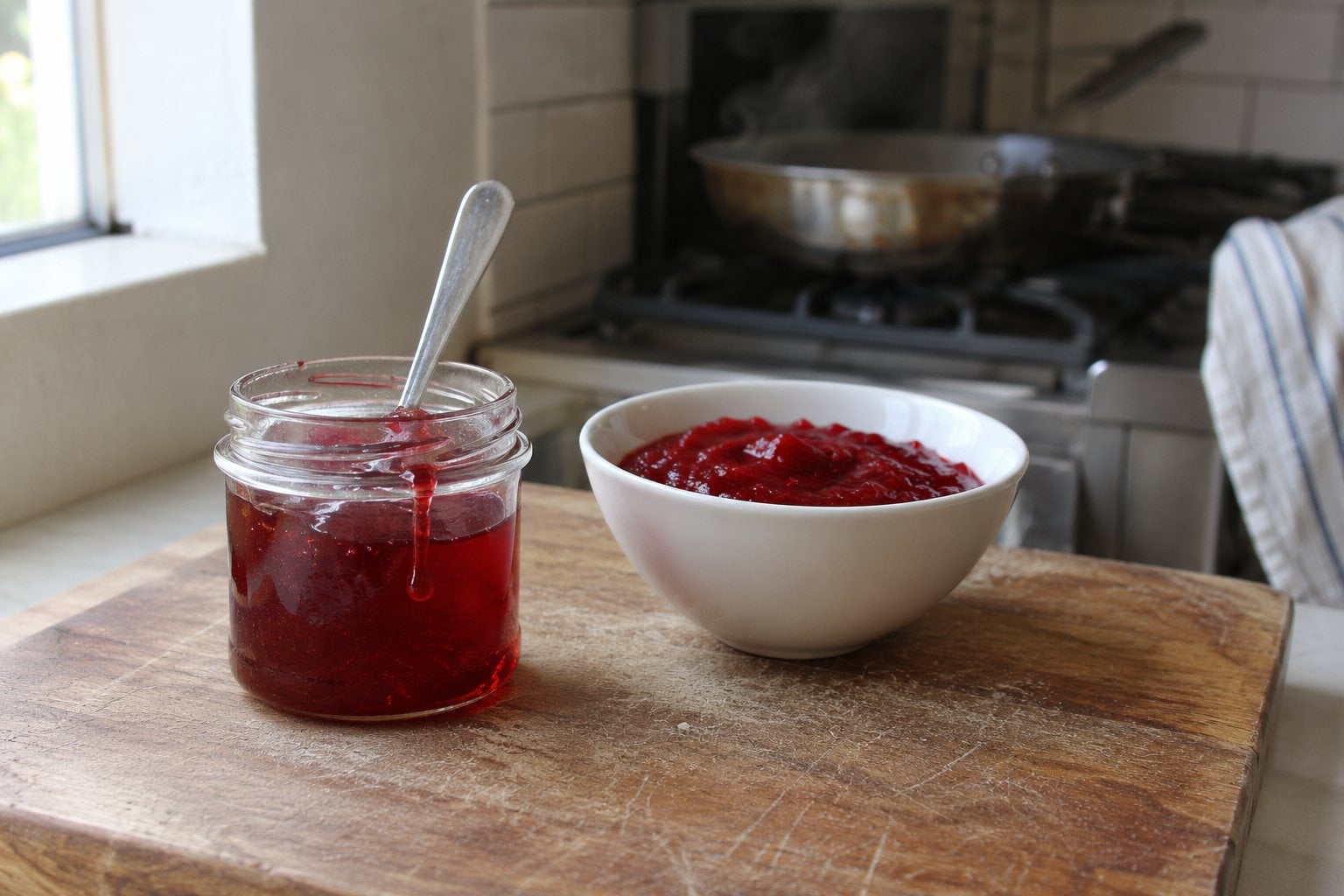
Most pantry jams work in a pinch if you adjust for sweetness and texture. The trick is matching the role red currant jelly plays in your dish-whether it's brightening a meat glaze or binding a fruit sauce.
Berry jams, savory sauces, and DIY mixes can deliver comparable tartness and body. These five substitutes cover everything from quick weeknight glazes to elegant preserves.
Redcurrant jam has the closest flavor to red currant jelly. Use 1 tablespoon for 1 tablespoon, and cut added sugar by 1 tablespoon per ¼ cup.
For savory glazes on lamb, pork or turkey, use cranberry sauce in equal parts, blended smooth first so it doesn't stay chunky.
Raspberry jam suits sweet sauces, but it is sweeter and less tart than the jelly.
| # | Substitute | Best For | Ratio | Key Note |
|---|---|---|---|---|
| 1 | Cranberry Sauce | 🍳 Cooking | 1:1 | Puree for smooth texture |
| 2 | Redcurrant Jam | ✨ Both | 1:1 | Closest flavor match |
| 3 | Raspberry Jam | ✨ Both | 1:1 | Sweeter, less tart |
| 4 | Currant Juice Mix | 🍳 Cooking | See recipe | DIY option, more prep |
| 5 | Apricot Jam Mix | 🍳 Cooking | 1 tablespoon + 1 tsp | Add lemon for brightness |
What Red Currant Jelly Does in a Dish
Red currant jelly is made from strained red currants and sugar, so it is clear, ruby red and free of seeds. It melts into a pan sauce or brushes on as a glossy glaze without leaving fruit bits.
Remember it later
Planning to try this recipe soon? Save it for a quick find later!
Cooks stir a spoonful into gravy for lamb, venison or roast turkey, and it is the base of Cumberland sauce, which adds port, mustard and ginger. It also glazes fruit tarts and fills thumbprint cookies.
These substitutes are ranked by how well they mimic Red Currant Jelly.
The 5 Best Red Currant Jelly Substitutes, Ranked
1 – Cranberry Sauce
Cranberry sauce delivers comparable tartness and thickening power in savory glazes and pan sauces. It brings deeper berry notes and less floral complexity than red currant jelly, but the hearty acidity works especially well with roasted meats and game.
The texture is usually chunkier unless you puree it first. Blend cranberry sauce smooth before stirring it into glazes or deglazing pans.
Use equal parts cranberry sauce per 1 tablespoon of red currant jelly. The ratio holds for lamb glazes, pork roasts, and Thanksgiving turkey finishes.
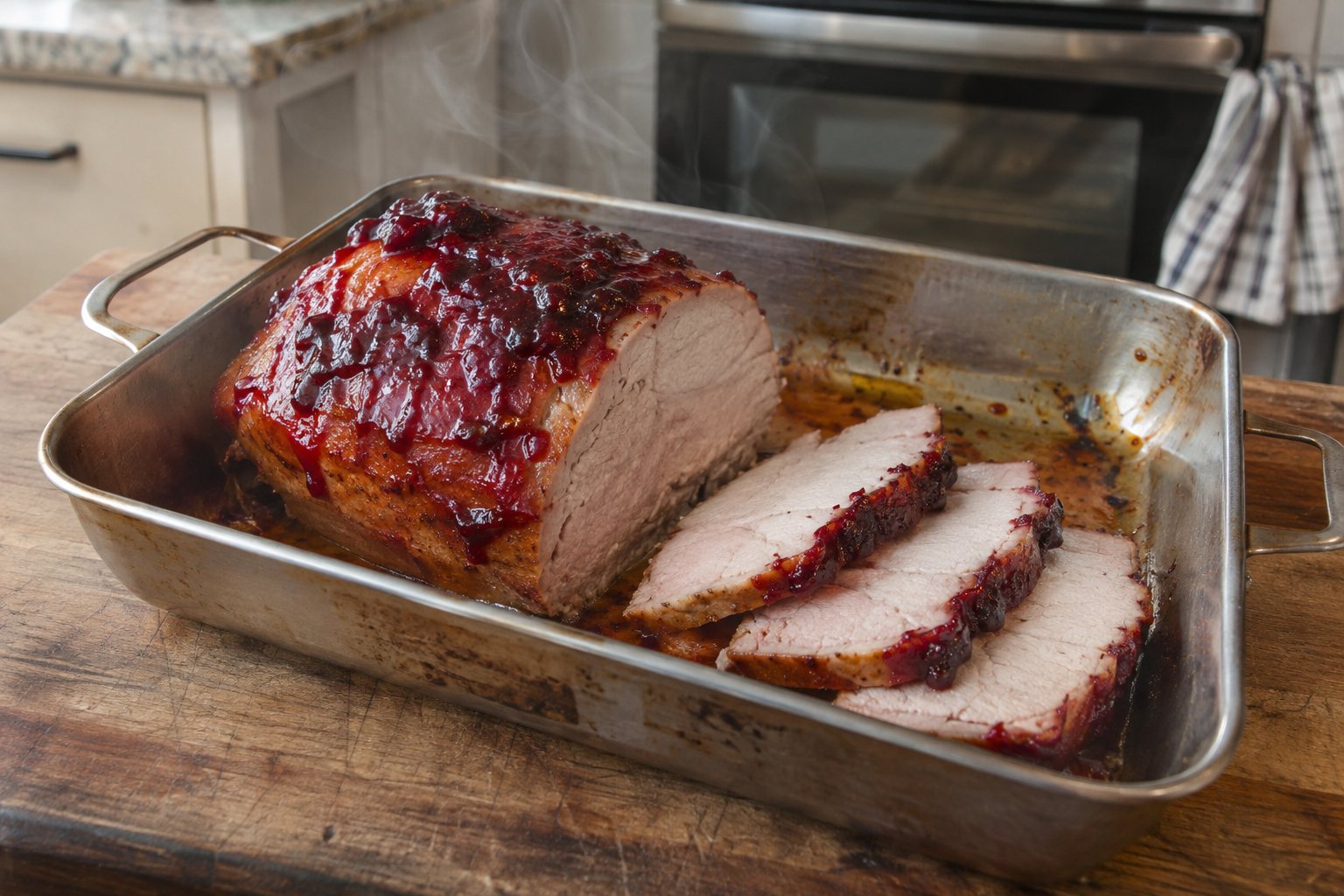
Canned jellied cranberry sauce is already smooth, so it needs no blending. Check the label on any brand first, because some add orange, cinnamon or allspice that will show up in a lamb or pork sauce.
2 – Redcurrant Jam
Redcurrant jam shares the same core fruit base as red currant jelly, so it mirrors flavor and thickening almost exactly. The main difference is sweetness-jam typically contains more sugar and a slightly softer set.
Key differences:
- Sweeter than jelly, so reduce added sugar by 1 tablespoon per ¼ cup
- Less refined texture with occasional fruit bits
Use 1 tablespoon of redcurrant jam per 1 tablespoon of red currant jelly. This swap works in finishing glazes, vinaigrettes, and dessert sauces where you need that signature currant flavor.
Skip this swap if you're making delicate sauces where low sugar content is critical-the extra sweetness can overwhelm subtle dishes.
3 – Raspberry Jam (Sweet Sauces)
Raspberry jam brings bright tartness and smooth thickening to sweet glazes and fruit sauces. It lacks the floral notes of red currant, but the berry profile stays close enough for most dessert applications.
What works:
- Tart-sweet balance mimics currant's acidity
- Smooth texture blends easily into sauces
- Red color stays bright in baking
- Equal substitution simplifies measuring
Use 1 tablespoon raspberry jam per 1 tablespoon red currant jelly. This swap shines in cake glazes, fruit compotes, and pastry fillings where berry flavor matters more than specific currant character.
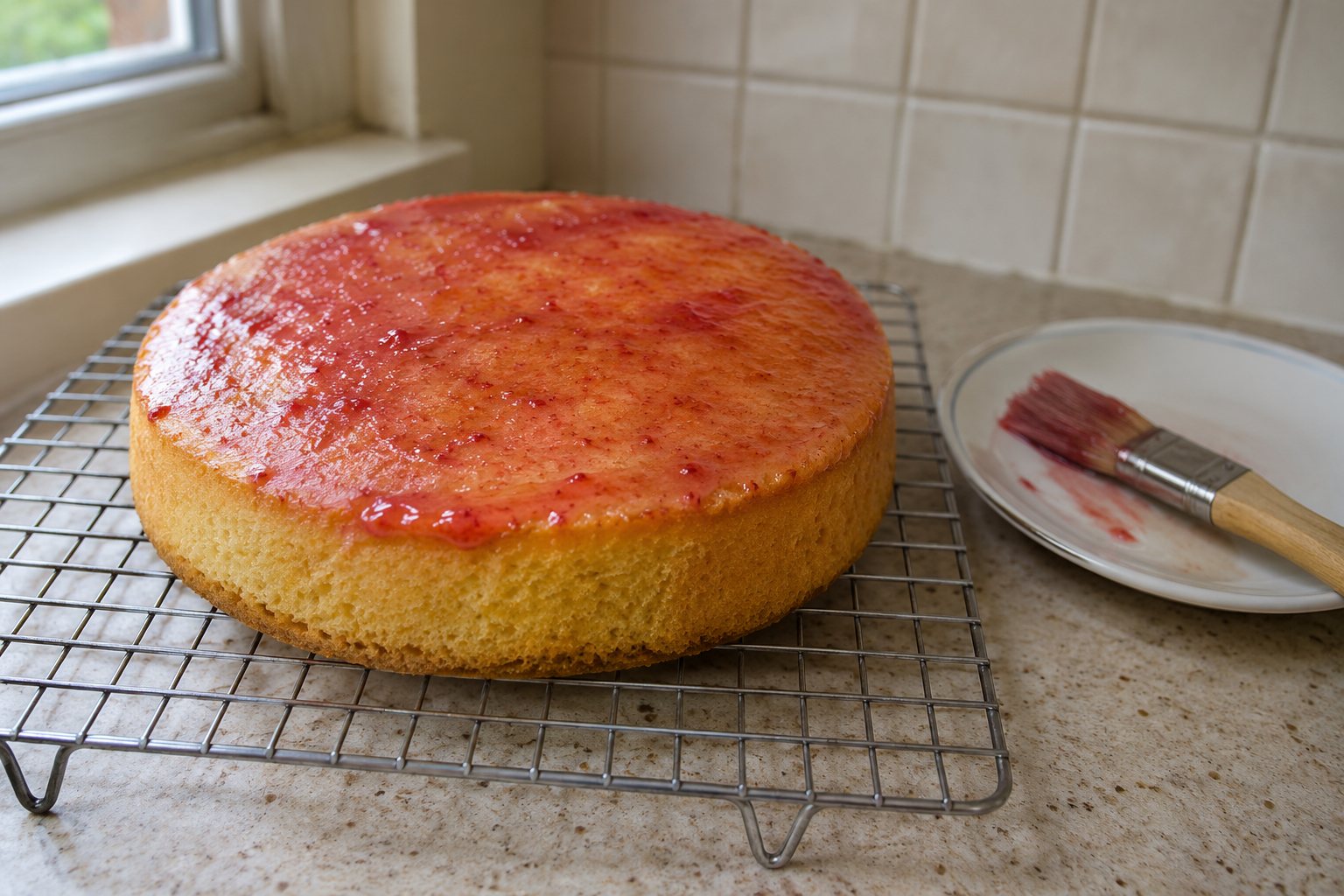
Raspberry jam usually carries seeds, which show in a clear glaze. Warm the jam, loosen it with a little warm water if it is very thick, and press it through a fine sieve.
Brush it on while it is still warm, and keep the water light, because too much makes the glaze too thin to cling.
Raspberry Jam
Works for: Sweet glazes, fruit sauces, pastry fillings, dessert toppings
Skip if: You need distinct currant tartness or floral complexity for savory dishes
4 – Currant Juice Mix
Mixing red currant juice with sugar and pectin recreates jelly's flavor and thickness from scratch. This DIY approach gives you full control over sweetness and set, making it useful when you want a natural swap without added preservatives.
The prep takes longer than grabbing a jar from the pantry. You'll need to simmer the juice with sugar and pectin until it thickens, then cool before using.
Use 1 tablespoon red currant juice mixed with 1 teaspoon sugar and ¼ teaspoon pectin per 1 tablespoon jelly. This ratio works for homemade glazes and preserves where fresh tartness matters.
Currant Juice Mix
Works for: Homemade glazes and preserves where fresh tartness matters
Skip if: You need an instant solution, since the extra steps don't make sense for quick weeknight cooking
5 – Apricot Jam Mix (Glazes Needing Brightness)
Apricot jam delivers sweetness and body, but it needs lemon juice to replicate red currant jelly's signature tartness. The stone fruit flavor shifts the profile away from berries, so it suits glazes where brightness and gloss matter more than specific fruit notes.
How to use it:
- Combine 1 tablespoon apricot jam with 1 teaspoon lemon juice
- Whisk smooth before stirring into sauces
- Adjust lemon if you need sharper acidity
Use 1 tablespoon apricot jam plus 1 teaspoon lemon juice per 1 tablespoon jelly. This swap shines in pork glazes, chicken finishes, and fruit sauces where you want tart-sweet complexity without strict berry flavor.
Apricot Jam Mix
Works for: Pork glazes, chicken finishes, fruit sauces, marinades needing brightness
Skip if: Your recipe depends on distinct red berry flavor or delicate currant notes
How to Choose a Red Currant Jelly Substitute
The best substitute depends on your recipe. Consider flavor, texture, and cooking method.
Start with these scenarios:
- Meat glazes and savory sauces: Cranberry sauce or redcurrant jam brings the tartness and body you need. Puree cranberry sauce smooth if texture matters.
- Sweet glazes and dessert sauces: Raspberry jam or redcurrant jam works without extra adjustments. Both match the sweetness and thickening power.
- Full control over sugar and texture: Mix currant juice with sugar and pectin for a DIY solution. This takes more time but gives you exact sweetness levels.
Frequently Asked Questions
Grape jelly works in a pinch but lacks the tartness of red currant jelly, so add 1 teaspoon lemon juice per tablespoon of grape jelly to boost acidity and balance the sweeter profile. This swap fits best in sweet glazes or desserts where mild fruitiness won't clash with other flavors.
No, red currant jelly is strained red currants and sugar, while cranberry sauce is cooked cranberries, often with whole berries left in. Both are tart, sweet and red, which is why cranberry sauce works 1:1 in meat sauces and glazes once it is smooth.
Red currant jelly is strained and smooth with a firmer set, while red currant jam contains fruit pieces and more sugar. Jelly works better in glazes where clarity matters, but jam substitutes easily if you don't mind a slightly softer texture and sweeter taste, and you can use the same measurements for both.
Yes, simmer 2 cups fresh red currants with ½ cup water until soft, then strain through cheesecloth. Mix the juice with 1 cup sugar and 1 teaspoon pectin, bring to a boil, and cook until it coats a spoon.
Cool completely before using. This DIY version gives you full control over sweetness and tartness.
Yes, store opened red currant jelly in the refrigerator and use within 6 months for best flavor and texture. The high sugar content helps preserve it, but refrigeration prevents mold and keeps the tartness bright.
If you're using cranberry sauce instead, it keeps for a much shorter time once opened, about 1 to 2 weeks (10 to 14 days) in the fridge, so check its own storage times.
Red currant jelly works in baking for glazes, fillings, and cake layers where you want tart sweetness and glossy finish. Use it as a filling between cake layers, brush it over pastries for shine, or swirl it into cheesecake batter.
Any of the substitutes listed here-especially raspberry or redcurrant jam-work the same way in baked goods.



