
Bite into a ripe red currant straight off the stem and the first thing you notice is the skin - taut, then suddenly gone - followed by a rush of juice so sharp it almost stings. That balance between acidic brightness and underlying fruit sweetness is what makes currants one of the most sought-after berries in preserves, sauces, and European baking.
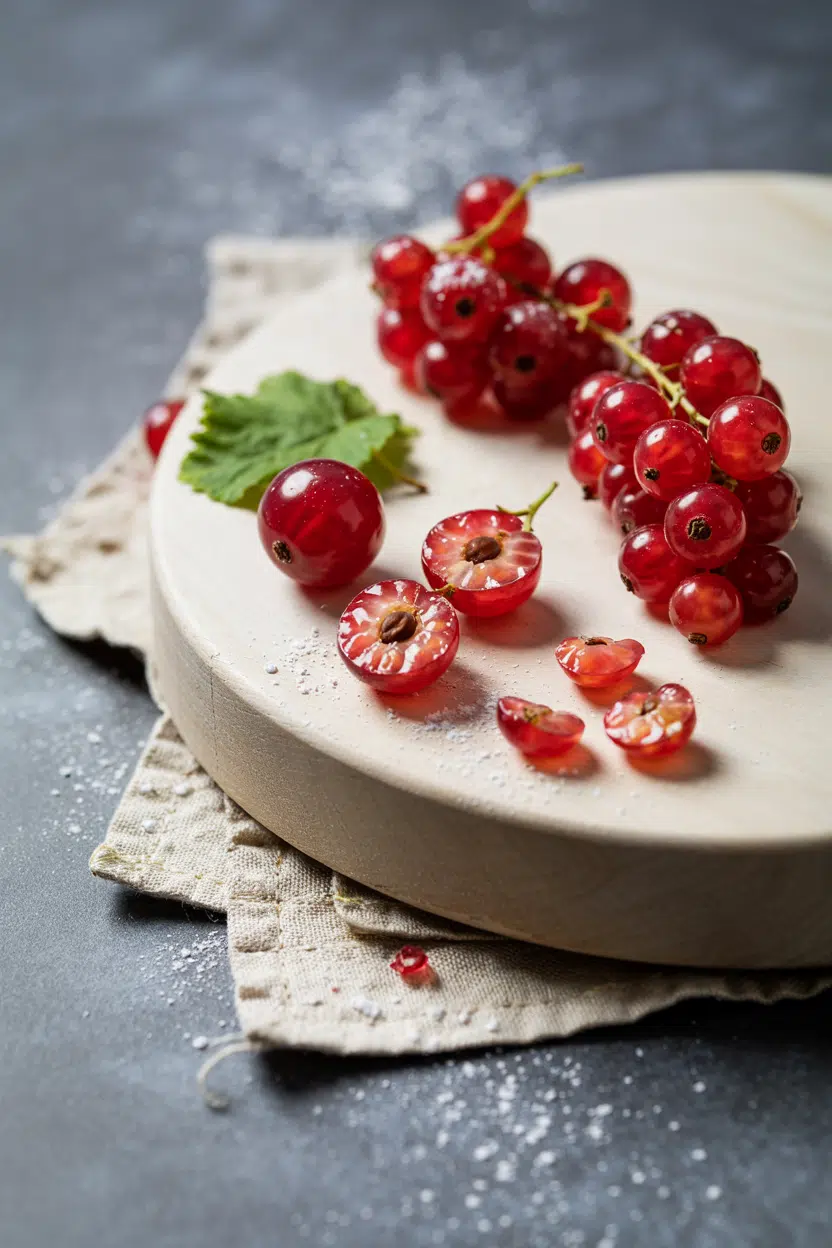
Cooks reach for them when raspberries or blackberries aren't quite tart enough to cut through rich meat or thick cream.
Currants are small, intensely tart berries from Ribes shrubs, available in black, red, and white varieties. Black currants carry the boldest flavor; red currants are the sharpest; white currants are mildest. Used in jellies, sauces, and preserves, they last 3-7 days refrigerated.
What Is Currant?
Currants are small cluster-bearing berries from Ribes shrubs, native to temperate Europe and Western Asia.
Remember it later
Planning to try this recipe soon? Save it for a quick find later!
They grow in trailing bunches called strigs and come in three main types: black currant (Ribes nigrum), red currant (Ribes rubrum), and white currant, which is a pale cultivar of the red.
Each variety has a distinct character. Red and white currants are translucent, jewel-like, and remain attached to slender green stems at harvest, while black currants are deep purple-black with a noticeably stronger aroma.
There's a common naming confusion worth clearing up. The dried "currant" sold in grocery stores - found in scones and panettone - is not a Ribes berry at all.
Those are Zante currants, dried Corinth grapes from Greece, named after the port of Zante.
Fresh currants are rarely grown commercially in the United States due to historical cultivation bans that protected pine trees from a fungal disease. That's why finding them at farmers markets or specialty stores still feels like a small event.
What Does Currant Taste Like?
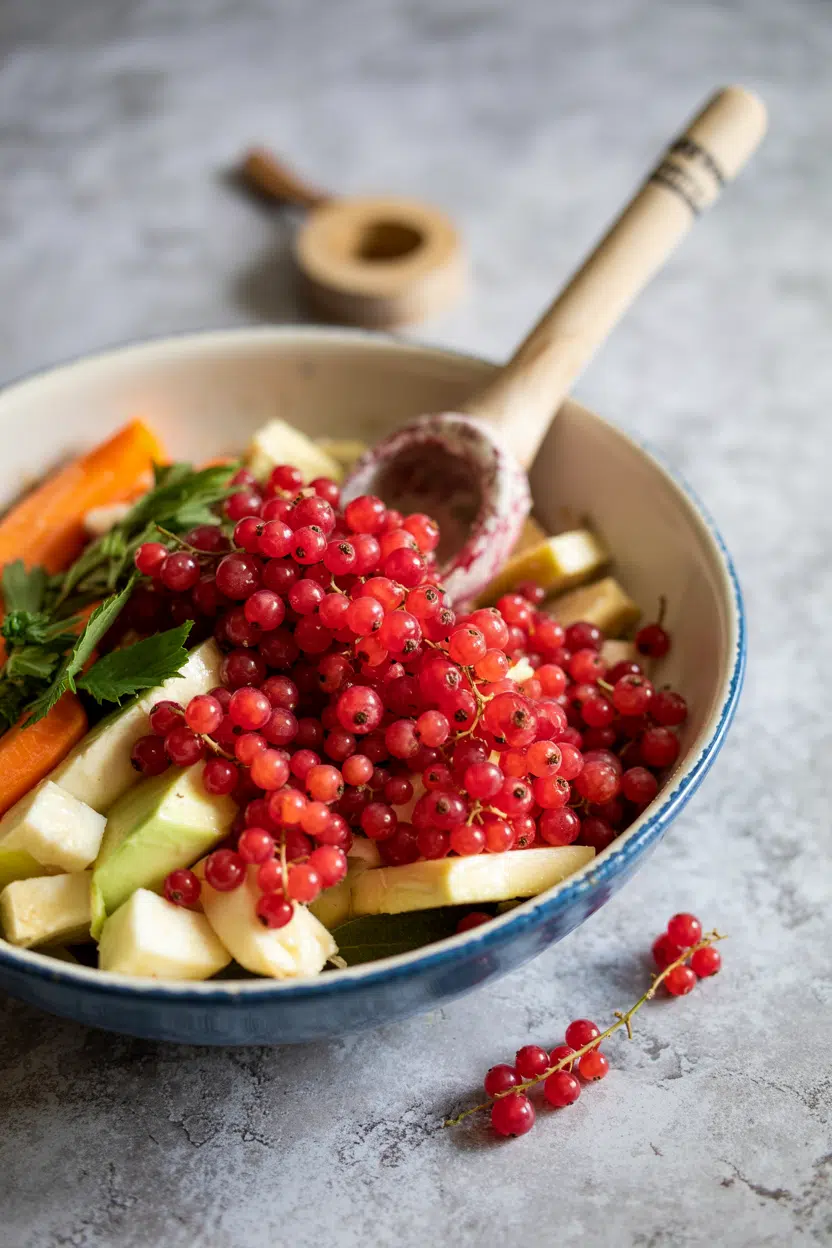
Red currants taste like a sharper, more astringent cranberry - their acidity is clean and almost citrus-adjacent. The flavor sits in the front of the mouth, bright and fleeting.
Black currants are a different experience entirely. Their flavor is deeper, more complex, and slightly medicinal, reminiscent of a concentrated tart blackberry layered with herbal, almost woody notes. Crème de cassis, the French liqueur made from black currants, captures this quality well.
White currants are the gentlest of the three, offering mild sweetness with just a whisper of acidity. Heat intensifies currants' tartness and draws out natural pectin, which is why they're so well-suited to jams and jellies.
How to Use Currant
Currants are workhorses in the kitchen, though their role shifts significantly depending on whether you're cooking sweet or savory. Red currant jelly is the classic British pairing for roast lamb and game birds - its tartness cuts through fat the way few condiments can.
The red currant jelly article goes deeper into making and using it.
Black currants take well to reduction. Simmered with red wine, port, and thyme, they form a sauce rich enough to serve over duck or venison.
For baking, all three varieties earn their place:
- Raw garnish - Scatter fresh red or white currants over yogurt, ricotta, or panna cotta for immediate acidity.
- Tarts and upside-down cakes - Fold currants into batter or layer them in a base; they hold their shape under moderate heat.
- Summer pudding - The classic British preparation where berries macerate bread with their juice overnight.
- Compote - Cook briefly with sugar for a cheese board accompaniment, especially good with aged goat cheese.
- Dried Zante currants - Stir into scone dough, panettone, or lemon pound cake batter for concentrated fruity sweetness.
Currants pair strongly with vanilla, lemon zest, dark chocolate, and rosemary. They don't work well with very bitter greens, where their sharp seeds interrupt rather than complement.
| Method | Best For | Tip |
|---|---|---|
| 🥗 Raw | Garnishing desserts, adding acidity to dairy dishes | Use red or white; black currants are very astringent uncooked |
| 🍳 Simmered | Jams, jellies, syrups, savory sauces | High natural pectin means jams set quickly - watch the heat |
| 🧁 Baked | Tarts, cakes, scones (Zante currants) | Toss dried currants in flour before folding into batter |
| 🥄 Macerated | Summer pudding, compotes, cheese boards | A little sugar and an hour at room temperature draws enough juice |
How to Buy and Store Currant
Fresh currants are seasonal, peaking in midsummer. Look for firm clusters with glossy, unshriveled skin. Red and white currants should be translucent and still attached to their green stems. Black currants should be deeply pigmented with a strong aromatic scent - a faint smell suggests an early harvest.
Avoid any berries with dull skin, leaking juice, or signs of mold. A single moldy berry spreads fast in a packed container.
Fresh currants last 3-7 days refrigerated. For longer storage, freeze them unwashed on a baking sheet first, then transfer to bags - this keeps them from clumping.
Our full guide to currant storage guide covers freezing in detail. If a recipe calls for black currants you can't source, currant replacements covers the closest options.
Start With Red Currant Jelly
If you've never cooked with currants before, red currant jelly is the most forgiving entry point.
It requires no special equipment, sets reliably due to high natural pectin, and has immediate kitchen utility - alongside roast meat, stirred into pan sauces, or spread on buttered bread.
From there, move to black currant jam or a simple compote. Both reward the same approach: gentle heat, a little sugar, and patience.
Frequently Asked Questions
No. Fresh currants are small berries from Ribes shrubs; they're tart and juicy. Zante currants - the dried kind sold for baking - are dried Corinth grapes, a type of small raisin with no botanical relationship to Ribes berries.
Both come from Ribes shrubs, but gooseberries grow singly and are larger, with a thicker skin and a flavor closer to tart grape. Currants grow in clusters and are smaller, juicier, and more intensely acidic.
Blackberries are the closest fresh substitute - similar depth with less astringency. For crème de cassis specifically, a [crème de cassis substitute](https://forkliftkitchen.com/creme-de-cassis-substitutes/) like black raspberry liqueur or blueberry syrup works in most sauces.
Yes, currant seeds are edible and safe. They're very small and cause no harm, though their texture is noticeable in smooth preparations like coulis or sauces, which is why straining is recommended.
Spread dry, unwashed currants in a single layer on a baking sheet and freeze for 2 hours first. Then transfer to freezer bags. This flash-freeze step prevents the berries from clumping into a solid mass.



