• Skip to primary navigation
  • Skip to main content
  • Skip to primary sidebar
  • Recipe Index
    • Air Fryer
  • Side Dishes
  • Substitutes
  • About
  • Contact
  • Subscribe

ForkLiftKitchen

menu icon
go to homepage
  • Recipe Index
    • Air Fryer
  • Side Dishes
  • Substitutes
  • About
  • Contact
  • Subscribe
subscribe
search icon
Homepage link
  • Recipe Index
    • Air Fryer
  • Side Dishes
  • Substitutes
  • About
  • Contact
  • Subscribe
×

Blog

7 Best Substitutes for Caciocavallo Cheese

January 25, 2026

The recipe calls for caciocavallo, and the cheese drawer is empty. This southern Italian cheese brings sharp tang and a stretchy melt that matters in pasta bakes and on pizza.

7 Best Substitutes for Caciocavallo Cheese

Not every aged cheese behaves the same way. Some melt smoothly but lack sharpness; others crumble instead of stretch.

The swap depends on

These seven options cover both melting and grating needs, from mild alternatives to bolder picks.

QUICK SUMMARY

Provolone, Scamorza, and aged mozzarella replace Caciocavallo best because they melt smoothly and keep that salty, stretchy bite. We treat this as a cooking swap, so we match salt + melt first, then adjust heat and timing. If the dish needs sharper depth, we finish with a small grate of aged Pecorino Romano instead of swapping the whole cheese.

🧀Closest melt: Use provolone for the same pull and browning in pan melts.
⚖️Ratio + tweak: Swap 1:1, then salt last because Pecorino swings salty fast.
🔥Watch out: Do not blast high heat; slower melt prevents rubbery, squeaky texture.

7 Caciocavallo Cheese Alternatives to Try

Some swaps stay close in flavor, while others shift the profile toward milder or sharper territory. Start with the first option if you need the closest match, or jump to the firmer grating cheeses if you're topping pasta.

Quick Substitute Reference
# Substitute Best For Ratio Key Note
1 Provolone Cheese 🍳 Cooking 1:1 Milder, smoother melt
2 Aged Pecorino Romano 🍳 Cooking ¾ cup per 1 cup Sharper, saltier
3 Scamorza Cheese 🍳 Cooking 1:1 Milder, slightly smoky
4 Aged Mozzarella 🍳 Cooking 1:1 Sweeter, less sharp
5 Aged Asiago 🍳 Cooking 1:1 Nuttier, firmer
6 Fontina Cheese 🍳 Cooking 1:1 Buttery, ultra-smooth
7 Manchego Cheese 🍳 Cooking 1:1 Nuttier, drier

1 - Provolone

Provolone melts smoothly and stays creamy in baked dishes. The flavor is milder than caciocavallo, without the same sharp edge.

You won't get the tangy complexity that aged caciocavallo delivers. Each substitute behaves differently, and replacements similar to Provolone Cheese helps you pick if you're missing this one too.

  • Ratio - Use 1:1, equal amounts of provolone for caciocavallo.
  • Texture - Smoother and creamier when melted; less elastic than caciocavallo.

Skip if: You need a very sharp, aged flavor for grating over rustic pasta dishes.

In Pasta Bakes

Works for: Smooth melt, mild tang that doesn't overpower

Skip if: You want a cheese that stands out with bold sharpness

On Pizza

Works for: Creamy stretch, browns evenly

Skip if: You need the funky, aged bite of traditional southern Italian pizza

2 - Aged Pecorino Romano

Pecorino Romano brings sharper, saltier punch than caciocavallo. The texture is crumblier, with less of that stretchy quality.

The sheepy tang reads stronger. Use less than the recipe calls for to avoid overpowering the dish.

Skip if: You need a mild, sweet cheese for melting in gratins or casseroles.

3 - Scamorza

Scamorza stretches nicely when heated and holds its shape on the grill. The flavor is milder than caciocavallo, especially in unsmoked varieties.

Smoked scamorza adds a subtle campfire note that changes the dish. If you don't have scamorza either, Scamorza Cheese alternatives to try covers picks with similar stretch.

  • Ratio - Use 1:1, equal amounts of scamorza for caciocavallo.
  • Texture - Similar stretchy quality, less complex flavor.
  • Best for - Grilling, baking, melting dishes like stuffed peppers or eggplant parmigiana.
  • Flavor - Milder overall; slightly smoky if using smoked variety.

Skip if: You need a strong, pungent aged cheese flavor for grating over bold sauces.

Best Pick
Scamorza comes closest in texture and melting behavior-choose unsmoked for neutral applications.

4 - Aged Mozzarella

Low-moisture mozzarella melts beautifully on pizza and in baked pasta. The flavor is much sweeter and milder than caciocavallo.

You lose the sharp, tangy complexity. This works best when you need a smooth melt rather than a bold grating cheese.

  • Ratio - Use 1:1, equal amounts of aged mozzarella for caciocavallo.
  • Texture - Smooth, stretchy melt; softer bite than caciocavallo.
  • Best for - Pizza, baked pasta, any dish where mild creaminess is the goal.

Skip if: You need a sharp, tangy grating cheese for finishing rustic Italian dishes.

5 - Aged Asiago

Aged asiago is nuttier and slightly sweeter than caciocavallo. The texture is firmer and less elastic when melted.

It grates well over soups and risotto but won't stretch the same way. Missing aged asiago as well?

Quick Asiago Cheese replacements to try ranks options by firmness and flavor.

What to expect:

  • Ratio - Use 1:1, equal amounts of aged asiago for caciocavallo.
  • Texture - Firmer, less stretchiness when melted; grates cleanly.
  • Best for - Grating over soups, risotto, salads where you want nutty richness.

The cheese can separate in high-heat sauces if you don't stir constantly. Watch the heat and add liquid as needed.

Skip if: You need a cheese that melts smoothly without separating in creamy sauces.

Use Ratio Notes
Grating 1:1 Firmer texture, nutty bite
Melting 1:1 Less stretch, may separate in sauces
Pizza topping 1:1 Browns nicely but lacks tang

6 - Fontina

Fontina melts incredibly smooth in fondues and creamy gratins. The flavor is buttery and earthy, without the sharp tang of caciocavallo.

You won't get that firm grating texture. Each substitute behaves differently, and simple Fontina Cheese substitutes list helps you pick if this one is also unavailable.

Here's what to know:

  • Ratio - Use 1:1, equal amounts of fontina for caciocavallo.
  • Best for - Fondues, sauces, creamy gratins where ultra-smooth melt matters.

Skip if: You need a firm grating cheese with sharp bite for finishing pasta dishes.

Watch Out
Fontina melts so smoothly it can become oily if overheated-use medium-low heat and stir constantly.

7 - Manchego

Manchego is firmer and drier than caciocavallo, with a distinct sheepy richness. The nutty flavor works well shaved over finished dishes.

It doesn't melt as smoothly at high heat. Out of manchego too?

Simple Manchego Cheese substitutes list covers picks with similar firmness.

  • Ratio - Use 1:1, equal amounts of manchego for caciocavallo.
  • Best for - Cheese boards, shaving over finished dishes, tapas spreads.

Skip if: You need a cheese specifically for high-heat melting in baked dishes.

Golden Rule
Grate manchego fresh rather than buying pre-shredded-the flavor fades quickly once exposed to air.

Picking the Right Replacement

Most of these swaps work without changing the recipe, but the best choice depends on For baked dishes and pizza, provolone or scamorza come closest in texture. For grating over pasta, aged pecorino or asiago deliver the sharpness you need.

  • Closest match - Scamorza for stretch and melt
  • Easiest grab - Provolone, widely available in most grocery stores
  • Bold alternative - Aged pecorino when you want extra sharpness

Frequently Asked Questions

Can I use fresh mozzarella instead of caciocavallo?

Fresh mozzarella is too wet and mild. Use low-moisture aged mozzarella instead, which melts better and has slightly more flavor. Fresh mozzarella will release too much water and won't deliver the sharpness caciocavallo brings.

Does provolone taste the same as caciocavallo?

No. Provolone is milder and less tangy. Caciocavallo has a sharper, more complex flavor from longer aging. Provolone works well when you need the melt but don't need the bold bite.

Which substitute works best for pizza?

Scamorza or aged mozzarella both melt smoothly and brown evenly. Scamorza gives you a bit more flavor complexity, while aged mozzarella stays milder and creamier. Both stretch well under high heat.

Why does my fontina separate when I melt it?

Fontina has high butterfat content and breaks if heated too quickly. Use medium-low heat and stir constantly. Add a splash of cream or milk to stabilize the melt and prevent oily separation.

Can I grate manchego the same way as caciocavallo?

Yes. Manchego is firmer and drier, so it grates cleanly. The flavor is nuttier and less tangy, but it works well shaved or grated over finished dishes. It won't melt as smoothly in baked applications.

7 Best Substitutes for Caciocavallo Cheese for Firm, Savory Melting

7 Best Substitutes for Caciocavallo Cheese

No ratings yet
Caciocavallo cheese is valued for its sharp tang and stretchy melt in dishes like pasta bakes and pizza. These seven substitutes range from mild, smooth melting options to sharper cheeses ideal for grating. Choose based on whether you need a creamy melt or a bold, aged flavor.
Print Recipe Pin Recipe
Prep Time 5 minutes mins
Cook Time 5 minutes mins
Total Time 10 minutes mins
Servings: 4 servings
Course: Cheese, Cooking
Cuisine: Italian
Ingredients Method Notes

Ingredients
  

  • Provolone Cheese Use equal amounts as caciocavallo; milder, smoother melt
  • Aged Pecorino Romano ¾ cup per 1 cup caciocavallo; sharper and saltier
  • Scamorza Cheese Use equal amounts as caciocavallo; milder, slightly smoky
  • Aged Mozzarella Use equal amounts as caciocavallo; sweeter and less sharp
  • Aged Asiago Cheese Use equal amounts as caciocavallo; nuttier, firmer texture
  • Fontina Cheese Use equal amounts as caciocavallo; buttery, ultra-smooth melt
  • Manchego Cheese Use equal amounts as caciocavallo; nuttier, drier texture

Method
 

  1. Provolone melts smoothly and stays creamy in baked dishes but is milder and less tangy than caciocavallo.
  2. Aged Pecorino Romano delivers a sharper, saltier punch and crumbly texture but lacks stretch.
  3. Scamorza stretches well when heated, with a milder flavor; smoked variety adds smoky notes.
  4. Low-moisture aged mozzarella melts beautifully but is sweeter and milder than caciocavallo.
  5. Aged Asiago is nuttier and firmer with less stretch; grates well over soups and risottos.
  6. Fontina melts ultra-smoothly in fondues and gratins but is buttery and lacks sharp tang.
  7. Manchego is firmer, drier, and nuttier; best used shaved over finished dishes, not for high-heat melting.
  8. Choose provolone or scamorza for melting in pizzas and baked dishes, or aged pecorino and asiago for sharp grating.
  9. Use equal or adjusted ratios as noted for each cheese substitute to maintain flavor balance.

Notes

Drain aged pecorino romano before using to prevent overpowering saltiness in your dish.

Tried this recipe?

Let us know how it was!

9 Best Substitutes for Butter in Mac and Cheese

January 25, 2026

You reach for the butter and find an empty wrapper. Mac and cheese needs something to start the roux or add richness to the sauce.

9 Best Substitutes for Butter in Mac and Cheese

What matters is the role it plays-fat for the roux, richness for the sauce, or moisture in baked versions. Some swaps mimic butter closely; others change the flavor entirely.

Each option below handles texture and flavor a little differently. The swap you pick depends on a baked casserole, or something dairy-free.

QUICK SUMMARY

Ghee, olive oil, and coconut oil work as the cleanest butter swaps in baking because they deliver reliable fat and consistent browning. The main risk is missing water + milk solids, so we add a small splash of liquid when texture turns dry. For baking swaps, we prioritize fat first, then adjust sweetness and structure with a tiny liquid or yogurt correction.

🧈Closest function: Ghee keeps butter-like richness without extra water problems.
⚖️Ratio + tweak: Use ¾ cup oil per 1 cup butter; add 1-2 tablespoon liquid.
🔥Watch out: Mayo/sour cream change salt and tang; taste and rebalance.

9 Best Substitutes for Butter to Try

These options range from neutral oils to tangy dairy products. Pick based on whether you need a roux base, extra creaminess, or a dairy-free alternative.

Quick Substitute Reference
# Substitute Best For Ratio Key Note
1 Olive Oil 🍳 Cooking ¾ tablespoon per 1 tablespoon butter Fruity, less rich
2 Cream Cheese 🍳 Cooking 2 tablespoon per 1 tablespoon butter Tangy, extra creamy
3 Mayonnaise 🍳 Cooking 1:1 Subtle tang, silky
4 Ghee ✨ Both 1:1 Nuttier, lactose-free
5 Coconut Oil 🌱 Dairy-Free 1:1 Mild coconut hint
6 Sour Cream 🍳 Cooking 2 tablespoon per 1 tablespoon butter Bright, tangy
7 Vegetable Oil 🍳 Cooking ¾ tablespoon per 1 tablespoon butter Neutral, no butter flavor
8 Margarine ✨ Both 1:1 Butter-like, processed
9 Greek Yogurt 🍳 Cooking 2 tablespoon per 1 tablespoon butter Tangy, lighter body

1 - Olive Oil

Olive oil works for starting a roux or finishing with a drizzle. The fruity, peppery notes stand out more than butter's neutral richness.

Use it when you want the mac and cheese to lean Mediterranean or when you're fine with a lighter texture. Avoid it if you want traditional creamy butter flavor-Olive Oil alternatives to try covers milder oils that stay more neutral.

  • Ratio: Use ¾ tablespoon olive oil per 1 tablespoon of butter
  • Flavor: Fruity and peppery notes, less rich than butter

Skip if: You want traditional creamy butter flavor.

For Roux Base

Works for: Starting a flour-thickened sauce

Skip if: You want a neutral flavor

For Finishing Drizzle

Works for: Adding richness at the end

Skip if: You need butter's creamy mouthfeel

2 - Cream Cheese

Cream cheese brings ultra-creaminess and a tangy edge. It thickens the sauce without needing a traditional roux.

The texture gets velvety fast-melt it into the hot pasta with a splash of pasta water to loosen. Don't have cream cheese either?

Easy Cream Cheese swaps that work lists options with similar tang and body.

  • Ratio: Use 2 tablespoons cream cheese per 1 tablespoon of butter
  • Best for: Ultra-creamy sauce texture
  • Flavor: Tangy and rich, adds extra creaminess and body
  • Texture: Velvety, thickens quickly

Skip if: You need to make a traditional roux.

3 - Mayonnaise

Mayonnaise creates a silky texture without the need for a roux. The subtle tang stays in the background, letting the cheese flavor lead.

Stir it in off the heat to avoid separation. Missing mayonnaise too?

Mayonnaise alternatives worth trying covers creamy options that blend smoothly.

  • Ratio: Use 1 tablespoon mayonnaise per 1 tablespoon of butter
  • Best for: Quick stovetop mac with no roux
  • Flavor: Subtle tang, creates silky texture without butter flavor

Skip if: Making baked mac and cheese with breadcrumb topping.

Best Pick
For stovetop mac, mayonnaise delivers creaminess with zero roux fuss.

4 - Ghee (Clarified Butter)

Ghee tastes like butter but skips the lactose. The nutty, slightly sweet notes come through more than regular butter.

Use it exactly like butter-it melts smoothly and creates a traditional roux base. Out of ghee as well?

Butter substitutes ranked covers fats that mimic butter's richness without dairy.

Here's what to know:

  • Ratio: Use 1 tablespoon ghee per 1 tablespoon of butter
  • Best for: Lactose-free option with butter flavor
  • Flavor: Nuttier and slightly sweeter than regular butter

Skip if: You want to avoid all dairy.

5 - Coconut Oil

Coconut oil works for dairy-free and vegan mac and cheese. Refined versions stay neutral; unrefined adds a mild coconut hint.

The texture mimics butter's consistency when melted. If coconut oil isn't around either, Coconut Oil substitutes for cooking lists plant-based fats with similar melting behavior.

What to expect:

  • Ratio: Use 1 tablespoon coconut oil per 1 tablespoon of butter
  • Best for: Dairy-free and vegan mac and cheese
  • Flavor: Mild coconut hint in unrefined oil, neutral in refined versions

Skip if: You dislike coconut undertones.

Substitute Dairy-Free flavor
Olive Oil Yes Fruity, peppery
Coconut Oil Yes Mild coconut or neutral
Vegetable Oil Yes Completely neutral
Ghee No (lactose-free) Nutty, buttery

6 - Sour Cream

Sour cream adds brightness and tang to cheese sauce. The texture stays creamy but lighter than butter-based versions.

Stir it in at the end to keep the tang fresh. Avoid using it for a flour-based roux-it works best mixed directly into the finished sauce.

  • Ratio: Use 2 tablespoons sour cream per 1 tablespoon of butter
  • Best for: Adding tanginess to cheese sauce
  • Flavor: Bright and tangy, less buttery richness

Skip if: Making a flour-based roux.

Watch Out
Sour cream can curdle if added to boiling liquid-stir it in off the heat.

7 - Vegetable Oil

Vegetable oil delivers a completely neutral base for the roux. It won't add flavor, so the cheese does all the work.

The texture stays lighter than butter-add a splash of cream or milk if you want more richness. Don't have vegetable oil either?

Tested Vegetable Oil replacements ranks neutral oils by smoke point and availability.

  • Ratio: Use ¾ tablespoon oil per 1 tablespoon of butter
  • Best for: Budget-friendly roux base
  • Flavor: Completely neutral, no butter flavor or richness
  • Texture: Lighter than butter

Use this when you want the cheese to stand out without competing flavors.

Skip if: Butter flavor is essential to the dish.

8 - Margarine

Margarine mimics butter's consistency without the dairy. The flavor runs slightly artificial but close enough for most mac and cheese recipes.

Use it in both stovetop and baked versions-it melts and browns similarly to butter. Out of margarine too?

Replacements similar to Margarine covers spreads with comparable texture.

Here's what to know:

  • Ratio: Use 1 tablespoon margarine per 1 tablespoon of butter
  • Best for: Dairy-free cooking with butter-like consistency
  • Flavor: Similar to butter but less rich and slightly artificial
  • Texture: Melts and browns like butter

Skip if: You want pure, natural ingredients.

Golden Rule
Check the label-some margarines contain dairy, so they're not fully vegan.

9 - Greek Yogurt

Greek yogurt brings protein and tang while keeping the dish lighter. The texture stays creamy but less heavy than butter-based sauces.

Stir it in off the heat to prevent curdling. Missing Greek yogurt as well?

Greek Yogurt substitutes ranked lists tangy options that blend smoothly.

  • Ratio: Use 2 tablespoons Greek yogurt per 1 tablespoon of butter
  • Best for: Protein-rich, lighter mac and cheese
  • Flavor: Tangy and slightly acidic, much lighter body

Skip if: Making a traditional buttery roux.

Shortcut
Mix Greek yogurt with a tablespoon of olive oil for a richer, more butter-like texture.

Before You Cook Without Butter

The best substitute depends on your cooking method. For stovetop mac, mayonnaise or cream cheese delivers instant creaminess without a roux; for baked versions, ghee or margarine mimics butter's richness.

Start with the ratio listed, then adjust based on how thick or creamy you want the sauce.

  • Closest match - Ghee, same buttery richness
  • Easiest grab - Olive oil, pantry staple
  • Dairy-free option - Coconut oil, vegan-friendly

Frequently Asked Questions

Can I use oil instead of butter for the roux in mac and cheese?

Yes. Use ¾ tablespoon of olive oil or vegetable oil per tablespoon of butter. The roux will thicken the same way, but the flavor stays lighter. Add a splash of cream at the end if you want more richness.

Does using cream cheese change the texture of mac and cheese?

Cream cheese makes the sauce thicker and creamier than butter alone. It skips the roux step entirely-just melt it into hot pasta with a bit of pasta water. The tang stays subtle but noticeable.

Will mayonnaise make my mac and cheese taste like mayo?

No. The tang stays in the background, letting the cheese flavor lead. Stir it in off the heat to avoid separation. It creates a silky texture without a strong mayo taste.

Can I bake mac and cheese with a butter substitute?

Yes. Ghee, margarine, and coconut oil work best for baked versions-they mimic butter's consistency and browning. Avoid Greek yogurt or sour cream for baking; they curdle under high heat.

What's the best dairy-free butter substitute for mac and cheese?

Coconut oil delivers the closest texture to butter and works in both stovetop and baked recipes. Refined coconut oil stays neutral; unrefined adds a mild coconut hint. Olive oil works too, but the flavor is more noticeable.

9 Best Substitutes for Butter in Mac and Cheese

9 Best Substitutes for Butter

No ratings yet
This guide covers nine reliable substitutes for butter in mac and cheese. Choose based on your cooking style-stovetop or baked-and dietary needs like dairy-free options. Ratios and flavor notes help you pick the right match.
Print Recipe Pin Recipe
Prep Time 5 minutes mins
Cook Time 5 minutes mins
Total Time 10 minutes mins
Servings: 4 servings
Course: Cooking Tips
Cuisine: American
Ingredients Method Notes

Ingredients
  

  • 0.75 tablespoon olive oil Use ¾ tablespoon per 1 tablespoon butter, fruity and less rich
  • 2 tablespoon cream cheese Use 2 tablespoons per 1 tablespoon butter, tangy and extra creamy
  • 1 tablespoon mayonnaise Use 1 tablespoon per 1 tablespoon butter, subtle tang and silky texture
  • 1 tablespoon ghee Use 1 tablespoon per 1 tablespoon butter, nutty and lactose-free
  • 1 tablespoon coconut oil Use 1 tablespoon per 1 tablespoon butter, mild coconut hint
  • 2 tablespoon sour cream Use 2 tablespoons per 1 tablespoon butter, bright and tangy
  • 0.75 tablespoon vegetable oil Use ¾ tablespoon per 1 tablespoon butter, neutral flavor
  • 1 tablespoon margarine Use 1 tablespoon per 1 tablespoon butter, butter-like but processed
  • 2 tablespoon Greek yogurt Use 2 tablespoons per 1 tablespoon butter, tangy and lighter body

Method
 

  1. Olive oil works well for starting a roux or finishing with a drizzle, adding fruity and peppery notes. Use ¾ tablespoon olive oil per 1 tablespoon butter.
  2. Cream cheese adds ultra-creaminess and tang, thickening sauce without a roux. Use 2 tablespoons cream cheese per 1 tablespoon butter.
  3. Mayonnaise creates a silky texture without a roux, with a subtle tangy flavor. Use 1 tablespoon mayonnaise per 1 tablespoon butter and stir in off the heat.
  4. Ghee mimics butter's flavor without lactose, offering nutty and slightly sweet notes. Use 1 tablespoon ghee per 1 tablespoon butter like regular butter.
  5. Coconut oil is a dairy-free, vegan alternative with a mild coconut hint in unrefined versions. Use 1 tablespoon coconut oil per 1 tablespoon butter.
  6. Sour cream adds brightness and tang to the sauce but curdles in boiling liquid. Use 2 tablespoons sour cream per 1 tablespoon butter and stir in off the heat.
  7. Vegetable oil offers a neutral base for roux without butter flavor. Use ¾ tablespoon vegetable oil per 1 tablespoon butter, adding cream if richer texture is desired.
  8. Margarine mimics butter's consistency for both stovetop and baked dishes, with a slightly artificial flavor. Use 1 tablespoon margarine per 1 tablespoon butter.
  9. Greek yogurt brings protein and tang with lighter texture. Use 2 tablespoons Greek yogurt per 1 tablespoon butter and stir in off the heat to prevent curdling.
  10. Adjust ratios based on sauce thickness and creaminess desired. Choose substitutes according to recipe needs and dietary preferences for best results.

Notes

Add sour cream gradually when mixing to avoid curdling in the sauce.

Tried this recipe?

Let us know how it was!

Stuffed Portobello Mushrooms

January 25, 2026

Baking portobello mushrooms at 375°F with a breadcrumb-and-cheese stuffing creates tender caps with a crispy golden topping. The moderate heat renders moisture from the mushrooms while setting the filling in 20-25 minutes.

Stuffed Portobello Mushrooms

You don't need to flip them or rotate the pan. The oven does the work while you prep a side dish.

This is what we make for weeknight vegetarian dinners or as a first course when hosting.

QUICK SUMMARY

Stuffed portobello mushrooms bake at 375°F for 20-25 minutes with a breadcrumb, cheese, and herb filling. Dry the mushrooms thoroughly before stuffing to avoid soggy bottoms. The caps shrink slightly and the filling turns golden brown when done.

⏱️Timing: 15 minutes prep, 25 minutes baking, no marinating required
🔑Key Move: Brush olive oil on mushroom caps before stuffing to prevent sticking
⚠️Watch Out: Overstuffing causes uneven cooking-fill caps only ⅔ full

Why This Recipe Works

Moderate oven heat pulls moisture from the mushrooms while crisping the breadcrumb topping in one step. For a version that comes together quickly, this quick cauliflower dish adds crunch and color to the plate.

Quick Reference
⏱️
Prep Time
15 min
🔥
Cook Time
20-25 min
⏰
Total Time
40 min
🍽️
Servings
4 servings
📊
Difficulty
Easy
🏷️
Category
Main Dish | Appetizer
💡
Quick Tip
Brush mushrooms, bake at 375°F for best texture
🎯
Best For
Weeknight | Entertaining

Why it delivers:

  • Sautéing the filling first wilts the spinach and softens the onions in 5-7 minutes, preventing watery filling
  • Brushing caps with olive oil creates a barrier that stops moisture from seeping through while boosting browning
  • Baking at 375°F balances tender mushroom texture with a crispy breadcrumb crust
  • Resting 5 minutes after baking sets the filling and redistributes juices so the stuffing doesn't slide off
  • Using enough cheese binds the filling ingredients and adds richness without overwhelming the earthy mushroom flavor
Quick Tip
Pat mushrooms dry with paper towels for 2 minutes before oiling-excess moisture turns the filling soggy and prevents browning.

What You'll Need

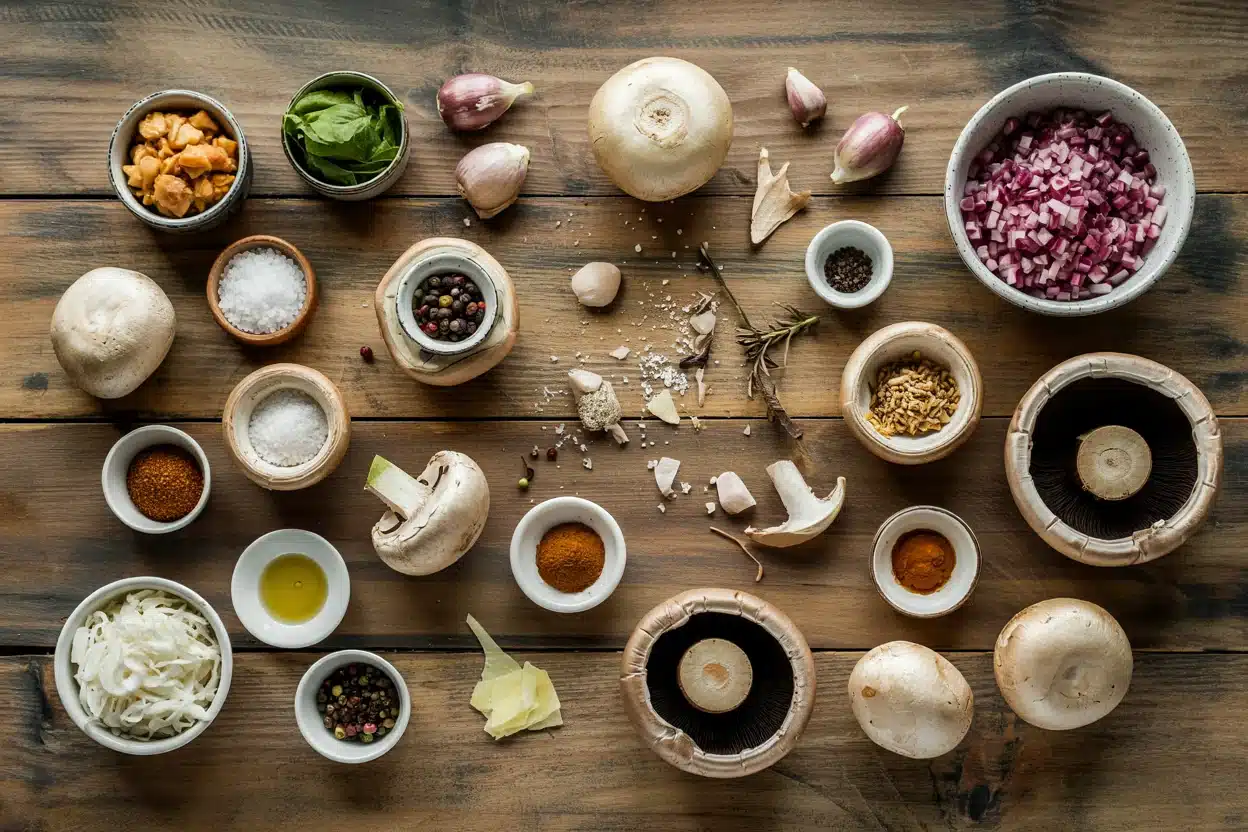
Stuffed Portobello Mushrooms - Stuffed Portobello Mushrooms

Large portobello mushrooms hold the stuffing and provide meaty texture, while breadcrumbs add crunch. Most people skip the drying step, but it balances the meal with a simple crema on the side for extra richness.

🍄
Base
  • 4 large portobello mushrooms
  • 2 cups fresh spinach or greens
  • 1 small onion, diced
🧀
Binding & Richness
  • 1 cup shredded mozzarella or parmesan
  • 3 tablespoon olive oil
🫙
Texture & Flavor
  • ¾ cup breadcrumbs
  • 3 garlic cloves, minced
  • 2 tablespoon fresh parsley or thyme
  • Salt and black pepper to taste

Ingredient Details

  • Large portobello mushrooms
    Look for caps 4-5 inches wide with firm texture and no dark spots-smaller caps don't hold enough filling
  • Breadcrumbs
    Use panko for extra crunch or regular breadcrumbs for a tighter crust; avoid seasoned varieties that overpower the herbs
  • Olive oil
    Use 1 tablespoon per cap to coat thoroughly-skimping causes sticking and dull flavor
  • Fresh spinach
    Baby spinach wilts faster than mature leaves; sauté until fully wilted to avoid watery filling
  • Mozzarella or parmesan
    Mozzarella melts smoothly; parmesan adds sharper flavor and binds better but browns faster
  • Fresh herbs
    Use flat-leaf parsley for mild freshness or thyme for earthy depth; add just before stuffing to preserve aroma
  • Garlic
    Mince finely and sauté for 30 seconds-raw garlic tastes harsh; burnt garlic turns bitter

Ingredient Swaps

Gluten-free breadcrumbs and vegan cheese work without changing the method. Rich mains need something to cut through, and a crispy fries side does exactly that.

Four swaps that work:

  • Breadcrumbs → gluten-free breadcrumbs or ground almonds - Slightly less crunchy but similar texture; use same quantity
  • Mozzarella → vegan cheese or omit entirely - Less melty with dairy-free cheese; add extra olive oil for moisture if skipping cheese
  • Fresh spinach → kale or swiss chard - Tougher texture requires 2-3 extra minutes sauté time; chop finely before cooking
  • Fresh herbs → dried herbs at ⅓ quantity - Use 2 teaspoons dried instead of 2 tablespoons fresh; add to filling during sauté for better flavor

Gluten-Free Breadcrumbs

Works for: Celiac diets, similar crust texture, absorbs moisture well

Skip if: You want maximum crunch (panko delivers more texture)

Ground Almonds

Works for: Nutty flavor addition, gluten-free, adds healthy fats

Skip if: Nut allergies, budget constraints (more expensive than breadcrumbs)

Vegan Cheese

Works for: Dairy-free diets, still provides binding, melts reasonably

Skip if: You want classic stretchy melt or sharp cheese flavor

Instructions

You need 40 minutes from start to finish with minimal hands-on time. A good creamy homemade sauce recipe can make or break the plate when drizzled over the finished mushrooms.

  1. Prep mushrooms: Remove stems and scrape out gills with a spoon. Pat caps dry with paper towels for 2 minutes. Brush each cap inside and out with olive oil (1 tablespoon per cap). Sprinkle salt inside each cap.

  2. Sauté filling: Heat 1 tablespoon olive oil in a skillet over medium heat. Add diced onion and cook 3-4 minutes until softened. Add minced garlic and cook 30 seconds until fragrant. Toss in spinach and cook 2-3 minutes until fully wilted. Remove from heat.

  3. Mix stuffing: Transfer sautéed vegetables to a mixing bowl. Add breadcrumbs, half the cheese, chopped fresh herbs, salt, and black pepper. Stir until evenly combined. The mixture should hold together when pressed but not be wet.

  4. Stuff and top: Place mushroom caps gill-side up on a baking sheet. Fill each cap ⅔ full with stuffing mixture, pressing down gently. Top with remaining cheese. Don't overfill-filling expands slightly while baking.

  5. Bake: Bake at 375°F for 20-25 minutes until caps shrink slightly and filling turns golden brown. If topping isn't crispy, broil for 2 minutes. Let rest 5 minutes before serving.

Golden Rule
Never skip drying the mushrooms-even 30 seconds of moisture causes soggy bottoms and prevents the filling from setting properly.

What to Serve With It

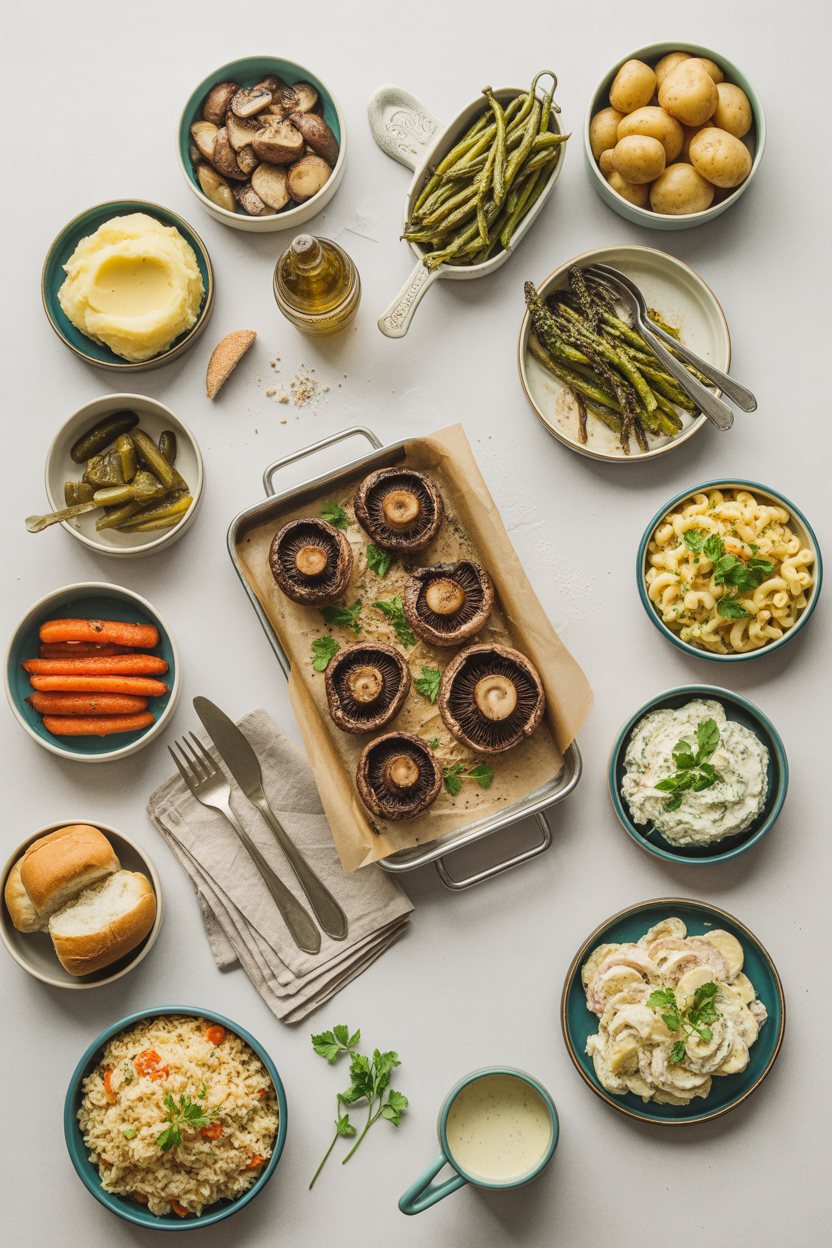
Stuffed portobellos work as a main or appetizer, so you need sides that balance the earthy richness. Cauliflower adds texture while planning your miso eggplant dinner offers more complete meal ideas for vegetarian nights.

Side Dish Prep Why It Works How to Serve
Mixed green salad Easy Light, fresh contrast cuts through rich mushrooms Toss with lemon vinaigrette, serve alongside
Roasted potatoes Easy Comforting starch complements earthy flavors Season with rosemary, serve hot
Steamed rice Easy Neutral base soaks up juices from mushrooms Fluff with fork, serve under mushrooms
Garlic bread Easy Italian flavor notes pair with herbs and cheese Toast until golden, serve warm
Quinoa salad Medium Adds protein and texture for complete meal Toss with lemon and herbs, serve chilled or room temp

Three ways to serve it:

  • As a main: Pair with simple potato wedges recipe and mixed greens for a complete vegetarian dinner
  • As an appetizer: Slice each mushroom into thirds and serve on a platter with marinara for dipping
  • For meal prep: Make ahead and reheat individually with a side salad for quick lunches
Shortcut
Skip the separate side dish and serve mushrooms over a bed of arugula-the residual heat wilts the greens slightly while adding peppery contrast.

Store and Reheat

Stuffed mushrooms hold up in the fridge for 3-4 days but lose some crispness. Store them in a single layer in an airtight container to prevent the filling from getting crushed. Rich mains need something to cut through, and golden fries recipe adds the contrast this plate needs when reheating leftovers.

Method Time Best For
🔥 Oven 10-15 min at 350°F Retains texture, reheats evenly, crisps topping
📦 Microwave 1-2 min Quick reheating when texture isn't critical
🍳 Stovetop 5-7 min covered on low Reheats filling nicely, may soften topping

For best results when storing:

  • Cool completely before refrigerating - Hot mushrooms create condensation that makes the filling soggy
  • Use shallow containers - Stacking mushrooms crushes the filling and creates moisture pockets
  • Reheat uncovered in oven - Cover with foil only if edges brown too quickly; uncovered maintains crisper texture
  • Freeze partially cooked - Stuff and freeze before baking, then bake directly from frozen adding 10 extra minutes
  • Add fresh herbs after reheating - Sprinkle chopped parsley or thyme on top to refresh flavor and aroma

Frequently Asked Questions

How long to cook stuffed portobello mushrooms at 375°F?

Bake for 20-25 minutes until the caps shrink slightly and the filling turns golden brown. If the topping isn't crispy enough, broil for 2 minutes at the end.

Can I make stuffed portobello mushrooms ahead and refrigerate?

Stuff the mushrooms up to 24 hours ahead and refrigerate covered. Bake directly from the fridge, adding 5 extra minutes to account for the cold start.

What goes well as a side dish with stuffed portobello mushrooms?

Mixed green salad, roasted potatoes, or garlic bread balance the earthy richness. Steamed rice or quinoa adds a neutral base that soaks up the juices.

How do I know when stuffed portobello mushrooms are fully cooked?

The caps shrink slightly, the filling turns golden brown, and the mushrooms release their liquid. They should feel tender when pierced with a fork but not collapse.

Can I use quinoa instead of breadcrumbs in stuffed portobello mushrooms?

Yes, use cooked quinoa for a gluten-free option with added protein. The texture will be softer and less crunchy than breadcrumbs, so add 2 tablespoons extra cheese to help bind the filling.

What To Serve With Portobello Mushrooms

Stuffed Portobello Mushrooms

No ratings yet
These stuffed portobello mushrooms bake at 375°F with a tender breadcrumb, cheese, and herb filling. Patting the mushrooms dry and brushing them with olive oil ensures a crispy, golden crust and prevents soggy bottoms.
Print Recipe Pin Recipe
Prep Time 15 minutes mins
Cook Time 25 minutes mins
Total Time 40 minutes mins
Servings: 4 servings
Course: Appetizer, Main Dish
Cuisine: Vegetarian
Ingredients Equipment Method Notes

Ingredients
  

  • 4 portobello mushrooms large, remove stems and gills
  • 2 cups fresh spinach or greens
  • 1 onion small, diced
  • 1 cup shredded mozzarella or parmesan divided
  • 3 tablespoon olive oil divided
  • 0.75 cup breadcrumbs panko or regular
  • 3 cloves garlic minced
  • 2 tablespoon fresh parsley or thyme chopped
  • salt to taste
  • black pepper to taste

Equipment

  • Oven Preheat to 375°F for baking mushrooms
  • Skillet For sautéing onions, garlic, and spinach
  • Mixing bowl Mix stuffing ingredients
  • Baking sheet Bake stuffed mushrooms
  • Paper towels Dry mushroom caps before oiling

Method
 

  1. Remove stems and scrape out gills with a spoon. Pat caps dry with paper towels for 2 minutes. Brush each cap inside and out with 1 tablespoon olive oil. Sprinkle salt inside each cap.
    4 portobello mushrooms, 3 tbsp olive oil, salt
  2. Heat 1 tablespoon olive oil in a skillet over medium heat. Add diced onion and cook 3-4 minutes until softened. Add minced garlic and cook 30 seconds until fragrant. Toss in spinach and cook 2-3 minutes until fully wilted. Remove from heat.
    1 onion, 3 tbsp olive oil, 3 cloves garlic, 2 cups fresh spinach
  3. Transfer sautéed vegetables to a mixing bowl. Add breadcrumbs, half the cheese, chopped herbs, salt, and black pepper. Stir until evenly combined. Mixture should hold together when pressed but not be wet.
    0.75 cup breadcrumbs, 1 cup shredded mozzarella or parmesan, 2 tbsp fresh parsley or thyme, salt, black pepper
  4. Place mushroom caps gill-side up on a baking sheet. Fill each cap ⅔ full with stuffing mixture, pressing down gently. Top with remaining cheese. Avoid overfilling.
    4 portobello mushrooms, 1 cup shredded mozzarella or parmesan
  5. Bake at 375°F for 20-25 minutes until caps shrink slightly and filling turns golden brown. If topping isn't crispy, broil for 2 minutes. Let rest 5 minutes before serving.

Notes

  • Dry mushrooms thoroughly before oiling to prevent sogginess.
  • Do not overstuff the caps; filling should be ⅔ full to cook evenly.
  • Rest for 5 minutes after baking to allow filling to set.

Tried this recipe?

Let us know how it was!

7 Best Substitutes for Blue Cheese in Salads & Dressings

January 25, 2026

The wedge salad calls for crumbled blue cheese, and the container is empty.

7 Best Substitutes for Blue Cheese in Salads & Dressings

What you need is something with tang and funk. Some options bring the same punch; others dial it back.

The swap depends on what blue cheese does in your recipe. In dressings, you want creaminess and bite.

On salads or boards, crumbles and visual contrast matter more.

QUICK SUMMARY

Gorgonzola, Roquefort, and feta replace blue cheese best because they bring the same salty, funky punch that carries dressings and crumbles. We treat this as a cooking swap where the main risk is bitterness and salt overload, so we prioritize salt/acid first, then adjust heat and body with creaminess. Use 1:1 crumbled, then soften intensity with yogurt, mayo, or a splash of cream.

🟦Closest punch: Gorgonzola melts smoother and keeps that blue bite in sauces.
⚖️Ratio + fix: Swap 1:1, then add a spoon of cream cheese to mellow.
🧂Watch out: Feta lacks funk; add cracked pepper and lemon for sharper lift.

7 Best Substitutes for Blue Cheese to Try

These substitutes are ranked by how well they mimic blue cheese. The first few deliver mold-ripened funk; the later picks trade that for tang or creaminess.

Quick Substitute Reference
# Substitute Best For Ratio Key Note
1 Gorgonzola Cheese ✨ Both 1:1 Milder and creamier
2 Feta Cheese 🍳 Cooking 1:1 Tangy but no mold flavor
3 Cream Cheese Mix 🍳 Cooking 1 cup + 1 tsp Creamier, less pungent
4 Roquefort Cheese ✨ Both 1:1 More pungent and salty
5 Camembert Cheese 🍳 Cooking 1:1 Mild and buttery
6 Goat Cheese ✨ Both 1:1 Tangy without mold taste
7 Cheddar Mix 🍳 Cooking 1 cup + ½ tsp Sharp with added acidity

1 - Gorgonzola

Gorgonzola brings the same blue mold veining but with less bite. The texture is creamier, almost spreadable, which makes it ideal for melting into sauces or crumbling onto salads.

The funk is milder-closer to mushroom than barn. If you're short on Gorgonzola too, Gorgonzola Cheese swaps that match cover options with similar creaminess.

  • Ratio: Use equal amounts as blue cheese
  • Best for: Salads, cheese boards, creamy sauces
  • Texture: Creamier and softer than most blue cheeses
  • Flavor: Milder tang, less intense mold notes

Skip if: You need aggressive funk for buffalo wings or steakhouse dressing.

In Salads

Works for: Creamy crumbles, mild tang, pairs with pears

Skip if: You want sharp, assertive blue cheese flavor

In Dressings

Works for: Smooth texture, blends easily, mild funk

Skip if: You need bold, punchy blue cheese dressing

2 - Feta

Feta delivers salt and tang without the mold. The crumbles hold their shape on salads and in grain bowls, but the flavor leans briny rather than funky.

The texture is drier and more granular. Results vary by dish-Feta Cheese substitutes ranked helps when you need something closer to the original brined style.

What to expect:

  • Ratio: Use equal amounts as blue cheese
  • Best for: Mediterranean salads, crumbles on roasted vegetables
  • Texture: Drier, crumbly, holds shape well
  • Flavor: Salty and tangy, no moldy notes

Skip if: The recipe depends on blue mold flavor-buffalo chicken dip, hot wings, steakhouse wedge dressing.

3 - Cream Cheese Mix

Cream cheese needs a boost. A teaspoon of Worcestershire adds umami without the funk, giving you something creamy enough for dips and spreadable enough for sandwiches.

The texture is smoother than blue cheese, so it won't crumble. Each substitute behaves differently-Cream Cheese swaps by recipe type narrows it to options that melt or spread like you need.

  • Ratio: 1 cup cream cheese plus 1 teaspoon Worcestershire for every 1 cup blue cheese
  • Best for: Dips, dressings, creamy sauces
  • Texture: Smooth, spreadable, won't crumble
  • Flavor: Creamy with mild umami, less pungent
Best Pick
For dips and spreads, this mix delivers creaminess without the funk.

Skip if: You need visible crumbles for topping salads or pizzas.

4 - Roquefort

Roquefort hits harder than most blue cheeses. The funk is more intense, the salt level higher, and the crumbles stay firmer even when warm.

The flavor can overpower delicate dishes. The swap depends on what Roquefort Cheese does in your recipe-Roquefort Cheese swaps by recipe type ranks alternatives by how well they hold shape and deliver punch.

Skip if: You want mild, approachable blue cheese flavor for guests who don't love funk.

Use Ratio Notes
Salad dressing 1:1 Reduce salt in recipe slightly
Cheese boards 1:1 Expect sharper flavor
Pasta sauces ¾ amount Strong flavor goes further

5 - Camembert

Camembert brings creaminess without the mold. The flavor is buttery and mild, closer to brie than blue cheese, which makes it better for melting than crumbling.

The rind adds earthy notes if you leave it on. The swap depends on what Camembert Cheese does in your recipe-replacements similar to Camembert Cheese covers options that melt smoothly.

Skip if: You need tang or crumbles-this won't deliver either.

Watch Out
Camembert melts fast-pull it off heat sooner to avoid separation.

6 - Goat Cheese

Goat cheese delivers tang without the funk. The texture is creamy enough for spreading but firm enough to crumble onto salads.

The flavor leans barnyard-earthy rather than moldy-sharp. The swap depends on what Goat Cheese does in your recipe-simple Goat Cheese substitutes list covers options ranked by tang and creaminess.

  • Ratio: Use equal amounts as blue cheese
  • Best for: Salads, spreads, baked dishes needing creamy tang
  • Texture: Creamy, crumbles easily
  • Flavor: Tangy and earthy, no blue mold taste

Skip if: You need the specific funk that defines buffalo chicken dip or steakhouse dressing.

Shortcut
Mix goat cheese with a pinch of salt and lemon juice to boost tang.

7 - Cheddar Mix

Cheddar needs acidity. A few drops of apple cider vinegar mimic the tang without the mold, giving you something sharp enough for cooked dishes but too smooth to crumble.

The texture stays creamy rather than grainy. Each substitute behaves differently-simple Cheddar Cheese substitutes list helps you pick by melt behavior and sharpness.

Here's what to know:

  • Ratio: Equal amounts cheddar plus ½ teaspoon vinegar per cup of blue cheese
  • Best for: Cooked dishes, sauces, mac and cheese
  • Texture: Smooth, melts easily, won't crumble
  • Flavor: Sharp with added acidity
Golden Rule
Add vinegar gradually-too much makes the sauce taste pickled.

Skip if: You need visible crumbles for salad topping or cheese boards.

Final Thoughts on Swapping Blue Cheese

The best substitute depends on what blue cheese does in your recipe. For dressings and dips, Gorgonzola or the cream cheese mix deliver creaminess without overwhelming funk.

For salads where crumbles matter, feta or goat cheese work better than melty options like Camembert.

  • Closest match - Gorgonzola for milder mold flavor
  • Easiest grab - Feta for salty tang
  • Creamy option - Cream cheese mix for dips

Frequently Asked Questions

Can I use feta instead of blue cheese in salad dressing?

Yes, but the flavor changes. Feta brings salt and tang without the mold funk. Blend it with a splash of buttermilk or sour cream to get a creamier texture closer to blue cheese dressing. The result tastes more Mediterranean than steakhouse.

What's the best substitute for blue cheese on a cheese board?

Gorgonzola or Roquefort work best because they share the blue mold veining. Gorgonzola is milder and creamier; Roquefort is sharper and saltier. Both crumble well and pair with honey, fruit, and nuts the same way blue cheese does.

Can I swap blue cheese in buffalo chicken dip?

Gorgonzola or Roquefort are the only swaps that keep the funk. Feta or goat cheese won't deliver the same punch. If you want less intensity, use the cream cheese and Worcestershire mix-it stays creamy but loses the mold flavor.

Why does my blue cheese substitute taste too mild?

Most substitutes lack the mold funk that defines blue cheese. If you used feta, goat cheese, or Camembert, boost the flavor with a pinch of salt, a squeeze of lemon, or a dash of hot sauce. For dressings, add a teaspoon of white wine vinegar to sharpen the tang.

Can I use cheddar instead of blue cheese in pasta?

Yes, but add acidity. Use sharp cheddar and stir in ½ teaspoon apple cider vinegar per cup of cheese to mimic blue cheese tang. The sauce stays creamy but loses the funky, moldy edge. This works better in baked pasta than cold dishes.

7 Best Substitutes for Blue Cheese for Bold Tangy Crumbles

7 Best Substitutes for Blue Cheese

No ratings yet
Explore seven great substitutes for blue cheese, ranked by how well they mimic its tang, funk, and texture for dressings, salads, sauces, and cheese boards. Find the best swap for your recipe.
Print Recipe Pin Recipe
Prep Time 5 minutes mins
Cook Time 5 minutes mins
Total Time 10 minutes mins
Servings: 4 servings
Course: Cheese, Condiments, Dips, Salads
Cuisine: American, Mediterranean
Ingredients Equipment Method Notes

Ingredients
  

  • 1 cup Gorgonzola Cheese Use equal amount as blue cheese; milder and creamier
  • 1 cup Feta Cheese Use equal amount as blue cheese; tangy but no mold flavor
  • 1 cup Cream Cheese Mix 1 cup cream cheese with 1 teaspoon Worcestershire sauce per cup blue cheese
  • 1 cup Roquefort Cheese Use equal amount as blue cheese; more pungent and salty
  • 1 cup Camembert Cheese Use equal amount as blue cheese; mild and buttery
  • 1 cup Goat Cheese Use equal amount as blue cheese; tangy without mold taste
  • 1 cup Cheddar Cheese Mix cheddar with ½ teaspoon apple cider vinegar per cup blue cheese
  • 0.5 teaspoon Worcestershire Sauce Add to cream cheese for creamy texture and mild umami
  • 0.5 teaspoon Apple Cider Vinegar Add to cheddar cheese to mimic blue cheese tang

Equipment

  • Measuring cups and spoons For accurate substitute ratios
  • Mixing bowl To blend cream cheese mix and dressings
  • Knife and board To crumble or slice cheese substitutes

Method
 

  1. Use Gorgonzola cheese as a 1:1 substitute for blue cheese for salads, cheese boards, and creamy sauces. It provides milder tang and creamy texture but less intense funk.
  2. Use Feta cheese 1:1 in Mediterranean salads or as crumbles on roasted vegetables where you want salty tang without mold flavor.
  3. For dips and dressings, mix 1 cup cream cheese with 1 teaspoon Worcestershire sauce per cup of blue cheese to get creaminess with mild umami flavor. Use this blend instead of blue cheese.
  4. Use Roquefort cheese equal to blue cheese amount for more pungent and salty flavor, suitable for salad dressings, cheese boards, and pasta sauces (use ¾ amount in pasta). Reduce added salt accordingly.
  5. Use Camembert cheese equal to blue cheese to add mild, buttery creaminess without mold flavor. Better for melting than crumbling; avoid if you want tang or crumbles.
  6. Use Goat cheese 1:1 as a creamy, tangy substitute that crumbles well without blue mold taste; suitable for salads, spreads, and baked dishes needing creamy tang.
  7. For cooked dishes and sauces, use sharp cheddar cheese mixed with ½ teaspoon apple cider vinegar per cup of blue cheese; adds sharpness and acidity but stays creamy without crumbles.

Notes

Add Worcestershire gradually when using cream cheese mix to avoid overpowering the mild flavor.

Tried this recipe?

Let us know how it was!

7 Substitutes for Boursin Cheese in French Cooking & Spreads

January 25, 2026

The package is empty and the pasta needs a creamy, garlicky spread. Boursin brings that herb-forward richness, but it's not always in the fridge.

7 Substitutes for Boursin Cheese in French Cooking & Spreads

What you swap depends on what the cheese does in the dish. Some alternatives work better for spreading; others excel in cooked sauces.

Texture matters more than brand.

The swap depends on what Boursin Cheese does in your recipe. Each substitute behaves differently.

Understanding the role of Cream Cheese alternatives to try helps you pick.

These seven replacements cover spreads, dips, and cooked dishes, starting with the closest match.

QUICK SUMMARY

Cream cheese mix, goat cheese, and herbed ricotta replace Boursin best because they stay creamy, tangy, and spreadable in dips, pasta, and toasts. We treat the main risk as weak garlic-herb punch, so we build it back with minced garlic, herbs, and a pinch of salt. For cooking swaps, we match salt/acid first, then adjust body with a small splash of milk.

🧄Closest spread: Cream cheese + garlic + herbs keeps the same soft, savory bite.
⚖️Ratio + fix: Swap 1:1, then loosen with 1-2 teaspoon milk if stiff.
🔥Watch out: Goat cheese can taste sharp; balance with a little cream.

7 Best Substitutes for Boursin Cheese to Try

These options range from pantry staples to specialty items. Pick based on what you're making and what you have on hand.

Quick Substitute Reference
# Substitute Best For Ratio Key Note
1 Cream Cheese Mix ✨ Both 1:1 Milder herb flavor
2 Goat Cheese 🍳 Cooking 1:1 Tangier, earthier
3 Herbed Ricotta 🍳 Cooking 1.25:1 Lighter texture
4 Fromage Blanc Blend 🍳 Cooking 1:1 Best for fresh spreads
5 Mascarpone Mix ✨ Both 1:1 Rich, mild garlic
6 Vegan Cheese 🌱 Dairy-Free 1:1 Plant-based option
7 Feta with Herbs 🍳 Cooking ¾:1 Saltier, crumbly

1 - Cream Cheese Mix

Cream cheese with minced garlic and fresh herbs delivers a spreadable texture close to Boursin. The flavor runs milder, with less complexity from the herbs.

Mix 8 ounces of softened cream cheese with 1 clove of minced garlic, 1 tablespoon of chopped fresh parsley, 1 teaspoon of chopped fresh chives, and a pinch of salt. Let it sit in the fridge for 30 minutes so the flavors blend.

  • Ratio: Use equal amounts (1:1)
  • Best for: Spreads, dips, stuffed chicken
  • Texture: Thick, creamy, spreadable
  • Flavor: Mild garlic, less herby

The mix works cold or warmed in sauces. It melts smoothly into pasta or spooned over roasted vegetables.

Skip if: You want pronounced herb flavor without adjusting seasoning.

2 - Goat Cheese

Goat cheese brings more tang and an earthy, grassy note. The texture is similar-soft and spreadable-but the flavor leans sharper.

Spread it on crackers or crumble it into salads where that tang adds contrast. Out of swaps when Goat Cheese runs out too?

That guide lists options ranked by tang level.

  • Ratio: Use equal amounts (1:1)
  • Best for: Salads, cheese boards, crostini
  • Texture: Soft, slightly crumbly

Skip if: You need a smooth, creamy sauce without graininess.

3 - Herbed Ricotta

Ricotta mixed with chopped garlic, parsley, and a drizzle of olive oil gives you a lighter, fluffier texture. It won't spread as thickly, but it works well baked into pasta or dolloped onto pizza.

The flavor is mild and slightly sweet. Add more herbs if you want stronger flavor.

  • Ratio: Use 1.25 cups per 1 cup of Boursin
  • Best for: Baked dishes, lasagna, stuffed shells
  • Texture: Light, grainy, fluffy

Missing ricotta too? Ricotta Cheese substitutes for cooking covers picks that hold up in baked dishes.

Skip if: You need a cold spread that holds its shape.

For Spreads

Works for: Cream cheese mix, mascarpone mix, fromage blanc

Skip if: You need something that melts into sauces

For Cooking

Works for: Goat cheese, herbed ricotta, feta with herbs

Skip if: You want a thick, cold dip

4 - Fromage Blanc Blend

Fromage blanc is a soft French cheese with a fresh, tangy flavor. Mix it with chopped herbs-parsley, chives, dill-and a bit of garlic for a light, airy spread.

It doesn't melt well, so stick to cold applications. Spoon it onto bread, vegetables, or use it as a topping for grilled fish.

The swap depends on what Fromage Blanc does in your recipe. Don't have fromage blanc either?

Fromage Blanc swaps by recipe type helps narrow to fresh, spreadable picks.

Here's what to know:

  • Ratio: Use equal amounts (1:1)
  • Best for: Fresh spreads, bagel topping, crudités
  • Texture: Light, airy, soft
  • Flavor: Tangy, fresh herbs
  • Avoid heat: Breaks down when cooked

Skip if: You're making a hot dip or sauce.

Best Pick
Cream cheese with garlic and herbs comes closest in flavor and texture.

5 - Mascarpone Mix

Mascarpone with chopped garlic and parsley gives you a richer, creamier base. The flavor is mild-almost buttery-without the sharpness of garlic.

Stir it into sauces or use it as a base for creamy pasta dishes. Results vary by dish.

Missing mascarpone too? A simple Mascarpone substitutes list ranks options for sauces and spreads.

It melts beautifully, making it ideal for risotto or polenta. The texture is silky, not grainy.

Skip if: You want herbs to be the star of the dish.

6 - Vegan Cheese

Plant-based Boursin-style cheese uses cashews or almonds as a base, blended with garlic, herbs, and a bit of lemon juice for tang. The texture is creamy but not identical-slightly firmer and less melty.

The flavor leans more herb-forward with a sharper tang from the lemon. It works for spreads, dips, and cold applications where you don't need it to melt.

Skip if: You need authentic dairy flavor or a cheese that melts smoothly into hot dishes.

7 - Feta with Herbs

Crumbled feta mixed with chopped parsley, dill, and a drizzle of olive oil brings a salty, tangy punch. The texture is crumbly, not creamy, so it won't spread.

It works best in Mediterranean dishes-salads, grain bowls, roasted vegetables-where that saltiness adds contrast. Each substitute behaves differently.

Short on feta too? Understanding the role of simple Feta Cheese substitutes list helps you pick.

What to expect:

  • Ratio: Use ¾ cup feta per 1 cup Boursin
  • Best for: Salads, Mediterranean dishes, grain bowls
  • Texture: Crumbly, firm, not spreadable
  • Flavor: Salty, tangy, pronounced herbs

Skip if: You need a smooth, creamy spread or a cheese that melts.

Use Ratio Notes
Spreads 1:1 Cream cheese or mascarpone work best
Hot sauces 1:1 Goat cheese or mascarpone melt smoothly
Baked dishes 1.25:1 Ricotta adds lightness but needs more volume
Salads ¾:1 Feta adds tang but is saltier
Watch Out
Fromage blanc and vegan cheese don't melt-use them cold only.

Before You Swap Boursin Cheese

Start with the closest match. Cream cheese with garlic and herbs delivers similar creaminess and works in most recipes.

Adjust seasoning and cooking time as needed. Some swaps need extra herbs or salt to match the flavor.

  • Closest match - Cream cheese mix for balanced flavor
  • Easiest grab - Goat cheese if you have it
  • Dairy-free option - Vegan cheese for plant-based needs

Frequently Asked Questions

Can I use cream cheese without adding herbs?

Plain cream cheese works in a pinch, but the flavor is much milder. Add minced garlic, chopped parsley, and chives to get closer to Boursin's herby profile. Let it sit for 30 minutes so the flavors blend.

Which substitute works best for stuffed chicken?

Cream cheese with garlic and herbs or mascarpone mix work best. Both stay creamy when baked and won't turn grainy. Goat cheese also works but adds more tang.

Can I melt ricotta cheese like Boursin?

Ricotta doesn't melt smoothly like Boursin. It stays grainy even when heated. Use it in baked dishes where texture matters less, like lasagna or stuffed shells.

Is vegan Boursin-style cheese worth buying?

If you're dairy-free, yes. The flavor is tangy and herby, though the texture is firmer and less melty. It works for spreads and cold dips but doesn't perform well in hot sauces.

Why does feta taste saltier than Boursin?

Feta is brined, which makes it much saltier. Use less than the recipe calls for-about ¾ cup feta per 1 cup Boursin-and skip extra salt until you taste the dish.

7 Best Substitutes for Boursin Cheese for Creamy Herb Spread

7 Best Substitutes for Boursin Cheese

No ratings yet
Discover seven effective substitutes for Boursin Cheese, tailored for spreads, dips, or cooked dishes. Choose the right replacement based on texture and flavor, suited for your specific recipe needs.
Print Recipe Pin Recipe
Prep Time 10 minutes mins
Total Time 10 minutes mins
Servings: 4 servings
Course: Appetizer, Snack
Cuisine: French-Inspired, Vegan Options, Vegetarian
Ingredients Equipment Method Notes

Ingredients
  

  • 8 ounces cream cheese softened
  • 1 clove garlic minced
  • 1 tablespoon fresh parsley chopped
  • 1 teaspoon fresh chives chopped
  • pinch salt
  • equal amounts goat cheese soft, tangy, spreadable
  • 1.25 cups herbed ricotta mixed with garlic, parsley, olive oil
  • equal amounts fromage blanc blended with herbs and garlic
  • equal amounts mascarpone mixed with chopped garlic and parsley
  • equal amounts vegan cheese plant-based, garlic and herb flavored
  • 0.75 cups feta with herbs crumbled, mixed with parsley, dill, olive oil

Equipment

  • Mixing bowl To combine cream cheese and herbs
  • Knife and chopping board For mincing garlic and chopping fresh herbs
  • Measuring spoons and cups For accurate ingredient portions
  • Refrigerator To let flavors blend for 30 minutes

Method
 

  1. For a close spreadable match, mix softened cream cheese with minced garlic, chopped parsley, chopped chives, and a pinch of salt. Refrigerate for 30 minutes to blend flavors.
  2. Use goat cheese as a tangier, earthier alternative for salads, cheese boards, and crostini. It spreads well but can be grainy in sauces.
  3. Mix herbed ricotta with garlic, parsley, and olive oil for a lighter, fluffy texture ideal for baked dishes like lasagna or stuffed shells.
  4. Prepare a fromage blanc blend with herbs and garlic for a light, airy spread best suited for cold applications like bagels and crudités.
  5. Combine mascarpone with chopped garlic and parsley for a rich, mild garlic flavor that melts beautifully in sauces like risotto and polenta.
  6. Use vegan cheese made from nuts with garlic, herbs, and lemon juice for a dairy-free, herb-forward spread or dip that stays firm and less melty.
  7. Mix crumbled feta with herbs and olive oil for a salty, tangy addition to Mediterranean dishes, salads, and grain bowls; not suitable for spreading or melting.
  8. Choose your substitute based on the role of Boursin in your recipe: spreads and dips favor cream cheese or mascarpone; cooked dishes and salads suit goat cheese, ricotta, or feta.
  9. Note that fromage blanc and vegan cheese do not melt; reserve them for cold uses to avoid breakdown or poor texture.

Notes

Blend cream cheese with garlic and herbs well to avoid bland substitutes and ensure a rich, herby spread like Boursin.

Tried this recipe?

Let us know how it was!

7 Best Substitutes for Beaufort Cheese in French Cooking

January 25, 2026

You reach for Beaufort cheese and find nothing but an empty wrapper. This Alpine cheese brings nutty depth and smooth melting power to gratins, fondues, and cheese boards.

7 Best Substitutes for Beaufort Cheese in French Cooking

The swap needs to do the same job. Some alternatives melt just as smoothly but taste sharper.

Others stay mild but won't stretch the same way.

These seven options cover most cooking needs. Pick based on whether you need perfect melting or just similar flavor.

QUICK SUMMARY

Comté, Gruyère, and Emmental replace Beaufort best because they share that sweet-nutty Alpine flavor and melt into a silky finish. We treat this as a cooking swap where the main risk is losing depth, so we prioritize salt/acid first, then adjust heat and body with browning. Use 1:1 shredded and finish with a quick gratin to bring out aroma.

🫕Closest melt: Comté gives the nearest balance of sweetness and savory in sauces.
⚖️Ratio + fix: Swap 1:1, then broil 60-90 seconds for deeper flavor.
🔥Watch out: High heat can turn cheese grainy; melt slowly and stir often.

7 Best Substitutes for Beaufort Cheese to Try

These options range from nearly identical matches to bolder alternatives. Start with Gruyère or Comté if you want the closest behavior, or move down the list for what's already in your fridge.

Quick Substitute Reference
# Substitute Best For Ratio Key Note
1 Gruyère ✨ Both 1:1 Nutty, slightly sweeter
2 Comté ✨ Both 1:1 Similar nutty notes, creamier
3 Emmental 🍳 Cooking 1:1 Milder, slightly sweet
4 Appenzeller 🍳 Cooking 1:1 Stronger, spicier
5 Fontina 🍳 Cooking 1:1 Creamy, subtle nuttiness
6 Aged Asiago 🍳 Cooking ¾ cup per 1 cup Sharper, crystalline texture
7 Beemster ✨ Both 1:1 Buttery, slightly sweet

1 - Gruyère

Gruyère melts into the same smooth pool Beaufort does, with a slightly sweeter edge. The texture stays firm enough to grate but softens beautifully under heat.

The flavor leans nuttier and a bit more pronounced. If your fondue or gratin needs that stretchy, golden finish, this delivers.

Missing Gruyère too? Gruyere Cheese swaps by recipe type covers options ranked by melting power.

Here's what to know:

  • Ratio: Use 1:1 for Beaufort Cheese
  • Best for: Gratins, fondues, melted applications
  • Flavor: Nutty, slightly sweeter than Beaufort
  • Texture: Firmer when cold, melts smoothly

Skip if: You need a milder cheese for delicate sauces.

In Fondues

Works for: Smooth melt, stretchy texture, nutty depth

Skip if: You want a milder, less assertive flavor

On Cheese Boards

Works for: Firm slicing, complex flavor, pairs well with fruit

Skip if: You need something softer or spreadable

2 - Comté

Comté shares Beaufort's nutty profile but adds a touch more creaminess. The texture is slightly softer, making it easier to slice thin or shred evenly.

The fruity undertones show up more in Comté, especially in aged versions. It melts just as smoothly, so gratins and baked pastas turn out rich and golden.

Out of Comté as well? Instead of Comte Cheese try these options that match its creaminess.

  • Ratio: Use 1:1 for Beaufort Cheese
  • Best for: Cooking, cheese boards, melted dishes
  • Flavor: Similar nutty notes with fruity accents
  • Texture: Creamier, slightly softer

Skip if: You need a very mild cheese or something extremely firm.

3 - Emmental

Emmental melts well and brings a milder, slightly sweet flavor. The texture is smoother than Beaufort, with those signature holes that don't affect performance in cooked dishes.

Use it in sandwiches or fondues where you want less intensity. The sweetness works better in lighter recipes than in bold, garlicky gratins.

Don't have Emmental either? Emmental Cheese swaps by recipe type lists options sorted by mildness.

  • Ratio: Use 1:1 for Beaufort Cheese
  • Best for: Melting in sandwiches, light fondues
  • Flavor: Milder, with a slightly sweet and nutty edge
  • Texture: Smooth, melts easily

Skip if: You're making a dish that needs intense cheese flavor.

Best Pick
Gruyère comes closest in both flavor and melting behavior.

4 - Appenzeller

Appenzeller brings stronger, spicier flavor with herbal undertones that Beaufort doesn't have. The texture is firm and sliceable, but the taste can overpower delicate dishes.

Use this when you want bold flavor-baked casseroles, hearty gratins, or cheese plates where assertiveness works. The herbal notes come from a brine wash, so expect something more complex.

Missing Appenzeller too? Appenzeller Cheese substitutes ranked covers milder backups.

Skip if: Your recipe calls for subtle, mild cheese.

5 - Fontina

Fontina melts into a creamy, smooth texture that works well in risottos and pastas. The flavor is mild with a subtle nuttiness, less pronounced than Beaufort.

The softer texture means it won't hold its shape when sliced thin. Use it when meltability matters more than firmness.

Out of Fontina as well? Fontina Cheese swaps that match its creamy melt.

Skip if: You need a firm cheese that holds up on a cheese board.

Use Ratio Notes
Gratins 1:1 Melts smoothly, golden top
Fondues 1:1 Stretchy, rich texture
Cheese boards 1:1 Firm slicing, complex flavor
Grated over pasta ¾ cup per 1 cup Use Aged Asiago, sharper bite

6 - Aged Asiago

Aged Asiago has a sharper, more piquant flavor than Beaufort. The texture is firmer and slightly crystalline, which makes it great for grating but less ideal for smooth melting.

Use it grated over pasta, salads, or soups where you want a punch of flavor. It won't melt into the same creamy pool as Beaufort, so avoid it in fondues or sauces that need smoothness.

Missing Aged Asiago too? Easy Asiago Cheese swaps that work covers options with similar sharpness.

  • Ratio: Use ¾ cup for every 1 cup of Beaufort Cheese
  • Best for: Grating over pasta, salads, soups
  • Flavor: Sharper, more piquant
  • Texture: Firm, crystalline, doesn't melt as smoothly

Skip if: You need a cheese that melts into a smooth, creamy texture.

Watch Out
Aged Asiago is sharper-use less if you want milder flavor.

7 - Beemster

Beemster brings a rich, buttery flavor with a slight sweetness. The texture is firm but not as dense as aged cheeses, making it easy to slice or shred.

It works well for snacking, cheese boards, and cooking, though it's less traditional for French recipes. The sweetness pairs nicely with fruit or crackers.

Skip if: You're making a dish that requires authentic Alpine flavor.

Golden Rule
Match the swap to the recipe's heat level-mild for sauces, bold for baked dishes.

Picking the Right Replacement

Gruyère and Comté come closest to Beaufort in both flavor and melting behavior. For milder dishes, Emmental or Fontina work well without overpowering other ingredients.

Most of these swaps work 1:1, so you can substitute directly without adjusting recipes. Test the flavor first if you're using something sharper like Appenzeller or Aged Asiago.

  • Closest match - Gruyère, nearly identical melt and flavor
  • Easiest grab - Emmental, mild and widely available
  • Bold alternative - Appenzeller, spicy and herbal

Frequently Asked Questions

Can I use cheddar instead of Beaufort cheese?

Cheddar melts differently and tastes sharper, so it won't give you the same nutty, smooth finish. Use it only if you're okay with a stronger, less creamy result. Gruyère or Comté work better for keeping the original flavor.

Do I need to adjust the ratio when using Aged Asiago?

Yes. Use ¾ cup of Aged Asiago for every 1 cup of Beaufort. It's sharper and more intense, so a little goes further. Grate it fresh for best results over pasta or salads.

Which substitute works best for fondue?

Gruyère melts the smoothest and keeps the stretchy, creamy texture fondue needs. Comté works almost as well with a slightly softer melt. Avoid Aged Asiago-it won't blend into a smooth pool.

Can I mix substitutes to match Beaufort's flavor?

Yes. Combine Emmental and Gruyère in equal parts for a balanced flavor that's close to Beaufort. The Emmental adds mildness, the Gruyère brings nuttiness. This works especially well in gratins and baked pastas.

How do I store leftover Beaufort substitutes?

Wrap cheese tightly in wax paper or parchment, then place it in a plastic bag or container. Store in the refrigerator's cheese drawer or vegetable crisper. Most hard cheeses last 3-4 weeks when stored properly. Avoid plastic wrap directly on the cheese-it traps moisture and encourages mold.

7 Best Substitutes for Beaufort Cheese for Rich Alpine Melt

7 Best Substitutes for Beaufort Cheese

No ratings yet
Discover seven excellent substitutes for Beaufort cheese that match its nutty depth and smooth melting power in gratins, fondues, and cheese boards. Choose based on melting need or flavor similarity.
Print Recipe Pin Recipe
Prep Time 5 minutes mins
Total Time 5 minutes mins
Servings: 4 servings
Course: Cheese, Substitution
Cuisine: French-Inspired
Ingredients Method Notes

Ingredients
  

  • 1 unit Gruyère Use 1:1 ratio to Beaufort Cheese; nutty, slightly sweeter flavor, smooth melting
  • 1 unit Comté Use 1:1 ratio; creamier texture with similar nutty notes
  • 1 unit Emmental Use 1:1 ratio; milder, slightly sweet flavor, melts smoothly
  • 1 unit Appenzeller Use 1:1 ratio; stronger, spicier flavor with herbal notes
  • 1 unit Fontina Use 1:1 ratio; creamy, subtle nuttiness, melts well
  • ¾ cup Aged Asiago Use ¾ cup per 1 cup Beaufort Cheese; sharper, crystalline texture, best grated
  • 1 unit Beemster Use 1:1 ratio; buttery, slightly sweet flavor, firm texture

Method
 

  1. Choose your substitute based on the dish and desired flavor — Gruyère or Comté for closest match, Emmental or Fontina for milder options, Appenzeller or Aged Asiago for bold flavors.
  2. Use a 1:1 ratio substitution for most cheeses except Aged Asiago, which needs ¾ cup per 1 cup Beaufort.
  3. Gruyère offers a smooth melt with nutty and sweet flavors, perfect for gratins and fondues requiring stretchy texture.
  4. Comté provides a creamier texture and fruity notes while maintaining similar nutty flavor, great for cooking and cheese boards.
  5. Emmental melts easily with a milder, slightly sweet taste, suitable for sandwiches and light fondues.
  6. Appenzeller has a strong, spicy flavor with herbal undertones, ideal for bold baked dishes and hearty gratins.
  7. Fontina melts creamy and smooth with subtle nuttiness, best for risottos, pastas, and dishes where meltability is key.
  8. Aged Asiago is sharper and crystalline, rich in flavor but less smooth when melted; best grated over pasta, salads, or soups.
  9. Beemster offers buttery richness with slight sweetness and firm texture, suitable for snacking, cheese boards, and cooking.
  10. Avoid cheddar as a substitute because it melts differently and tastes sharper, losing the nutty, smooth finish of Beaufort.
  11. Mix equal parts Emmental and Gruyère for balanced flavor close to Beaufort, ideal for gratins and baked pasta dishes.
  12. Wrap cheese substitutes tightly and store in the refrigerator's cheese drawer to maintain freshness; avoid direct plastic wrap contact.

Notes

Use ¾ cup Aged Asiago; too much sharpness affects flavor balance in delicate dishes.

Tried this recipe?

Let us know how it was!

7 Best Substitutes for Basket Cheese

January 25, 2026

The jar is empty and the store is closed. Basket cheese shows up in salads, spreads, and Mediterranean dishes where its mild, crumbly texture matters.

7 Best Substitutes for Basket Cheese

Not every fresh cheese works the same way. Some hold their shape better; others turn too creamy.

The swap depends on what you are making.

These seven alternatives cover most situations, from grain bowls to baked pasta.

QUICK SUMMARY

Queso fresco, paneer, and ricotta replace basket cheese best because they keep a similar fresh, mild profile and soft crumble. We treat this as a cooking swap where the main risk is moisture, so we prioritize salt/acid first, then adjust heat and body by draining. Swap most options 1:1, then press or blot wetter cheeses before slicing or crumbling.

🥣Best crumble: Queso fresco stays mild and breaks clean over salads and tacos.
⚖️Ratio + fix: Swap 1:1, then blot excess moisture with paper towels.
⏱️Watch out: Ricotta can weep; drain 10 minutes before using in warm dishes.

Basket Cheese Replacement Ideas

Some swaps stay close to the original texture, while others require small adjustments. Pick based on what you are making and what you have on hand.

Quick Substitute Reference
# Substitute Best For Ratio Key Note
1 Ricotta Cheese ✨ Both 1:1 Creamier, slightly sweet
2 Paneer 🍳 Cooking 1:1 Firmer, holds shape
3 Queso Fresco 🍳 Cooking 1:1 Tangy, crumbles well
4 Feta Cheese 🍳 Cooking ¾ cup per 1 cup Saltier, sharper flavor
5 Fresh Goat Cheese ✨ Both 1:1 Tangy, earthy notes
6 Cottage Cheese 🍳 Cooking 1 ¼ cups per 1 cup Very moist, softer
7 Fresh Mozzarella ✨ Both 1:1 Stretchy when melted

1 - Ricotta

Ricotta brings a creamier texture and slightly sweet flavor. It spreads smoothly but won't crumble the way basket cheese does.

The moisture content runs higher, so drain excess liquid before using it in salads. For spreads and dips, the extra creaminess works in your favor.

Here's what to know:

  • Ratio: Use equal volume 1:1 as basket cheese
  • Best for: Salads, spreads, fresh dishes
  • Texture: Creamier, softer consistency
  • Flavor: Mild with subtle sweetness

Each substitute behaves differently. Understanding the role ricotta plays helps you pick instead of Ricotta Cheese try these when you need backups.

Skip if: You need firm texture that holds shape in cooking.

In Salads

Works for: Creamy texture, mild flavor

Skip if: You want crumbly cheese pieces

In Spreads

Works for: Smooth consistency, easy mixing

Skip if: You need lower moisture content

2 - Paneer

Paneer holds its shape during cooking better than most fresh cheeses. The texture stays firm even when grilled or sautéed at high heat.

The flavor runs mild and milky without much tang. It won't melt, making it ideal for dishes where you want visible cheese pieces.

  • Ratio: Use equal weight 1:1 as basket cheese
  • Best for: Cooking, grilling, stir-fries
  • Texture: Firm, holds shape well
  • Flavor: Mild, milky, slightly bland

Skip if: You need soft or spreadable cheese for fresh applications.

3 - Queso Fresco

Queso fresco crumbles easily and adds a slight tang to dishes. The texture stays firm enough for sprinkling on tacos, salads, and grain bowls.

It doesn't melt when heated, so the cheese pieces stay visible. The swap depends on what queso fresco does in your recipe-if you need Queso Fresco alternatives worth trying, that page covers options by crumble style and tang level.

Skip if: You need creamy cheese for melting or mixing into dips.

Best Pick
For Mexican-style dishes, queso fresco comes closest in texture and flavor.

4 - Feta

Feta brings a salty, tangy punch that changes the flavor. The crumbly texture matches basket cheese, but the sharpness stands out.

Use less than the recipe calls for since feta runs saltier. Three-quarters of a cup per full cup of basket cheese balances the sodium without losing the crumbly texture.

  • Ratio: Use ¾ cup for every 1 cup of basket cheese
  • Best for: Salads, Mediterranean recipes
  • Texture: Crumbly, dry
  • Flavor: Salty, tangy, sharp

Missing feta too? The closest match for basket cheese in Mediterranean dishes is usually queso fresco; if you want more choices, Feta Cheese swaps that match highlights options with less salt and similar crumble.

Skip if: You find salty or crumbly texture too intense for your recipe.

Use Ratio Notes
Salads ¾ cup Reduce to control saltiness
Spreads 1:1 Mix with yogurt to mellow tang
Grain bowls ¾ cup Crumbles hold shape well

5 - Goat Cheese

Fresh goat cheese spreads smoothly and brings a tangy, slightly earthy flavor. The texture is creamy rather than crumbly, making it ideal for dips and spreads.

The tanginess runs stronger than basket cheese. If goat cheese isn't available either, quick Goat Cheese replacements to try lists milder alternatives that spread as easily.

  • Ratio: Use equal volume 1:1 as basket cheese
  • Best for: Spreads, appetizers

Skip if: Strong tanginess is undesirable for your dish.

Watch Out
Goat cheese softens quickly at room temperature-keep it chilled until ready to use.

6 - Cottage Cheese

Cottage cheese brings a mild, slightly sweet flavor with a very moist texture. The small curd version comes closest to basket cheese's appearance.

It won't crumble the way basket cheese does. Each substitute behaves differently, and understanding the role cottage cheese plays helps you pick instead of Cottage Cheese try these when you need firmer options.

Skip if: You need firm cheese that holds shape during cooking.

Shortcut
Drain cottage cheese in a fine-mesh strainer for 10 minutes to reduce moisture before using.

7 - Fresh Mozzarella

Fresh mozzarella offers a mild, milky flavor and a stretchy texture when melted. It stays firm in salads and sandwiches but behaves differently from basket cheese when heated.

The texture is softer and wetter than basket cheese. It won't crumble, so slice or tear it into pieces for salads.

Skip if: You need crumbly texture that stays dry in fresh applications.

Golden Rule
Pat fresh mozzarella dry with paper towels before adding to salads to prevent sogginess.

How to Choose a Basket Cheese Substitute

Any of these substitutes will work in a pinch, but the best choice depends on your recipe. For fresh applications like salads, ricotta or queso fresco come closest.

For cooking dishes that need cheese to hold its shape, paneer works best.

  • Closest match - Ricotta for creamy texture
  • Easiest grab - Cottage cheese from any grocery store
  • Bold alternative - Feta for Mediterranean flavor

Frequently Asked Questions

Can I use ricotta instead of basket cheese in lasagna?

Yes, ricotta works well in lasagna as a basket cheese substitute. Use a 1:1 ratio and drain any excess liquid before layering. The creamier texture blends smoothly with sauce and other ingredients.

Does feta taste like basket cheese?

No, feta tastes saltier and tangier than basket cheese. Both have a crumbly texture, but feta brings a sharper flavor. Use ¾ cup feta for every 1 cup basket cheese to reduce the saltiness.

Which substitute works best for grilling?

Paneer is the best substitute for grilling because it holds its shape at high heat without melting. Slice it into thick pieces, brush with oil, and grill for 3-4 minutes per side until golden.

Can I freeze basket cheese substitutes?

Most fresh cheese substitutes do not freeze well because they become watery and grainy when thawed. Paneer and feta handle freezing better than ricotta or cottage cheese. Wrap tightly and use within 2 months for best quality.

Why is my ricotta too watery as a substitute?

Ricotta contains more moisture than basket cheese. Drain it in a fine-mesh strainer lined with cheesecloth for 15-20 minutes before using. This removes excess liquid and brings the texture closer to basket cheese.

7 Best Substitutes for Basket Cheese for Mild Fresh Crumble

7 Best Substitutes for Basket Cheese

No ratings yet
Basket cheese substitutes vary by use—choose based on texture and cooking needs. From creamy ricotta to firm paneer, these alternatives cover salads, spreads, and cooked dishes with easy swap ratios.
Print Recipe Pin Recipe
Prep Time 5 minutes mins
Cook Time 5 minutes mins
Total Time 10 minutes mins
Servings: 4 servings
Course: Cheese Substitutes, Dairy Alternatives
Cuisine: Mediterranean, Mexican-Inspired
Ingredients Method Notes

Ingredients
  

  • 1 cup Ricotta Cheese Creamier and slightly sweet; drain excess liquid for salads
  • 1 cup Paneer Firm texture, holds shape well for cooking
  • 1 cup Queso Fresco Tangy, crumbles well; best for sprinkling and cooking
  • ¾ cup Feta Cheese Saltier and sharper flavor; reduce quantity to control saltiness
  • 1 cup Fresh Goat Cheese Tangy and earthy notes, creamy texture
  • 1 ¼ cups Cottage Cheese Very moist and softer texture; drain to reduce moisture
  • 1 cup Fresh Mozzarella Mild and milky with stretchy texture when melted; pat dry for salads

Method
 

  1. Use Ricotta Cheese as a 1:1 substitute for basket cheese in salads and spreads. Drain excess liquid for best texture.
  2. Use Paneer as a 1:1 substitute by weight for cooking dishes that require cheese to hold shape. Ideal for grilling and sautéing.
  3. Use Queso Fresco as a 1:1 substitute for cooking and sprinkling on tacos, salads, and grain bowls. It crumbles well and adds tang.
  4. Use ¾ cup Feta Cheese for every 1 cup basket cheese to reduce saltiness. Best for Mediterranean salads and recipes needing a crumbly texture.
  5. Use Fresh Goat Cheese as a 1:1 substitute in spreads and appetizers. It has a tangy flavor and creamy texture but softens quickly at room temperature.
  6. Use 1 ¼ cups Cottage Cheese for every 1 cup basket cheese in cooking. Drain cottage cheese for 10 minutes before use to reduce moisture.
  7. Use Fresh Mozzarella as a 1:1 substitute in salads and sandwiches. Pat it dry with paper towels first to prevent sogginess. It is mild and stretchy when melted.

Notes

Drain ricotta before use to prevent watery texture and maintain appropriate consistency for substitutes.

Tried this recipe?

Let us know how it was!

7 Substitutes for Asiago Cheese in Italian Cooking

January 25, 2026

The recipe calls for Asiago, and the wedge in the fridge is gone. Asiago brings a nutty sharpness that works in both melted dishes and grated toppings.

7 Substitutes for Asiago Cheese in Italian Cooking

Not every hard cheese behaves the same way. Some melt smoothly; others turn grainy or too mild.

The swap depends on

These seven options cover most scenarios, from sharp Italian cheeses to creamier melts.

Each substitute below fills the role of Asiago in a slightly different way.

QUICK SUMMARY

Parmesan, Pecorino Romano, and Gruyère replace Asiago best because they bring a similar salty, nutty bite for grating and melting. We treat this as a cooking swap where the main risk is salt intensity, so we prioritize salt first, then adjust heat and body with fat. Use 1:1 grated, then hold back added salt until the end.

🧂Closest flavor: Parmesan gives the cleanest sharp finish in pastas and salads.
⚖️Ratio + fix: Swap 1:1, then cut salt and taste after melting.
🫗Watch out: Pecorino runs saltier; add extra olive oil to round edges.

7 Best Substitutes for Asiago Cheese to Try

These options range from pantry staples to specialty finds. Pick based on whether you need sharp grating cheese or smooth melting behavior.

Quick Substitute Reference
# Substitute Best For Ratio Key Note
1 Parmesan Cheese 🍳 Cooking 1:1 Sharper, less creamy
2 Pecorino Romano 🍳 Cooking ¾:1 Saltier, sheep's milk
3 Gruyère Cheese ✨ Both 1:1 Creamier, sweeter
4 Fontina Cheese 🍳 Cooking 1:1 Mild, buttery
5 Aged Mozzarella 🍳 Cooking 1:1 Milder, softer
6 Asadero Cheese 🍳 Cooking 1:1 Milky, melts smooth
7 Manchego Cheese 🍳 Cooking 1:1 Nutty, firmer texture

1 - Parmesan

Parmesan delivers more sharpness and less creaminess than Asiago. It grates easily and holds up over hot pasta without clumping.

The texture is harder and drier. What matters most is how the cheese behaves when grated-instead of Parmesan Cheese try these if you need options with varied firmness, then adjust salt since Parmesan runs saltier.

  • Ratio: Use equal amounts (1:1)
  • Best for: Grating over pasta, salads, roasted vegetables
  • Texture: Hard, dry, crumbly
  • Flavor: Sharp, nutty, less creamy than Asiago

Skip if: You need cheese that melts into a creamy sauce.

In Pasta Dishes

Works for: Sharp flavor, grates fine, doesn't clump

Skip if: You want mild creaminess

In Baked Gratins

Works for: Adds crisp browned topping

Skip if: You need smooth melting

2 - Pecorino Romano

Pecorino Romano runs saltier and more tangy than Asiago. Made from sheep's milk, it brings a sharper bite that stands up to bold pasta sauces.

The flavor is strong. Use less than the recipe calls for-three-quarters of the amount works better.

Out of Pecorino too? Start with milder cheeses and add salt gradually.

Here's what to know:

  • Ratio: Use slightly less (¾:1)
  • Best for: Bold pasta dishes, sauces with garlic or pepper
  • Texture: Hard, grainy, dry
  • Flavor: Saltier, tangier, sheep's milk funk

The saltiness hits first, so taste before adding extra seasoning. Pecorino works best when the dish already has strong flavors to balance it.

Skip if: You prefer mild, neutral cheese flavor.

3 - Gruyère

Gruyère melts smoother than Asiago and tastes slightly sweet. The texture stays creamy even after baking, which makes it ideal for gratins and fondue.

The flavor is less sharp. If you're also short on Gruyère, quick Gruyere Cheese replacements to try covers cheeses with similar melt behavior-swap equal amounts and expect a milder finish.

Best Pick
Gruyère works in both melted dishes and sliced applications.

Skip if: You need a crumbly cheese that stays firm when grated.

4 - Fontina

Fontina brings mild, buttery flavor with a soft, creamy texture. It melts into sauces without separating or turning grainy.

  • Ratio: Use equal amounts (1:1)
  • Best for: Fondue, creamy sauces, baked pasta

Missing Fontina as well? Fontina Cheese swaps that match lists alternatives with that same velvety melt.

Skip if: You want a firmer cheese that holds its shape when grated.

Use Ratio Notes
Gratins 1:1 Melts smooth, no graininess
Sauces 1:1 Stays creamy, doesn't separate
Grated toppings Skip Too soft, won't grate cleanly

5 - Aged Mozzarella

Aged mozzarella offers milder flavor and softer bite than Asiago. It melts well but won't give you the same sharp punch.

The texture is less firm. It works when you need mild cheesiness without overpowering other flavors, but it won't hold up in dishes that need strong cheese presence.

What to expect:

  • Ratio: Use equal amounts (1:1)
  • Best for: Melting into mild dishes, adding subtle creaminess
  • Texture: Softer, less firm than Asiago
  • Flavor: Mild, neutral, lacks sharpness

Skip if: You need strong flavor or hard texture for grating.

Watch Out
Fresh mozzarella won't work-it's too wet and won't grate.

6 - Asadero

Asadero melts into smooth, stretchy strands. The flavor runs milky and mild, making it ideal for Mexican dishes like quesadillas or enchiladas.

The texture is soft and pliable. It won't grate cleanly like Asiago, so save it for melted applications only.

  • Ratio: Use equal amounts (1:1)
  • Best for: Quesadillas, enchiladas, melted toppings
  • Texture: Soft, stretchy when melted
  • Flavor: Milky, mild, minimal sharpness

Skip if: You need aged cheese flavor or firm grating texture.

7 - Manchego

Manchego has a nutty, slightly sweet flavor with firmer texture than Asiago. It slices cleanly for cheese boards and grates well over salads.

The texture is denser. It won't melt as smoothly as Asiago, so it works better for slicing or cold applications than hot, melted dishes.

Here's what to know:

  • Ratio: Use equal amounts (1:1)
  • Best for: Cheese boards, slicing, salads

Don't have Manchego either? What to use for Manchego Cheese helps you pick by texture-expect firmer bite and less melt.

Skip if: You need cheese that melts smoothly into sauces.

Golden Rule
Match the cheese to the method-grating, melting, or slicing.

How to Choose a Asiago Cheese Substitute

The right choice depends on what the cheese needs to do. For grating over pasta, Parmesan or Pecorino Romano work best.

For melting into sauces, Gruyère or Fontina give smooth, creamy results.

  • Closest match - Parmesan for sharp, nutty flavor
  • Easiest grab - Aged mozzarella from most grocery stores
  • Bold alternative - Pecorino Romano for salty, tangy punch

Frequently Asked Questions

Can I use Parmesan in place of Asiago for baked dishes?

Yes, Parmesan works in baked dishes but expect a sharper, saltier flavor and less creaminess. It browns well on top of gratins and casseroles. Reduce added salt since Parmesan is saltier than Asiago.

Does Gruyère melt the same way as Asiago?

Gruyère melts smoother and creamier than Asiago. It works well in sauces and gratins but tastes milder and slightly sweet. Use equal amounts and expect less sharp flavor in the finished dish.

What's the best substitute for Asiago in pasta dishes?

Parmesan or Pecorino Romano work best for pasta. Both grate easily and deliver sharp, nutty flavor. Use Pecorino at three-quarters the amount since it's saltier. Taste before adding extra seasoning.

Can I mix different cheeses to replace Asiago?

Yes, mixing cheeses works. Combine half Parmesan for sharpness with half Gruyère for creaminess. This balances flavor and texture closer to Asiago's profile. Start with small amounts and adjust as you taste.

Why does my substitute cheese turn grainy when melted?

Grainy texture happens when cheese gets too hot or when using very hard, aged cheeses like Parmesan. Lower the heat and add cheese off heat, stirring until melted. For smoother results, switch to Gruyère or Fontina instead.

7 Best Substitutes for Asiago Cheese for Sharp Grateable Finish

7 Best Substitutes for Asiago Cheese

No ratings yet
Explore seven versatile substitutes for Asiago cheese, ranging from sharp, hard options like Parmesan to creamy melts like Gruyère. Learn when and how to use each for grating, melting, or slicing applications.
Print Recipe Pin Recipe
Prep Time 5 minutes mins
Cook Time 5 minutes mins
Total Time 10 minutes mins
Servings: 4 servings
Course: Cheese Tips
Cuisine: Italian-Inspired
Ingredients Equipment Method Notes

Ingredients
  

  • 1 cup Parmesan Cheese Use equal amount as Asiago, sharper, less creamy
  • 0.75 cup Pecorino Romano Cheese Use ¾ amount, saltier and tangier, sheep's milk
  • 1 cup Gruyère Cheese Creamier and sweeter, melts smoothly
  • 1 cup Fontina Cheese Mild, buttery flavor, melts well
  • 1 cup Aged Mozzarella Milder flavor, melts softly, less sharp
  • 1 cup Asadero Cheese Milky, smooth melting cheese, ideal for Mexican dishes
  • 1 cup Manchego Cheese Nutty, firmer texture, good for slicing or grating

Equipment

  • Grater For grating hard cheeses like Parmesan and Pecorino Romano
  • Saucepan For melting cheeses like Gruyère and Fontina

Method
 

  1. For grating over pasta or salads, Parmesan cheese is an excellent substitute. It has a sharper and less creamy flavor than Asiago and grates well without clumping.
  2. Pecorino Romano is saltier and tangier than Asiago with a strong sheep's milk flavor. Use three-quarters the amount to avoid excessive saltiness.
  3. Gruyère cheese melts smoother and creamier than Asiago, making it ideal for sauces, gratins, and melted dishes. It has a milder, sweeter taste.
  4. Fontina cheese offers a mild, buttery flavor and melts smoothly into sauces without becoming grainy. Use equal amounts in dishes requiring creamy texture.
  5. Aged mozzarella melts well and has a milder, softer flavor than Asiago. It is perfect when you want subtle cheesiness without overpowering other ingredients.
  6. Asadero cheese melts into smooth, stretchy strands and has a mild, milky flavor. It is best suited for melted dishes such as quesadillas and enchiladas.
  7. Manchego cheese is nutty with a firmer texture. It grates well and slices cleanly, making it good for cheese boards and salads but less ideal for smooth melting.
  8. Choose substitutes based on your cooking method: Parmesan or Pecorino for grating and strong flavor; Gruyère or Fontina for smooth melting and creaminess.

Notes

Use three-quarters amount of Pecorino Romano when grating to avoid over-salting your dish.

Tried this recipe?

Let us know how it was!

7 Best Substitutes for Brie Cheese in French Cooking

January 25, 2026

The container is empty and the cheeseboard looks bare. Brie shows up on appetizer spreads, baked dishes, and sandwiches where its creamy texture and mild, buttery flavor matter.

7 Best Substitutes for Brie Cheese in French Cooking

Not every soft cheese melts the same way. Some bring more funk, others stay milder.

The swap depends on whether you need something for spreading, melting, or serving cold.

These seven alternatives cover most situations, from cheeseboards to baked recipes. Some stay close to Brie's profile, while others shift the flavor in a different direction.

QUICK SUMMARY

Camembert, Neufchâtel, and cream cheese cover most Brie swaps because they melt into a mild, creamy texture for baked rounds, sauces, and sandwiches. The main risk is overheating into oil, so we warm gently and stop as soon as the center turns soft. For cooking swaps, we match salt/acid first, then adjust richness with a splash of cream.

🧀Closest match: Camembert melts and eats the most like Brie.
⚖️Ratio + tweak: Swap 1:1; add 1 tablespoon cream if the sauce feels thin.
🔥Watch out: High heat separates; use low heat and short timing.

7 Best Substitutes for Brie Cheese to Try

Some swaps stay close to Brie's creamy profile, while others require small adjustments. Pick based on what you are making and how much you want the flavor to change.

Quick Substitute Reference
# Substitute Best For Ratio Key Note
1 Camembert ✨ Both 1:1 Earthier, stronger flavor
2 Cream Cheese ✨ Both 1:1 Tangier, denser texture
3 Ricotta 🥧 Baking 1:1 Grainier, lighter body
4 Goat Cheese 🍳 Cooking 1:1 Tangier, crumbly texture
5 Mozzarella 🍳 Cooking 1:1 Mild, stretchy when melted
6 Cambozola ✨ Both 1:1 Blue cheese notes, soft
7 Neufchâtel ✨ Both 1:1 Crumbly, less creamy

1 - Camembert

Camembert delivers a similar creamy texture with a stronger, earthier flavor that some cooks prefer. The rind behaves the same way, soft, edible, and slightly mushroomy.

The biggest difference is intensity. Camembert brings more funk, so if your recipe calls for mild Brie, expect a bolder finish.

Results vary by dish. Camembert Cheese replacements that work keep you in the right lane if you need backups with that same creamy bite.

Here's what to know:

  • Ratio: Use 1:1 equal amount
  • Best for: Cheeseboards, melting in baked dishes
  • Texture: Creamy, soft rind, slightly firmer center
  • Flavor: Earthier, more pungent than Brie

Skip if: You want a mild, buttery cheese without strong earthy notes.

On Cheeseboards

Works for: Similar presentation, creamy texture, pairs with fruit

Skip if: Guests prefer milder flavors

Baked Dishes

Works for: Melts smoothly, improves sauces

Skip if: You want a neutral cheese that blends in

2 - Cream Cheese

Cream cheese spreads easily and brings a tangy edge that Brie lacks. The texture is denser and less velvety, but it works fine in most recipes.

Use it cold for spreading or warm for sauces. Don't have cream cheese either?

Replacements similar to Cream Cheese lists options with that same dense, spreadable body.

Skip if: You need a cheese with a rind or firmer texture.

3 - Ricotta

Ricotta brings a lighter, grainier texture that works in baked dishes and fillings. The flavor stays mild, but the body lacks Brie's richness.

Use it in lasagna, stuffed shells, or desserts where the grainy texture blends into the dish. Missing ricotta too?

Instead of Ricotta Cheese try these for creamy fillings that hold shape.

  • Ratio: Use 1:1 equal amount
  • Best for: Baked dishes, creamy fillings, desserts
  • Texture: Grainy, lighter body, less velvety

Skip if: You need a cheese that melts into a smooth sauce or has a rind.

Best Pick
Camembert comes closest in flavor and texture for both cheeseboards and melting.

4 - Goat Cheese

Goat cheese delivers a tangier, more acidic bite with a crumbly texture. It pairs well with fruit, salads, and dishes where you want sharpness.

The texture is drier and less creamy. If you're short on goat cheese too, what to use for Goat Cheese covers alternatives with similar tang.

  • Ratio: Use 1:1 equal amount
  • Best for: Salads, fruit pairings, crumbled toppings
  • Flavor: Tangy, acidic, sharper than Brie

Skip if: You want a mild, buttery cheese without sharpness.

5 - Mozzarella

Mozzarella melts smoothly but lacks Brie's flavor depth. The texture is stretchy and mild, making it ideal for dishes where you want melted cheese without strong flavor.

Use fresh mozzarella for salads or low-moisture mozzarella for baking. The flavor stays neutral, so season dishes more aggressively to compensate.

What to expect:

  • Ratio: Use 1:1 equal amount
  • Best for: Melting in cooked dishes, pizzas, casseroles
  • Texture: Stretchy, mild, milky
  • Flavor: Neutral, lacks Brie's buttery richness

Skip if: You want a cheese with complex, rich flavor.

Use Ratio Notes
Cheeseboards 1:1 Camembert and goat cheese work best
Baked dishes 1:1 Camembert, cream cheese, or mozzarella
Spreads 1:1 Cream cheese or Neufchâtel
Fillings 1:1 Ricotta for lighter texture

6 - Cambozola

Cambozola blends Brie's creaminess with blue cheese veining for a milder funk. The texture is soft and spreadable, with subtle tangy notes.

Use it on cheeseboards or in sauces where you want complexity without overpowering sharpness. Out of Cambozola too?

Cambozola Cheese swaps that match covers creamy alternatives with blue cheese notes.

  • Ratio: Use 1:1 equal amount
  • Best for: Creamy sauces, spreads, cheeseboards

Skip if: You don't want any blue cheese flavor.

Watch Out
Cambozola brings blue cheese notes-use it only if that flavor works in your dish.

7 - Neufchâtel

Neufchâtel offers a slightly crumbly texture with milder flavor than Brie. It spreads easily but lacks the same velvety richness.

Use it for spreads or soft cheese recipes where texture matters less. Don't have Neufchâtel either?

Simple Neufchatel Cheese substitutes list covers options with similar spreadability.

  • Ratio: Use 1:1 equal amount
  • Best for: Spreads, soft cheese recipes

Skip if: You need a firmer texture or a cheese with a rind.

Shortcut
Cream cheese works in a pinch-it's always in the fridge and spreads easily.

Making Brie Cheese Substitutes Work

The right substitute depends on how you plan to use it. For cheeseboards, Camembert comes closest.

For spreads, cream cheese or Neufchâtel work fine.

  • Closest match - Camembert for creamy texture and earthy flavor
  • Easiest grab - Cream cheese for spreads and sauces
  • Bold alternative - Goat cheese for tangy, crumbly bite

Frequently Asked Questions

Can I use cream cheese instead of Brie in baked recipes?

Yes. Cream cheese melts smoothly and works in most baked dishes that call for Brie. The texture is denser and the flavor is tangier, so expect a sharper finish. Use the same amount and bake at the same temperature.

Does Camembert taste the same as Brie?

Almost, but Camembert is earthier and more pungent. The texture is similar-creamy with a soft rind-but the flavor is stronger. If your recipe calls for mild Brie, Camembert will add more funk. It works for most uses but changes the final taste slightly.

Can I substitute mozzarella for Brie on a cheeseboard?

Not recommended. Mozzarella lacks the rich, buttery flavor and creamy texture that make Brie work on cheeseboards. It tastes too mild and the texture is rubbery when cold. Use Camembert or goat cheese instead for better flavor.

What is the best vegan substitute for Brie?

Look for cashew-based vegan Brie or soft nut cheeses. These mimic the creamy texture and mild flavor better than other plant-based options. They spread easily and work on cheeseboards or in baked dishes. Check the label for firmness-some brands are softer than others.

Can I use ricotta instead of Brie in a sauce?

Yes, but the texture changes. Ricotta has a grainy body that does not melt as smoothly as Brie. It works in chunky sauces or fillings but feels gritty in smooth, velvety sauces. Blend it with cream or milk to make it smoother.

7 Best Substitutes for Brie Cheese for Soft Creamy Indulgence

7 Best Substitutes for Brie Cheese

No ratings yet
Brie cheese substitutes vary by use, texture, and flavor. From creamy Camembert to tangy goat cheese, choose based on your recipe and desired taste, whether for cheeseboards, baking, or spreads.
Print Recipe Pin Recipe
Prep Time 5 minutes mins
Cook Time 5 minutes mins
Total Time 10 minutes mins
Servings: 4 servings
Course: Appetizer
Cuisine: French-Inspired
Ingredients Equipment Method Notes

Ingredients
  

  • 1 part Camembert Use equal amount as Brie (1:1 ratio); earthier, stronger flavor; soft rind edible
  • 1 part Cream Cheese Use equal amount; tangier and denser texture; good for spreading and sauces
  • 1 part Ricotta Use equal amount; grainier, lighter body; best in baked dishes and fillings
  • 1 part Goat Cheese Use equal amount; tangier, crumbly texture; good for salads, crumbled toppings
  • 1 part Mozzarella Use equal amount; mild, stretchy texture; good for melting in cooked dishes
  • 1 part Cambozola Use equal amount; soft, spreadable with blue cheese notes; best for sauces and spreads
  • 1 part Neufchâtel Use equal amount; crumbly, less creamy; good for spreads and soft cheese recipes

Equipment

  • None No special equipment needed for substitution knowledge

Method
 

  1. Choose your substitute based on your recipe needs: cheeseboards, baking, spreading, or melting.
  2. Camembert has a creamy texture and earthier flavor; works on cheeseboards and baked dishes equally well.
  3. Cream cheese spreads easily and melts well with a tangy flavor, ideal for spreads and sauces.
  4. Ricotta offers a grainy, lighter texture suited for baked dishes and creamy fillings but is not smooth-melting.
  5. Goat cheese delivers tanginess and crumbly texture, perfect for salads, fruit pairings, and toppings.
  6. Mozzarella melts smoothly but lacks Brie's rich flavor; best for cooked dishes requiring mild melted cheese.
  7. Cambozola blends creamy texture with mild blue cheese notes, best used where slight funk is welcome.
  8. Neufchâtel spreads well with milder flavor but is crumblier and less rich than Brie.
  9. Adjust your choice: Camembert for closest match, cream cheese for easy spread, goat cheese for bolder flavor.
  10. Use a 1:1 substitution ratio for all listed alternatives to Brie cheese.

Notes

Drain ricotta before use to prevent watery texture in smooth dishes.

Tried this recipe?

Let us know how it was!

7 Best Substitutes for Burrata Cheese

January 25, 2026

You open the container expecting burrata, and there's none left. It happens.

7 Best Substitutes for Burrata Cheese

Burrata adds a creamy center and soft outer shell that work in everything from caprese to pasta. The substitute needs to match both the texture and the mild, fresh flavor.

Not every soft cheese acts the same way. Some hold shape better; others spread too thin or taste too sharp.

The options below cover fresh dairy picks and a few surprises that work in specific dishes.

QUICK SUMMARY

Fresh mozzarella, stracciatella, and ricotta replace burrata best because we still get a soft outer bite and a creamy center feel on salads, pizza, and pasta. The main risk is dry, squeaky texture, so we add a spoon of cream or olive oil to mimic the filling. For cooking swaps, we match salt/acid first, then adjust body with a small dairy splash.

🍅Best all-around: Mozzarella plus a creamy drizzle nails the burrata vibe fast.
⚖️Ratio + fix: Swap 1:1; add 1-2 tablespoon cream for "center" richness.
🔥Watch out: Ricotta can grain; smooth it with a quick stir of cream.

Burrata Cheese Replacement Suggestions

These substitutes range from close texture matches to pantry-friendly picks. Start with the first if you want the most similar bite, or skip to the spreadable options if you need something for toasts and dips.

Quick Substitute Reference
# Substitute Best For Ratio Key Note
1 Fresh Mozzarella ✨ Both 1:1 Milder, less creamy
2 Stracciatella Cheese 🍳 Cooking 1:1 Similar creaminess, tangier
3 Ricotta Cheese ✨ Both ¾ cup per 1 cup Grainier, milder
4 Cream Cheese 🍳 Cooking 1:1 Denser, tangier
5 Goat Cheese 🍳 Cooking ¾ teaspoon per 1 tsp Tangier, more assertive
6 Mascarpone ✨ Both 1:1 Sweeter, richer
7 Cottage Cheese 🍳 Cooking 1:1 Grainier, less creamy

1 - Fresh Mozzarella

Fresh mozzarella delivers the soft, milky bite you expect from burrata, but without the creamy center. It holds its shape in salads and melts smoothly over hot dishes.

The flavor is milder-less tangy, more neutral. You lose that luxurious cream center, so it works best in dishes where texture matters more than richness.

Here's what to know:

  • Ratio: 1:1 direct swap
  • Best for: Caprese salads, pizzas, fresh salads
  • Texture: Soft, slightly springy, no cream center
  • Flavor: Mild, milky, less tangy

Skip if: You need the creamy center for spreading or saucing.

In Salads

Works for: Fresh bite, holds shape, slices cleanly

Skip if: You want a creamy center that oozes

On Pizza

Works for: Melts smoothly, mild flavor, stretches well

Skip if: You need richness for a sauce base

2 - Stracciatella

Stracciatella is the creamy interior of burrata without the outer shell. It spreads like soft ricotta and brings a slightly tangy edge that cuts through rich dishes.

The texture is looser-more spoonable than sliceable. Missing stracciatella too?

Stracciatella Cheese alternatives to try covers options with similar creaminess.

  • Ratio: 1:1 direct swap
  • Best for: Spreading on toast, topping pasta, filling ravioli
  • Texture: Creamy, soft, slightly stringy
  • Flavor: Mildly tangy, fresh, less neutral than mozzarella

It works best when you need the creamy center but don't care about the outer wrap. Use it as a topping or mix-in, not as a standalone cheese for slicing.

Skip if: You need cheese that holds shape in salads.

3 - Ricotta

Ricotta offers a creamy, spreadable texture but with a grainier bite. It absorbs flavors well, making it a solid pick for layered dishes like lasagna or stuffed shells.

The flavor runs milder-less milky, more neutral. Out of ricotta as well?

Ricotta Cheese swaps that match lists firmer and creamier picks by use case.

Use three-quarters of a cup for every cup of burrata. The texture won't match perfectly-expect more grain, less smoothness.

Best Pick
Ricotta works best in cooked dishes where creaminess matters more than appearance.
  • Ratio: ¾ cup ricotta per 1 cup burrata
  • Best for: Lasagna, stuffed shells, baked pasta, spreads
  • Texture: Grainy, creamy, less smooth
  • Flavor: Mild, slightly sweet

Skip if: You need a smooth, silky cheese for fresh dishes.

4 - Cream Cheese

Cream cheese brings density and tang. It spreads easily and melts into sauces, but the flavor is sharper and the texture heavier than burrata.

The richness works in dips and on bagels, but it lacks the fresh, milky quality burrata offers. Don't have cream cheese either?

Quick Cream Cheese replacements to try covers softer, tangier options.

  • Ratio: 1:1 direct swap
  • Best for: Spreads, creamy toppings, dips
  • Texture: Dense, smooth, spreadable
  • Flavor: Tangy, less fresh

The tang can overpower delicate dishes. Use it where bold flavor helps, like in bagel spreads or cheesecake bases.

Skip if: You need fresh cheese for caprese or light salads.

Use Ratio Notes
Spreads 1:1 Denser, tangier than burrata
Sauces 1:1 Melts smoothly, adds richness
Fresh salads Not ideal Too heavy, lacks fresh flavor

5 - Goat Cheese

Goat cheese adds tang and a crumbly texture. It softens when warmed but doesn't melt into the same creamy pool burrata does.

The flavor is more assertive-earthy, tangy, less neutral. Missing goat cheese as well?

Goat Cheese alternatives worth trying covers picks that match the tang.

What to expect:

  • Ratio: ¾ teaspoon goat cheese per 1 teaspoon burrata
  • Best for: Salads, roasted vegetables, appetizers
  • Texture: Crumbly, softens when warmed
  • Flavor: Tangy, earthy, assertive

Use less than you would burrata. The flavor is stronger, so a little goes further.

It shines in dishes where tang adds interest-roasted beet salads, grain bowls, or topped on crostini. It won't replace burrata in dishes where mild creaminess is the goal.

Skip if: You need mild, neutral cheese for delicate dishes.

Watch Out
Goat cheese's tang can overpower mild flavors-use it where assertive taste works.

6 - Mascarpone

Mascarpone delivers richness and a silky texture. It spreads like soft butter and melts into sauces without separating.

The flavor is sweeter and less tangy than burrata. Out of mascarpone too?

Replacements similar to Mascarpone covers options with that same velvety bite.

  • Ratio: 1:1 direct swap
  • Best for: Desserts, creamy pasta sauces, spreads
  • Texture: Silky, smooth, spreads easily
  • Flavor: Sweet, rich, less tangy

It works best in dishes where sweetness doesn't clash-tiramisu, creamy pasta sauces, or fruit tarts. The richness can feel heavy in fresh salads or light dishes.

Use it where you need luxury without tang. The smooth texture makes it a strong pick for desserts and decadent sauces.

Skip if: You need a tangy, fresh cheese for caprese or light appetizers.

7 - Cottage Cheese

Cottage cheese offers a creamy texture with visible curds. It's wetter than burrata and lacks the smooth, silky bite.

The flavor is mild but slightly tangy. Don't have cottage cheese either?

Easy Cottage Cheese swaps that work ranks picks by texture.

Use the creamed variety for the closest match. The curds add texture but won't deliver burrata's smoothness.

  • Ratio: 1:1 by volume
  • Best for: Light salads, grain bowls, cold dishes
  • Texture: Grainy, creamy, wetter than burrata
  • Flavor: Mild, slightly tangy

It works in dishes where you need protein and creaminess but don't care about appearance. Drain excess liquid before using.

Skip if: You need smooth, silky texture for fresh mozzarella-style dishes.

Golden Rule
Drain cottage cheese before using to prevent dishes from becoming too wet.

Final Thoughts on Swapping Burrata Cheese

Most of these swaps work without changing the recipe much. For fresh salads and caprese, fresh mozzarella comes closest.

For spreads and cooked dishes, ricotta or mascarpone deliver the creaminess you need.

  • Closest match - Fresh mozzarella for soft, milky bite
  • Easiest grab - Ricotta for creamy, spreadable texture
  • Bold alternative - Goat cheese for tangy, assertive flavor

Frequently Asked Questions

Can I use mozzarella instead of burrata in caprese salad?

Yes. Fresh mozzarella works well in caprese but lacks burrata's creamy center. Slice it the same way and expect a firmer bite. The flavor stays mild and milky, so you won't notice a huge difference unless you're specifically craving that oozing center.

What's the best burrata substitute for spreading on toast?

Stracciatella or ricotta both spread easily and bring creamy texture. Stracciatella delivers a closer match to burrata's creaminess, while ricotta is grainier but still works. Both take well to olive oil, salt, and fresh herbs on top.

Does mascarpone taste like burrata?

Not quite. Mascarpone is sweeter and richer, with less tang. It works in creamy pasta sauces and desserts but doesn't match burrata's fresh, milky flavor. Use it where sweetness doesn't clash with the dish.

Can I substitute cream cheese for burrata in recipes?

Only in spreads and dips. Cream cheese is denser and tangier, so it won't work in fresh salads or dishes where burrata's light, creamy texture matters. It melts well in sauces but brings a sharper flavor.

Why does my ricotta substitute taste grainy compared to burrata?

Ricotta has visible curds and a grainier texture. Burrata is smoother and creamier because of its stretched mozzarella shell and soft center. To reduce graininess, blend ricotta briefly or use whole-milk ricotta for a creamier bite.

7 Best Substitutes for Burrata Cheese in Italian & Mediterranean Dishes

7 Best Substitutes for Burrata Cheese

No ratings yet
Burrata cheese can be replaced with fresh mozzarella for salads, ricotta for spreads, or goat cheese for a tangy boost. Choose substitutes based on texture and dish type to match flavor and creaminess.
Print Recipe Pin Recipe
Prep Time 5 minutes mins
Cook Time 5 minutes mins
Total Time 10 minutes mins
Servings: 4 servings
Course: Cheese, Cooking, Substitute
Cuisine: Italian-Inspired
Ingredients Equipment Method Notes

Ingredients
  

  • Fresh Mozzarella Use a 1:1 ratio as a direct swap for burrata in salads and pizzas
  • Stracciatella Cheese Use a 1:1 ratio, good for spreading and topping dishes
  • ¾ cup Ricotta Cheese Use ¾ cup ricotta for every 1 cup burrata
  • Cream Cheese Use 1:1 ratio for spreads and dips, not fresh salads
  • ¾ teaspoon Goat Cheese Use ¾ teaspoon goat cheese per 1 teaspoon burrata for tangy flavor
  • Mascarpone Use a 1:1 ratio for richness in sauces and desserts
  • Cottage Cheese Use a 1:1 volume ratio; drain before using to reduce wetness

Equipment

  • Mixing bowl For mixing or holding substitutes

Method
 

  1. Use fresh mozzarella as a 1:1 substitute when you want a similar soft, milky bite without the creamy center. Ideal for caprese salads and pizzas.
  2. Stracciatella works well when you need a creamy, spreadable substitute with a mild tang, best for toasts, pasta toppings, and ravioli fillings.
  3. Ricotta substitutes well in cooked dishes requiring creaminess, like lasagna and baked pasta. Use ¾ cup ricotta per cup of burrata to maintain texture.
  4. Cream cheese is suitable for dips and spreads due to its dense and tangy flavor but avoid in fresh salads as it is too heavy.
  5. Goat cheese adds a tangy, assertive flavor in smaller quantities; use ¾ teaspoon for every teaspoon of burrata, perfect for salads and roasted vegetables.
  6. Mascarpone offers a sweeter, richer alternative that spreads easily and melts into sauces, excellent in desserts and creamy pasta dishes.
  7. Cottage cheese provides creaminess with curds and mild tang but is wetter and grainier. Drain excess liquid before use to avoid watery dishes.

Notes

Drain cottage cheese before using to prevent soggy or watery dishes.

Tried this recipe?

Let us know how it was!

7 Best Substitutes for Appenzeller Cheese

January 25, 2026

The cheese drawer looks empty and you need Appenzeller. This Swiss alpine cheese brings a nutty, herbal bite to fondues, gratins, and melted dishes.

7 Best Substitutes for Appenzeller Cheese

Most Swiss and French mountain cheeses share enough structure to work. The swap depends on whether you need melt, sharpness, or that herbal edge.

Some substitutes melt cleanly but taste milder; others bring funk without the same smoothness.

Each substitute behaves differently in heat. Match the function first.

These seven options cover melting, slicing, and cheese board uses.

QUICK SUMMARY

Gruyère, Comté, and Emmental replace Appenzeller best because they melt smoothly and keep that nutty, savory Alpine character. We treat this as a cooking swap where the main risk is losing aroma, so we prioritize salt/acid first, then adjust heat and body with browning. Use a simple 1:1 shred swap, then finish with a quick broil or pan melt to deepen flavor.

🫕Closest melt: Gruyère gives the nearest pull and glossy sauce in gratins.
⚖️Ratio + fix: Swap 1:1, then add one minute of browning for aroma.
🔥Watch out: Do not overheat sauces; keep heat low to prevent grainy texture.

7 Best Options to Replace Appenzeller Cheese

These substitutes range from Swiss classics to milder Scandinavian options. Pick based on how much sharpness and herbal punch your dish needs.

Quick Substitute Reference
# Substitute Best For Ratio Key Note
1 Gruyère Cheese ✨ Both 1:1 Mildly nutty, less pungent
2 Emmental Cheese ✨ Both 1:1 Milder, sweeter, large holes
3 Comté Cheese ✨ Both 1:1 Rich, buttery, subtle fruit notes
4 Fontina Cheese 🍳 Cooking 1:1 Earthy, mild, creamy texture
5 Swiss Raclette Cheese 🍳 Cooking 1:1 Creamy, smoky, less sharp
6 Jarlsberg Cheese ✨ Both 1:1 Mild, buttery, slightly sweet
7 Aged Havarti Cheese ✨ Both 1:1 Buttery, tangy, less nutty

1 - Gruyère

Gruyère melts into a smooth, stretchy layer without breaking or turning grainy. The flavor stays nutty and creamy, missing only Appenzeller's herbal sharpness.

Results vary by dish. A Gruyere Cheese alternatives to try works best when you know its purpose.

  • Ratio - Use equal amount
  • Texture - Melts smoothly, creamy bite

Skip if: You need Appenzeller's herbal, pungent edge for flavoring.

In Fondues

Works for: Smooth melt, stretchy texture, mild nutty flavor

Skip if: You want a sharper, more herbal cheese profile

In Gratins

Works for: Even browning, creamy layer, holds structure

Skip if: You need a bolder cheese for layered dishes

2 - Emmental

Emmental brings a milder, sweeter flavor that works when you want melt without boldness. The large holes mean less cheese per slice, so you may need slightly more by weight.

The swap depends on what Emmental Cheese substitutes for cooking does in your recipe. Match the function first.

Skip if: Your dish relies on Appenzeller's spicy, herbal kick.

3 - Comté

Comté offers a rich, buttery profile with subtle fruity undertones that replace Appenzeller's herbal notes with a different complexity. The texture melts evenly and stays creamy in sauces.

Each substitute behaves differently. Understanding the role of Comte Cheese alternatives to try helps you pick.

  • Ratio - Use equal amount
  • Texture - Creamy, melts smoothly

The flavor works better in gratins and cheese boards than in fondues where Appenzeller's sharpness balances wine or kirsch. If the herbal notes matter, Comté won't deliver.

Skip if: You need those specific herbal, spicy flavors Appenzeller brings.

Best Pick
Gruyère comes closest in melt and texture, though it lacks the herbal punch.

4 - Fontina

Fontina melts into a silky, creamy layer without separating. The flavor leans earthy and mild, missing Appenzeller's sharpness but adding a softer richness.

The swap depends on what easy Fontina Cheese swaps that work does in your recipe. Match the function first.

Here's what to know:

  • Ratio - Use equal amount
  • Texture - Creamy, smooth melt
  • Flavor - Earthy, mild
  • Best for - Baking, sauces

Skip if: You need a firm cheese or strong spice for cutting boards.

5 - Raclette

Raclette melts over potatoes and meats with a creamy, smoky finish that stays smooth under heat. The flavor runs milder than Appenzeller, losing the herbal sharpness but adding a subtle smokiness.

Each substitute behaves differently. Understanding the role of Raclette Cheese replacements that work helps you pick.

  • Ratio - Use equal amount
  • Texture - Creamy, melts evenly
  • Flavor - Smoky, mild
  • Best for - Melting over potatoes, meats

The texture works in most melted dishes. The flavor shift means less punch in fondue or cheese platters where Appenzeller's herbal edge stands out.

Skip if: You want a spicy, sharp cheese for cold slicing or boards.

Use Ratio Notes
Fondues 1:1 Gruyère works best, smooth melt
Gratins 1:1 Comté or Gruyère for even browning
Melted over meats 1:1 Raclette adds smoky richness
Sandwiches 1:1 Jarlsberg or Emmental for mild flavor

6 - Jarlsberg

Jarlsberg slices cleanly and melts with a mild, buttery flavor that works in sandwiches and cold dishes. The slightly sweet note makes it less sharp than Appenzeller.

Results vary by dish. A Jarlsberg Cheese swaps that match works best when you know its purpose.

What to expect:

  • Ratio - Use equal amount
  • Flavor - Mild, buttery, slightly sweet
  • Texture - Firm, slices well

Skip if: You need pungent, herbal flavors for fondue or strong cheese boards.

Watch Out
Milder cheeses like Jarlsberg or Emmental won't replace Appenzeller's spicy herbal notes in bold dishes.

7 - Aged Havarti

Aged Havarti brings a buttery, tangy flavor that works in slicing and melting applications. The texture stays smooth but softer than Appenzeller, making it less firm for grating.

Results vary by dish. A Havarti Cheese substitutes ranked works best when you know its purpose.

  • Ratio - Use equal amount
  • Flavor - Buttery, tangy
  • Texture - Soft, smooth

Skip if: You need a firm cheese for grating or strong spice for cheese boards.

Golden Rule
For fondue or dishes where Appenzeller's herbal sharpness matters, Gruyère offers the closest match.

Before You Swap Appenzeller Cheese

Most of these substitutes work without changing the recipe structure. The biggest difference is flavor intensity-Appenzeller's herbal, spicy edge doesn't carry over to milder cheeses like Emmental or Jarlsberg.

For melting, Gruyère or Raclette come closest. For cheese boards or cold slicing, Comté brings complexity without the same sharpness.

  • Closest match - Gruyère for melt and nutty flavor
  • Easiest grab - Emmental for wide availability
  • Bold alternative - Comté for rich, fruity complexity

Frequently Asked Questions

Can I use Gruyère instead of Appenzeller in fondue?

Gruyère melts smoothly and brings a nutty flavor that works in fondue. It lacks Appenzeller's herbal sharpness, so the final dish tastes milder. Add a pinch of nutmeg or white pepper to boost complexity.

Does Emmental melt the same way as Appenzeller?

Emmental melts smoothly but tastes sweeter and milder. The large holes mean less cheese per slice, so use slightly more by weight. It works in gratins and sandwiches but won't replace Appenzeller's spicy edge.

What cheese tastes closest to Appenzeller for cheese boards?

Comté brings complexity with fruity undertones, though it lacks Appenzeller's herbal punch. Gruyère offers a closer texture and nutty flavor. Both slice cleanly and pair well with fruit and nuts.

Can I substitute Fontina for Appenzeller in baked dishes?

Fontina melts into a creamy layer and works in gratins or baked pasta. The flavor runs earthy and mild, so it won't match Appenzeller's sharpness. Use the same amount and expect a softer, less tangy result.

Why does my substitute taste milder than Appenzeller?

Appenzeller's herbal brine wash creates a spicy, pungent flavor most substitutes don't replicate. Gruyère and Comté come closest in richness but stay milder. Boost flavor with a touch of white wine, garlic, or fresh herbs in cooked dishes.

7 Best Substitutes for Appenzeller Cheese for Nutty Alpine Flavor

7 Best Substitutes for Appenzeller Cheese

No ratings yet
Appenzeller cheese is known for its nutty, herbal bite in melted dishes and fondues. Discover seven effective substitutes that match melt, sharpness, and flavor profiles for various culinary uses.
Print Recipe Pin Recipe
Prep Time 5 minutes mins
Cook Time 5 minutes mins
Total Time 10 minutes mins
Servings: 4 servings
Course: Cheese Guide
Cuisine: French, Scandinavian, Swiss
Ingredients Method Notes

Ingredients
  

  • Gruyère Cheese Use equal amount as Appenzeller; mild nutty flavor
  • Emmental Cheese Use equal amount as Appenzeller; milder, sweeter flavor with large holes
  • Comté Cheese Use equal amount as Appenzeller; rich, buttery with subtle fruity notes
  • Fontina Cheese Use equal amount as Appenzeller; earthy, mild, creamy texture
  • Swiss Raclette Cheese Use equal amount as Appenzeller; creamy, smoky, less sharp
  • Jarlsberg Cheese Use equal amount as Appenzeller; mild, buttery, slightly sweet flavor
  • Aged Havarti Cheese Use equal amount as Appenzeller; buttery, tangy, smoother texture

Method
 

  1. Choose the substitute based on the dish’s needs for melt, sharpness, or herbal flavor.
  2. For fondues, Gruyère offers a smooth, stretchy melt with mild nutty flavor but lacks Appenzeller’s herbal sharpness.
  3. Emmental melts smoothly but is milder and sweeter; use slightly more by weight due to large holes.
  4. Comté provides rich, buttery flavor with fruity undertones, melting evenly and staying creamy in sauces.
  5. Fontina melts silky and creamy with earthy, mild flavor, best for baking and sauces but lacks sharpness.
  6. Swiss Raclette melts creamy and smoky, ideal for melting over potatoes and meats, with a milder flavor.
  7. Jarlsberg melts and slices well with mild buttery sweetness, suitable for sandwiches and cold dishes.
  8. Aged Havarti has buttery, tangy flavor with a soft, smooth texture, less firm than Appenzeller for grating.
  9. Adjust quantity and choice based on whether you want melt quality, flavor sharpness, or herbal complexity.

Notes

Add Gruyère gradually when substituting to avoid overpowering milder herbal notes in dishes.

Tried this recipe?

Let us know how it was!

7 Best Substitutes for Ackawi Cheese

January 25, 2026

You reach for Ackawi cheese and the container is empty. Middle Eastern recipes rely on its mild saltiness and semi-firm bite for breakfast pastries, grilled dishes, and more.

7 Best Substitutes for Ackawi Cheese

Knowing what Ackawi brings to a dish makes swapping easier. Some substitutes melt easily, others keep their shape when heated.

Texture and saltiness vary a lot across white cheeses.

These seven alternatives cover most cooking needs. Not all work the same in every recipe, so matching the role is more important than getting the flavor exactly right.

Here are the best options for different recipes.

QUICK SUMMARY

Halloumi, feta, and queso blanco stand in for Ackawi because they bring a similar salty, milky profile and hold up in warm dishes. We treat this as a cooking swap where the main risk is saltiness, so we prioritize salt first, then adjust heat and body. Swap most cheeses 1:1 by weight and rinse or soak salty options to keep the dish balanced.

🧀Best all-around swap: Queso blanco stays mild and slices clean for salads and pan-warm dishes.
⚖️Ratio + fix: Swap 1:1, then cut added salt and taste after warming.
🚿Salt guard: If using feta or kefalotyri, rinse and pat dry first.

Top Ackawi Cheese Alternatives

This list starts with cheeses that feel most like Ackawi and moves toward stronger flavors. Choose based on whether you need the cheese to grill without melting, crumble into salads, or melt into baked dishes.

Quick Substitute Reference
# Substitute Best For Ratio Key Note
1 Halloumi Cheese 🍳 Cooking 1:1 Saltier, holds shape when grilled
2 Feta Cheese 🍳 Cooking 1:1 Tangier, crumbles easily
3 Mozzarella Cheese 🍳 Cooking 1:1 Milder, melts smoothly
4 Queso Blanco 🍳 Cooking 1:1 Mild, slightly tangy
5 Ricotta Salata 🍳 Cooking ½ cup per cup Nutty, firmer texture
6 Kefalotyri Cheese 🍳 Cooking 1:1 Harder, tangier bite
7 Paneer 🍳 Cooking 1:1 Mild, holds shape in curries

1 - Halloumi

Halloumi has a squeaky, rubbery bite when grilled or fried. It's saltier than Ackawi, so use less salt in your recipe.

This cheese holds its shape under direct heat and doesn't melt away. Pan-fry slices in olive oil until golden, or grill cubes for a couple of minutes per side.

Can't find halloumi either? Check out other options for grilling cheese that doesn't melt.

Here's what to know:

  • Ratio: Use equal amounts for Ackawi
  • Best for: Grilling, frying, dishes where texture matters more than subtlety
  • Texture: Firmer and springier, with a rubbery chew
  • Flavor: Saltier with a mild tang

Skip if: You want a mild cheese flavor or need something that melts smoothly into sauces.

Feta is tangier and crumblier than Ackawi. The sharpness goes well with olives and roasted vegetables, making it a good fit for Mediterranean salads.

Since it crumbles instead of slicing, feta works best sprinkled over finished dishes, not layered in sandwiches. Saltiness varies by brand-Greek feta is usually brinier than French or Bulgarian.

No feta on hand? Try other cheeses with a tangy, crumbly profile.

Quick specs:

Skip if: The recipe calls for a mild cheese or one that melts smoothly into sauce.

Mozzarella melts into creamy strings, while Ackawi stays firmer. The flavor is milder-almost neutral-so it won't bring the same saltiness as Ackawi.

2 - Feta

Fresh mozzarella has more moisture than low-moisture mozzarella. For baked dishes, use low-moisture to avoid extra water.

Add a little extra salt-a quarter teaspoon per cup of cheese gets you closer to Ackawi's salt level. Shred mozzarella just before using; pre-shredded versions don't melt as well.

Skip if: You need cheese that keeps its shape when grilled or fried, or if the dish needs a salty, firm bite.

  • Ratio: 1 cup feta for 1 cup Ackawi
  • Best for: Salads, baked dishes, crumbled toppings
  • Flavor: Tangier and sharper with a noticeable saltiness

Queso blanco is mild and slightly tangy, but not as salty as Ackawi. The texture crumbles more easily, so it's better for salads and fresh uses than for grilling.

3 - Mozzarella

This cheese softens but doesn't melt into strings. It's good in cooked dishes where you want the cheese to stay in pieces.

The flavor is clean and milky without sharpness.

What to expect:

Skip if: You need aged cheese flavor or want a cheese that forms a crust when grilled.

  • Ratio: 1 cup mozzarella for 1 cup Ackawi
  • Best for: Melted applications like pizzas, baked pasta, grilled sandwiches
  • Texture: Soft and creamy when melted, less structure when cold

Ricotta salata is firmer and drier than fresh ricotta. The flavor is nutty with mild saltiness, though still less salty than Ackawi.

This cheese grates easily over pasta or salads but won't melt smoothly in baked dishes. Its firm structure is closer to Ackawi's texture than most fresh cheeses.

Best Pick
For melted applications, mozzarella delivers the smoothest texture without overpowering other flavors.

4 - Queso Blanco

Skip if: You need cheese that melts into a creamy sauce or stands up to high-heat grilling.

Kefalotyri is harder and saltier than Ackawi. The tanginess is stronger, so it works well in dishes where cheese is meant to stand out.

  • Ratio: Use equal amounts for Ackawi
  • Best for: Fresh salads, light cooking, crumbled toppings
  • Flavor: Mild with a slight tang, less salty than Ackawi

This Greek cheese can be fried-it's used in saganaki for that reason. The texture stays firm, and it develops a golden crust under high heat without melting away.

5 - Ricotta Salata

No kefalotyri? Look for other cheeses that can handle frying and high heat.

Skip if: You want a soft cheese or need a mild, neutral flavor.

  • Ratio: Use ½ cup ricotta salata for 1 cup Ackawi
  • Best for: Grating over dishes, salads, pasta toppings
  • Texture: Firm and dry, grates easily
  • Flavor: Nutty with mild saltiness

Paneer keeps its shape during cooking and doesn't melt, so it's good in curries and stir-fries. The flavor is much milder than Ackawi-almost bland-so it won't bring the same saltiness.

Use Ratio Notes
Salads 1:1 Crumbles easily, mild flavor
Grilling 1:1 Holds shape but less squeaky
Baked dishes 1:1 Softens but doesn't melt smoothly

6 - Kefalotyri

The texture is soft but holds together. Paneer doesn't form a crust when grilled like halloumi or Ackawi.

What to expect:

Add salt to the cooking liquid or marinade-paneer needs extra flavor. Cut into cubes and pan-fry in ghee or oil until golden before adding to curries.

Skip if: You need salty or tangy cheese, or want a squeaky bite when heated.

  • Ratio: Use equal amounts for Ackawi
  • Best for: Frying, grating, Mediterranean recipes

The best substitute depends on whether you're baking or serving the cheese fresh. Halloumi is closest for grilling; mozzarella is best for melting.

For salads and crumbled toppings, feta adds tang and queso blanco keeps things mild.

Watch Out
Kefalotyri's sharpness can overpower delicate dishes-use half the amount in mild recipes.

7 - Paneer

Paneer holds its shape through cooking without melting, making it work in curries and stir-fries. The flavor runs much milder than Ackawi-almost bland-so it won't add the subtle saltiness Middle Eastern dishes expect.

The texture stays soft but structured. Paneer doesn't develop a crust when grilled the way halloumi or Ackawi do.

What to expect:

  • Ratio: Use equal amounts for Ackawi
  • Best for: Curries, frying, dishes where cheese absorbs other flavors
  • Texture: Soft but holds shape when cooked
  • Flavor: Mild and non-salty

Add salt to the cooking liquid or marinade-paneer needs flavor from outside sources. Cut into cubes and pan-fry in ghee or oil until golden before adding to curries.

Skip if: You need salty or tangy cheese flavor, or want something with a squeaky bite when heated.

Golden Rule
Always press paneer dry before cooking to prevent it from turning mushy in the pan.

Making Ackawi Cheese Substitutes Work

The right substitute depends on baking, or serving the cheese fresh. Halloumi comes closest for grilled applications; mozzarella works best when you need smooth melting.

For salads and crumbled toppings, feta delivers tang while queso blanco keeps things mild.

  • Closest match - Halloumi for grilled dishes
  • Easiest grab - Mozzarella for melted applications
  • Mild option - Queso blanco for fresh uses

Frequently Asked Questions

Can I use feta cheese instead of Ackawi in pastries?

Feta works but brings more tang and salt than Ackawi. The crumbly texture holds up in pastries, though you'll notice a sharper flavor. For milder results, mix feta with ricotta-half feta, half ricotta-to tone down the sharpness while keeping enough structure for filling.

Does mozzarella melt the same way as Ackawi cheese?

No. Mozzarella melts into stretchy strings while Ackawi softens but holds more shape. If the recipe needs cheese that stays visible rather than blending into a sauce, mozzarella changes the texture. For dishes where distinct cheese pieces matter, stick with halloumi or paneer instead.

What's the best Ackawi substitute for grilling without melting?

Halloumi works best. It develops a golden crust under direct heat and keeps its squeaky texture. Paneer also holds up but won't give you the same salty bite or browned edges. Grill halloumi over medium-high heat for 2 minutes per side-any longer and it turns rubbery.

Can I mix different cheese substitutes to match Ackawi's flavor?

Yes. Combine mozzarella and feta-three parts mozzarella to one part feta-to get mozzarella's melt with feta's saltiness. Another option: mix queso blanco with a pinch of sea salt to bring the flavor closer to Ackawi's mild brine without adding tang.

Why does my substitute cheese turn rubbery when I cook it?

Overcooking causes this, especially with halloumi and paneer. High-protein cheeses tighten when heated too long. Keep the heat medium-high and pull the cheese off as soon as it develops color. For halloumi, 2 minutes per side is enough; paneer needs just 3-4 minutes total in the pan.

7 Best Substitutes for Ackawi Cheese for Salty Sliceable Melting

7 Best Substitutes for Ackawi Cheese

No ratings yet
Explore the best substitutes for Ackawi cheese to suit various cooking needs from grilling to melting and crumbling. This guide helps you pick the perfect cheese alternative for your Middle Eastern recipes and more.
Print Recipe Pin Recipe
Prep Time 5 minutes mins
Cook Time 5 minutes mins
Total Time 10 minutes mins
Servings: 4 servings
Course: Ingredient Guide, Substitutes
Cuisine: Mediterranean, Middle Eastern
Ingredients Equipment Method Notes

Ingredients
  

  • 1 cup Halloumi Cheese Saltier, holds shape when grilled; use equal amounts as Ackawi
  • 1 cup Feta Cheese Tangier, crumbles easily; use equal amounts as Ackawi
  • 1 cup Mozzarella Cheese Milder, melts smoothly; use equal amounts as Ackawi; add salt when using
  • 1 cup Queso Blanco Mild, slightly tangy; use equal amounts as Ackawi
  • 0.5 cup Ricotta Salata Nutty, firmer texture; use half cup per cup of Ackawi
  • 1 cup Kefalotyri Cheese Harder, tangier bite; use equal amounts as Ackawi
  • 1 cup Paneer Mild, holds shape in curries; use equal amounts as Ackawi

Equipment

  • Grill or stovetop pan For grilling or frying cheese substitutes like halloumi or paneer.
  • Mixing bowl To combine cheese substitutes when blending or adjusting consistency.

Method
 

  1. Use Halloumi for grilling or frying where you need the cheese to hold its shape and develop a golden crust. Pan-fry slices in olive oil over medium-high heat for about 2 minutes per side.
  2. Use Feta for salads, baked dishes, or crumbled toppings where its tangy, crumbly texture shines. Adjust salt cautiously as feta is saltier.
  3. Use Mozzarella in melted applications like pizzas, baked pasta, or grilled sandwiches. Use low-moisture mozzarella and add extra salt to approach Ackawi's saltiness.
  4. Use Queso Blanco for fresh salads, light cooking, or crumbled toppings where mild, tangy flavor and soft texture are preferred.
  5. Use Ricotta Salata grated over pasta, salads, or dishes needing a firm, nutty texture. Use half the quantity compared to Ackawi due to stronger flavor.
  6. Use Kefalotyri for frying or recipes needing bold, tangy cheese flavor with firm texture. Use equal amounts but reduce quantity in mild dishes to avoid overpowering flavors.
  7. Use Paneer for curries or stir-fries where mild, non-melting cheese that holds shape is needed. Press dry before cooking and add salt externally for flavor.

Notes

Drain halloumi slices before grilling to prevent excess moisture and rubbery texture.

Tried this recipe?

Let us know how it was!

5 Best Substitutes for Grand Marnier in Classic Cocktails

January 25, 2026

The bottle sits empty on the counter, right when the recipe calls for Grand Marnier. That orange-brandy blend improves cocktails and desserts, but it's not always on hand.

5 Best Substitutes for Grand Marnier in Classic Cocktails

Not all orange liqueurs work the same way. Some bring sharper citrus, others lean sweeter.

The swap depends on

These five alternatives cover most situations, from margaritas to glazed duck.

QUICK SUMMARY

Cointreau, triple sec, and an orange-brandy mix replace Grand Marnier best in cocktails because they keep the **orange aroma** and spirit backbone. We match **sweetness + bitterness** first, then adjust proof so the drink stays bright instead of syrupy. Orange extract mix works fast, however we start tiny so the citrus does not turn sharp or perfumey.

🍊Closest swap: Use Cointreau for clean orange lift with a similar finish.
⚖️Ratio + tweak: Swap 1:1, then reduce other sweeteners by ¼ oz.
🧪Watch out: Extract overwhelms-start 2-3 drops, taste, then add more.

5 Best Substitutes for Grand Marnier to Try

These options range from direct liqueur swaps to pantry combinations. Pick based on what you're making and which ingredients you already have.

Quick Substitute Reference
# Substitute Best For Ratio Key Note
1 Triple Sec ✨ Both 1:1 Sharper, lighter sweetness
2 Cointreau 🍳 Cooking 1:1 Brighter, cleaner orange
3 Orange-Brandy Mix 🍳 Cooking 1 tablespoon concentrate + 1 teaspoon brandy Fruitier, less sweet
4 Orange Extract Mix 🥧 Baking ½ teaspoon extract + 1 tablespoon vodka Concentrated flavor, lower alcohol
5 Aperol 🍳 Cooking 1:1 Bitter-sweet with herbal notes

1 - Triple Sec

Triple Sec delivers sharp orange punch without the brandy warmth. The flavor hits brighter and thinner than Grand Marnier's rounded depth.

This works when you need citrus kick in cocktails or mixed drinks. The lighter body means it won't weigh down a margarita or cosmopolitan.

Here's what to know:

  • Ratio: 1 tablespoon per 1 tablespoon Grand Marnier
  • Best for: Cocktails, mixed drinks, sangria
  • Flavor: Sharp orange, lighter sweetness, no brandy depth
  • Adjustment: Add ¼ teaspoon brandy if you want more warmth

Missing Triple Sec as well? Tested Triple Sec replacements ranks options by citrus intensity.

Skip if: The recipe needs orange depth and subtle sweetness for sauces or glazes.

In Cocktails

Works for: Clean citrus, no brandy heaviness

Skip if: You want layered orange-brandy complexity

In Baking

Works for: Orange flavor in cakes, frostings

Skip if: The recipe relies on brandy richness

2 - Cointreau

Cointreau brings cleaner, brighter orange than Grand Marnier. The flavor stays sharper without brandy's warm undertone.

This shines in cocktails and cold desserts where you want pure citrus. Heat changes the flavor, so skip it for sauces that simmer.

Out of Cointreau too? Tested Cointreau replacements covers options with similar clarity.

Skip if: You're cooking with heat or need brandy's depth.

3 - Orange-Brandy Mix

Combining orange juice concentrate with brandy builds a fruitier, less sweet alternative. The concentrate brings forward citrus, while brandy adds warmth.

This works best in savory sauces and glazes where the thicker texture holds up. The flavor leans more fruit-forward than Grand Marnier's balanced profile.

If you're short on concentrate as well, quick Orange Juice replacements to try lists swaps that work in sauces.

Skip if: You're making delicate desserts or cocktails where precision matters.

Golden Rule
Mix concentrate and brandy just before using-don't store the blend.

4 - Orange Extract Mix

Orange extract with vodka delivers concentrated citrus without liqueur's sweetness. The flavor hits stronger, so a little goes far.

This works well in baking where you control sweetness separately. The lower alcohol content won't affect rise or texture the way higher-proof spirits might.

  • Ratio: ½ teaspoon extract + 1 tablespoon vodka per 1 tablespoon Grand Marnier
  • Best for: Cakes, cookies, frostings, non-alcoholic cocktails
  • Flavor: Concentrated orange, less sweet, lower alcohol
  • Adjustment: Add ½ teaspoon sugar if the dessert needs more sweetness

Missing orange extract as well? Easy Orange Extract swaps that work covers backup options for baking.

Skip if: You need liqueur's body and sweetness in a sauce or glaze.

Use Ratio Notes
Cakes ½ teaspoon extract + 1 tablespoon vodka Add sugar if needed
Frostings ¼ teaspoon extract + ½ tablespoon vodka Start small, taste
Cocktails ½ teaspoon extract + 1 tablespoon vodka Increase simple syrup

5 - Aperol

Aperol brings bitter-sweet orange with herbal edges. The flavor shifts away from Grand Marnier's smooth sweetness toward something more complex.

This works in aperitif cocktails and citrus-forward drinks where bitterness adds interest. The lower alcohol level means it won't pack the same punch.

  • Ratio: 1 tablespoon per 1 tablespoon Grand Marnier
  • Best for: Aperitif cocktails, spritz-style drinks, citrus marinades
  • Flavor: Bitter-sweet orange, herbal undertones, lower alcohol
  • Adjustment: Add ¼ teaspoon simple syrup if you need more sweetness

Don't have Aperol either? What to use for Aperol lists alternatives with similar bitter-citrus balance.

Skip if: The recipe requires deeper orange and brandy flavor for sauces or baking.

Best Pick
Cointreau comes closest in most cocktails-just expect brighter citrus.

Picking the Right Replacement

Most of these swaps work without major recipe changes. For cocktails, Cointreau or Triple Sec delivers the cleanest match.

For cooking, the orange-brandy mix holds up better under heat.

Start with whatever you have on hand, then adjust sweetness or alcohol as needed.

  • Closest match - Cointreau, brighter citrus
  • Easiest grab - Triple Sec, pantry staple
  • Bold alternative - Aperol, adds herbal complexity

Frequently Asked Questions

Can I use regular orange juice instead of Grand Marnier?

Regular orange juice lacks alcohol and sweetness, so it changes texture in cocktails and baking. Use orange juice concentrate mixed with brandy for closer results. Reduce other liquids slightly to account for the thinner consistency.

Does Triple Sec taste the same as Grand Marnier?

Triple Sec tastes sharper and lighter without brandy's warmth. Grand Marnier has deeper orange flavor and subtle cognac notes. Triple Sec works fine in mixed drinks where other ingredients balance the sharpness, but expect a different profile in sauces or neat pours.

Can I substitute Grand Marnier in baking recipes?

Yes, use orange extract mixed with vodka or brandy at a 1:1 ratio. The alcohol helps activate leavening and carries flavor. Add extra sugar if the recipe relies on Grand Marnier's sweetness. Test a small batch first to adjust ratios.

How do I make Grand Marnier flavor without alcohol?

Mix orange extract with water or apple juice for liquid volume. Add a small amount of vanilla extract to mimic brandy's warmth. Increase sugar slightly to match liqueur's sweetness. This works best in desserts where alcohol isn't needed for chemistry.

Why does my substitution taste too bitter?

Some orange liqueurs like Aperol bring bitterness that Grand Marnier doesn't have. Balance it by adding simple syrup or reducing the substitute amount. Start with half the called-for amount, taste, then adjust. Bitterness intensifies in cooked dishes, so add swaps at the end of cooking when possible.

5 Best Substitutes for Grand Marnier for Orange-Brandy Richness

5 Best Substitutes for Grand Marnier

No ratings yet
When your recipe calls for Grand Marnier but you're out, these five key substitutes-Triple Sec, Cointreau, Orange-Brandy Mix, Orange Extract Mix, and Aperol-cover cocktails, cooking, and baking needs.
Print Recipe Pin Recipe
Prep Time 5 minutes mins
Cook Time 5 minutes mins
Total Time 10 minutes mins
Servings: 4 servings
Course: Cocktail, Dessert
Cuisine: French-Inspired, International
Ingredients Equipment Method Notes

Ingredients
  

  • 1 tablespoon Triple Sec Sharp orange punch with lighter sweetness, no brandy depth
  • 1 tablespoon Cointreau Cleaner, brighter orange flavor, best for cocktails and cold desserts
  • 1 tablespoon Orange juice concentrate Combined with brandy to make substitute
  • 1 teaspoon Brandy Mix with orange juice concentrate for substitute
  • 0.5 teaspoon Orange extract Concentrated flavor, less sweet, used with vodka in baking
  • 1 tablespoon Vodka Used with orange extract for baking substitute
  • 1 tablespoon Aperol Bitter-sweet orange flavor with herbal notes and lower alcohol

Equipment

  • Measuring spoons To measure small amounts of extracts and liqueurs
  • Mixing bowl To combine substitutes before use
  • Cocktail shaker For mixing cocktail substitutes

Method
 

  1. For a 1:1 swap, substitute Triple Sec for Grand Marnier in cocktails, offering a sharper orange flavor with lighter sweetness but no brandy depth.
  2. Use Cointreau equivalently for a brighter, cleaner orange note in cocktails and cold desserts, but avoid using in heated sauces.
  3. Mix 1 tablespoon orange juice concentrate with 1 teaspoon brandy just before use as a fruitier, less sweet substitute ideal for savory sauces and glazes.
  4. For baking, combine ½ teaspoon orange extract with 1 tablespoon vodka to replicate citrus flavor without the sweetness; add sugar if extra sweetness is needed.
  5. Replace Grand Marnier with Aperol 1:1 for aperitif cocktails and citrus marinades, noting its bitter-sweet orange flavor with herbal undertones and lower alcohol content.
  6. Adjust sweetness or alcohol content of any substitute gradually according to the recipe's needs and personal taste preferences.

Notes

Add orange juice concentrate and brandy mix just before using to avoid flavor loss and prevent souring.

Tried this recipe?

Let us know how it was!

5 Best Substitutes for Galliano in Classic Cocktail Recipes

January 25, 2026

The recipe calls for Galliano, and the bottle is empty. This Italian liqueur brings vanilla sweetness with herbal depth to cocktails like Harvey Wallbangers and Yellow Birds.

5 Best Substitutes for Galliano in Classic Cocktail Recipes

Not every substitute matches both sides. Some lean sweeter, others push the anise forward.

The swap depends on whether your drink needs that herbal backbone or just smooth vanilla warmth.

These five options cover sweet cocktails, anise-forward drinks, and non-alcoholic alternatives.

QUICK SUMMARY

Licor 43, Sambuca, and vanilla vodka replace Galliano best in cocktails because they keep the **vanilla-anise sweetness** and bright, spiced aroma that shows up even in small pours. We match **sweetness + bitterness** first, then adjust proof so the drink stays smooth and not syrupy. Honey vanilla syrup or crème de violette can stand in for sweetness or floral notes, however we keep anise under control.

🍦Closest profile: Use Licor 43 for vanilla-spice sweetness with fewer sharp edges.
⚖️Ratio + tweak: Start at ¾ the amount, then add by teaspoons.
🚫Watch out: Sambuca dominates fast-cut the dose and add vanilla separately.

5 Best Substitutes for Galliano to Try

These options range from direct flavor matches to creative alternatives. Pick based on whether your drink needs vanilla sweetness or herbal complexity.

Quick Substitute Reference
# Substitute Best For Ratio Key Note
1 Licor 43 🍳 Cocktails 1:1 Sweeter, less herbal
2 Sambuca 🍳 Cocktails 1:1 Strong anise punch
3 Vanilla Vodka 🍳 Cocktails 1 tablespoon + ¼ teaspoon sugar Clean vanilla, no herbs
4 Honey Vanilla Syrup ✨ Non-Alcoholic 1 tablespoon + ¼ teaspoon extract No alcohol
5 Creme de Violette 🍳 Cocktails 1:1 Floral, no vanilla

1 - Licor 43

Licor 43 leans heavier into vanilla and citrus while dialing back the anise. The sweetness hits harder, making it shine in dessert-style cocktails or anything with cream.

The herbal notes stay in the background. Out of Licor 43 as well?

Check what to use for Licor 43 for ranked options that match vanilla-forward drinks.

Here's what to know:

  • Ratio: Use 1 tablespoon per 1 tablespoon of Galliano
  • Best for: Sweet cocktails, creamy drinks, dessert-style sips

Skip if: You need strong herbal or anise flavor to balance citrus or bitters.

In Creamy Cocktails

Works for: Smooth vanilla richness, blends into dairy or cream

Skip if: You want herbal complexity

In Citrus Cocktails

Works for: Sweet balance against tart juice

Skip if: The drink needs anise to cut through acidity

2 - Sambuca

Sambuca brings intense licorice flavor with minimal sweetness. The anise hits front and center, making it ideal for drinks where that herbal bite matters more than smooth vanilla.

The alcohol content runs similar to Galliano, so your drink's strength stays consistent. The sweetness drops off sharply-expect a drier finish that works better in stirred cocktails than shaken cream-based drinks.

  • Ratio: Use 1 tablespoon per 1 tablespoon of Galliano
  • Best for: Anise-forward cocktails, stirred drinks, spirits-heavy builds
  • Flavor: Strong licorice, minimal vanilla, less sweet
  • Works with: Bitters, citrus peels, coffee liqueurs

Missing Sambuca too? Try swaps when Sambuca runs out for picks that deliver similar herbal punch.

Skip if: Your recipe calls for vanilla warmth or a sweet, creamy base.

3 - Vanilla Vodka

Vanilla vodka delivers clean vanilla flavor without herbal complexity. The neutral alcohol base lets other ingredients shine while adding smooth sweetness.

Add a pinch of sugar to mimic Galliano's syrupy body. The texture stays thinner, so creamy cocktails might need an extra dash of simple syrup.

When your drink needs alcohol and vanilla but skips the herbs, Vodka swaps by recipe type covers neutral options that match this approach.

Skip if: You need anise, licorice, or herbal depth to balance the drink's profile.

Best Pick
Licor 43 comes closest to Galliano's vanilla-forward profile with herbal undertones.

4 - Honey Vanilla Syrup

Honey syrup mixed with vanilla extract mimics Galliano's sweetness and vanilla warmth without alcohol. The viscosity matches better than plain simple syrup, giving your mocktail some body.

Stir 1 tablespoon honey syrup with ¼ teaspoon vanilla extract. The honey adds a floral note that works well with citrus.

This swap works in shaken drinks where you need sweetness and vanilla but skip the booze entirely.

  • Ratio: 1 tablespoon honey syrup plus ¼ teaspoon vanilla extract per tablespoon of Galliano
  • Best for: Non-alcoholic cocktails, mocktails, low-alcohol builds
  • Texture: Syrupy, viscous

Skip if: You need alcohol content or herbal complexity for balance.

Use Ratio Notes
Sweet cocktails 1:1 Licor 43 works best
Anise drinks 1:1 Sambuca delivers punch
Non-alcoholic 1 tablespoon syrup + ¼ teaspoon extract Honey vanilla blend

5 - Creme de Violette

Creme de Violette brings floral sweetness instead of vanilla or anise. The violet flavor adds aromatic complexity that works in cocktails where you want something unexpected.

The color shifts your drink to pale purple. Use this when the recipe calls for Galliano's sweetness but you want floral notes instead of herbal warmth.

What to expect:

  • Ratio: Use 1 tablespoon per 1 tablespoon of Galliano
  • Best for: Floral cocktails, Aviation-style drinks, aromatic sips

Skip if: Vanilla or anise flavor is essential to the drink's identity.

Watch Out
Sambuca's anise intensity can overpower delicate citrus-start with half and taste.

How to Choose a Galliano Substitute

The right swap depends on whether your drink needs vanilla sweetness or herbal depth. For creamy cocktails, Licor 43 comes closest without changing the profile.

For anise-forward drinks, Sambuca delivers the herbal punch Galliano provides.

  • Closest match - Licor 43, sweeter vanilla profile
  • Easiest grab - Vanilla vodka, pantry-friendly
  • Non-alcoholic option - Honey vanilla syrup, no alcohol

Frequently Asked Questions

Can I use Sambuca instead of Galliano in a Harvey Wallbanger?

Yes, but the drink will taste more anise-forward and less sweet. Sambuca lacks Galliano's vanilla warmth, so add a dash of simple syrup or vanilla extract to balance. Start with half the amount and adjust to taste.

Does Licor 43 have the same alcohol content as Galliano?

Licor 43 runs around 31% ABV while Galliano sits at 42.3% ABV. Your drink will be slightly less strong with Licor 43, but the difference rarely affects the overall balance. Use the same ratio and taste before adding extra alcohol.

What's the best non-alcoholic substitute for Galliano in baking?

Mix honey syrup with vanilla extract and a pinch of anise extract. Use 1 tablespoon honey syrup plus ¼ teaspoon vanilla extract and a drop of anise extract per tablespoon of Galliano. This mimics the sweetness and herbal notes without alcohol.

Why does my cocktail taste too sweet when I use Licor 43 instead of Galliano?

Licor 43 is sweeter than Galliano. Cut back on any additional simple syrup or liqueur in the recipe. If the drink still tastes too sweet, add a dash of bitters or a squeeze of fresh citrus to balance.

Can I mix vanilla vodka with anise extract to replicate Galliano?

Yes, this combination works well. Use 1 tablespoon vanilla vodka, ¼ teaspoon sugar, and a tiny drop of anise extract per tablespoon of Galliano. Start with one drop of anise-it's potent and easy to overdo.

5 Best Substitutes for Galliano for Vanilla-Anise Cocktail Notes

5 Best Substitutes for Galliano

No ratings yet
This guide offers five versatile substitutes for Galliano, ranging from sweeter vanilla-forward to anise-intense and non-alcoholic alternatives. Choose based on whether your cocktail needs herbal depth or smooth vanilla sweetness.
Print Recipe Pin Recipe
Prep Time 5 minutes mins
Cook Time 5 minutes mins
Total Time 10 minutes mins
Servings: 4 servings
Course: Beverages, Cocktails
Cuisine: Italian-Inspired
Ingredients Equipment Method Notes

Ingredients
  

  • 1 tablespoon Licor 43 Sweet vanilla-forward liqueur, less herbal than Galliano
  • 1 tablespoon Sambuca Strong anise flavor, minimal sweetness
  • 1 tablespoon Vanilla Vodka Clean vanilla flavor; add ¼ teaspoon sugar for sweetness
  • 1 tablespoon Honey Vanilla Syrup Non-alcoholic sweetener; mix with ¼ teaspoon vanilla extract
  • 1 tablespoon Creme de Violette Floral flavor, no vanilla or anise
  • ¼ teaspoon Sugar Add with vanilla vodka to mimic sweetness of Galliano
  • ¼ teaspoon Vanilla Extract Add with honey syrup for vanilla warmth

Equipment

  • Measuring spoons For precise substitution ratios
  • Mixing glass or shaker To mix substitute into cocktails

Method
 

  1. Use Licor 43 as a 1:1 substitute for Galliano in sweet or creamy cocktails where vanilla sweetness is preferred without strong herbal notes.
  2. Substitute Sambuca 1:1 in anise-forward cocktails that require intense licorice flavor and minimal sweetness.
  3. For a vanilla flavor without herbs, mix 1 tablespoon vanilla vodka with ¼ teaspoon sugar; adjust sweetness if needed. Use in place of Galliano.
  4. For a non-alcoholic option, combine 1 tablespoon honey vanilla syrup with ¼ teaspoon vanilla extract and use as a Galliano substitute.
  5. Use Creme de Violette 1:1 in cocktails that benefit from floral notes instead of vanilla or anise, adding aromatic complexity and a purple color.
  6. Taste your drink as you substitute, especially with Sambuca or Licor 43, to balance sweetness and herbal intensity for desired flavor.

Notes

Add sugar gradually when using vanilla vodka so you don't end up with an overly sweet drink.

Tried this recipe?

Let us know how it was!

5 Best Substitutes for Frangelico

January 25, 2026

The bottle sits empty on the counter, and the recipe needs hazelnut liqueur. Frangelico brings a sweet, nutty depth that works in cocktails, desserts, and coffee drinks.

5 Best Substitutes for Frangelico

Not every nutty liqueur behaves the same way. Some lean sweeter, others taste earthier, and a few skip the alcohol entirely.

The swap depends on whether you need the flavor, the sweetness, or both.

These five options cover most situations, from mixed drinks to baked goods.

QUICK SUMMARY

Amaretto, Nocello, and a hazelnut vodka mix replace Frangelico best in cocktails and desserts because they keep the **sweet nut liqueur** role with a similar silky finish. We match **sweetness + bitterness** first, then adjust proof so the nut flavor stays present instead of disappearing. Non-alcoholic syrup or a hazelnut extract mix work too, however we dose extract carefully to avoid bitterness.

🌰Closest swap: Use Nocello when you want direct hazelnut flavor without extra vanilla.
⚖️Ratio + fix: Swap 1:1, then reduce other sweetener by one small step.
🧪Watch out: Extract gets harsh-start with ⅛ teaspoon and taste before adding more.

Frangelico Liqueur Replacement Choices

Some of these swaps stay close to the original, while others require small adjustments. Pick based on what you're making and what you have on hand.

Quick Substitute Reference
# Substitute Best For Ratio Key Note
1 Amaretto ✨ Both 1:1 Sweeter, almond-forward
2 Nocello 🍳 Cooking 1:1 Walnut instead of hazelnut
3 Hazelnut Vodka Mix 🍳 Cooking 1 tablespoon per 1 tbsp DIY option, less complex
4 Non-Alcoholic Syrup 🌱 Alcohol-Free 1:1 No alcohol burn
5 Hazelnut Extract Mix 🥧 Baking ¼ teaspoon + 1 tablespoon per 1 tbsp Concentrated, no alcohol

1 - Amaretto

Amaretto brings a sweeter profile with strong almond notes instead of hazelnut. The texture stays similar, but the flavor shifts toward marzipan rather than roasted nuts.

This swap works best when you need a nutty liqueur but don't mind the switch from hazelnut to almond. If you're also out of Amaretto, Amaretto alternatives to try covers options ranked by sweetness.

Here's what to know:

  • Ratio: Use equal parts for Frangelico
  • Best for: Cocktails, dessert sauces, coffee drinks
  • Flavor: Sweeter with almond instead of hazelnut
  • Texture: Similar syrupy consistency

Skip if: You need a pure hazelnut taste or want to avoid almond flavor.

In Cocktails

Works for: Sweet, nutty profile with smooth finish

Skip if: Recipe specifies hazelnut flavor

In Desserts

Works for: Tiramisu, panna cotta, chocolate sauces

Skip if: You want earthy hazelnut notes

2 - Nocello

Nocello delivers walnut flavor instead of hazelnut. The taste runs earthier and slightly less sweet than Frangelico.

This works in cocktails and after-dinner drinks where you want a nutty base without needing exact hazelnut notes. The walnut profile adds depth but changes the character of the drink.

Skip if: You need a pure hazelnut taste or the recipe depends on that specific flavor.

Best Pick
Amaretto comes closest in texture and sweetness, though the flavor shifts to almond.

3 - Hazelnut Vodka Mix

Mix one part hazelnut syrup with one part vodka for a quick substitute. The flavor lacks the complexity of Frangelico but delivers sweetness and a hazelnut note.

This works for cocktails and flavored coffee where you need that nutty sweetness but don't plan to cook off the alcohol. Don't have vodka either?

What to use for Vodka covers neutral spirits that work.

  • Ratio: 1 part syrup + 1 part vodka, use 1 tablespoon per tablespoon Frangelico
  • Best for: Cocktails, Irish coffee, cold drinks
  • Flavor: Sweet with artificial syrup notes, less depth

Skip if: You're baking or cooking where alcohol evaporation matters.

4 - Non-Alcoholic Syrup

Frangelico-branded non-alcoholic syrup gives you the hazelnut flavor without any alcohol. It tastes sweeter and lacks the subtle burn of the original.

This works in alcohol-free cocktails, desserts, and coffee drinks where you want the flavor but need to skip the booze. Missing non-alcoholic options too?

Swaps when Frangelico runs out lists picks for both alcoholic and alcohol-free needs.

  • Ratio: Use equal volume for Frangelico
  • Best for: Mocktails, desserts, flavored coffee
  • Flavor: Sweet hazelnut without alcohol burn

Skip if: Your recipe needs alcohol's chemical properties for baking or extraction.

Use Ratio Notes
Cocktails 1:1 Amaretto works best
Coffee drinks 1:1 Any option works
Baking ¼ teaspoon extract + 1 tablespoon syrup Extract mix avoids alcohol

5 - Hazelnut Extract Mix

Combine a quarter teaspoon of hazelnut extract with one tablespoon of simple syrup to replace one tablespoon of Frangelico. The flavor runs concentrated and nutty but misses the liqueur's complexity.

This swap shines in baking where you need hazelnut flavor without alcohol. For recipes with Hazelnut substitutes for cooking, the extract delivers stronger flavor than whole nuts.

The mix works in cakes, frostings, and no-bake desserts. Skip it for cocktails where you need brightness and alcohol.

Skip if: You want the rounded, slightly boozy taste of a real liqueur.

Watch Out
Hazelnut extract tastes strong-start with less and add more if needed.

Before You Swap Frangelico

The right substitute depends on For cocktails, Amaretto comes closest despite the almond flavor. For alcohol-free options, the branded syrup works best.

  • Closest match - Amaretto for similar sweetness and texture
  • Easiest grab - Hazelnut vodka mix using pantry staples
  • Alcohol-free option - Non-alcoholic syrup for mocktails and desserts

Frequently Asked Questions

Can I use regular hazelnut syrup instead of Frangelico?

Yes, but mix it with vodka or another neutral spirit to replace the alcohol component. Use one part syrup to one part vodka. The flavor will be sweeter and less complex than Frangelico, but it works in most cocktails and coffee drinks.

Does Amaretto taste the same as Frangelico?

No. Amaretto tastes like almonds with a sweeter, more marzipan-like flavor. Frangelico has a roasted hazelnut taste that's earthier and less sweet. The texture and sweetness level are similar, but the nut flavor differs completely.

Can I bake with Frangelico substitutes?

Yes. Use hazelnut extract mixed with simple syrup for the best results. The extract gives concentrated flavor without adding extra liquid. Avoid using syrup-and-vodka mixes in baking because the alcohol won't cook off properly and can affect texture.

What's the best alcohol-free substitute for Frangelico?

Frangelico non-alcoholic syrup works best because it mimics the original flavor without alcohol. If you can't find it, mix hazelnut extract with simple syrup. Use a quarter teaspoon of extract plus one tablespoon of syrup per tablespoon of Frangelico called for.

How long do homemade Frangelico substitutes last?

A hazelnut syrup and vodka mix lasts about two weeks in the refrigerator. Store it in a sealed bottle or jar. Hazelnut extract mixed with simple syrup lasts one week refrigerated. Make small batches to avoid waste.

5 Best Substitutes for Frangelico for Toasty Nutty Sweetness

5 Best Substitutes for Frangelico

No ratings yet
Discover the top five substitutes for Frangelico that bring nutty flavors and sweetness to cocktails, desserts, and coffee drinks. Choose based on your recipe needs and ingredient availability.
Print Recipe Pin Recipe
Prep Time 5 minutes mins
Total Time 5 minutes mins
Servings: 4 servings
Course: Cocktail, Coffee Drinks, Dessert
Cuisine: International
Ingredients Method Notes

Ingredients
  

  • 1 part hazelnut syrup for DIY vodka mix
  • 1 part vodka to mix with hazelnut syrup for substitute
  • 1 tablespoon Amaretto use equal parts as Frangelico substitute
  • 1 tablespoon Nocello walnut liqueur substitute, use equal parts
  • 1 tablespoon Non-alcoholic hazelnut syrup equal replacement for Frangelico without alcohol
  • 0.25 teaspoon hazelnut extract combine with simple syrup for baking substitute
  • 1 tablespoon simple syrup mix with hazelnut extract for baking substitute

Method
 

  1. Use equal parts Amaretto to replace Frangelico in cocktails, dessert sauces, and coffee drinks for a sweeter almond flavor with similar texture.
  2. Substitute Nocello (walnut liqueur) 1:1 for cooking and after-dinner drinks if a nuttier but earthy walnut flavor is acceptable.
  3. Make a quick Hazelnut Vodka Mix by combining 1 part hazelnut syrup with 1 part vodka, using 1 tablespoon of the mix for each tablespoon of Frangelico needed.
  4. Use non-alcoholic hazelnut syrup as a 1:1 substitute in mocktails, desserts, and coffee to avoid alcohol while keeping the sweet nutty flavor.
  5. For baking, combine ¼ teaspoon hazelnut extract with 1 tablespoon simple syrup to replace 1 tablespoon Frangelico, avoiding alcohol's effects on texture.

Notes

Add hazelnut extract mixed with simple syrup slowly when baking to avoid overpowering flavor and maintain balance.

Tried this recipe?

Let us know how it was!

5 Best Substitutes for Fernet Branca for Craft Cocktails

January 25, 2026

You open the liquor cabinet and the Fernet Branca bottle is empty. This bitter Italian spirit shows up in craft cocktails and after-dinner drinks where its herbal punch matters.

5 Best Substitutes for Fernet Branca for Craft Cocktails

Most recipes use Fernet Branca for complexity-sharp bitterness with menthol and spice. Matching the intensity matters more than copying the exact flavor.

The swap depends on the drink you're making.

These five alternatives cover most situations, from classic cocktails to digestif sippers. Some lean sweeter, others bring different herbal notes.

Context matters when picking a replacement.

QUICK SUMMARY

Herbal bitters blend, Jägermeister, and Campari replace Fernet-Branca best in cocktails because they keep the **intense herbal bitterness** and menthol-like edge that defines the finish. We match **sweetness + bitterness** first, then adjust proof so the drink stays punchy without burning. Amaro Montenegro or Averna work when we want softer edges, however we boost bitterness with extra bitters.

🌲Closest bite: Build a bitters blend with minty notes when you need Fernet intensity.
⚖️Ratio + tweak: Start at ½ the amount, then scale up after tasting.
🧊Watch out: Too much turns medicinal-dilute more and add sugar, not more spirit.

Fernet Branca Cocktail Substitute Options

Some swaps stay close, while others require small adjustments. Pick based on what you're making and how much bitterness you want.

Quick Substitute Reference
# Substitute Best For Ratio Key Note
1 Amaro Montenegro ✨ Both 1:1 Sweeter, less intense
2 Averna Amaro ✨ Both 1:1 Milder bitterness
3 Jägermeister 🍳 Cooking 1:1 More licorice flavor
4 Campari 🍳 Cooking 1:1 Less minty, more bitter
5 Herbal Bitters Blend 🍳 Cooking 1 teaspoon + syrup Lighter, less sweet

1 - Amaro Montenegro

Amaro Montenegro brings orange and herbal notes without the aggressive mint kick. The sweetness rounds out the edges, making drinks smoother.

You lose some bitterness, which changes the balance in spirit-forward cocktails. Add a dash of bitters if the drink tastes too soft.

Missing Amaro Montenegro too? Amaro Montenegro swaps by recipe type covers options with varying intensity levels.

Here's what to know:

  • Ratio: 1 tablespoon per 1 tablespoon of Fernet Branca
  • Best for: Cocktails needing herbal complexity without harsh bitterness
  • Flavor: Orange-forward, less intense, herbaceous
  • Texture: Same viscosity as Fernet Branca

Skip if: You want a very bitter and minty profile.

In Cocktails

Works for: Softer herbal drinks, aperitifs

Skip if: The recipe needs sharp mint notes

As a Digestif

Works for: Smooth after-dinner sips

Skip if: You prefer bold bitterness

2 - Averna Amaro

Averna Amaro leans toward caramel and citrus rather than menthol. It works best in smooth sipper cocktails and desserts where you want warmth without bite.

The mildness means less punch in drinks that rely on Fernet's intensity. Out of Averna too?

Common Amaro Averna swaps ranked lists picks with similar richness.

  • Ratio: 1 tablespoon per 1 tablespoon of Fernet Branca
  • Best for: Cocktails needing sweetness, dessert applications
  • Flavor: Caramel, citrus, less aggressive bitterness
  • Texture: Slightly thicker than Fernet Branca

Skip if: You need a strong bitter kick.

Best Pick
Averna works in desserts where Fernet's mint would clash.

3 - Jägermeister

Jägermeister brings heavy licorice and anise notes with more sweetness than Fernet. The herbal complexity stays intact but the mint fades.

This swap works better in cocktails with bold flavors that can handle the anise. The sweetness throws off delicate drinks.

Reduce by a quarter if the drink tastes too syrupy.

  • Ratio: 1 tablespoon per 1 tablespoon of Fernet Branca
  • Best for: Bold cocktails with strong base spirits
  • Flavor: Heavy licorice, anise, sweeter profile

Skip if: You need a lighter herbal touch or can't handle anise.

Use Ratio Notes
Cocktails 1:1 Works in spirit-forward drinks
Digestifs 1:1 More licorice flavor
Desserts ¾ amount Reduce to balance sweetness

4 - Campari

Campari brings bitter citrus and cherry notes without the menthol. It works well in aperitifs and bright cocktails where you want bitterness but not heavy herbal depth.

The flavor shifts toward fruit rather than herbs. If you're missing Campari as well, Campari substitutes for cooking covers bitter options that match this profile.

The color changes from dark brown to bright red, which matters in clear glassware. The bitterness stays strong but the finish is shorter.

Skip if: You need the herbal complexity Fernet provides.

Watch Out
Campari's red color changes the visual presentation of your drink.

5 - Herbal Bitters Blend

A blend of Angostura bitters with fresh mint brings aromatic complexity without the liqueur body. This works when you need herbal punch in small doses.

The lack of sweetness and volume means this only works for drinks where Fernet is a modifier, not the base. Don't have mint either?

Easy mint swaps that work helps you find herbal alternatives. Add simple syrup to mimic the viscosity and sweetness.

Skip if: You need large volume of liqueur flavor.

Shortcut
Mix 1 teaspoon bitters with 1 tablespoon simple syrup for quick balance.

Before You Swap Fernet Branca

The best substitute depends on your recipe. For cocktails needing complexity without harsh bite, Amaro Montenegro comes closest.

For bolder drinks that can handle sweetness, Jägermeister delivers herbal depth.

  • Closest match - Amaro Montenegro for smooth herbal notes
  • Easiest grab - Campari if you stock aperitifs
  • Bold alternative - Jägermeister for heavy herbal punch

Frequently Asked Questions

Can I use other amaros instead of Fernet Branca?

Yes, but amaros vary widely in bitterness and sweetness. Fernet Branca sits at the more bitter end. Amaro Montenegro and Averna work best as direct swaps because they share herbal complexity. Sweeter amaros like Nonino or Meletti change the drink significantly. Taste your amaro first and adjust the ratio if it's much sweeter than Fernet.

Why does my substitute taste different in a Toronto cocktail?

The Toronto relies on Fernet's menthol bite to cut through rye whiskey's spice. Sweeter amaros like Averna make the drink cloying. If you swap to Campari, the citrus notes clash with the whiskey. Stick to Amaro Montenegro or add a few drops of peppermint extract to your substitute to mimic the menthol.

Can I make a homemade Fernet Branca substitute?

You can approximate it by steeping herbs in neutral spirit. Use 2 cups vodka, 1 tablespoon gentian root, 1 teaspoon chamomile, 1 teaspoon mint leaves, and a pinch of saffron. Steep for one week, strain, and add simple syrup to taste. The bitterness won't match commercial Fernet exactly, but it works in cocktails where you need herbal complexity.

Does Fernet Branca substitute work in cooking or just cocktails?

Most substitutes work better in cocktails than food. Fernet's bitterness in cooking improves sauces and reductions, but the menthol can taste medicinal when heated. If you're cooking, Campari works better because its bitterness holds up to heat without the mint. Use half the amount and taste as you go.

How long do Fernet Branca substitutes last after opening?

Amaros and Campari last 1-2 years after opening if stored in a cool, dark place. The high alcohol content and sugar preserve them. Jägermeister lasts even longer because of its sweetness. Homemade herbal infusions last 3-6 months in the fridge. If your substitute tastes flat or loses bitterness, it's past its prime.

5 Best Substitutes for Fernet Branca for Bold Bitter Herbal Punch

5 Best Substitutes for Fernet Branca

No ratings yet
Discover the top five substitutes for Fernet Branca in cocktails and cooking, each offering unique herbal notes and bitterness levels to match your drink or recipe.
Print Recipe Pin Recipe
Prep Time 5 minutes mins
Cook Time 5 minutes mins
Total Time 10 minutes mins
Servings: 4 servings
Course: Cocktails, Drinks
Cuisine: Italian-Inspired
Ingredients Method Notes

Ingredients
  

  • 1 tablespoon Amaro Montenegro Use as a 1:1 substitute for Fernet Branca; sweeter and less intense
  • 1 tablespoon Averna Amaro Use as a 1:1 substitute; mild bitterness with caramel and citrus notes
  • 1 tablespoon Jägermeister Use as 1:1 in bold cocktails; reduce in desserts to ¾ to balance sweetness
  • 1 tablespoon Campari Use as 1:1 substitute in cooking; less minty, more bitter with citrus notes
  • 1 teaspoon Herbal Bitters Blend Mix 1 teaspoon bitters with 1 tablespoon simple syrup as a lighter substitute
  • 1 tablespoon Simple syrup Add with Herbal Bitters Blend to mimic liqueur sweetness and viscosity

Method
 

  1. For cocktails needing herbal complexity without harsh bitterness, use Amaro Montenegro as a 1:1 substitute for Fernet Branca.
  2. Use Averna Amaro 1:1 in desserts or smooth sipper cocktails where a milder bitterness and caramel-citrus flavor is preferred.
  3. Jägermeister works well in bold cocktails with strong base spirits; use 1:1 ratio but reduce to ¾ amount in desserts to balance sweetness.
  4. Campari is best suited for cooking and bright cocktails needing bitter citrus notes, used as a 1:1 substitute with less mint, more bitterness.
  5. Herbal Bitters Blend mixed with simple syrup (1 teaspoon bitters + 1 tablespoon syrup) offers aromatic complexity without sweetness, ideal for modifier roles in drinks.
  6. Choose the substitute based on your recipe context: Amaro Montenegro for smooth herbal notes, Jägermeister for bold anise flavors, Campari for cooking, or Herbal Bitters Blend for light modifiers.

Notes

Add Jägermeister gradually when mixing to avoid overly sweet drinks that overpower delicate flavors.

Tried this recipe?

Let us know how it was!

6 Best Substitutes for Dry Vermouth in Classic Cocktails

January 25, 2026

The bottle is empty, and a martini or coq au blanc is in progress. Dry vermouth adds herbal depth, slight bitterness, and acidity to both cocktails and pan sauces.

6 Best Substitutes for Dry Vermouth in Classic Cocktails

Not every substitute brings the same balance. Some lean sweeter, others skip the botanical notes entirely.

The swap depends on whether you are mixing a drink or deglazing a pan.

QUICK SUMMARY

White wine mix, sherry, and sake replace dry vermouth best in cocktails because they bring **dry wine acidity** and a mild aromatic edge without heavy sweetness. We match **sweetness + bitterness** first, then adjust proof so the drink keeps structure and does not taste watery. Non-alc vermouth, a grape juice mix, or a tea infusion work when needed, however we keep sweetness near zero.

🍸Closest swap: Use a dry white wine with a lemon twist for clean lift.
⚖️Ratio + fix: Swap 1:1, then add 1-2 dashes bitters for bite.
🚫Watch out: Sweet mixers ruin martinis-use the driest option and chill hard.

6 Best Substitutes for Dry Vermouth to Try

Each substitute behaves differently. Understanding the role of white wine helps you pick.

The options start with the closest match and move to pantry-friendly alternatives. Check the ratio column above for quick conversions.

Quick Substitute Reference
# Substitute Best For Ratio Key Note
1 White Wine Mix ✨ Both 1 tablespoon wine + ¼ teaspoon lemon per 1 tbsp Lighter acidity, less herbal
2 Sherry ✨ Both 1:1 Nuttier, deeper flavor
3 Sake 🍳 Cooking 1:1 Clean, mildly sweet
4 Non-Alc Vermouth ✨ Both 1:1 Alcohol-free, slightly sweeter
5 Grape Juice Mix 🍳 Cooking 1 tablespoon juice + ½ teaspoon vinegar per 1 tbsp Sweeter, no herbal notes
6 Tea Infusion ✨ Both 1 tablespoon brewed tea per 1 tbsp Floral, mild bitterness

1 - White Wine Mix

A dry white wine with a squeeze of lemon mimics vermouth's acidity and brightness. The herbal notes disappear, but the tartness stays intact.

This swap works in cocktails where the botanicals are not the star-think simple aperitifs or spritzers. In cooking, it deglazes pans cleanly and balances cream sauces without adding sweetness.

  • Ratio: 1 tablespoon white wine + ¼ teaspoon lemon juice per 1 tablespoon Dry Vermouth
  • Best for: Martinis, cooking sauces, deglazing
  • Flavor: Lighter acidity, less herbal, slightly fruity

If you are short on white wine too, quick White Wine replacements to try ranks options that match the acidity without overpowering delicate sauces.

Skip if: The recipe relies on herbal complexity-this swap falls flat in a classic martini where vermouth plays a supporting botanical role.

Best Pick
White wine with lemon comes closest for cooking-it deglazes, brightens, and balances without changing the dish's direction.

2 - Sherry

Fino or Manzanilla sherry brings a dry, nutty profile that works in both drinks and savory dishes. The flavor runs deeper than vermouth, with a slight oxidized edge.

Use this in cocktails that handle bold notes-sherry adds weight to a martini without sweetness. In cooking, it enhances pan sauces for chicken, mushrooms, or seafood, though the nuttiness shifts the final taste.

The dryness stays true, but the botanical notes are absent. Expect a rounder, richer finish.

  • Ratio: 1 tablespoon per 1 tablespoon Dry Vermouth
  • Best for: Mixed drinks, savory dishes, pan reductions
  • Texture: Slightly viscous compared to vermouth
  • Flavor: Nutty, dry, deeper

Out of sherry as well? Common Sherry swaps ranked covers alternatives that maintain the dry, complex profile without turning sweet.

Skip if: You need a light, herbal touch-sherry dominates delicate sauces and subtle cocktails.

In Cocktails

Works for: Dry martinis, aperitifs, bold mixed drinks

Skip if: You want a clean, neutral base

In Cooking

Works for: Pan sauces, mushroom dishes, seafood

Skip if: You need a light hand-sherry overpowers cream-based recipes

3 - Sake

Sake offers a clean, mildly sweet profile with lower acidity than vermouth. The alcohol content is similar, but the herbal complexity is missing.

This works best in Asian-inspired sauces or stir-fries where the botanicals are not critical. The flavor stays neutral, letting other ingredients lead.

If sake is not available either, Sake alternatives worth trying lists options that provide a similar clean base without overwhelming the dish.

In cocktails, sake feels light but lacks the backbone vermouth provides. Use it for spritzers or low-ABV drinks where subtlety matters more than complexity.

Skip if: You are making a spirit-forward cocktail-sake does not have the structure to stand up to gin or vodka the way vermouth does.

4 - Non-Alc Vermouth

Non-alcoholic dry vermouth alternatives deliver the herbal notes without the alcohol. The flavor leans slightly sweeter and less bitter than traditional vermouth.

This works well in mocktails or for anyone avoiding alcohol. In cooking, the botanicals still come through, though the depth is reduced.

  • Ratio: 1 tablespoon per 1 tablespoon Dry Vermouth
  • Best for: Non-alcoholic cocktails, cooking
  • Flavor: Herbal, slightly sweeter, less bitter

Don't have this on hand either? Instead of White Pepper try these lists alternatives that add complexity without alcohol, though the flavor shifts away from vermouth's herbal base.

Skip if: You are making a classic martini or Negroni-these drinks need the alcohol content and bitterness to balance the spirits.

Use Ratio Notes
Mocktails 1:1 Maintains herbal profile
Cooking sauces 1:1 Slightly sweeter finish
Deglazing 1:1 Less acidity, add a splash of lemon

5 - Grape Juice Mix

White grape juice combined with apple cider vinegar mimics the sweetness and acidity but skips the herbal and bitter notes entirely. This swap is strictly for cooking and non-alcoholic drinks.

The sweetness is more pronounced, so it works best in dishes where a touch of sugar is acceptable-braised chicken, glazes, or light marinades. The vinegar adds the necessary sharpness, but the botanical complexity is gone.

Results vary by dish. A vinegar-based replacement works best when you know its purpose.

Skip if: You need dryness and bitterness-this swap leans sweet and lacks the structure vermouth provides in spirit-forward cocktails.

Watch Out
This mix turns sauces sweeter-cut back on added sugar or honey to keep the balance.

6 - Tea Infusion

Brewed chamomile or green tea concentrated with herbs offers mild bitterness and floral notes. The alcohol is absent, and the flavor is lighter, but the aromatic quality remains.

Use this in subtle cocktails or mocktails where you want a hint of complexity without weight. In cooking, it works for delicate sauces where vermouth's herbal touch matters more than its punch.

Brew the tea strong, then chill it before using. The flavor fades quickly, so make it fresh.

Here's what to know:

  • Ratio: 1 tablespoon brewed tea per 1 tablespoon Dry Vermouth
  • Best for: Aromatic cooking, subtle cocktails, mocktails
  • Flavor: Mild bitterness, floral, low alcohol

The swap depends on what tea brings to your recipe. Dry Vermouth substitutes for cooking matches the role based on whether you need bitterness, herbs, or acidity.

Skip if: You are making a strong cocktail-tea lacks the structure to hold up against spirits.

Shortcut
Steep chamomile with a pinch of thyme or rosemary to mimic vermouth's herbal profile.

How to Choose a Dry Vermouth Substitute

Most of these swaps work without major adjustments, but the best choice depends on what you are making. For cocktails, white wine with lemon or sherry comes closest.

For cooking, any of these options work as long as you match the acidity or sweetness to your dish.

Test with a small batch if you are unsure. Most swaps need minor tweaks.

  • Closest match - White wine with lemon for bright, clean acidity
  • Easiest grab - Sherry for cooking and bold drinks
  • Non-alcoholic option - Tea infusion for subtle herbal notes

Frequently Asked Questions

Can I use sweet vermouth instead of dry vermouth?

Not in most cases. Sweet vermouth adds sugar and darker botanicals that change the flavor completely. Use it only in drinks or dishes where sweetness works-a Negroni or braised short ribs. For martinis or light sauces, sweet vermouth throws off the balance.

How much white wine should I use to replace dry vermouth in cooking?

Use 1 tablespoon white wine plus ¼ teaspoon lemon juice for every tablespoon of dry vermouth. The lemon adds the acidity vermouth brings. If the recipe calls for more than ¼ cup, skip the lemon and rely on the wine alone-too much citrus turns the sauce sour.

Does dry vermouth go bad after opening?

Yes. Dry vermouth oxidizes and loses flavor within a few weeks once opened. Store it in the fridge and use it within a month for the best taste. If it smells flat or tastes dull, it is past its prime. Freezing it extends shelf life slightly but dulls the botanicals.

Can I substitute dry vermouth with chicken or vegetable broth?

Only in cooking, and only if you add acid. Broth lacks the acidity and herbal notes vermouth provides. Add a tablespoon of white wine vinegar or lemon juice per cup of broth to mimic the tartness. This works for deglazing or sauces but not for cocktails.

What is the best non-alcoholic substitute for dry vermouth in a martini?

Non-alcoholic dry vermouth alternatives are the closest match. They keep the herbal profile without the alcohol. If you cannot find one, use a small amount of brewed chamomile tea with a drop of lemon juice. The flavor is lighter, but it adds complexity without sweetness.

6 Best Substitutes for Dry Vermouth for Crisp, Botanical Mixing

6 Best Substitutes for Dry Vermouth

No ratings yet
Explore six reliable substitutes for dry vermouth that work for cocktails, cooking, and non-alcoholic needs. Each option offers distinct flavors and uses to match your recipe's requirements.
Print Recipe Pin Recipe
Prep Time 5 minutes mins
Cook Time 5 minutes mins
Total Time 10 minutes mins
Servings: 4 servings
Course: Cocktail Ingredient, Condiment, Cooking Ingredient
Cuisine: General
Ingredients Equipment Method Notes

Ingredients
  

  • 1 tablespoon white wine for White Wine Mix substitute
  • 0.25 teaspoon lemon juice for White Wine Mix substitute
  • 1 tablespoon Lillet Blanc sweet, citrus-forward substitute
  • 1 tablespoon dry sherry nutty, oxidative flavor substitute
  • 1 tablespoon white grape juice for non-alcoholic Grape Juice Mix substitute
  • 0.5 teaspoon apple cider vinegar for non-alcoholic Grape Juice Mix substitute
  • 1 tablespoon Sauvignon Blanc grassy, citrusy substitute
  • 1 tablespoon dry vermouth different brands vary slightly
  • bitters optional, for non-alcoholic martini with Grape Juice Mix
  • dried herbs (thyme, tarragon, or oregano) optional, used to enhance non-herbal substitutes in sauces

Equipment

  • Mixing bowl For mixing substitutes
  • Measuring spoons To measure precise amounts for ratios
  • Saucepan or skillet For cooking and pan sauces

Method
 

  1. For the White Wine Mix substitute, combine 1 tablespoon white wine with ¼ teaspoon lemon juice; use to add acidity and brightness in cocktails and light sauces.
  2. Swap Lillet Blanc 1:1 with dry vermouth for sweeter, citrus-forward cocktails and aperitifs, avoiding savory cooking where sweetness may clash.
  3. Use dry sherry as a 1:1 substitute in both cooking and savory cocktails to add nutty depth and oxidative richness without overpowering.
  4. Mix 1 tablespoon white grape juice with ½ teaspoon apple cider vinegar for a non-alcoholic substitute suitable for marinades, light sauces, and mild cocktails.
  5. Replace dry vermouth with Sauvignon Blanc 1:1 for fresh, grassy, citrusy flavor in pan sauces, seafood dishes, and cocktails with citrus elements.
  6. Use any brand of dry vermouth as a 1:1 direct swap; expect slight flavor variations in herbal bitterness or sweetness.
  7. If using the non-alcoholic grape juice substitute in a martini, add bitters to restore complexity and depth.
  8. When sauces taste flat using substitutes, add a pinch of dried herbs and a small splash of lemon juice or white wine vinegar to enhance herbal complexity.

Notes

Add lemon juice gradually when using White Wine Mix to avoid overpowering acidity.

Tried this recipe?

Let us know how it was!

5 Best Substitutes for Drambuie in Classic Cocktail Recipes

January 25, 2026

Drambuie runs out at the worst time.

The substitute needs to do the same job. Each one behaves a little differently.

5 Best Substitutes for Drambuie in Classic Cocktail Recipes

These options range from direct swaps to workable stand-ins. The best choice depends on how you're using it.

QUICK SUMMARY

Scotch whisky mix, Bénédictine, and Grand Marnier replace Drambuie best in cocktails because they keep the **honeyed sweetness** and herbal warmth that rides on whisky. We match **sweetness + bitterness** first, then adjust proof so the drink stays smooth and not hot. Port & Scotch or a honey whisky syrup work fast, however we keep the honey light so it does not turn sticky.

🥃Closest match: Mix Scotch + honey + a pinch herbs for the nearest Drambuie shape.
⚖️Ratio + tweak: Use 2:1 Scotch to honey syrup, then add orange peel.
🔥Watch out: Too much honey dulls the drink-cut sweetness, not whisky.

5 Best Substitutes for Drambuie to Try

The following options work best in different recipe situations. Some mimic the herbal sweetness; others change the flavor entirely.

Pick based on whether you need the whisky backbone or just the sweetness.

Quick Substitute Reference
# Substitute Best For Ratio Key Note
1 Scotch Whisky Mix 🍳 Cooking 1 tablespoon Scotch + 1 teaspoon honey + herbs per 1 tablespoon Drambuie Less sweet, stronger whisky notes
2 Benedictine ✨ Both 1:1 Sweeter, more botanical
3 Port & Scotch 🍳 Cooking 1 tablespoon port + 1 teaspoon Scotch per 1 tablespoon Drambuie Fruitier, richer profile
4 Honey Whisky Syrup 🍳 Cooking 1 tablespoon syrup + ½ teaspoon whisky per 1 tablespoon Drambuie Sweeter, minimal herbal notes
5 Grand Marnier 🍳 Cooking 1:1 Orange and cognac base

1 - Scotch Whisky Mix

Scotch with honey and herbs gives you control over sweetness and intensity. Mix 1 tablespoon Scotch, 1 teaspoon honey, and a pinch of mixed herbs per tablespoon of Drambuie needed.

The whisky flavor comes through stronger than in commercial liqueurs. You lose some of the smooth, layered complexity.

Here's what to know:

  • Ratio: 1 tablespoon Scotch + 1 teaspoon honey + pinch of herbs per tablespoon Drambuie
  • Best for: Cocktails where whisky should be front and center

The herbal notes stay mild. Add more thyme or anise if you want deeper complexity.

Skip if: You're cooking or baking-the raw alcohol won't mellow properly.

In Cocktails

Works for: Whisky-forward drinks, control over sweetness

Skip if: You want smooth, pre-balanced flavor

In Hot Drinks

Works for: Coffee, toddies, warming cocktails

Skip if: You need a refined finish

2 - Benedictine

Benedictine leans sweeter with more botanical layers than Drambuie. The herbal profile shifts from heather-honey to a mix of saffron, cardamom, and citrus peel.

It works well in mixed drinks where the whisky base isn't essential. If you're out of Benedictine as well, Benedictine Liqueur alternatives to try covers options with similar herbal complexity.

  • Ratio: Use equal parts for Drambuie
  • Best for: Mixed drinks, sipping neat
  • Texture: Syrupy, smooth
  • Flavor: Sweeter, more botanical complexity, less smoky

The smoke disappears entirely. You gain floral and spice notes instead.

Skip if: The recipe depends on strong whisky character.

3 - Port & Scotch

Tawny port brings fruit and richness; a splash of Scotch adds the missing whisky backbone. Combine 1 tablespoon tawny port with 1 teaspoon Scotch per tablespoon of Drambuie.

The result runs fruitier and denser. Expect notes of dried fig, raisin, and oak alongside the whisky warmth.

  • Ratio: 1 tablespoon tawny port + 1 teaspoon Scotch per tablespoon Drambuie
  • Best for: Rich cocktails, dessert drinks

Use this in drinks that already feature dark spirits or fruit. It overpowers lighter, citrus-forward recipes.

Skip if: You want to avoid smoky flavor entirely.

Watch Out
Port adds noticeable sweetness-cut back on other syrups in the drink.

4 - Honey Whisky Syrup

Honey syrup with a splash of whisky delivers sweetness and a touch of alcohol without the herbal complexity. Mix 1 tablespoon honey syrup with ½ teaspoon whisky per tablespoon of Drambuie.

The flavor stays simple and clean. You lose the layered spice and herb notes entirely, but gain flexibility in cocktails where you're building complexity from other ingredients.

This works best when you need the sweetening power of Drambuie without its specific profile. Use it in drinks where bitters, citrus, or other modifiers provide the nuance.

The whisky stays in the background. The honey dominates.

Skip if: You need complex herbal flavor or cooking applications that benefit from botanicals.

Use Ratio Notes
Cocktails 1 tablespoon syrup + ½ teaspoon whisky Sweeter, less complex
Coffee Drinks 1 tablespoon syrup + ½ teaspoon whisky Smooth, no herbal bite
Dessert Sauces 1 tablespoon syrup + ½ teaspoon whisky Works but one-dimensional

5 - Grand Marnier

Grand Marnier shifts the base from whisky to cognac and swaps herbal notes for orange peel. Use it 1:1 for Drambuie in drinks where citrus fits the profile.

The orange comes through strong and bright. You lose the heather-honey character entirely but gain a different kind of complexity-brandy warmth with bitter-sweet citrus oil.

This works in cocktails that already lean citrus-forward or pair well with orange. Think margarita variations, old fashioneds with a twist, or dessert drinks.

Missing Grand Marnier too? Swaps when Grand Marnier runs out helps when cognac liqueurs aren't available.

The sweetness level matches Drambuie. No adjustment needed there.

Skip if: You need a whisky base or want to avoid citrus entirely.

Best Pick
Scotch with honey and herbs comes closest when cocktails need that whisky backbone.

Picking the Right Replacement

There's no perfect replacement. Match the role first-whether you need whisky character, herbal complexity, or just sweetness.

Start with Scotch and honey if you want control. Grab Benedictine when botanical layers matter more than whisky.

Try each and adjust the ratio to taste.

  • Closest match - Scotch Whisky Mix mimics the base
  • Easiest grab - Benedictine works in most cocktails
  • Bold alternative - Grand Marnier shifts citrus-forward

Frequently Asked Questions

Can I use regular honey instead of honey liqueur when replacing Drambuie?

Regular honey works if you add whisky to match the alcohol. Use 1 tablespoon honey syrup plus ½ teaspoon Scotch per tablespoon of Drambuie. The herbal notes disappear, so the swap works best in drinks where you're building complexity with bitters or citrus.

Does Benedictine taste the same as Drambuie in cocktails?

No. Benedictine runs sweeter with more botanical layers-saffron, cardamom, and citrus peel replace the heather-honey character. The whisky base disappears entirely. Use it in mixed drinks where the specific Scotch backbone isn't critical.

Can I substitute Drambuie in baking recipes?

Most substitutes fail in baking because they don't replicate the herbal complexity after heat exposure. Honey whisky syrup works if you only need sweetness and a hint of alcohol. Skip the homemade Scotch mix-raw whisky won't mellow properly in the oven.

What's the best Drambuie substitute for a Rusty Nail?

Mix Scotch with honey and a pinch of herbs. The Rusty Nail depends on the whisky-honey balance, so a homemade blend gives you better control than a pre-made liqueur. Use 1 tablespoon Scotch, 1 teaspoon honey, and a small pinch of thyme or anise per tablespoon of Drambuie.

Why does my substitute taste too sweet or too bitter?

Each substitute has a different sweetness and herbal intensity. Benedictine runs sweeter-cut back on other syrups in the drink. Scotch mixes lean drier-add more honey if the drink tastes harsh. Start with half the called-for amount, taste, then adjust gradually.

5 Best Substitutes for Drambuie for Honeyed Scotch Complexity

5 Best Substitutes for Drambuie

No ratings yet
Explore five reliable substitutes for Drambuie, each suited for different uses from cocktails to cooking. Choose based on whether you want whisky backbone, herbal complexity, or just sweetness.
Print Recipe Pin Recipe
Prep Time 5 minutes mins
Total Time 5 minutes mins
Servings: 4 servings
Course: Cocktails
Cuisine: General, Scottish-Inspired
Ingredients Equipment Method Notes

Ingredients
  

  • 1 tablespoon Scotch Whisky for Scotch Whisky Mix substitute
  • 1 teaspoon Honey for Scotch Whisky Mix substitute
  • 1 pinch Mixed herbs such as thyme or anise for Scotch Whisky Mix substitute
  • 1 part Benedictine Use equal parts as Drambuie in mixed drinks
  • 1 tablespoon Tawny Port for Port & Scotch substitute
  • 1 teaspoon Scotch Whisky to add whisky backbone in Port & Scotch substitute
  • 1 tablespoon Honey Syrup for Honey Whisky Syrup substitute
  • 0.5 teaspoon Whisky added to Honey Syrup for Honey Whisky Syrup substitute
  • 1 part Grand Marnier Orange and cognac base substitute, 1:1 ratio

Equipment

  • Measuring spoons For precise measurement of substitute ingredients
  • Mixing bowl To mix Scotch whisky with honey and herbs for homemade substitute

Method
 

  1. For Scotch Whisky Mix, combine 1 tablespoon Scotch, 1 teaspoon honey, and a pinch of mixed herbs per tablespoon of Drambuie needed. Stir well to blend flavors.
  2. Use Scotch Whisky Mix in cocktails where whisky should be front and center; skip for baking or cooking that requires mellowed alcohol.
  3. Use Benedictine as a 1:1 substitute in mixed drinks or for sipping, noting it is sweeter and more botanical with saffron, cardamom, and citrus peel notes.
  4. For Port & Scotch substitute, mix 1 tablespoon tawny port with 1 teaspoon Scotch per tablespoon Drambuie; best for rich cocktails or dessert drinks.
  5. Use Honey Whisky Syrup by mixing 1 tablespoon honey syrup with ½ teaspoon whisky per tablespoon Drambuie. Best for drinks needing sweetness without herbal complexity.
  6. Use Grand Marnier 1:1 as a substitute in cocktails that pair well with citrus, like margarita variations or dessert drinks, providing orange and cognac flavor.
  7. Pick the substitute based on whether you need the whisky backbone, herbal complexity, or just sweetness to match your recipe's flavor profile.
  8. Start with recommended ratios and taste-test to adjust sweetness and herbal notes accordingly for your perfect balance.

Notes

Add honey and herbs gradually when using Scotch Whisky Mix to avoid overpowering sharpness or unbalanced sweetness.

Tried this recipe?

Let us know how it was!

5 Best Substitutes for Cynar in Bittersweet Cocktail Mixes

January 25, 2026

You're mid-recipe, and the Cynar bottle is empty. That herbal bitterness plays a role in cocktails and some savory dishes where depth matters.

Not every amaro or bitter liqueur works the same way. Some lean sweeter, others more vegetal, and a few skip the artichoke notes entirely.

The right swap depends on

5 Best Substitutes for Cynar in Bittersweet Cocktail Mixes

These five alternatives cover cocktails, cooking, and emergency pantry rigs. Some mimic the bitter-herbal profile closely; others shift the flavor in a new direction.

The list starts with the closest match and moves to creative workarounds.

QUICK SUMMARY

Campari, Averna Amaro, and artichoke bitters replace Cynar best in cocktails because they keep the **bittersweet, herbal** backbone with enough bite to hold up in stirred drinks. We match **sweetness + bitterness** first, then adjust proof so the finish stays long instead of thin. Coffee liqueur or a tomato paste mix can work for depth, however we keep the sweet side tight.

🌿Closest feel: Use Averna when you want softer bitterness and more caramel body.
⚖️Ratio + fix: Swap 1:1, then add 2 dashes bitters if it tastes flat.
🧊Watch out: Campari runs sharper-stir 10 seconds less to avoid harshness.

5 Best Substitutes for Cynar to Try

These options range from bitter aperitifs to pantry-built workarounds. Pick based on whether you need alcohol content, herbal complexity, or just a hint of bitterness to balance sweetness.

Quick Substitute Reference
# Substitute Best For Ratio Key Note
1 Campari ✨ Both 1:1 Sweeter, more citrusy
2 Averna Amaro 🍳 Cooking 1:1 Sweeter, caramel notes
3 Artichoke Bitters 🍳 Cooking 2-3 dashes per tbsp Intense, no sweetness
4 Coffee Liqueur 🍳 Cooking 1:1 Sweet, mocha flavor
5 Tomato Paste Mix 🍳 Cooking 2:1 paste:vinegar Savory, no alcohol

1 - Campari

Campari brings bitterness and color but skips the artichoke funk. The citrus-forward profile works in cocktails where you want bright, sharp edges instead of earthy depth.

The trade-off is sweetness-Campari runs sweeter than Cynar, so you might need a splash of dry vermouth to cut the sugar. If you're out of Campari too, Campari substitutes ranked covers options that match bittersweet profiles without the red hue.

Skip if: You need herbal artichoke flavor in a savory braise or reduction.

In Negroni Variations

Works for: Bitter backbone, bright color

Skip if: You want earthy, vegetal notes

In Spritzes

Works for: Citrusy brightness, lower ABV mixing

Skip if: You want subtle, herbal complexity

2 - Averna Amaro

Averna leans richer and sweeter, with caramel and orange peel instead of vegetal bitterness. It works in cocktails where you want warmth and depth without the artichoke edge.

The flavor shifts the drink toward dessert territory. Expect less bite and more syrupy sweetness, which makes it ideal for after-dinner sips but less effective in savory applications.

Here's what to know:

  • Ratio: 1:1 direct swap
  • Best for: Sweet amaro blends, after-dinner cocktails

If Averna isn't available either, Amaro Averna swaps that match ranks replacements by richness level.

The sweetness changes the balance of a classic recipe. Add a dash of bitters or a squeeze of lemon to pull it back toward the original's tartness.

Skip if: You need a lighter, more bitter profile for aperitif-style drinks.

Watch Out
Averna's sweetness can overpower lighter mixers-start with half the amount and taste.

3 - Artichoke Bitters

Artichoke bitters deliver the vegetal punch without the alcohol volume or sweetness. A few dashes add complexity to cocktails, but they won't replace Cynar's body in larger pours.

The intensity concentrates the flavor. Use sparingly-two to three dashes per tablespoon of Cynar keeps the drink from tipping into overly herbal territory.

  • Ratio: 2-3 dashes per 1 tablespoon Cynar
  • Best for: Cocktails needing depth without volume
  • Texture: Liquid concentrate, no sweetness
  • Flavor: Intense artichoke, highly concentrated

Skip if: You're substituting in cooking where volume and alcohol matter.

4 - Coffee Liqueur

Coffee liqueur swaps bitterness for mocha sweetness. It works in dessert cocktails or creamy drinks where you want depth without the vegetal notes.

The flavor shifts entirely. You lose the artichoke and herbal character, so this swap only makes sense in recipes where coffee and chocolate notes fit the profile.

Missing coffee liqueur too? Common Kahlua swaps ranked covers options with similar richness.

  • Ratio: 1:1 direct swap
  • Best for: Dessert cocktails, mocha-forward drinks
  • Texture: Sweet, syrupy, no bitterness
  • Flavor: Coffee and chocolate, less bitter

Skip if: You need bitter and herbal notes in an aperitif or savory dish.

Use Works Best Notes
Aperitifs Campari Bright, bitter, citrus-forward
Digestifs Averna Sweet, warming, caramel notes
Cooking Tomato Paste Mix Savory, no alcohol needed

5 - Tomato Paste Mix

Tomato paste mixed with balsamic vinegar mimics the earthy, slightly bitter edge Cynar adds to sauces and braises. Combine two parts paste with one part vinegar per tablespoon of Cynar for a non-alcoholic swap that adds umami and tang.

This works in savory cooking where you want depth but don't need the alcohol or sweetness. The acidity from the vinegar balances the paste's richness, giving you a substitute that functions more like a deglazing agent than a liqueur.

Out of tomato paste as well? Tomato Paste substitutes ranked lists options that match umami intensity.

The flavor won't fool anyone in a cocktail, but it delivers complexity in pan sauces, stews, or marinades where Cynar's role is adding savory depth rather than alcohol or sweetness.

Skip if: You're making cocktails or need the alcohol content for deglazing.

Best Pick
Campari comes closest for cocktails; tomato paste mix handles savory cooking.

Picking the Right Replacement

The best swap depends on For cocktails, Campari replicates the bitter backbone without the artichoke notes; for savory dishes, the tomato paste mix adds earthy complexity without alcohol.

Start with Campari if you want the closest match in aperitif-style drinks. For cooking, the paste-vinegar rig works better than any liqueur.

  • Closest match - Campari, bitter and citrusy
  • Easiest grab - Averna, if you stock amaro
  • Bold alternative - Tomato paste mix, for savory dishes

Frequently Asked Questions

Can I use Aperol instead of Cynar?

Aperol works in a pinch but runs sweeter and less bitter than Cynar. Use it in spritzes or light aperitifs where the sweetness won't overpower the drink. You'll lose the artichoke and earthy notes, so add a dash of orange bitters to pull the flavor closer to Cynar's profile. For Negroni variations or cooking, Campari or Averna work better.

What's the best non-alcoholic substitute for Cynar?

The tomato paste and balsamic vinegar mix replicates the earthy, slightly bitter flavor in cooking. Use two parts paste to one part vinegar per tablespoon of Cynar. This swap works in sauces, braises, and marinades where you need savory depth without alcohol. It won't work in cocktails, but it delivers umami and tang in dishes where Cynar adds complexity.

Does Campari taste the same as Cynar?

Campari tastes sweeter and more citrus-forward than Cynar, with less vegetal bitterness. You'll get the red color and bitter backbone, but you lose the artichoke and earthy notes that define Cynar. Use Campari in cocktails where bitterness matters more than herbal complexity. If the recipe relies on Cynar's vegetal edge, try Averna or artichoke bitters instead.

Can I use artichoke bitters in place of Cynar for cooking?

Artichoke bitters work for flavoring but won't replace the volume or alcohol content Cynar adds to sauces and braises. Use two to three dashes per tablespoon of Cynar to add herbal complexity, but you'll need to adjust the liquid in the recipe. For deglazing or dishes where alcohol matters, use wine or stock along with the bitters to make up the difference.

Why does my Cynar substitute make the drink too sweet?

Averna and coffee liqueur both run sweeter than Cynar, which shifts the drink's balance. Cut the sweetness by adding a splash of dry vermouth, a squeeze of lemon, or a dash of Angostura bitters. Start with half the substitute amount and taste before adding more. If you need less sweetness, Campari or artichoke bitters work better as swaps.

5 Best Substitutes for Cynar for Bitter-Sweet, Herbal Depth

5 Best Substitutes for Cynar

No ratings yet
Explore the top 5 substitutes for Cynar, covering vibrant cocktails and savory cooking swaps. Choose the right alternative for bitterness, herbal complexity, or non-alcoholic flavor depth.
Print Recipe Pin Recipe
Prep Time 5 minutes mins
Total Time 5 minutes mins
Servings: 4 servings
Course: Cocktails, Cooking
Cuisine: Italian-Inspired
Ingredients Method Notes

Ingredients
  

  • 1 part Campari Sweeter, more citrusy; 1:1 ratio in cocktails or cooking
  • 1 part Averna Amaro Sweeter with caramel notes; 1:1 ratio, best for cooking and sweet cocktails
  • 2-3 dashes Artichoke Bitters Intense, no sweetness; 2-3 dashes per tablespoon Cynar, adds herbal complexity
  • 1 part Coffee Liqueur Sweet mocha flavor; 1:1 ratio, best for dessert cocktails
  • 2 parts Tomato Paste Mix Two parts tomato paste to one part balsamic vinegar; non-alcoholic savory swap

Method
 

  1. Use Campari as a direct 1:1 substitute in cocktails for a brighter, citrusy bitterness, but it lacks Cynar's earthy artichoke flavor.
  2. Try Averna Amaro 1:1 in recipes for sweeter, caramel and orange peel notes, ideal for cooking and after-dinner drinks.
  3. Add 2-3 dashes of artichoke bitters per tablespoon of Cynar for intense herbal notes without alcohol or sweetness in cocktails.
  4. Use coffee liqueur 1:1 as a substitute in dessert cocktails to replace bitterness with sweet mocha flavor.
  5. Mix two parts tomato paste with one part balsamic vinegar for a non-alcoholic, savory Cynar substitute in sauces and braises.
  6. Choose your substitute based on use: Campari for bright aperitifs; Averna for sweet warm cocktails; tomato paste mix for savory cooking without alcohol.

Notes

Add Averna gradually when substituting to avoid overly sweet drinks that disrupt balance.

Tried this recipe?

Let us know how it was!

5 Best Substitutes for Cream Sherry in Cooking & Cocktails

January 25, 2026

The bottle's empty and dinner won't wait. Cream sherry adds sweetness and depth to sauces, glazes, and even cocktails.

5 Best Substitutes for Cream Sherry in Cooking & Cocktails

Not every fortified wine works the same way. Some lean drier, others bring more fruit.

The swap depends on

These five alternatives cover cooking, baking, and cocktails without a special trip to the liquor store.

QUICK SUMMARY

Marsala, sweet vermouth, and dry white wine replace cream sherry best in cooking because they keep the **sweet, nutty wine depth** that rounds sauces. We prioritize **salt/acid** first, then adjust body so the dish stays balanced and not sharp. Orange juice + brandy or an apple cider vinegar mix can work, however we add sweetness back in small steps to avoid turning the sauce sour.

🍷Best all-around: Use Marsala for similar sweetness and caramel notes in pan sauces.
⚖️Ratio + fix: Swap 1:1, then add 1 teaspoon sugar if it tastes dry.
🚫Watch out: Vinegar mixes spike acidity-use low heat and add butter to smooth.

5 Best Substitutes for Cream Sherry to Try

These options range from dry wines to fortified alternatives to pantry-based mixes. Pick based on whether you need alcohol content, sweetness level, or just the right flavor for deglazing.

Quick Substitute Reference
# Substitute Best For Ratio Key Note
1 Dry White Wine 🍳 Cooking 1:1 Less sweet, lighter acidity
2 Marsala Wine ✨ Both 1:1 Sweeter, fuller-bodied
3 Sweet Vermouth 🍳 Cooking 1:1 Herbal, aromatic
4 Apple Cider Vinegar Mix 🍳 Cooking 1 tablespoon vinegar + 1 teaspoon sugar per 1 tbsp Tangy, sharper acidity
5 Orange Juice & Brandy ✨ Both 2:1 juice to brandy Fruity, citrusy sweetness

1 - Dry White Wine

Dry white wine works for deglazing pans and building sauces where you want acidity without extra sweetness. It brings brightness but skips the nutty, caramelized notes cream sherry offers.

The flavor runs lighter and crisper. If you're out of dry white wine too, replacements similar to White Wine lists alternatives that match the acidity level.

  • Ratio: 1 tablespoon per 1 tablespoon of cream sherry
  • Best for: Deglazing, savory sauces, pan reductions
  • Flavor: Less sweet, lighter acidity, crisper finish

Skip if: You're making a dessert that relies on cream sherry's sweetness.

In Savory Dishes

Works for: Deglazing pans, light sauces, seafood recipes

Skip if: You need sweetness or richness

In Desserts

Works for: Nothing-dry wine lacks the sweetness desserts require

Skip if: You're making anything sweet

2 - Marsala Wine

Marsala brings a sweeter, fuller profile that mimics cream sherry's richness better than dry wine does. The flavor leans nutty with caramelized undertones.

It excels in sauces for chicken, pork, or mushrooms where you want depth. Expect slightly more alcohol flavor than cream sherry delivers.

Out of Marsala too? Marsala Wine substitutes for cooking ranks options by sweetness and body.

Skip if: You want a lighter, crisper result.

Best Pick
Marsala comes closest to cream sherry's sweetness and body in cooked dishes.

3 - Sweet Vermouth

Sweet vermouth adds herbal complexity alongside sweetness. The flavor includes botanicals-think clove, cinnamon, and citrus peel-that cream sherry doesn't have.

It works well in cocktails and fortified wine recipes where you want aromatic depth. The herbal notes make it less ideal for simple pan sauces.

What to expect:

  • Ratio: Use equal amounts as cream sherry
  • Best for: Cocktails, fortified wine recipes, marinades
  • Flavor: Herbal, less sweet than cream sherry, more aromatic
  • Texture: Syrupy, coats the palate

Skip if: You're cooking a delicate sauce where herbal notes would clash.

Use Ratio Notes
Cocktails 1:1 Adds herbal depth
Pan sauces 1:1 Herbal notes may dominate
Marinades 1:1 Works well with bold spices

4 - Apple Cider Vinegar Mix

Mix apple cider vinegar with sugar to get acidity and sweetness in one go. This non-alcoholic option works in marinades and dressings where you need tang.

The flavor runs sharper and more acidic than cream sherry. If you're also out of apple cider vinegar, tested Apple Cider Vinegar replacements covers vinegars with similar acidity.

Skip if: You're making a cocktail or need the alcohol content for flavor.

Watch Out
The vinegar's sharpness hits harder than cream sherry-start with half and taste before adding more.

5 - Orange Juice & Brandy

Combine two parts orange juice with one part brandy for a fruity, slightly boozy swap. The citrus brightness works in glazes and cocktails where you want a fresh note.

The flavor leans fruitier and lighter than cream sherry. Mix it fresh each time-premixing dulls the citrus.

Here's what to know:

  • Ratio: 2 parts orange juice to 1 part brandy, total substitution equal to cream sherry quantity
  • Best for: Glazes, cocktails, fruity marinades
  • Flavor: Fruity, citrusy sweetness, warmer alcohol tone
  • Texture: Thinner than cream sherry, doesn't coat as well

Missing orange juice too? Instead of Orange Juice try these covers citrus swaps that balance acid and sweetness.

Skip if: You need a rich, nutty flavor for savory dishes.

Shortcut
Skip the brandy for a non-alcoholic glaze-just reduce the orange juice by half to concentrate the sweetness.

Picking the Right Replacement

Start with Marsala if you're cooking a sauce that needs sweetness and depth. For cocktails or fortified recipes, sweet vermouth brings complexity.

Dry white wine works when you want to deglaze without adding sweetness.

  • Closest match - Marsala wine for rich sauces
  • Easiest grab - Dry white wine from your fridge
  • Non-alcoholic option - Apple cider vinegar mix for marinades

Frequently Asked Questions

Can I use regular sherry instead of cream sherry?

Regular sherry works but runs drier and less sweet. Add a teaspoon of sugar per tablespoon to match cream sherry's sweetness. Fino and Manzanilla sherries need more sugar than Amontillado.

Does the alcohol content matter when substituting cream sherry?

It matters for cocktails and no-cook dishes where the alcohol flavor stays strong. For cooked dishes, most of the alcohol evaporates, so non-alcoholic swaps like apple cider vinegar with sugar work fine.

What's the best cream sherry substitute for deglazing a pan?

Dry white wine works best because it adds acidity without extra sweetness. Use the same amount as cream sherry and let it reduce by half to concentrate the flavor. Add a pinch of sugar if the sauce tastes too sharp.

Can I substitute cream sherry in baking recipes?

Marsala works better than dry wine because it matches the sweetness. Use a 1:1 ratio and expect a slightly different flavor-nuttier and less fruity. For fruitcakes or trifles, orange juice mixed with brandy brings similar moisture and sweetness.

How long do cream sherry substitutes last after opening?

Marsala and sweet vermouth last 3-4 weeks in the fridge after opening. Dry white wine stays good for 3-5 days. Homemade mixes like apple cider vinegar with sugar or orange juice with brandy should be mixed fresh each time-they don't store well.

5 Best Substitutes for Cream Sherry for Sweet, Smooth Dessert Drinks

5 Best Substitutes for Cream Sherry

No ratings yet
Discover five versatile substitutes for cream sherry suitable for cooking, baking, and cocktails. From dry white wine to pantry mixes, learn how to match sweetness, acidity, and flavor depth easily.
Print Recipe Pin Recipe
Prep Time 5 minutes mins
Cook Time 5 minutes mins
Total Time 10 minutes mins
Servings: 4 servings
Course: Condiments, Sauces
Cuisine: American, International
Ingredients Method Notes

Ingredients
  

  • 1 tablespoon Dry White Wine Use 1:1 ratio for cream sherry substitution in cooking
  • 1 tablespoon Marsala Wine Sweet, fuller-bodied substitute, use 1:1 ratio
  • 1 tablespoon Sweet Vermouth Herbal and aromatic, use 1:1 ratio
  • 1 tablespoon Apple Cider Vinegar Mix Mix 1 tablespoon vinegar + 1 teaspoon sugar per 1 tablespoon substitute
  • 2 parts Orange Juice Mix with brandy in 2:1 ratio for fruity substitute
  • 1 part Brandy Mix with orange juice in 1:2 ratio for fruity substitute

Method
 

  1. For cooking, deglaze pans or prepare sauces using dry white wine as a 1:1 substitute for cream sherry. It adds acidity but less sweetness.
  2. Use Marsala wine to replace cream sherry in sauces for chicken, pork, or mushrooms for a sweeter, fuller-bodied flavor.
  3. Sweet vermouth adds herbal complexity and sweetness. Use equally for cocktails and fortified wine recipes but skip for delicate sauces where herbal notes may clash.
  4. Mix apple cider vinegar with sugar (1 tablespoon vinegar + 1 teaspoon sugar) to mimic acidity and sweetness. Best for marinades and dressings, avoid in cocktails needing alcohol flavor.
  5. Combine two parts orange juice with one part brandy for glazes and cocktails to get fruity, citrusy sweetness and warmth. Mix fresh to preserve brightness.
  6. Choose your substitute based on desired flavor, sweetness, and use case: Marsala for richness, dry white wine for acidity, or apple cider vinegar mix for non-alcoholic tang.

Notes

Add apple cider vinegar mix gradually when using as a substitute so you don't end up with overly sharp acidity.

Tried this recipe?

Let us know how it was!
« Previous Page
Next Page »

Primary Sidebar

ForkliftKitchen recipe developer

Welcome!

Recipe Developer · 12+ Yr Kitchen Veteran

I'm the recipe developer behind this site, focused on practical, well-tested dishes and smart ingredient swaps. Every recipe is written to be clear, reliable, and easy to make at home.

650+ Recipes
12+ Yrs Exp.
3x Tested
Our Story →

As Featured In

Allrecipes

TASTE OF HOME

Food52

HUFFPOST

Yahoo! Life

Our Editorial Standards

  • ✓ Every recipe tested at least 3 times before publishing
  • ✓ Substitutes verified by real kitchen trials, not guesswork
  • ✓ Reviewed for accuracy by our editorial team
  • ✓ Updated regularly with seasonal info and reader feedback

Most Popular

  • Creamy Lemon Shrimp Linguine
    Creamy Lemon Shrimp Linguine
  • Creamy Garlic Mushroom Chicken
    Creamy Garlic Mushroom Chicken
  • Sesame Ginger Chicken Noodle Bowls
    Sesame Ginger Chicken Noodle Bowls
  • Baked Lemon Herb Fish Fillets
    Baked Lemon Herb Fish Fillets
  • Veggie Loaded Fried Rice
    Veggie Loaded Fried Rice
  • Spicy Garlic Shrimp Stir Fry
    Spicy Garlic Shrimp Stir Fry

Join 8,000+ Home Cooks

Weekly Kitchen Tips

Easy recipes, smart substitutes, and real cooking shortcuts — every Thursday.

Subscribe Free →


Side Dishes

  • What to Serve With Asian Salmon? 15 Best Side Dishes
    What to Serve With Asian Salmon? 15 Best Side Dishes
  • Side Dishes for Strawberry Spinach Salad
    15 Best Side Dishes for Strawberry Spinach Salad
  • Sides for Grilled Cauliflower Steaks to Complete the Meal
    15 Sides for Grilled Cauliflower Steaks to Complete the Meal
  • 15 Sides To Serve With Calabacitas
    15 Best Sides for Calabacitas – Mexican-Inspired Favorites


Substitutes

  • 7 Best Substitutes for Hot Sauce in Marinades & Stir-Fries
    7 Best Substitutes for Hot Sauce in Marinades & Stir-Fries
  • 9 Best Substitutes for Butter in Baking and Cooking
  • 7 Best Substitutes for Tagliatelle for Italian Pasta Dishes
    7 Best Substitutes for Tagliatelle for Italian Pasta Dishes
  • 7 Best Substitutes for Udon Noodles in Asian Stir-Fries
    7 Best Substitutes for Udon Noodles in Asian Stir-Fries


Browse by Topic

  • Side Dishes320
  • Substitutes785
  • Dinner163
  • Air Fryer77
  • Taste Profiles484
  • Food Storage123


Reader Reviews

★★★★★

"Finally a food blog that tells you exactly why a substitute works instead of just listing options."

— Sarah M., via email

★★★★★

"The side dish recommendations are so specific — saved my dinner party twice this month."

— James R., Pinterest comment

★★★★★

"I trust this site more than most because they actually test everything. You can tell."

— Priya K., blog comment

Footer

↑ Back to Top

Forklift Kitchen

We do the heavy lifting so you can enjoy the cooking. Tested recipes, smart substitutes, and perfect pairings—built for real home cooks.

Content

  • Recipes
  • Substitutes
  • What to Serve With
  • Blog

Company

  • About Us
  • Contact
  • Subscribe

Legal

  • Privacy Policy
  • Terms of Service

As an Amazon Associate I earn from qualifying purchases.

© 2026 Forklift Kitchen.

Rate This Recipe

Your vote:


A rating is required
A name is required
An email is required