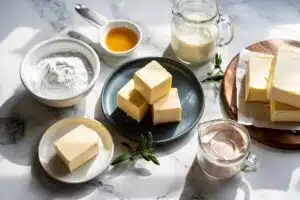
Coconut Oil solidifies at room temperature and melts into a clear liquid when warmed, making it tricky to replace in every context. The substitute depends on sautéing, or frying-and whether you need that subtle sweetness or neutral heat.

What matters most is smoke point and fat structure, so pick a swap that matches how you're cooking. These options range from direct one-to-one swaps to partial replacements that shift texture slightly but still deliver results.
For coconut oil replacements in baking, we use melted butter, refined coconut oil, or ghee first depending on the recipe. These options mimic coconut oil's fat structure, so cookies set well and batters stay tender. The main risk is texture shift when the swap stays liquid at room temperature, so we choose a fat that firms up if the recipe relies on structure. We prioritize fat + sweetness first, then adjust liquid.
7 Coconut Oil Replacements for Better Texture
These swaps vary in smoke point, flavor, and how they set at room temperature. Pick based on the dish and what you have.
Remember it later
Planning to try this recipe soon? Save it for a quick find later!
| # | Substitute | Best For | Ratio | Key Note |
|---|---|---|---|---|
| 1 | Olive Oil | ✨ Both | 1:1 | Fruitier, less sweet |
| 2 | Butter | 🥧 Baking | 1:1 | Creamier, richer |
| 3 | Avocado Oil | 🍳 Cooking | 1:1 | Mild, buttery |
| 4 | Vegetable Oil | ✨ Both | 1:1 | Neutral, no aroma |
| 5 | Ghee | ✨ Both | 1:1 | Nutty, no milk solids |
| 6 | Cocoa Butter | 🥧 Baking | 1:1 | Sweet, chocolate undertones |
| 7 | Applesauce | 🥧 Baking | ¾ cup per 1 cup | Adds moisture, cuts fat |
1 - Olive Oil
Olive Oil stays liquid at room temperature and brings a fruity, slightly peppery flavor that works in savory cooking and some baked goods. It doesn't carry the mild sweetness of Coconut Oil, so expect a more pronounced flavor in cakes or cookies.
Here's what to know:
- Use 1 tablespoon per 1 tablespoon of Coconut Oil
- Extra virgin works for sautéing vegetables or making vinaigrettes
Skip if: A strong, fruity flavor would overpower delicate recipes like white cakes or custards.
Extra Virgin
Works for: Low-heat sautés, dressings, marinades
Skip if: You want neutral flavor or high-heat frying
Refined/Light
Works for: Baking, roasting, medium-heat cooking
Skip if: You need a tropical or sweet flavor
2 - Butter
Butter adds a creamy, dairy-forward richness that works in most baking applications and pan-frying. It browns when heated, which deepens flavor but changes appearance-good for cookies, less ideal for frostings that need to stay white.
- Use 1 tablespoon per 1 tablespoon of Coconut Oil
- Melts faster and spreads more in cookies than Coconut Oil
- Burns at lower temperatures, so reduce heat slightly for stovetop cooking
- Adds moisture and tenderness to cakes and muffins
If the recipe calls for solid fat, chill the butter until firm. If you need it softened, leave it at room temperature for 30 minutes before mixing.
If you're short on Butter too, replacements similar to Butter covers non-dairy picks that brown and melt similarly.
Skip if: You're cooking dairy-free or vegan, or if you're frying at high heat where butter will burn.
3 - Avocado Oil
Avocado Oil has a mild, buttery flavor that stays neutral in most dishes. It works in baking, but the lack of sweetness means you might want to add a pinch of sugar if the recipe relied on Coconut Oil's subtle caramel notes.
Use 1 tablespoon per 1 tablespoon of Coconut Oil. It won't solidify at room temperature, so avoid it in recipes that need the fat to firm up, like no-bake energy balls or frostings.
Skip if: You need a fat that sets hard when chilled, or if you're trying to replicate the tropical flavor of Coconut Oil.
4 - Vegetable Oil
Vegetable Oil is the most neutral swap-no flavor, no aroma, no texture shift. It works one-to-one in cookies, cakes, brownies, and stovetop cooking where you don't need the fat to add character.
It stays liquid at all temperatures, so it won't replicate the firm texture of chilled Coconut Oil. For frying or roasting, it performs cleanly up to 400°F without smoking.
If you're out of Vegetable Oil as well, replacements similar to Vegetable Oil lists pantry staples that match this neutral profile.
Skip if: The recipe depends on Coconut Oil's mild sweetness or tropical flavor to balance the dish.
5 - Ghee
| Use | Ratio | Notes |
|---|---|---|
| High-heat frying | 1:1 | Smoke point near 485°F |
| Baking | 1:1 | Adds nutty richness |
| Sautéing | 1:1 | Won't burn like butter |
Ghee is clarified butter with the milk solids removed, leaving a nutty, rich fat that tolerates high heat better than regular butter. It works one-to-one in place of Coconut Oil for roasting vegetables, browning meat, or baking cookies where you want deeper flavor.
- Use 1 tablespoon per 1 tablespoon of Coconut Oil
- Solidifies at cool temperatures, making it usable in no-bake recipes
- Adds a buttery, slightly caramelized flavor
The nutty flavor is more pronounced than Coconut Oil's sweetness, so it shifts the taste slightly. In cakes or quick breads, this works well; in frosting or candy, it may overpower.
If you're missing Ghee too, what to use for Butter includes high-heat options that brown and melt similarly.
Skip if: You need a strictly vegan option or if the nutty flavor would compete with other strong flavors like chocolate or citrus.
6 - Cocoa Butter
Cocoa Butter melts at body temperature and sets firm when chilled, making it a close match for Coconut Oil's texture in no-bake bars, fudge, or truffles. It brings a mild chocolate sweetness that enhances brownies, cookies, and ganache.
- Use 1 tablespoon per 1 tablespoon of Coconut Oil
- Sold in wafers or blocks; melt gently over low heat
- Sets firmer than Coconut Oil, so reduce the amount slightly if the recipe needs a softer texture
For swaps that suit both sweet and savory baking, Butter swaps by recipe type covers options that don't add chocolate flavor.
Skip if: You're making savory dishes, or if you don't want any chocolate undertones in the final result.
7 - Applesauce
Applesauce replaces fat with water and fruit pectin, cutting calories while adding moisture. It works in muffins, quick breads, and cakes where you want a softer crumb and don't mind a subtle apple sweetness.
What to expect:
- Reduces fat content significantly
- Adds natural sweetness, so cut back on sugar slightly
- Creates a denser, more moist texture than oil-based batters
- Won't brown or crisp the way fat does
Use unsweetened applesauce to control sugar levels. Baked goods made with applesauce stay soft but don't develop the crisp edges that oil or butter provide.
Skip if: You're frying, sautéing, or making recipes that need fat to crisp or brown, like cookies or pie crusts.
Before You Swap Coconut Oil
Most of these swaps work one-to-one without major adjustments. For baking, Butter or Ghee delivers the richest flavor; for high-heat cooking, Avocado Oil handles the heat without smoking.
- Closest match - Ghee for similar richness
- Easiest grab - Vegetable Oil stays neutral
- Dietary option - Applesauce cuts fat entirely
Frequently Asked Questions
Yes, but use refined or light Olive Oil to avoid a strong fruity flavor. Extra virgin Olive Oil works in savory breads or muffins where the flavor fits, but it can overpower cakes or cookies.
Avocado Oil or Ghee both handle high heat without smoking. Avocado Oil reaches 520°F and stays neutral, while Ghee adds a nutty flavor and works up to 485°F.
Butter spreads more during baking and browns faster, which can make cookies thinner and crispier. If you want thicker cookies, chill the dough for 30 minutes before baking.
No. Applesauce only works in baking, not frying or sautéing. It adds moisture but won't crisp or brown, so skip it in recipes like cookies or pie crusts that need fat for texture.
Avocado Oil, Vegetable Oil, or Applesauce all work. For high-heat cooking, use Avocado Oil. For baking, Vegetable Oil swaps one-to-one, or use Applesauce to cut fat while adding moisture.
7 Best Substitutes for Coconut Oil
Ingredients
Method
- Choose your substitute based on cooking method: baking, sautéing, frying, or texture needs.
- Prepare the substitute as needed: chill butter if solid fat required; melt cocoa butter gently; use unsweetened applesauce drained if necessary.
- Apply substitution ratios carefully, generally 1:1 for oils and butter, or ¾ cup applesauce per cup of coconut oil.
- Adjust cooking temperature if needed, especially lowering heat slightly with butter to prevent burning.
- Consider flavor impact: olive oil adds fruity notes, ghee adds nuttiness, cocoa butter provides chocolate undertones, applesauce adds sweetness.
- Avoid substitutions for recipes requiring solid fat to set unless using ghee or cocoa butter which solidify.
- Taste and texture test your dish to confirm the substitute works well before finalizing the recipe.