
MCT oil brings neutral flavor and liquid fat that stays clear at room temperature. It works in bulletproof coffee, salad dressings, and smoothies where you want fat without changing taste or texture.
Swaps vary based on whether you need neutral flavor, high smoke point, or specific medium-chain fatty acids. Pick a substitute that matches your recipe's main job-cooking method, flavor, or nutritional goal.
| # | Substitute | Best For | Ratio | Key Note |
|---|---|---|---|---|
| 1 | Coconut Oil | ✨ Both | 1:1 | Mild coconut flavor |
| 2 | Avocado Oil | 🍳 Cooking | 1:1 | High heat stable |
| 3 | Light Olive Oil | 🍳 Cooking | 1:1 | Fruity undertone |
| 4 | Grapeseed Oil | ✨ Both | 1:1 | Very neutral |
| 5 | Vegetable Oil Blend | 🍳 Cooking | 1:1 | Pantry staple |
| 6 | Melted Butter | 🥧 Baking | 1:1 | Adds dairy richness |
| 7 | Macadamia Nut Oil | 🍳 Cooking | 1:1 | Buttery, nutty |
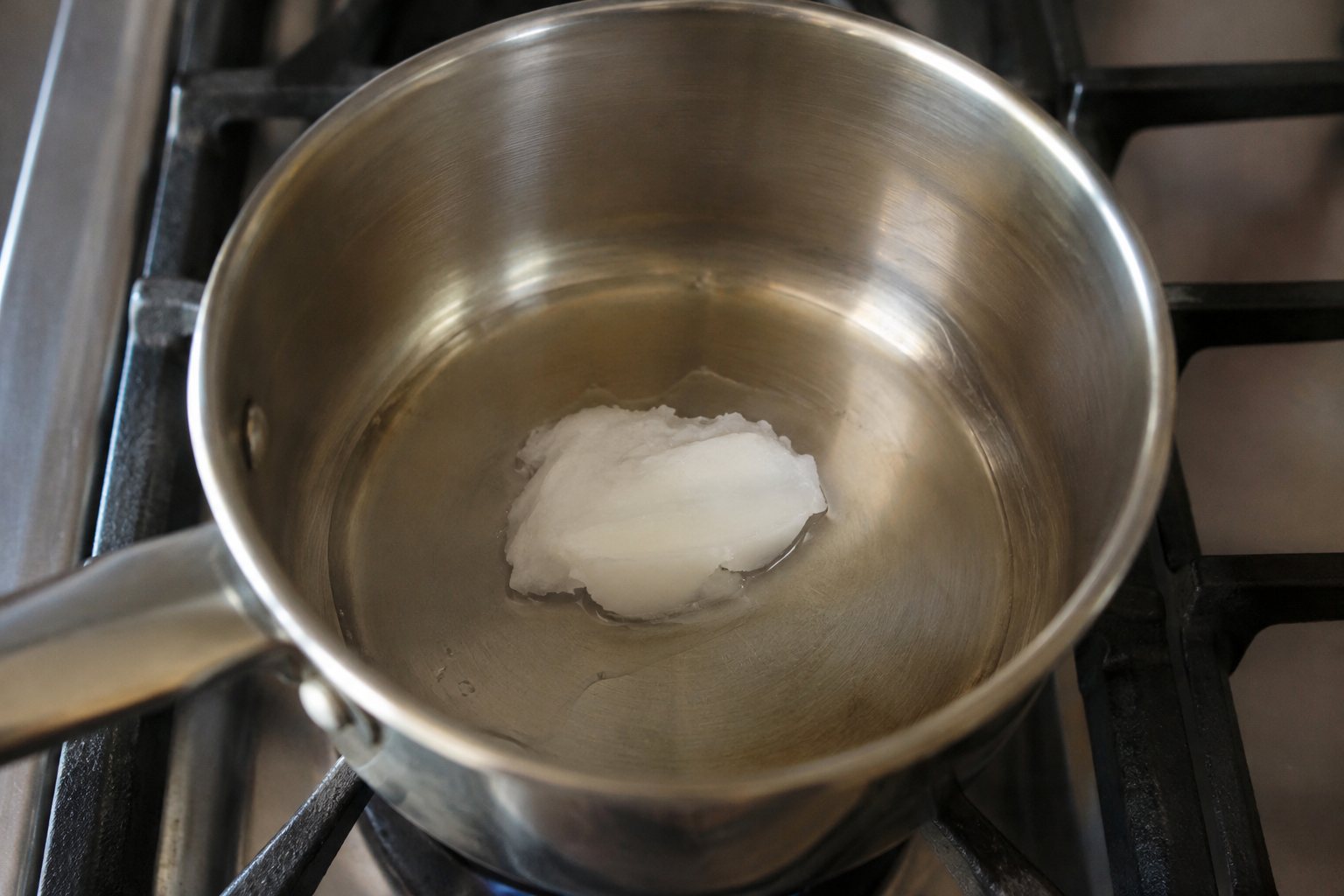
Coconut oil is the closest swap for MCT oil. Use it 1:1, pick refined for less coconut taste, and melt it first for cold recipes since it solidifies below 76°F.
For high-heat cooking, use the same amount of avocado oil. It stays liquid and tastes mild and buttery.
For a fully neutral flavor, use grapeseed oil 1:1. It handles frying at roughly 390 to 420°F and tastes very clean.
7 Simple MCT Oil Swaps to Save Time
Some swaps keep things neutral, while others bring their own flavor or texture. Pick based on your cooking method and whether you want the oil to disappear or add character.
Remember it later
Planning to try this recipe soon? Save it for a quick find later!
1 – Coconut Oil
Coconut oil shares MCT oil's tropical origin and some of its fatty acids. It works in coffee, smoothies, and baking where a hint of coconut flavor fits the recipe.
The flavor leans creamy with mild coconut notes that stand out more than MCT oil's neutral base. Use refined coconut oil if you want less coconut taste, virgin if you're okay with the full flavor coming through.
Here's what to know:
- Solidifies below 76°F, so melt it first for cold recipes
- Swaps 1:1 in any recipe calling for liquid oil
- Works well in bulletproof coffee and energy bites
- Adds slight sweetness to baked goods
Skip if: you need completely neutral flavor for salad dressings.
Coconut oil is about 42% lauric acid, 7% caprylic acid and 5% capric acid, while MCT oil is mostly the last two. That makes it a flavor and texture swap more than a nutritional match.
Refined Coconut Oil
Works for: Neutral cooking and baking where you don't want coconut flavor
Skip if: you want the full coconut aroma in desserts
Virgin Coconut Oil
Works for: Smoothies, energy balls, tropical-flavored baking
Skip if: the recipe needs zero coconut taste
2 – Avocado Oil
Avocado oil handles high heat without smoking and brings a buttery, mild flavor that won't overpower dishes. It stays liquid at room temperature and works in dressings, sautéing, and roasting where you need stable fat.
Use it straight from the bottle in the same amount as MCT oil. The flavor runs more hearty than MCT oil's neutral profile, with a subtle richness that works in savory cooking but can feel heavy in sweet recipes.
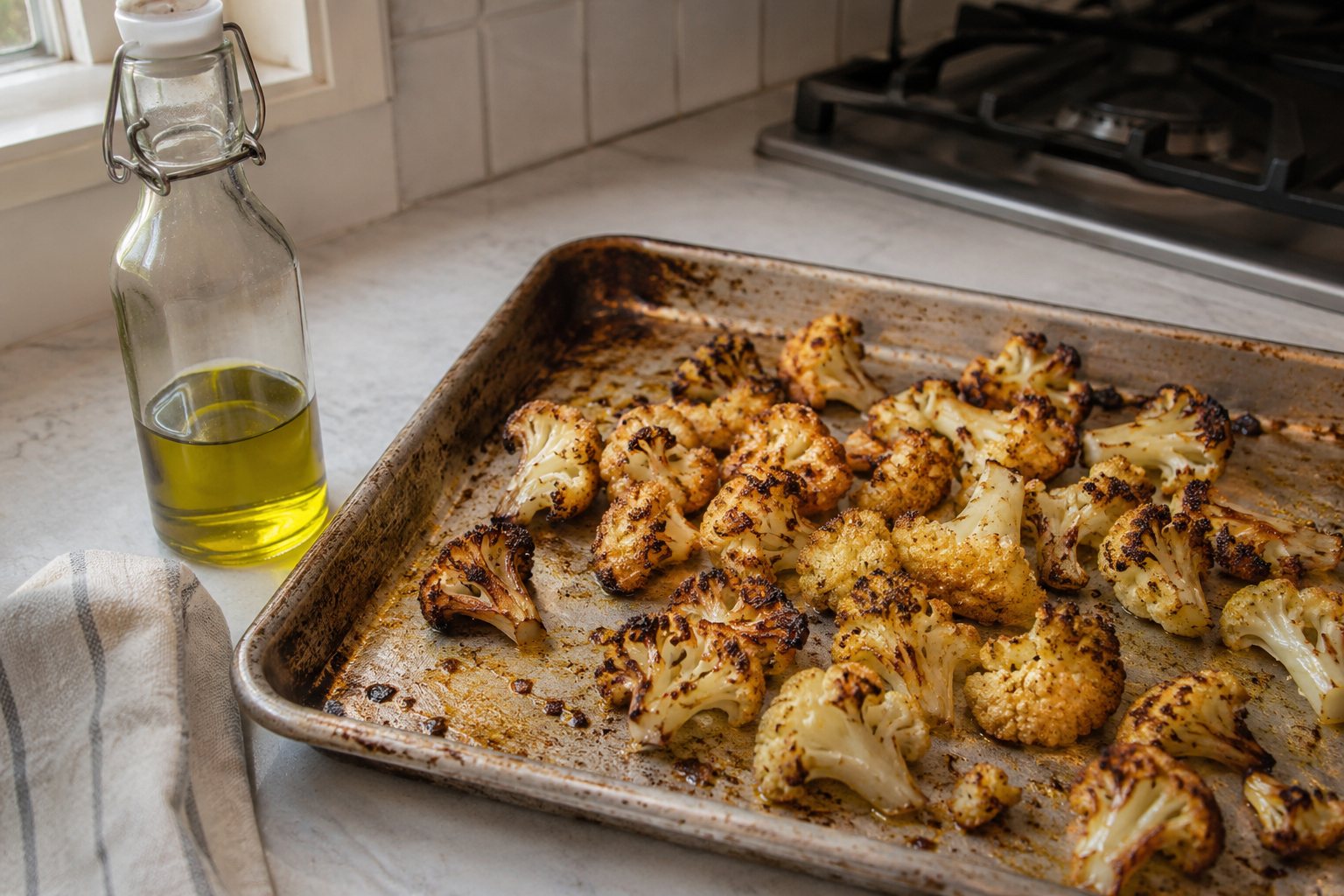
Refined avocado oil smokes at about 520°F or higher, so searing and deep frying are fine. Unrefined bottles smoke sooner, so check the label before frying.
Skip if: you're making desserts or drinks where any savory note disrupts the taste.
3 – Light Olive Oil
Light olive oil offers a milder flavor than extra virgin and holds up to cooking without turning bitter. It fits salad dressings, marinades, and sautéing where you want some fruity undertone without the peppery punch of hearty olive oil.
"Light" describes the color and taste, not fewer calories: it is a refined oil with a pale color and mild flavor that smokes at roughly 425 to 465°F.
Skip if: you need completely neutral flavor for cakes or drinks, since a little olive taste still comes through.
4 – Grapeseed Oil
Grapeseed oil stays neutral in flavor and handles frying temperatures without breaking down. It works in baking, stir-frying, and any recipe where the oil should stay invisible.
- Swap 1:1 in any MCT oil recipe
- Smoke point of roughly 390 to 420°F makes it frying-friendly
- Very clean flavor that won't change the dish
Use it when you want fat without flavor influence. The texture runs lighter than avocado oil, closer to MCT oil's feel in smoothies and dressings.
Skip if: you're avoiding processed seed oils or want nutritional benefits beyond basic fat.
| Use | Ratio | Notes |
|---|---|---|
| Baking | 1:1 | Neutral flavor keeps cakes and muffins on track |
| Frying | 1:1 | High smoke point prevents burnt taste |
| Dressings | 1:1 | Won't compete with vinegar or citrus |
5 – Vegetable Oil Blend
Vegetable oil blends offer the most neutral option for frying and everyday cooking where you need fat without any distinct flavor. They handle high heat and work in baking, sautéing, and deep frying without changing the dish.
- Swap 1:1 for MCT oil in any cooked recipe; the flavor stays bland
- It lacks the medium-chain triglycerides if you're using MCT oil for specific nutritional reasons
- Store-bought blends often start with soybean oil, and some add canola oil or corn oil, so check the ingredient list if you are avoiding a specific seed oil
Skip if: you're looking for unrefined or minimally processed oils.
6 – Melted Butter
Melted butter adds richness and dairy flavor that works in baking and sautéing where you want a creamy, slightly sweet note. It browns when heated, which adds nutty depth to sauces and roasted vegetables.
- Use 1 tablespoon melted butter per 1 tablespoon MCT oil
- Smoke point of roughly 300 to 350°F means it burns faster than neutral oils
- Adds golden color and buttery aroma to baked goods
- Solidifies when chilled, so it won't work in cold drinks
The flavor shift is noticeable. Use it when that buttery note enhances the dish, not when you need neutral fat.
Butter is at least 80% fat, with water and milk solids making up the rest, so a spoonful holds a little less fat than a spoonful of oil. For butter flavor in a hotter pan, ghee is butter with the milk solids removed and holds up to about 450°F.
Skip if: you're making vegan recipes or cold drinks like smoothies.
7 – Macadamia Nut Oil
Macadamia nut oil brings a buttery, nutty flavor that works in dressings and low-heat cooking where you want subtle richness. It stays liquid at cool temperatures and adds a smooth, mild taste without overpowering other ingredients.
What to expect:
- Swap 1:1 in dressings and finishing drizzles
- Smoke point of roughly 390 to 410°F limits high-heat use
Use it when you want a luxurious feel in cold dishes. The flavor runs richer than MCT oil, so it shows up in salads and drizzles over roasted vegetables.
It is pressed from macadamia nuts, which the FDA lists as a tree nut, so skip it if anyone eating has a tree nut allergy.
Skip if: you need high-heat frying or completely neutral flavor.
How to Choose an MCT Oil Substitute
The right choice depends on your cooking method and whether you need neutral flavor. For high-heat cooking, avocado oil or grapeseed oil handle frying temperatures without breaking down.
For baking and dressings where flavor should stay invisible, grapeseed oil or vegetable oil blends work best.
MCT oil itself is a low-heat oil, with a smoke point of roughly 300 to 350°F depending on the brand. You only need a high-heat substitute when the recipe is cooked hot, not because MCT oil was.
- Closest match - Coconut oil for the same tropical source and some of the same fatty acids
- Easiest grab - Vegetable oil blend for pantry convenience
- High-heat option - Refined avocado oil, which smokes above 500°F, so searing is safe
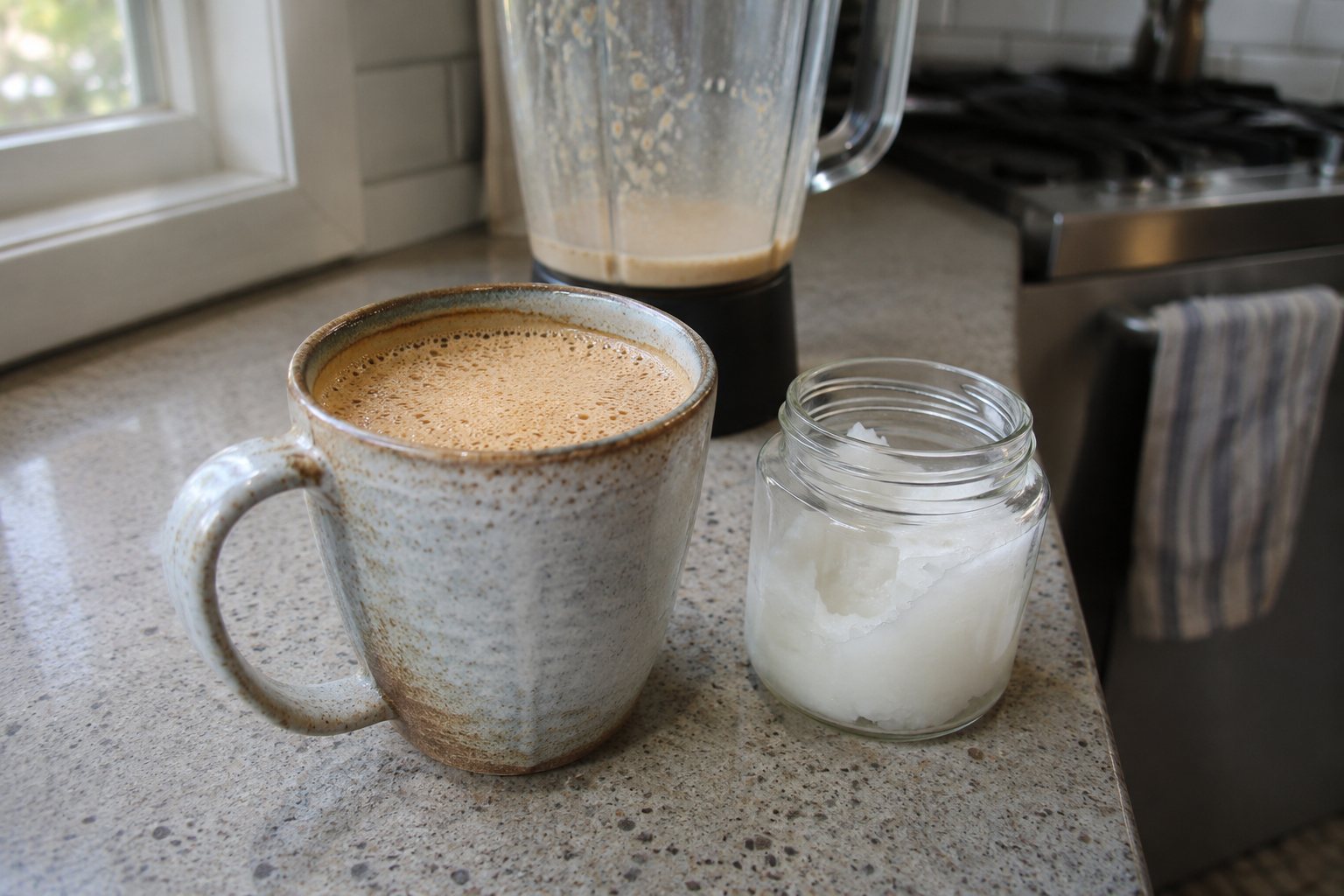
For hot bulletproof coffee, melted coconut oil blends in well. For cold drinks, use a liquid oil such as avocado oil, because coconut oil sets into flecks when it meets cold liquid.
If you only want a creamy keto coffee, a keto coffee creamer gives you fat in the cup without measuring oil.
Grapeseed oil and vegetable oil blends are seed oils. If you avoid them, pick avocado, light olive, macadamia or coconut oil instead.
Frequently Asked Questions
Yes, but light olive oil works better than extra virgin because it brings less peppery flavor. A frother or blender mixes it in smoothly, though you'll still taste a little fruitiness that MCT oil doesn't have.
Grapeseed oil or melted coconut oil work best because they stay neutral or add complementary sweetness. Use refined coconut oil if you want zero coconut flavor, grapeseed oil if you need completely neutral fat.
Not reliably: coconut oil is about 42% lauric acid, which digests more slowly, and only about 12% caprylic and capric acid, and it has not been consistently shown to match pure MCT oil for ketones or weight. Talk to your doctor or dietitian before choosing an oil for a health goal.
No, butter solidifies when blended with cold ingredients and creates an unpleasant texture. Use liquid oils like avocado oil or grapeseed oil for smoothies.
Refined avocado oil handles the most heat, with a smoke point of about 520°F or higher. Light olive oil (about 425 to 465°F) and vegetable oil blends (about 400 to 450°F) come next, then grapeseed oil at roughly 390 to 420°F.



