Product note: ForkliftKitchen may earn a commission from qualifying purchases made through product links on this page. Learn more.
Ghee rarely fails because it cannot handle the pan. A jar disappoints when it tastes too mild for dal, too toasted for cake, comes in more volume than the kitchen will use, or adds salt before the recipe asks for it.
4th & Heart Original is the safest first jar. Its smooth, mild flavor works with eggs, vegetables, baking, and Indian dishes without forcing a dark brown-butter note into every bite.
We resolved 14 current candidates, kept seven exact Amazon products, and held retailer-only or duplicate jars. The ranking weighs toasted flavor, texture, package size, butter sourcing, salt, and the cooking job each product handles best.

Which Ghee Should You Buy First?
4th & Heart Original gives a new buyer the widest margin for error. It melts cleanly, tastes like gentle clarified butter, and leaves the cook in control of salt and final flavor.
Save this ranking
Comparing these products later? Save this ranking for a quick return.
The alternatives solve different problems. Ancient Organics adds a darker roasted aroma, Pure Indian Foods suits frequent Indian cooking, 365 keeps the flavor neutral, Organic Valley puts organic co-op dairy in a larger jar, and Amul serves households that measure ghee by the ladle instead of the teaspoon.
Salted ghee is useful, but it should be a planned second jar.
- 🧈 Butter flavor. Each jar needs a clear place on the mild-to-toasted range.
- 🍽 Food fit. The flavor must suit a real job such as baking, tarka, frying eggs, spreading, or daily sautéing.
- 📦 Package sense. Eight ounces and two one-liter refill pouches serve very different kitchens.
- 📝 Recipe control. Plain ghee ranks ahead of salted ghee for broad use.
- 🔍 Exact identity. Every buy link matches the named product, variant, size, count, and package.
| # | Product | Best For | Key Difference |
|---|---|---|---|
| 1 | 4th & Heart Original | 🏆 Best Overall | Smooth, mild first jar |
| 2 | Ancient Organics | 🧈 Deepest Flavor | Toasted kettle-cooked aroma |
| 3 | Pure Indian Foods Original | 🍛 Indian Cooking | Large grass-fed pantry jar |
| 4 | 365 Ghee | 📦 Neutral Value | Clean store-brand option |
| 5 | Organic Valley | 🐄 Organic Dairy | Co-op sourced 13-ounce jar |
| 6 | Amul Pure Ghee | 🍳 High-Use Kitchen | Two one-liter refill pouches |
| 7 | 4th & Heart Pink Salt | 🧂 Salted Spread | Seasoning already included |
1. 4th & Heart Original Grass-Fed Ghee
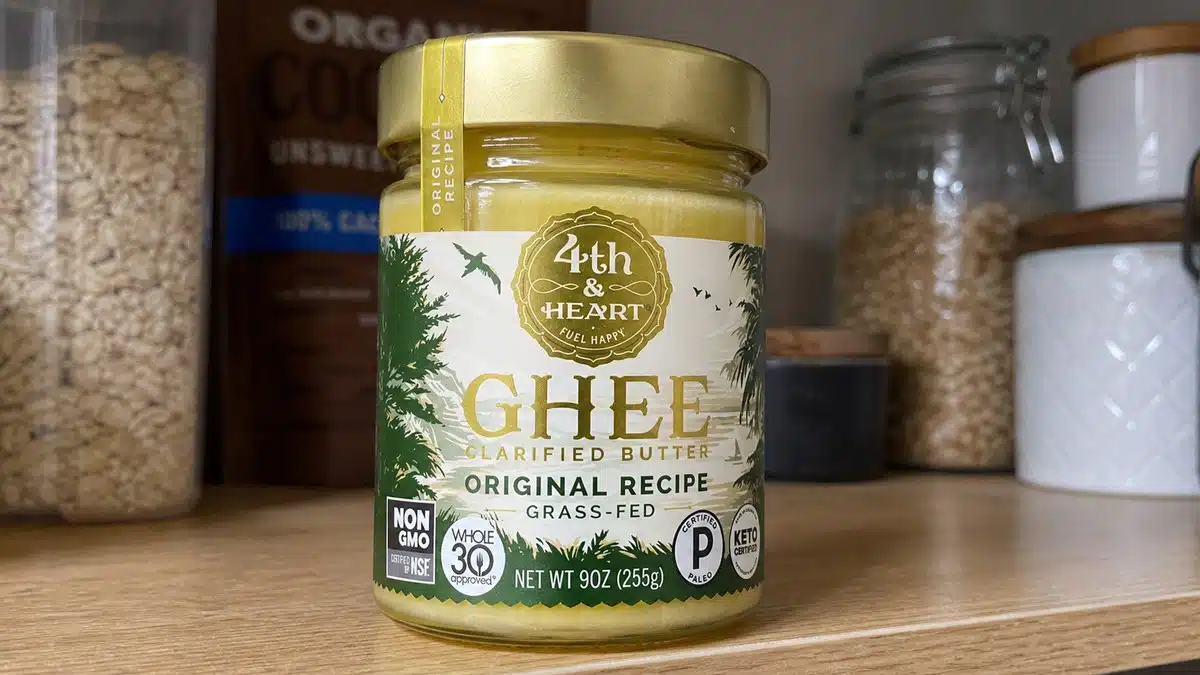
4th & Heart Original tastes creamy first and lightly nutty at the end. It does not push eggs, vegetables, or rice toward a heavy brown-butter flavor.
Start here when one jar needs to handle breakfast, roasting, Indian food, and an occasional baking swap. The plain formula also lets you season the dish after the fat melts.
The nine-ounce glass jar is small enough for a first test and wide enough for a spoon. Grass-fed New Zealand dairy gives the product a clear sourcing lane, but its biggest advantage is simpler: the flavor stays useful across more meals than the darker picks.
It can feel almost too polished if you expect homemade ghee with a strong toasted aroma. Ancient Organics makes that aroma the point.
- Mild all-purpose flavor
- Plain and easy to season
- Manageable first-jar size
- May taste gentle to longtime ghee users
- Small for daily Indian cooking
2. Ancient Organics Organic Ghee
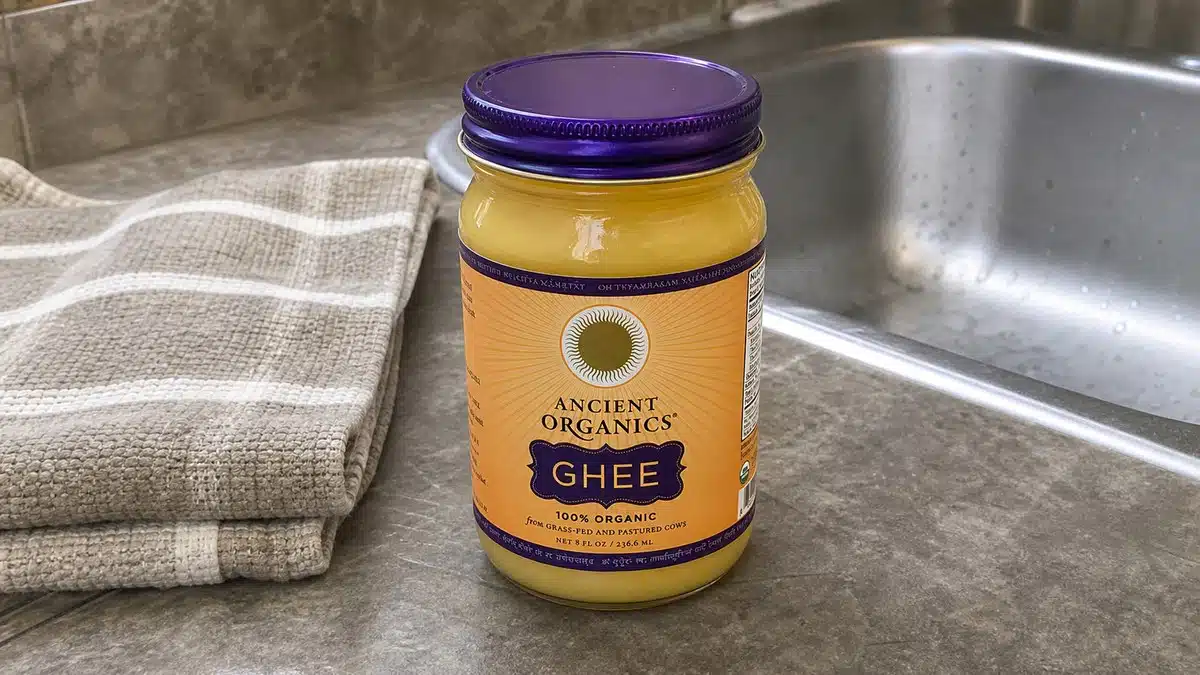
Open this jar for the aroma. Ancient Organics cooks the butter slowly enough to leave a clear toasted, caramelized note after the milk solids are filtered away.
That extra depth wakes up plain rice, lentils, sweet potatoes, and warm bread. One spoon can finish a dish instead of serving only as invisible cooking fat.
Choose it when ghee should announce itself. The richer flavor also works well in the spice base of chana masala, where warm cumin, coriander, and tomato can support it.
The eight-ounce jar is expensive for heavy frying, but the bigger limit is flavor: its toasted edge can distract from a light vanilla cake or delicate fish. Keep a milder jar if those foods make up most of the week.
- Strong toasted aroma
- Organic grass-fed butter
- Small jar protects occasional use
- Premium price per ounce
- Can dominate delicate recipes
3. Pure Indian Foods Organic Grassfed Original Ghee
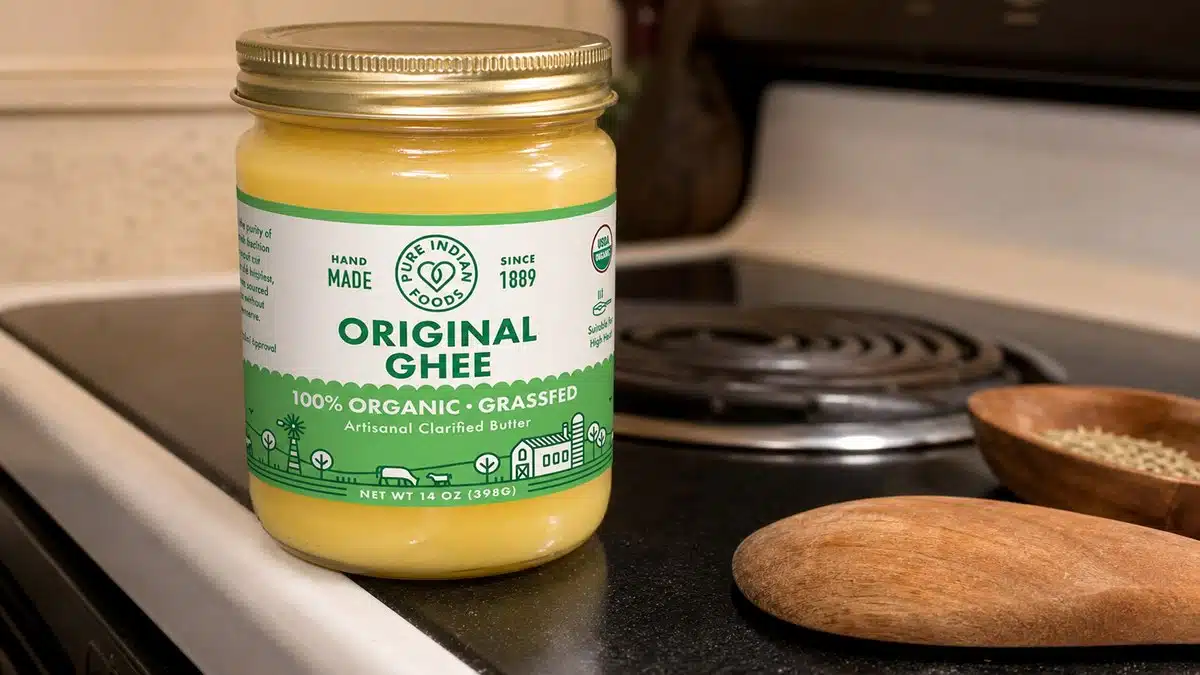
Pure Indian Foods lands between mild grocery ghee and the darkest artisan jar. The butter flavor is clear enough for rice and tarka, yet it leaves spices room to lead.
The 14-ounce container suits a cook who reaches for ghee several times each week. It offers more working volume than the top two picks without jumping to Amul's two-pouch commitment.
This is the practical match for dal, curry, flatbread, and grain bowls. A dry spoonful can bloom whole spices, coat rice, or finish a pot without changing brands between steps.
Buy the Original jar on this link, not the brand's cultured or flavored versions. Those products have different aromas and do not share this exact listing.
- Balanced buttery flavor
- Useful 14-ounce size
- Fits frequent Indian cooking
- Not the cultured version
- Less neutral than 365
4. 365 by Whole Foods Market Ghee
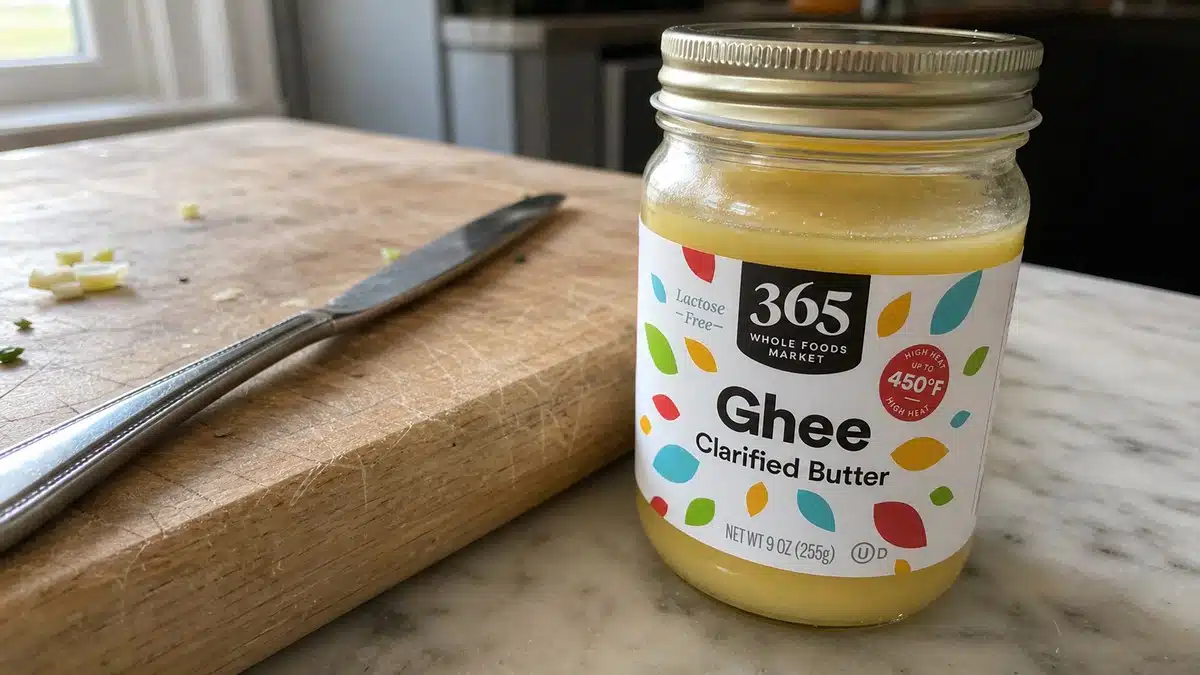
365 keeps the flavor clean and quiet. It gives vegetables and baked goods buttery body without the caramelized finish that puts Ancient Organics near the top.
Use it as a working fat when the food should supply the personality. It fits sheet-pan vegetables, granola, pan-fried potatoes, and recipes that call for melted butter but do not depend on butter's water.
The simple glass jar keeps the purchase focused on everyday cooking. Whole Foods shoppers get a straightforward option without hunting through specialty brands.
Neutral can also mean forgettable on plain rice or toast. Pick Pure Indian Foods or Ancient Organics when the ghee needs to finish the dish.
- Neutral fresh-butter profile
- Easy for savory or sweet recipes
- Small low-risk jar
- Plain store-brand presentation
- Too mild for a bold finish
5. Organic Valley Organic Ghee
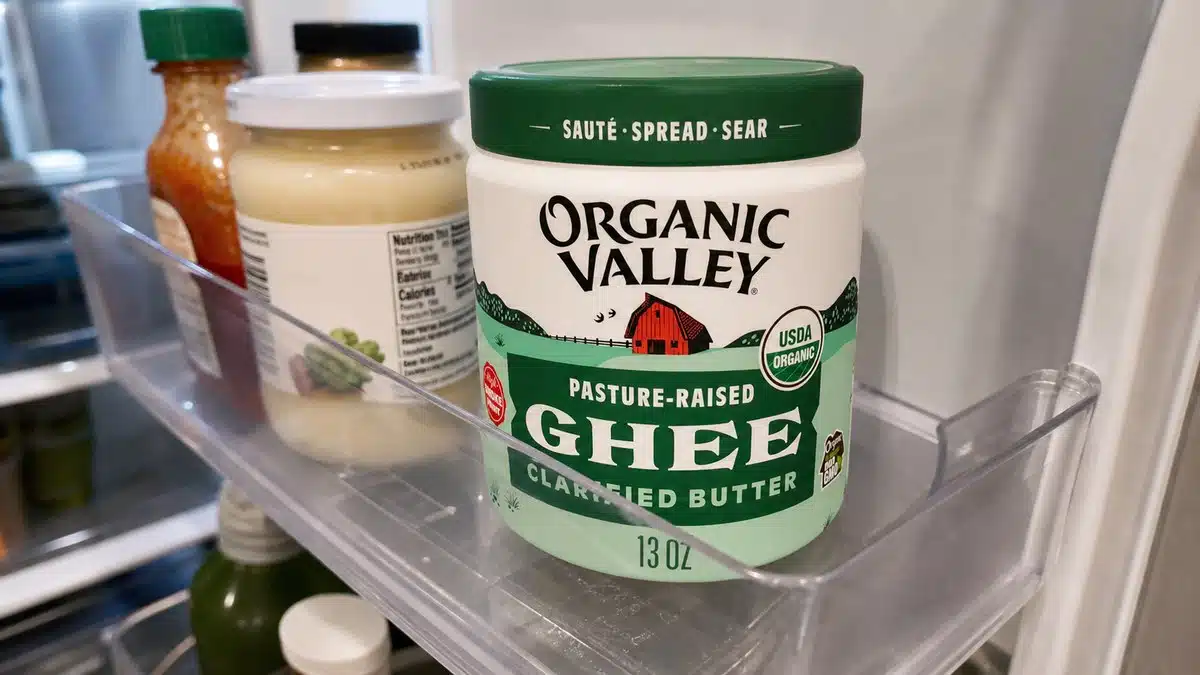
Organic Valley is the sourcing-first choice. The co-op uses certified organic dairy, and the 13-ounce opaque jar makes more sense for regular cooking than a small tasting jar.
Its flavor carries a rounded butter note with a light roasted edge. It sits closer to Pure Indian Foods than to the very mild 365 jar, but it does not reach Ancient Organics' dark finish.
Pick it when certified organic co-op dairy matters and you still need broad use. It can sauté vegetables on Monday and replace part of the fat in biscuits on Saturday.
Certification does not guarantee a stronger flavor, so do not pay the premium only because you expect more toast. The jar earns its place through sourcing and size.
- Certified organic co-op dairy
- Useful 13-ounce jar
- Moderate butter flavor
- Sourcing premium may raise cost
- Not the deepest flavor
6. Amul Pure Ghee
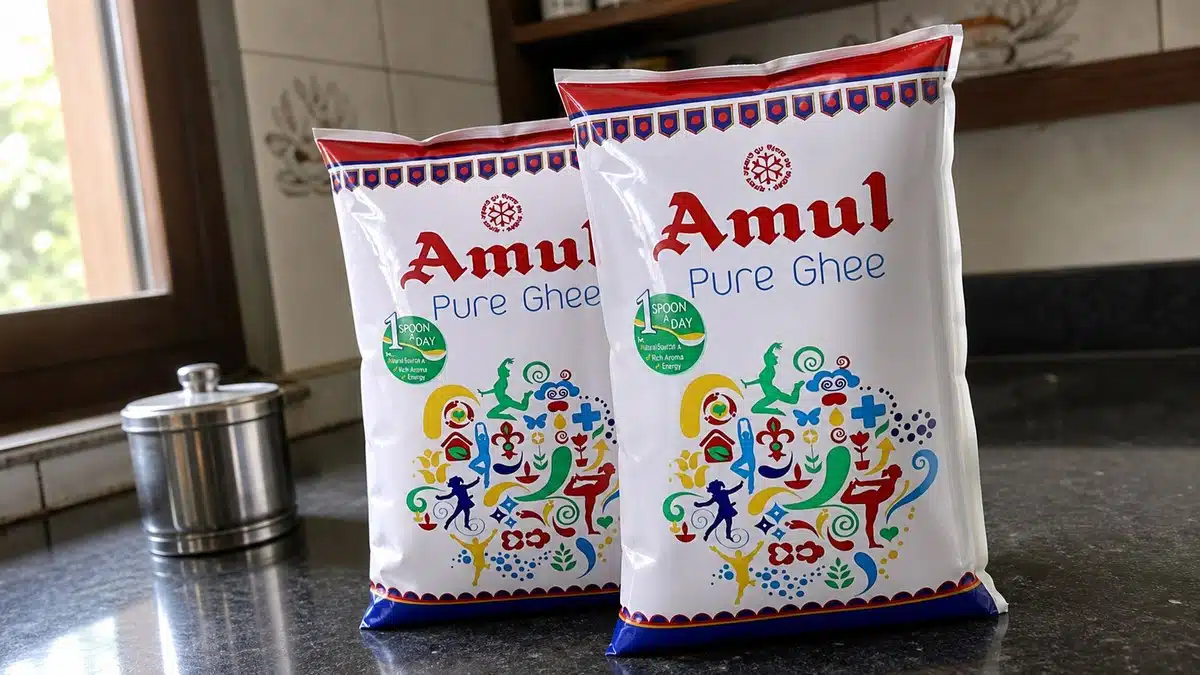
Amul makes sense only after volume becomes part of the decision. This listing sends two one-liter refill pouches, far more ghee than any jar above.
The familiar Indian dairy flavor smells warm and buttery as it melts. Its smooth texture coats rice and flatbreads, while the clean finish lets toasted spices stay in front.
The pouch saves shelf space before opening, but it needs a clean dry container after opening. The wide total volume still demands steady use.
A household that cooks Indian food most days can empty the pouches while the aroma stays lively. An occasional baker may save money at checkout per ounce and then keep stale-tasting fat for months.
Buy Amul for a high-use pantry, not as a first experiment.
- Large amount for daily cooking
- Classic Indian pantry brand
- Compact refill pouches
- Two-liter total commitment
- Needs a clean storage container
7. 4th & Heart Himalayan Pink Salt Ghee
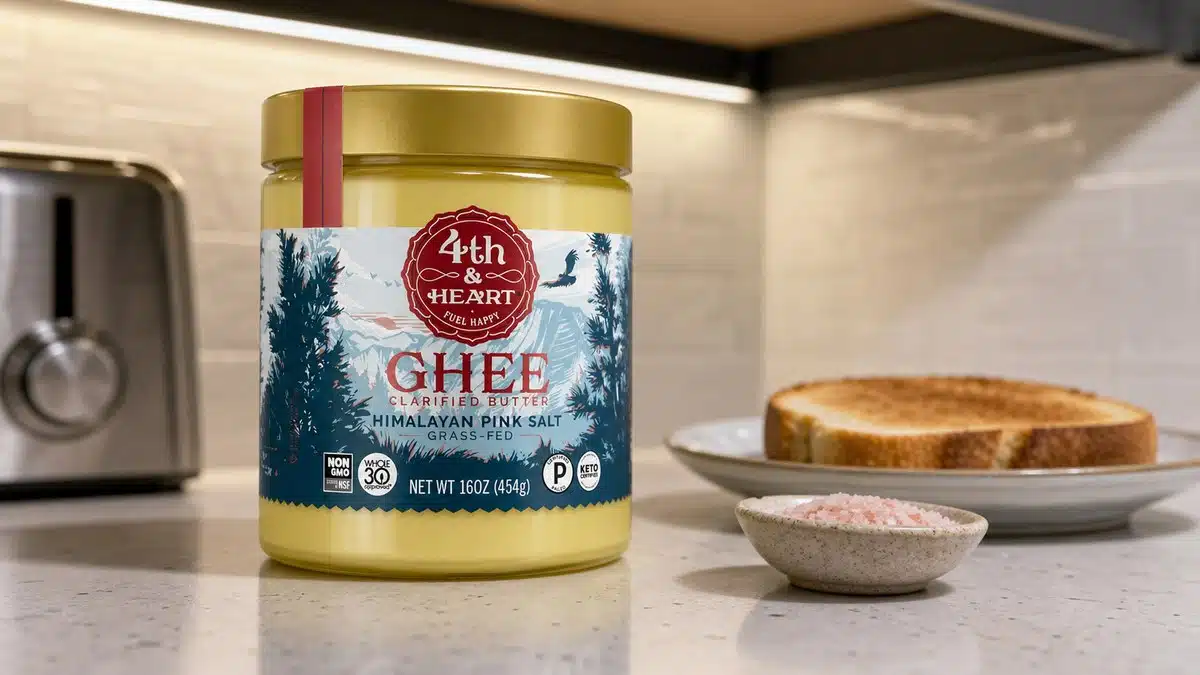
This jar combines the smooth texture of 4th & Heart ghee with salt that stays in the food after the fat melts. Toast, popcorn, potatoes, and warm rice get fat and seasoning in one pass.
Treat it as a spread or finishing fat. In cake, dal, or a pan sauce, built-in salt removes the cook's ability to season each part separately.
The 16-ounce size suits a household that already knows it likes salted ghee. It ranks last because a broad guide must favor plain products, not because the jar lacks a useful job.
- Salt and fat in one spoon
- Smooth spreadable texture
- Large jar for snack use
- Less control in recipes
- Poor only-jar choice
How Toasted Should Ghee Taste?
Ghee gets its identity before filtration. The cook heats butter until water leaves and milk solids separate; how far those solids brown helps set the aroma that remains in the butterfat.
Mild ghee stays in the background. 4th & Heart Original and 365 suit eggs, vegetables, pancakes, and light baking because they do not make every dish taste roasted.
Pure Indian Foods and Organic Valley occupy the middle. They bring enough dairy flavor to support rice, lentils, and roasted food without taking over the spices.
Ancient Organics sits at the dark end. Its caramelized aroma can improve dal or toast, but that same note can compete with a pale sponge cake, white fish, or a sauce built around fresh herbs.
| Flavor Level | Taste Cue | Best Foods | Exact Picks |
|---|---|---|---|
| Mild | Fresh butter, little roast | Eggs, baking, vegetables | 4th & Heart Original, 365 |
| Medium | Buttery with a nutty edge | Rice, chicken, lentils | Pure Indian Foods, Organic Valley |
| Deep | Caramelized milk solids | Dal, toast, root vegetables | Ancient Organics |
The best level depends on whether ghee acts as cooking fat or flavor. Our guide to butter in cooking explains why whole butter behaves differently: butter still carries water and milk solids, while ghee is almost all butterfat.
Is Grainy, Smooth, or Liquid Ghee a Quality Problem?
Texture alone does not show quality. Ghee can turn liquid in a warm delivery truck, form grains as it cools, or set smooth when the temperature drops evenly.
Butterfat contains several fats that harden at different temperatures. A grainy jar can be safe and well made.
Gentle warming melts the grains. Slow cooling may create a new texture the next time the jar sets.
Smell matters more. Sour, paint-like, or stale-nut odors point toward rancidity or contamination.
Warm a teaspoon and check the aroma again. Heat, air, and stray food also shorten freshness in stored butter.
Liquid
Normal in a warm room or after shipping. Let the jar settle away from direct sun.
Stir only with a clean, dry spoon so water does not enter the fat.
Grainy
Usually a cooling pattern, not spoilage. The grains should melt cleanly in a warm pan.
Discard the jar if particles remain or the warm fat smells sour or stale.
Smooth
Easy to spread and measure at room temperature.
Smoothness does not prove better butter, stronger flavor, or greater purity.
How Much Ghee Will Your Kitchen Actually Use?
Start small.
A cook who fries eggs once a week can learn more from an eight- or nine-ounce jar than from a bulk bargain. A household that makes dal, rice, vegetables, and flatbread with ghee most days can justify 14 to 16 ounces or more.
Buy for the next stretch of real cooking, not the lowest cost per ounce. Ghee keeps longer than whole butter because it holds little water, but time, heat, light, and wet spoons can still flatten its aroma or spoil the jar.
| Kitchen Pattern | Sensible Size | Best Matches | Why |
|---|---|---|---|
| Testing ghee or using it weekly | 8 to 9 oz | Ancient Organics, 4th & Heart, 365 | Small commitment and fresher aroma |
| Several spoonfuls each week | 13 to 16 oz | Pure Indian Foods, Organic Valley, salted 4th & Heart | Enough volume without bulk refills |
| Daily family cooking | Two 1-liter pouches | Amul | Volume supports frequent frying and Indian dishes |
Use the package date and storage directions as the final authority. For baking, remember that ghee is not a perfect one-for-one behavior match for whole butter; our butter substitutes guide separates moisture, flavor, and structure by recipe.
The more focused unsalted butter substitutes page helps when a measured bake also needs full salt control.
When Does Salted Ghee Earn a Separate Jar?
Plain ghee should be the default. It lets the cook control salt in cake batter, dal, sauces, eggs, and roasted food.
Salted ghee earns shelf space when toast, popcorn, potatoes, corn, or finished rice appear often. The shortcut works because those foods need both fat and seasoning at the same moment, while butter chicken needs room for the recipe's measured salt.
Ghee Questions to Settle Before You Open the Jar
Follow the exact label, keep water out, and test a new jar in simple food before using it in a large recipe.
Follow the jar's directions because brands set different storage windows. Many ghees can stay in a cool, dark pantry, but refrigeration can help a slowly used jar hold its flavor longer.
Always use a clean, dry spoon. Water and food crumbs shorten the safe life of the container.
Ghee comes from milk even though clarification removes most water and milk solids. A person with a true milk allergy should not treat a low-lactose claim as proof of allergy safety; check the label and ask a qualified clinician about the specific allergy.
For a dairy-free spread rather than cooking fat, our best sunflower butter guide solves a different buying job.
Yes. With most water and milk solids removed, ghee handles sautéing and higher pan heat better than whole butter.
Keep the pan below the point where the fat smokes hard or smells burnt.
Sometimes, but the result changes because butter contains water and ghee does not. Cookies may spread differently, and cakes may lose moisture if a recipe depends on butter's water.
Use a recipe written for ghee or adjust with care.
Fry an egg or stir a teaspoon into plain warm rice. Simple food exposes the jar's toast level, salt, and aftertaste before spices cover them.