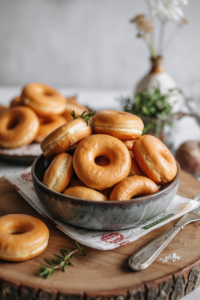
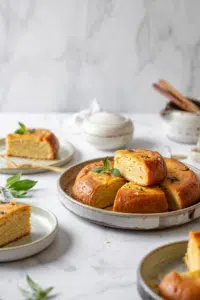
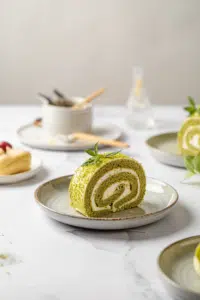
When you need a show-stopping dessert for Diwali, Eid, or weekend entertaining, these golden syrup-soaked balls deliver. One bite gives you soft, spongy texture with cardamom-scented sweetness that melts on your tongue.

The key is controlling frying temperature and syrup consistency. Most failures happen when oil runs too hot or syrup cools before the balls soak properly.
This works for festivals when you want authentic Indian sweets without specialty equipment or all-day prep.
Gulab Jamun are milk-solid balls fried until golden, then soaked in cardamom-rose syrup. Success depends on keeping frying oil at 320°F and using warm (not hot) syrup for soaking. The balls turn soft and spongy after 2-3 hours of resting in syrup.
Why This Recipe Works
The combination of khoya and minimal flour creates balls that absorb syrup without falling apart. For a version that comes together quickly, this quick pudding dish uses similar spicing with less hands-on time.
Remember it later
Planning to try this recipe soon? Save it for a quick find later!
Prep Time
20 min
Cook Time
30 min
Total Time
50 min
Servings
6-8 servings
Difficulty
Medium
Category
Dessert
Quick Tip
Keep frying oil 320°F for even cooking
Best For
Festivals | Entertaining
What makes these work:
- Khoya base: Milk solids give authentic soft texture that absorbs syrup without turning mushy
- Medium-low frying: 320°F oil cooks centers through while browning outsides evenly in 7-8 minutes
- Warm syrup soak: 100°F syrup penetrates balls during 2-3 hour rest without making them sticky
- Lemon juice in syrup: One teaspoon per two cups prevents crystallization during cooling
- Small batch frying: Four to five balls at a time keeps oil temperature stable and prevents greasiness
What You'll Need
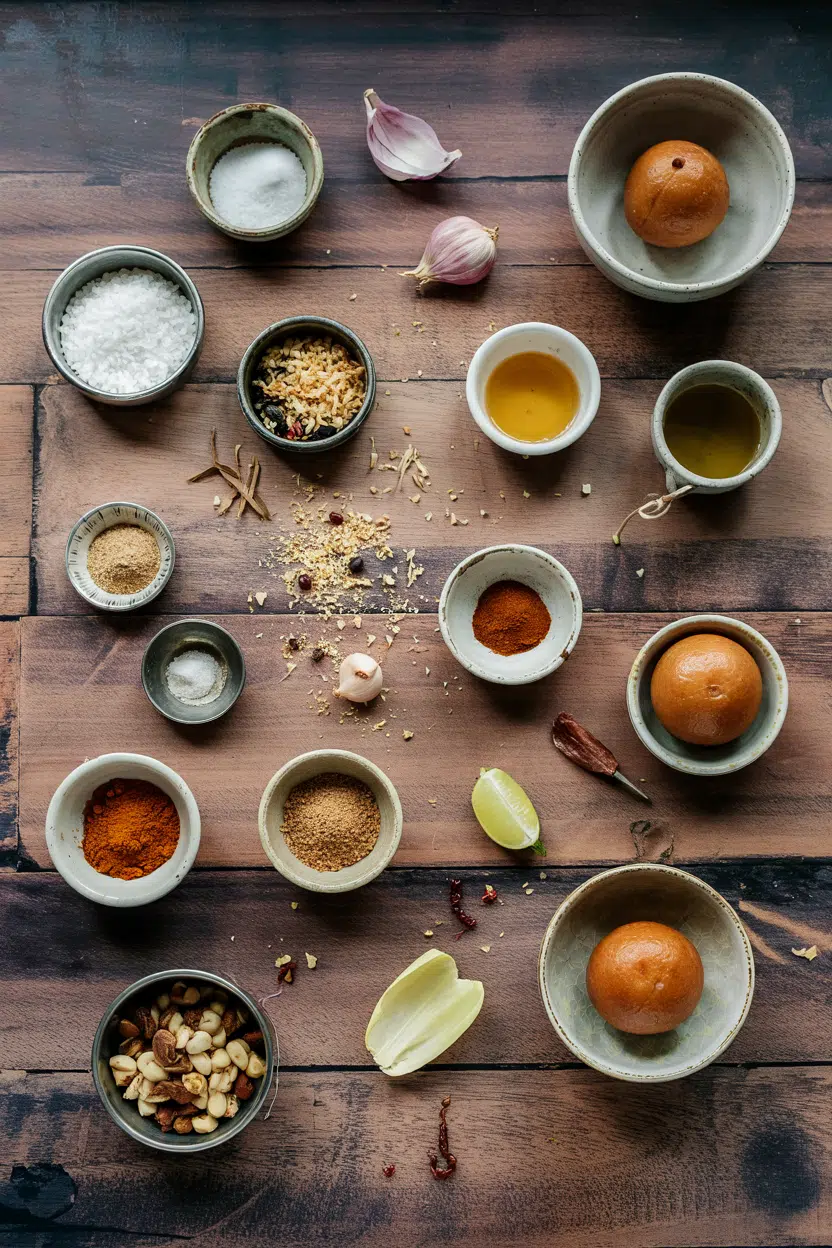
Shopping takes ten minutes at any Indian grocery or well-stocked supermarket. A good homemade pancakes recipe uses similar pantry staples if you want to try another sweet option.
- 1 cup khoya (milk solids)
- 3 tablespoons all-purpose flour
- ½ teaspoon baking powder
- 1-2 tablespoons milk (if needed)
- 3-4 cups ghee or neutral oil
- 2 cups sugar
- 2 cups water
- 4-5 cardamom pods
- 1 teaspoon lemon juice
- 1 teaspoon rose water or pinch saffron (optional)
Ingredient Details
- Khoya (milk solids)
Look for fresh khoya at Indian groceries; crumbly texture works best for shaping smooth balls - All-purpose flour
Three tablespoons binds dough without making it dense; more flour creates tough, chewy texture - Baking powder
Half teaspoon lightens balls and prevents hardness after cooling - Ghee or neutral oil
Ghee adds traditional flavor; vegetable or canola oil works for budget-friendly frying - Cardamom pods
Crush pods slightly before adding to syrup for stronger aromatic flavor - Lemon juice
One teaspoon per two cups syrup stops sugar from crystallizing as it cools - Rose water or saffron
Optional aromatics add depth; start with less-both flavors intensify during soaking
Ingredient Swaps
Most swaps change texture slightly but still deliver soft, sweet results. Rich mains need something to cut through, and a simple eggplant side does exactly that.
Common substitutions:
- Milk powder for khoya: Mix ¾ cup milk powder with ¼ cup cream and knead into dough-balls turn softer and lighter than traditional versions
- Gluten-free flour for all-purpose: Use gluten-free blend in same amount but expect slightly denser texture and less structural hold
- Vegetable oil for ghee: Saves money and works fine for frying-you lose some aromatic depth but balls still cook evenly
- Maple syrup for sugar syrup: Warm pure maple syrup works as soaking liquid but changes sweetness profile away from traditional cardamom-rose flavor
Khoya (Traditional)
Works for: Authentic soft texture, best syrup absorption, holds shape perfectly
Skip if: You can't find fresh khoya or want faster prep with pantry staples
Milk Powder Mix
Works for: Quick assembly, lighter texture, easier to find ingredients
Skip if: You want traditional dense texture or authentic festival dessert
Instructions
Total time runs fifty minutes active, then balls need two to three hours soaking for full syrup absorption. We keep a batch ready for nights like this - this easy chicken recipe pairs well with these as part of a larger Indian meal spread.
Making Gulab Jamun:
Mix the dough: Crumble khoya in a bowl, add flour and baking powder, then knead gently for 1-2 minutes until smooth. Add milk one teaspoon at a time only if dough feels too dry to shape-overworking makes hard balls.
Make the syrup: Combine sugar, water, crushed cardamom pods, and lemon juice in a pan. Boil until syrup reaches 215°F or one-string consistency (syrup forms single thread between fingers), about 8-10 minutes. Keep warm while frying.
Shape balls: Roll dough into smooth, crack-free balls about 1 inch diameter. Make sure surfaces are completely smooth-any cracks will split open during frying.
Fry at 320°F: Heat oil in deep pan to 320°F. Add 4-5 balls, stir gently with slotted spoon to brown evenly. Fry 7-8 minutes until deep golden brown. Balls should float and turn easily when done.
Soak in syrup: Transfer hot fried balls directly into warm (100°F) syrup. Let soak 2-3 hours at room temperature, turning once halfway through. Balls will double in size and turn spongy.
What to Serve With It
These work best as dessert finale after spiced Indian mains or as sweet contrast to savory snacks. Chicken adds the contrast this plate needs, but timing matters.
| Side Dish | Prep | Why It Works | How to Serve |
|---|---|---|---|
| Chai tea | Easy | Warm spiced tea cuts sweetness and complements cardamom | Serve hot in small cups alongside warm gulab jamun |
| Vanilla ice cream | Easy | Cold cream contrasts warm syrupy balls and balances richness | Scoop over or beside warm gulab jamun, drizzle with syrup |
| Fresh sliced mango | Easy | Bright fruit flavor cuts through heavy sweetness | Arrange slices on plate beside gulab jamun |
| Kesar pista kulfi | Medium | Traditional Indian ice cream shares flavor profile elegantly | Serve one slice kulfi with 2-3 warm gulab jamun |
| Chopped pistachios and almonds | Easy | Adds crunch and visual appeal for entertaining | Sprinkle toasted nuts over plated gulab jamun before serving |
Three ways to serve it:
- Festival platter: Arrange warm gulab jamun on decorative plate, garnish with rose petals and chopped pistachios, serve with small forks
- Casual dessert: Plate 2-3 balls per person with scoop of vanilla ice cream and drizzle of extra cardamom syrup
- Tea time snack: Serve one warm gulab jamun per person in small bowls with hot masala chai for dipping
Store and Reheat
Gulab jamun keeps well refrigerated and actually improves after first day as syrup penetrates deeper. The beef works best when it hits the table at the same time as the main.
| Method | Time | Best For |
|---|---|---|
| 🍳 Stovetop | 5-7 min | Gently warming thawed balls that need syrup refresh |
| 📦 Microwave | 30-45 sec | Quick warm-up for 1-2 servings from fridge |
| 🔥 Oven | 8-10 min at 300°F | Warming multiple servings without drying out balls |
For best results when storing:
- Refrigerate in syrup: Store balls completely submerged in syrup in airtight container for 3-4 days-they soften more over time
- Use shallow container: Spread balls in single layer so syrup covers evenly without stacking and crushing
- Freeze carefully: Freeze up to one month in syrup but expect slight texture change after thawing-balls may turn slightly grainy
- Bring to room temp: Let refrigerated gulab jamun sit 15 minutes before serving or warm gently for better texture
- Refresh dried syrup: If syrup thickens too much in fridge, warm with tablespoon of water before reheating balls
Frequently Asked Questions
Yes, they improve after one day as syrup penetrates deeper. Store in airtight container with syrup for up to four days refrigerated or one month frozen.
320°F works best-higher heat burns outsides while centers stay raw, lower heat makes greasy balls. Use thermometer and adjust heat to maintain temperature throughout frying.
They turn deep golden brown and float easily after 7-8 minutes at 320°F. Break one open after cooling-center should be cooked through with no raw doughy texture or white core.
Hard balls come from overmixing dough or frying too hot. Falling apart means dough was too wet or balls weren't shaped tightly enough-add less milk next time and roll smoother.
Yes, mix three-quarters cup milk powder with quarter cup cream and knead into dough. Texture turns softer and lighter than traditional khoya version but still absorbs syrup well.
Indian Gulab Jamun
Ingredients
Equipment
Method
- Crumble khoya into a bowl, add flour and baking powder, then knead gently for 1-2 minutes until smooth. Add milk one teaspoon at a time only if dough feels too dry to shape-avoid overmixing to prevent hard balls.1 cup khoya, 3 tablespoons all-purpose flour, 0.5 teaspoon baking powder, 1-2 tablespoons milk
- Combine sugar, water, crushed cardamom pods, and lemon juice in a pan. Boil until syrup reaches 215°F (one-string consistency), about 8-10 minutes. Keep syrup warm for soaking.2 cups sugar, 2 cups water, 4-5 pods cardamom, 1 teaspoon lemon juice
- Roll dough into smooth, crack-free balls about 1 inch diameter. Ensure surfaces are completely smooth to prevent splitting during frying.1 cup khoya, 3 tablespoons all-purpose flour, 0.5 teaspoon baking powder, 1-2 tablespoons milk
- Heat oil or ghee in a deep pan to 320°F. Fry 4-5 balls at a time, stirring gently with a slotted spoon. Fry for 7-8 minutes until they turn deep golden brown and float easily.3-4 cups ghee or neutral oil
- Transfer hot fried balls directly into warm syrup (about 100°F). Let soak at room temperature for 2-3 hours, turning once halfway. Balls will double in size and become soft and spongy.2 cups sugar, 2 cups water, 4-5 pods cardamom, 1 teaspoon lemon juice, 1 teaspoon rose water or saffron
Notes
- Maintain frying oil temperature at exactly 320°F for even cooking and soft centers.
- Use a thermometer to monitor both oil and syrup temperatures accurately.
- Store gulab jamun submerged in syrup refrigerated for 3-4 days to enhance softness and flavor.