
Crack open a bottle of canola oil and the first thing you notice is almost nothing - a pale yellow color, a barely-there scent, and a texture so light it coats the measuring cup and slides clean. That near-invisible presence is exactly the point.

Canola oil is a neutral, pale-yellow vegetable oil pressed from low-erucic rapeseed varieties. Refined versions handle high heat well. Cold-pressed types carry a faint nuttiness suited to dressings. Both forms work across a wide range of everyday cooking without adding competing flavor.
What Is Canola Oil?
Canola oil is a vegetable oil pressed from the seeds of specially bred rapeseed plants (Brassica napus) developed in Canada during the 1970s.
Remember it later
Planning to try this recipe soon? Save it for a quick find later!
The breeding goal was to reduce erucic acid - a fatty acid found at high levels in older rapeseed - to safe, commercially accepted levels, producing what we now call canola (a contraction of "Canadian oil, low acid").
You'll sometimes see it labeled rapeseed oil, particularly in Europe, though that term historically referred to the unreduced, higher-erucic varieties. Modern bottles sold as canola and as "low-erucic rapeseed oil" are effectively the same product.
Two main forms exist on shelves:
- Refined canola oil - the standard grocery-store bottle, processed to remove color, odor, and most flavor compounds, resulting in a high smoke point near 400°F
- Cold-pressed canola oil - minimally processed, retains more of the seed's natural character, with a slightly warmer color and faint nuttiness; lower smoke point, better for dressings
Nutritionally, canola oil is high in monounsaturated oleic acid and contains omega-3 alpha-linolenic acid (ALA), making it one of the lower saturated-fat options among common cooking oils. It contains no cholesterol - it's a plant-derived fat.
What Does Canola Oil Taste Like?
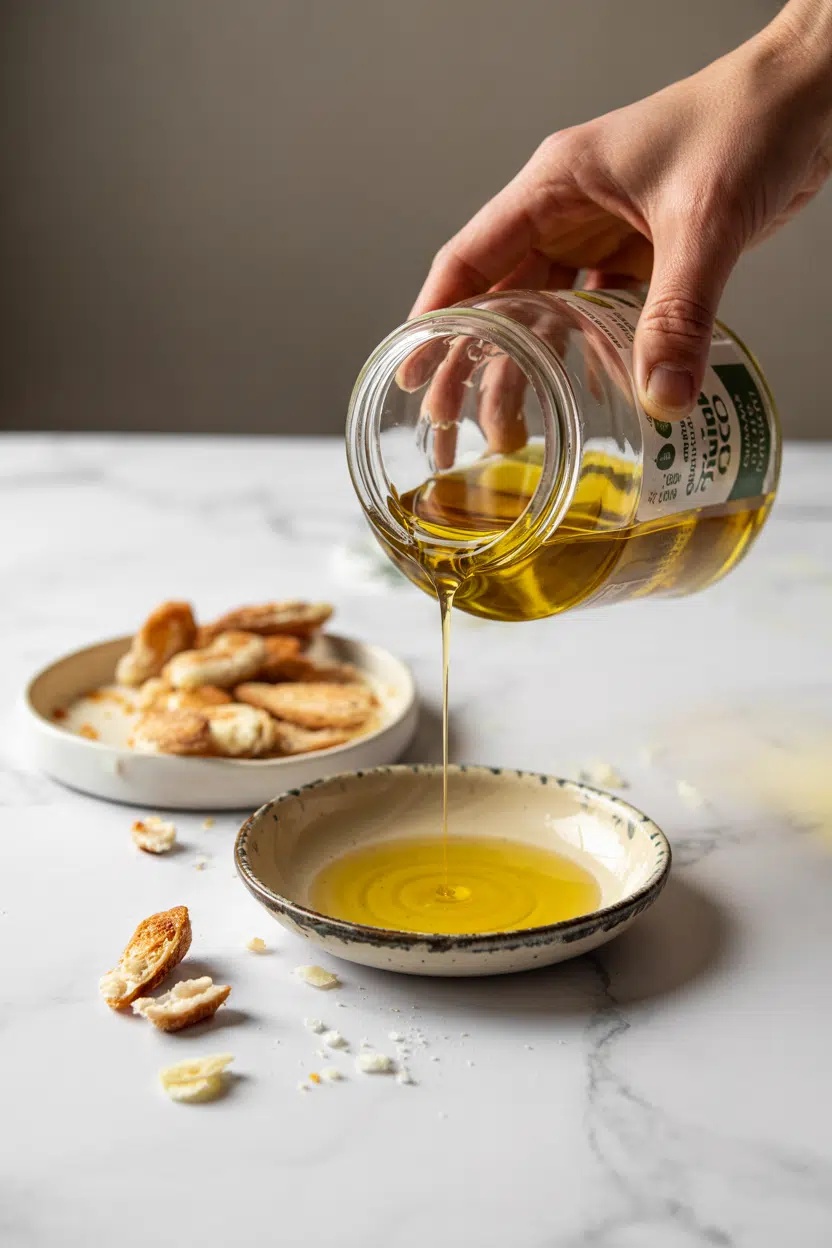
Refined canola oil is as close to flavorless as a cooking fat gets. A drop on the tongue registers thin, clean, and faintly oily - no bitterness, no fruitiness, no heat at the back of the throat.
Compared to olive oil replacements or sunflower oil alternatives, canola sits at the quieter end of the flavor spectrum - lighter than extra-virgin olive oil's peppery finish, less distinct than sunflower's mild sweetness.
Cold-pressed canola introduces a subtle nuttiness and a faint green note, but nothing that competes with other ingredients in a dish.
Heat changes very little about the flavor at moderate temperatures. Push past the smoke point and any oil turns acrid - canola included.
How to Use Canola Oil
Refined canola oil handles most kitchen tasks without complaint. Its smoke point near 400°F makes it a reliable choice for deep-frying french fries and battered fish, pan-frying chicken cutlets at medium-high heat, and stir-frying at home without worrying about the oil breaking down mid-cook.
| Method | Best For | Tip |
|---|---|---|
| 🍟 Deep-Frying | French fries, battered fish, donuts | Refined only; monitor oil temp to avoid smoking |
| 🍳 Pan-Frying / Sauté | Chicken, tofu, vegetables | Works at medium-high without competing flavors |
| 🧁 Baking | Cakes, muffins, quick breads | Replaces butter for a tender crumb with no added taste |
| 🥗 Dressings / Emulsions | Vinaigrettes, mayonnaise | Cold-pressed type adds faint nuttiness; refined stays invisible |
| 🔥 Grilling Marinades | Oil carrier for herbs and acids | Neutral base lets lemon, garlic, or mustard dominate |
In baking, canola oil is a straightforward swap for other neutral fats. If you're experimenting with vegetable oil substitutes for brownies, canola is usually the closest match in both texture and neutral flavor.
Pairings lean into the oil's neutrality. Lemon and vinegar build bright vinaigrettes; garlic and onion start virtually every sauté base.
Mustard emulsifies well with canola in mayonnaise, and spices like paprika and cayenne bloom cleanly in hot canola fat without any background flavor muddying the result.
Skip canola when a recipe specifically calls for toasted sesame oil or a nut oil - those oils exist to provide aroma, and a neutral substitute misses the point entirely.
How to Buy and Store Canola Oil
At the store, the first decision is refined vs. cold-pressed. Refined is the right call for frying, sautéing, and most baking.
Cold-pressed suits dressings and finishing applications where a faint natural character is welcome.
Check the label for a clear production date or best-by date, and pass on any bottle that looks cloudy or shows sediment in refined oil - both signal age or contamination. Once open, store away from the stove and direct light, sealed tightly.
Shelf life is straightforward: refined canola oil lasts about 12 months unopened and 6-9 months after opening. Cold-pressed cuts that roughly in half.
For a fuller breakdown, the canola oil freshness guide guide covers signs of rancidity and storage in detail. The same oxidation rules apply to other high-PUFA oils - the avocado oil freshness guide guide is a useful comparison if you rotate between both.
Where Canola Oil Fits in Your Kitchen
Start with a bottle of refined canola oil if you cook at high heat regularly or bake often. It handles the jobs that canola oil replacements struggle to replicate without flavor trade-offs.
Add cold-pressed canola if you want a subtle, neutral finishing oil for dressings without reaching for olive oil every time. Most home kitchens only need one bottle - make it refined.
Frequently Asked Questions
Yes, by standard dietary measures. It's high in monounsaturated fat and low in saturated fat, with a useful amount of omega-3 ALA. Most major nutrition bodies consider it a heart-health-friendly cooking oil.
Refined canola oil has a smoke point around 400°F (204°C), making it suitable for deep-frying and high-heat sautéing. Cold-pressed canola smokes at lower temperatures and should not be used for high-heat cooking.
Refined canola oil works well for deep frying. Its high smoke point and neutral flavor won't interfere with the food being cooked. Use a thermometer to keep oil between 325-375°F for best results.
No. Cholesterol is only found in animal-derived fats. Canola oil is a plant-based fat and contains zero dietary cholesterol.
Refined canola oil lasts 6-9 months after opening when stored in a cool, dark spot. Cold-pressed canola degrades faster - use it within 3-6 months of opening for best quality.



