
Cremini mushrooms are the swap, and in most recipes they are the very same mushroom. Chestnut mushroom is what British shops call the young brown Agaricus bisporus, which US stores sell as cremini or baby bella, so use them 1:1 by weight.
The one exception is the true chestnut mushroom (Pholiota adiposa), a different species with long crisp stems. If that is the mushroom your recipe means, shiitake caps are the closest swap.
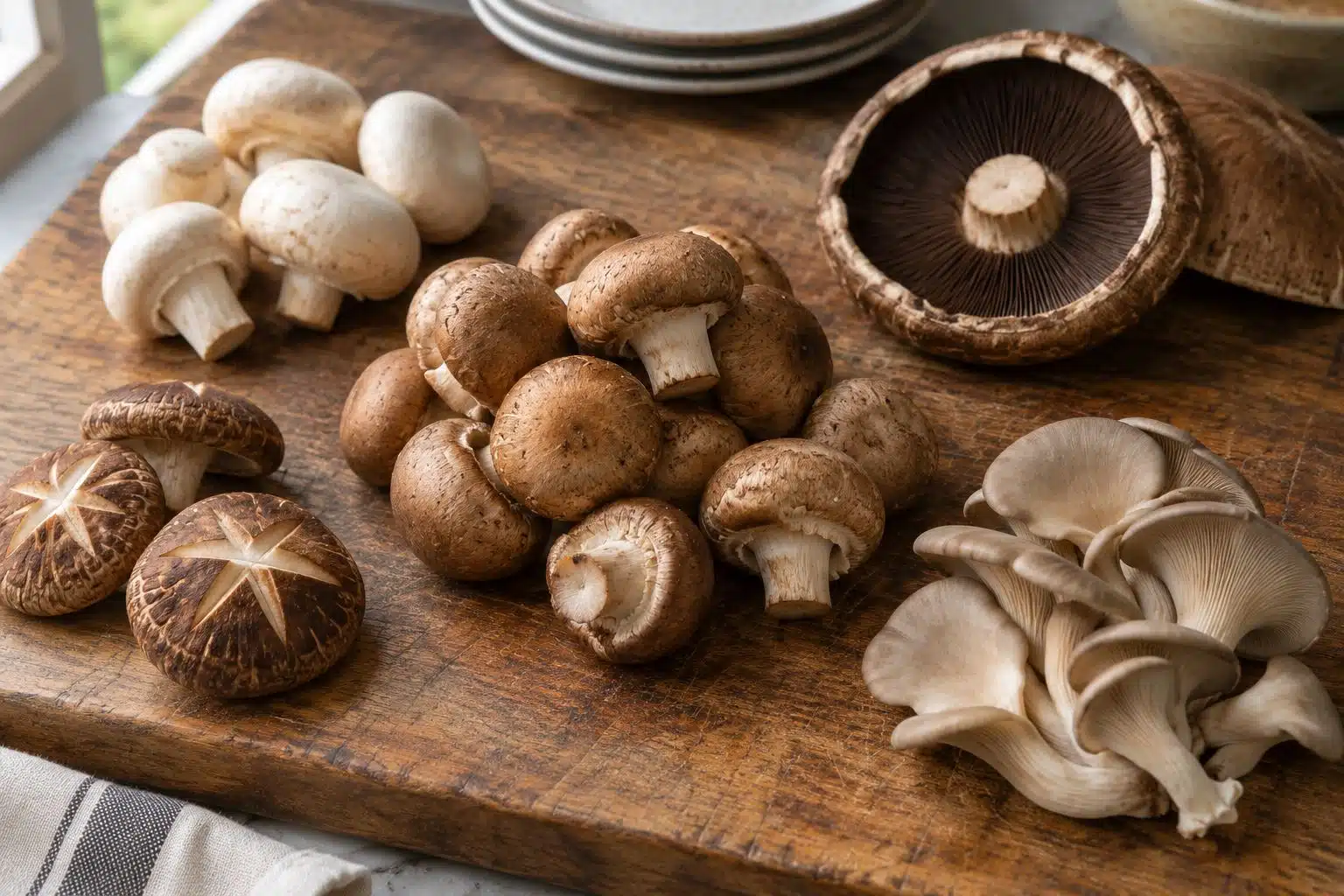
What Are Chestnut Mushrooms, and What Do They Do in a Dish?
Chestnut mushrooms are the young, brown stage of the common cultivated mushroom. Great British Chefs calls buttons the immature white form of Agaricus bisporus, chestnuts the immature brown form and portobellos the mature form.
Remember it later
Planning to try this recipe soon? Save it for a quick find later!
So all three are one species. The brown strain is sold young as chestnut or cremini and fully grown as portobello, and the white strain is the button mushroom.
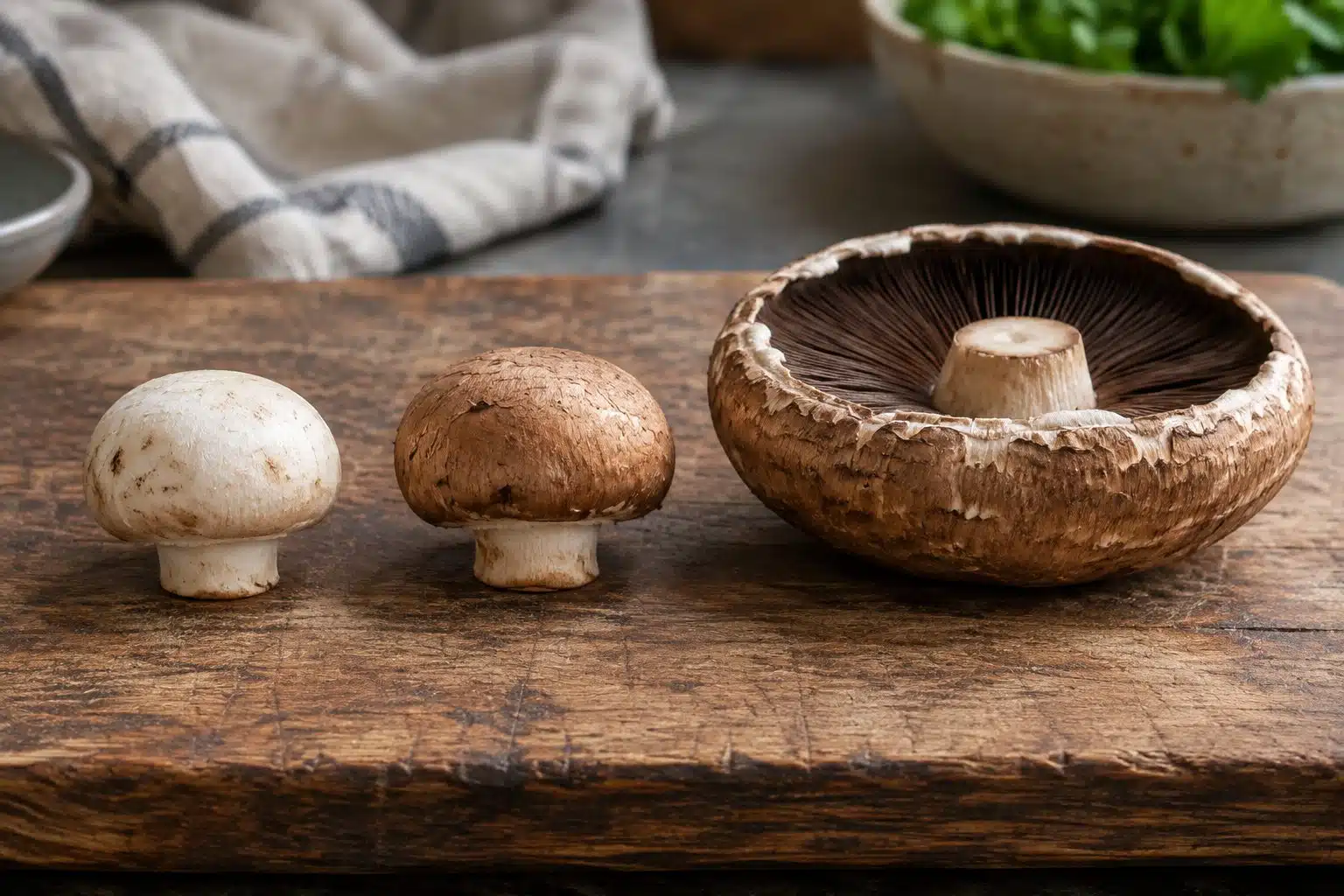
The same brown mushroom goes by different names depending on where you shop.
- UK: Chestnut mushroom is the shop name for the young brown mushroom.
- US: The same mushroom is sold as cremini, crimini or baby bella.
- Australia: Many shops sell the brown Agaricus as a Swiss brown mushroom.
- White strain: Button mushrooms are the white version of the same species, picked young.
- Fully grown: A brown mushroom left to open its cap is a portobello.
In a dish, a chestnut mushroom does three jobs, and a swap has to cover them.
- Meaty flavor. America's Test Kitchen rates cremini "intensely meaty" and white buttons only "mild, meaty."
- A firm bite. The same guide describes the texture as smooth and firm, so slices stay whole in a sauce.
- Less water than buttons. Cremini and shiitake contain less water than white buttons, which makes them easier to brown in a pan.
Which Mushroom Replaces Chestnut Mushrooms?
Cremini and white button are the same species, and portobello is the same mushroom fully grown. Shiitake and oyster are different species, so they change the taste of the dish.
| # | Substitute | Best For | Ratio | Key Note |
|---|---|---|---|---|
| 1 | Cremini (Baby Bella) | ✨ Any Dish | 1:1 | Same mushroom |
| 2 | White Button | 🥣 Sauces | 1:1 | Milder, more water |
| 3 | Portobello | 🍳 Roasting | 1:1 | Chop, scrape the gills |
| 4 | Shiitake | 🍳 Stir-Fry | 1:1 | Stems out, nuttier |
| 5 | Oyster | 🍳 Quick Cook | 1:1 | Delicate, add late |
Every ratio is by weight of raw mushrooms, so an 8 oz (225 g) pack of chestnut mushrooms becomes an 8 oz pack of any of these. The notes column shows what changes in the pan.
1 – Cremini (Baby Bella) for the Closest Match
Cremini is the same mushroom, so swap 1:1 by weight and change nothing else in the recipe. If it is new to you, what cremini mushrooms taste like and how to cook them has its own page.
Trim only the stem bases, because America's Test Kitchen notes that cremini stems are tender enough to eat. Slice or quarter them the way the recipe asks.
2 – White Button for the Mildest Option
White buttons are the white strain of the same species, so swap 1:1 by weight and expect a milder dish. America's Test Kitchen rates them "mild, meaty" against "intensely meaty" for cremini.
Buttons also carry more water, so cook them until the pan is nearly dry and the slices have browned. A splash of soy sauce near the end puts back some of the savory depth the brown strain has on its own.
3 – Portobello for Roasting and Braising
Portobello is the fully grown brown mushroom, and America's Test Kitchen calls it "robust, earthy" with a dense, steak-like texture. Cut it into slices or ½-inch pieces that match the chestnut mushrooms, and swap 1:1 by weight.
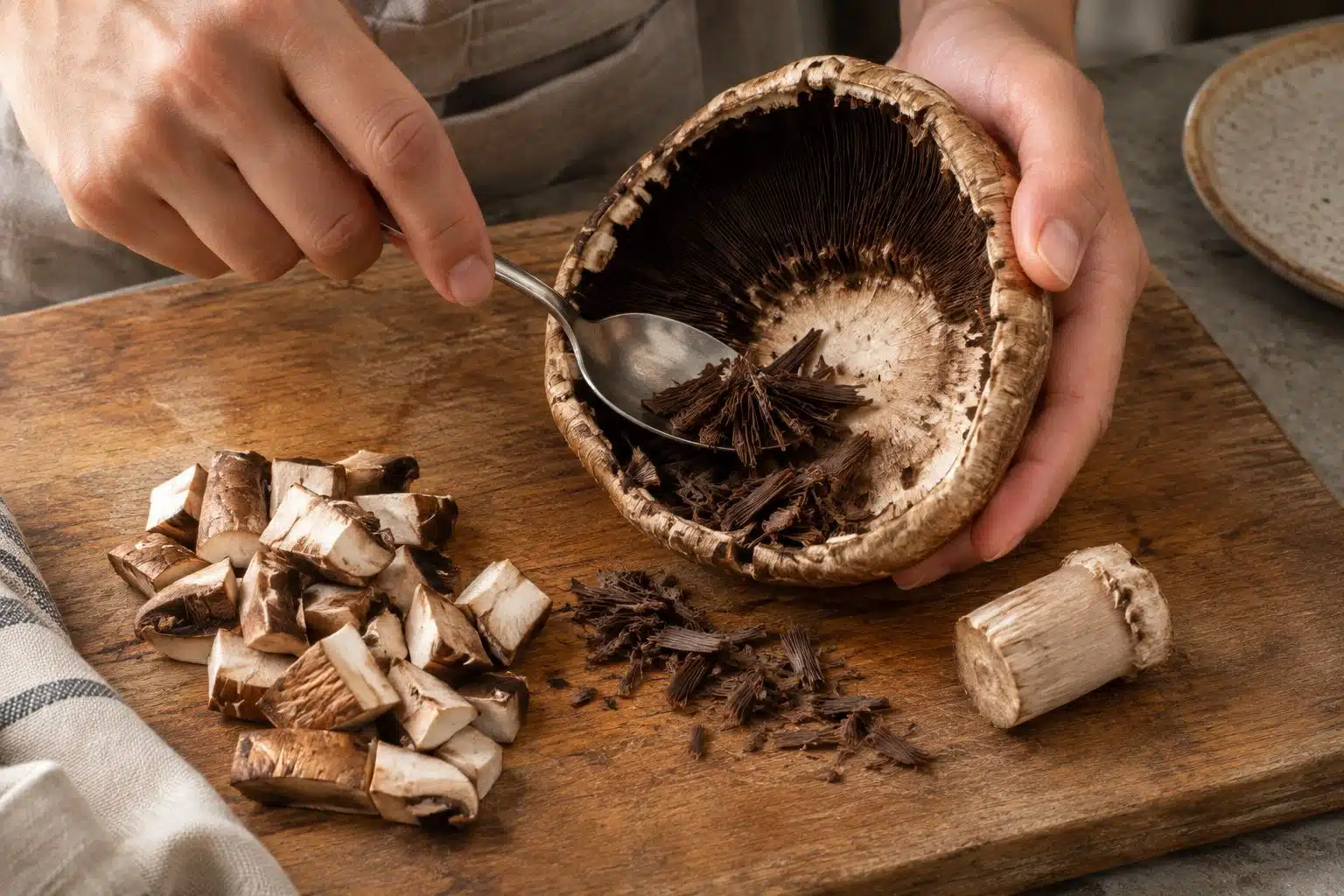
Remove the stem too, which America's Test Kitchen recommends for portobellos. Then handle the gills.
Its strong flavor can run over a mild dish such as a light pasta, so choose cremini there.
4 – Shiitake for a Nuttier, Chewier Dish
Fresh shiitake mushrooms are a different species, which America's Test Kitchen describes as "nutty, buttery" and "pleasantly chewy." Weigh the stemmed caps 1:1, because shiitake stems are fibrous and leathery and do not soften in a pan.
To stay closer to the original, replace only part of the mushrooms. A mix of 2 parts cremini to 1 part shiitake by weight is a good starting point, since the cremini keeps the familiar flavor and the shiitake adds a nutty, chewy note.
5 – Oyster for Quick, Delicate Dishes
Oyster mushrooms taste "clean, savory, subtly briny" and have a delicate texture. Swap 1:1 by weight, trim the tough base, and tear the caps along the gills into strips instead of slicing them.
Because they are so soft, add them in the last few minutes of a stew or sauce, or they will go limp. Expect a tender bite where chestnut mushrooms would stay firm.
Which Swap Fits Which Dish?
The best swap depends on how long the mushroom cooks and how the finished dish looks.
| If You Are Making | Pick | Why |
|---|---|---|
| Cream or pan sauce | Cremini or white button | Thick slices stay whole and brown well |
| Long braise or stew | Cremini or shiitake caps | Chewy caps hold up to simmering |
| Pie or wellington filling | Any, chopped fine | Small pieces cook down evenly |
| Risotto | Cremini or oyster | Thin slices or torn strips blend into the rice |
| Roasting or grilling | Portobello | Dense and steak-like |
| Stir-fry | Shiitake or oyster | Both cook fast over high heat |
The table shows the closest pick for each cooking method, and a few dishes need a note on the cut.
- Cream sauces: Slice cremini about ¼ inch thick for a creamy mushroom stroganoff and brown them before the cream goes in.
- Pan sauces: Cremini or white button slices brown well for chicken Marsala with mushrooms, where the pan juices become the sauce.
- Braises: Add whole or halved caps of cremini or shiitake to a mushroom bourguignon stew, since they keep a chewy bite through a long simmer.
- Pastry fillings: Chop whatever you pick very small for a vegetable wellington, so the filling cuts cleanly.
- Risotto: Slice cremini thin, then plan the plate with what to serve with mushroom risotto.
What If Your Recipe Means the True Chestnut Mushroom?
A few recipes mean Pholiota adiposa, a separate species that shares the common name. Its cap is brownish-yellow to rust-orange with a nutty, umami flavor and a crunchy texture, and the giveaway is a long, crisp stem, much longer than a cremini's.
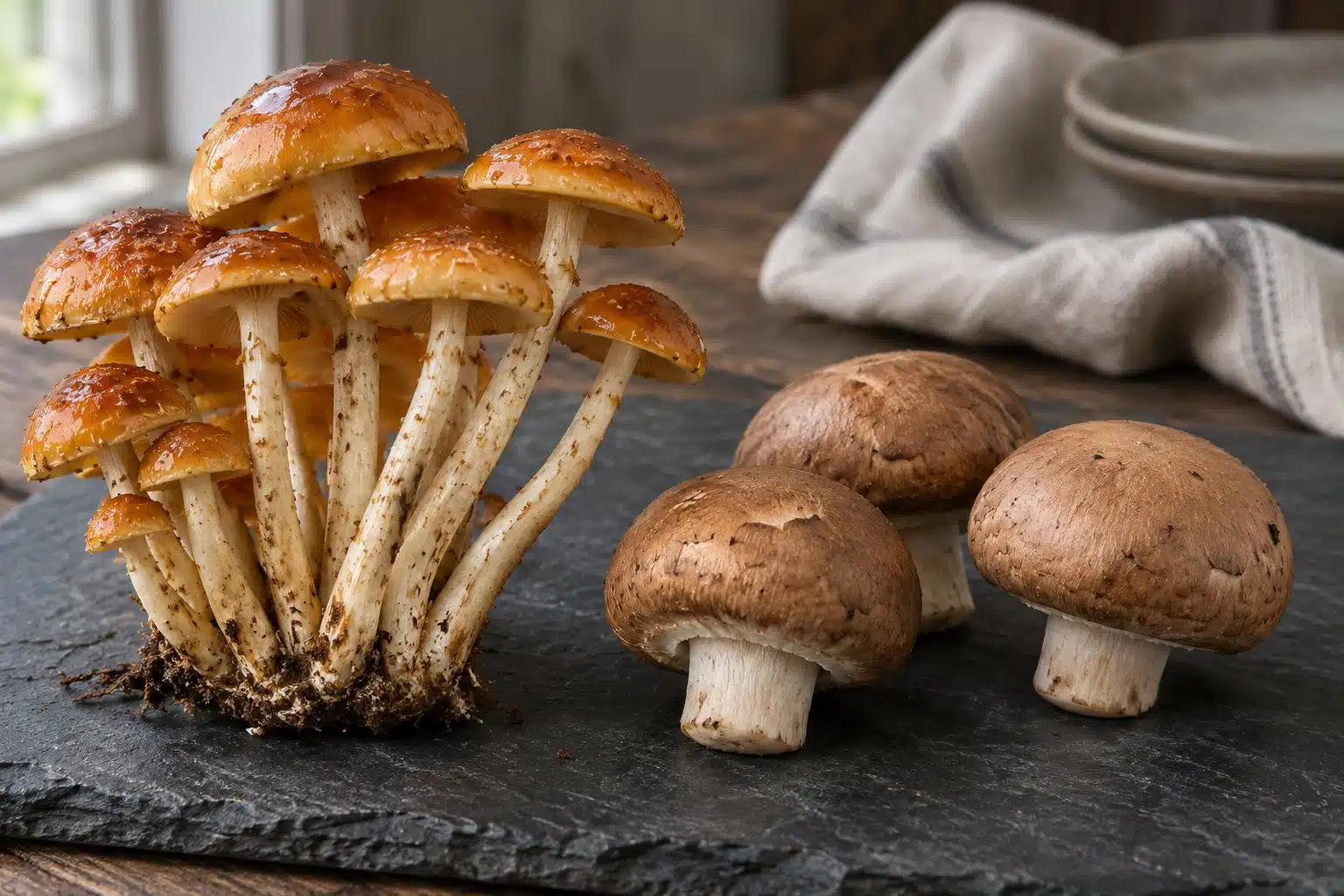
Grocycle says to cook it like shiitake, and the caps turn silky while the stems stay crisp. Swap in shiitake caps 1:1 by weight, knowing you lose the crisp stem because shiitake stems have to go.
Short stems and round brown caps mean you hold ordinary Agaricus, so the cremini swap above applies.
What Can I Use If I Have No Cremini Either?
White buttons are the same species and swap 1:1 by weight, and the portobello, shiitake and oyster notes above still apply. The cremini mushroom substitutes page ranks the options for recipes that name cremini.
Can I Use Dried Mushrooms Instead?
Dried porcini add depth but not bulk, so use a small handful beside fresh mushrooms. Soak them in hot water about 20 minutes, lift them out, and pour the liquid through a fine strainer into the sauce.
America's Test Kitchen uses 2 cups of hot water for 2 ounces of dried porcini.
Why Do My Substitute Mushrooms Come Out Watery?
Crowding is the usual cause, because crowded mushrooms boil in their own liquid.
Cook in small batches with the slices just touching, brown one side for 3 to 6 minutes before turning, and stop when almost no liquid is left in the pan.



