
You spot it on the shelf between the white rice and the wild rice, packaged in a matte kraft bag with a tan, fibrous look that's nothing like the polished grains next to it.
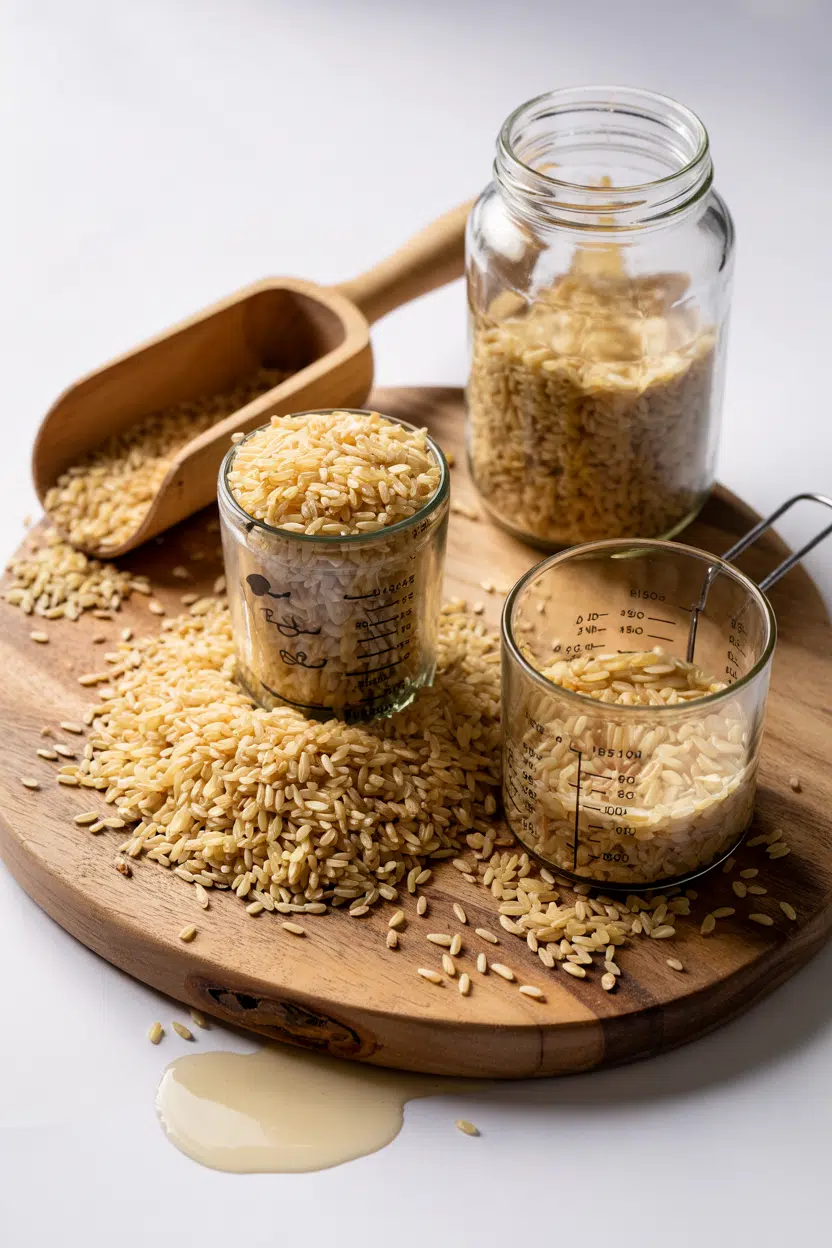
Brown rice gets passed over constantly - and if you've been defaulting to pairing ideas for white rice without giving brown a real try, this guide will change that.
Understanding rice in grain dishes more broadly helps, but brown rice has a specific character worth knowing on its own terms.
Brown rice is a whole grain with bran and germ intact, giving it a toasty, nutty flavor and chewy bite that white rice lacks. It takes longer to cook but holds up better in grain bowls, pilafs, and stews. Shelf life is shorter than white rice due to natural oils in the bran.
What Is Brown Rice?
Brown rice is a whole grain - a rice kernel with only the tough outer husk removed during milling. The bran layer and germ remain intact, which is what separates it from white rice, where both are polished away.
Remember it later
Planning to try this recipe soon? Save it for a quick find later!
That retained bran is the source of its color, chew, and nutritional profile.
It's grown across South and Southeast Asia and cultivated globally today. You'll find it sold under names like hulled rice, whole-grain rice, or labeled by subtype - long-grain brown, short-grain brown, brown basmati, and jasmine brown are the most common formats.
Long-grain varieties cook up separate and fluffy; short-grain cooks stickier and denser.
Among wild rice in grain dishes and other whole grains, brown rice sits closest to white rice in flavor but leans heartier in texture.
It's worth knowing which subtype you're buying, since long-grain brown basmati behaves differently in a pilaf than short-grain brown in a grain bowl.
What Does Brown Rice Taste Like?
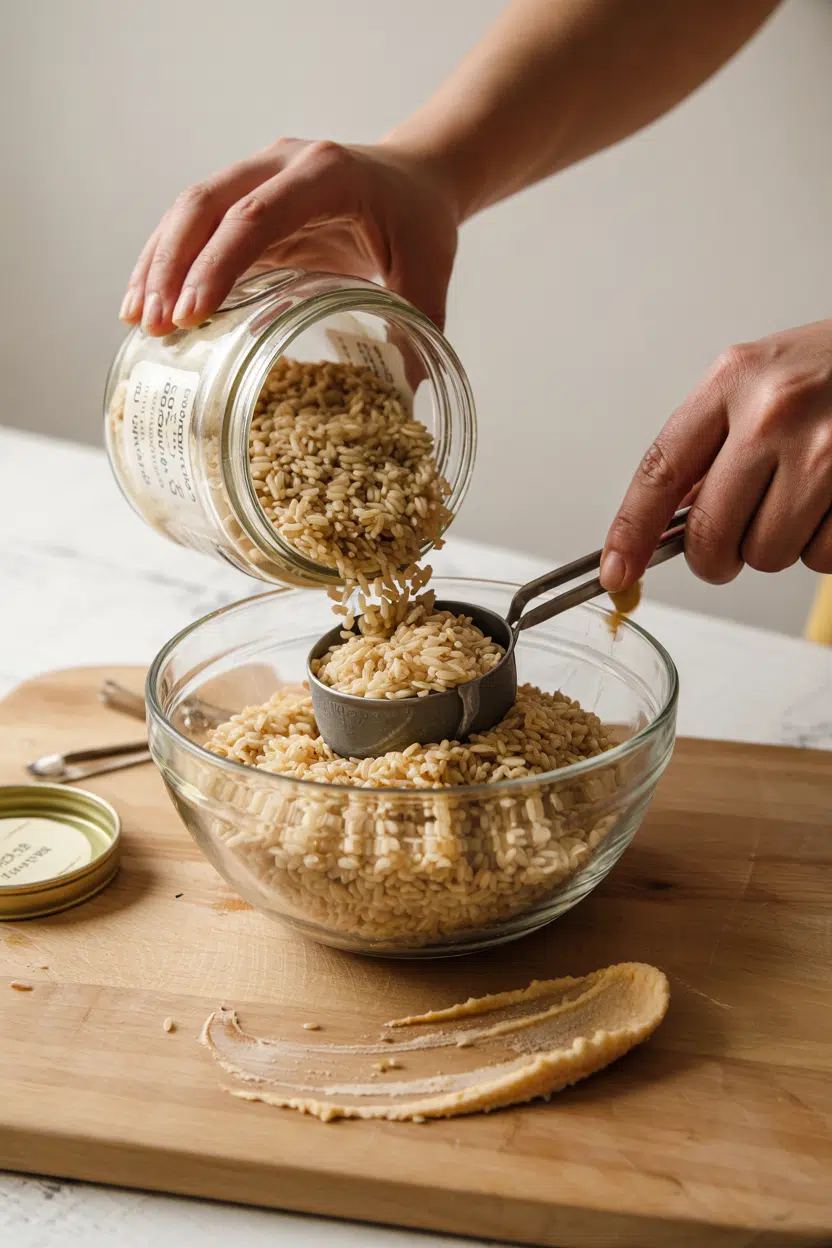
Brown rice has a toasty, nutty base flavor with a slightly sweet, grainy note underneath. The earthiness is mild - closer to oats or barley than to quinoa, which carries a more distinct, almost mineral edge.
Heat brings out the nuttiness. Toasting dry grains in a pan before adding liquid deepens the flavor noticeably, making it closer to a roasted grain than a neutral starch.
The aroma is grassy and faintly toasted even before cooking, which is a sign of freshness. If the dry grain smells sharp or sour, the bran oils have likely started to turn.
How to Use Brown Rice
Brown rice earns its place wherever texture and flavor need to carry weight, not just absorb it. It holds up under heavy sauces and doesn't turn mushy in the same way white rice can.
That firmness is the whole point.
For full pairing ideas beyond the basics, the guide on what pairs with brown rice covers ingredient combinations in more depth. The short version: legumes, roasted vegetables, and soy- or miso-based sauces are the most reliable partners.
| Method | Best For | Tip |
|---|---|---|
| 🍚 Simmered | Grain bowls, curries, rice-and-beans | Use a 2:1 water-to-rice ratio; keep lid on throughout |
| 🥘 Pilaf Method | Pilafs, stuffed peppers, casseroles | Toast grains dry in the pan before adding stock for deeper flavor |
| 🍳 Fried Rice | Stir-fries, wok dishes | Use day-old chilled rice; fresh grains won't crisp properly |
| 🫙 Oven-Baked | Casseroles, one-pan dishes | Bake covered with stock at 375°F for even, hands-off cooking |
| ⚡ Pressure Cooked | Weeknight cooking, batch prep | Instant Pot cuts cook time to around 22-25 minutes with natural release |
Brown rice appears across South Asian whole-grain dishes, Southeast Asian home cooking, and Latin American rice-and-beans combinations. It's also the default base in vegetarian grain-bowl cuisine, where its chew compensates for the absence of meat.
Skip it in classic sushi, where polished short-grain white rice is non-negotiable for the right texture and stickiness.
How to Buy and Store Brown Rice
Look for sealed bags with a recent packaging or expiry date. The kernels should be uniformly tan with visible bran flakes - not pale or polished-looking.
If you can smell the bag at the store, do it; a rancid or sharp odor means the bran oil has already started degrading.
Storage and shelf life vary more than most people expect, and how long rice keeps depends heavily on whether the bag has been opened and where it's stored. For brown rice specifically:
- 🏪 Unopened pantry - 6-12 months in a cool, dark spot
- 📦 Opened, airtight container, pantry - 3-6 months; keep away from heat sources
- ❄️ Opened, airtight container, refrigerated - 6-12 months; fridge slows bran oil oxidation significantly
Watch for brown rice spoilage signs like an off smell, yellowing kernels, or any visible moisture - any of these means discard it.
Where to Start with Brown Rice
Brown rice rewards patience. If you've found it bland before, the issue is almost always underseasoning the cooking water or skipping the toasting step.
Start with the pilaf method: toast dry grains in a little olive oil or ghee, then add salted stock instead of plain water.
That single change closes most of the flavor gap between brown and white.
For anything beyond the basics, replacements for brown rice and replacements for rice can point you toward alternatives if the texture still isn't working for your dish.
Frequently Asked Questions
Generally, yes. Brown rice retains the bran and germ, providing more fiber, magnesium, manganese, and B vitamins than white rice. It also has a lower glycemic impact, meaning blood sugar rises more gradually after eating it.
On the stovetop, brown rice takes 40-50 minutes simmered with the lid on. A pressure cooker or Instant Pot cuts that to around 22-25 minutes with natural release - the most practical option for weeknight cooking.
Yes, and it works well once chilled. The firmer texture of brown rice actually holds up better in a hot wok than freshly cooked white rice. Day-old refrigerated grains are essential - fresh brown rice will clump and steam.
Rinsing removes surface starch and any dust from milling, which is worth doing. However, unlike white rice, brown rice doesn't get noticeably stickier without rinsing - it's a minor step rather than a critical one.
The bran layer surrounding each kernel resists water absorption during cooking. White rice, with the bran milled off, absorbs water faster and cooks to a softer texture. That bran also takes longer to fully hydrate, which is why brown rice needs more time and water.



