• Skip to primary navigation
  • Skip to main content
  • Skip to primary sidebar
  • Recipe Index
    • Air Fryer
  • Side Dishes
  • Substitutes
  • About
  • Contact
  • Subscribe

ForkLiftKitchen

menu icon
go to homepage
  • Recipe Index
    • Air Fryer
  • Side Dishes
  • Substitutes
  • About
  • Contact
  • Subscribe
subscribe
search icon
Homepage link
  • Recipe Index
    • Air Fryer
  • Side Dishes
  • Substitutes
  • About
  • Contact
  • Subscribe
×

Blog

Air Fryer Donuts

February 4, 2026

You need 25 minutes and one air fryer basket. No deep frying, no splattering oil, no cleanup drama beyond a quick wipe.
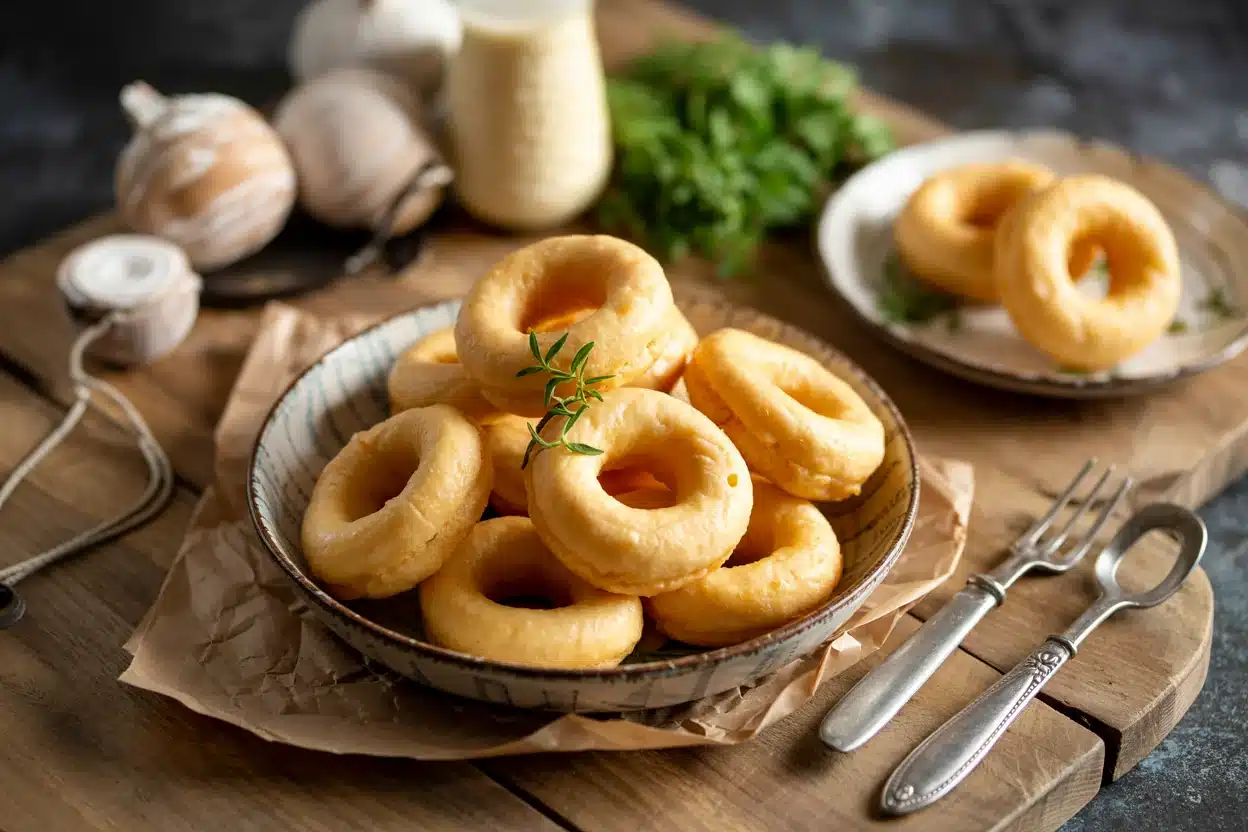
Air Fryer Donuts

The air fryer crisps the edges while keeping the inside soft and tender. A simple dough made with pantry staples goes from mixing bowl to golden donuts faster than you'd preheat a traditional oven.

This works for weekend breakfast when you want something warm and sweet without standing over hot oil. For a version that comes together quickly, try this flaky homemade salmon recipe that uses the same quick-cook method.

QUICK SUMMARY

Air fryer donuts deliver soft, lightly crisp treats in under 30 minutes with no deep frying. The key is preheating the air fryer and spacing donuts 1 inch apart so hot air circulates evenly. Perfect for weekend mornings when you want fresh baked goods without the mess.

⏱️Time Reality: 15 minutes hands-on, 8-10 minutes in the air fryer, glaze while warm
🔑Critical Move: Preheat air fryer 3-5 minutes at 350°F before adding donuts
⚠️Watch Out: Overmixing makes tough donuts - stir until just combined, rest 5 minutes

Why This Recipe Works

The air fryer creates a crisp exterior without submerging dough in hot oil. High heat circulating around each donut mimics deep frying but uses a fraction of the fat. Rich mains need something to cut through, and cauliflower does exactly that. For a version that comes together quickly, try this easy cauliflower side that uses the same quick-cook method.

Quick Reference
⏱️
Prep Time
15 min
🔥
Cook Time
8-10 min
⏰
Total Time
25 min
🍽️
Servings
6-8 donuts
📊
Difficulty
Easy
🏷️
Category
Dessert
💡
Quick Tip
Preheat air fryer for even crispy donuts
🎯
Best For
Weeknight | Brunch | Quick treat
  • Fresh baking powder is non-negotiable - old leavening means dense, flat donuts that won't rise
  • Spacing matters as much as temperature - crowded donuts steam instead of crisping
  • Flip halfway through cooking - ensures both sides get golden brown and evenly cooked
  • Light oil spray before air frying - creates that signature crisp edge without deep frying
  • Glaze while warm but not hot - coating sticks without sliding off or melting completely
Quick Tip
Preheat at 350°F for 3-5 minutes before cooking - cold air fryer means uneven browning

What You'll Need

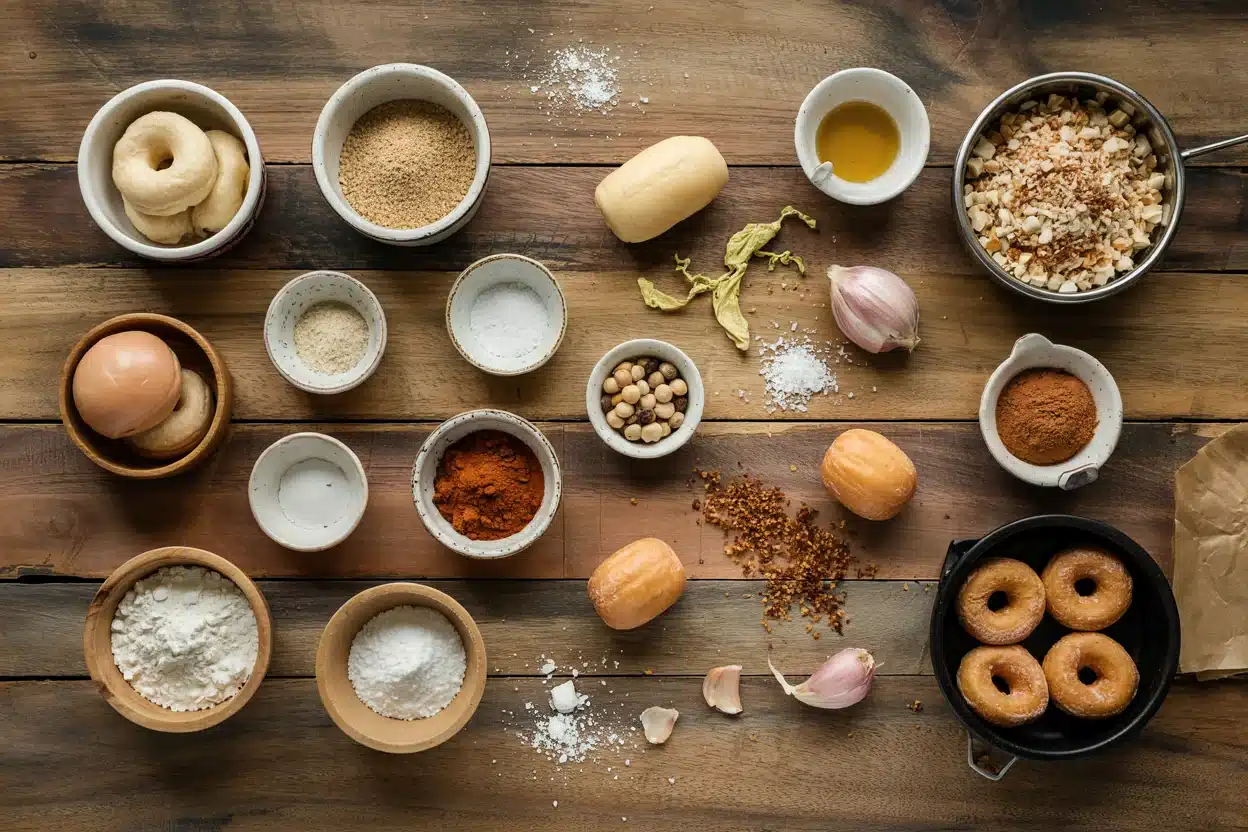
Air Fryer Donuts - Air Fryer Donuts

Stock your pantry once and this recipe becomes a weekend staple. Cutlets adds the contrast this plate needs, but timing matters. For a version that comes together quickly, try this simple cutlets side dish that uses the same quick-cook method.

🍜
Dry Ingredients
  • all-purpose flour
  • granulated sugar
  • baking powder
  • cinnamon
🧀
Wet Ingredients
  • milk
  • eggs
  • unsalted butter
  • vanilla extract
🫙
Finishing
  • powdered sugar
  • cooking spray

Ingredient Details

  • All-Purpose Flour
    Creates structure without making donuts dense - measure by spooning into cup and leveling
  • Baking Powder
    Must be fresh (check expiration date) - old powder means flat donuts that won't rise
  • Milk
    Room temperature works best for even mixing - cold milk can make butter seize
  • Eggs
    Bind the dough and add richness - bring to room temp for easier blending
  • Unsalted Butter
    Melted and cooled slightly - too hot will cook the eggs when mixing
  • Cooking Spray
    Light coat on air fryer basket prevents sticking - or use parchment with holes
  • Powdered Sugar
    For dusting or making glaze - sift if lumpy for smooth coating

Ingredient Swaps

These swaps adapt the recipe for dietary needs or what you have on hand. Most people skip cutlets, but it balances the meal. We keep a batch ready for nights like this - check out this classic chicken dish for another quick air fryer option.

  • Swap milk for almond or oat milk - dairy-free with almost no flavor change, works 1:1
  • Use gluten-free flour blend instead of all-purpose - slightly denser texture but still soft inside
  • Replace unsalted butter with coconut oil - adds mild coconut flavor, makes recipe dairy-free
  • Substitute flax egg (1 tablespoon flax + 3 tablespoon water) for eggs - binds dough for vegan version, slight texture shift

Almond Milk

Works for: dairy-free diets, 1:1 swap, mild flavor

Skip if: you want richest flavor (whole milk wins)

Gluten-Free Flour

Works for: gluten-free needs, similar rise with good blend

Skip if: you want lightest texture (AP flour is airier)

Coconut Oil

Works for: dairy-free, adds subtle coconut note

Skip if: you want pure vanilla-cinnamon flavor

Instructions

The dough comes together in 10 minutes, then air frying takes 8-10 minutes per batch. The cauliflower works best when it hits the table at the same time as the main. For a version that comes together quickly, try this homemade pork recipe that uses the same quick-cook method.

  1. Mix dry ingredients in one bowl, wet in another. Whisk flour, sugar, baking powder, and cinnamon together. In separate bowl, whisk milk, eggs, melted butter, and vanilla until smooth.
  2. Combine wet and dry until just mixed. Pour wet ingredients into dry and stir gently until dough forms. Stop when you see no dry flour - overmixing makes tough donuts.
  3. Rest dough 5 minutes, then roll and cut. Dust surface with flour, roll dough to ½-inch thickness. Use donut cutter or two round cutters (3-inch and 1-inch) to cut shapes.
  4. Preheat air fryer and spray basket. Set to 350°F for 3-5 minutes. Spray basket lightly with cooking spray, place donuts 1 inch apart. Spray tops of donuts lightly.
  5. Air fry 8 minutes, flip halfway through. Cook 4 minutes, flip with spatula, cook 4 more minutes. Check for golden brown color and springy texture. Cool 2 minutes before glazing.
Watch Out
Don't overcrowd the basket - donuts need space for air to circulate or they'll steam instead of crisp

What to Serve With It

Donuts work for breakfast, brunch, or dessert depending on what you pair them with. A good salmon can make or break the plate. For a version that comes together quickly, check out hearty beef dinner ideas for complete meal planning that works with sweet treats.

Side Dish Prep Why It Works How to Serve
Fresh fruit salad Easy Balances sweetness with tartness Serve chilled in small bowls alongside warm donuts
Yogurt cup Easy Adds protein and creamy contrast Plain or vanilla yogurt in individual cups
Scrambled eggs Easy Savory balance for sweet donuts Soft scramble cooked while donuts air fry
Bacon strips Easy Salty-sweet combo that's classic Crispy bacon on the side or crumbled on top
Coffee or tea Easy Traditional breakfast pairing Serve hot in mugs for dunking

Three ways to serve it:

  • Weekend brunch spread - arrange donuts on platter with fruit salad, yogurt cups, and bacon
  • Kids' breakfast - serve warm with milk and fresh berries for balanced morning meal
  • Dessert plate - dust with powdered sugar, serve with vanilla ice cream and chocolate drizzle
Best Pick
For brunch gatherings, set up a donut bar with glazes, sprinkles, and toppings - guests customize their own

Store and Reheat

Air fryer donuts stay soft for 3-4 days in an airtight container at room temperature. For longer storage, freeze up to 2 months in freezer bags. The pork works best when it hits the table at the same time as the main. We keep a batch ready for nights like this - check out this quick beef dish for another quick air fryer option.

Method Time Best For
🔥 Air Fryer 3-4 min at 320°F Restoring crisp exterior, tastes freshly made
🍳 Oven 5-7 min at 350°F Reheating multiple donuts at once
📦 Microwave 15-20 seconds Quick warmup when you want soft texture

For best results when storing:

  • Cool completely before storing - warm donuts create condensation that makes them soggy
  • Layer with parchment between donuts - prevents sticking in container or freezer bag
  • Freeze unglazed for best texture - add glaze after reheating for fresh appearance
  • Store at room temp up to 4 days - fridge actually dries them out faster than counter
  • Reheat from frozen in air fryer - no thaw needed, add 1-2 minutes to cooking time

Frequently Asked Questions

Can I use gluten-free flour to make air fryer donuts?

Yes - use a 1:1 gluten-free flour blend that includes xanthan gum. Donuts will be slightly denser but still soft inside with crisp edges.

How should I store and reheat air fryer donuts?

Store in airtight container at room temp for 3-4 days or freeze up to 2 months. Reheat in air fryer at 320°F for 3-4 minutes to restore crisp exterior.

What is the best way to tell when air fryer donuts are done?

Look for golden brown color on both sides and springy texture when touched gently. Donuts should feel firm but give slightly when pressed - not doughy or raw in center.

How can I prevent air fryer donuts from being soggy?

Preheat air fryer fully before cooking and space donuts 1 inch apart in basket. Overcrowding traps steam - cook in batches if needed.

Can I double the recipe and cook donuts in batches?

Yes - double all ingredients and cook in 2-3 batches depending on air fryer size. Keep cooked donuts warm in 200°F oven while finishing remaining batches.

Air Fryer Donuts

Air Fryer Donuts

No ratings yet
Air Fryer Donuts deliver soft, lightly crisp treats in under 30 minutes without the mess of deep frying. Preheating the air fryer and spacing donuts properly ensures even cooking and a golden finish. Ideal for quick weekend breakfasts or sweet treats.
Print Recipe Pin Recipe
Prep Time 15 minutes mins
Cook Time 10 minutes mins
Total Time 25 minutes mins
Servings: 7 donuts
Course: Breakfast, Brunch, Dessert
Cuisine: American
Ingredients Equipment Method Notes

Ingredients
  

  • 2 cups all-purpose flour spooned and leveled
  • ⅓ cup granulated sugar
  • 1 tablespoon baking powder fresh
  • 1 teaspoon cinnamon
  • ¾ cup milk room temperature
  • 2 large eggs room temperature
  • 3 tablespoons unsalted butter melted and slightly cooled
  • 1 teaspoon vanilla extract
  • as needed cooking spray for air fryer basket and donut tops
  • ½ cup powdered sugar for dusting or glaze

Equipment

  • Air fryer For cooking donuts with circulation of hot air
  • Mixing bowls Separate bowls for wet and dry ingredients
  • Donut cutter Or two round cutters (3-inch and 1-inch)
  • Whisk For mixing ingredients smoothly
  • Spatula For flipping donuts halfway through cooking

Method
 

  1. Whisk together all-purpose flour, granulated sugar, fresh baking powder, and cinnamon in one bowl until combined.
    2 cups all-purpose flour, ⅓ cup granulated sugar, 1 tablespoon baking powder, 1 teaspoon cinnamon
  2. In a separate bowl, whisk milk (room temperature), eggs, melted and cooled unsalted butter, and vanilla extract until smooth.
    ¾ cup milk, 2 large eggs, 3 tablespoons unsalted butter, 1 teaspoon vanilla extract
  3. Pour wet ingredients into dry ingredients and stir gently just until dough forms. Stop mixing as soon as no dry flour remains to avoid tough donuts.
  4. Let the dough rest for 5 minutes. Dust a surface lightly with flour and roll dough to ½-inch thickness. Use a donut cutter or two round cutters (3-inch and 1-inch) to cut out donut shapes.
    2 cups all-purpose flour
  5. Preheat the air fryer to 350°F for 3-5 minutes. Lightly spray the air fryer basket with cooking spray.
    as needed cooking spray
  6. Place donuts in the basket spaced 1 inch apart. Spray tops lightly with cooking spray. Air fry for 8-10 minutes total, flipping donuts gently halfway through cooking with a spatula to ensure even browning.
    as needed cooking spray
  7. Remove donuts and let cool for 2 minutes before glazing or dusting with powdered sugar while warm but not hot for best glaze adherence.
    ½ cup powdered sugar

Notes

  • Use fresh baking powder to ensure donuts rise properly and stay fluffy.
  • Do not overcrowd the air fryer basket; spacing allows donuts to crisp instead of steam.
  • Flip donuts halfway through cooking to brown both sides evenly.

Tried this recipe?

Let us know how it was!

5 Best Substitutes for Sumac in Dressings & Marinades

February 4, 2026

You're prepping fattoush salad when you realize the spice jar labeled sumac is empty. That bright, lemony tartness is what makes the dish sing.

5 Best Substitutes for Sumac in Dressings & Marinades

Sumac brings tangy acidity and a mild fruity undertone without adding moisture. Finding a swap depends on whether you need powder form or just the sour punch.

QUICK SUMMARY

Lemon zest (1 teaspoon per 1 teaspoon sumac) adds bright citrus acidity for raw dishes like salads and dressings. Lemon juice works in marinades but adds moisture. For dry blends, mix ¾ teaspoon lemon zest with ¼ teaspoon citric acid-it mimics sumac's tangy powder form.

🏆Closest match: Lemon zest for raw applications and bright tang
⚡Fastest swap: Lemon juice ready to use in 30 seconds
⚠️Watch out: Citric acid needs ¼ the amount or it overpowers

5 Substitutes for Sumac: Tangy Acidity and Brightness 🍋

Each swap below matches sumac's tartness differently-some stay dry, others add liquid.

Quick Substitute Reference
# Substitute Best For Ratio Key Note
1 Lemon Zest 🥗 Raw 1:1 Fresh citrus oils shine
2 Lemon Juice 🍳 Cooking 1:1 Adds liquid to recipe
3 Tamarind Powder 🍳 Cooking 1:1 Deeper fruity sourness
4 Citric Acid ✨ Both 1:4 Very concentrated tartness
5 DIY Blend ✨ Both 1:1 Balances citrus and acid

1. Lemon Zest 🍋

Lemon zest delivers bright citrus acidity through its essential oils. The tangy punch matches sumac's role in raw dishes.

Use 1 teaspoon grated lemon zest per 1 teaspoon sumac. Add it just before serving to preserve the fresh aroma.

  • ✅ Bright citrus oils replicate sumac's tang
  • ✅ Works best in salads and dressings
  • ⚠️ Lacks the fine powder texture for dry rubs

Fresh zest shines in fattoush, tabbouleh, and yogurt-based sauces. It won't work in spice blends that need uniform powder consistency.

If you're building citrus-forward dishes, replacements similar to Lemon Pepper can guide your seasoning choices.

2. Lemon Juice 💧

Lemon juice brings sharp acidity in liquid form. It brightens marinades and dressings but changes the moisture balance.

Use 1 teaspoon lemon juice per 1 teaspoon sumac. Add it gradually in dressings since it's more concentrated than dried spices.

  • 🍳 In marinades: Works great for chicken and fish
  • ⚠️ Adds moisture: Not suitable for dry seasoning blends

The clean sourness works in vinaigrettes and Middle Eastern meat marinades. Skip it in za'atar or spice rubs where powder form matters.

For other citrus swaps in cooking, check out Lemon Juice alternatives to try.

3. Tamarind Powder 🌴

Tamarind powder delivers tangy acidity with deeper fruity notes. The sourness runs stronger than sumac's gentle citrus edge.

Use 1 teaspoon tamarind powder per 1 teaspoon sumac. It stays in powder form, making it work for both dry rubs and cooked dishes.

  • ✅ Stays dry like sumac
  • ✅ Fruity sourness works in marinades
  • ⚠️ Darker color changes the final dish appearance

Tamarind shines in cooked applications-grilled meats, stews, and braised vegetables. The color shift matters in light-colored dishes like hummus or yogurt dips.

While tamarind isn't soy-based, quick Tamari replacements to try shows how umami and acid balance differently across cuisines.

Watch Out
Tamarind's deep brown color will darken pale dishes-test a small amount first in white sauces or light dressings.

4. Citric Acid Powder 🧪

Citric acid is concentrated tartness in powdered form. It lacks fruity complexity but nails the sharp sour punch.

Use ¼ teaspoon citric acid per 1 teaspoon sumac-it's four times stronger. Mix it into dry spice blends or rubs where uniform powder matters.

The sharp sourness works in za'atar, dry rubs for grilled vegetables, and spice mixes. It falls flat in raw applications where sumac's fruity notes matter-salads taste one-dimensional without that complexity.

Start with less than you think-citric acid's intensity builds quickly and can overwhelm mild ingredients like cucumbers or yogurt. Store it in an airtight container since it clumps in humidity.

5. DIY Blend: Lemon Zest + Citric Acid 🔧

Mixing ¾ teaspoon lemon zest with ¼ teaspoon citric acid rebuilds sumac's balance. The zest brings fruity brightness, citric acid adds sharp tang.

Use this blend 1:1 in place of sumac. It works in both raw and cooked dishes where you need dry tangy seasoning.

The combination covers most of sumac's range-fattoush salad, grilled chicken, roasted vegetables, and even hummus garnish. Texture won't match sumac's ultra-fine grind, but the flavor comes close.

Mix small batches since fresh zest loses potency within a day. This blend also appears in easy Lemon Pepper swaps that work for seasoning flexibility.

Picking Your Sumac Swap by Dish

  • For salads and raw dishes: Lemon zest gives the closest bright citrus tang
  • For marinades: Lemon juice or tamarind powder both add acidity without texture issues
  • For dry spice blends: DIY mix of lemon zest and citric acid or straight citric acid in small amounts

Match the swap to what sumac does in your specific dish-brightness in fattoush needs zest, while za'atar blends need powder form.

Frequently Asked Questions

Can I use lime juice instead of lemon juice to replace sumac?

Yes, lime juice works the same way as lemon juice-use 1 teaspoon per 1 teaspoon sumac. The flavor leans slightly more tropical and less bright. It fits well in Middle Eastern dishes that already use citrus, but the difference shows up in delicate salads where sumac's specific tartness matters.

What's the difference between sumac and za'atar?

Za'atar is a spice blend that contains sumac along with thyme, sesame seeds, and salt. Sumac is a single-ingredient spice providing tangy acidity. You can't swap za'atar for sumac directly since it brings multiple flavors-the sesame and herb notes change the dish entirely.

Does sumac lose flavor when cooked?

Sumac's bright tartness dulls slightly with extended heat. Add it toward the end of cooking or sprinkle it on finished dishes to preserve the tangy punch. Raw applications like salads and dressings show off sumac's flavor best.

Can I substitute vinegar for sumac?

Vinegar adds acidity but lacks sumac's fruity undertone and powder form. Use white wine vinegar or red wine vinegar sparingly-start with ½ teaspoon per 1 teaspoon sumac. It works in dressings and marinades but won't fit dry spice blends or garnishes where texture matters.

Where can I buy real sumac if substitutes don't work?

Middle Eastern grocery stores stock ground sumac in the spice section. Online retailers like Amazon, Penzeys, and specialty spice shops carry it year-round. Look for deep red-purple color-faded brown sumac has lost potency and won't deliver the same tangy brightness.

Substitutes for Sumac in Dressings & Marinades

5 Best Substitutes for Sumac

No ratings yet
Sumac brings bright, tangy acidity and fruity undertones to dishes, especially salads and spice blends. These five substitutes offer options for dry or wet applications, balancing flavor with texture and moisture considerations.
Print Recipe Pin Recipe
Prep Time 10 minutes mins
Cook Time 6 minutes mins
Total Time 16 minutes mins
Servings: 4 servings
Course: Kitchen Tips, Substitutes
Cuisine: Various
Ingredients Method Notes

Ingredients
  

  • 1 teaspoon Lemon Zest Use equal amount as sumac; best for raw dishes to add bright citrus oils
  • 1 teaspoon Lemon Juice Use equal amount as sumac; adds moisture, suitable for marinades and dressings
  • 1 teaspoon Tamarind Powder Use equal amount as sumac; stays dry with deeper fruity sourness, may change color
  • 0.25 teaspoon Citric Acid Use one quarter the amount of sumac; highly concentrated tartness suited for dry blends
  • DIY Blend of Lemon Zest and Citric Acid Mix ¾ teaspoon lemon zest with ¼ teaspoon citric acid;

Method
 

  1. Select your substitute based on dish type: lemon zest for raw, lemon juice or tamarind powder for cooking, and citric acid or DIY blend for dry spice applications.
  2. Prepare the substitute by zesting, juicing, or mixing powders as needed to maintain correct ratios.
  3. Apply the substitute using the recommended ratio: generally 1 teaspoon substitute per 1 teaspoon sumac, except citric acid at 1:4 ratio.
  4. Adjust seasoning and consistency by tasting and adding more if necessary; keep in mind moisture additions for liquid substitutes.

Notes

  • For salads and uncooked dishes, lemon zest preserves fresh citrus aroma best.
  • Lemon juice adds moisture, so avoid in dry rubs but excellent in marinades.
  • Citric acid is very potent; start with small amounts to avoid overpowering flavor.

Tried this recipe?

Let us know how it was!

5 Best Substitutes for Sichuan Peppercorn in Asian Cooking

February 4, 2026

You open the spice drawer looking for that electric tingle of Sichuan peppercorn and find nothing. The dish you're making-mapo tofu, dan dan noodles, or a Sichuan-style stir-fry-depends on that numbing sensation and citrusy brightness.

5 Best Substitutes for Sichuan Peppercorn in Asian Cooking

Sichuan peppercorn isn't about heat. It creates a mouth-numbing effect paired with floral and citrus notes that other spices can't replicate exactly.

Finding a swap means picking what matters most-the tingle, the citrus, or the aromatic quality.

QUICK SUMMARY

Black pepper mixed with coriander seed mimics the citrus-spice profile in cooked dishes. Lemon zest with pink peppercorn works raw or in dressings. Grains of paradise bring mild numbing and floral notes to braises. Most swaps sacrifice the authentic tingle-pick based on

🏆Closest match: Black pepper and coriander for cooked applications
🥗For fresh dishes: Lemon zest and pink peppercorn in dressings
⚠️No perfect swap: True numbing sensation is hard to replicate

5 Substitutes for Sichuan Peppercorn: Numbing and Citrus

Most swaps recreate one aspect-the citrus, the mild tingle, or the floral aroma. The table below shows what each substitute does best.

Quick Substitute Reference
# Substitute Best For Ratio Key Note
1 Black Pepper & Coriander 🍳 Cooking 1:1 Sharp heat with citrus
2 Lemon Zest & Pink Peppercorn 🥗 Raw 1 teaspoon zest + ½ teaspoon pepper Bright citrus, no numbing
3 Grains of Paradise 🍳 Cooking 1:1 Mild numbing, less citrus
4 Lemon Peel & Black Pepper 🍳 Cooking 1 teaspoon peel + ½ teaspoon pepper Citrus heat, no tingle
5 DIY Coriander Pepper Lemon ✨ Both 1 teaspoon coriander + ½ teaspoon pepper + 1 teaspoon zest Multi-layer complexity

1. Black Pepper & Coriander Blend 🌶️

Crushed black peppercorn mixed with coriander seed rebuilds much of what Sichuan peppercorn does in cooked dishes. Black pepper brings sharp heat while coriander adds mild citrus and floral notes.

Use 1:1 volume substitution-grind both spices coarsely for texture. Add the blend when you'd normally add Sichuan peppercorn, usually early in the cooking process for stir-fries or marinades.

  • ✅ Mimics citrus-spice profile in hot dishes
  • ✅ Common pantry ingredients
  • ⚠️ Less floral aroma than authentic Sichuan peppercorn

The Black Pepper swaps by recipe type cover what works when black pepper itself isn't available. This blend shines in mapo tofu, kung pao chicken, and Sichuan-style green beans where heat and citrus matter more than the numbing effect.

2. Lemon Zest & Pink Peppercorn 🍋

Lemon zest mixed with ground pink peppercorn replicates the citrus brightness Sichuan peppercorn brings to raw or lightly cooked dishes. Pink peppercorn adds a fruity, mild pepper note without overwhelming heat.

Use 1 teaspoon lemon zest plus ½ teaspoon ground pink peppercorn per 1 teaspoon Sichuan peppercorn. Mix fresh just before using-lemon zest loses potency quickly.

  • 🥗 In dressings: Adds bright citrus and mild spice
  • 🍜 As garnish: Works on noodles or soups as finishing touch
  • ⚠️ No numbing: Misses the signature tingle completely
  • ⚠️ Heat-sensitive: Lemon zest turns bitter when fried

This swap works best in cold sesame noodles, vinaigrettes, or sprinkled over finished dishes. Don't cook it hard-the lemon zest flavor deteriorates above medium heat.

If you need easy Pink Peppercorn swaps that work, that guide covers what to do when pink peppercorn itself isn't available.

Best Pick
For raw applications and finishing touches, this combo gives you the citrus brightness without needing to hunt down Sichuan peppercorn.

3. Grains of Paradise 🌿

Grains of paradise bring a warm, peppery heat with subtle numbing qualities and mild floral undertones. They're closer to the sensory experience of Sichuan peppercorn than most other swaps, though they lack the strong citrus notes.

Use 1:1 by volume-toast them lightly before grinding for fuller flavor. Add them to braises, stews, and slow-cooked dishes where floral warmth builds over time.

  • ✅ Delivers mild mouth-numbing sensation
  • ✅ Floral aroma works in long-cooked dishes
  • ⚠️ Citrus brightness is minimal

Grains of paradise shine in red-braised pork, Sichuan hot pot broths, and dishes where liquid carries the spice. They don't work as well in quick stir-fries-the flavor needs time to develop.

For more options, check common Grains Of Paradise swaps ranked when this spice isn't in stock.

4. Lemon Peel & Black Pepper 🫚

Toasted dried lemon peel combined with ground black pepper approximates the citrus-spice balance in soups and slow-cooked dishes. Toast the lemon peel first to deepen its flavor and reduce bitterness.

Use 1 teaspoon dried lemon peel plus ½ teaspoon black pepper per 1 teaspoon Sichuan peppercorn. Add both early in cooking so flavors meld into the dish.

This swap works in mapo tofu sauce, Sichuan-style braised chicken, and hot and sour soup where the citrus flavor matters but the numbing effect isn't critical. Dried lemon peel holds up better than fresh zest in long cooking, though it won't deliver any tingle.

If black pepper itself is missing, swaps when Black Pepper runs out shows what else works.

5. DIY Coriander Pepper Lemon Blend 🔧

Ground coriander, black pepper, and lemon zest mixed together rebuilds most of what Sichuan peppercorn does-citrus brightness, peppery heat, and mild floral notes. The combination mimics the complexity better than any single-ingredient swap.

Mix 1 teaspoon ground coriander, ½ teaspoon black pepper, and 1 teaspoon fresh lemon zest per 1 teaspoon Sichuan peppercorn. Adjust ratios depending on whether you want more citrus or more heat.

This blend works in marinades, spice rubs, stir-fry sauces, and finishing oils. It handles both cooked and raw applications-just add the lemon zest at the end if you're finishing fresh.

The Black Pepper swaps that match your recipe needs can guide adjustments when building your own blends.

Picking Your Sichuan Peppercorn Swap

  • For cooked dishes: Black pepper and coriander blend works best in stir-fries and braises
  • For fresh or cold dishes: Lemon zest with pink peppercorn brings brightness to dressings and noodles
  • For numbing effect: Grains of paradise come closest, though still milder than authentic Sichuan peppercorn

Frequently Asked Questions

Can I use regular peppercorns instead of Sichuan peppercorns?

Regular black, white, or green peppercorns won't replicate the numbing sensation Sichuan peppercorns create. They bring heat but lack the citrus and floral notes. Mixing black pepper with coriander seed or lemon zest gets you closer to the full profile in cooked dishes.

What gives Sichuan peppercorns their numbing effect?

The compound hydroxy-alpha-sanshool creates the tingling, numbing sensation on your tongue and lips. No common substitute replicates this exactly, though grains of paradise deliver a mild version of the effect. Most swaps focus on matching the citrus and floral notes instead.

Do I need to toast Sichuan peppercorn substitutes?

Toasting black pepper, coriander seeds, or grains of paradise before grinding them deepens their flavor and releases aromatic oils. Use a dry pan over medium heat for 1-2 minutes until fragrant, then cool and grind. Skip toasting if you're adding fresh lemon zest-it turns bitter when heated.

Can I substitute Sichuan peppercorns in mapo tofu?

Black pepper mixed with ground coriander works best for mapo tofu since it's a cooked dish where heat and citrus matter more than the numbing effect. Use a 1:1 swap and add it when you'd add the Sichuan peppercorns. The dish won't have the signature tingle, but the flavor stays balanced.

Where can I buy Sichuan peppercorns if substitutes don't work?

Asian grocery stores stock Sichuan peppercorns in the spice aisle, often labeled as "花椒" (huājiāo). Online retailers like Amazon, The Spice House, and Penzeys sell them year-round. Buy whole peppercorns instead of pre-ground-they stay fresher and more potent when you grind them yourself.

Substitutes for Sichuan Peppercorn in Asian Cooking

5 Best Substitutes for Sichuan Peppercorn

No ratings yet
These 5 substitutes capture different key aspects of Sichuan peppercorn, such as citrus brightness, mild numbing, and floral aroma. Choose a substitute based on whether you are cooking hot dishes or finishing fresh, as no perfect swap fully replicates the signature numbing sensation.
Print Recipe Pin Recipe
Prep Time 10 minutes mins
Cook Time 8 minutes mins
Total Time 18 minutes mins
Servings: 4 servings
Course: Kitchen Tips, Substitutes
Cuisine: Various
Ingredients Method Notes

Ingredients
  

  • 1 cup Black Pepper & Coriander Blend Mix crushed black peppercorn and coriander seed in a 1:1 volume ratio. Grind coarsely.
  • Lemon Zest & Pink Peppercorn Use 1 teaspoon lemon zest plus ½ teaspoon ground pink peppercorn per teaspoon Sichuan peppercorn.
  • 1 cup Grains of Paradise Use 1:1 volume. Lightly toast before grinding for fuller flavor.
  • Lemon Peel & Black Pepper Use 1 teaspoon toasted dried lemon peel plus ½ teaspoon black pepper per teaspoon Sichuan
  • DIY Coriander Pepper Lemon Blend Mix 1 teaspoon ground coriander, ½ teaspoon black pepper,

Method
 

  1. Select your substitute based on the dish type: cooked or raw.
  2. Prepare the substitute by toasting or grinding ingredients as indicated.
  3. Mix the ingredients using the recommended ratios for your substitution.
  4. Add the substitute at the appropriate cooking stage or as a finishing touch.
  5. Taste and adjust seasoning, ensuring the balance of citrus, heat, and aroma fits your dish.

Notes

  • Toasting spices like black pepper, coriander, or grains of paradise enhances their flavor.
  • Fresh lemon zest should be added at the end to avoid bitterness and preserve brightness.
  • The numbing sensation of authentic Sichuan peppercorn is difficult to replicate; choose substitutes based on the key flavor you want to capture.

Tried this recipe?

Let us know how it was!

5 Best Substitutes for Old Bay Seasoning in Seafood Dishes

February 4, 2026

You're prepping crab cakes when you reach for the Old Bay and find the tin empty. That celery-paprika-spice blend defines the dish-regular salt and pepper won't cut it.

5 Best Substitutes for Old Bay Seasoning in Seafood Dishes

Old Bay brings savory seasoning with herbal notes and mild heat to seafood and poultry. The specific balance of celery salt, paprika, and warm spices makes it hard to swap directly.

QUICK SUMMARY

Mix 2 teaspoon celery salt, 1 teaspoon paprika, ½ teaspoon black pepper, ¼ teaspoon cayenne, ¼ teaspoon oregano, and ¼ teaspoon thyme to rebuild Old Bay's profile at home. Cajun seasoning works 1:1 but adds more heat and smokiness. Celery salt plus paprika (1.5 teaspoon + 1 teaspoon per tablespoon) covers the base but lacks complexity.

🏆Closest match: DIY blend replicates the main components
⚡Fastest swap: Cajun seasoning works in 30 seconds
⚠️Watch out: Most swaps run hotter or milder than Old Bay

5 Substitutes for Old Bay: Complex Savory Seasoning

Each swap below matches different parts of Old Bay's profile-some nail the herbs, others focus on heat or salt.

Quick Substitute Reference
# Substitute Best For Ratio Key Note
1 DIY Old Bay ✨ Both Custom Most accurate flavor
2 Celery Salt Mix 🍳 Cooking 2.5 tsp Mild and simple
3 Cajun Seasoning 🍳 Cooking 1:1 Hotter and smokier
4 Seasoned Salt ✨ Both 1:1 Lacks herb complexity
5 Paprika-Garlic Mix 🍳 Cooking 1.5 tsp Add salt separately

1. Homemade Old Bay Blend 🧂

Mixing celery salt, paprika, black pepper, cayenne, oregano, and thyme rebuilds Old Bay's layered profile from scratch. You get the same savory-spicy balance with mild herbal notes.

Use 2 teaspoon celery salt, 1 teaspoon paprika, ½ teaspoon black pepper, ¼ teaspoon cayenne, ¼ teaspoon oregano, and ¼ teaspoon thyme per tablespoon of Old Bay. Mix it fresh each time or make a batch to store.

  • ✅ Matches the original's complexity better than any single-ingredient swap
  • ⚠️ Takes a few minutes to measure and mix

This works on crab boils, shrimp, roasted chicken, and fries. It won't taste identical-Old Bay's exact spice ratios are proprietary-but you'll hit the same flavor zones.

2. Celery Salt and Paprika Mix 🥬

Celery salt provides the savory-salty backbone, while paprika adds mild sweetness and color. Together they cover Old Bay's most recognizable notes.

Use 1.5 teaspoon celery salt plus 1 teaspoon paprika per tablespoon of Old Bay. The flavor runs milder and less aromatic since you're missing the herbs and heat.

If paprika's out, these Paprika swaps that match can fill in.

This works best as finishing seasoning on seafood, corn, or potato salad. It won't stand up to long cooking or complex dishes where you need layered spice.

3. Cajun Seasoning 🌶️

Cajun seasoning shares paprika, cayenne, garlic, and herbs with Old Bay, but it runs hotter and smokier. The spice profile overlaps enough to work in most savory applications.

Use it 1:1 in recipes calling for Old Bay. Expect bolder heat and a more assertive flavor-scale back if you want something milder.

  • 🍳 In cooking: Works great on grilled shrimp, blackened fish, or roasted vegetables
  • 🍖 For meat: Excellent on chicken wings or pork chops
  • ⚠️ Watch the heat: Too spicy for delicate seafood like crab or lobster

Cajun seasoning won't give you Old Bay's celery-forward flavor, but it adds enough complexity to keep dishes from tasting flat. For more on switching between these blends, check out this simple Cajun Seasoning substitutes list.

Best Pick
If you've got Cajun seasoning in the pantry, use it-it's the fastest swap that still brings complexity.

4. Seasoned Salt 🧂

Seasoned salt delivers saltiness with mild garlic and onion notes. It covers the basic savory function Old Bay provides but misses the herbs, paprika sweetness, and heat.

Use it 1:1 anywhere you'd use Old Bay for simple seasoning. It works on fries, popcorn, roasted chicken, or scrambled eggs.

Skip it when you need nuanced spice-seasoned salt tastes one-dimensional compared to Old Bay. You won't get the warm aromatic notes or mild heat that define dishes like crab cakes or shrimp boils.

5. Smoked Paprika and Garlic Powder Mix 🔥

Smoked paprika brings the sweet-smoky element while garlic powder adds savory depth. Together they mimic part of Old Bay's aromatic profile.

Use 1 teaspoon smoked paprika plus ½ teaspoon garlic powder per tablespoon of Old Bay, then add salt separately. This swap misses the herbs and heat but captures the smoky-savory base.

  • ✅ Works well on grilled fish and roasted vegetables
  • ⚠️ Needs extra salt-start with ¼ teaspoon and adjust

This works best in grilled or roasted applications where the smoke flavor can develop. Don't use it in raw dishes or anywhere you need the bright herbal notes.

If smoked paprika's missing, these common Paprika swaps ranked can help.

Picking Your Old Bay Swap

For seafood boils or crab cakes: Make the DIY blend-it's worth the extra 2 minutes to get the right flavor balance.

If you're cooking quickly: Cajun seasoning works 1:1 and adds enough complexity to keep dishes interesting.

For mild seasoning on fries or corn: Celery salt plus paprika covers the basics without overwhelming the dish.

Frequently Asked Questions

Can you use Tony Chachere's instead of Old Bay?

Yes, Tony Chachere's works as a 1:1 swap. It runs hotter and has more garlic than Old Bay, so expect a spicier, more assertive flavor. Use it on grilled seafood or chicken where bold seasoning fits the dish.

What's the main spice in Old Bay?

Celery salt is the dominant flavor in Old Bay, providing the savory-salty base. Paprika adds sweetness and color, while black pepper, cayenne, and herbs (mustard, bay leaf, cloves) round out the blend. The exact ratios are proprietary.

Can I use seafood seasoning instead of Old Bay?

Most seafood seasonings work 1:1 since they're designed for similar applications. Check the ingredients-some brands run saltier or spicier than Old Bay. Start with the full amount and adjust if needed.

Does Old Bay go bad or expire?

Old Bay doesn't spoil, but the flavor fades after about 2-3 years. Store it in a cool, dark place with the lid tight. If it smells weak or tastes flat, make a fresh DIY blend instead of using stale seasoning.

What can I substitute for celery salt in Old Bay?

Mix regular salt with a pinch of celery seed or dried celery flakes-use about ¾ teaspoon salt plus ¼ teaspoon celery seed per teaspoon of celery salt. The flavor won't be as concentrated, but it gets you close enough for most recipes.

Substitutes for Old Bay Seasoning in Seafood Dishes

5 Best Substitutes for Old Bay Seasoning

No ratings yet
Old Bay Seasoning is a unique celery-paprika-spice blend perfect for seafood and poultry. These 5 substitutes range from a homemade DIY blend to simpler mixes and seasoning swaps, each suited for different flavor needs and cooking contexts.
Print Recipe Pin Recipe
Prep Time 10 minutes mins
Cook Time 8 minutes mins
Total Time 18 minutes mins
Servings: 4 servings
Course: Kitchen Tips, Substitutes
Cuisine: Various
Ingredients Method Notes

Ingredients
  

  • DIY Old Bay Blend Mix 2 teaspoon celery salt, 1 teaspoon paprika, ½ teaspoon black pepper, ¼ teaspoon cayenne,
  • 2.5 teaspoon Celery Salt Mix Use as 2.5 teaspoon substitute per tablespoon of Old Bay for a mild and simple
  • 1 cup Cajun Seasoning Use 1:1 ratio as a hotter, smokier substitute
  • 1 cup Seasoned Salt Use 1:1 ratio for saltiness with mild garlic and onion notes, lacks herb complexity
  • Smoked Paprika and Garlic Powder Mix Mix 1 teaspoon smoked paprika plus ½ teaspoon garlic powder per tablespoon of Old Bay,

Method
 

  1. Choose the substitute based on your flavor and cooking needs.
  2. For blends like DIY Old Bay, measure and mix ingredients thoroughly.
  3. Apply the substitute using the recommended ratio or 1:1 for seasoning blends.
  4. Taste your dish and adjust seasoning as needed to match flavor intensity.

Notes

  • DIY blend provides the closest flavor to Old Bay but requires extra prep time.
  • Cajun seasoning is a fast and flavorful 1:1 swap but hotter and smokier.
  • Celery salt and paprika work well for mild finishing seasoning on seafood and sides.

Tried this recipe?

Let us know how it was!

What Goes Well With Crawfish Bread? 15 Best Sides

February 4, 2026

Crawfish bread delivers spicy seafood richness on crispy French bread with creamy cheese melted through every bite. That combination covers indulgence and comfort.

what-to-serve-with-crawfish-bread

What's missing is contrast-something cool, bright, or crunchy to cut through the buttery richness. Some sides bring fresh vegetables, others add acid, and a few work as palate cleansers for a balanced spread.

Spring and summer gatherings call for sides that match crawfish bread's Southern coastal vibe without competing with those bold cajun spices.

QUICK SUMMARY

Crawfish bread is spicy, creamy, and buttery, so it needs sides that add freshness or crunch. Tangy apple cider slaw cuts through richness with crisp acidity, cucumber yogurt salad cools the palate, and roasted green beans add tender vegetable balance. Starches soak up extra sauce. Vegetables refresh between bites.

🥗Add crunch: Slaws and fresh salads cut richness
🌿Refresh palate: Cool yogurt sides and pickled vegetables
⏱️Quick pick: Mixed greens with lemon vinaigrette

What to Serve With Crawfish Bread: 15 Sides That Balance the Plate

We picked sides that bring freshness, crunch, or cooling elements to complement spicy seafood richness.

#Side DishBest ForPrep
1Tangy Apple Cider Slaw✨ Any Night✅ Easy
2Garlic Butter Roasted Green Beans🌙 Weeknight✅ Easy
3Classic Southern Cornbread Muffins🎉 Hosting⚡ Medium
4Cajun-Spiced Grilled Shrimp Skewers🎉 Hosting✅ Easy
5Lemon Herb Rice Pilaf✨ Any Night⚡ Medium
6Spicy Remoulade Sauce✨ Any Night✅ Easy
7Pickled Okra Spears🌙 Weeknight✅ Easy
8Roasted Garlic Mashed Potatoes🎉 Hosting⚡ Medium
9Spicy Cajun Roasted Corn Salad✨ Any Night✅ Easy
10Chilled Cucumber Dill Yogurt Salad🌙 Weeknight✅ Easy
11Crispy Sweet Potato Fries✨ Any Night⚡ Medium
12Herbaceous Mixed Greens with Vinaigrette🌙 Weeknight✅ Easy
13Smoky Grilled Andouille Sausage🎉 Hosting✅ Easy
14Classic Cajun Potato Salad🎉 Hosting⚡ Medium
15Warm Crusty Baguette Slices✨ Any Night✅ Easy

1. Tangy Apple Cider Slaw

Crisp freshness and zesty acidity balance the buttery richness of crawfish bread. The tangy dressing feels lighter than mayo-based versions and adds bright contrast to spicy seafood.

Shredded cabbage and carrots hold up well on a buffet table without wilting.

Quick Tip
Make slaw three hours ahead to let flavors meld without losing crunch.

2. Garlic Butter Roasted Green Beans

Tender beans with crispy edges complement seafood without overwhelming the plate. The buttery coating echoes crawfish bread's richness while roasted garlic adds depth.

Roast beans at 425°F on a sheet pan for easy cleanup and even browning. Try this easy green beans recipe when you want vegetables that take minimal effort.

3. Classic Southern Cornbread Muffins

Sweet, crumbly texture contrasts spicy seafood flavors while staying true to Southern roots. Buttermilk keeps muffins moist and tender without turning dense.

Quick tips:

  • Preheat cast iron - Drop batter into a hot skillet for crispy edges.
  • Add honey - A tablespoon in the batter balances cajun heat.

Cornbread muffins work as edible scoops for extra crawfish filling or remoulade sauce.

If You WantTry This
Traditional Southern styleUse yellow cornmeal and buttermilk
Sweeter muffinsAdd 2 tablespoons honey or sugar
Crispy crustBake in preheated cast iron

4. Cajun-Spiced Grilled Shrimp Skewers

Extra seafood protein with smoky, spicy notes extends the coastal theme. The grilled char adds textural contrast to soft bread while cajun seasoning ties flavors together.

Marinate shrimp for 15 minutes only to avoid rubbery texture. Consider juicy shrimp skewers on the side when hosting a full seafood spread.

5. Lemon Herb Rice Pilaf

Light, fluffy starch adding bright citrus balance without competing for attention. Toast rice in butter before simmering for nuttier flavor that complements seafood.

Our Pick
Use jasmine rice for subtle floral notes that work with cajun spices.

Fresh parsley and lemon zest stirred in after cooking keep herbaceous notes bright. Try a golden rice pilaf side dish when you need something that soaks up butter from the bread.

6. Spicy Remoulade Sauce

Creamy, tangy sauce enhances crawfish bread flavor while adding moisture for dipping. The combination of mayo, mustard, and cajun spices echoes the bread's profile with extra kick.

A few notes:

  • Start with less horseradish - Add gradually to control heat level.
  • Prepare a day ahead - Flavors develop and mellow overnight.
  • Use Creole mustard - Adds authentic Louisiana tang.
  • Chop pickles fine - Chunky pieces fall off when dipping.

Spicy Remoulade

Works for: Bold flavors, seafood spreads

Skip if: Guests prefer mild sauces

Garlic Aioli

Works for: Milder option, flexible dipping

Skip if: You want traditional Louisiana flavors

This sauce doubles as a spread for any leftover French bread.

7. Pickled Okra Spears

Tangy crunch cuts through buttery richness while staying true to Southern roots. The vinegar brine refreshes the palate between bites of rich seafood bread.

Serve chilled straight from the jar for maximum crispness. Try this simple okra spears recipe when you want a make-ahead side that requires zero cooking.

Shortcut
Buy jarred pickled okra from the grocery store for instant serving.

8. Roasted Garlic Mashed Potatoes

Rich, creamy starch adds comfort and depth to a seafood-focused meal. Yukon Gold potatoes create silkier texture than russets without turning gluey.

The details:

  • Roast garlic whole - Squeeze softened cloves into potatoes for sweet, mellow flavor.
  • Warm cream first - Cold dairy makes potatoes stiff.
  • Use potato ricer - Creates fluffier texture than mashing.
  • Season generously - Potatoes need more salt than you think.
MethodTimeBest For
Roast garlic heads40 minutesDeep, sweet garlic flavor
Sauté minced garlic5 minutesQuick weeknight version
Use garlic powderInstantFastest option, mild flavor

This side works well for game day spreads where you need hearty options. Consider our favorite mashed potatoes side when hosting a crowd.

9. Spicy Cajun Roasted Corn Salad

Sweetness and smoky spice brighten the meal while adding vegetable crunch. Fresh grilled corn delivers peak flavor that canned corn cannot match.

Quick tips:

  • Char corn directly - Grill over high heat or use a broiler for smoky notes.
  • Add bell peppers - Red and green peppers add color and crunch.
  • Dress while warm - Corn absorbs flavors better when hot.
  • Use lime juice - Citrus brightens sweet corn and cuts richness.

Try this roasted corn salad recipe when you want something that works at room temperature for buffets.

Golden Rule
Never boil corn for salad-dry heat creates caramelized sweetness that works with cajun spices.

10. Chilled Cucumber Dill Yogurt Salad

Cool, creamy contrast to spicy, warm bread refreshes the palate. The yogurt dressing feels lighter than mayo-based sides while adding tangy richness.

Keep in mind:

  • Drain cucumbers first - Pat sliced cucumbers on paper towels for 10 minutes to avoid watery texture.
  • Use Greek yogurt - Regular yogurt turns thin and runny.
  • Add garlic gradually - Too much overpowers fresh dill.
  • Serve cold - Chill for at least 30 minutes before serving.

Fresh dill adds herbaceous brightness that complements seafood naturally. If you want something bright on the side, this salad comes together in minutes.

If You WantTry This
Traditional tzatziki flavorAdd minced garlic and lemon juice
Sweeter profileUse a pinch of sugar in dressing
Extra crunchLeave cucumber skin on

11. Crispy Sweet Potato Fries

Crunchy, sweet side complements savory seafood while adding vegetable balance. The natural sweetness contrasts cajun heat without competing for attention.

A few notes:

  • Soak in cold water - Thirty minutes removes excess starch for crispier fries.
  • Dry thoroughly - Pat fries completely dry before tossing in oil.
  • Space on pan - Crowded fries steam instead of crisp.

Bake at 425°F and flip halfway through for even browning. Try this easy potato fries recipe when you need something guests can eat with their hands.

Watch Out
Skip covering fries-trapped steam makes them soggy even after baking.

12. Herbaceous Mixed Greens with Vinaigrette

Freshness and acidity balance rich flavors without weighing down the plate. Lemon vinaigrette adds brightness that cuts through butter and cream cheese.

Quick tips:

  • Use spring mix - Tender greens need no chopping.
  • Dress lightly - Too much vinaigrette makes greens soggy.

Serve this salad immediately after dressing for maximum crunch. Try a fresh side to try when you want something ready in under 10 minutes.

Lemon Vinaigrette

Works for: Bright, citrus notes

Skip if: You want creamy dressing

Balsamic Vinaigrette

Works for: Sweeter, richer flavor

Skip if: You prefer lighter dressing

13. Smoky Grilled Andouille Sausage

Spicy meat option extends the Louisiana theme while adding protein variety. The smoky char complements crawfish flavors without overwhelming delicate seafood.

The details:

  • Grill over medium heat - High heat splits casings and dries out sausage.
  • Score diagonally - Shallow cuts help sausage cook evenly.
  • Serve sliced - Bite-sized pieces work better for buffets.

This option works well for guests who prefer heartier proteins alongside seafood. Consider a juicy andouille sausage side dish when hosting a full Cajun spread.

Quick Tip
Slice sausage into coins before serving to make it easier to eat alongside crawfish bread.

14. Classic Cajun Potato Salad

Creamy, well-spiced salad adds hearty texture that feels substantial next to bread. Pickles and celery provide crunch that lightens the creamy dressing.

Use waxy potatoes like red or Yukon Gold that hold their shape after boiling. Consider our favorite potato salad side when you need something that feeds a crowd.

Potato TypeTextureBest For
Red potatoesFirm, waxyHolds shape in salad
Yukon GoldCreamy, butteryRich flavor, slight firmness
RussetStarchy, fluffySkip-falls apart in salad

15. Warm Crusty Baguette Slices

Extra bread option for scooping leftover crawfish filling or soaking up remoulade sauce. Heat in oven just before serving for maximum crispness.

Quick tips:

  • Slice on diagonal - Larger surface area for spreading.
  • Brush with butter - Adds richness and prevents drying.

This side works when you want guests to build their own bites. Warm baguette complements any seafood spread without requiring cooking skills.

Shortcut
Buy a bakery baguette day-of and reheat at 350°F for 5 minutes before serving.

Common questions help you plan a complete crawfish bread meal.

Frequently Asked Questions

What sides go best with crawfish bread?

Tangy slaws, cucumber yogurt salad, roasted green beans, and pickled okra cut through richness while adding fresh crunch and acidity.

What vegetables pair well with crawfish bread?

Roasted green beans, grilled corn salad, and fresh mixed greens balance spicy seafood with lighter vegetable options.

Can I prep sides for crawfish bread ahead of time?

Apple cider slaw, remoulade sauce, potato salad, and cucumber yogurt salad all improve when made several hours or a day ahead.

What should I serve with crawfish bread for a party?

Grilled shrimp skewers, andouille sausage, potato salad, and pickled okra create a full Southern seafood spread for guests.

How many sides should I serve with crawfish bread?

Two to three sides work for weeknight meals, while four to five options suit parties where guests expect variety.

What Goes Well With Crawfish Bread? 15 Best Sides

What Goes Well With Crawfish Bread? 15 Best Sides

No ratings yet
We provide a list of 15 sides that balance crawfish bread by adding fresh vegetables, crunchy slaws, creamy sauces, and hearty starches. These options offer textural and temperature contrasts as well as varied effort levels to complete a well-rounded Southern seafood meal.
Print Recipe Pin Recipe
Prep Time 15 minutes mins
Cook Time 10 minutes mins
Total Time 25 minutes mins
Servings: 4 servings
Course: Dinner, Side Dish
Cuisine: Southern Cajun
Ingredients Equipment Method Notes

Ingredients
  

  • Tangy Apple Cider Slaw tangy
  • Garlic Butter Roasted Green Beans tender
  • Classic Southern Cornbread Muffins crumbly
  • Cajun-Spiced Grilled Shrimp Skewers smoky
  • Lemon Herb Rice Pilaf bright
  • Spicy Remoulade Sauce creamy
  • Pickled Okra Spears crunchy
  • Roasted Garlic Mashed Potatoes creamy
  • Spicy Cajun Roasted Corn Salad crunchy
  • Chilled Cucumber Dill Yogurt Salad cool
  • Crispy Sweet Potato Fries crunchy
  • Herbaceous Mixed Greens with Vinaigrette bright
  • Smoky Grilled Andouille Sausage smoky
  • Classic Cajun Potato Salad creamy
  • Warm Crusty Baguette Slices crusty

Equipment

  • Sheet pan for roasting vegetables
  • Mixing bowl for salads and dips
  • Cutting board for prepping ingredients
  • Serving platter for arranging the meal

Method
 

  1. Assess what the main dish already provides-if it has starch, focus on vegetables and fresh sides.
  2. Choose 2-3 sides that fill different gaps: one vegetable, one starch or bread, one sauce or dip.
  3. Start the longest-cooking side first. Prep quick items like salads while the oven works.
  4. Balance temperatures-pair hot roasted vegetables with a cold slaw or chilled dip.
  5. Plate the main dish with sides arranged around it. Drizzle sauce or add garnish last.

Notes

Add a fresh salad or tangy slaw and keep it chilled until serving. This prevents the plate from feeling too heavy when paired with creamy or rich crawfish bread.

Tried this recipe?

Let us know how it was!

You Might Also Like

  • 15 Sides to Serve With Chili Dogs
  • What to Serve With Cottage Pie? 15 Best Side Dishes
  • 15 Easy Sides to Serve With Chicken Enchiladas

5 Best Substitutes for Mint in Dressings & Sauces

February 4, 2026

You open the fridge looking for fresh mint and find nothing but wilted stems. The recipe needs that bright, cooling lift to balance out richer flavors or cut through heat.

5 Best Substitutes for Mint in Dressings & Sauces

Mint adds herbal freshness and a distinctive cooling sensation to drinks, salads, sauces, and desserts. No other herb replicates that exact profile.

Most kitchens have herbs that can fill in depending on the dish. Some match the freshness, others bring brightness without the menthol kick.

QUICK SUMMARY

Spearmint swaps 1:1 for common mint with a milder, slightly sweeter profile. Fresh basil works in raw applications like salads and pesto-style sauces but lacks cooling notes. For cooked dishes, parsley with a pinch of ground fennel offers herbal brightness and subtle sweetness without mint's menthol.

🌿Closest match: Spearmint delivers similar freshness with milder cooling
⚡Raw dishes: Basil works 1:1 in salads and fresh sauces
⚠️Watch out: No substitute replicates mint's cooling sensation exactly

5 Alternatives to Replace Mint

Fresh mint's cooling effect and herbal brightness don't translate directly to other greens. The swaps below cover raw uses, cooked applications, and DIY blends.

Quick Substitute Reference
# Substitute Best For Ratio Key Note
1 Spearmint ✨ Both 1:1 Milder cooling effect
2 Basil 🥗 Raw 1:1 Sweet and peppery
3 Lemon Balm 🥗 Raw 1:1 Citrusy twist
4 Parsley + Fennel 🍳 Cooking 1 cup + ¼ tsp Herbaceous with anise
5 Cilantro + Zest 🥗 Raw 3:1 + zest Bright citrus lift

1. Spearmint Leaves 🌿

Spearmint sits in the same mint family as common peppermint. The flavor runs slightly sweeter and less intense on the menthol side.

Use 1:1 fresh leaves anywhere you'd use regular mint. It works in mojitos, tabbouleh, yogurt sauces, and fruit salads.

The cooling effect is gentler but still present. Spearmint shines in raw salads and beverages where you want fresh herbal brightness without overwhelming menthol.

  • ✅ Closest flavor and texture match
  • ✅ Widely available in grocery stores
  • ⚠️ Slightly milder cooling sensation

Traditional peppermint fans may find spearmint too delicate for chocolate desserts or strong cocktails.

2. Fresh Basil 🌱

Basil brings herbal brightness and leafy texture without mint's cooling kick. The flavor leans peppery-sweet with a distinct anise note.

Use 1:1 fresh basil in raw salads, pesto-style sauces, and summer rolls. It pairs well with tomatoes, stone fruits, and citrus.

  • 🥗 In salads: Adds sweetness and peppery depth
  • 🍹 In drinks: Works in cocktails needing herbal brightness
  • ⚠️ Skip if: You need mint's cooling effect
  • ⚠️ Doesn't work: In traditional mint desserts or teas

The Basil swaps that match also cover situations where you're short on this herb too.

3. Lemon Balm Leaves 🍋

Lemon balm shares mint's family tree and delivers fresh herbal notes with a citrusy twist. The cooling effect is present but much lighter than peppermint.

Use equal volume fresh leaves in teas, fruit salads, cold beverages, and herb-heavy salads. Lemon balm works best raw-heat dulls its brightness.

The citrus aroma adds complexity to dishes where mint would normally sit. It shines in desserts with berries or stone fruits and pairs well with cucumber in drinks.

Skip lemon balm if the recipe relies on mint's distinct sweet-cool profile. The lemon note can dominate in subtle dishes.

4. Parsley + Ground Fennel 🍃

Parsley with a pinch of ground fennel mimics mint's herbal brightness in cooked applications. Parsley provides fresh green flavor while fennel adds subtle anise sweetness.

Use 1 cup chopped parsley plus ¼ teaspoon ground fennel per cup of fresh mint. This works in stews, grain salads, cooked sauces, and braised dishes.

The combination lacks mint's cooling sensation entirely. It is an herbal accent that adds brightness without menthol.

This swap shines in Middle Eastern and Mediterranean dishes where mint appears cooked-think stuffed grape leaves or lentil soups. For raw applications, check Parsley substitutes for cooking instead.

5. Cilantro + Lemon Zest 🌿

Cilantro paired with lemon zest creates bright herbal flavor with citrus lift. It won't taste like mint, but it adds similar freshness to raw dishes.

Use 3 parts chopped cilantro to 1 part lemon zest for every portion of chopped mint. This works in salsas, dressings, ceviche, and herb-heavy salads.

  • ✅ Adds comparable herbal brightness
  • ⚠️ Completely different flavor from mint

The combination works best in Latin American, Southeast Asian, or Mediterranean dishes that tolerate cilantro's distinct taste. Skip this if the recipe depends on mint's sweetness or cooling effect-the citrus will overpower subtle dishes.

If you're building brightness without mint, Lemon Pepper alternatives worth trying offer more options for adding citrus and herb notes.

Match Your Pantry to Mint

Got spearmint? Use it 1:1-it's the closest match for both raw and cooked dishes.

Fresh basil on hand? It works great in salads, pesto, and summer rolls but skip it in traditional mint desserts or teas.

Need something for cooking? Parsley with a pinch of ground fennel brings herbal brightness to stews and grain salads without the cooling kick.

Frequently Asked Questions

Can I use dried mint instead of fresh?

Dried mint works in cooked dishes like stews, sauces, and braises-use 1 teaspoon dried per tablespoon fresh. The flavor concentrates during drying, so you need less. Dried mint won't match fresh mint's texture or bright flavor in raw salads, garnishes, or drinks.

What's the difference between peppermint and spearmint?

Peppermint has higher menthol content, which creates a stronger cooling sensation and slightly sharper flavor. Spearmint runs sweeter and milder with less intense menthol. Both work in most recipes, but peppermint dominates in desserts and strong cocktails while spearmint suits lighter dishes.

Can basil replace mint in mojitos?

Basil creates a different drink-call it a "basil mojito" rather than a true mojito. Use the same amount of basil as you would mint and muddle it the same way. The drink gets peppery-sweet notes instead of cooling freshness, which works well with rum and lime.

Does mint extract work as a substitute for fresh mint?

Mint extract adds mint flavor to baked goods, frostings, and ice cream-use ¼ teaspoon extract per 2 tablespoons fresh chopped mint. It won't provide texture or visual appeal, so skip it in salads, garnishes, or dishes where you see the herb. The flavor is much more concentrated than fresh leaves.

What herb works best in lamb dishes that call for mint?

Rosemary or thyme work well with lamb when mint isn't available-both add herbal depth without the cooling effect. Use rosemary for roasts and grilled cuts, thyme for braised dishes. For mint's traditional role in yogurt sauces or chutneys served with lamb, try parsley with a small pinch of fennel instead.

Substitutes for Mint in Dressings & Sauces

5 Best Substitutes for Mint

No ratings yet
When fresh mint is unavailable, these five substitutes offer varying degrees of herbal brightness and freshness, suitable for raw, cooked, and beverage applications. While none replicate mint's unique cooling effect exactly, they provide excellent alternatives depending on your dish.
Print Recipe Pin Recipe
Prep Time 10 minutes mins
Cook Time 6 minutes mins
Total Time 16 minutes mins
Servings: 4 servings
Course: Kitchen Tips, Substitutes
Cuisine: Various
Ingredients Method Notes

Ingredients
  

  • 1 cup Spearmint Use 1:1 as fresh leaf substitute for mint. Milder cooling effect.
  • 1 cup Fresh Basil Use 1:1 fresh basil in raw salads and sauces. No cooling sensation.
  • 1 cup Lemon Balm Use equal volume fresh lemon balm leaves in raw dishes. Citrus twist.
  • 1 cup Chopped Parsley with 0.25 teaspoon Ground Fennel Use 1 cup parsley plus ¼ teaspoon ground fennel per 1 cup fresh mint for
  • Chopped Cilantro with Lemon Zest Use 3 parts chopped cilantro to 1 part lemon zest per fresh mint portion.

Method
 

  1. Select the substitute that best fits your dish: spearmint for closest flavor, basil or lemon balm for raw applications, parsley with fennel for cooked dishes, cilantro with zest for a bright citrus touch.
  2. Prepare the substitute by chopping fresh leaves; for parsley + fennel, measure and mix ground fennel evenly.
  3. Use the indicated substitution ratios to replace fresh mint in your recipe, adjusting amounts as needed.
  4. In cooked dishes, add parsley and fennel mixture during cooking; in raw dishes, add substitutes just before serving for best flavor.
  5. Taste and adjust seasoning or herb quantities for desired balance and freshness.

Notes

  • None of these substitutes replicate mint's cooling sensation exactly.
  • Spearmint is the closest match in flavor and texture.
  • Combining herbs like parsley with ground fennel adds herbal brightness in cooked dishes.

Tried this recipe?

Let us know how it was!

5 Best Substitutes for Meringue Powder for Baking

February 4, 2026

You're piping royal icing onto sugar cookies when you realize the meringue powder container is empty. The recipe needs that stabilizing power to hold stiff peaks and dry glossy.

5 Best Substitutes for Meringue Powder for Baking

Meringue powder combines dried egg whites with sugar and stabilizers. It creates stable foam without worrying about raw eggs or separation.

Most bakers don't keep it stocked year-round. A few pantry ingredients can fill that gap with small adjustments to ratios and technique.

QUICK SUMMARY

Dried egg whites mixed with water replace meringue powder 1:1 in most recipes-add powdered sugar separately if needed. Aquafaba (chickpea brine) works for vegan applications using 3 tablespoons per tablespoon of powder. Fresh egg whites with cream of tartar provide immediate foam but don't store in powdered form.

🥚Closest match: Dried egg whites replicate the protein structure directly
🌱Vegan pick: Aquafaba whips to stiff peaks in 8-10 minutes
⚠️Watch out: Fresh whites can't be stored like powder form

5 Meringue Powder Alternatives for Baking

Meringue powder provides egg white proteins, sweetness, and stabilizers in one package. The swaps below break those components down based on what you're making.

Quick Substitute Reference
# Substitute Best For Ratio Key Note
1 Dried Egg Whites ✨ Both 1 tablespoon + water Add sugar separately
2 Aquafaba 🌱 Vegan 3 tbsp Slower to set
3 Fresh Egg Whites 🥧 Baking 2 whites Use immediately
4 Egg White Powder ✨ Both 1 tablespoon + sugar Unsweetened formula
5 DIY Meringue Powder ✨ Both 1 tablespoon blend Requires three ingredients

1. Dried Egg Whites 🥚

Dried egg whites are pure dehydrated egg white protein-the primary functional ingredient in meringue powder. They provide the structure and foaming properties without added sugar or stabilizers.

Use 1 tablespoon dried egg whites mixed with 2 tablespoons water per 1 tablespoon meringue powder. Add powdered sugar separately if your recipe needs sweetness built in.

They work in royal icing, meringue cookies, and buttercream. The texture matches commercial meringue powder closely once you add your own sugar.

Most health food stores and baking supply shops stock them year-round. The replacements similar to White Pepper follow a similar principle-matching the core function first.

  • ✅ Pure protein structure matches perfectly
  • ✅ Long shelf life when stored properly
  • ⚠️ Needs sugar added separately for sweetness

2. Aquafaba (Chickpea Brine) 🌱

Aquafaba is the liquid from canned chickpeas-it mimics egg white proteins when whipped. The proteins trap air and create stable foam for vegan applications.

Use 3 tablespoons aquafaba per 1 tablespoon meringue powder. Whip it for 8-10 minutes until stiff peaks form.

It works in vegan meringues, frosting, and mousse. The texture stays softer and takes longer to set than egg-based versions.

  • 🌱 For vegan baking: Perfect plant-based foam replacement
  • 🍰 In frostings: Creates smooth, pipeable consistency
  • ⚠️ Watch texture: Won't get as crisp or dry as egg whites

The liquid drains straight from your chickpea can. If you're working with actual chickpeas in other dishes, instead of Chickpea try these for swaps that hold structure.

3. Fresh Egg Whites + Cream of Tartar 🍳

Fresh egg whites with a touch of cream of tartar replicate meringue powder's stabilizing effect. The acid strengthens the protein bonds and helps hold peaks longer.

Use 2 fresh egg whites plus ⅛ teaspoon cream of tartar per 1 tablespoon meringue powder. Beat until stiff peaks form before folding into your recipe.

  • For immediate use: Mix and use right away-can't be stored
  • Texture difference: Produces slightly softer peaks than powder
  • Raw egg concern: Not safe for uncooked applications like royal icing
  • Best for: Pavlova, meringue pies, and baked applications

Fresh whites work in pavlova, baked Alaska, and angel food cake. They won't store in powdered form or work safely in raw icings without pasteurization.

4. Egg White Protein Powder 🏋️

Egg white protein powder gives you the same protein structure as meringue powder without built-in sweetness. It's dried egg whites in fitness supplement form.

Use 1 tablespoon egg white protein powder plus 1 tablespoon powdered sugar per 1 tablespoon meringue powder. The sugar balances the formula since most protein powders are unsweetened.

It works in royal icing, meringue cookies, and buttercream. The neutral flavor lets other ingredients shine through without competing tastes.

  • ✅ Pure protein provides strong foam structure
  • ✅ Available at most grocery stores
  • ⚠️ Check label for added flavors or sweeteners

Some brands add vanilla or stevia. Stick with unflavored versions for baking.

The technique mirrors White Pepper swaps by recipe type-match function before adjusting flavor.

5. DIY Meringue Powder Blend 🔧

DIY meringue powder combines dried egg whites, powdered sugar, and cream of tartar into a homemade version. It replicates the commercial blend's functional components without additives or fillers.

Mix 1 tablespoon dried egg whites, 2 tablespoons powdered sugar, and ⅛ teaspoon cream of tartar. This equals 1 tablespoon commercial meringue powder.

Store the blend in an airtight container for up to 6 months. It works anywhere commercial meringue powder does-royal icing, buttercream, and meringue cookies.

  • ✅ Complete functional match when mixed properly
  • ✅ Control over sugar and stabilizer ratios
  • ⚠️ Requires measuring three separate ingredients each time

The homemade version costs less than store-bought. Make larger batches if you decorate cookies regularly.

For more multi-ingredient solutions, instead of Meringue Powder try these approaches to building your own blends.

Picking Your Meringue Powder Swap

  • For royal icing: Dried egg whites or DIY blend work best
  • For vegan baking: Aquafaba is your only plant-based option
  • For immediate use: Fresh egg whites with cream of tartar

Match the swap to whether you need storage stability or instant foam. Dried forms last months in the pantry while fresh whites must be used right away.

Frequently Asked Questions

Can I use regular egg whites instead of meringue powder?

Yes, but only for baked applications. Use 2 fresh egg whites plus ⅛ teaspoon cream of tartar per tablespoon of meringue powder. Fresh whites can't be stored in powdered form and aren't safe for raw royal icing without pasteurization.

What's the best vegan substitute for meringue powder?

Aquafaba (chickpea brine) is the top vegan option. Use 3 tablespoons per 1 tablespoon meringue powder and whip for 8-10 minutes until stiff peaks form. The texture stays softer than egg-based meringues and takes longer to set.

How long does dried egg white powder last?

Dried egg whites last 12-18 months when stored in an airtight container in a cool, dry place. Check the package date and look for any off smells before using. Once reconstituted with water, use immediately like fresh egg whites.

Can I make my own meringue powder at home?

Yes. Mix 1 tablespoon dried egg whites, 2 tablespoons powdered sugar, and ⅛ teaspoon cream of tartar to equal 1 tablespoon commercial meringue powder. Store the blend in an airtight container for up to 6 months and use it anywhere you'd use store-bought.

Why won't my aquafaba whip into stiff peaks?

Aquafaba needs 8-10 minutes of whipping to reach stiff peaks-longer than egg whites. Make sure your bowl and beaters are completely clean and grease-free. Adding ¼ teaspoon cream of tartar helps stabilize the foam and speeds up the process.

Substitutes for Meringue Powder for Baking

5 Best Substitutes for Meringue Powder

No ratings yet
Meringue powder stabilizes royal icing and meringues by providing egg white proteins, sugar, and stabilizers. These five substitutes offer alternatives using pantry staples ranging from dried egg whites to vegan aquafaba, each with specific ratio adjustments and best use cases.
Print Recipe Pin Recipe
Prep Time 12 minutes mins
Cook Time 8 minutes mins
Total Time 20 minutes mins
Servings: 4 servings
Course: Kitchen Tips, Substitutes
Cuisine: Various
Ingredients Method Notes

Ingredients
  

  • 1 tablespoon Dried Egg Whites Mix with 2 tablespoons water per 1 tablespoon meringue powder;
  • 3 tablespoon Aquafaba (Chickpea Brine) Use 3 tablespoons per 1 tablespoon meringue powder; whip 8-10 minutes until stiff peaks form
  • 2 whites Fresh Egg Whites + Cream of Tartar Use 2 fresh egg whites plus ⅛ teaspoon cream of tartar per 1 tablespoon meringue
  • 1 tablespoon Egg White Protein Powder Add 1 tablespoon powdered sugar with 1 tablespoon protein powder per 1 tablespoon meringue powder
  • 1 tablespoon DIY Meringue Powder Blend Blend 1 tablespoon dried egg whites, 2 tablespoon powdered sugar,

Method
 

  1. Select the appropriate substitute based on your recipe needs (vegan, baking, or storage).
  2. Prepare the substitute by mixing or whipping as required (e.g., rehydrate dried egg whites, whip aquafaba).
  3. Apply the correct ratio for the substitute compared to meringue powder; adjust sweetness or stabilizers if necessary.
  4. Check the texture and consistency before adding to your recipe, ensuring stiff peaks or desired stability.
  5. Use immediately for fresh egg whites or store dried options properly for longer shelf life.

Notes

  • Dried egg whites offer the closest match but require added sugar for sweetness.
  • Aquafaba is a great vegan substitute but whips more slowly and yields softer peaks.
  • DIY blends provide control over ingredients but require precise measuring and prep each time.

Tried this recipe?

Let us know how it was!

5 Best Substitutes for Kashmiri Chili Powder in Indian Co...

February 4, 2026

You're stirring a pot of rogan josh when you realize the jar labeled Kashmiri chili powder is empty. The recipe depends on that specific bright red color and mild, fruity heat-without it, the dish looks dull and tastes one-dimensional.

5 Best Substitutes for Kashmiri Chili Powder in Indian Co...

Kashmiri chili powder brings bright color with minimal burn. Most grocery store chili powders pack more heat and less visual impact, so swapping blindly changes the dish.

QUICK SUMMARY

Paprika matches Kashmiri chili's bright red hue and mild fruity heat in a 1:1 swap. Ancho chili powder adds smokiness with similar warmth. Mix 3 parts paprika + 1 part cayenne to control both color and heat level in curries, marinades, and spice blends.

🌶️Closest match: Paprika for color and mild fruity flavor
⚡Fastest swap: Use paprika 1:1-no adjustments needed
⚠️Watch out: Cayenne alone brings heat but no color depth

5 Substitutes for Kashmiri Chili Powder: Color and Mild Heat

Each swap below balances color intensity, heat level, and the fruity undertones that define Kashmiri chili.

Quick Substitute Reference
# Substitute Best For Ratio Key Note
1 Paprika ✨ Both 1:1 Bright color, mild heat
2 Ancho Chili 🍳 Cooking 1:1 Adds smoky depth
3 Aleppo Pepper 🍳 Cooking 1:1 Fruity, coarser texture
4 Paprika + Cayenne Blend ✨ Both 3:1 Control heat precisely
5 Smoked Paprika 🍳 Cooking 1:1 Deep smoky flavor

1. Paprika 🌶️

Paprika delivers Kashmiri chili's bright red color and mild fruity warmth in a straight 1:1 swap. The heat stays gentle, so curries, marinades, and spice blends won't turn fiery.

Use it anywhere the recipe calls for color without intense burn. It works in tikka masala, tandoori marinades, and spice rubs for roasted vegetables.

  • ✅ Matches bright red hue nearly perfectly
  • ✅ Mild heat won't overpower delicate dishes

Skip paprika if your dish needs smoky depth-standard paprika runs sweeter and less complex. For more options, check out easy Paprika swaps that work.

2. Ancho Chili Powder 🍂

Ancho chili powder brings mild heat, fruity notes, and a smoky undertone that mimics Kashmiri chili's complexity. The color leans darker red, but the flavor stays close.

Use 1:1 by volume in slow-cooked dishes like curries, stews, and braised meats. The smokiness mellows during cooking and improves tomato-based sauces.

Ancho works best when you want richness alongside color. It shines in dishes with longer cook times where the fruity-smoky character develops fully.

Avoid it in quick-cooked or raw applications where the darker hue changes the dish's appearance. If ancho runs out too, try Ancho Chili Powder replacements that work.

3. Aleppo Pepper 🌶️

Aleppo pepper combines moderate heat with berry-like fruity flavor and a hint of smokiness. The texture runs coarser than Kashmiri chili powder, so it won't dissolve as smoothly.

Use 1:1 by volume in marinades, roasted vegetable dishes, and finishing applications. The coarse flakes add visual texture, which works well as a garnish.

  • ✅ Fruity-smoky flavor matches Kashmiri's complexity
  • ⚠️ Less bright red color than paprika-based swaps

Skip Aleppo if your recipe depends on fine powder texture or bright red color. It won't blend into smooth sauces the same way.

For other pepper options, see easy Aleppo Pepper swaps that work.

4. DIY Blend: Paprika + Cayenne 🧪

Mixing 3 parts paprika with 1 part cayenne pepper rebuilds Kashmiri chili's balance-the paprika brings color and fruitiness, while cayenne adds controlled heat. Adjust the ratio to match your heat tolerance.

This blend works 1:1 by volume in place of Kashmiri chili powder. Start with less cayenne if you prefer milder dishes, then add more after tasting.

  • ✅ Bright red color from paprika base
  • ✅ Adjustable heat level by changing the ratio
  • ⚠️ Lacks the natural smokiness of single-origin chilis

Use this blend in curries, dry rubs, and spice mixes where you control both color and heat. It's practical when you stock paprika and cayenne but lack specialty chilis.

Need more ways to use paprika? Try Paprika alternatives worth trying.

5. Smoked Paprika 🔥

Smoked paprika adds deep red color, mild heat, and pronounced smoky flavor that changes the dish's character. The smokiness runs stronger than Kashmiri chili's subtle background note.

Use 1:1 by volume in grilled meats, roasted vegetables, and dishes where smokiness enhances the profile. The darker hue works better in cooked applications than raw ones.

Smoked paprika shines in dishes built around char and smoke-barbecue rubs, roasted peppers, and hearty stews benefit from the extra depth. Avoid it in recipes where bright color and clean fruity heat matter most.

The smokiness can overwhelm delicate dishes like light curries or cream-based sauces. For a simple Smoked Paprika substitutes list, we've got more options.

Choose by Color or Heat Need

  • For bright color with minimal heat: Paprika works 1:1 in most dishes
  • For smoky depth in slow-cooked meals: Ancho chili powder or smoked paprika
  • For adjustable heat control: Mix 3 parts paprika + 1 part cayenne
  • For finishing dishes with texture: Aleppo pepper adds fruity-smoky flakes

Frequently Asked Questions

Can I use regular chili powder instead of Kashmiri chili powder?

Regular chili powder blends typically include cumin, garlic, and other spices that change the flavor. Use paprika or a paprika-cayenne blend to match Kashmiri chili's pure color and heat without added seasonings.

How do I make Kashmiri chili powder milder?

Mix Kashmiri chili powder with paprika at a 1:1 ratio to reduce heat while keeping the red color. Start with half the amount called for, then add more to taste-it's easier to increase heat than reduce it.

Does Kashmiri chili powder lose color when cooked?

Kashmiri chili powder fades slightly during long cooking but retains more color than most chili powders. Add half at the start of cooking and the rest near the end to maintain vibrancy in curries and sauces.

What's the difference between Kashmiri chili and cayenne pepper?

Kashmiri chili brings mild heat and bright color, while cayenne delivers intense heat with less bright red. Cayenne runs 3-5 times hotter-use one-third the amount or mix it with paprika to balance heat and color.

Can I substitute Kashmiri chili powder in non-Indian recipes?

Kashmiri chili powder works anywhere you need mild heat and bright color-marinades, dry rubs, roasted vegetables, and soups all benefit. Replace it with paprika 1:1 in most applications or use smoked paprika for depth in grilled dishes.

Substitutes for Kashmiri Chili Powder in Indian Co...

5 Best Substitutes for Kashmiri Chili Powder

No ratings yet
Kashmiri chili powder is prized for its bright red color and mild, fruity heat. These 5 substitutes balance color intensity, heat, and fruity undertones to best replicate the unique profile of Kashmiri chili in your recipes.
Print Recipe Pin Recipe
Prep Time 10 minutes mins
Cook Time 6 minutes mins
Total Time 16 minutes mins
Servings: 4 servings
Course: Kitchen Tips, Substitutes
Cuisine: Various
Ingredients Method Notes

Ingredients
  

  • 1 cup Paprika 1:1 swap with Kashmiri chili powder
  • 1 cup Ancho Chili Powder Use 1:1 by volume in slow-cooked dishes
  • 1 cup Aleppo Pepper Use 1:1 by volume; coarser texture and less red color
  • Paprika + Cayenne Blend Mix 3 parts paprika to 1 part cayenne; adjust heat as desired
  • 1 cup Smoked Paprika Use 1:1 by volume for smoky, deep red flavor

Method
 

  1. Choose the substitute based on your dish's color and heat needs.
  2. If using a blend, mix ingredients thoroughly before adding.
  3. Apply the substitute using the recommended ratio to replace Kashmiri chili powder.
  4. Use in your recipe, adjusting seasoning or heat level to taste as needed.

Notes

  • For bright red color with mild heat, paprika works best 1:1.
  • Smoked paprika and ancho chili add smokiness suitable for slow-cooked dishes.
  • A paprika and cayenne blend allows heat adjustment while maintaining color.

Tried this recipe?

Let us know how it was!

Three Bean Chili

February 4, 2026

You need 60 minutes and one large pot. No complex prep, no overnight soaking, no multi-hour simmering required.

Three Bean Chili

Canned beans cut the work in half while dried beans sit in your pantry. The chili thickens as it simmers, developing deeper flavor with each passing minute.

This is the kind of recipe you make on a Tuesday when you want something hearty that fills the house with the smell of cumin and chili powder.

QUICK SUMMARY

Three bean chili combines canned black beans, kidney beans, and pinto beans with diced tomatoes and chili powder for a thick, savory dinner. Simmering at low heat for 45 minutes keeps beans intact while sauce thickens. Rinse the beans first to remove excess starch.

⏱️Time: 15 minutes prep, 45 minutes simmer, ready in 60 minutes total
🔥Method: Bloom spices in oil for 2 minutes before adding liquids to maximize flavor
⚠️Watch: High heat breaks down beans and creates watery sauce - keep it at a gentle simmer

Why This Recipe Works

Blooming chili powder and cumin in oil before adding tomatoes unlocks their full flavor potential. For another budget-friendly comfort meal that uses similar techniques, try this easy potato side that also relies on layering seasoning early.

Quick Reference
⏱️
Prep Time
15 min
🔥
Cook Time
45 min
⏰
Total Time
60 min
🍽️
Servings
6 servings
📊
Difficulty
Easy
🏷️
Category
Main Dish
💡
Quick Tip
Simmer low and slow for tender beans
🎯
Best For
Weeknight | Meal prep | Budget

What makes this work:

  • Rinsing canned beans removes excess starch and salt that would otherwise make the sauce gummy and oversalted
  • Starting with sautéed aromatics builds a savory foundation that carries through the entire pot
  • Simmering at 180-200°F keeps beans tender but intact instead of mushy or blown out
  • Adding two-thirds of the seasoning early, then adjusting creates balanced flavor without overwhelming the dish
  • Removing the lid for the final 10 minutes thickens the sauce through evaporation
Quick Tip
Stir every 5 minutes to prevent the bottom from scorching and distribute heat evenly through the pot.

What You'll Need

Three Bean Chili - Three Bean Chili

Shopping takes 10 minutes if you stick to the canned goods aisle and grab fresh onion, garlic, and bell pepper. Rinse the beans under cold water for 30 seconds to wash away starch and excess sodium.

🫘
Beans
  • 1 can (15 oz) black beans, drained and rinsed
  • 1 can (15 oz) kidney beans, drained and rinsed
  • 1 can (15 oz) pinto beans, drained and rinsed
🧄
Aromatics
  • 1 medium onion, diced
  • 3 cloves garlic, minced
  • 1 bell pepper, diced
🍅
Base
  • 1 can (28 oz) diced tomatoes
  • 2 cups vegetable broth
🌶️
Spices
  • 2 tablespoons chili powder
  • 1 tablespoon ground cumin
  • 1 teaspoon salt
  • ½ teaspoon black pepper

Ingredient Details

  • Black beans
    Provide earthy flavor and hold their shape better than other varieties during long simmering
  • Kidney beans
    Add color contrast and hearty texture - choose dark red for deeper color
  • Pinto beans
    Break down slightly during cooking, creating natural thickness in the sauce
  • Diced tomatoes
    Fire-roasted versions add smoky depth without extra ingredients
  • Chili powder
    Not the same as pure chile powder - this blend includes cumin, garlic, and oregano
  • Vegetable broth
    Low-sodium versions give you more control over final seasoning
  • Bell pepper
    Red or orange peppers add sweetness, green adds bitter notes

Ingredient Swaps

Some beans break down faster than others, and different tomato products change the sauce texture. Cannellini beans cook softer and faster than kidney beans, while crushed tomatoes create a smoother base than diced.

Flexible swaps:

  • Swap kidney beans for cannellini or navy beans - texture turns softer and creamier but flavor stays mild
  • Use crushed tomatoes instead of diced - sauce becomes smoother with less chunky texture throughout
  • Replace vegetable broth with water or chicken broth - flavor lightens but you save money and pantry space
  • Substitute smoked paprika and cayenne for chili powder - adds smoky depth and adjustable heat level

Vegetable Broth

Works for: Building savory depth, keeping it vegetarian, adding complexity without meat

Skip if: You want lighter flavor or need to use what's already open in the fridge

Chicken Broth

Works for: Richer flavor, using up leftover broth, adding meaty notes without meat

Skip if: Cooking for vegetarians or vegans, or you prefer cleaner bean flavor

Water

Works for: Budget cooking, letting bean flavor shine, keeping the ingredient list short

Skip if: You want more complex flavor or have broth already on hand

Instructions

The first 5 minutes of sautéing build the flavor foundation for the entire pot. Once everything goes in, simmer gently for 45 minutes and stir every 5 minutes to prevent sticking.

  1. Heat 2 tablespoons oil in a large pot or Dutch oven over medium heat. Add diced onion and bell pepper, sauté 5-6 minutes until softened and edges turn golden.
  2. Add minced garlic, chili powder, and cumin to the pot. Stir constantly for 1-2 minutes until fragrant and the spices coat the vegetables.
  3. Pour in drained beans, diced tomatoes with their juice, and vegetable broth. Stir to combine, then bring to a boil over high heat.
  4. Reduce heat to low once boiling. Cover the pot partially and simmer 40 minutes, stirring every 5 minutes to prevent scorching on the bottom.
  5. Remove the lid completely during the final 10 minutes to thicken the sauce. Taste and adjust salt, pepper, and chili powder before serving.
Golden Rule
Keep the simmer gentle - you should see small bubbles breaking the surface every few seconds, not a rolling boil.

What to Serve With It

Chili needs something to soak up the sauce and cut through the richness. Cornbread handles both jobs, but you can also serve rice, tortilla chips, or a simple salad depending on what's already in your kitchen. For more warming dinner combinations, check out these cozy soup night ideas that pair hearty mains with complementary sides.

Side Dish Prep Why It Works How to Serve
Cornbread Easy Sweet crumb balances savory spice Serve warm with butter on the side
Steamed rice Easy Stretches the meal and soaks sauce Spoon chili directly over rice in bowls
Tortilla chips Easy Adds crunch and scoop vehicle Serve in a basket or crushed on top
Green salad Easy Fresh contrast to hearty beans Dress lightly with vinaigrette
Sour cream Easy Cools heat and adds richness Dollop on top before serving

Three ways to serve it:

  • Chili bar setup - Set out bowls of shredded cheese, diced onion, jalapeños, sour cream, and chips so everyone builds their own
  • Over baked potatoes - Split hot baked potatoes and ladle chili directly on top for a filling weeknight meal
  • With crusty bread - Serve thick slices of toasted bread on the side for dipping and sauce-soaking
Best Pick
Cornbread and a simple green salad cover all the bases - sweetness, crunch, and freshness in under 30 minutes.

Store and Reheat

Chili tastes better the next day after the flavors marry in the fridge. Cool it to room temperature within 2 hours, then transfer to shallow airtight containers - shallow containers cool faster and reheat more evenly than deep ones.

Method Time Best For
🍳 Stovetop 5-8 min Even reheating, maintaining texture
📦 Microwave 2-3 min Quick single servings
🔥 Oven 15-20 min at 350°F Large portions, slow reheating

For best results when storing:

  • Refrigerate in shallow containers within 2 hours of cooking to prevent bacterial growth
  • Store up to 4 days in airtight containers - flavor deepens after the first day
  • Freeze in portion-sized bags flat for easy stacking and faster thawing
  • Add a splash of broth when reheating if the chili thickened too much in storage
  • Reheat on the stovetop over medium-low heat for the most even warming and best texture

Frequently Asked Questions

Can I make three bean chili ahead and refrigerate?

Yes, chili tastes better the next day after the flavors blend in the fridge. Cool it to room temperature within 2 hours, then refrigerate in airtight containers for up to 4 days.

How do I store and reheat leftover three bean chili?

Store in shallow airtight containers in the fridge for 3-4 days or freeze up to 3 months. Reheat on the stovetop over medium-low heat for 5-8 minutes, adding a splash of broth if it thickened.

How do I know when the chili beans are done cooking?

Beans should be tender but intact when pressed with a spoon, and the sauce should coat the back of a spoon without running off immediately. This usually takes 40-45 minutes of gentle simmering.

Why is my chili watery or too thick and how to fix it?

Watery chili needs more simmer time uncovered to reduce liquid. Too-thick chili needs broth or water stirred in gradually while reheating until it reaches the right consistency.

What can I serve with three bean chili for a weeknight meal?

Cornbread is the classic pairing, but steamed rice, tortilla chips, or a simple green salad also work well. Top with sour cream, shredded cheese, or diced onion for extra flavor.

Can I use dried beans for three bean chili?

Yes, but you need to soak them overnight and precook until tender before adding to the chili. Canned beans cut the total time in half and produce consistent results.

Can I make three bean chili in a slow cooker?

Yes, sauté the aromatics and bloom the spices on the stovetop first, then transfer everything to the slow cooker. Cook on low for 6-8 hours or high for 3-4 hours.

Three Bean Chili

Three Bean Chili

No ratings yet
Three bean chili combines canned black beans, kidney beans, and pinto beans with diced tomatoes and chili powder for a thick, savory dinner. Simmering gently for 45 minutes keeps the beans intact while allowing the sauce to thicken and deepen in flavor. Rinsing the beans beforehand removes excess starch and salt for a balanced dish.
Print Recipe Pin Recipe
Prep Time 15 minutes mins
Cook Time 45 minutes mins
Total Time 1 hour hr
Servings: 6 servings
Course: Dinner, Main Dish
Cuisine: American
Ingredients Equipment Method Notes

Ingredients
  

  • 1 can (15 oz) black beans drained and rinsed
  • 1 can (15 oz) kidney beans drained and rinsed
  • 1 can (15 oz) pinto beans drained and rinsed
  • 1 medium onion diced
  • 3 cloves garlic minced
  • 1 bell pepper diced
  • 1 can (28 oz) diced tomatoes with juice
  • 2 cups vegetable broth low sodium recommended
  • 2 tablespoons chili powder
  • 1 tablespoon ground cumin
  • 1 teaspoon salt
  • 0.5 teaspoon black pepper ground
  • 2 tablespoons oil for sautéing

Equipment

  • Large pot Used for sautéing and simmering the chili

Method
 

  1. Heat oil in a large pot or Dutch oven over medium heat. Add diced onion and bell pepper. Sauté for 5-6 minutes until softened and edges begin to brown.
    1 medium onion, 1 bell pepper, 2 tablespoons oil
  2. Add minced garlic, chili powder, and ground cumin to the pot. Stir constantly for 1-2 minutes until fragrant and spices evenly coat the vegetables.
    3 cloves garlic, 2 tablespoons chili powder, 1 tablespoon ground cumin
  3. Pour in drained and rinsed black beans, kidney beans, and pinto beans, followed by diced tomatoes with their juice and vegetable broth. Stir to combine.
    1 can (15 oz) black beans, 1 can (15 oz) kidney beans, 1 can (15 oz) pinto beans, 1 can (28 oz) diced tomatoes, 2 cups vegetable broth
  4. Bring chili to a boil over high heat. Once boiling, reduce heat to low and partially cover the pot. Simmer gently for 40 minutes, stirring every 5 minutes to prevent sticking and scorching.
  5. Remove the lid completely and simmer uncovered for the final 10 minutes to thicken the sauce through evaporation. Taste and adjust salt, pepper, and chili powder seasoning as desired before serving.
    1 teaspoon salt, 0.5 teaspoon black pepper, 2 tablespoons chili powder

Notes

  • Rinse canned beans to remove excess starch and salt for better sauce texture and flavor balance.
  • Maintain a gentle simmer at 180-200°F to keep beans tender and intact without breaking down.
  • Stir every 5 minutes to prevent the chili from scorching on the bottom of the pot.

Tried this recipe?

Let us know how it was!

5 Best Substitutes for Furikake for Finishing Dishes

February 4, 2026

You're sprinkling rice for a poke bowl when you realize the furikake jar is empty. That toasted, salty-umami crunch finishes the dish-without it, the bowl feels incomplete.

5 Best Substitutes for Furikake for Finishing Dishes

Furikake adds layers-nutty sesame, briny seaweed, and savory salt all at once. Most single-ingredient swaps can't replicate that complexity alone.

QUICK SUMMARY

Toasted sesame seeds + crumbled nori (1 tablespoon sesame + 1 teaspoon nori per 1 tablespoon furikake) gets closest to furikake's nutty-salty profile. DIY blends combining seaweed flakes, sesame, and soy powder work for finishing bowls. Skip plain salt-it misses the toasted depth and marine aroma furikake brings to rice dishes and salads.

🏆Closest match: Sesame seeds + nori mimic texture and umami
⚡Fastest swap: Toast sesame seeds in 2 minutes, crumble nori
⚠️Watch out: DIY blends lack bonito's smoky depth

5 Alternatives to Replace Furikake 🍚

Furikake's flat shape and layered seasoning don't translate directly to single spices. The swaps below cover finishing rice, topping salads, and adding crunch to cooked dishes.

Quick Substitute Reference
# Substitute Best For Ratio Key Note
1 Sesame Seeds & Nori ✨ Both 1 tablespoon sesame + 1 teaspoon nori Closest texture match
2 DIY Furikake Blend 🥗 Raw 2 tablespoon seeds + 1 tablespoon seaweed Needs prep time
3 Sesame & Soy Powder 🍳 Cooking 1 tablespoon sesame + 1 teaspoon soy Lacks seaweed notes
4 Chia & Seaweed 🌱 Vegan 1 tablespoon chia + 1 teaspoon seaweed Less salty overall
5 Salt & Nori 🍳 Cooking 1 teaspoon salt + 2 teaspoon nori No nutty crunch

1. Sesame Seeds & Nori 🥡

Toasted sesame seeds + crumbled nori rebuilds furikake's core profile at home. The sesame brings nutty crunch and toasted depth while nori adds the briny, marine aroma that defines Japanese rice seasonings.

Use 1 tablespoon toasted sesame seeds + 1 teaspoon crumbled nori per tablespoon furikake. Toast raw sesame seeds in a dry pan for 2 minutes until golden and fragrant.

This swap works 1:1 on rice bowls, poke, and salads. The texture stays crunchy and the flavor hits most of furikake's notes.

You lose some complexity-store-bought furikake often includes bonito flakes and sugar-but this gets you 80% there.

Best Pick
For raw applications, sesame + nori is the swap we reach for first.

2. DIY Furikake Blend 🔧

Mixing toasted sesame seeds, seaweed flakes, soy sauce powder, and salt mimics furikake's layered seasoning at home. This takes more effort but covers all the bases-umami, crunch, marine flavor, and salt.

Use 2 tablespoons toasted sesame seeds + 1 tablespoon seaweed flakes + 1 teaspoon soy sauce powder + pinch salt per 3 tablespoons furikake. Toast sesame seeds first, then combine everything in a small jar.

Works on rice bowls, popcorn, roasted vegetables, and noodle dishes. The balance shifts depending on your ratios-more seaweed means stronger ocean notes, more sesame adds nuttiness.

  • ✅ Fully customizable seasoning mix
  • ⚠️ Requires prep and ingredient sourcing

3. Sesame & Soy Powder 🍳

Toasted sesame seeds + soy sauce powder replaces furikake's umami and crunch without the seaweed component. Soy sauce powder adds concentrated savory depth while sesame brings toast and texture.

Use 1 tablespoon toasted sesame seeds + 1 teaspoon soy sauce powder per tablespoon furikake. Mix right before using to keep sesame seeds crisp.

This swap works in stir-fries, fried rice, and noodle dishes where you're adding other seasonings. The common Sesame Seed swaps ranked can help if you're low on those too.

Skip this for dishes where seaweed flavor matters-sushi bowls, onigiri, or traditional Japanese rice dishes won't taste right.

  • 🍳 In cooking: Add near end to preserve crunch
  • 🥗 Raw: Works in salad dressings but lacks marine notes
  • ⚠️ Texture: Drier than furikake, needs moisture nearby
  • 🧂 Salt level: Adjust separately-soy powder varies by brand

4. Chia & Seaweed 🌱

Chia seeds + toasted seaweed flakes works for plant-based diets needing furikake's crunch and marine aroma. Chia adds nutty texture similar to sesame while seaweed brings ocean flavor.

Use 1 tablespoon chia seeds + 1 teaspoon toasted seaweed flakes per tablespoon furikake. Toast seaweed lightly in a dry pan for 30 seconds to intensify flavor.

Best on cold salads, grain bowls, and avocado toast where you're adding other seasonings. The common Chia Seeds swaps ranked give more options if you need them.

  • 🌱 Vegan-friendly: No fish products like bonito
  • ⚠️ Flavor: Milder and less salty than furikake

5. Salt & Nori 🧂

Toasted salt + crushed nori flakes covers furikake's salty and seaweed components when you need them in cooked dishes. Salt provides savory punch while nori adds marine aroma and slight bitterness.

Use 1 teaspoon toasted salt + 2 teaspoons crushed nori flakes per tablespoon furikake. Toast salt in a dry pan for 1 minute to mellow harshness.

Crush nori sheets by hand into small flakes.

Works in broths, sauces, and cooked grains where texture matters less. The Nori swaps that match help when you're out of seaweed too.

Skip this for dishes needing crunch-the lack of seeds means no nutty texture.

  • 🍲 Cooked dishes: Dissolves into sauces and soups
  • 🥗 Raw use: Works but misses textural contrast
  • ⚠️ No crunch: Can't replicate sesame's bite
Watch Out
This swap won't work on finished rice bowls-it needs moisture to distribute.

Match Your Swap to the Dish

For rice bowls and poke: Sesame seeds + nori gets you closest to furikake's texture and umami.

For stir-fries and noodles: Sesame + soy powder adds crunch and savory depth without prep time.

For plant-based bowls: Chia + seaweed works when you need vegan-friendly seasoning with marine notes.

Frequently Asked Questions

Can I use everything bagel seasoning instead of furikake?

Everything bagel seasoning brings similar crunch and salt but lacks furikake's marine flavor. It works on savory dishes like roasted vegetables or avocado toast but won't taste right on rice bowls or sushi. The onion and garlic notes overpower the subtle seaweed and bonito flavors furikake brings.

Does furikake need to be refrigerated after opening?

Store-bought furikake stays shelf-stable in a cool, dry place for 6-12 months after opening. Keep it sealed tight to prevent moisture absorption-humidity makes sesame seeds and nori go stale. DIY blends don't last as long since they lack preservatives-use within 2-3 weeks.

What's the difference between furikake and shichimi togarashi?

Furikake focuses on umami and seaweed flavor with sesame and nori as core ingredients. Shichimi togarashi is a chili-forward spice blend with heat from red pepper flakes plus citrus and sesame. Use furikake for finishing rice and salads, shichimi for adding spice to soups and noodles.

Can I make furikake without bonito flakes for vegetarian diets?

Skip bonito and use dried shiitake powder for umami depth instead. Combine 2 tablespoons toasted sesame seeds, 1 tablespoon nori flakes, 1 teaspoon shiitake powder, and ½ teaspoon salt. The mushroom powder adds savory richness without fish products-it won't match bonito's smoky notes but gets close.

Why does homemade furikake taste different from store-bought?

Commercial furikake includes bonito flakes, sugar, and MSG for deeper umami and balanced sweetness. Homemade versions miss those unless you add them deliberately. Store-bought also uses specific nori grades and processing that's hard to replicate at home-the texture and flavor intensity differ even with similar ingredients.

Substitutes for Furikake for Finishing Dishes

5 Best Substitutes for Furikake

No ratings yet
Furikake adds a unique toasted, salty-umami crunch to rice and dishes that is hard to match with single ingredients. The best substitutes combine toasted sesame seeds, seaweed, and salty elements to approximate its nutty, marine flavors and texture.
Print Recipe Pin Recipe
Prep Time 10 minutes mins
Cook Time 5 minutes mins
Total Time 15 minutes mins
Servings: 4 servings
Course: Kitchen Tips, Substitutes
Cuisine: Various
Ingredients Method Notes

Ingredients
  

  • 1 tablespoon toasted sesame seeds + crumbled nori Use 1 tablespoon toasted sesame seeds + 1 teaspoon crumbled nori per 1 tablespoon furikake
  • DIY furikake blend Mix 2 tablespoon toasted sesame seeds + 1 tablespoon seaweed flakes + 1 teaspoon soy
  • 1 tablespoon toasted sesame seeds + soy sauce powder Use 1 tablespoon toasted sesame seeds + 1 teaspoon soy sauce powder per 1 tbsp
  • 1 tablespoon chia seeds + toasted seaweed flakes Use 1 tablespoon chia seeds + 1 teaspoon toasted seaweed flakes per 1 tablespoon furikake
  • 1 teaspoon toasted salt + crushed nori flakes Use 1 teaspoon toasted salt + 2 teaspoon crushed nori flakes per 1 tablespoon furikake

Method
 

  1. Choose the substitute based on your dish type and dietary needs.
  2. Toast sesame seeds and seaweed or nori lightly in a dry pan as needed.
  3. Measure and combine ingredients according to the recommended ratios.
  4. Apply the substitute to rice, salads, or cooked dishes as a finishing seasoning.
  5. Taste and adjust salt or mix ratios to suit your flavor preference.

Notes

  • Toast sesame seeds and seaweed briefly to enhance flavor.
  • DIY blends allow customization but require prep and ingredient sourcing.
  • Substitutes without bonito flakes miss some smoky umami depth.

Tried this recipe?

Let us know how it was!

5 Best Substitutes for Curry Leaf in Indian Cooking

February 4, 2026

You check your pantry for curry leaves to temper the dal and find the bag empty. That glossy leaf brings sharp herbal bitterness and citrus aroma that no dried spice can match.

5 Best Substitutes for Curry Leaf in Indian Cooking

Curry leaves add fragrance when heated-they bloom in hot oil and infuse dishes with a subtle citrus-herbal backbone. Missing them leaves South Asian curries tasting flat and one-dimensional.

QUICK SUMMARY

Kaffir lime leaves replace curry leaves 1:2 in tempering and bring similar citrus-herbal aroma. Bay leaf + lime zest combines bitterness with brightness-use 1 bay leaf plus ½ teaspoon zest per 4-5 curry leaves. Holy basil works in cooked dishes but brings peppery clove notes instead of citrus.

🏆Closest match: Kaffir lime leaf for tempering and cooked curries
⚡DIY blend: Bay leaf + lime zest ready in pantry
⚠️Skip for raw: Most swaps need heat to release aroma

5 Substitutes for Curry Leaf: Citrus and Herbal Aroma

Each swap below handles heat differently-some match the citrus notes, others lean into the bitterness.

Quick Substitute Reference
# Substitute Best For Ratio Key Note
1 Kaffir Lime Leaf 🍳 Cooking 1:2 Firmer texture but similar aroma
2 Bay Leaf + Lime Zest 🍳 Cooking 1 bay + ½ teaspoon zest Needs slow cooking to infuse
3 Holy Basil 🍳 Cooking 2:1 Peppery with clove undertones
4 Lemon Verbena 🍳 Cooking 3:1 Bright lemon, less bitter
5 Fresh Bay Leaves 🍳 Cooking 1:3 Woody bitterness without citrus

1. Kaffir Lime Leaf 🌿

Kaffir lime leaves share that citrus-herbal aroma that curry leaves bring to tempering. They bloom in hot oil and add subtle bitterness to curries and dals.

Use 1 kaffir lime leaf per 2-3 curry leaves. The leaves are firmer and hold their structure longer in heat-they won't break down as fast.

The citrus note runs brighter and more lime-forward than curry leaf. It's not an exact match but covers the same aromatic role.

  • 🍳 In tempering: Add to hot oil early for maximum aroma release
  • 🥘 For curries and dals: Infuses well during slow cooking
  • ⚠️ Skip for garnish: Tougher texture doesn't work raw

If you're out of kaffir lime leaves too, common Kaffir Lime Leaf swaps ranked offer a few paths forward.

2. Bay Leaf + Lime Zest 🍋

Bay leaf and lime zest combine to mimic curry leaf's bitterness and citrus brightness. The bay leaf adds herbal depth while the zest brings fresh citrus aroma.

Use 1 bay leaf plus ½ teaspoon lime zest per 4-5 curry leaves. Add the bay leaf early in cooking and stir in the zest near the end to preserve brightness.

The blend works best in slow-cooked dishes where the bay leaf has time to infuse. Quick sautés don't give the flavors enough time to develop.

  • 🍲 For curries: Bay leaf infuses during simmering
  • 🍚 In rice dishes: Add bay leaf with liquid, zest before serving
  • ⚠️ Not for quick cooking: Bay needs at least 15 minutes to release flavor

If you need more options for the citrus component, Lime Zest swaps by recipe type covers what works where.

Best Pick
Bay leaf + lime zest is the most accessible swap when you don't have specialty Asian herbs on hand.

3. Holy Basil Leaves 🌱

Holy basil brings aromatic herbal notes that balance rich spices in cooked curries and dals. The flavor runs more peppery with clove-like undertones instead of citrus.

Use 2 fresh holy basil leaves per 1 curry leaf. Add them during cooking-they soften quickly and release aroma when heated.

The leaves work in vegetable curries and lentil dishes where you need herbal complexity. Skip them in recipes that depend on citrus brightness-holy basil won't deliver that.

  • 🍛 For vegetable curries: Adds herbal depth without citrus
  • 🥣 In dals: Balances earthy lentil flavors
  • ❌ Skip if citrus matters: Won't replicate that brightness

Holy basil isn't always easy to find-replacements similar to Basil include Thai basil and other varieties that might work depending on what's in your pantry.

4. Lemon Verbena Leaves 🍃

Lemon verbena provides citrusy aroma and herbal freshness in lighter curries and soups. The lemon note is more forward than curry leaf's subtle citrus.

Use 3 lemon verbena leaves per 1 curry leaf. Add them toward the end of cooking to preserve the bright lemon aroma.

They work best in light vegetable curries and teas. Heavy spice blends and rich dals overpower lemon verbena's delicate flavor.

  • 🥬 Light vegetable curries: Pairs well with mild spices
  • ☕ In broths and teas: Infuses clean citrus aroma
  • ⚠️ Less bitterness: Won't match curry leaf's subtle bite

For dishes where lemon brightness is key, quick Lemon Pepper replacements to try might give you more seasoning options.

5. Fresh Bay Leaves 🍂

Fresh bay leaves add gentle bitterness and herbal aroma that infuses slowly into soups and stews. They lack the citrus note but cover the bitter-herbal function.

Use 1 fresh bay leaf per 3-4 curry leaves. Add early in cooking-bay leaves need at least 20 minutes to release their flavor.

The leaves are tougher than curry leaves and won't break down during cooking. Remove them before serving or they'll be too fibrous to eat.

Fresh bay works in slow-cooked dishes where you need background bitterness. Quick cooking or raw applications won't give the leaves enough time to contribute.

Picking Your Curry Leaf Swap

  • For tempering curries and dals: Kaffir lime leaf matches citrus aroma and heat tolerance
  • For pantry ingredients: Bay leaf + lime zest works in slow-cooked dishes
  • For vegetable curries: Holy basil adds herbal depth without citrus

Frequently Asked Questions

Can I use dried curry leaves instead of fresh?

Dried curry leaves work but lose most of their aromatic punch. Use about twice as many dried leaves as fresh and add them early in cooking to extract whatever flavor remains. They won't bloom in hot oil the way fresh leaves do-the aroma is muted and the citrus note almost disappears.

Do curry leaves and bay leaves taste the same?

No-curry leaves bring citrus-herbal brightness while bay leaves taste woody and minty with mild bitterness. Bay leaves need long cooking to infuse their flavor. Curry leaves release aroma quickly when heated in oil or added to hot dishes.

Can I skip curry leaves in a recipe?

You can skip them but the dish loses aromatic depth and subtle bitterness. South Indian curries and dals rely on that herbal-citrus backbone for complexity. Without it, the spices taste more one-dimensional and the overall flavor falls flat.

What's the ratio for kaffir lime leaf to curry leaf?

Use 1 kaffir lime leaf per 2-3 curry leaves. Kaffir lime leaves are larger and more potent-they release strong citrus aroma quickly in heat. Start with less and add more if needed since the lime note can overpower delicate spices.

Can I use lemon zest alone to replace curry leaves?

Lemon zest adds citrus brightness but misses the herbal bitterness and aromatic depth curry leaves provide. It works in a pinch for dishes where you just need a fresh citrus note. Pair it with bay leaf or another herb to get closer to curry leaf's full profile.

Substitutes for Curry Leaf in Indian Cooking

5 Best Substitutes for Curry Leaf

No ratings yet
Curry leaves impart a unique citrus-herbal aroma essential for South Asian curries and dals. When unavailable, substitutes like kaffir lime leaf and bay leaf with lime zest can provide similar aromatic depth, while holy basil and lemon verbena offer different herbal notes. These alternatives work best in cooked dishes as they require heat to release their flavors.
Print Recipe Pin Recipe
Prep Time 10 minutes mins
Cook Time 8 minutes mins
Total Time 18 minutes mins
Servings: 4 servings
Course: Kitchen Tips, Substitutes
Cuisine: Various
Ingredients Method Notes

Ingredients
  

  • 0.5 cup Kaffir Lime Leaf Use 1 kaffir lime leaf per 2 curry leaves.
  • 1 leaf Bay Leaf + Lime Zest Use 1 bay leaf plus 0.5 teaspoon lime zest per 4-5 curry leaves.
  • 2 leaves Holy Basil Use 2 holy basil leaves per 1 curry leaf.
  • 3 leaves Lemon Verbena Use 3 lemon verbena leaves per 1 curry leaf.
  • 1 leaf Fresh Bay Leaves Use 1 fresh bay leaf per 3-4 curry leaves.

Method
 

  1. Choose the substitute based on your dish and availability of ingredients.
  2. If needed, zest or prepare fresh leaves for use in cooking.
  3. Add substitutes early during cooking to allow flavors to infuse, except lime zest which adds brightness near the end.
  4. Adjust the quantity according to the ratios given to balance aroma and bitterness.
  5. Taste and adjust seasoning before serving to ensure aromatic balance is achieved.

Notes

  • Add substitutes to hot oil early to release aroma effectively.
  • These swaps are best suited for cooked dishes due to heat activation of flavors.
  • Skip for raw or garnish use as texture and aroma may differ.

Tried this recipe?

Let us know how it was!

Elote en Vaso Corn in a Cup

February 4, 2026

You need 10 minutes of grilling and one mixing bowl. No corn on the cob to wrestle with, no stovetop mess, no skillet spattering mayo.

Elote en Vaso Corn in a Cup

Char the corn on high heat, then layer it into cups with creamy, tangy toppings. The grill gives you smoky edges while keeping kernels tender.

This is street food you can make at home when you want something fast that tastes intentional.

QUICK SUMMARY

Elote en vaso delivers grilled corn layered with creamy mayo, crumbly cotija, lime juice, and chili powder in a cup. High heat grilling creates char marks in 8-10 minutes while keeping kernels sweet and tender. The thick mayo binds layers without going soggy, and the balance of tangy, smoky, spicy, and salty hits on every bite.

⏱️Time Reality: 20 minutes total - 10 to grill corn, 10 to assemble cups
🔥Critical Move: Grill corn on medium-high heat, turning every 2 minutes until charred
⚠️Watch Out: Watery mayo makes soggy layers - use thick mayo and drain excess moisture

Why This Recipe Works

High heat grilling caramelizes the natural sugars in corn while creating smoky char marks. For a version that comes together quickly, this easy steak recipe pairs well with the creamy, spicy layers.

Quick Reference
⏱️
Prep Time
10 min
🔥
Cook Time
10-12 min
⏰
Total Time
20-22 min
🍽️
Servings
4 servings
📊
Difficulty
Easy
🏷️
Category
Appetizer
💡
Quick Tip
Grill corn until charred, then layer quickly
🎯
Best For
Weeknight | Entertaining
  • Grill corn on medium-high heat for 8-10 minutes - turning every 2 minutes creates even char marks and prevents burning while keeping kernels tender
  • Mix mayo with chili powder before folding into corn - distributing spices evenly coats every kernel instead of leaving clumps
  • Use thick mayonnaise and crumble cotija finely - thick mayo binds without making layers watery, and small cheese crumbles spread evenly across each bite
  • Toast chili powder in a dry pan for 1 minute - heat releases oils and deepens smoky flavor before mixing with creamy ingredients
  • Assemble cups immediately after grilling - warm corn melts cheese slightly and blends flavors better than cold assembly
Quick Tip
Cut corn kernels off the cob over a bowl while still warm - they fall cleanly and you catch every kernel without chasing them across the counter.

What You'll Need

Elote en Vaso Corn in a Cup - Elote en Vaso Corn in a Cup

Fresh corn gives you the sweet crunch that canned or frozen can't match. Most people skip another great nachos recipe, but it balances the meal.

🌽
Fresh Corn
  • 4 ears fresh corn kernels
  • 2 tablespoon butter
🥣
Creamy Base
  • ⅓ cup mayonnaise
  • 2 tablespoon sour cream
🧀
Cheese & Citrus
  • ½ cup cotija cheese
  • 2 tablespoon lime juice
🌶️
Seasonings
  • 1 teaspoon chili powder
  • ½ teaspoon paprika
  • ¼ cup cilantro
  • ¼ teaspoon salt

Ingredient Details

  • Fresh corn kernels
    Grill whole cobs first, then cut off kernels while warm - easier to slice and kernels stay plump instead of shriveling
  • Mayonnaise
    Use thick, full-fat mayo - low-fat or watery brands make soggy layers that separate instead of binding
  • Cotija cheese
    Crumble by hand into small pieces right before assembly - pre-crumbled dries out and doesn't coat kernels evenly
  • Lime juice
    Squeeze fresh lime after mixing other ingredients - bottled juice tastes flat and won't balance the richness
  • Chili powder
    Toast in a dry skillet for 60 seconds before using - releases smoky oils that amplify flavor without adding heat
  • Butter
    Brush on corn before grilling - helps char marks develop faster and adds richness that plain oil can't match
  • Cilantro
    Chop finely and sprinkle at the very end - keeps bright green color and fresh taste instead of wilting into layers

Ingredient Swaps

Cotija isn't stocked everywhere, but feta or queso fresco work when crumbled small. Most people skip tender corn side dish, but it balances the meal.

  • Mayonnaise → Greek yogurt or vegan mayo - Greek yogurt adds tang but thins out faster, vegan mayo stays thick but tastes slightly different
  • Cotija cheese → feta or queso fresco - feta is saltier and firmer, queso fresco is milder and softer, both crumble well
  • Fresh corn → frozen corn kernels - thaw and pat dry first, then grill 2-3 minutes longer until edges char
  • Chili powder → smoked paprika or cayenne - paprika gives smoke without heat, cayenne brings heat without smoke, use half the amount

Greek Yogurt

Works for: Lighter texture, tangy bite, protein boost

Skip if: You want thick binding or make-ahead cups

Vegan Mayo

Works for: Dairy-free needs, thick consistency, similar taste

Skip if: You want classic rich flavor

Frozen Corn

Works for: Budget shopping, off-season cooking, quick prep

Skip if: You want crisp kernels or sweet corn flavor

Instructions

Grilling takes 10 minutes and assembly takes another 5. For a version that comes together quickly, simple chicken recipe pairs well when you need protein alongside the cups.

  1. Grill the corn: Brush 4 ears of corn with melted butter and place on a preheated grill or grill pan over medium-high heat. Turn every 2 minutes until all sides show char marks, about 8-10 minutes total. Let cool 3 minutes, then cut kernels off the cob into a large bowl.

  2. Toast the spices: Heat a small dry skillet over medium heat and add 1 teaspoon chili powder and ½ teaspoon paprika. Stir constantly for 60 seconds until fragrant and slightly darkened. Remove from heat immediately.

  3. Mix the creamy base: In a medium bowl, whisk together ⅓ cup mayonnaise, 2 tablespoon sour cream, toasted spices, 2 tablespoon fresh lime juice, and ¼ teaspoon salt until smooth. Fold in the warm corn kernels and toss until every kernel is coated.

  4. Assemble the cups: Divide the corn mixture evenly among 4 serving cups. Crumble ½ cup cotija cheese by hand and sprinkle over each cup. Press down lightly so cheese sticks to the creamy corn.

  5. Garnish and serve: Sprinkle finely chopped cilantro over each cup, add an extra pinch of chili powder for color, and serve immediately while corn is still warm. If making ahead, refrigerate without garnish and add cilantro just before serving.

Golden Rule
Grill corn until you see visible char marks on every side - that caramelization is where the smoky flavor comes from, and undercooked corn tastes raw.

What to Serve With It

Street food works best with something savory that contrasts the creamy, spicy layers. For complete lamb burgers meal ideas, a rich protein fills out the plate without competing.

Side Dish Prep Why It Works How to Serve
Grilled carne asada Medium Smoky charred steak balances creamy corn sweetness Slice thin and serve alongside cups with lime wedges
Black bean salsa Easy Fiber and protein add substance to snack portions Spoon over corn or serve in a bowl for dipping
Carnitas tacos Involved Savory pork fills out a meal when corn is the starter Serve cups first, then bring out warm tacos
Cucumber salad Easy Cool crunch cuts through rich, spicy layers Toss with lime and serve in a separate bowl
Chips and guacamole Easy Classic pairing for Mexican street food spreads Set out bowls for guests to grab between bites

Three ways to serve it:

  • As a party appetizer - set up a DIY bar with grilled corn, toppings in bowls, and serving cups so guests build their own
  • With grilled proteins - pair with carne asada, chicken, or shrimp for a complete summer cookout plate
  • As a snack with dips - serve alongside chipotle mayo or lime crema for extra drizzling
Shortcut
Skip grilling entirely and sauté corn kernels in a hot skillet with butter for 5-6 minutes - you still get char and it's faster than heating the grill.

Store and Reheat

Assembled cups get soggy after a day, but plain grilled corn holds for 3-4 days. We keep a batch ready for nights like this - simple beef recipe makes quick weeknight meals when you prep corn ahead.

Method Time Best For
🍳 Stovetop 3-4 min Reheating plain corn before assembling fresh cups
📦 Microwave 30-45 sec Quick single-serving reheat when you need speed
🔥 Oven 5-7 min at 350°F Warming multiple assembled cups evenly without sogginess

For best results when storing:

  • Refrigerate grilled corn separately - store plain kernels in an airtight container for up to 4 days, then mix with mayo and toppings right before serving
  • Skip freezing assembled cups - mayo and cheese separate when thawed, turning creamy layers into watery mush
  • Freeze plain grilled corn up to 1 month - spread kernels on a baking sheet to freeze individually, then transfer to a freezer bag and thaw before using
  • Add garnishes last - cilantro wilts and lime juice makes layers watery if stored together, so sprinkle both right before serving
  • Use shallow containers for assembled cups - deep stacking crushes corn and squeezes out moisture, making layers separate

Frequently Asked Questions

Can I use canned or frozen corn for elote en vaso?

Frozen works better than canned because you can still grill it for char marks. Thaw frozen kernels completely, pat them dry with paper towels, then grill in a hot skillet for 5-6 minutes until edges brown.

How should I store leftover elote en vaso and for how long?

Store assembled cups in the fridge for up to 2 days, but layers get soggy after that. Better option: keep grilled corn and toppings separate for 3-4 days, then assemble fresh cups when you're ready to eat.

How do I know when grilled corn is perfectly cooked for elote en vaso?

Look for visible char marks on all sides and kernels that feel tender when you press them with a fork. If kernels are still crunchy or pale yellow with no brown spots, grill 2-3 minutes longer.

What if my elote en vaso tastes too soggy or bland, how to fix it?

Soggy means too much mayo or watery ingredients - drain excess liquid and stir in more crumbled cheese or a handful of fresh corn to thicken. Bland means not enough lime juice or chili powder - add both gradually and taste after each addition.

Can I make elote en vaso ahead for a party and how to reheat?

Grill corn and mix the creamy base up to 24 hours ahead, but don't assemble until right before serving. If you need warm cups, microwave assembled portions for 30 seconds or warm in a 350°F oven for 5 minutes.

Elote en Vaso Corn in a Cup

Elote en Vaso Corn in a Cup

No ratings yet
Elote en vaso delivers smoky grilled corn layered with a creamy mayo and tangy cheese blend served in a cup. Grilling the corn on high heat caramelizes sugars and adds charred flavor while keeping kernels tender. This recipe is quick to make and perfect for enjoying Mexican street food flavors at home with minimal mess.
Print Recipe Pin Recipe
Prep Time 10 minutes mins
Cook Time 10 minutes mins
Total Time 20 minutes mins
Servings: 4 servings
Course: Appetizer
Cuisine: Mexican
Ingredients Equipment Method Notes

Ingredients
  

  • 4 ears fresh corn kernels cut from cob after grilling
  • 2 tablespoon butter melted, brushed on corn before grilling
  • ⅓ cup mayonnaise use thick, full-fat mayo
  • 2 tablespoon sour cream
  • 1 teaspoon chili powder toasted in dry skillet 1 minute
  • ½ teaspoon paprika toasted together with chili powder
  • ½ cup cotija cheese crumbled finely by hand
  • 2 tablespoon lime juice freshly squeezed
  • ¼ cup cilantro finely chopped for garnish
  • ¼ teaspoon salt

Equipment

  • Grill or Grill Pan For charring fresh corn
  • small dry skillet For toasting chili powder and paprika
  • Mixing bowl For mixing corn with creamy base

Method
 

  1. Brush 4 ears of corn with melted butter and grill over medium-high heat, turning every 2 minutes until all sides have char marks, about 8-10 minutes total. Let cool 3 minutes then cut kernels off the cob into a large bowl.
  2. Heat a small dry skillet over medium heat. Add chili powder and paprika and stir constantly for 1 minute until fragrant and slightly darkened. Remove immediately from heat.
  3. Whisk together mayonnaise, sour cream, toasted spices, lime juice, and salt in a medium bowl until smooth. Fold in warm corn kernels and toss until every kernel is evenly coated.
  4. Divide the corn mixture evenly among 4 cups. Crumble cotija cheese by hand and sprinkle over each cup. Press down lightly so cheese adheres to creamy corn.
  5. Sprinkle finely chopped cilantro and an extra pinch of chili powder over each cup. Serve immediately while corn is warm for best flavor and texture.

Notes

  • Use thick, full-fat mayonnaise to prevent soggy layers.
  • Toast chili powder and paprika to deepen smoky flavor.
  • Assemble cups immediately after grilling for best taste and texture.

Tried this recipe?

Let us know how it was!

5 Best Substitutes for Coriander Seed in Spice Blends

February 4, 2026

You're halfway through roasting vegetables when you realize the coriander seed jar is empty. The recipe depends on that warm, citrusy note that grounds the spice blend.

5 Best Substitutes for Coriander Seed in Spice Blends

Coriander seed brings a mild sweetness with bright lemon undertones. It adds warmth without overwhelming heat, balancing both sweet and savory dishes.

Most pantries hold a few spices that can fill that gap. The right swap depends on pickling, or need that specific brightness.

QUICK SUMMARY

Ground cumin replaces coriander seed 1:1 in cooked dishes like curries and spice rubs-it brings warmth but trades citrus notes for earthier depth. Fennel seed works in braises and Middle Eastern blends with sweet, floral notes. For raw applications, fresh cilantro leaves (1 tablespoon chopped per 1 teaspoon ground seed) capture brightness but lack seed texture.

🏆Closest match: Cumin works 1:1 in most cooked applications
⚡For brightness: Fresh cilantro in raw dressings and garnishes
⚠️Watch out: Most swaps miss coriander's citrus brightness

Out of Coriander Seed? Try These 5 Swaps

Coriander seed's mix of citrus brightness and warm spice is tough to match exactly. Pick your swap based on pickling, or using it raw.

Quick Substitute Reference
# Substitute Best For Ratio Key Note
1 Ground Cumin 🍳 Cooking 1:1 Less citrus, more earth
2 Fennel Seed 🍳 Cooking 1:1 Sweet, mild licorice notes
3 Caraway Seed 🍳 Cooking 1:1 Sharp, peppery, less citrus
4 Turmeric + Cumin 🍳 Cooking 3:1 DIY blend, no brightness
5 Cilantro Leaves 🥗 Raw 1 tbsp:1 tsp Fresh only, no warmth

1. Ground Cumin 🌟

Ground cumin steps in when you need warmth and depth in cooked dishes. Use 1:1 in curries, spice rubs, and stews.

Cumin shares coriander's warm, spicy backbone but leans heavier on earthiness. It lacks the bright citrus notes that coriander seed brings.

  • ✅ Matches warmth in spice blends and marinades
  • ✅ Works 1:1 in most cooked applications
  • ⚠️ Earthier and less bright than coriander

This swap shines in Indian curries, Mexican spice rubs, and Middle Eastern stews. Skip it when the recipe depends on fresh, lemony brightness-cumin won't deliver that.

If you need more on 2. Fennel Seed 🌿

Fennel seed brings sweet, aromatic notes that balance spice blends without adding heat. Use 1:1 in braises, roasts, and Middle Eastern dishes.

The mild licorice flavor complements warm spices but doesn't replicate coriander's citrus edge. Fennel works best in slow-cooked dishes where sweetness enhances the profile.

  • ✅ Sweet and floral, balances heavy spices
  • ⚠️ Lacks citrus brightness and warmth

Fennel excels in Italian sausage blends, Moroccan tagines, and roasted vegetable dishes. Avoid it in baking or raw dressings where you need that bright, lemony note.

For more on this seed, check quick Fennel Seed replacements to try.

3. Caraway Seed 🍞

Caraway seed provides a sharp, peppery bite with slight bitterness. Use 1:1 in bread recipes, pickling brines, and cabbage dishes.

The flavor runs more pungent and earthy than coriander seed. It brings the warm spice notes and crunchy texture but trades citrus for a more assertive profile.

  • ✅ Adds warmth and crunch in breads
  • ✅ Works well in pickles and ferments
  • ⚠️ More bitter and less citrusy
  • ⚠️ Too strong for delicate spice blends

Caraway shines in rye bread, sauerkraut, and Eastern European recipes. Skip it when you need mild, balanced warmth-it dominates lighter dishes.

4. Turmeric + Cumin Blend 🧪

Mixing 3 parts ground cumin with 1 part ground turmeric rebuilds coriander's warm, earthy depth. This DIY blend works in marinades, spice rubs, and cooked curries.

Cumin brings the warmth while turmeric adds color and mild bitterness. The mix lacks coriander's citrus brightness but covers the aromatic base.

  • ✅ Mimics warmth and depth in spice blends
  • ✅ Adds golden color to dishes
  • ⚠️ No citrus or bright notes

This blend works in Indian curries, roasted vegetables, and grilled meats. Don't reach for it in raw applications or recipes needing fresh, lemony brightness-it won't deliver.

If cumin runs out too, instead of Cumin try these common pantry swaps.

5. Cilantro Leaves (Raw) 🌱

Fresh cilantro leaves capture coriander seed's bright, citrusy notes in raw applications. Use 1 tablespoon chopped leaves per 1 teaspoon ground coriander seed in dressings and garnishes.

Cilantro brings herbaceous freshness but lacks the seed's warmth and crunchy texture. It works only in raw or last-minute applications.

  • ✅ Bright citrus notes match coriander's freshness
  • ⚠️ No warmth or seed texture

Use cilantro in fresh salsas, dressings, and as a garnish on finished dishes. Don't add it to cooked dishes-heat kills the brightness and you'll lose the point of using it.

Watch Out
Fresh cilantro wilts fast and won't hold up in cooking-add it right before serving.

Picking Your Coriander Seed Swap

  • For cooked dishes: Ground cumin works 1:1 in curries and spice rubs
  • For sweet notes: Fennel seed in braises and Middle Eastern blends
  • For raw brightness: Fresh cilantro leaves in dressings and salsas

Frequently Asked Questions

Can I use ground coriander instead of coriander seeds?

Yes-use **½ teaspoon ground coriander** per **1 teaspoon whole seeds**. Ground coriander loses potency faster than whole seeds. Toast whole seeds first, then grind them fresh for stronger flavor in spice blends and curries.

What spice tastes most like coriander seed?

Ground cumin comes closest in warmth and depth, though it's earthier and less citrusy. Fennel seed matches the aromatic sweetness but adds licorice notes. No single spice replicates coriander's exact citrus-warm balance.

Can I substitute cilantro for coriander seed in cooking?

Not in cooked dishes-fresh cilantro wilts and loses flavor under heat. It works only as a raw garnish or in dressings. Use cumin or fennel seed for cooked applications needing coriander's warmth and depth.

Do coriander seeds and cumin seeds taste the same?

No-coriander seed is milder, sweeter, and more citrusy. Cumin tastes earthier, warmer, and slightly bitter. They're both essential in spice blends but serve different roles in flavor balance.

How much ground spice equals whole coriander seeds?

Use **½ teaspoon ground** per **1 teaspoon whole seeds**. Ground spices are more concentrated and lose flavor faster. For stronger taste, toast and grind whole seeds right before using them in curries and spice rubs.

Substitutes for Coriander Seed in Spice Blends

5 Best Substitutes for Coriander Seed

No ratings yet
Coriander seed's unique warm and citrusy flavor can be challenging to replace exactly. These five substitutes offer options for cooked dishes, raw uses, and spice blends, balancing brightness, warmth, and texture depending on your recipe needs.
Print Recipe Pin Recipe
Prep Time 8 minutes mins
Cook Time 5 minutes mins
Total Time 13 minutes mins
Servings: 4 servings
Course: Kitchen Tips, Substitutes
Cuisine: Various
Ingredients Method Notes

Ingredients
  

  • 1 cup Ground Cumin Use 1:1 ratio in cooked dishes; less citrus, more earth flavor
  • 1 cup Fennel Seed Use 1:1 ratio in braises and Middle Eastern dishes; sweet and mild licorice notes
  • 1 cup Caraway Seed Use 1:1 in breads and pickling; sharp, peppery, and less citrus
  • Turmeric + Cumin Blend Mix 3 parts ground cumin with 1 part ground turmeric; no citrus brightness
  • 1 tablespoon Cilantro Leaves Use 1 tablespoon chopped per 1 teaspoon ground coriander seed in raw dishes; fresh only,

Method
 

  1. Choose your substitute based on the application: cooking, pickling, or raw usage.
  2. Prep the substitute by grinding seeds or chopping leaves as needed.
  3. Apply the appropriate ratio (e.g., 1:1 for most seeds, 1 tablespoon cilantro per 1 teaspoon coriander seed).
  4. Adjust taste and texture, paying attention to the missing citrus or warmth notes.
  5. For raw dishes, add fresh cilantro leaves last to preserve brightness.

Notes

  • Cumin is the closest warm match but lacks citrus brightness.
  • Fresh cilantro provides brightness but no warmth or texture, best for raw dishes.
  • Caraway and fennel add unique flavor profiles but miss coriander's full balance.

Tried this recipe?

Let us know how it was!

5 Best Substitutes for Chili Powder in Marinades

February 4, 2026

You're prepping taco seasoning for Tuesday's dinner when you realize the chili powder jar sits empty on the shelf. The recipe needs that blend of smoky heat and earthy depth-straight cayenne won't cut it.

5 Best Substitutes for Chili Powder in Marinades

Chili powder combines dried chiles with cumin, garlic, and sometimes oregano. It adds warmth without pure fire, and the spice mix brings complexity beyond simple heat.

Most pantry staples can rebuild that profile with small adjustments.

QUICK SUMMARY

Mix paprika, cumin, and cayenne (3:1:pinch ratio) to replicate chili powder's smoky heat and earthy undertone. Smoked paprika with cayenne works for meat rubs when you want bold smoke. Plain cayenne adds heat only-skip the complexity.

🏆Closest match: DIY blend using paprika, cumin, garlic powder, cayenne
⚡Fastest swap: Paprika + cumin ready in seconds
⚠️Watch out: Cayenne alone brings sharp heat with no depth

5 Substitutes for Chili Powder: Heat and Smoky Depth

The swaps below match different aspects-some rebuild the full profile, others focus on heat or smoke alone.

Quick Substitute Reference
# Substitute Best For Ratio Key Note
1 DIY Blend ✨ Both See recipe Rebuilds full profile
2 Paprika + Cumin 🍳 Cooking 3:1 Mild heat version
3 Smoked Paprika + Cayenne 🍳 Cooking 1 teaspoon + ⅛ tsp Bold smoke, sharper heat
4 Cayenne Pepper 🍳 Cooking ¼ teaspoon per 1 tsp Heat only, no depth
5 Red Pepper Flakes 🥗 Raw ½ teaspoon per 1 tsp Coarse texture, finishing only

1. DIY Chili Powder Blend 🌶️

Making your own blend from pantry spices rebuilds chili powder's balance at home. You're combining the individual components-paprika for sweetness and color, cumin for earthiness, garlic powder for savory depth, and cayenne for heat.

Mix 1 teaspoon paprika, ¼ teaspoon cumin, ¼ teaspoon garlic powder, and a pinch of cayenne to replace 1 teaspoon of chili powder. Adjust the cayenne based on how much heat you want.

  • ✅ Controls heat level precisely
  • ✅ Matches complexity of store-bought blends
  • ✅ Works in any recipe calling for chili powder
  • ⚠️ Requires multiple spices on hand

This swap shines in chili, tacos, marinades, and stews where you need layered flavor. It won't taste exactly like your favorite brand-commercial blends often include oregano or other herbs-but it covers the essential notes.

2. Paprika + Cumin Mix 🥘

Paprika and cumin together create a gentler version of chili powder with less heat. Paprika supplies the sweet, smoky base while cumin adds earthy warmth-they're the two dominant flavors in most chili powder blends.

Use 3 parts paprika to 1 part cumin as a direct replacement. For 1 teaspoon chili powder, mix ¾ teaspoon paprika with ¼ teaspoon cumin.

  • 🍳 In cooking: Works best in dishes where mild heat is acceptable
  • ⚠️ Lower heat: Add cayenne separately if you need more kick

This combination fits roasted vegetables, soups, and rice dishes where smoky flavor matters more than spice level. Skip it in hot sauces or spicy rubs-the heat won't match.

If you're low on cumin, check the simple Cumin substitutes list for backups that work.

3. Smoked Paprika + Cayenne 🔥

Smoked paprika with cayenne brings bold smoke and adjustable heat in two ingredients. The smoked paprika mimics the charred chile flavor while cayenne rebuilds the spice level missing from sweet paprika alone.

Mix 1 teaspoon smoked paprika with ⅛ teaspoon cayenne per teaspoon of chili powder needed. Start with less cayenne-you can always add more.

  • ✅ Rich smoky flavor for grilled meats
  • ✅ Simple two-ingredient swap
  • ⚠️ Sharper heat than standard chili powder
Best Pick
This combination works best in dry rubs for ribs, brisket, or chicken where smoke matters most.

Don't use this in delicate dishes like cream-based soups-the smoke flavor can overwhelm. If smoked paprika isn't available, quick Paprika replacements to try cover standard and sweet varieties that tone down the smoke.

4. Cayenne Pepper 🌡️

Cayenne pepper delivers pure heat without chili powder's complexity. It won't bring smoky, earthy, or sweet notes-just bright, fiery spice that hits fast and hard.

Use ¼ teaspoon cayenne for every 1 teaspoon of chili powder. Reduce the amount further if your recipe already includes other heat sources.

Cayenne runs 3-4 times hotter than most chili powders, so start small and taste as you go.

This swap only makes sense when you're cooking dishes where heat matters more than layered flavor-think hot wings, spicy stir-fries, or Cajun-style dishes. Skip it in chili con carne or taco seasoning where the full spice blend defines the dish.

You'll miss the depth. For more options that add complexity beyond heat, see Cayenne Pepper alternatives to try.

5. Red Pepper Flakes 🍕

Red pepper flakes add bright heat with visible texture. They work as a finishing touch rather than a cooking ingredient because the coarse flakes don't dissolve or blend into sauces the way ground chili powder does.

Use ½ teaspoon red pepper flakes per 1 teaspoon chili powder. Sprinkle them on top of dishes right before serving or stir them into oil-based preparations where the flakes can bloom.

The texture stays crunchy, which works on pizza, pasta, salads, and roasted vegetables where you want scattered bursts of heat. Don't use flakes in smooth sauces, batters, or anywhere the grainy texture would stand out awkwardly.

They lack the smoky depth of chili powder and bring a slightly fruity heat instead. If you need ground spice for blending, the simple Red Pepper Flakes substitutes list includes finer-textured options that dissolve cleanly.

Picking Your Chili Powder Swap

  • For tacos and chili: DIY blend using paprika, cumin, garlic powder, and cayenne
  • For mild dishes: Paprika and cumin skip the heat but keep the smokiness
  • For grilled meats: Smoked paprika with cayenne builds bold smoke and adjustable spice

Frequently Asked Questions

Can I use taco seasoning instead of chili powder?

Taco seasoning works but it includes extra ingredients like salt, onion powder, and sometimes cornstarch or sugar. Use about half the amount and skip adding salt until you taste the dish. The flavor will be similar but not identical-taco seasoning is designed for meat, not general cooking.

What if I only have paprika on hand?

Plain paprika replaces chili powder in dishes where you need color and mild sweetness but can skip the heat. Use it 1:1 and add a pinch of black pepper or a dash of hot sauce if you want some spice. The earthy depth won't match, but it works for soups, stews, and roasted vegetables.

Is chili powder the same as ground chiles?

No-chili powder is a spice blend containing ground chiles plus cumin, garlic, oregano, and other seasonings. Ground chiles are pure dried peppers with no added spices. If you're using ground chiles, add cumin and garlic powder to rebuild the blend's complexity.

Can I substitute chili powder in baking recipes?

Yes, but stick with paprika-based swaps rather than cayenne alone. Chili powder adds warmth to brownies, chocolate cakes, and spiced cookies without overwhelming sweetness. Use the DIY blend or paprika-cumin mix in equal amounts to maintain balance.

How do I reduce heat when substituting cayenne for chili powder?

Start with ¼ the amount of cayenne and taste as you cook. Cayenne runs much hotter than chili powder-using the full amount will make dishes painfully spicy. Add more gradually if needed, but you can't dial back heat once it's in.

Substitutes for Chili Powder in Marinades

5 Best Substitutes for Chili Powder

No ratings yet
Chili powder substitutes vary in heat and smoky depth, from DIY blends that closely replicate the original to single spices that add only heat or smoke. Choose your best match based on the dish's flavor needs-whether it's layered complexity for tacos or bold smoke for grilled meats.
Print Recipe Pin Recipe
Prep Time 10 minutes mins
Cook Time 5 minutes mins
Total Time 15 minutes mins
Servings: 4 servings
Course: Kitchen Tips, Substitutes
Cuisine: Various
Ingredients Method Notes

Ingredients
  

  • DIY Blend of paprika, cumin, garlic powder, and cayenne Mix 1 teaspoon paprika, ¼ teaspoon cumin, ¼ teaspoon garlic powder,
  • 0.75 teaspoon Paprika + 0.25 teaspoon cumin Use 3:1 ratio (¾ teaspoon paprika + ¼ teaspoon cumin) per 1 teaspoon chili powder
  • 1 teaspoon Smoked paprika + ⅛ teaspoon cayenne Mix 1 teaspoon smoked paprika with ⅛ teaspoon cayenne per 1 teaspoon chili powder
  • 0.25 teaspoon Cayenne pepper Use ¼ teaspoon cayenne per 1 teaspoon chili powder; adjust for heat
  • 0.5 teaspoon Red pepper flakes Use ½ teaspoon flakes per 1 teaspoon chili powder as a finishing touch

Method
 

  1. Choose your substitute based on the dish and desired flavor profile-DIY blend for full flavor, smoked paprika for bold smoke, cayenne for heat only.
  2. Prepare the substitute by mixing spices as indicated or using single ingredients in the proper ratios.
  3. Measure substitute quantities carefully to match the original chili powder amount, adjusting for heat preference.
  4. Add the substitute to your recipe, stirring well and heating as needed to integrate flavors.
  5. Taste and adjust seasoning or heat level after cooking as desired.

Notes

  • DIY blends offer the closest match but require multiple spices on hand.
  • Cayenne adds heat but lacks smoky and earthy notes.
  • Red pepper flakes provide texture and finishing heat but do not dissolve like ground spices.

Tried this recipe?

Let us know how it was!

Pastelitos Cuban Pastries

February 4, 2026

Golden, flaky pastry filled with savory ground beef and briny olives. That's what happens when you fold cold butter into dough three times and fry at 375°F.

Pastelitos Cuban Pastries

The lamination creates distinct layers that puff and crisp in hot oil. You get restaurant-quality texture without fancy equipment.

This works for party snacks when you need something that looks impressive but uses basic pantry ingredients. Make them ahead and fry right before guests arrive.

QUICK SUMMARY

Cuban pastelitos deliver crispy laminated dough wrapped around seasoned ground beef filling. Cold butter and proper folding technique create flaky layers that stay crisp after frying. The filling must be fully cooked and drained before assembly to prevent soggy pockets.

⏱️Time Reality: 60-65 minutes total with 30-minute dough rest between folds
🔪First Move: Keep butter at 40°F and fold dough three times for distinct layers
⚠️Watch Out: Overfilling causes bursting during frying-seal edges with egg wash and use less filling than you think

Why This Recipe Works

Laminated dough creates distinct butter layers that separate in hot oil, producing the signature flaky texture. Most people skip the folding steps, but that's what turns basic pastry into crispy, layered pockets. Cold butter stays solid during rolling, forming sheets that steam and puff when fried. The beef filling gets fully cooked and drained separately so excess moisture doesn't soak through the dough. For similar layered pastry techniques, check out more recipe ideas for different applications.

Quick Reference
⏱️
Prep Time
45 min
🔥
Cook Time
15-20 min
⏰
Total Time
60-65 min
🍽️
Servings
8-10 pastelitos
📊
Difficulty
Medium
🏷️
Category
Appetizer
💡
Quick Tip
Chill dough well for flaky layers
🎯
Best For
Weeknight | Entertaining

Five things that make this work:

  • Butter block temperature: Keep butter cold (40°F) before incorporating to create layers that stay separate during rolling and frying
  • Dough resting time: Rest dough minimum 30 minutes in fridge between folds so gluten relaxes and butter stays firm
  • Oil temperature control: Maintain oil at 350-375°F to crisp the exterior without burning before the filling heats through
  • Filling moisture control: Cook filling until thickened and drain excess fat to prevent soggy dough layers
  • Seal edges well: Use egg wash or water to press edges firmly-incomplete sealing causes filling to leak during frying
Golden Rule
Fold dough three to four times with cold butter to create distinct layers-warm butter melts into the dough and eliminates flakiness

What You'll Need

Pastelitos Cuban Pastries - Pastelitos Cuban Pastries

Stock your pantry with basic baking staples and ground beef for the filling. The dough requires all-purpose flour, cold unsalted butter, and water-no special ingredients. For another Cuban-inspired dish that uses simple pantry items, try more veggies ideas for complementary flavors.

🍜
Dough Base
  • 3 cups all-purpose flour
  • 1 cup cold unsalted butter (cubed)
  • ¾ cup cold water
  • 1 teaspoon salt
  • 1 tablespoon sugar
🍗
Filling
  • 1 lb ground beef
  • 1 onion (diced)
  • ½ cup tomato sauce
  • ½ cup green olives (sliced)
  • 2 hard-boiled eggs (chopped, optional)
🌶️
Seasoning
  • 1 teaspoon cumin
  • 1 teaspoon paprika
  • Salt and pepper to taste
🫙
For Frying
  • Vegetable oil (for deep frying)
  • 1 egg (beaten, for egg wash)

Ingredient Details

  • All-purpose flour
    Creates structure for laminated dough-bread flour makes pastry too tough, cake flour too delicate
  • Unsalted butter (cold)
    Must stay at 40°F or colder to form distinct layers-warm butter melts into dough and ruins flakiness
  • Ground beef
    85/15 blend works best-leaner meat dries out, fattier meat makes filling greasy even after draining
  • Green olives
    Adds briny contrast typical to Cuban style-use Spanish or manzanilla olives, not kalamata
  • Tomato sauce
    Moistens filling without making it wet-cook until thickened before using in pastries
  • Hard-boiled eggs
    Traditional but optional-adds richness and texture, chop finely so pieces distribute evenly
  • Vegetable oil for frying
    Needs high smoke point (400°F+)-use neutral oil like canola, vegetable, or peanut, not olive oil

Ingredient Swaps

Adjust ingredients based on what's available without compromising the crispy, flaky result. The dough requires cold butter for proper lamination, but filling ingredients offer flexibility. If you're adapting protein choices, see this easy steak recipe for seasoning techniques that work with beef.

Four swaps that work:

  • All-purpose flour → gluten-free flour blend: May reduce flakiness and dough elasticity-add 1 teaspoon xanthan gum if blend doesn't include it
  • Unsalted butter → vegan butter or solid coconut oil: Different flavor and flakiness, coconut oil produces slightly less rise but still creates layers
  • Ground beef → ground turkey or chicken: Leaner filling needs extra seasoning and a splash of olive oil to prevent dryness
  • Deep frying → baking at 400°F for 20-25 minutes: Less oily with less crisp exterior-brush with egg wash and flip halfway through baking

Deep Frying (Traditional)

Works for: Maximum crispness, golden exterior, authentic texture in 3-5 minutes per batch

Skip if: You want lower oil content or don't have a deep fryer or heavy pot

Baking at 400°F

Works for: Lower fat content, hands-off cooking, less monitoring required

Skip if: You want the crispiest, most authentic Cuban pastry texture

Instructions

Plan for 60-65 minutes total with built-in rest time for the dough. The filling cooks while dough rests, so timing overlaps efficiently. For a main course that pairs well with these appetizers, try rich beef side dish for complementary flavors.


  1. Make the dough: Mix flour, salt, and sugar in a large bowl. Cut in cold butter cubes until mixture resembles coarse crumbs. Add cold water gradually, mixing until dough just comes together. Wrap in plastic and refrigerate 30 minutes.

  2. Cook the filling: Brown ground beef with diced onion over medium-high heat, breaking up meat as it cooks. Drain excess fat. Add tomato sauce, green olives, cumin, paprika, salt, and pepper. Simmer 10 minutes until thickened. Stir in chopped hard-boiled eggs if using. Cool completely before assembling.

  3. Roll and fold dough: On a floured surface, roll chilled dough into a 12×18-inch rectangle. Fold in thirds like a letter. Rotate 90 degrees, roll out again, and fold in thirds. Repeat this process one more time (three folds total). Chill 15 minutes between final fold and rolling.

  4. Assemble pastelitos: Roll dough to ⅛-inch thickness. Cut into 4-inch squares. Place 2 tablespoons filling in center of each square-don't overfill. Brush edges with beaten egg, fold diagonally to form triangles, and press edges firmly with a fork to seal.

  5. Fry until golden: Heat oil to 350-375°F in a deep fryer or heavy-bottomed pot. Fry 3-4 pastelitos at a time for 3-5 minutes, flipping once, until deep golden brown on both sides. Drain on wire rack or paper towels. Serve warm.

Watch Out
Do not overcrowd fryer-frying too many at once drops oil temperature and creates greasy, pale pastries instead of crisp golden ones

What to Serve With It

These work as appetizers before a main course or as standalone party snacks. The savory beef filling pairs well with bright, acidic sides that cut richness. For complete meal planning around Cuban flavors, check out weeknight cuban sandwich meal ideas for coordinated side dishes.

Side Dish Prep Why It Works How to Serve
Black beans and rice Easy Classic Cuban combo adds starch and protein to balance rich pastries Serve warm on the side with lime wedges
Simple green salad Easy Fresh greens and citrus vinaigrette cut through fried pastry richness Toss with lime juice and olive oil, serve immediately
Fried plantains Easy Sweet caramelized plantains contrast with savory beef filling Slice ripe plantains, fry until golden, sprinkle with salt
Pickled red onions Easy Sharp acidity balances buttery pastry and rich ground beef Quick-pickle in lime juice and vinegar 15 minutes before serving
Cuban mojo sauce Easy Citrus-garlic sauce adds bright, tangy element for dipping Serve in small bowls alongside warm pastelitos

Three ways to serve it:

  • Party appetizer spread: Arrange warm pastelitos on a platter with mojo sauce, spicy tomato sauce, and cilantro lime crema for dipping
  • Weeknight snack plate: Pair with black beans and rice plus avocado slices for a complete meal
  • Holiday entertaining: Serve alongside fried plantains and pickled red onions for a Cuban-inspired appetizer course
Best Pick
Cuban mojo sauce (citrus-garlic) complements the beef filling better than generic tomato-based sauces-the bright acidity cuts richness without competing with the filling's savory flavor

Store and Reheat

Store assembled uncooked pastelitos in the fridge up to 24 hours before frying, or freeze cooked ones for quick reheating. The pastry stays crispest when reheated in the oven rather than microwave. If you're planning ahead for entertaining, consider making a smoky pork recipe as another make-ahead option.

Method Time Best For
🔥 Oven 10-12 min at 375°F Best crisp crust restoration-flip halfway through
🍳 Stovetop 3-5 min in skillet over medium heat Small batches needing quick reheating with some crispness
📦 Microwave 30-45 sec Speed only-creates soggy crust, use as last resort

For best results when storing:

  • Fridge storage: Place cooled fried pastelitos in airtight container separated by parchment paper-stack no more than two layers to prevent crushing
  • Freezer storage: Wrap individually in plastic wrap, then place in freezer bag-frozen pastelitos keep up to 2 months
  • Uncooked storage: Assemble pastelitos, arrange on parchment-lined baking sheet, freeze until solid, then transfer to freezer bag-fry from frozen, adding 1-2 minutes
  • Drain immediately: Place fried pastelitos on wire rack or paper towels right after frying to prevent soggy bottoms
  • Reheat in oven: Arrange on baking sheet in single layer at 375°F for 10-12 minutes-this restores crispness better than other methods

Frequently Asked Questions

Can I use pre-made puff pastry instead of homemade dough?

Yes, store-bought puff pastry works as a shortcut and produces similar flaky layers. Thaw according to package directions, roll to ⅛-inch thickness, and assemble as directed-frying time stays the same at 3-5 minutes per batch.

How should I store leftover pastelitos and for how long?

Store cooked pastelitos in an airtight container in the fridge for 3-4 days. Reheat in a 375°F oven for 10-12 minutes to restore crispness-microwaving makes them soggy.

What is the proper oil temperature to know pastelitos are done?

Maintain oil at 350-375°F throughout frying-pastelitos are done when deep golden brown on both sides after 3-5 minutes. Lower temperature creates greasy pastries, higher temperature burns the exterior before the filling heats through.

Why did my pastelitos turn out soggy and how to fix it?

Soggy pastries result from filling that's too wet or oil temperature that's too low. Cook filling until thickened and drain excess fat before assembling-fry at 350-375°F to crisp the exterior quickly.

Can I scale this pastelitos recipe for a large party?

Yes, double or triple the recipe and assemble pastelitos ahead of time. Freeze assembled uncooked pastelitos on a baking sheet, then transfer to freezer bags-fry from frozen when guests arrive, adding 1-2 minutes to cook time.

Pastelitos Cuban Pastries

Pastelitos Cuban Pastries

No ratings yet
Pastelitos are Cuban pastries featuring crispy, flaky laminated dough filled with savory ground beef and briny olives. The cold butter and multiple folds create distinct layers that puff and crisp perfectly when fried, delivering an authentic restaurant-quality snack.
Print Recipe Pin Recipe
Prep Time 45 minutes mins
Cook Time 20 minutes mins
Total Time 1 hour hr 5 minutes mins
Servings: 9 pastelitos
Course: Appetizer
Cuisine: Cuban
Ingredients Equipment Method Notes

Ingredients
  

  • 3 cups all-purpose flour for dough base
  • 1 cup unsalted butter cold, cubed, kept at 40°F
  • 0.75 cup water cold
  • 1 teaspoon salt for dough
  • 1 tablespoon sugar for dough
  • 1 lb ground beef 85/15 blend preferred
  • 1 onion diced
  • 0.5 cup tomato sauce
  • 0.5 cup green olives sliced, use Spanish or manzanilla
  • 2 hard-boiled eggs chopped, optional
  • 1 teaspoon cumin for filling seasoning
  • 1 teaspoon paprika for filling seasoning
  • vegetable oil for deep frying, neutral oil with high smoke point
  • 1 egg egg beaten, for egg wash

Equipment

  • Large bowl To mix dough ingredients
  • Deep fryer or heavy-bottomed pot For frying pastelitos
  • Rolling pin To roll dough and create layers
  • Plastic wrap To wrap dough for resting
  • Fork To seal pastelito edges
  • wire rack or paper towels To drain fried pastries

Method
 

  1. In a large bowl, mix flour, salt, and sugar. Cut in cold butter cubes until mixture resembles coarse crumbs. Gradually add cold water, mixing until dough just comes together. Wrap in plastic wrap and refrigerate for 30 minutes.
    3 cups all-purpose flour, 1 cup unsalted butter, 0.75 cup water, 1 tsp salt, 1 tbsp sugar
  2. Brown ground beef with diced onion over medium-high heat, breaking up meat as it cooks. Drain excess fat. Add tomato sauce, sliced green olives, cumin, paprika, salt, and pepper. Simmer for 10 minutes until thickened. Stir in chopped hard-boiled eggs if using. Cool completely before assembling.
    1 lb ground beef, 1 onion, 0.5 cup tomato sauce, 0.5 cup green olives, 2 hard-boiled eggs, 1 tsp cumin, 1 tsp paprika
  3. On a floured surface, roll chilled dough into a 12×18-inch rectangle. Fold in thirds like a letter. Rotate 90 degrees, roll out again, and fold in thirds. Repeat this process to achieve three folds total. Chill dough for 15 minutes after the final fold before proceeding.
    3 cups all-purpose flour, 1 cup unsalted butter, 0.75 cup water
  4. Roll dough to ⅛-inch thickness and cut into 4-inch squares. Place 2 tablespoons of filling in the center of each square-not overfilling. Brush edges with beaten egg, fold diagonally to form triangles, and press edges firmly with a fork to seal.
    2 hard-boiled eggs, 1 egg egg
  5. Heat vegetable oil to 350-375°F in a deep fryer or heavy-bottomed pot. Fry 3-4 pastelitos at a time for 3-5 minutes, flipping once, until deep golden brown on both sides. Drain on wire rack or paper towels. Serve warm.
    vegetable oil

Notes

  • Keep butter cold (40°F) to create flaky dough layers.
  • Rest dough 30 minutes between folds to relax gluten and keep butter firm.
  • Seal edges well with egg wash to prevent filling leaks during frying.

Tried this recipe?

Let us know how it was!

Homemade Savory Chex Mix

February 4, 2026

Homemade Chex Mix often tastes bland or burns in spots because most people use too much butter or don't stir enough. The fix is baking low at 250°F and stirring every 15 minutes so the coating crisps evenly without scorching.

Homemade Savory Chex Mix

Low heat does two things: it toasts the cereal without drying it out, and it gives the butter time to soak in instead of pooling. You get crispy pieces with garlic and Worcestershire in every bite.

Make this for game day, holiday parties, or when you need a snack that stores well and travels easily.

QUICK SUMMARY

Chex Mix bakes at 250°F for 45 minutes with frequent stirring to create a crispy, evenly coated snack that stays crunchy for days. The low temperature prevents burning while the butter-Worcestershire mixture distributes flavor across every piece. Success depends on stirring every 15 minutes - skip that and you'll get clumps and burnt spots.

⏱️Time: 55 minutes total (10 min prep, 45 min baking with stirring breaks)
🔥Method: Melt butter first, pour over dry mix, then bake low while stirring often
⚠️Watch Out: Too much wet seasoning makes it soggy - measure carefully and add gradually

Why This Recipe Works

Baking at 250°F instead of higher temps means the cereal toasts without burning and the butter soaks in instead of sliding off. For a version that comes together quickly, this related mix recipe works when you want something ready in under an hour.

Quick Reference
⏱️
Prep Time
10 min
🔥
Cook Time
45 min
⏰
Total Time
55 min
🍽️
Servings
8 servings
📊
Difficulty
Easy
🏷️
Category
Snack | Appetizer
💡
Quick Tip
Bake low and stir often for even crispness
🎯
Best For
Entertaining | Casual snacking | Budget

Why it works:

  • Low temperature (250°F) toasts cereal gradually - prevents burnt spots and lets butter absorb evenly
  • Worcestershire adds umami depth - balances garlic and onion without making it taste like sauce
  • Stirring every 15 minutes distributes coating - keeps butter from pooling and ensures every piece crisps
  • Cooling on the pan sets texture - rushing this step leaves the mix soft instead of crunchy
  • Butter melts on low heat - prevents scorching and helps spices dissolve smoothly before mixing
Quick Tip
Use a rimmed baking sheet and spread the mix in a thin layer - overcrowding traps steam and keeps it from crisping properly.

What You'll Need

Homemade Savory Chex Mix - Homemade Savory Chex Mix

Mix adds the contrast this plate needs, but timing matters. We keep a batch ready for nights like this - tangy dip recipe goes on the table when you need something that balances the savory coating.

🍜
Base Cereal
  • 3 cups Rice Chex cereal
  • 3 cups Corn Chex cereal
  • 2 cups Wheat Chex cereal
  • 1 cup bagel chips or pretzels
🫙
Nuts & Mix-Ins
  • 1½ cups mixed nuts (peanuts, almonds)
🥢
Coating
  • 6 tablespoons butter
  • 2 tablespoons Worcestershire sauce
🌶️
Seasonings
  • 1½ teaspoons garlic powder
  • 1 teaspoon onion powder
  • ½ teaspoon paprika

Ingredient Details

  • Chex cereals
    Use a mix of Rice, Corn, and Wheat for varied texture - all three crisp differently and create better crunch
  • Butter
    Melt on low heat for 2-3 minutes - scorched butter tastes bitter and ruins the batch
  • Worcestershire sauce
    Adds umami without making it taste saucy - measure exactly or the mix gets too wet
  • Garlic powder
    Don't substitute fresh garlic - it adds moisture and makes the mix soggy
  • Mixed nuts
    Use room-temperature nuts to avoid condensation when baking - cold nuts create steam
  • Bagel chips or pretzels
    Optional but adds extra crunch variety - break large pieces into bite-sized chunks before mixing
  • Paprika
    Smoked or sweet both work - smoked adds depth, sweet keeps it mild for kids

Ingredient Swaps

Rich mains need something to cut through, and mix does exactly that. For a version that comes together quickly, a similar snack recipe uses different nuts and seasonings when you're adapting for allergies or preferences.

Four swaps that work:

  • Butter → Margarine or coconut oil - Use the same amount but expect slightly less richness and a hint of coconut flavor if using oil
  • Worcestershire sauce → Soy sauce or tamari - Adds more salt and less complexity - reduce by 1 tablespoon and taste before adding more
  • Mixed nuts → Sunflower seeds or pumpkin seeds - Keeps crunch without tree nuts - roast seeds separately for 5 minutes before adding
  • Bagel chips → Extra Chex cereal or pretzels - Maintains texture without specialty ingredients - use 2 cups total substitute

Margarine or Coconut Oil

Works for: Dairy-free diets, budget cooking

Skip if: You want traditional buttery richness

Soy Sauce or Tamari

Works for: Vegetarian option, stronger umami

Skip if: You're watching sodium or want milder flavor

Sunflower or Pumpkin Seeds

Works for: Nut allergies, budget-friendly

Skip if: You prefer traditional nut crunch

Instructions

A good chicken can make or break the plate. We keep a batch ready for nights like this - something juicy like chicken pairs with this mix when you need a full meal instead of just snacks.

  1. Preheat oven to 250°F and melt butter in a small saucepan over low heat. Stir in Worcestershire sauce, garlic powder, onion powder, and paprika until smooth. Remove from heat.
  2. Combine all Chex cereals, nuts, and bagel chips in a large mixing bowl. Pour melted butter mixture slowly over dry ingredients while stirring constantly with a spatula to coat evenly.
  3. Spread coated mix in a thin layer on a rimmed baking sheet. Bake for 45 minutes, stirring every 15 minutes to redistribute coating and prevent clumping.
  4. Check for light golden color and dry texture at 45 minutes. If pieces still feel damp, bake 5-10 minutes longer, stirring once more.
  5. Cool on the baking sheet for 30 minutes before transferring to storage. This sets the crisp texture - skipping this step leaves it soft.
Golden Rule
Never skip stirring breaks - butter pools at the bottom without frequent mixing, and the top layer burns while the bottom stays soggy.

What to Serve With It

The chicken works best when it hits the table at the same time as the main. If you're planning a full spread, complete yum yum sauce meal ideas show how to balance multiple dishes without running out of counter space.

Side Dish Prep Why It Works How to Serve
Fresh veggie sticks (carrots, celery, bell peppers) Easy Crisp, fresh texture cuts through buttery coating Arrange on platter with ranch for dipping
Cheese cubes (cheddar, pepper jack) Easy Creamy contrast balances savory garlic and spice Serve in small bowl alongside mix
Dips (ranch, hummus) Easy Cools down spice and adds creamy element Set out in small bowls for dipping
Cold beer or sparkling water Easy Cleanses palate between bites of salty mix Serve chilled in bottles or glasses
Pickle slices Easy Sharp acidity cuts through richness Drain and serve in small dish

Three ways to serve it:

  • For casual snacking: Set out in a large bowl with napkins and let people grab handfuls while watching TV or chatting
  • For entertaining: Portion into small paper cups or bowls so guests can walk around without double-dipping
  • For game day: Serve in a big platter alongside veggie sticks, cheese cubes, and dips for a full snack spread
Best Pick
Pair with cold beer or sparkling water - the carbonation cleanses your palate between bites and balances the salty garlic coating.

Store and Reheat

Most people skip this dip, but it balances the meal. For a version that comes together quickly, a simple beef on the side works when you need something that holds up in the fridge and tastes good reheated the next day.

Method Time Best For
🔥 Oven 5-10 min at 300°F Restoring crispness to full batches
🍳 Stovetop 2-3 min in dry pan over medium heat Small portions, quick crisping
📦 Microwave 30 seconds to 1 min Quick warming but may soften texture

For best results when storing:

  • Store in an airtight container at room temperature for up to 2 weeks - exposure to air makes it stale quickly
  • Use a shallow layer in the container - stacking too deep traps moisture and softens the bottom layer
  • Let it cool completely before sealing - warm mix creates condensation that ruins crispness
  • Freeze in freezer bags for up to 3 months - thaw at room temperature for 30 minutes before serving
  • Refresh stale mix in a 300°F oven for 5 minutes - spread on a baking sheet and stir once to restore crunch

Frequently Asked Questions

How long to cook Chex Mix at 250°F?

Bake for 45 minutes, stirring every 15 minutes. Look for light golden color and dry texture - if it still feels damp, add 5-10 more minutes.

Can I make Chex Mix ahead and store it?

Yes, store in an airtight container at room temperature for up to 2 weeks. Make sure it's completely cool before sealing to prevent condensation and sogginess.

What are indicators that Chex Mix is done baking?

Look for light golden toasted color, dry texture with no wet spots, and pieces that separate easily without sticking. The coating should look set, not glossy or damp.

How do I fix soggy or burnt Chex Mix?

For soggy mix, spread it on a baking sheet and bake at 300°F for 5-10 minutes, stirring often. For burnt spots, pick out the charred pieces and lower the temperature next time - burnt mix can't be saved.

Can I double the recipe without issues?

Yes, but use two baking sheets and rotate them halfway through baking. Overcrowding one pan traps steam and prevents even crisping - spread the mix thinly for best results.

Homemade Savory Chex Mix

Homemade Savory Chex Mix

No ratings yet
This Homemade Savory Chex Mix delivers a crispy, evenly coated snack with garlic and Worcestershire flavor in every bite. Baking at low heat and stirring frequently prevents burning and ensures the buttery seasoning penetrates every piece for long-lasting crunch.
Print Recipe Pin Recipe
Prep Time 10 minutes mins
Cook Time 45 minutes mins
Total Time 55 minutes mins
Servings: 8 servings
Course: Appetizer, Snack
Cuisine: American
Ingredients Equipment Method Notes

Ingredients
  

  • 3 cups rice chex cereal
  • 3 cups corn chex cereal
  • 2 cups wheat chex cereal
  • 1 cup bagel chips or pretzels break large pieces into bite-sized chunks
  • 1.5 cups mixed nuts peanuts and almonds, room temperature
  • 6 tablespoons butter melted on low heat
  • 2 tablespoons worcestershire sauce measure carefully
  • 1.5 teaspoons garlic powder do not substitute fresh garlic
  • 1 teaspoon onion powder
  • 0.5 teaspoon paprika smoked or sweet

Equipment

  • Small saucepan Used to melt butter and mix seasoning
  • Large mixing bowl To combine cereals and coating
  • Rimmed baking sheet For baking the mix in a thin layer
  • Spatula To stir and coat the mix

Method
 

  1. Preheat oven to 250°F and melt butter in a small saucepan over low heat. Stir in Worcestershire sauce, garlic powder, onion powder, and paprika until smooth. Remove from heat.
    6 tablespoons butter, 2 tablespoons worcestershire sauce, 1.5 teaspoons garlic powder, 1 teaspoon onion powder, 0.5 teaspoon paprika
  2. Combine all Chex cereals, mixed nuts, and bagel chips or pretzels in a large mixing bowl. Pour melted butter mixture slowly over dry ingredients while stirring constantly with a spatula to coat evenly.
    3 cups rice chex cereal, 3 cups corn chex cereal, 2 cups wheat chex cereal, 1 cup bagel chips or pretzels, 1.5 cups mixed nuts, 6 tablespoons butter, 2 tablespoons worcestershire sauce, 1.5 teaspoons garlic powder, 1 teaspoon onion powder, 0.5 teaspoon paprika
  3. Spread coated mix in a thin layer on a rimmed baking sheet. Bake for 45 minutes, stirring every 15 minutes to redistribute coating and prevent clumping.
  4. Check for light golden color and dry texture at 45 minutes. If pieces still feel damp, bake an additional 5-10 minutes, stirring once more.
  5. Cool on the baking sheet for 30 minutes before transferring to storage. This sets the crisp texture and prevents softness.

Notes

  • Bake at low temperature (250°F) and stir every 15 minutes for even crispness and to avoid burning.
  • Measure Worcestershire sauce carefully to prevent soggy mix.
  • Cool completely before storing to keep the snack crunchy longer.

Tried this recipe?

Let us know how it was!

7 Best Substitutes for Striped Bass in Pan-Fried Dishes

February 4, 2026

You're shopping for striped bass and the fishmonger's case shows nothing but empty ice. The recipe counts on that mild, flaky texture and sweet seafood flavor that holds up under heat.

7 Best Substitutes for Striped Bass in Pan-Fried Dishes

Striped bass brings firm flesh with large flakes and a clean taste that works in everything from grilled fillets to pan-seared preparations. Most white fish can't match that exact combination of texture and flavor.

QUICK SUMMARY

Rockfish and black sea bass replace striped bass 1:1 in grilled and baked dishes-both offer similar firm, flaky texture and mild flavor. Cod works for most cooked preparations but flakes more loosely. Avoid delicate fish like sole or flounder-they break apart too easily under heat.

🐟Closest match: Rockfish mimics texture and flavor almost exactly
🍳For grilling: Black sea bass and halibut hold up best
⚠️Watch out: Mahi-mahi's fibrous texture won't flake the same way

7 Substitutes for Striped Bass: Firm Texture and Mild Flavor 🐟

These swaps match different aspects-some nail the flaky texture, others bring firmer flesh that still works in cooked dishes.

Quick Substitute Reference
# Substitute Best For Ratio Key Note
1 Rockfish ✨ Both 1:1 Slightly stronger brine flavor
2 Cod 🍳 Cooking 1:1 Flakes more loosely
3 Black Sea Bass 🍳 Cooking 1:1 Firmer flesh, earthy notes
4 Yellowtail Snapper 🍳 Cooking 1:1 More delicate, sweeter
5 Halibut 🍳 Cooking 1:1 Denser, less flaky
6 Mahi-Mahi 🍳 Cooking 1:1 Fibrous, meat-like texture
7 DIY Fish Blend 🍳 Cooking 3:1 Variable texture and flavor

1. Rockfish 🐟

Rockfish delivers the closest match to striped bass in both texture and flavor. The flesh stays firm during cooking and breaks into large, clean flakes just like striped bass does.

Use it 1:1 by weight in any recipe calling for striped bass. Pan-fry, bake, or grill it-rockfish handles heat the same way.

The flavor runs slightly brinier than striped bass but stays mild enough for most preparations. Grilled rockfish fillets with lemon butter taste nearly identical to the original.

2. Cod 🥘

Cod steps in when you need mild white fish that cooks quickly. The texture flakes more loosely than striped bass, but it still provides firm flesh that holds together during cooking.

Replace striped bass with 1:1 by weight in baked or grilled dishes. Cod works especially well in recipes with sauce or seasoning that coats the fish.

  • ✅ Very mild flavor won't overpower other ingredients
  • ✅ Widely available at most fish counters
  • ⚠️ Flakes break apart more easily than striped bass
  • ⚠️ Less sweet flavor overall

The texture difference matters most in simple preparations where you're serving whole fillets. Fish tacos and fish stews hide the looser flake-check Cod substitutes ranked if you need alternatives for cod itself.

3. Black Sea Bass 🔥

Black sea bass brings firmer flesh with a subtle earthy undertone that sets it apart from striped bass's clean sweetness. The texture holds up better under high heat, making it ideal for grilling.

Use 1:1 by weight in any cooked preparation. Black sea bass needs slightly longer cooking time due to its denser texture.

  • 🍳 For grilling: Char marks develop beautifully on firm flesh
  • 🍳 For pan-searing: Holds shape better than striped bass

The firmer bite works well in Mediterranean preparations with bold flavors. Raw preparations don't suit black sea bass-the texture's too dense-but replacements similar to Sea Bass can fill that gap.

4. Yellowtail Snapper 🌊

Yellowtail snapper offers a sweeter, lighter flavor than striped bass with more delicate flesh. The flaky texture matches better than the flavor does-expect a milder seafood taste overall.

Replace striped bass with 1:1 by weight in pan-fried or baked dishes. Handle yellowtail snapper gently-it breaks apart more easily during cooking.

  • ✅ Sweet, clean seafood flavor
  • ✅ Light texture similar to striped bass
  • ⚠️ Too delicate for thick fillet recipes
  • ⚠️ Won't hold up on the grill

Pan-frying works best-the fish stays in one piece better than under grill heat. Skip this swap for recipes requiring thick, sturdy fillets that need to hold their shape.

5. Halibut 🥩

Halibut trades striped bass's flaky texture for denser, firmer flesh that some prefer for grilling. The mild flavor stays similar, but the texture feels meatier and less delicate.

Use 1:1 by weight in grilled or baked preparations where firm texture matters more than flakiness. Halibut steaks hold together better than striped bass fillets on the grill.

The buttery flavor works in most striped bass recipes, but expect a different mouthfeel. Dishes requiring delicate, flaky fish won't work-halibut doesn't break into tender pieces the same way.

For more options, instead of Halibut try these swaps.

6. Mahi-Mahi 🏝️

Mahi-mahi brings firm texture and mild flavor but with a fibrous, meat-like quality that sets it apart from striped bass's clean flake. The flesh stays together under high heat better than most white fish.

Replace striped bass with 1:1 by weight in grilled dishes where firm texture matters. Mahi-mahi handles direct flame without falling apart.

  • 🍳 For grilling: Fibrous texture holds up to char without breaking
  • ⚠️ Texture difference: Chewier, less flaky than striped bass

The texture works for fish tacos and grilled preparations but feels wrong in dishes where you want tender flakes. The slightly sweet flavor matches better than the texture does-see Mahi-mahi substitutes ranked for alternatives when mahi-mahi's not available either.

7. DIY Fish Blend 🔪

Blending mild white fish with neutral oil mimics striped bass's moisture and flaky texture in mixed preparations like fish cakes or patties. This only works when you're not serving whole fillets.

Blend 3 parts mild white fish (cod works well) with 1 part neutral oil. Process until combined but still slightly chunky-over-blending creates paste instead of flaky texture.

The flavor depends entirely on your base fish choice. Use the freshest mild white fish available-tilapia, cod, or even pollock work.

Quick Tip
Add lemon zest and a pinch of salt to the blend to brighten the flavor and match striped bass's clean taste.

Which Striped Bass Swap Works Best 🎯

Pick your substitute based on what you're making and what texture matters most.

  • 🏆 Closest overall: Rockfish matches flavor and flaky texture almost exactly
  • 🔥 For grilling: Black sea bass or halibut hold up better under direct heat
  • 💰 Budget-friendly: Cod costs less and works in most cooked dishes
  • ⚡ For fish cakes: DIY blend gives you control over texture and flavor

Got rockfish? Use it 1:1-it's the swap we reach for first.

Only have firm fish like halibut or mahi-mahi? They work best grilled or in recipes where meaty texture won't feel out of place.

Frequently Asked Questions

Can I use tilapia instead of striped bass?

Tilapia works in cooked dishes but lacks striped bass's firmness and sweet flavor. The flesh breaks apart more easily and tastes blander overall. Use it in sauced preparations or fish tacos where texture matters less, but avoid it for simple grilled or baked fillets where you want clean flakes.

What fish tastes most like striped bass?

Rockfish tastes closest to striped bass with its mild, slightly sweet flavor and clean finish. Black sea bass comes in second but brings a subtle earthy note. Both fish have firm flesh that flakes similarly to striped bass when cooked properly.

Can I substitute salmon for striped bass?

Salmon doesn't work well as a striped bass substitute-the flavor's too strong and oily. Striped bass has mild, sweet white flesh while salmon brings rich, fishy flavor and higher fat content. The texture differs too-salmon's softer and doesn't flake the same way. Stick with white fish substitutes for better results.

Is sea bass the same as striped bass?

No-black sea bass and striped bass are different species with similar names. Black sea bass lives in saltwater year-round and has firmer, denser flesh. Striped bass migrates between fresh and saltwater and offers a slightly sweeter, more delicate flavor. Both work as substitutes for each other in most cooked preparations.

What's the best cooking method for striped bass substitutes?

Pan-searing and baking work best for most striped bass substitutes. Rockfish, cod, and black sea bass all handle these methods well without falling apart. Grilling works for firmer options like halibut and black sea bass-more delicate fish like yellowtail snapper break down under direct flame. Avoid boiling or steaming unless you're making fish stock.

Substitutes for Striped Bass in Pan-Fried Dishes

7 Best Substitutes for Striped Bass

No ratings yet
This guide covers seven excellent substitutes for striped bass, focusing on firm texture and mild flavor. From rockfish with similar flaky texture to a DIY fish blend for patties, these options suit a variety of cooking methods and flavor profiles.
Print Recipe Pin Recipe
Prep Time 10 minutes mins
Cook Time 8 minutes mins
Total Time 18 minutes mins
Servings: 4 servings
Course: Kitchen Tips, Substitutes
Cuisine: Various
Ingredients Method Notes

Ingredients
  

  • 1 cup Rockfish Use 1:1 ratio by weight as closest match with flaky texture and slightly stronger brine
  • 1 cup Cod Substitute 1:1 by weight; flakes more loosely with a milder, less sweet flavor.
  • 1 cup Black Sea Bass Use 1:1 by weight for firmer flesh and earthy notes, ideal for grilling and pan-searing.
  • 1 cup Yellowtail Snapper Replace 1:1 by weight; sweeter, more delicate, best for pan-frying, avoid grilling.
  • 1 cup Halibut Substitute 1:1 by weight; denser, less flaky texture suitable for grilling or baking firm steaks.
  • 1 cup Mahi-Mahi Use 1:1 by weight; fibrous, meat-like texture, good for grilled dishes needing firm texture.
  • DIY Fish Blend Blend 3 parts mild white fish with 1 part neutral oil for patties;

Method
 

  1. Choose your substitute based on desired texture and cooking method.
  2. Prepare the substitute by draining, blending, or handling gently as needed (e.g., blend for fish patties).
  3. Use a 1:1 weight ratio substitution for most fish; use a 3:1 ratio of fish to oil for DIY blend.
  4. Cook using methods suitable for your chosen substitute such as grilling, baking, or pan-frying.
  5. Check flavor and texture after cooking; adjust seasoning and cooking time as necessary.

Notes

  • Rockfish is the closest match to striped bass in both flavor and texture.
  • Halibut and black sea bass perform best for grilled dishes due to firmer flesh.
  • DIY fish blends are ideal for recipes like fish cakes but not for whole fillets.

Tried this recipe?

Let us know how it was!

7 Best Substitutes for Salmon in Cooking & Raw Dishes

February 4, 2026

You're prepping teriyaki bowls and realize the salmon fillet went bad. Fresh fish spoils fast, and buying more means another store trip.

7 Best Substitutes for Salmon in Cooking & Raw Dishes

Salmon's rich oil content and flaky texture define how it cooks and tastes. Other fish, plant proteins, and even canned versions fill that gap depending on your dish.

QUICK SUMMARY

Arctic char and rainbow trout replace salmon 1:1 in grilled, baked, or pan-cooked dishes-both offer similar oily texture and flaky structure. Marinated tofu or jackfruit with seaweed work for plant-based versions but lack the natural fat and protein salmon provides.

🐟Closest match: Arctic char mimics salmon's oil and flake structure perfectly
🌱Vegan pick: Tofu in seaweed broth adds umami and moisture
⚠️Watch out: Plant swaps need added fat to replace salmon's natural oils

7 Alternatives to Replace Salmon

Salmon's oily richness and protein density don't translate directly to leaner fish. The swaps below cover grilling, baking, and plant-based applications.

Quick Substitute Reference
# Substitute Best For Ratio Key Note
1 Arctic Char ✨ Both 1:1 Milder, lighter color
2 Rainbow Trout ✨ Both 1:1 Less rich, nutty taste
3 Smoked Mackerel 🍳 Cooking Equal Stronger smoky punch
4 Marinated Tofu 🌱 Vegan 1:1 Lacks natural oil
5 Jackfruit Blend 🌱 Vegan See note Texture only, low protein
6 Canned Salmon 🍳 Cooking 1:1 Softer, preserved flavor
7 Marinated Tilapia 🍳 Cooking 1:1 Firmer, needs marinade

1. Arctic Char 🐟

Arctic char shares salmon's oily texture and flaky structure, making it the closest substitute for most recipes. The flavor runs milder and slightly sweeter than salmon.

Use 1:1 by weight in grilled fillets, baked dishes, or pan-seared preparations. The pink-orange flesh looks nearly identical to salmon when cooked.

  • ✅ Nearly identical oil content and moisture
  • ✅ Same flaky texture when cooked
  • ✅ Works in raw applications like sushi
  • ⚠️ Slightly lighter flavor than salmon

Char works in teriyaki bowls, poke, cedar plank preparations, and anywhere you'd grill or bake salmon. The fish holds up to high heat without drying out.

2. Rainbow Trout 🍳

Rainbow trout offers a flaky texture and oily profile similar to salmon, though the flavor leans nuttier and less rich. Use 1:1 by weight in baked, pan-fried, or grilled dishes.

Trout fillets are smaller than salmon, so you might need multiple pieces to match portion sizes. The pinkish flesh cooks to an opaque off-white rather than salmon's deeper orange.

Works well in lemon-herb preparations, foil packets, and pan-seared dishes where you'd use salmon. The milder taste takes on seasonings easily.

If you run low on trout, replacements similar to Rainbow Trout work in most cooked applications.

Best Pick
For home cooks who want salmon's texture without paying salmon prices, trout delivers.

3. Smoked Mackerel 💨

Smoked mackerel brings oily richness and umami depth that mimics cooked salmon in spreads, salads, and pasta dishes. The flavor runs stronger and smokier than fresh salmon.

Use equal weight when replacing cooked or smoked salmon in dips, fish cakes, or grain bowls. The firm texture flakes apart easily but won't mimic salmon's delicate structure.

  • 🍳 In spreads: Blends into cream cheese or yogurt-based dips
  • 🥗 In salads: Adds protein and smoky notes to leafy greens
  • ⚠️ Too strong for: Raw preparations or dishes needing mild fish flavor

The intense smoke flavor won't work in recipes where you'd use fresh salmon raw. Mackerel shines in cooked applications where bold seafood taste belongs-if you need something milder, quick Mackerel replacements to try offer less intense options.

4. Marinated Tofu 🌱

Firm tofu marinated in seaweed broth absorbs umami and subtle ocean flavors that mimic salmon's seafood profile. Soak 1:1 by weight in kombu or wakame broth for 30 minutes before cooking.

Tofu lacks salmon's natural oil content and flaky texture. Add a drizzle of sesame oil or olive oil during cooking to replace some of salmon's richness.

Works in vegan poke bowls, teriyaki-style preparations, and stir-fries where salmon chunks would go. The firm texture holds up to sautéing and baking without falling apart.

For tofu-heavy recipes, Tofu alternatives to try offer backup options when you run out.

Use Ratio Notes
Poke bowls 1:1 cubed Add sesame oil for richness
Teriyaki 1:1 by weight Marinate 30 min minimum
Stir-fries 1:1 cubed Press tofu dry first

5. Jackfruit Blend 🥙

Shredded young jackfruit mixed with smoked paprika and crushed seaweed mimics salmon's flaky texture in vegan preparations. Use 1 cup shredded jackfruit + 1 teaspoon smoked paprika + ½ teaspoon seaweed per 1 cup cooked salmon.

Jackfruit provides texture but no protein or natural oils. Add nutritional yeast or hemp seeds to boost protein content if needed.

Works in vegan "fish" tacos, salads, and grain bowls where you'd use flaked cooked salmon. The mild jackfruit takes on smoky and briny notes from the seasonings-Paprika swaps that match can adjust the smoke level if needed.

  • ✅ Flaky texture resembles cooked salmon
  • ⚠️ No protein or omega-3s

6. Canned Salmon 🥫

Canned pink salmon retains salmon's protein and essential flavor, offering convenience when fresh fish isn't available. Use 1:1 by drained weight in salmon cakes, dips, casseroles, and pasta dishes.

The texture runs softer and less firm than fresh salmon. Flavor tastes slightly metallic from the canning process but still recognizable as salmon.

  • ✅ Same protein and omega-3 content
  • ✅ Shelf-stable pantry backup
  • ⚠️ Won't match fresh salmon's appearance or texture

Works well in salmon patties, salad sandwiches, and mixed into cream cheese spreads. Drain thoroughly before using to avoid excess liquid in your dish.

7. Marinated Tilapia 🐠

Tilapia marinated in fish sauce absorbs umami and seafood flavor that mimics salmon in cooked dishes. Marinate fillets with 1 tablespoon fish sauce per fillet for 30 minutes, then use 1:1 by weight.

Tilapia's lean, firm texture won't replicate salmon's oily richness or flakiness. Add butter or oil during cooking to replace some of salmon's natural fat.

  • 🍳 Best for: Baked or pan-cooked dishes with bold seasoning
  • ⚠️ Skip for: Raw preparations or delicate salmon-focused recipes

The marinade adds the seafood depth tilapia naturally lacks. Works in teriyaki-glazed fish, curry dishes, and stir-fries where strong flavors dominate-tested Tilapia replacements work if you need something different.

Picking Your Salmon Swap by Dish

Match the substitute to what salmon does in your recipe-not just its flavor.

  • For grilling or baking: Arctic char or rainbow trout match salmon's oil content
  • For dips and spreads: Canned salmon or smoked mackerel work best
  • For vegan bowls: Marinated tofu holds texture better than jackfruit

Plant-based swaps need added fat to replace salmon's natural oils. Fish swaps usually work 1:1 without adjustments.

Frequently Asked Questions

Can I use tuna instead of salmon in cooked dishes?

Tuna works in cooked dishes but dries out faster than salmon because it's leaner. Add olive oil or butter to replace salmon's natural oils. Tuna's meatier texture and stronger flavor won't match salmon's delicate flake, but it holds up in casseroles and pasta dishes.

Which fish substitute is closest to salmon's omega-3 content?

Mackerel and arctic char offer the highest omega-3 levels among salmon substitutes. Rainbow trout contains moderate amounts but less than salmon. Plant-based swaps like tofu and jackfruit don't provide omega-3s unless you add flaxseed or chia seeds separately.

Can I substitute salmon in sushi or poke bowls?

Arctic char works best for raw preparations like sushi and poke-it shares salmon's texture and color. Rainbow trout also works raw but tastes milder. Avoid cooked substitutes like smoked mackerel or marinated tilapia in raw dishes.

How do I make plant-based salmon substitutes taste more like fish?

Marinate tofu or jackfruit in seaweed broth (kombu or wakame) for 30 minutes to add ocean flavor. Add a splash of soy sauce or fish sauce for umami depth. Smoked paprika mimics cooked salmon's color and adds a subtle smoky note.

Does frozen salmon work the same as fresh in recipes?

Frozen salmon works the same as fresh once thawed properly-defrost in the fridge overnight for best texture. Flash-frozen salmon retains moisture and flavor well. The texture softens slightly compared to never-frozen fish, but it won't affect cooked dishes like grilled fillets or baked salmon.

Substitutes for Salmon in Cooking & Raw Dishes

7 Best Substitutes for Salmon

No ratings yet
If you need to replace salmon in your recipes, there are good fish and plant-based alternatives that mimic its oily texture, flaky structure, and flavor profile. Choices like Arctic char and rainbow trout offer the closest match for cooking, while marinated tofu and jackfruit serve vegan needs with added seasoning and fat.
Print Recipe Pin Recipe
Prep Time 10 minutes mins
Cook Time 8 minutes mins
Total Time 18 minutes mins
Servings: 4 servings
Course: Kitchen Tips, Substitutes
Cuisine: Various
Ingredients Method Notes

Ingredients
  

  • 1 cup Arctic Char Use 1:1 by weight as a direct substitute for salmon in grilled, baked,
  • 1 cup Rainbow Trout Use 1:1 by weight replacing salmon in baked, pan-fried or grilled dishes;
  • 1 cup Smoked Mackerel Use equal weight for cooked or smoked salmon in spreads, salads, and pasta dishes.
  • 1 cup Marinated Tofu Use 1:1 by weight; marinate tofu in seaweed broth for 30 minutes and add oil
  • Jackfruit Blend Use 1 cup shredded young jackfruit + 1 teaspoon smoked paprika + ½ teaspoon crushed
  • 1 cup Canned Salmon Use 1:1 by drained weight in salmon cakes, dips, casseroles and pasta dishes;
  • 1 cup Marinated Tilapia Use 1:1 by weight; marinate tilapia fillets with 1 tablespoon fish sauce per fillet for

Method
 

  1. Choose the substitute that best fits your recipe needs-fish or plant-based.
  2. Prepare plant-based substitutes by marinating or seasoning as required (e.g., tofu soaked in seaweed broth, jackfruit with smoked paprika).
  3. Apply the recommended 1:1 substitution ratio by weight, adjusting portions if fillet size differs.
  4. Add extra oils or fats for plant-based options to replace salmon's natural richness.
  5. Taste and check texture consistency before final cooking or serving.

Notes

  • Arctic char and rainbow trout are the best direct fish substitutes with similar oil content and texture.
  • Plant-based alternatives need added fats to compensate for salmon's natural oils.
  • Drain canned salmon well to avoid excess moisture affecting the dish.

Tried this recipe?

Let us know how it was!

7 Best Substitutes for Halibut in Pan-Seared Dishes

February 4, 2026

You're planning grilled fish for dinner when you realize the halibut you ordered didn't arrive. The recipe counts on firm, flaky texture and mild seafood flavor that won't overpower a light lemon sauce.

7 Best Substitutes for Halibut in Pan-Seared Dishes

Halibut holds its shape during high-heat cooking better than most white fish. Its sweet, clean taste works across techniques-grilling, baking, pan-searing, or steaming.

Most supermarkets stock similar white fish that replicate halibut's firmness. A few plant-based options handle the texture side for vegan dishes.

QUICK SUMMARY

Cod, haddock, and sea bass replace halibut 1:1 by weight-cod matches the flaky texture most closely, haddock adds slightly more sweetness, sea bass brings richer fat content. Tilapia works for budget-friendly swaps but tastes milder. Firm tofu and young jackfruit mimic the texture in plant-based dishes but skip the seafood flavor entirely.

🏆Closest match: Cod replicates firm flaky texture and mild taste
⚡Budget pick: Tilapia costs less but needs stronger seasoning
🌱Vegan option: Firm tofu absorbs marinades, holds shape when pressed

7 Top Substitutes for Halibut 🐟

Halibut's firm structure and clean flavor define how it behaves in recipes. The swaps below match texture, taste, or both depending on your cooking method.

Quick Substitute Reference
# Substitute Best For Ratio Key Note
1 Cod ✨ Both 1:1 Slightly less sweet
2 Haddock 🍳 Cooking 1:1 Softer when cooked
3 Sea Bass 🍳 Cooking 1:1 Higher fat, richer
4 Tilapia ✨ Both 1:1 Very mild taste
5 Rockfish 🍳 Cooking 1:1 Stronger fish flavor
6 Firm Tofu 🌱 Vegan 1:1 No seafood taste
7 Jackfruit 🌱 Vegan 1:1 Softer than halibut

1. Cod 🐟

Cod delivers the closest match for firm, flaky texture and mild flavor. It holds its shape through grilling, baking, and pan-searing just like halibut does.

Use 1:1 by weight in any recipe calling for halibut steaks or fillets. The cooking time stays roughly the same-cod needs about 8-10 minutes per inch of thickness at 400°F.

  • ✅ Flakes cleanly with a fork
  • ✅ Widely available year-round
  • ⚠️ Less natural sweetness than halibut

Cod works best in preparations where you're building flavor with marinades, sauces, or spice rubs. It won't taste quite as sweet raw, so save it for cooked dishes.

If you run out of cod too, Cod substitutes for cooking cover a few backup white fish that behave the same way.

2. Haddock 🐟

Haddock brings mild flavor with a slightly sweeter edge than halibut. The texture stays firm but softens more during cooking than halibut or cod.

Swap 1:1 by weight in baked dishes, fish stews, and chowders. Haddock shines in recipes with liquid-it absorbs flavors while staying intact enough to scoop with a spoon.

  • 🍳 In cooking: Best in braises and poaching-less ideal for high-heat grilling
  • 🥗 flavor: Sweeter than cod, slightly sharper than halibut
  • ⚠️ Texture note: Flakes more easily once cooked through
  • ⚠️ Skip if: You need the fish to hold together for skewers or kebabs

Haddock works well in fish tacos, fish and chips, or baked casseroles. It breaks apart faster than halibut under aggressive flipping or stirring.

For more white fish options, Haddock alternatives to try include a few Atlantic varieties that cook similarly.

3. Sea Bass 🐟

Sea bass matches halibut's firmness but runs richer in fat and flavor. The buttery texture makes it ideal for grilling or pan-searing where you want a crisp exterior.

Use 1:1 by weight in high-heat preparations. Sea bass needs less added fat than halibut-the natural oils keep it moist without extra butter or oil.

  • 🍳 Best for: Grilled fillets, crispy skin-on preparations
  • ⚠️ Flavor: More pronounced fish taste than halibut's clean profile
  • ⚠️ Skip if: Recipe needs low-fat fish or delicate flavor
  • 💰 Cost: Often pricier than halibut depending on market availability
Best Pick
For restaurant-style presentations, sea bass gives you that crispy skin and moist interior without falling apart on the plate.

The richer fat content means sea bass browns faster-watch the heat and adjust cook time down by 1-2 minutes per side. If sea bass isn't an option, Sea Bass substitutes ranked offer similar firm-fleshed fish.

4. Tilapia 🐟

Tilapia provides a budget-friendly swap with firm texture and ultra-mild flavor. It lacks halibut's natural sweetness but holds its shape well enough for most cooking methods.

Swap 1:1 by weight in pan-seared, baked, or grilled recipes. Tilapia benefits from bold seasonings-it won't compete with marinades, rubs, or sauces the way halibut's subtle taste does.

  • ✅ Affordable and widely stocked
  • ✅ Firm enough for fish tacos and stir-fries
  • ⚠️ Very neutral taste-needs strong flavor support

The neutral profile makes tilapia ideal for heavily spiced dishes like blackened fish or fish curry. It won't bring the delicate seafood note halibut adds to simple preparations with lemon and herbs.

For other affordable white fish, Tilapia substitutes ranked list a few mild options that swap in easily.

5. Rockfish 🐟

Rockfish offers firm, flaky texture similar to halibut but with a slightly earthier fish flavor. It performs best in cooked applications where the stronger taste blends into stews, curries, or tomato-based sauces.

Use 1:1 by weight in seafood stews, pan-fried preparations, or baked dishes. Rockfish stays intact during simmering-it won't fall apart in cioppino or bouillabaisse the way softer fish might.

  • 🍳 In cooking: Holds up to long braises and soups
  • ⚠️ Flavor: Stronger fish taste than halibut-not as clean or mild

Rockfish works well in fish tacos, fish stew, or Asian-style steamed fish where bold sauces balance the flavor. Skip it for delicate preparations like ceviche or lightly dressed salads-the taste reads too strong raw.

6. Firm Tofu 🌱

Firm tofu replicates halibut's dense, meaty texture in plant-based dishes. It doesn't bring seafood flavor, but it holds its shape through baking, pan-frying, and grilling when pressed properly.

Swap 1:1 by volume-press the tofu for 20-30 minutes first to remove excess moisture. Slice it into steaks or cubes depending on how you'd cut the halibut.

  • 🌱 Vegan-friendly: Absorbs marinades like teriyaki or lemon-herb blends
  • ⚠️ No seafood flavor: Add nori, kelp powder, or Old Bay for ocean notes
Quick Tip
Freezing and thawing tofu before pressing creates a chewier, fish-like texture that handles grilling better than fresh tofu.

Firm tofu works best in dishes where you're building flavor from scratch-grilled tofu steaks with chimichurri, baked tofu with miso glaze, or pan-fried tofu in stir-fries. If you need other plant proteins, Tofu swaps by recipe type cover tempeh and seitan options too.

7. Young Jackfruit 🌱

Young jackfruit (unripe, canned in brine) mimics halibut's flaky texture in vegan recipes. It shreds into strands that look similar to cooked fish but taste mildly sweet and neutral.

Use 1:1 by volume after draining and pressing out excess liquid. Shred it with a fork before cooking-it absorbs marinades quickly and holds together during braising or steaming.

  • 🌱 Best for: Vegan fish tacos, curries, or steamed preparations
  • ⚠️ Softer texture: Won't hold shape as well as tofu under high heat

Jackfruit works well in saucy dishes where the liquid helps it stay moist-think vegan fish curry, BBQ jackfruit "fish" sandwiches, or steamed jackfruit with ginger-soy sauce. Avoid grilling or pan-searing unless you coat it in a batter or breading first-it dries out and crumbles without protection.

For other tropical plant options, swaps when Jackfruit runs out include hearts of palm and banana blossom.

Picking Your Halibut Swap

  • For grilling or pan-searing: Cod or sea bass hold up best to high heat without falling apart
  • For baked dishes and stews: Haddock or rockfish absorb flavors while staying firm enough to scoop
  • For budget-friendly meals: Tilapia swaps 1:1 and costs less-just add stronger seasoning
  • For vegan dishes: Firm tofu handles marinades and grilling; young jackfruit works in braises and curries

Frequently Asked Questions

Can I use frozen fish instead of fresh halibut?

Frozen cod, haddock, or sea bass work just as well as fresh-thaw them in the fridge overnight and pat dry before cooking. The texture stays firm if you don't refreeze after thawing. Frozen fish often costs less and keeps for months.

Which substitute tastes closest to halibut?

Cod matches halibut's mild, slightly sweet flavor and flaky texture most closely. Sea bass runs richer and fattier but still delivers clean seafood taste. Haddock tastes a bit sweeter and sharper-it's close but not identical.

Can I substitute halibut in fish tacos?

Cod, tilapia, or rockfish all work great in fish tacos-they hold together during pan-frying or grilling and won't fall apart when folded into tortillas. Firm tofu works too if you press it well and coat it in cornmeal or panko before frying.

What's the best vegan substitute for halibut?

Firm tofu pressed for 20-30 minutes replicates halibut's dense texture best in grilled or baked dishes. Young jackfruit mimics the flaky quality in curries and stews. Add kelp powder or nori to either one for a hint of ocean flavor.

Does cooking time change when substituting halibut?

Cod and sea bass cook at the same rate as halibut-about 8-10 minutes per inch of thickness at 400°F. Haddock and tilapia cook slightly faster, so check them 1-2 minutes earlier. Tofu and jackfruit need similar times but dry out faster if overcooked.

Substitutes for Halibut in Pan-Seared Dishes

7 Best Substitutes for Halibut

No ratings yet
Halibut is prized for its firm, flaky texture and mild seafood flavor, great for grilling, baking, and more. Several white fish and plant-based options can substitute for halibut, matching texture or flavor depending on your dish.
Print Recipe Pin Recipe
Prep Time 8 minutes mins
Cook Time 5 minutes mins
Total Time 13 minutes mins
Servings: 4 servings
Course: Kitchen Tips, Substitutes
Cuisine: Various
Ingredients Method Notes

Ingredients
  

  • 1 cup Cod Use 1:1 by weight; closest match for flaky texture and mild flavor
  • 1 cup Haddock Use 1:1 by weight; softer texture when cooked, sweeter taste
  • 1 cup Sea Bass Use 1:1 by weight; richer fat content, more pronounced flavor
  • 1 cup Tilapia Use 1:1 by weight; very mild taste, needs stronger seasoning
  • 1 cup Rockfish Use 1:1 by weight; stronger, earthier fish flavor
  • 1 cup Firm Tofu Use 1:1 by volume; press 20-30 minutes to remove moisture, no seafood flavor
  • 1 cup Young Jackfruit Use 1:1 by volume; drain and press excess liquid, softer texture

Method
 

  1. Choose a substitute based on your recipe needs: flavor, texture, or dietary preference.
  2. Press tofu or drain jackfruit to remove excess moisture when using plant-based options.
  3. Use a 1:1 substitution ratio by weight for fish and by volume for tofu or jackfruit.
  4. Adjust seasonings and cooking times slightly based on the substitute's flavor and texture.
  5. Taste and check the texture after cooking; add marinades or sauces as needed to complement the substitute.

Notes

  • Cod offers the closest flavor and texture to halibut and works well for most cooking methods.
  • Plant-based substitutes like tofu and jackfruit require pressing and additional seasonings to mimic seafood flavors.
  • Adjust cooking times slightly, especially for richer fish like sea bass or softer substitutes like jackfruit.

Tried this recipe?

Let us know how it was!

7 Best Substitutes for Yellow Onion When You're Out

February 4, 2026

You're building the flavor base for a stir-fry and realize the yellow onions ran out. The aromatic depth and mild sweetness they bring won't rebuild itself from other vegetables.

7 Best Substitutes for Yellow Onion When You're Out

Yellow onions work raw and cooked-they caramelize smoothly and hold structure in soups and braises. Most kitchens have at least one onion relative that can fill that gap.

QUICK SUMMARY

White onion swaps 1:1 for yellow in cooked dishes-slightly sharper but same texture and moisture. Shallots bring milder sweetness at 1 medium shallot per ½ cup chopped onion. Leeks work 1:1 by volume in soups and sautés but stay vegetal and mild. Avoid raw-only swaps like chives or fennel in recipes needing cooked onion bulk.

🏆Closest match: White onion works 1:1 in any cooked dish
🥗For raw use: Shallots bring milder sweetness to dressings
⚠️Watch out: Green onions and chives lack bulk for cooking

7 Top Substitutes for Yellow Onion 🧅

Yellow onion provides savory depth, aromatic base, and structural moisture across raw and cooked applications. The swaps below cover everything from direct 1:1 cooking swaps to lighter fresh alternatives.

Quick Substitute Reference
# Substitute Best For Ratio Key Note
1 White Onion ✨ Both 1:1 Sharper but same texture
2 Shallot ✨ Both 1 shallot per ½ cup Milder, more delicate flavor
3 Green Onion 🥗 Raw 3 per ½ cup Fresh aroma, no bulk
4 Leek 🍳 Cooking 1:1 by volume Milder, more vegetal
5 Onion Powder 🍳 Cooking 1 teaspoon + water per ¼ cup No texture or moisture
6 Chives 🥗 Raw 3 tablespoon per ¼ cup Very mild, garnish only
7 Fennel Bulb 🥗 Raw 1:1 sliced Distinct licorice notes

1. White Onion 🧅

White onion steps in cleanly anywhere you'd cook with yellow onion. It shares the same texture and moisture content, making it the easiest direct swap.

Use 1:1 by volume-chop it the same way and add it at the same time. The flavor runs slightly sharper and less sweet than yellow onion but mellows when cooked.

  • ✅ Same cooking behavior and structure
  • ✅ Works in soups, stews, stir-fries, roasts
  • ⚠️ Tastes more pungent raw-better cooked

White onion caramelizes the same way yellow does. It holds up through long braises and breaks down smoothly in sauces.

The sharper bite fades as it cooks, though you might notice it in raw salsas or salads.

2. Shallot 🧅

Shallots bring milder sweetness and a more delicate onion flavor. They work raw in vinaigrettes and cooked in sautés where you want subtlety.

Use 1 medium shallot per ½ cup chopped yellow onion. Mince or slice them thin for even cooking.

Shallots are smaller, so you'll need 2-3 for recipes calling for a whole onion.

  • 🥗 Raw: Perfect for dressings, mignonette, fresh relish
  • 🍳 Cooked: Works in pan sauces, quick sautés, roasted dishes
  • ⚠️ Less punch: Won't carry bold onion flavor in chili or stew
  • 💰 Pricier: Usually more expensive than yellow onions

Shallots soften faster than yellow onions when sautéed. They add sweetness without overpowering other ingredients, which works great in French cooking and lighter sauces.

3. Green Onion (Scallion) 🌱

Green onions add fresh onion aroma and crunch but don't replace yellow onion's bulk or cooking depth. Use them as a raw garnish or final topping.

Use 3 green onions per ½ cup chopped yellow onion. Slice the white and light green parts thin for the most onion flavor.

Save the dark green tops for color and garnish.

They work in salads, tacos, grain bowls, or sprinkled over finished soups. Don't cook them long-they wilt and lose their fresh bite.

If you need a cooked base, they won't hold structure or contribute much depth. For more fresh herb swaps, check out tested Green Onion replacements.

4. Leek 🌿

Leeks bring mild, slightly sweet onion flavor with a vegetal edge. They work best in cooked dishes like soups, stews, and braises where you want a softer aromatic base.

Use 1 cup sliced leek per 1 cup chopped yellow onion. Trim the dark green tops and slice the white and light green parts into rounds or half-moons.

Leeks can hold sand between layers-rinse them well after slicing.

They soften faster than yellow onions and won't brown the same way. Leeks shine in potato soup, quiche, pasta sauces, and anywhere you'd build a gentle flavor foundation.

Skip them raw-they're fibrous and sharp. For other mild onion-family swaps, see this simple Leek substitutes list.

5. Onion Powder Blend (DIY Mix) 🥄

Onion powder adds concentrated onion flavor when you don't have fresh onions. It brings savory depth but no texture or moisture.

Use 1 teaspoon onion powder plus 1 tablespoon water per ¼ cup chopped onion. Mix it in dry rubs, seasoning blends, or stir it into sauces and soups.

Rehydrating it slightly with water helps it distribute more evenly.

  • ✅ Works in dry rubs, spice mixes, cooked sauces
  • ⚠️ No crunch or bulk-won't replace texture
Watch Out
Onion powder can clump if added directly to cold liquids-whisk it in or dissolve it first.

Skip onion powder in dishes where onion structure matters-stir-fries, roasted vegetables, or anything where you'd see the onion pieces. For powdered swaps that match better in spice blends, try easy Onion Powder swaps that work.

6. Chives 🌿

Chives deliver very mild, fresh onion aroma with a slight tang. Use them as a garnish or finishing touch-they don't cook well or provide bulk.

Use 3 tablespoons chopped chives per ¼ cup chopped onion. Snip them with scissors just before serving to keep the flavor bright.

Add them to baked potatoes, omelets, dips, or sprinkle over soups.

  • 🥗 Raw: Best on finished dishes, eggs, cream cheese
  • ⚠️ Very mild: Won't replace onion in cooked recipes
  • 🌱 No bulk: Just a fresh accent, not a base ingredient
  • ❄️ Store fresh: Chives wilt fast-use within a few days

Chives work when you want a whisper of onion flavor without the bite. They won't hold up in stir-fries, braises, or anywhere heat is involved.

For lighter onion-family herbs, see quick Chive replacements to try.

7. Fennel Bulb 🌿

Fennel bulb adds crunch and moisture like yellow onion but brings distinct licorice-like flavor. Use it raw in salads and slaws where that anise note fits.

Use 1 cup thinly sliced fennel per 1 cup chopped onion. Shave it thin on a mandoline or slice it with a sharp knife.

The fronds make a fresh garnish.

  • 🥗 Raw: Works in salads, coleslaws, fresh relish
  • ✅ Crisp texture: Adds crunch similar to raw onion
  • ⚠️ Different flavor: Mild anise notes won't match onion

Fennel's sweetness and crunch work in Mediterranean salads, grain bowls, or anywhere you'd use raw onion for texture. It won't taste like onion-the flavor shifts completely.

Skip it in heavily cooked dishes where yellow onion builds the base.

Matching Your Swap to Yellow Onion

Building cooked depth? White onion or leek replace yellow onion's structure and aromatic base in soups, stews, and sautés.

Need mild sweetness raw? Shallots bring delicate flavor to dressings and vinaigrettes without sharp bite.

Just finishing a dish? Green onions or chives add fresh onion aroma as a garnish-don't cook them long or expect bulk.

Frequently Asked Questions

Can I use red onion instead of yellow onion?

Red onion works in cooked dishes but tastes sharper and more pungent than yellow. Use it 1:1 in stir-fries, soups, and roasts-the color will fade as it cooks. Red onion shines raw in salads and salsas where its crispness and mild sweetness stand out.

What's the difference between yellow onion and sweet onion?

Sweet onions like Vidalia or Walla Walla have higher sugar content and lower sulfur, making them milder and less pungent. They work great raw but break down faster when cooked. Yellow onions hold structure better in long-cooked dishes like braises and caramelized onion recipes.

Can I substitute dried onion flakes for fresh yellow onion?

Dried onion flakes add flavor but no texture or moisture. Use 1 tablespoon dried flakes per ¼ cup fresh chopped onion-rehydrate them in a little water first. They work in soups, sauces, and casseroles but won't replace the bulk or crunch of fresh onion in stir-fries or roasted dishes.

How do I keep onion substitutes from tasting too sharp?

Cook the substitute longer over lower heat to mellow the sharpness. White onions and shallots lose their bite when sautéed slowly. For raw applications, soak sliced onion substitutes in ice water for 10 minutes, then drain-this removes some of the sulfur compounds that cause harshness.

Which yellow onion substitute caramelizes best?

White onion caramelizes nearly the same as yellow onion-it browns evenly and develops sweetness over time. Shallots also caramelize well but cook faster due to their smaller size. Leeks soften and sweeten but won't brown as deeply-they stay lighter and more vegetal even after long cooking.

Substitutes for Yellow Onion When You're Out

7 Best Substitutes for Yellow Onion

No ratings yet
Yellow onion is a versatile ingredient known for its aromatic depth and mild sweetness. These seven substitutes offer alternatives that range from direct 1:1 swaps to milder or raw-focused options, suitable for various cooked and fresh recipes.
Print Recipe Pin Recipe
Prep Time 10 minutes mins
Cook Time 6 minutes mins
Total Time 16 minutes mins
Servings: 4 servings
Course: Kitchen Tips, Substitutes
Cuisine: Various
Ingredients Method Notes

Ingredients
  

  • 1 cup White Onion Use 1:1 by volume as a direct swap for yellow onion
  • Shallot Use 1 medium shallot per ½ cup chopped yellow onion; mince or slice thin
  • 3 pieces Green Onion Use 3 green onions per ½ cup chopped yellow onion, slice thin
  • 1 cup Leek Use 1 cup sliced leek per 1 cup chopped yellow onion; rinse well
  • 1 teaspoon Onion Powder Mix 1 teaspoon onion powder with 1 tablespoon water per ¼ cup chopped onion
  • 3 tablespoon Chives Use 3 tablespoon chopped chives per ¼ cup chopped onion as garnish
  • 1 cup Fennel Bulb Use 1 cup thinly sliced fennel per 1 cup chopped yellow onion, raw only

Method
 

  1. Choose your substitute based on cooking or raw use needs.
  2. Prepare the substitute as recommended: chop, slice, rinse, or rehydrate if needed.
  3. Apply the suggested substitution ratio carefully for best flavor balance.
  4. Adjust seasoning and cooking times to mellow sharpness or achieve desired texture.
  5. Taste and check consistency before finalizing your dish.

Notes

  • White onion is the closest direct 1:1 match in cooked dishes but can taste sharper raw.
  • Shallots provide milder, sweet flavor ideal for raw dressings or delicate cooked dishes.
  • Raw substitutes like chives, green onions, and fennel add aroma or crunch but lack cooking bulk.

Tried this recipe?

Let us know how it was!
« Previous Page
Next Page »

Primary Sidebar

ForkliftKitchen recipe developer

Welcome!

Recipe Developer · 12+ Yr Kitchen Veteran

I'm the recipe developer behind this site, focused on practical, well-tested dishes and smart ingredient swaps. Every recipe is written to be clear, reliable, and easy to make at home.

650+ Recipes
12+ Yrs Exp.
3x Tested
Our Story →

As Featured In

Allrecipes

TASTE OF HOME

Food52

HUFFPOST

Yahoo! Life

Our Editorial Standards

  • ✓ Every recipe tested at least 3 times before publishing
  • ✓ Substitutes verified by real kitchen trials, not guesswork
  • ✓ Reviewed for accuracy by our editorial team
  • ✓ Updated regularly with seasonal info and reader feedback

Most Popular

  • Creamy Lemon Shrimp Linguine
    Creamy Lemon Shrimp Linguine
  • Creamy Garlic Mushroom Chicken
    Creamy Garlic Mushroom Chicken
  • Sesame Ginger Chicken Noodle Bowls
    Sesame Ginger Chicken Noodle Bowls
  • Baked Lemon Herb Fish Fillets
    Baked Lemon Herb Fish Fillets
  • Veggie Loaded Fried Rice
    Veggie Loaded Fried Rice
  • Spicy Garlic Shrimp Stir Fry
    Spicy Garlic Shrimp Stir Fry

Join 8,000+ Home Cooks

Weekly Kitchen Tips

Easy recipes, smart substitutes, and real cooking shortcuts — every Thursday.

Subscribe Free →


Side Dishes

  • What to Serve With Asian Salmon? 15 Best Side Dishes
    What to Serve With Asian Salmon? 15 Best Side Dishes
  • Side Dishes for Strawberry Spinach Salad
    15 Best Side Dishes for Strawberry Spinach Salad
  • Sides for Grilled Cauliflower Steaks to Complete the Meal
    15 Sides for Grilled Cauliflower Steaks to Complete the Meal
  • 15 Sides To Serve With Calabacitas
    15 Best Sides for Calabacitas – Mexican-Inspired Favorites


Substitutes

  • 7 Best Substitutes for Hot Sauce in Marinades & Stir-Fries
    7 Best Substitutes for Hot Sauce in Marinades & Stir-Fries
  • 9 Best Substitutes for Butter in Baking and Cooking
  • 7 Best Substitutes for Tagliatelle for Italian Pasta Dishes
    7 Best Substitutes for Tagliatelle for Italian Pasta Dishes
  • 7 Best Substitutes for Udon Noodles in Asian Stir-Fries
    7 Best Substitutes for Udon Noodles in Asian Stir-Fries


Browse by Topic

  • Side Dishes320
  • Substitutes785
  • Dinner163
  • Air Fryer77
  • Taste Profiles484
  • Food Storage123


Reader Reviews

★★★★★

"Finally a food blog that tells you exactly why a substitute works instead of just listing options."

— Sarah M., via email

★★★★★

"The side dish recommendations are so specific — saved my dinner party twice this month."

— James R., Pinterest comment

★★★★★

"I trust this site more than most because they actually test everything. You can tell."

— Priya K., blog comment

Footer

↑ Back to Top

Forklift Kitchen

We do the heavy lifting so you can enjoy the cooking. Tested recipes, smart substitutes, and perfect pairings—built for real home cooks.

Content

  • Recipes
  • Substitutes
  • What to Serve With
  • Blog

Company

  • About Us
  • Contact
  • Subscribe

Legal

  • Privacy Policy
  • Terms of Service

As an Amazon Associate I earn from qualifying purchases.

© 2026 Forklift Kitchen.

Rate This Recipe

Your vote:


A rating is required
A name is required
An email is required