
You reach for the bottle and realize you used the last of it two cocktails ago. Yellow Chartreuse brings a honeyed herbal backbone that's tough to replicate, but several liqueurs share enough overlap to keep your drink balanced.

Swaps fall into two camps: herbal-forward options that trade sweetness for intensity, and floral alternatives that lighten the profile.
Start with what you have, then adjust the sweetness or add a pinch of fresh herbs to bridge the gap.
Green Chartreuse is the closest swap because it is made by the same monks from the same 130 plants, to a different formula, but it is stronger and less sweet. Use 1 tablespoon for 1 tablespoon.
St-Germain trades herbal depth for elderflower sweetness, so cut back on simple syrup or add a squeeze of lemon.
Benedictine swaps 1:1 with honeyed, spiced warmth, while triple sec is citrus-forward with no herbs.
What Yellow Chartreuse Does in a Drink
Yellow Chartreuse is the softer sibling of Green. It is about 43% alcohol (86 proof), tastes sweeter, and leans on saffron, honey and gentle spice, though both are made from the same 130 plants.
Remember it later
Planning to try this recipe soon? Save it for a quick find later!
In most drinks it is the sweet, herbal modifier, not the base. A Naked and Famous uses it in equal parts with mezcal, Aperol and lime juice, and a Greenpoint pairs it with rye, sweet vermouth and bitters.
That job decides your swap. When it is one of four equal parts, any liqueur with some sugar and herbs can fill the gap, but in an Alaska (gin, Yellow Chartreuse, orange bitters) it is the main flavoring, so a swap without real herbal character shows.
5 Easy Yellow Chartreuse Swaps for Cocktails
The list below moves from closest botanical match to lighter, more accessible options. Each one shifts the drink's character in a different direction: some add punch, others smooth things out.
Pick based on what you're making and how much herbal intensity you want to keep.
| # | Substitute | Best For | Ratio | Key Note |
|---|---|---|---|---|
| 1 | Green Chartreuse | ✨ Both | 1:1 | Stronger, less sweet |
| 2 | St-Germain | 🍳 Cooking | 1:1 | Floral, milder heat |
| 3 | Benedictine | ✨ Both | 1:1 | Honeyed, spiced warmth |
| 4 | Triple Sec | 🍳 Cooking | 1:1 | Citrus-forward, no herbs |
| 5 | Herbal Syrup | 🍳 Cooking | 1 tablespoon syrup + 1 teaspoon vodka | Customizable, lower ABV |
1 – Green Chartreuse
Green Chartreuse is made by the same monks from the same 130 plants, to a different formula, and dials up the herbal intensity and tastes noticeably less sweet. It suits stirred cocktails and aperitifs where you want a sharper, more pronounced botanical edge without losing the Chartreuse signature.
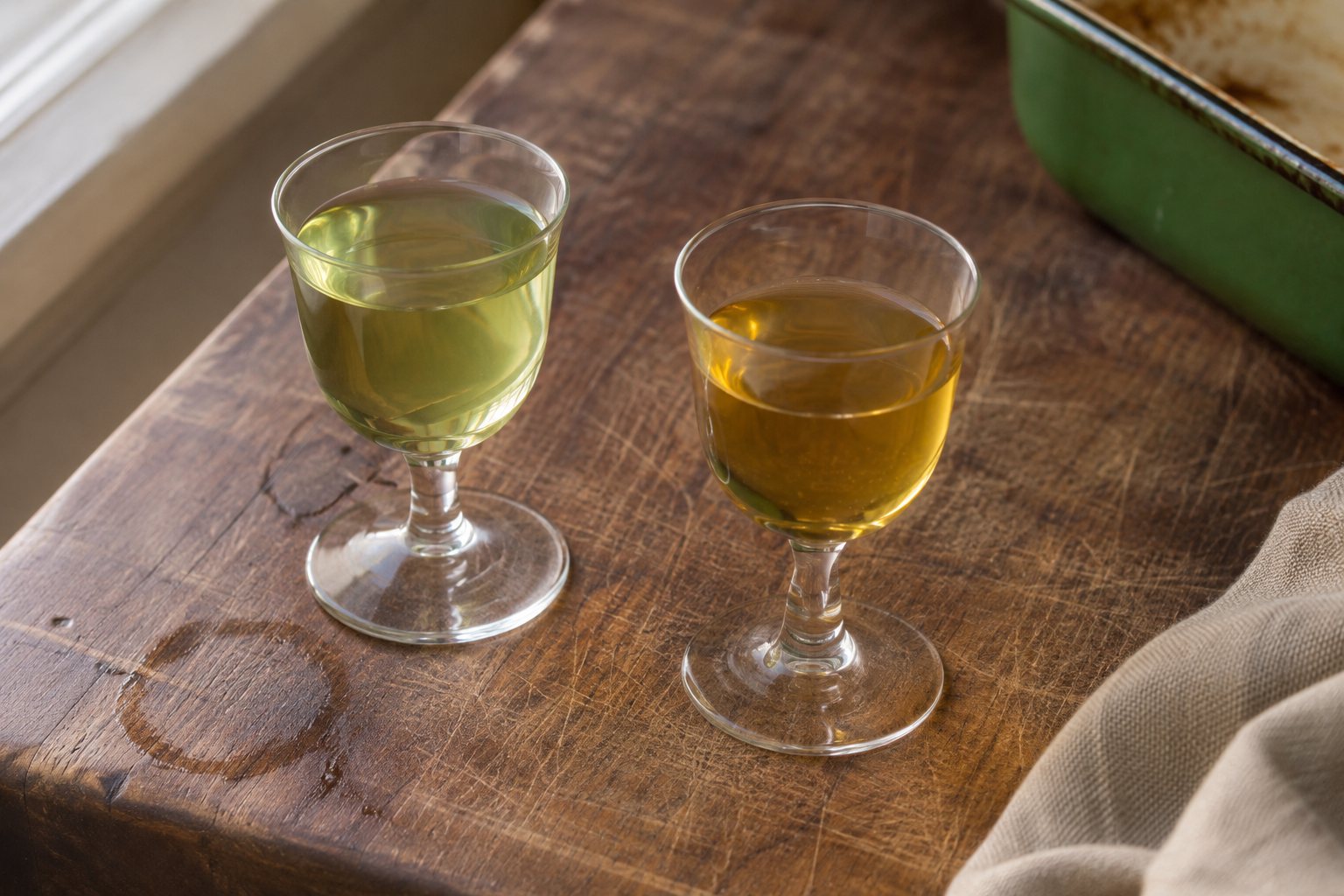
Use 1 tablespoon per 1 tablespoon of Yellow Chartreuse. The proof runs higher, 110 versus about 86, so the drink tastes hotter and drier.
Skip if: you're making a brunch cocktail or anything with cream; the bitterness will clash.
Green Chartreuse
Works for: Stirred classics, digestifs, anything needing sharp herbal punch
Skip if: You want mellow sweetness or lighter ABV
Yellow Chartreuse
Works for: Shaken citrus drinks, brunch cocktails, anything balanced and approachable
Skip if: You need bold herbal intensity or a drier finish
2 – St-Germain
St-Germain trades botanical depth for elderflower sweetness and a lighter, more fragrant profile. It works in shaken drinks with citrus or sparkling wine, anywhere Yellow Chartreuse's honey notes matter more than its herbal backbone.
Use 1 tablespoon per 1 tablespoon of Yellow Chartreuse. If you're also short on St-Germain, St-Germain liqueur substitutes can help with floral balance.
The sweetness runs higher, so cut back on simple syrup or add a squeeze of lemon to keep the drink from tipping sugary. Skip if: the recipe needs herbal complexity or a finish with any bitterness.
3 – Benedictine
Benedictine delivers honeyed warmth with saffron, clove, and citrus peel instead of the bright herbal snap Yellow Chartreuse brings. The texture runs thicker, and the finish leans into baking spices rather than garden herbs.
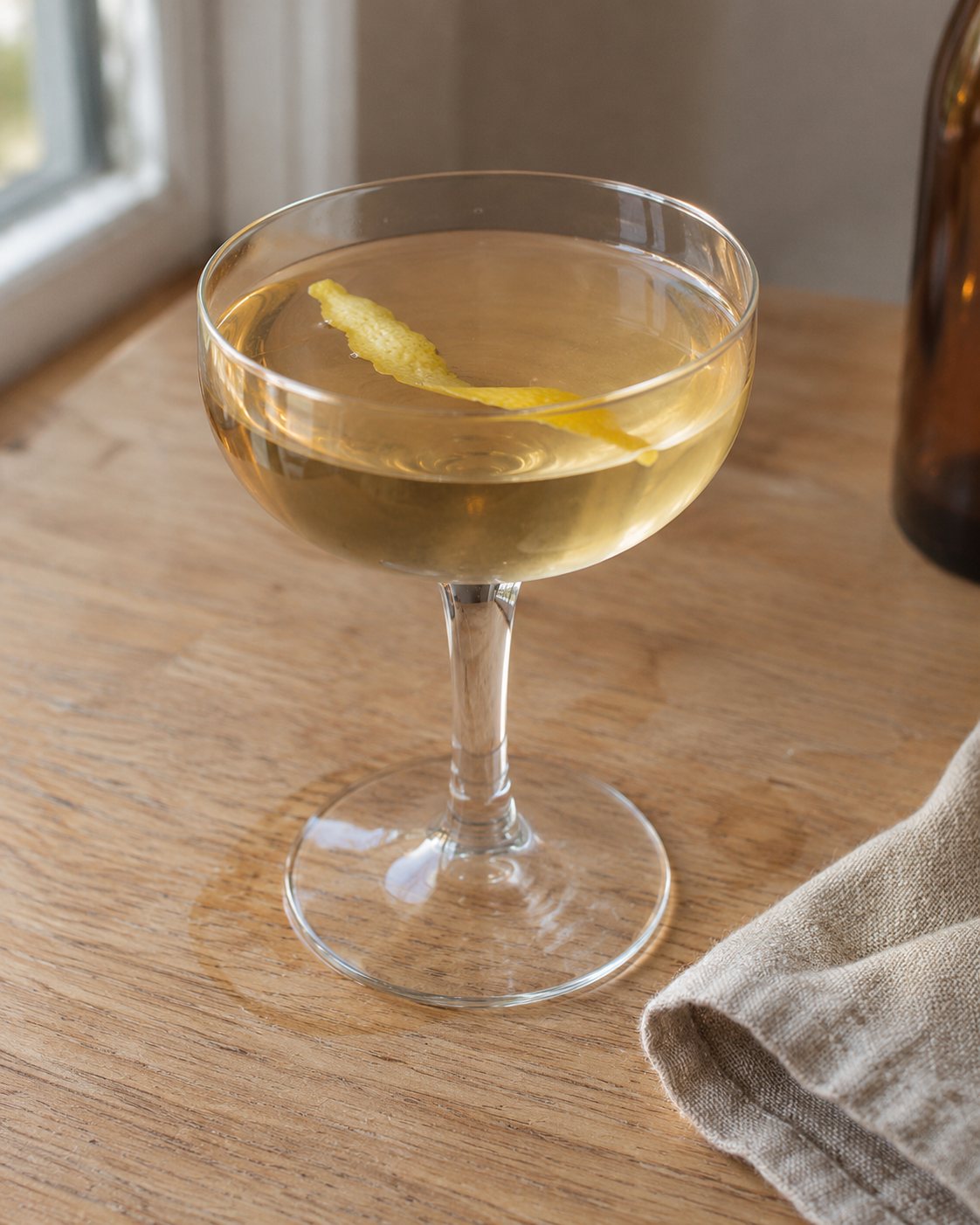
Use 1 tablespoon per 1 tablespoon of Yellow Chartreuse.
What to expect:
- Sweeter and rounder - more like dessert than an aperitif.
- Best in stirred drinks - like the Greenpoint (rye, sweet vermouth) or the Alaska, where its honey and spice stand in for the Yellow Chartreuse.
- Pairs with dark spirits - the spice profile mirrors barrel char better than Yellow Chartreuse's honey notes.
Skip if: you're making a light, delicate drink; the spice will overpower subtle flavors.
| Use | Ratio | Notes |
|---|---|---|
| Stirred cocktails | 1:1 | Adds warmth, cuts herbal brightness |
| Tiki drinks | 1:1 | Works with aged rum, coconut, lime |
| Shaken citrus drinks | 1:1 | Sweeter than Yellow Chartreuse, so trim the simple syrup and taste |
4 – Triple Sec
Triple Sec strips out the herbal layer entirely and replaces it with orange peel sweetness. It works in mixed drinks where Yellow Chartreuse plays a supporting role: margaritas, sidecars, or anything citrus-driven that needs a liqueur for body without competing flavors.
Use 1 tablespoon per 1 tablespoon of Yellow Chartreuse. The swap changes the drink's character completely: no herbal backbone, just bright orange and sugar.
Add a pinch of fresh thyme or a basil leaf to bridge the gap if the recipe calls for Yellow Chartreuse's botanical depth. Skip if: the drink relies on herbal complexity or you're making a classic that expects Chartreuse's specific flavor.
5 – Herbal Syrup
Homemade herbal syrup lets you control the flavor and cut the alcohol content without losing the botanical backbone. Mix equal parts sugar and water, simmer with fresh thyme, rosemary, and mint, then cool and add a splash of vodka if you want it to keep a little longer.
Use 1 tablespoon herbal syrup plus 1 teaspoon vodka per 1 tablespoon Yellow Chartreuse.
- Flavor control - adjust herbs to match your recipe (more thyme for savory, more mint for bright drinks).
- Lower ABV - works for daytime cocktails or when you want the flavor without the kick.
- Shelf life - keep it in the fridge and use it within about a week; the vodka may stretch that a little, but toss it if it turns cloudy or smells sour.
- Best for mocktails - skip the vodka and use the syrup alone for zero-proof drinks.
Skip if: you need the alcoholic strength of Yellow Chartreuse or don't have time to simmer and cool a batch.
How to Choose a Yellow Chartreuse Substitute
The right swap depends on whether your drink leans citrus-forward or spirit-driven. For anything shaken with lime or grapefruit, St-Germain or Triple Sec keeps the brightness without adding too much herbal weight.
For stirred classics or digestifs, Green Chartreuse or Benedictine holds the intensity and complexity Yellow Chartreuse brings.
- Closest match - Green Chartreuse, same herbal depth
- Easiest grab - Triple Sec, works in citrus drinks
- Lower ABV option - Herbal syrup, customizable intensity
One bottle is not on the ranked list but worth knowing: Strega, an Italian herbal liqueur colored yellow by saffron and sold at about 40% alcohol. It tastes of mint, saffron, anise and white pepper, so it shifts a Naked and Famous or Greenpoint toward mint.
Frequently Asked Questions
Yes, but the drink will taste sharper and less sweet, so cut the Green Chartreuse to ½ ounce and add ¼ ounce simple syrup to balance the herbal intensity. A classic Last Word already calls for Green, so it needs no swap.
Benedictine works better than Green Chartreuse in cakes or glazes because the honeyed warmth complements butter and sugar without adding bitterness. Use the same amount and reduce added sugar by about 1 tablespoon per ¼ cup of liqueur, then taste.
No, St-Germain is floral and fruity with no herbal depth. It works in drinks where Yellow Chartreuse plays a supporting role, but it won't replicate the botanical complexity.
Yes, combine 1 cup simple syrup, 2 tablespoons vodka, 1 tablespoon fresh thyme, 1 teaspoon fresh rosemary, and ½ teaspoon lemon zest. Simmer 10 minutes, cool, and strain.
Benedictine is the easiest swap: its honey and spice pair well with Cognac and lemon. Use the same amount, trim the simple syrup a little, and keep the dash of Angostura bitters the recipe already has.



