
Most people reach for sport peppers without thinking twice, then struggle to explain what exactly they're grabbing.
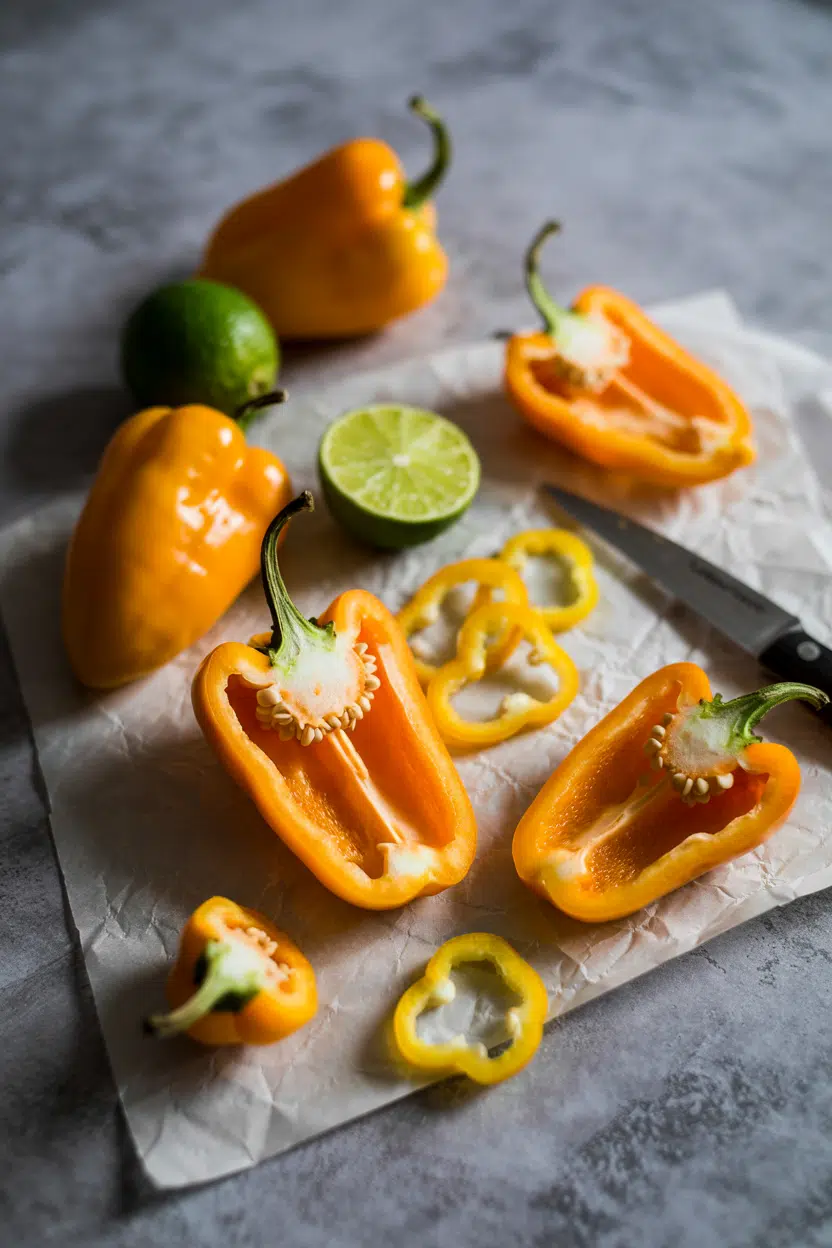
They're not fresh chiles, not standard hot sauce, and not quite the same as the taste of cherry pepper you'd find in a produce aisle.
Sport peppers are small, pickled hot cherry peppers sold in jars - a condiment with a sharp vinegar edge and a quick, clean heat that cuts through rich food fast.
If you've ever swapped in something milder and wondered why it didn't land, understanding cherry pepper swaps that work starts with knowing what you're replacing.
Sport peppers are small pickled cherry peppers with a bright vinegar tang, mild-to-moderate heat, and a crisp bite. They're a regional condiment from Buffalo, New York, used most on sandwiches, pizza, and antipasto - anywhere you need acid and heat together.
What Is Sport Peppers?
Sport peppers are small pickled cherry peppers preserved in a vinegar-based brine, typically sold whole in glass jars.
Remember it later
Planning to try this recipe soon? Save it for a quick find later!
They belong to the pickled hot pepper category alongside giardiniera and pepperoncini, though they're distinctly associated with Western New York's deli and pizzeria culture.
The pepper itself is a cherry pepper variety - round, thin-walled, and small enough to eat in one or two bites. Pickling is the only form you'll find them in commercially; there's no fresh-market equivalent sold under this name.
They go by several names depending on who's selling them:
- 🫙 Buffalo sport peppers - the regional name used by Western New York brands
- Pickled cherry peppers - the generic descriptor used elsewhere in the country
- Sport chiles - less common, sometimes used in specialty food catalogs
- Sportpeppers or sport pepper - frequent misspellings that still pull up the same product
Buffalo-area delis and pizzerias typically stock jars behind the counter or on condiment tables. Outside the region, they appear in Italian-American grocery sections or specialty food stores.
The brine they're packed in - sharp, salty, vinegar-heavy - is itself a useful ingredient, worth saving after the peppers are gone.
What Does Sport Peppers Taste Like?
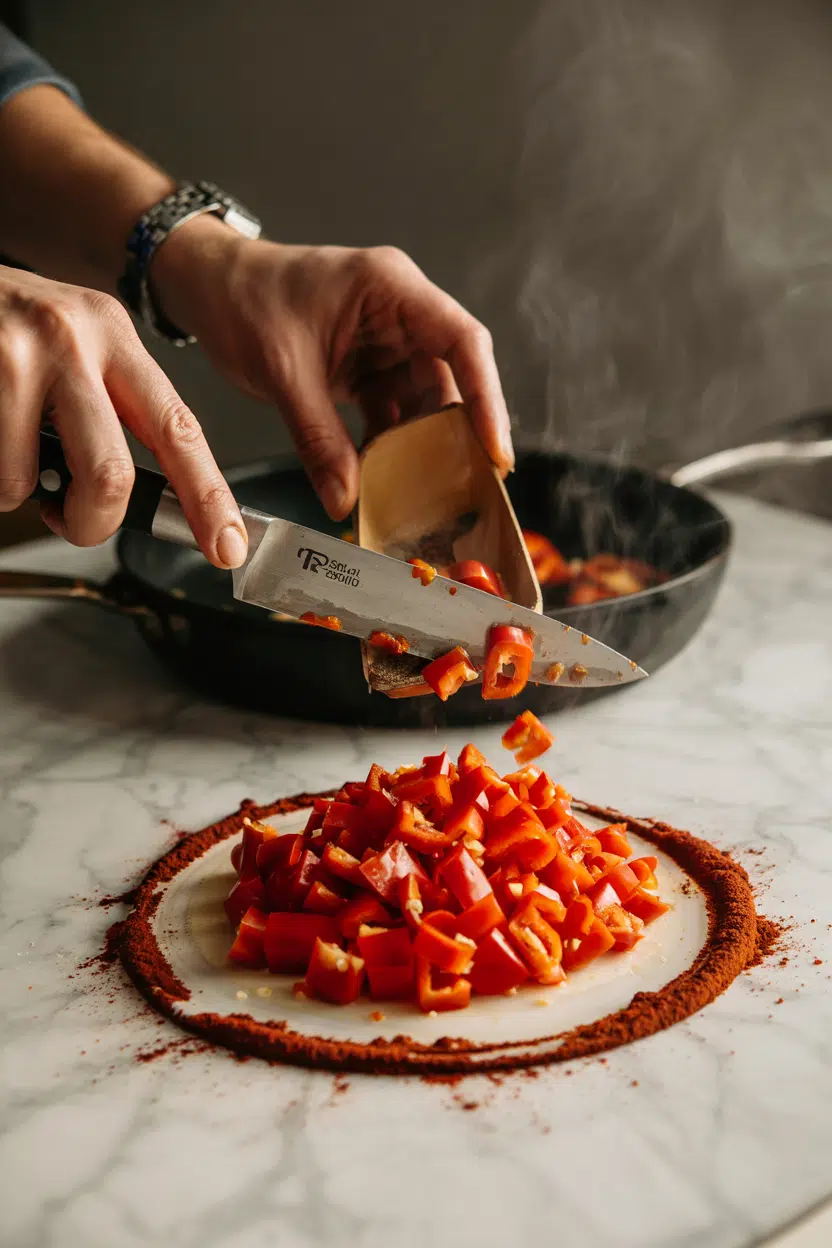
Sport peppers lead with bright, punchy vinegar - more acidic upfront than most pickled cherry peppers you'd find under a generic label. The cherry pepper flesh underneath is slightly sweet, which keeps the flavor from tipping into pure sourness.
Heat is present but not overwhelming. Capsaicin kicks in quickly and fades at the same pace, leaving a clean finish rather than a lingering burn.
That quick-heat profile is part of why they work so well as a topping rather than a cooking ingredient.
Compared to pepperoncini, sport peppers are noticeably more vinegar-forward and run slightly hotter. Pepperoncini tend to be milder and slightly fruitier - understanding the role pepperoncini plays in Italian-American cooking helps clarify why the two aren't always interchangeable.
Sport peppers hit harder on both acid and heat.
How to Use Sport Peppers
Sport peppers function as a condiment, not a cooking ingredient. Most of the time, they go straight from the jar to the plate.
That's how Buffalo delis use them - placed whole alongside Beef on Weck sandwiches so each bite gets a sharp, briny contrast to the slow-roasted beef and horseradish.
On Buffalo-style pizza, they're dropped whole onto slices just before serving, adding acid that cuts through cheese and tomato sauce without softening the crust.
Both applications rely on the vinegar staying sharp, which is why you add them after heat rather than during cooking.
Beyond their home region, sport peppers fit anywhere you'd use pickled peppers for contrast:
- Antipasto and cold salads - chop and toss into pasta salads or antipasto spreads alongside cured meats and olives
- Subs and hot sandwiches - layer whole or sliced to cut the fat in pork, sausage, or meatball sandwiches
- Vinaigrettes - chop finely and whisk into olive oil with a splash of the brine for instant tang
- Charcuterie boards - serve alongside mozzarella, salami, and prosciutto as an acidic counterpoint
- Bloody Marys and savory cocktails - use as a garnish or drop one in for slow-building heat
For sport peppers swaps that work when you run out, pickled cherry peppers or a mix of pepperoncini and extra brine get close - though the vinegar punch won't be identical.
Similarly, if you find yourself without pepperoncini, our guide to replacements for pepperoncini covers options with a comparable acidic profile.
How to Buy and Store Sport Peppers
Good jars are easy to read at a glance. Clear, unclouded brine is the first sign of a quality pack - cloudiness can indicate age or fermentation drift.
Peppers should be uniformly colored (bright red or green depending on variety) and hold their shape without collapsed or wrinkled skins.
For storage, keep sealed jars in a cool, dark pantry. Once opened, refrigerate in the original brine and press the peppers down so liquid covers them entirely - exposure to air softens the flesh faster and dulls the brine.
Unopened jars hold well for many months to a year. After opening, use within 2-3 months for the best texture.
A full breakdown of keeping sport peppers fresh covers edge cases like partially submerged peppers and brine replacement.
Where Sport Peppers Fit
Sport peppers aren't an everyday pantry staple for most cooks - they're a precision condiment for specific jobs. Start here:
If you're making Beef on Weck or any roast beef sandwich with horseradish, put them on the plate whole. Don't skip that step.
The vinegar tension against the beef fat is the point.
If you're building a charcuterie board or antipasto and want heat without hot sauce, reach for these instead of fresh chiles.
They bring acid and heat in one ingredient.
And if the brine-forward flavor of sport peppers is new to you, note that the same principle - using pickled pepper acidity as a condiment - is central to the role pepperoncini plays across Italian-American cooking.
Frequently Asked Questions
Mild to moderate. The heat comes on quickly and fades fast, without the slow build of hotter pickled peppers. Most people who handle jalapeños comfortably will find sport peppers manageable.
Sport peppers are noticeably more vinegar-forward and slightly hotter than pepperoncini. Pepperoncini have a milder, fruitier taste and softer flesh; sport peppers hold their shape better and hit harder on acid.
Buffalo-area delis, Italian-American grocery stores, and specialty food retailers carry them. Outside the region, search online for Buffalo-brand jars or substitute with pickled cherry peppers from a standard grocery store.
Refrigerate in the original brine with peppers fully submerged. Use within 2-3 months for best texture; peppers left partly exposed to air soften faster and lose their crisp snap.
Yes - pack fresh small cherry peppers into sterilized jars with a white vinegar and salt brine, then refrigerate for at least a week. The result won't be identical to commercial jars but gets close in flavor profile.



