
Tucked into an Italian sub alongside provolone and salami - or scattered across a Greek salad with feta and olives - pepperoncini show up wherever a dish needs brightness without serious heat.

These small, pale-green to yellow pickled peppers carry a tangy punch that's unmistakably their own, and understanding what they do in a dish helps you use them well.
They pair easily with provolone cheese stand-ins when building a charcuterie spread, and they belong just as naturally on an antipasti board - the differences between antipasti vs antipasto matter less than knowing which peppers to reach for.
Pepperoncini are small pickled chili peppers from the Mediterranean with a mild, tangy, slightly brassy flavor. Sold almost exclusively jarred in the U.S., they're used as a condiment, salad topper, or sandwich ingredient. Low in calories, high in sodium, and easy to use straight from the jar.
What Is pepperoncini?
Pepperoncini originated in Italy and Greece, where the fresh version - called friggitello - is thin-walled, mild, and often pan-fried or roasted whole.
Remember it later
Planning to try this recipe soon? Save it for a quick find later!
In the U.S., the name almost always refers to the jarred pickled version: small, wrinkled peppers measuring roughly 2-3 inches, pale green to yellow in color, and submerged in a vinegar-forward brine.
They belong to the Capsicum annuum species, the same broad family as bell peppers and jalapeños, though they sit at the mild end of the heat spectrum.
On the Scoville scale, pepperoncini typically register 100-500 SHU - far below jalapeños and even below many banana peppers.
The name is sometimes misspelled "pepperoni-chi" or confused with the cured meat pepperoni, which is unrelated.
You may also see them labeled sweet pepperoncini on jar labels, signaling that the focus is on the tangy brine character rather than any significant spice.
- 🇮🇹 Italian name - friggitello refers to the fresh, pan-fry-ready pepper
- 🇬🇷 Greek use - whole pickled pepperoncini are a standard meze and salad component
- 🏷️ U.S. market - sold jarred by brands like Mezzetta and Vlasic, whole or sliced
What Does pepperoncini Taste Like?
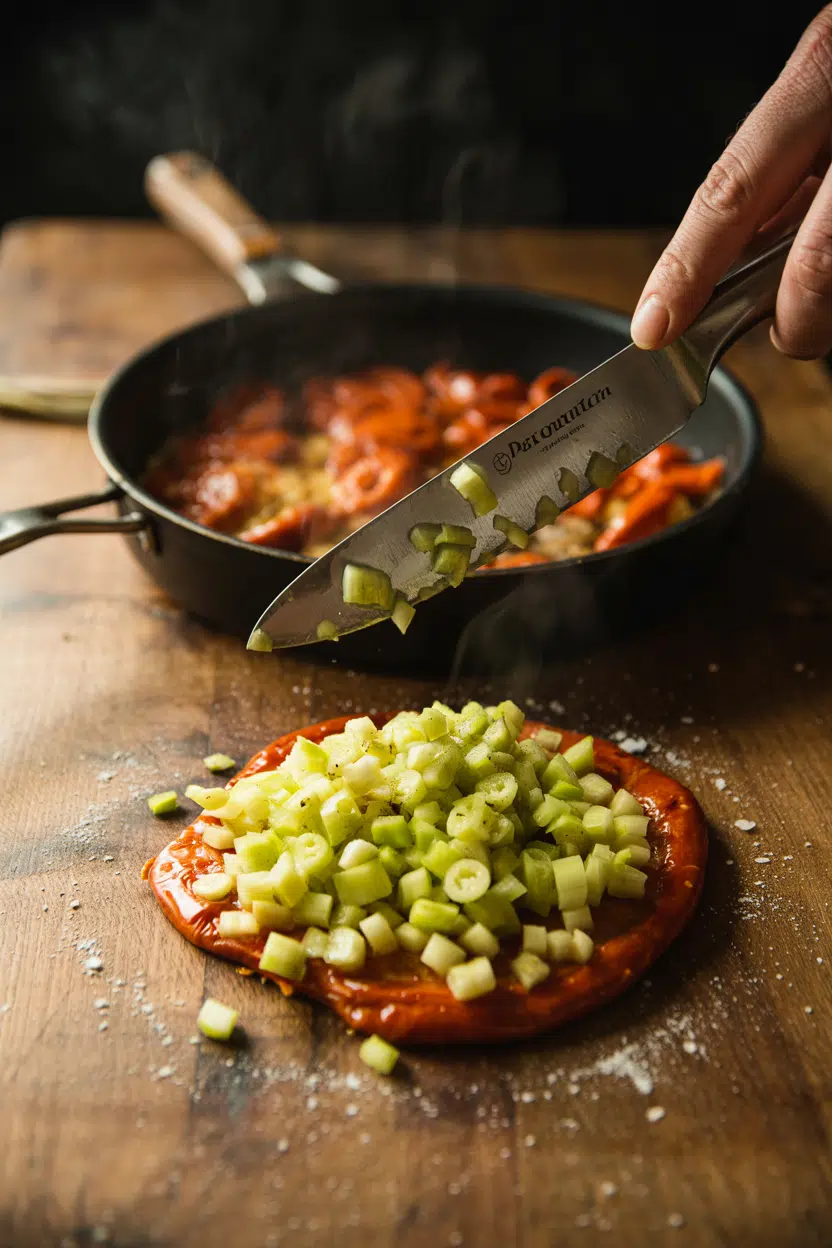
Briny acidity is the first thing you notice - the pickling brine leads, sharp and vinegary. Behind it sits a mild, green-pepper sweetness and a gentle warmth that builds slowly rather than hitting up front.
Compared to banana peppers, pepperoncini taste brighter and less sweet - banana peppers lean sugary and soft, while pepperoncini hold more tang and a firmer bite.
If you're sourcing alternatives for either, knowing alternatives to banana pepper helps clarify where each one fits in a recipe.
The flavor shifts with preparation. Straight from the jar, the vinegar is pronounced.
Sautéed briefly, the acidity softens and the pepper's natural sweetness comes forward. Roasted, they turn mellow and slightly caramelized - barely recognizable as the same ingredient.
How to Use pepperoncini
Pepperoncini are most at home in Italian-American and Greek cooking, where they function as both a condiment and an ingredient.
They require zero prep straight from the jar, which makes them one of the most practical pantry items for building flavor fast.
| Method | Best For | Tip |
|---|---|---|
| 🥗 Straight from jar | Subs, antipasti boards, Greek salads, pizza topping | Drain briefly; add after cooking to keep crunch |
| 🍳 Sautéed | Pasta sauces, grain bowls, egg dishes | Cook 2-3 minutes only - longer dulls the tang |
| 🔥 Roasted | Sheet pan vegetables, roasted chicken | Remove tops; high heat caramelizes the flesh |
| 🥘 Braised | Slow-cooked meats, tomato-based sauces | Add whole; they dissolve into gentle background heat |
Their classic pairings run through salty, fatty, or acidic companions: feta and olives, provolone and salami, roasted red peppers, cucumber and tomato, olive oil and oregano.
They cut through the richness of mayonnaise in a sandwich and sharpen a simple olive oil dressing without overwhelming it.
For dishes where pepperoncini are central, you may find alternatives to pepperoncini useful when the jar runs out mid-recipe. Chopped pepperoncini also work well folded into giardiniera-style relishes or stirred through a pasta salad alongside artichoke hearts and sun-dried tomatoes.
Avoid pairing them with sweet custards or fruit compotes - the vinegar fights the sweetness and neither wins.
How to Buy and Store pepperoncini
Look for jars where the brine is pale and mostly clear - slight cloudiness is normal, but murky or heavily clouded liquid can signal age or poor storage.
The peppers themselves should be pale green to yellow, pliable but not soft, with no signs of mush at the stem end.
For fresh friggitelli, choose firm, glossy, thin-walled peppers with few blemishes - use them within 5-7 days refrigerated.
Storage details for the jarred version matter more in practice: unopened jars keep for years in a cool pantry; once opened, keep them submerged in brine with a tight lid and refrigerate.
For a full breakdown of timelines and signs of spoilage, keeping pepperoncini fresh covers the specifics.
A common pairing on antipasti boards is pepperoncini alongside feta - and if you're planning ahead, knowing how long feta keeps helps you time both components.
Start Here
If you're new to pepperoncini, open the jar and taste one whole - that's the fastest way to understand what they bring to a dish.
From there, try them in a sub or a simple Greek salad before experimenting with cooking methods.
- 🥪 First use - tuck whole or sliced into a sandwich with provolone and salami
- 🥗 Second use - scatter over a salad with feta, olives, and cucumber
- 🍳 Next step - sauté briefly and fold into scrambled eggs or a grain bowl
- 🥄 Don't waste the brine - use it as a vinaigrette base or marinade acid
One jar goes a long way. They're low-commitment, high-return.
Frequently Asked Questions
Mildly. They register 100-500 SHU on the Scoville scale, which puts them at the very low end of chili heat. Most people notice a gentle warmth rather than any burning sensation.
Banana peppers are sweeter and milder with a smoother skin; pepperoncini are tangier, slightly more wrinkled, and carry a brighter vinegar note when pickled. They're interchangeable in many recipes, but pepperoncini bring more acidity.
Yes, they're safe to eat. The seeds carry a small amount of additional heat, so removing them gives a slightly milder result - though for most people the difference is negligible.
Add them whole or sliced directly to the salad just before serving. In a Greek salad, two or three whole peppers per serving is standard alongside feta and olives.
Completely safe, and useful. The brine works as a vinegar substitute in dressings, marinades, or cocktails. Its sodium content is high, so account for that when seasoning the rest of the dish.



