
Graham crackers might be the most recognized product in American baking, but the flour behind them rarely gets its own moment -

even though all purpose flour in grain dishes and graham cracker in grain dishes come up constantly as swaps when it's not on hand. Graham flour is a coarsely milled whole-wheat flour with a character all its own: tan, speckled with bran, and built for rustic baking where a fine, powdery crumb would miss the point entirely.
Graham flour is a coarsely ground whole-wheat flour milled from the entire wheat kernel. It has a toasty, mildly nutty flavor with a slight cracker-like sweetness. Best in cookies, cracker crusts, and quick breads. Shorter shelf life than refined flours due to its bran and germ content.
What Is graham flour?
Graham flour takes its name from Sylvester Graham, a 19th-century American dietary reformer who advocated for unrefined whole grains at a time when white flour was increasingly the norm.
Remember it later
Planning to try this recipe soon? Save it for a quick find later!
His influence seeded what became a small but distinct category of American baking ingredients.
The flour itself is milled from the entire wheat kernel - bran, germ, and endosperm - but what separates it from standard whole-wheat flour is the milling method.
Rather than grinding all three components together into a uniform powder, graham flour mills the endosperm finely and the bran and germ more coarsely, then recombines them.
This produces a tan, speckled flour with a visibly gritty texture you won't see in finely milled whole-wheat alternatives. It goes by several names depending on the brand or region:
- 🌾 Graham meal - common in older American recipes; typically the coarsest grind
- Graham-wheat flour - a more descriptive label found on specialty bags
- Graham wheat - used interchangeably in some New England baking traditions
Because the germ is retained, graham flour carries a higher natural oil content than refined flours - a detail that matters more for storage than for flavor.
If you've ever swapped out bread flour or considered swapping out self rising flour in a hearty bake, graham flour occupies a similar substitution space but brings more textural character than either.
What Does graham flour Taste Like?
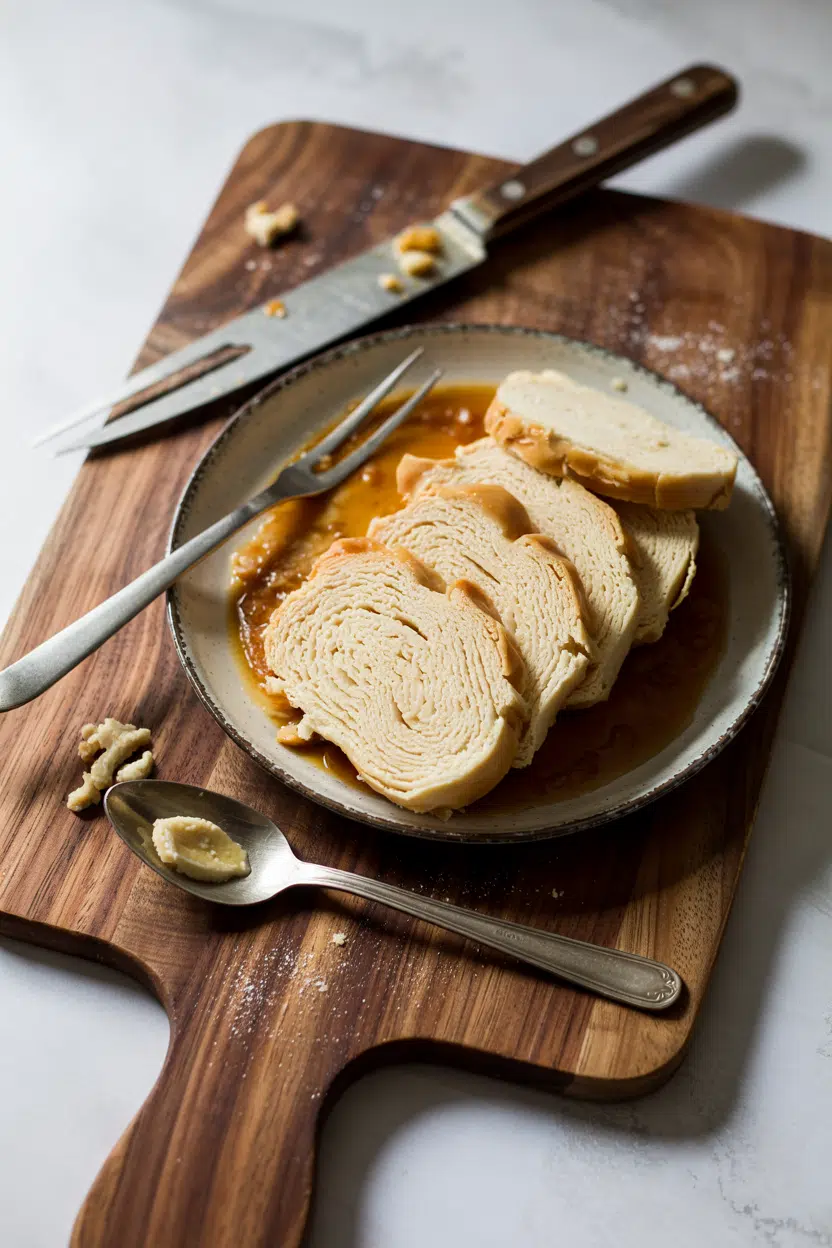
Graham flour tastes closer to a whole-wheat cracker than to bread.
The bran brings a mild earthiness and a very faint bitter edge, while the germ contributes a nutty warmth that standard whole-wheat flour doesn't quite replicate at the same coarseness.
Heat sharpens those toasty grain notes noticeably. Baked goods made with graham flour tend to smell richer coming out of the oven than they do in the raw dough stage.
Compared to all-purpose flour, the difference is pronounced - graham is grittier, less neutral, and more assertive in recipes where you use more than a quarter cup.
Against standard whole-wheat flour, the gap narrows, though graham skews slightly drier and more cracker-forward rather than bready.
For a full breakdown of graham cracker and its flavor, it's useful context for understanding what the flour is trying to achieve in baked form.
How to Use graham flour
Graham flour performs best when paired with finer flours rather than used alone. On its own, it produces a dense, crumbly result that works for crackers but falls flat in most quick breads or muffins.
A blend of 25-40% graham flour with all-purpose or bread flour gives structure without sacrificing lift.
| Method | Best For | Tip |
|---|---|---|
| 🍪 Baking (pure) | Graham crackers, cracker-style cookies | Keep fat content high to offset the dry bran |
| 🥧 Blended baking | Muffins, quick breads, pancakes, waffles | Replace no more than 40% of the finer flour |
| 🥣 Crumbling | Streusel toppings, cobbler crusts | Mix with cold butter and brown sugar for best texture |
| 🍳 Coating | Breaded fish or chicken with spice mix | Combine with breadcrumbs for even browning |
| 🔥 Toasting dry | Deepening aroma before adding to no-bake crusts | Toast in a dry pan over medium heat, 3-4 minutes max |
Butter, brown sugar, and cinnamon are its closest allies. Those pairings reinforce the natural cracker sweetness of the flour and show up together in classic graham cracker crust recipes for cheesecakes and cream pies. Molasses or honey can substitute for refined sugar and push the flavor in a richer, slightly darker direction.
Buttermilk or sour cream helps tenderize quick breads made with graham flour, counteracting the bran's tendency to tighten the crumb. Chopped pecans or walnuts mixed into a graham-flour batter add compatible nuttiness without competing.
For pancakes, blending graham flour with a lighter flour produces a breakfast stack with a wheaty depth - similar in spirit to the approach used in besan flour pancakes recipe, where a denser flour carries the flavor and structure while a finer one keeps the texture open.
How to Buy and Store graham flour
Look for bags with a uniform tan color and visible bran specks throughout. Clumping or dark smudges inside the bag indicate moisture exposure - skip those.
The label's grind description matters: "meal" or "coarse" suits cracker crusts and toppings, while a slightly finer grind works better in quick breads where a gritty crumb would be noticeable.
Storage method depends on how often you bake with it:
- Pantry - Keep sealed in an airtight container away from heat and light; good for about 2-3 months
- Refrigerator - Extends shelf life to roughly 6 months; best for moderate bakers who restock every few weeks
- Freezer - The longest option; [freezing graham flour](https://forkliftkitchen.com/graham-flour-shelf-life/) in a sealed bag keeps it stable for up to 12 months without flavor loss
Bring refrigerated or frozen flour to room temperature before measuring - cold flour can affect hydration in sensitive recipes.
Start With the Crust
If you're new to baking with graham flour, a no-bake cheesecake crust is the lowest-friction entry point.
Mix it with melted butter and brown sugar, press into a pan, and you'll see exactly what the flour does - a crumbly, lightly sweet base with real grain character that store-bought cracker crumbs can't replicate.
From there, try replacing 30% of the flour in your next muffin batch.
If you want to explore other flour options, the guide to alternatives to whole wheat flour is a useful reference for mapping where graham flour sits in the broader grain landscape.
Frequently Asked Questions
It's milled from the entire wheat kernel - bran, germ, and endosperm. What makes it distinct from standard whole-wheat flour is the method: the endosperm is ground fine while the bran and germ are milled coarser, then recombined.
Yes, in most hearty baked goods. Graham flour is coarser, so expect a slightly grittier crumb and drier feel. Adding a tablespoon of extra liquid per cup used helps compensate.
No added sugar. The mild sweetness comes from the natural starches in the wheat endosperm, which read as faintly cracker-like. Commercial graham crackers add sugar separately.
No. Graham cracker crumbs are crushed finished crackers - already sweetened and baked. Graham flour is the raw ingredient used to make those crackers, with no added sugar or fat.
The retained wheat germ contains natural oils that oxidize over time. All-purpose flour has the germ removed, which dramatically extends its pantry life. Refrigerating or freezing graham flour slows that oxidation significantly.



