
You grab the container mid-stir and there's not enough whole wheat flour to finish the bread dough. The recipe calls for the weight and chew it brings, not just the name on the bag.
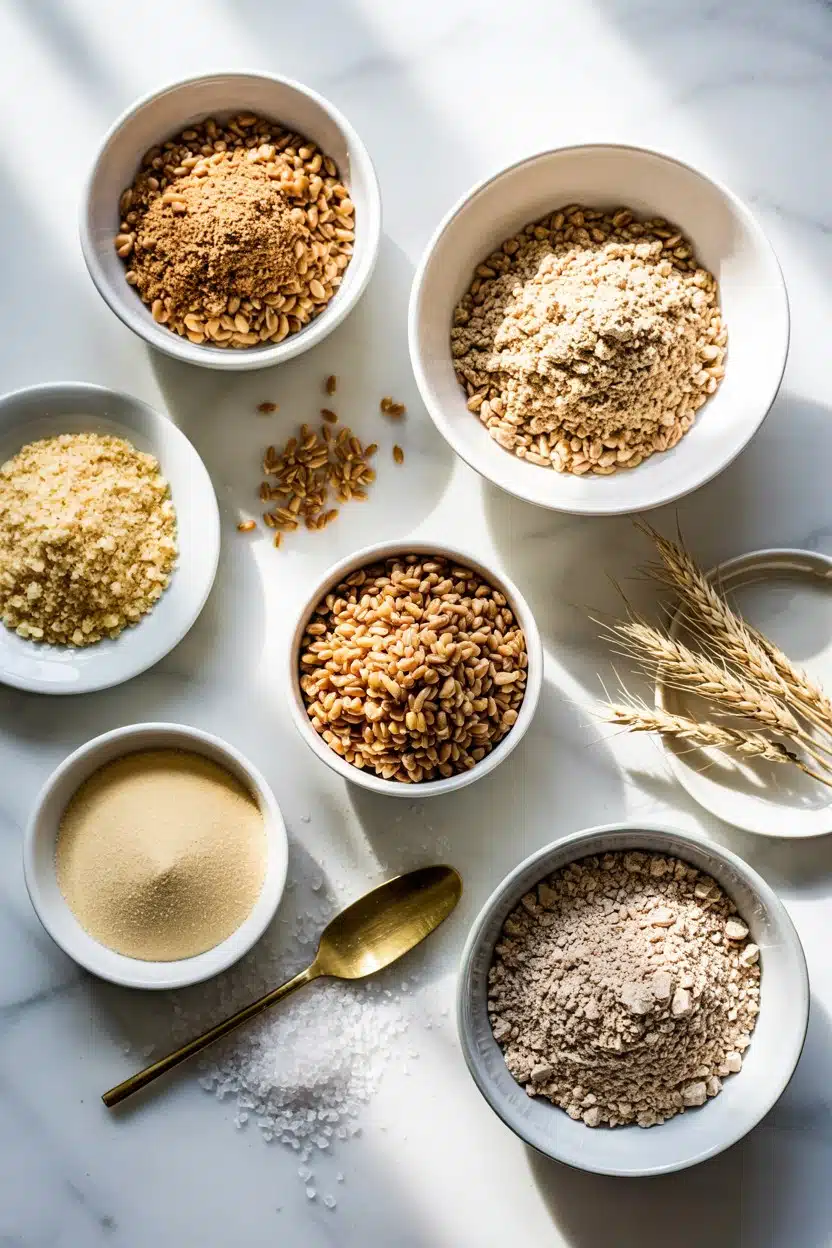
The best substitute depends on what the flour does in your recipe-structure, flavor, or both. Breads need gluten strength, muffins want tenderness, and pancakes fall somewhere in between.
Each substitute below fills the role of whole wheat flour in a slightly different way.
| # | Substitute | Best For | Ratio | Key Note |
|---|---|---|---|---|
| 1 | All-Purpose Flour | ✨ Both | 1:1 | Milder, lighter texture |
| 2 | Spelt Flour | 🥧 Baking | 1:1 | Slightly sweet, nutty |
| 3 | Rye Flour | 🥧 Baking | 1:1 | Earthy, denser crumb |
| 4 | Oat Flour | 🥧 Baking | 1:1 | Mildly sweet, tender |
| 5 | Barley Flour | 🥧 Baking | 1:1 | Subtle sweetness, light |
| 6 | Almond Flour | 🌱 Gluten-Free | ¾ cup per 1 cup | Rich, moist, nutty |
| 7 | Wheat Pastry Flour | 🥧 Baking | 1:1 | Tender, less dense |
All-purpose flour and spelt flour are top substitutes depending on whether texture or flavor is key. Prioritize gluten strength for breads and tenderness for muffins. Adjust liquid slightly when swapping to maintain dough consistency.
7 Smart Whole Wheat Flour Swaps When You're Out
These substitutes range from pantry staples to specialty options. Pick based on the dish and what's on hand-the table above shows the fastest swaps.
Remember it later
Planning to try this recipe soon? Save it for a quick find later!
1 - All-Purpose Flour
White flour trades the bran and germ for a lighter crumb. Cookies spread more, breads rise higher, and the nutty flavor disappears.
Use it straight across-1 cup replaces 1 cup. Expect a softer texture and milder taste, which works well in cakes and quick breads where you don't want heaviness.
If white flour doesn't fit your pantry either, what to use for All-purpose Flour covers refined and whole-grain options.
Skip if: You need high fiber or whole grain flavor.
All-Purpose Flour
Works for: Tender baked goods and smooth batters
Skip if: You want nutty flavor or extra fiber
Whole Wheat Flour
Works for: Dense breads and hearty muffins
Skip if: You need a light, airy texture
2 - Spelt Flour
Spelt reads lighter than whole wheat but keeps a nutty undertone. The gluten structure is more delicate, so breads turn out tender rather than chewy.
Swap 1:1 in muffins, scones, or sandwich loaves. If dough feels sticky, reduce liquid by a tablespoon or two-spelt absorbs water faster than expected.
Missing spelt as well? Try easy Spelt Flour swaps that work for texture-matched alternatives.
Skip if: The recipe requires gluten-free flours.
3 - Rye Flour
Rye flour leans earthy and slightly sour, which makes white sandwich bread taste off but pumpernickel or rye loaves shine. The crumb stays tight and moist.
Use 1 cup rye for every 1 cup whole wheat. Expect a heavier result, so pair it with a recipe that already calls for molasses, caraway, or other bold flavors.
- Adds density - Rye bread is always heavier than wheat.
- Darker color - Crumb turns grayish-brown.
- Less gluten - Dough won't rise as high, so use lower pans.
Out of rye too? Check Rye Flour swaps by recipe type for firm-texture alternatives.
Skip if: A light texture or sweet flavor is the goal.
4 - Oat Flour
Oat flour makes pancakes and muffins soft and slightly sweet. It doesn't form gluten, so breads won't rise the way wheat does.
Blend oats into flour or buy it pre-ground. Use 1 cup for 1 cup in quick breads, waffles, or banana bread-recipes that rely on baking powder rather than yeast.
Skip if: You need a strong rise or chewy texture.
| Use | Ratio | Notes |
|---|---|---|
| Pancakes | 1:1 | Soft, slightly sweet |
| Muffins | 1:1 | Tender crumb, mild flavor |
| Yeast breads | Use 25% oat max | Needs wheat flour for structure |
5 - Barley Flour
Barley flour feels lighter than whole wheat but still carries a mild sweetness and faint nuttiness. It works in hearty breads and baking where you want a tender crumb without going full white flour.
- Swap 1:1 - Use the same amount as whole wheat.
- Mild sweetness - Pairs well with honey or molasses.
- Lighter texture - Crumb is less dense than rye or whole wheat.
- Not gluten-free - Contains gluten, so skip if allergies are a concern.
Out of barley too? Try instead of Barley Flour try these for similar whole-grain options.
Skip if: Gluten-free flour is required.
6 - Almond Flour
Almond flour brings a rich, nutty flavor and moist crumb, but it won't build structure the way wheat does. Cookies spread more, cakes stay dense, and breads don't rise.
Use ¾ cup almond flour for every 1 cup whole wheat. Add an extra egg or a tablespoon of starch to help bind the batter-almond flour doesn't hold together on its own.
Here's what to know:
- No gluten - Structure comes from eggs or binders, not the flour itself.
- Higher fat - Bakes turn out moist but heavy.
- Lower temperature - Reduce oven heat by 25°F to prevent burning.
Missing almonds as well? Check Almonds alternatives to try for nut-free or different nut options.
Skip if: A light, airy texture is required.
7 - Wheat Pastry Flour
Whole wheat pastry flour is milled from softer wheat, so it has less protein and produces a more tender crumb than regular whole wheat. It's lighter, less dense, and still offers whole grain flavor.
Use 1 cup pastry flour for 1 cup whole wheat in cookies, pie crusts, or tender muffins. For yeast breads, mix it 50/50 with bread flour to maintain structure.
Short on wheat pastry flour too? Try common Pastry Flour swaps ranked for low-protein alternatives.
Skip if: Strong gluten structure is needed.
Final Thoughts on Swapping Whole Wheat Flour
Most of these swaps work without changing the recipe much. The right choice depends on what you're making-breads need structure, pastries want tenderness, and pancakes fall somewhere in between.
Start with all-purpose flour if you want the easiest swap. For whole grain flavor, spelt or rye come closest.
- Closest match - Spelt flour for nutty flavor and lighter texture
- Easiest grab - All-purpose flour in any pantry
- Dietary option - Almond flour for gluten-free baking
Frequently Asked Questions
Yes, use a 1:1 ratio. The texture will be lighter and the flavor milder, which works well in cakes and quick breads.
No, almond flour has no gluten and won't rise like wheat. Use ¾ cup per 1 cup whole wheat and add extra eggs or starch for binding.
Spelt flour comes closest for nutty flavor and structure. Rye works if you want a denser, earthier loaf.
Yes, use a 1:1 ratio. Oat flour makes cookies softer and slightly sweeter, but they won't spread as much as with all-purpose flour.
Spelt and rye absorb more water, so reduce liquid by 1-2 tablespoons. Almond flour adds moisture, so you may need less liquid overall.
7 Best Substitutes for Whole Wheat Flour
Ingredients
Method
- Choose the substitute based on your dish's needs: breads require structure, pastries need tenderness, and pancakes balance both.
- Prepare the substitute as needed-blend oats into flour, or reduce liquid when using spelt or rye flour to avoid sticky dough.
- Apply the suggested ratios precisely: use 1:1 for most flours except almond flour which uses ¾ cup per 1 cup whole wheat flour.
- Adjust liquid content accordingly; reduce liquid by 1 to 2 tablespoons when using spelt or rye, and reduce oven temperature for almond flour.
- Mix the substitute thoroughly into your recipe to ensure even distribution and consistency.
- Perform a final check by tasting or evaluating texture; adjust or tweak liquid and binding agents as needed for best results.



