
Most people treat graham crackers as a background ingredient - the thing you crush and forget beneath a cheesecake filling.
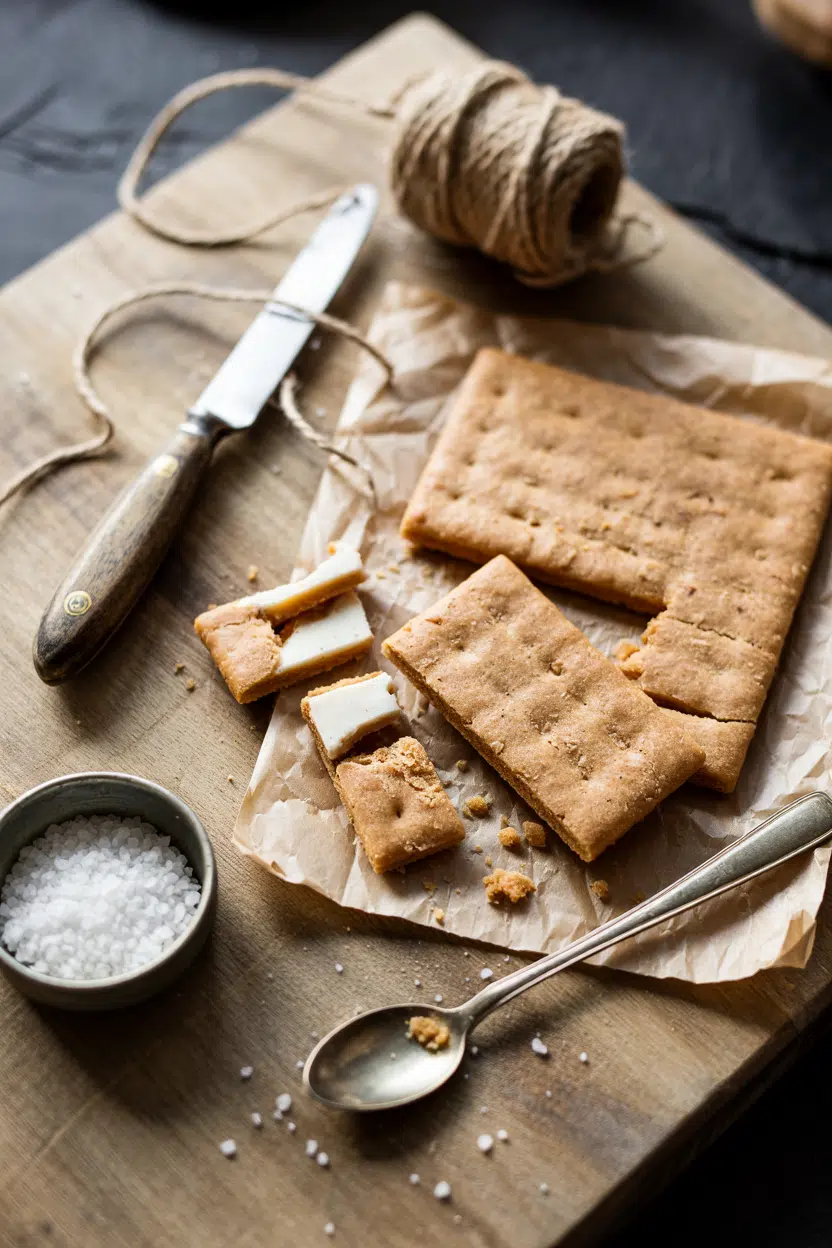
That undersells them considerably. Graham crackers carry a distinct toasty, lightly sweet character from graham flour that shapes the flavor of every crust, s'more, and icebox layer they appear in, and understanding that character helps you use them better.
If you're also thinking about pairing ideas for cheesecake, knowing what the crust brings to the table is half the work.
A slightly sweet whole-wheat cracker with toasty, honey-kissed flavor and a dry, crumbly bite. Used mostly as a crumb crust base, for s'mores, and as a snack. Mild intensity. Not gluten-free. Keeps several weeks once opened.
What Is Graham Cracker?
Graham crackers are thin, perforated sheets of sweetened whole-wheat cracker, originally developed in the United States in the 19th century.
Remember it later
Planning to try this recipe soon? Save it for a quick find later!
They take their name from Sylvester Graham, a dietary reformer who promoted whole-wheat flour as a health food - an origin story that makes them one of the few snack foods born from a wellness movement.
The key ingredient is graham flour, a coarsely ground whole-wheat flour that gives the cracker its signature nuttiness and slightly gritty crumb.
Most commercial versions sweeten the dough with honey, molasses, or cane sugar, then add a small amount of fat for structure.
You'll also see them labeled as graham wafers or graham biscuits depending on the brand or region. Flavor varieties include plain (honey), cinnamon, and chocolate, though plain remains the standard for baking applications.
- 🌾 Plain (honey) - the baseline; lightly sweet, works in any application
- 🍂 Cinnamon graham - warmer, spiced; adds character to crusts but reduces flavor control
- 🍫 Chocolate graham - richer, darker; best for brownie-adjacent desserts or campfire use
What Does Graham Cracker Taste Like?
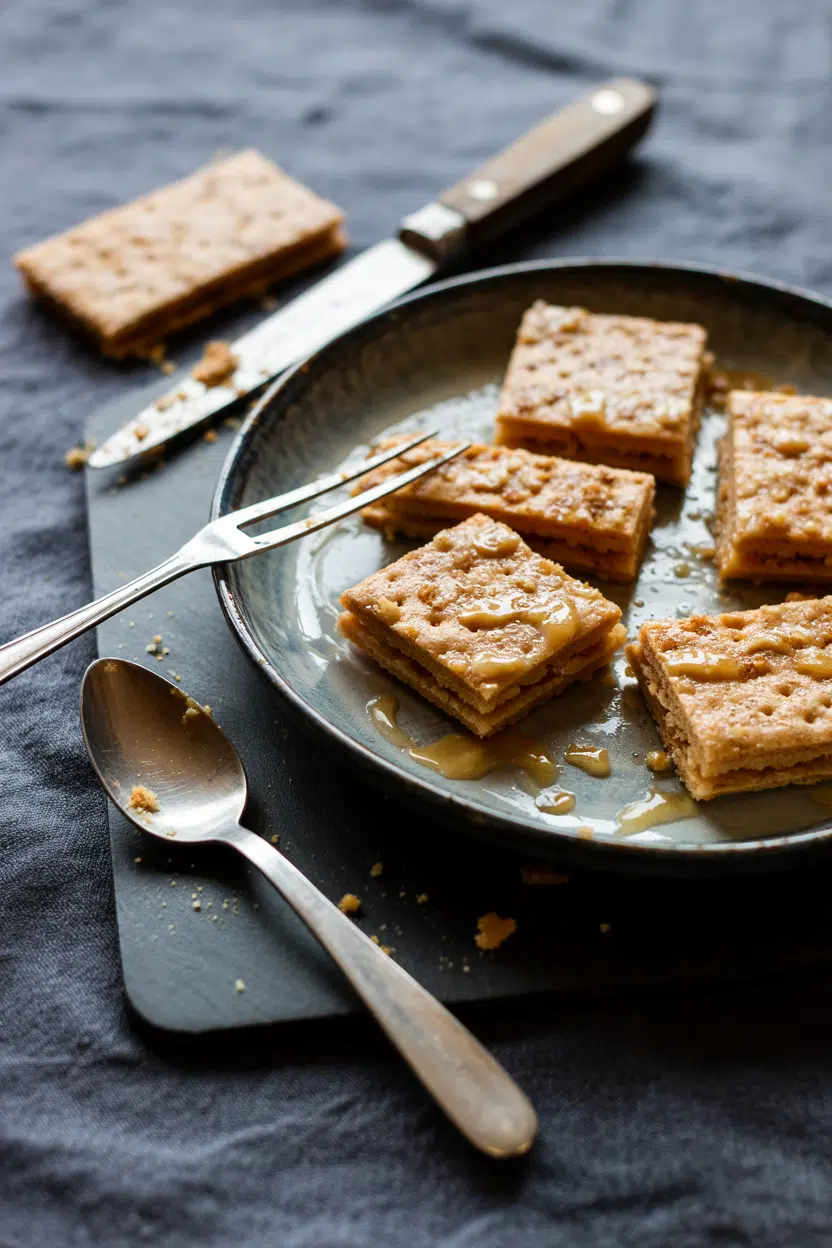
Graham crackers taste like a drier, sandier version of a mild whole-wheat biscuit - closer to a digestive biscuit in concept, though less buttery and with a coarser grain.
The sweetness is restrained, sitting somewhere between a plain cracker and a cookie.
Heat deepens the flavor noticeably. Toasted or baked into a crust with melted butter, the wheat nuttiness intensifies and the honey notes sharpen into something close to caramel at the edges.
Raw, the cracker is mild enough to act as a neutral carrier for stronger toppings.
Moisture changes everything. A graham cracker left in contact with cream, custard, or fruit for a few hours softens into a cake-like layer - which is exactly the point in icebox cakes, but a problem if you need structural crunch.
How to Use Graham Cracker
Graham cracker crumbs are the most common prep form, made by pulsing whole sheets in a food processor or crushing them in a zip-lock bag. Combined with melted butter and a little sugar, they press into a firm, cohesive crust for cheesecakes, a key lime pie recipe, and icebox-style tarts. If you need replacements for butter in the crust mix, coconut oil works well in most no-bake versions.
Whole crackers serve a different role. They're the structural layers in no-bake bars and refrigerator cakes, where they absorb moisture from fillings over time.
For s'mores, they provide both the shell and the textural contrast against soft marshmallow and chocolate.
| Method | Best For | Tip |
|---|---|---|
| 🔥 Baked Crust | Cheesecake, key lime pie, tarts | Bake 8-10 min at 325°F; press firmly before baking |
| 🥗 No-Bake Press | Chilled pies, icebox bars | Use slightly more butter for structural hold without heat |
| 🪵 Whole/Layered | S'mores, no-bake cakes, snacks | Layer with fillings 4+ hours ahead for proper softening |
| ✨ Crumbled Topping | Yogurt, ice cream, pudding | Add just before serving to keep texture |
Graham crackers pair well with cream cheese, lemon or lime curd, peanut butter, vanilla ice cream, banana slices, and both milk and dark chocolate.
These are all American home-baking staples, which reflects how thoroughly this cracker belongs to that tradition.
If you need to swap the cracker itself, there's a useful guide to swapping out graham cracker that covers digestive biscuits and similar options.
How to Buy and Store Graham Cracker
Buy whole sheets in sealed boxes with consistent light-brown coloring and no oily spots on the packaging. Avoid boxes that rattle heavily - too many broken pieces means uneven crumb texture when you grind them.
For crust-making, plain or honey varieties give you the most flavor control; heavily spiced cinnamon versions can dominate a filling.
Store in a cool, dry pantry inside an airtight container or resealed original packaging.
Humidity is the main enemy - even a loosely closed box will go stale and soft within days.
Unopened boxes last several months at room temperature; once opened, expect two to three weeks of good crispness if sealed properly.
For full storage guidance, keeping graham cracker fresh covers the details, including how to revive slightly softened crackers.
Start Here for Graham Cracker
Go with plain honey graham crackers for any baking application - they give you a neutral, wheat-sweet base and won't fight whatever filling sits above them.
If your first project is a baked cheesecake crust, note that cheesecake's shelf life also depends on how well the crust holds, so baking it before filling makes a real difference.
The molasses notes in graham flour develop naturally with heat, so even a brief bake improves any crust.
For flavored applications like s'mores or snacks, cinnamon varieties work well - just know they lead rather than follow.
Frequently Asked Questions
Graham crackers are made from graham flour (coarsely ground whole wheat), sugar or honey, a small amount of fat, and leavening. Most commercial brands also add molasses or cinnamon for depth. The whole-wheat base is what separates them from refined-flour cookies.
Not exactly. Both are whole-wheat-based and mild in sweetness, but digestive biscuits are richer, more buttery, and have a finer crumb. Graham crackers are drier and sandier, with a more pronounced honey or molasses note.
Yes - a graham cracker crust works for any chilled or baked pie that benefits from a slightly sweet, crumbly base. Key lime pie and cheesecake are the standard applications. Bake the crust before filling for better structure.
Graham crackers are less sweet and drier than most cookies. The whole-wheat flour gives them a nutty, slightly earthy quality that refined-flour cookies lack. Think of them as sitting halfway between a cracker and a cookie.
Many commercial brands include a small amount of molasses, which contributes the faint dark-sweet note in the background. It's rarely listed as a primary ingredient. If a recipe calls for [molasses swaps that work](https://forkliftkitchen.com/molasses-substitutes/), the same logic applies when adapting homemade graham cracker dough.



