We're tripling the batch for the week and there's barely enough chapati flour to make half. The flour gives flatbreads that soft, stretchy texture with just enough chew-tough to replicate exactly, but not impossible.
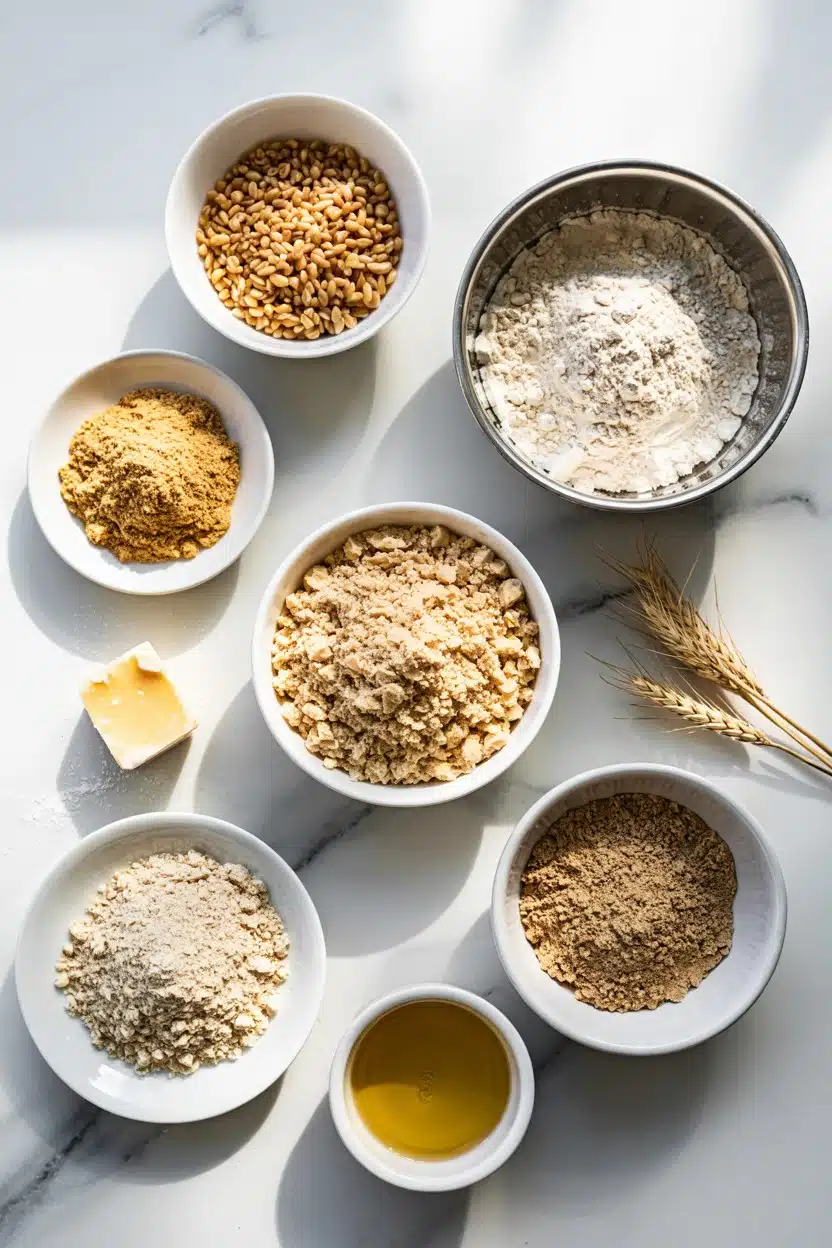
Most swaps work if you match water absorption and gluten structure first, not just flavor. Each flour below shifts texture or tenderness slightly, so test with a small batch before committing to the full recipe.
| # | Substitute | Best For | Ratio | Key Note |
|---|---|---|---|---|
| 1 | Whole Wheat Flour | ✨ Both | 1:1 | Coarser, nuttier texture |
| 2 | All-Purpose Flour | 🍳 Cooking | 1:1 | Softer, less dense |
| 3 | Bread Flour | 🍳 Cooking | 1:1 | Chewier, more elastic |
| 4 | Multigrain Flour Blend | 🍳 Cooking | 1:1 | Earthy, coarser texture |
| 5 | Semolina Flour | 🍳 Cooking | ½ cup per cup | Gritty, firmer bite |
| 6 | Gluten-Free Blend | 🍳 Cooking | 1:1 | No gluten elasticity |
| 7 | Self-Rising Flour | 🍳 Cooking | 1:1 | Contains leavening agents |
Whole wheat and bread flour are top substitutes, focusing first on gluten and texture. Adjust water to match dough consistency. Test small batches to balance chewiness and softness before scaling up.
7 Easy Chapati Flour Swaps for Cooking
Some swaps stay close, while others require small adjustments. Pick based on what you're making and what's already in the pantry-the table above shows the fastest match for each situation.
Remember it later
Planning to try this recipe soon? Save it for a quick find later!
1 - Whole Wheat
Whole wheat flour shares the most in common with chapati flour-both come from whole wheat kernels and deliver that nutty, earthy flavor. The texture runs slightly coarser, and the dough may feel less smooth, but it still rolls thin and cooks evenly.
Grains absorb liquid at different rates, so if you're also short on wheat flour, a simple Whole Wheat Flour substitutes list covers firmer alternatives. Use equal amounts and add water gradually-whole wheat can drink more than you expect.
Skip if: You want a very soft, thin flatbread with minimal resistance.
Whole Wheat Flour
Works for: Rustic flatbreads, hearty wraps, traditional chapati recipes
Skip if: You need a paper-thin, delicate texture
All-Purpose Flour
Works for: Softer rotis, quick flatbreads, lighter wraps
Skip if: You want authentic rustic texture
2 - All-Purpose
All-purpose flour makes softer, fluffier flatbreads that puff more easily on the pan. The gluten network forms faster, so the dough stretches smoothly without tearing, but you lose some of the dense, chewy bite chapati flour provides.
What to expect:
- Dough feels silkier and less grainy
- Flatbreads turn out lighter and more tender
Each substitute behaves differently, so if all-purpose isn't available either, replacements similar to All-purpose Flour keeps you in the right range. Use the same 1:1 ratio and reduce water slightly-all-purpose absorbs less.
Skip if: You want a dense, rustic chapati with more chew.
3 - Bread Flour
Bread flour brings higher gluten content, which means more chew and elasticity. The dough stretches further without tearing, making it easier to roll thin, but the final flatbread feels firmer and slightly denser than what chapati flour produces.
The extra gluten creates a stronger structure, so the dough rests longer without losing shape. This works well for wraps that need to hold fillings without splitting.
Here's what to know:
- Rest dough 20 minutes after mixing for easier rolling
- Roll slightly thicker to avoid toughness
- Cook on medium-high heat to prevent drying out
The swap depends on what bread flour does in your recipe, so if you're out of bread flour too, swaps when Bread Flour runs out covers similar high-gluten options. Use 1:1 and watch hydration-bread flour drinks water faster.
Skip if: You want a soft, tender flatbread without extra chew.
4 - Multigrain Flour
Multigrain flour blends wheat with oats, barley, or millet, giving the dough a coarser texture and a bold, earthy flavor. The extra grains add fiber and heft, making flatbreads heartier but less pliable than chapati flour.
The dough feels grainier and may tear more easily when rolled thin. Add water gradually-multigrain flour absorbs liquid unpredictably depending on the blend.
- Flavor runs stronger and more rustic
- Dough needs longer resting time for softness
- Flatbreads turn out thicker and denser
- Best for hearty wraps or grain-forward recipes
Skip if: You need delicate, thin flatbreads that roll smoothly.
| Use | Ratio | Notes |
|---|---|---|
| Traditional chapati | 1:1 | Use whole wheat for closest match |
| Soft wraps | 1:1 | All-purpose works best |
| Crispy flatbreads | ½ cup per cup | Blend semolina with all-purpose |
5 - Semolina
Semolina flour comes from durum wheat and brings a gritty, coarse texture that makes flatbreads firmer and crispier. The dough resists tearing and holds shape well, but it lacks the softness chapati flour provides.
Results vary by dish, so if you're also out of semolina, replacements similar to Semolina Flour narrows it to options that deliver similar firmness. Use ½ cup semolina per cup of chapati flour, then blend with all-purpose to soften the texture-straight semolina makes flatbreads too tough.
Skip if: You want soft, pillowy chapati.
6 - Gluten-Free Blend
Gluten-free blends substitute rice flour, tapioca starch, or potato starch for wheat, making them safe for gluten intolerance but less elastic. The dough tears more easily and flatbreads turn out drier without the gluten network to hold moisture.
The swap depends on what all-purpose flour does in your recipe, so if you're short on gluten-free blend too, what to use for All-purpose Flour keeps you in the right range. Use 1:1 and add xanthan gum or psyllium husk for binding-most blends need extra structure.
Skip if: Your recipe relies on stretch and elasticity.
7 - Self-Rising
Self-rising flour includes baking powder and salt, which makes flatbreads puff more and turn out fluffier. The built-in leavening lifts the dough, but it also changes the texture-chapati relies on steam for puffing, not chemical rise.
The flavor runs slightly tangy from the baking powder, and the added salt can throw off seasoning if you don't adjust. Skip additional leavening agents or the dough will rise too much.
- Use 1:1 and omit any added baking powder
- Reduce salt by half to account for the built-in salt
- Cook immediately after mixing to avoid over-rising
- Best for quick breads or fluffy wraps, not traditional chapati
Each substitute behaves differently, so if self-rising isn't on hand either, Self-rising Flour swaps by recipe type helps you pick based on the dish. The flour works fast but changes the final texture more than other swaps.
Skip if: You need precise control over leavening or want traditional chapati texture.
Making Chapati Flour Substitutes Work
Most of these swaps work without major adjustments, but the right choice depends on what you're making. For traditional chapati, whole wheat flour comes closest-it matches the texture and absorbs water similarly.
For softer, lighter flatbreads, all-purpose flour delivers better puff and tenderness.
Start with a 1:1 ratio and adjust water gradually-each flour drinks liquid at a different rate. Test one flatbread first before committing to the full batch.
- Closest match - Whole wheat flour for rustic texture
- Easiest grab - All-purpose flour for soft, quick flatbreads
- Dietary option - Gluten-free blend for celiac-safe wraps
Frequently Asked Questions
Yes, all-purpose flour works in a 1:1 ratio. The flatbreads turn out softer and lighter, with less chew than chapati flour provides. Reduce water slightly since all-purpose absorbs less.
Whole wheat flour tastes milder and slightly nuttier. The texture runs coarser, but it's the closest match for traditional chapati. Use the same amount and add water gradually.
Yes, blending whole wheat and all-purpose flour balances texture and softness. Start with equal parts, then adjust based on whether you want more chew or tenderness.
Bread flour adds more chew and elasticity because of higher gluten content. Roll the dough slightly thicker and rest it longer to avoid toughness. It works best for wraps that need structure.
Gluten-free blends work in a 1:1 ratio but lack elasticity. Add xanthan gum or psyllium husk for binding, and roll immediately after mixing to prevent cracking. The flatbreads turn out drier and less pliable.
7 Best Substitutes for Chapati Flour
Ingredients
Method
- Choose a substitute based on your recipe: whole wheat for rustic chapati, all-purpose for soft flatbreads, gluten-free for celiac-safe options.
- Prepare the dough with the substitute flour using the recommended substitution ratios.
- Adjust water gradually considering each flour's absorption rate to maintain proper dough consistency.
- For bread flour, rest the dough for 20 minutes before rolling to improve elasticity and handling.
- Use semolina flour at half the amount of chapati flour and blend with all-purpose flour to reduce toughness.
- Add binding agents like xanthan gum or psyllium husk when using gluten-free blends to improve dough elasticity.
- Omit additional leavening when using self-rising flour and reduce added salt to avoid oversalting the dough.
- Cook flatbreads immediately after mixing when using self-rising flour to prevent over-rising and texture changes.
- Test one flatbread first to check texture and flavor before making a full batch with your chosen substitute.