
All-purpose flour swaps 1:1 for bread flour in most recipes, with a softer, less chewy crumb. Adding 1 to 2 teaspoons of vital wheat gluten per cup brings back much of the chew.

Bread flour carries about 12-14% protein, which turns into gluten as the dough is mixed and kneaded. That gluten gives the loaf its height and chew, so each swap below is judged by how much gluten it can build.
Pick based on what your recipe needs: stretch for pizza dough, chew for bagels, or a tender crumb for sandwich loaves.
| # | Substitute | Best For | Ratio | Key Note |
|---|---|---|---|---|
| 1 | All-Purpose Flour | ✨ Both | 1:1 | Less chewy, softer crumb |
| 2 | Whole Wheat Flour | 🥧 Baking | 1:1 | Denser, nuttier flavor |
| 3 | Vital Wheat Gluten Mix | 🥧 Baking | 1-2 teaspoon per cup AP | Boosts chew artificially |
| 4 | Cake Flour Blend | 🥧 Baking | 1 cup + ~1 tablespoon gluten | Softer with added chew |
| 5 | Hard Red Wheat Flour | 🥧 Baking | 1:1 | Traditional strong gluten |
| 6 | Spelt Flour | 🥧 Baking | 1:1 | Nutty, less gluten |
| 7 | White Whole Wheat Flour | 🥧 Baking | 1:1 | Milder than regular whole wheat |
| 8 | Gluten-Free Flour | 🥧 Baking | 1 cup + 1 teaspoon xanthan | Denser, needs binding agent |
| 9 | Self-Rising Flour | 🍳 Cooking | 1:1, no baking powder | Includes baking powder |
Mix all-purpose flour with vital wheat gluten, 1 to 2 teaspoons of gluten per cup of flour, to match bread flour's chew.
Plain all-purpose flour works cup for cup in most breads, but expect a tender crumb, and pizza dough tears more easily.
Whole wheat flour swaps 1:1 if you add about 2 teaspoons of water per cup, but expect a denser loaf with less rise.
9 Simple Bread Flour Swaps to Save Time
1 – All-Purpose Flour
All-purpose flour has less protein, around 10-12% compared to bread flour's 12-14%, which means softer structure and less chew. It works in most bread recipes, but the crumb won't be as sturdy and pizza dough tears more easily during stretching.
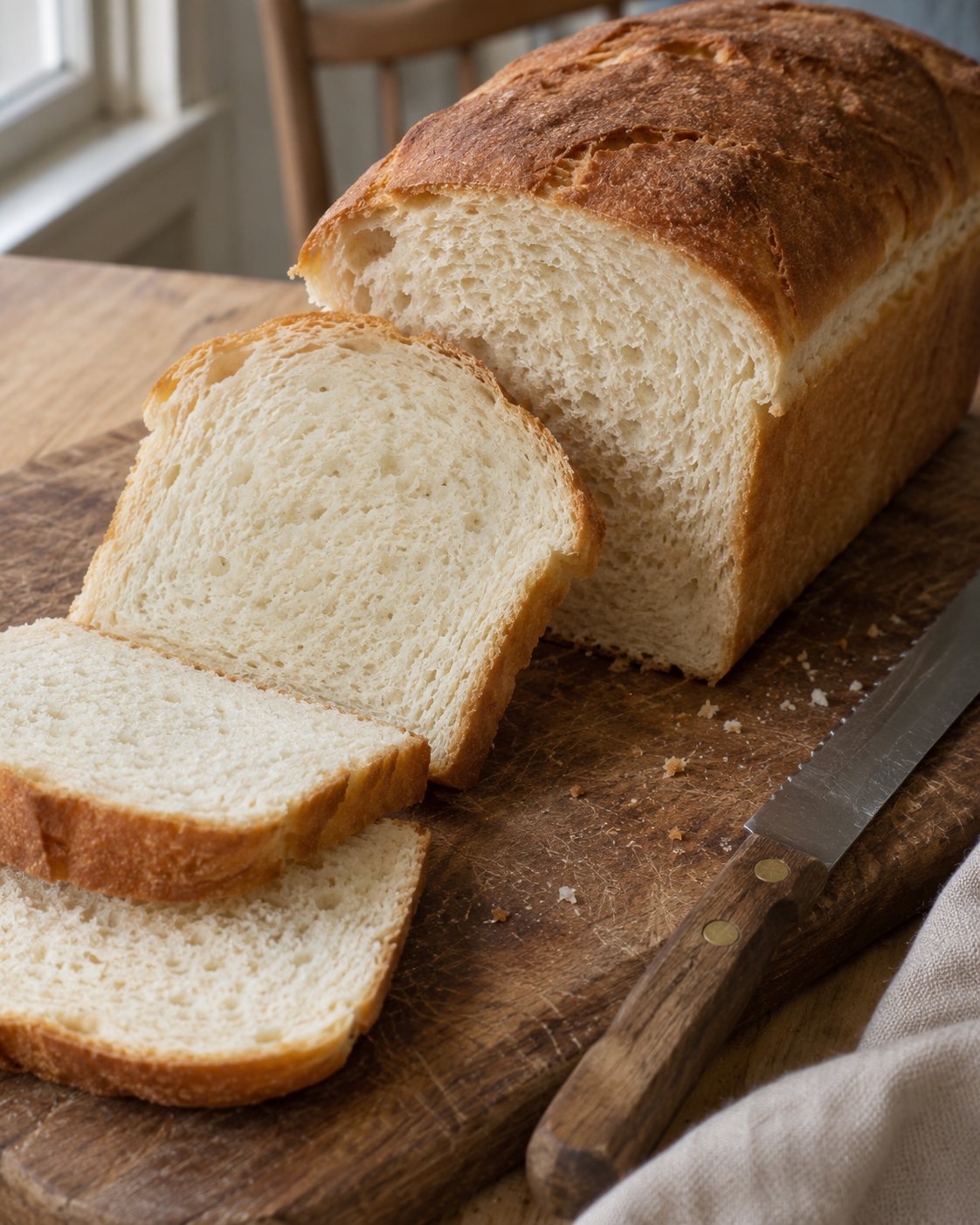
The gap can be small: King Arthur's all-purpose flour is 11.7% protein against 12.7% for its bread flour, and other brands can differ by 2 to 3 points. Use it cup-for-cup, but expect a tender texture rather than a chewy pull.
Here's what to expect:
- Softer crumb - Baguettes lose some structure but stay airy.
- Less stretch - Pizza dough tears faster when tossed.
- Softer dough - Bread flour soaks up a little more water, so all-purpose dough feels slightly slacker.
Skip if: You need maximum chew for bagels or pretzels.
All-Purpose Flour
Works for: Sandwich bread, dinner rolls, quick focaccia
Skip if: Making bagels or chewy artisan loaves
Bread Flour
Works for: Bagels, pizza dough, crusty boules
Skip if: Baking tender cakes or biscuits
2 – Whole Wheat Flour
Whole wheat flour trades gluten strength for fiber and a nutty, earthy flavor. The bran interrupts gluten strands, so loaves turn denser and rise less aggressively.
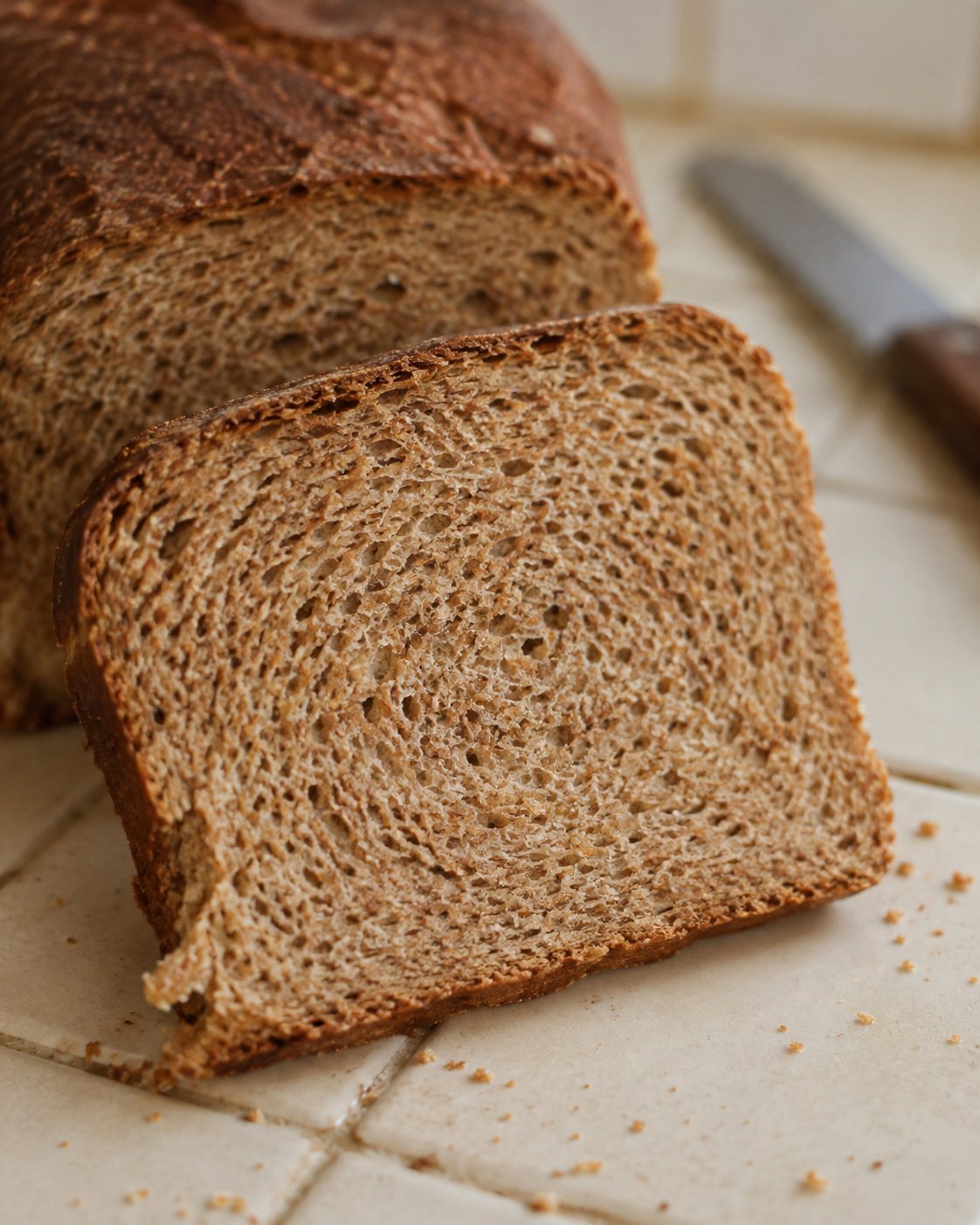
Use it 1:1, but add about 2 teaspoons of extra water per cup of whole wheat flour, because the bran soaks up liquid faster than white flour.
Skip if: You want a light, airy crumb in sandwich bread.
3 – Vital Wheat Gluten Mix
Adding vital wheat gluten to all-purpose flour mimics bread flour's protein content without buying a separate bag. Mix 1 to 2 teaspoons of vital wheat gluten into each cup of all-purpose flour to match the chew.
The gluten adds structure without changing flavor, making it ideal for rolls and rustic loaves. Whisk it into the dry flour before any liquid goes in, or it clumps into gritty pockets.
Vital wheat gluten soaks up water, so the dough may need a teaspoon or two of extra water.
- Boosts protein - Lifts AP flour toward bread flour's protein range.
- No flavor change - Adds chew without altering taste.
- Works in any bread - Use for pizza dough, sandwich loaves, or buns.
Skip if: You need gluten-free or low-gluten alternatives.
4 – Cake Flour Blend
Cake flour has the least protein of any wheat flour, but adding vital wheat gluten compensates by rebuilding structure. Mix 1 cup of cake flour with roughly 1 tablespoon of vital wheat gluten to approximate bread flour's strength, though all-purpose flour plus gluten gets closer.
The result is softer than straight bread flour but still chewy enough for dinner rolls or focaccia. This swap works best when you want a lighter texture with moderate chew, so skip it for bagels or dense sourdough.
- Lighter crumb - Softer than bread flour but firmer than cake flour alone.
- Less browning - Lower protein means paler crust color.
Skip if: You're baking pretzels or chewy artisan loaves.
5 – Hard Red Wheat Flour
Hard red wheat is the grain most bread flour is milled from, so flour made from it builds maximum gluten and chew. High-protein hard red spring flours can reach about 14%.
It's the traditional choice for rustic bread, bagels, and anything that needs to hold up under toppings or fillings, though whole-grain bags can overpower delicate recipes.
Use it 1:1 and expect a chewier crumb. A whole-grain bag also needs the extra water from the whole wheat swap.
- Maximum chew - Stronger than regular bread flour for bagels and pizza.
- Heartier flavor - More pronounced wheat taste than white bread flour.
- Dense crumb - Best for crusty, rustic loaves rather than soft sandwich bread.
Skip if: You need a soft, pillowy crumb for brioche or milk bread.
6 – Spelt Flour
Spelt flour has less gluten than bread flour, but it brings a mildly sweet, nutty flavor that works well in rustic loaves and pizza dough. The dough feels more extensible, meaning easier to stretch but less elastic, so it tears if overworked.
Use it 1:1, but reduce mixing time since spelt gluten breaks down faster.
Skip if: You're making bagels or pretzels that need maximum chew.
7 – White Whole Wheat Flour
White whole wheat flour uses a lighter wheat variety, so it delivers the fiber of regular whole wheat without the heavy, bitter edge. The texture stays denser than bread flour, but the flavor runs milder and slightly sweet.
Use it 1:1, but add about 2 teaspoons of extra water per cup to offset the bran's absorption. The crumb will be tighter, making it ideal for sandwich bread or rolls where you want structure without the pronounced whole-grain taste.
- Milder flavor - Less bitter than regular whole wheat, slightly sweet.
- Dense crumb - Tighter structure but still rises well in most breads.
- Higher fiber - Adds nutrition without overpowering the flavor.
Skip if: You want an airy, open crumb in ciabatta or baguettes.
8 – Gluten-Free Flour
Gluten-free all-purpose flour blends rely on starches and gums to mimic structure, but they can't replicate the elasticity of gluten. Use 1 cup of the blend plus 1 teaspoon of xanthan gum to approximate bread flour's binding power.
Skip the xanthan if your blend already includes it, because adding more turns the dough gummy. The texture will be denser and the crumb more fragile, so it suits sandwich bread or rolls, not pizza dough, pretzels or bagels.
A recipe written for wheat dough often bakes up flat with a gluten-free blend, so a recipe written for gluten-free flour is the safer starting point.
9 – Self-Rising Flour
Self-rising flour is a soft wheat flour of about 8.5% protein with baking powder and salt mixed in, so it suits quick breads and biscuits but clashes with yeasted recipes.
Use it cup for cup and change the recipe in three ways:
- Leave out any baking powder or baking soda the recipe lists.
- Keep the yeast.
- Take about ¼ teaspoon of salt per cup out of the recipe, since the usual homemade version holds that much.
The loaf will be lighter and much less chewy than one made with bread flour's 12-14% protein, which suits drop biscuits or soda bread better than crusty loaves.
Skip if: You're baking yeasted bread that needs strong gluten development.
Making Bread Flour Substitutes Work
All-purpose flour is the easiest match, and all-purpose plus a little vital wheat gluten is the closest. Pick the rest by dish.
- Bagels, pretzels, pizza - All-purpose flour plus vital wheat gluten, or hard red wheat flour
- Sandwich loaves and rolls - All-purpose flour on its own, or with a quarter whole wheat
- Hearty whole-grain loaves - Whole wheat, white whole wheat or spelt, with the water and mixing changes above
- Gluten-free - A gluten-free blend plus xanthan gum, in sandwich bread or rolls only
Frequently Asked Questions
All-purpose flour works in most bread recipes, but the crumb will be softer and less chewy. Bagels and pizza dough lose structure, but sandwich bread and rolls turn out fine.
Yes, add about 2 teaspoons of water per cup of whole wheat flour, since the bran absorbs liquid faster. The dough feels drier otherwise and bakes into a crumbly loaf.
Combining flours works. Half all-purpose and half whole wheat balances softness with structure, and blending lets you control texture without committing to one extreme.
It will not ruin the dough, but the loaf comes out softer because self-rising flour is only about 8.5% protein. Leave out any baking powder or baking soda the recipe lists, keep the yeast, and cut about ¼ teaspoon of salt per cup.
Gluten-free blends lack the stretch pizza dough needs, so the dough tears when rolled and does not crisp the same way. Flatbreads or focaccia, where structure matters less, work better.



