
You spot it on the shelf next to all-purpose and wonder if the difference is worth it. Bread flour carries a protein content of roughly 11-14%, significantly higher than standard flour, and that gap matters enormously once yeast and water enter the picture.
It's the flour that gives sourdough its chew, baguettes their tight crumb, and bagels their characteristic bite - and once you bake with it, the flour freshness guide question becomes worth knowing too.
Bread flour is a high-protein wheat flour built for yeast breads. Its elevated protein creates strong gluten networks that trap gas, producing chewy crumb, good rise, and firm crust. Mild in flavor, grain-forward in aroma. Best for loaves, pizza, bagels, and enriched rolls.
What Is Bread Flour?
Bread flour is a high-protein wheat flour milled specifically to support gluten-intensive baking. It falls into the milled wheat flour category alongside all-purpose, pastry, and whole wheat - however, protein content is what separates it from the rest.
Remember it later
Planning to try this recipe soon? Save it for a quick find later!
Most bread flours run between 11% and 14% protein, compared to all-purpose flour's typical 9-11%. That additional protein means more glutenin and gliadin molecules available to bond when hydrated, forming a strong, elastic gluten network capable of trapping carbon dioxide from yeast fermentation.
You'll also see it labeled as strong flour or high-gluten flour in some markets. In the UK and Australia, "strong flour" is the standard name for what North Americans call bread flour.
- Bread flour - Standard North American label; 11-13% protein typical for home baking
- High-gluten flour - Higher end at 13-14%; used commercially for bagels and hard rolls
- Vital wheat gluten - A concentrated extract sometimes added to boost weaker flours
- Whole wheat bread flour - Includes bran and germ; adds fiber and a nuttier profile
Most commercial versions are enriched with iron, folate, niacin, and riboflavin. The pastry flour swaps page is a useful reminder of why you can't simply swap these flour types - protein content drives completely different outcomes.
What Does Bread Flour Taste Like?
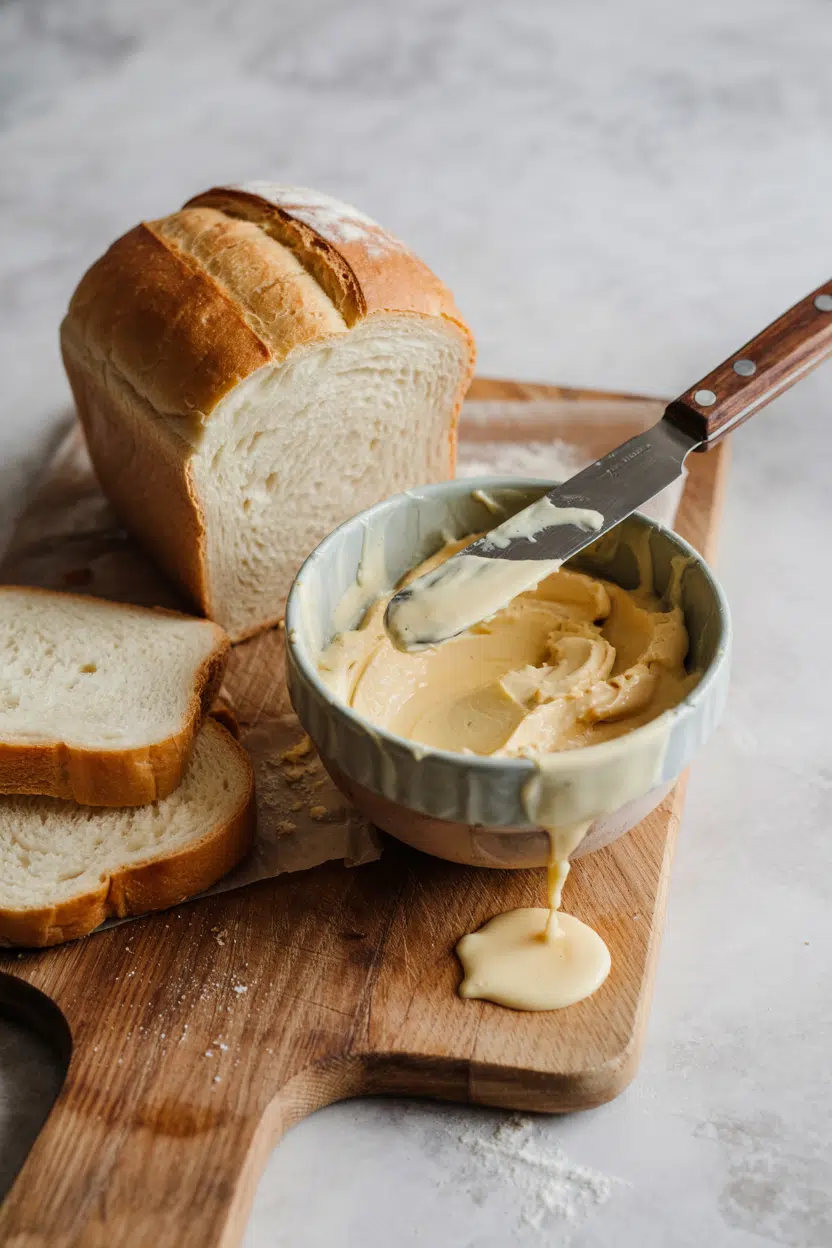
Bread flour on its own tastes mild and clean, with a faint wheaty nuttiness from traces of bran left after milling. It's grain-forward rather than sweet, and noticeably more robust than all-purpose flour.
Compared to pastry flour - which has a faintly sweet, almost neutral profile - bread flour reads as earthier and slightly more savory.
That character doesn't overwhelm finished bread; it supports the toasty, yeasty notes that develop during fermentation and baking rather than competing with them.
Heat amplifies the nuttiness and brings out deeper toasty notes, especially in high-temperature baking with steam. Long cold fermentation - overnight in the fridge - also develops complexity that straight same-day doughs lack.
How to Use Bread Flour
Bread flour earns its keep in any yeasted application that demands chew, structure, and oven spring. The high protein content means it can hold up to vigorous kneading, long fermentation windows, and the expansion that happens as dough hits a hot oven.
| Method | Best For | Tip |
|---|---|---|
| 🤲 Kneading | Artisan loaves, sandwich bread, rolls | Develop gluten fully - 8-10 min by hand or until windowpane holds |
| ⏳ Autolyse / Long Ferment | Baguettes, sourdough, ciabatta | Rest hydrated dough 20-60 min before kneading to reduce mixing time |
| 🔥 High-Temp Baking with Steam | Boules, batards, baguettes | Steam in first 10-15 min keeps crust flexible for maximum oven spring |
| 🔄 Folding & Lamination | Ciabatta variants, focaccia-style doughs | Stretch-and-fold replaces kneading for high-hydration doughs |
In American baking, it's the standard for sandwich loaves and burger buns where you need lift that holds after slicing. Italian pizza and focaccia bakers often reach for it when they want higher oven spring and a chewier bite than a softer flour provides.
French boulangerie uses it for baguettes and bâtards alongside doppio zero in some hybrid recipes.
Bread flour pairs well with active dry yeast or instant yeast, olive oil or butter in enriched doughs, salt (which tightens gluten and sharpens flavor), and diastatic malt for improved browning and rise.
A sourdough starter works beautifully with it for long, slow fermentation that deepens flavor.
For applications like pretzels and bagels, where a dense, chewy crumb is the goal rather than a liability, bread flour is the right call - nothing else replicates that bite.
If you need to swap in a different flour, the bread flour replacements guide covers your closest options by recipe type.
How to Buy and Store Bread Flour
Look for a bag or tub clearly labeled 11-14% protein - this number should appear in the nutritional panel if not on the front. Choose a fine, pale off-white flour with no visible clumps; clumping signals moisture exposure.
Avoid bags with any signs of insect damage or tears.
Storage by method:
- Pantry (airtight container) - Up to 6 months; keep away from heat sources and strong-smelling foods
- Refrigerator - Up to 1 year; bring to room temperature before using to avoid slowing yeast activity
- Freezer - 1-2 years; seal tightly in a freezer bag and thaw overnight before baking
For a deeper look at how storage conditions affect flour over time, the bread flour storage life page has specifics on signs of spoilage and when to discard.
Start With One Loaf
Bread flour is the right starting point if you're baking anything yeasted and want consistent results. Pick a simple sandwich loaf or pizza dough first - these recipes expose how gluten development actually feels and what good oven spring looks like. Once that's familiar, lean doughs like baguettes and sourdough become far more manageable.
The all-purpose flour substitutes page can help if you're working across multiple baking projects and need to mix flour types.
Frequently Asked Questions
No. Bread flour runs 11-14% protein versus all-purpose flour's 9-11%. That difference produces significantly more gluten, giving yeast breads chewier texture and better rise - effects that all-purpose flour can't fully replicate.
Yes, directly. Higher protein means more gluten strands, and gluten is what creates chew. Bagels and pizza crusts rely on this - switching to all-purpose noticeably softens the crumb.
You can in most yeasted recipes, though the crumb will be softer and rise slightly less. For bagels or dense rolls where chew is essential, the swap produces noticeably different results.
Reach for high-gluten flour (13-14% protein) when making bagels, hard rolls, or New York-style pizza where maximum chew and density are the goal. Bread flour at 11-13% suits most home loaves and softer rolls.
Typically 11-14% by weight, depending on the brand and wheat variety used. Check the nutrition label - a 30g serving should show roughly 4g of protein to confirm you're in the right range.



