
You're doubling the batch and there's not enough millet to cover it. Millet brings a light, fluffy texture and mild, slightly sweet flavor to grain bowls, porridges, and pilafs.
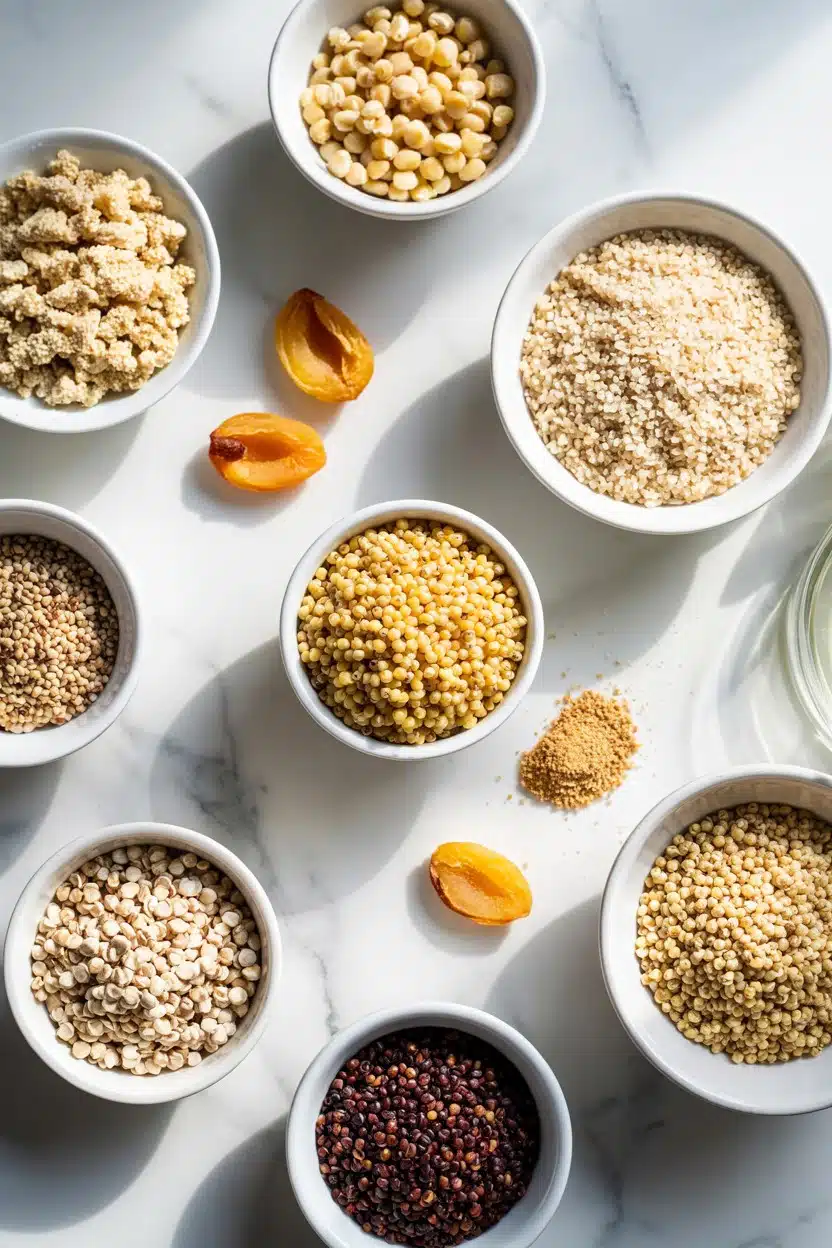
Quinoa is the closest swap for millet. It fluffs up similarly and cooks faster, about 12 to 15 minutes against 25 to 35 for millet, but it tastes earthier, so rinse it first.
Couscous is the quick option: pour boiling water over it, cover, and it is ready in under ten minutes.
Couscous and bulgur contain gluten, so skip them for gluten-free cooking.
The right substitute depends on texture and how the grain absorbs liquid, not just flavor. Some swaps cook faster; others need more water.
Match the cooking method first, then adjust. The ratio column below is grain for grain by dry volume, and the water each grain needs is listed under "How to Choose a Millet Substitute".
| # | Substitute | Best For | Ratio | Key Note |
|---|---|---|---|---|
| 1 | Quinoa | 🍳 Cooking | 1:1 | Nuttier and earthier |
| 2 | Couscous | 🍳 Cooking | 1:1 | Contains gluten |
| 3 | Amaranth | ✨ Both | 1:1 | Stickier texture |
| 4 | Bulgur Wheat | 🍳 Cooking | 1:1 | Contains gluten |
| 5 | Brown Rice | 🍳 Cooking | 1:1 | Larger grain size |
| 6 | Teff | ✨ Both | 1:1 | Slight molasses note |
| 7 | Polenta | ✨ Both | 1:1 | Coarser, corn flavor |
7 Simple Millet Swaps to Save Time
These options range from nearly identical textures to grains with distinct personalities. Pick based on what you're making and whether gluten matters.
Remember it later
Planning to try this recipe soon? Save it for a quick find later!
1 – Quinoa
Quinoa fluffs up much like millet but cooks faster, in about 12 to 15 minutes against 25 to 35 for millet.
The flavor runs earthier and more pronounced, which works well in grain bowls but may stand out in milder dishes.
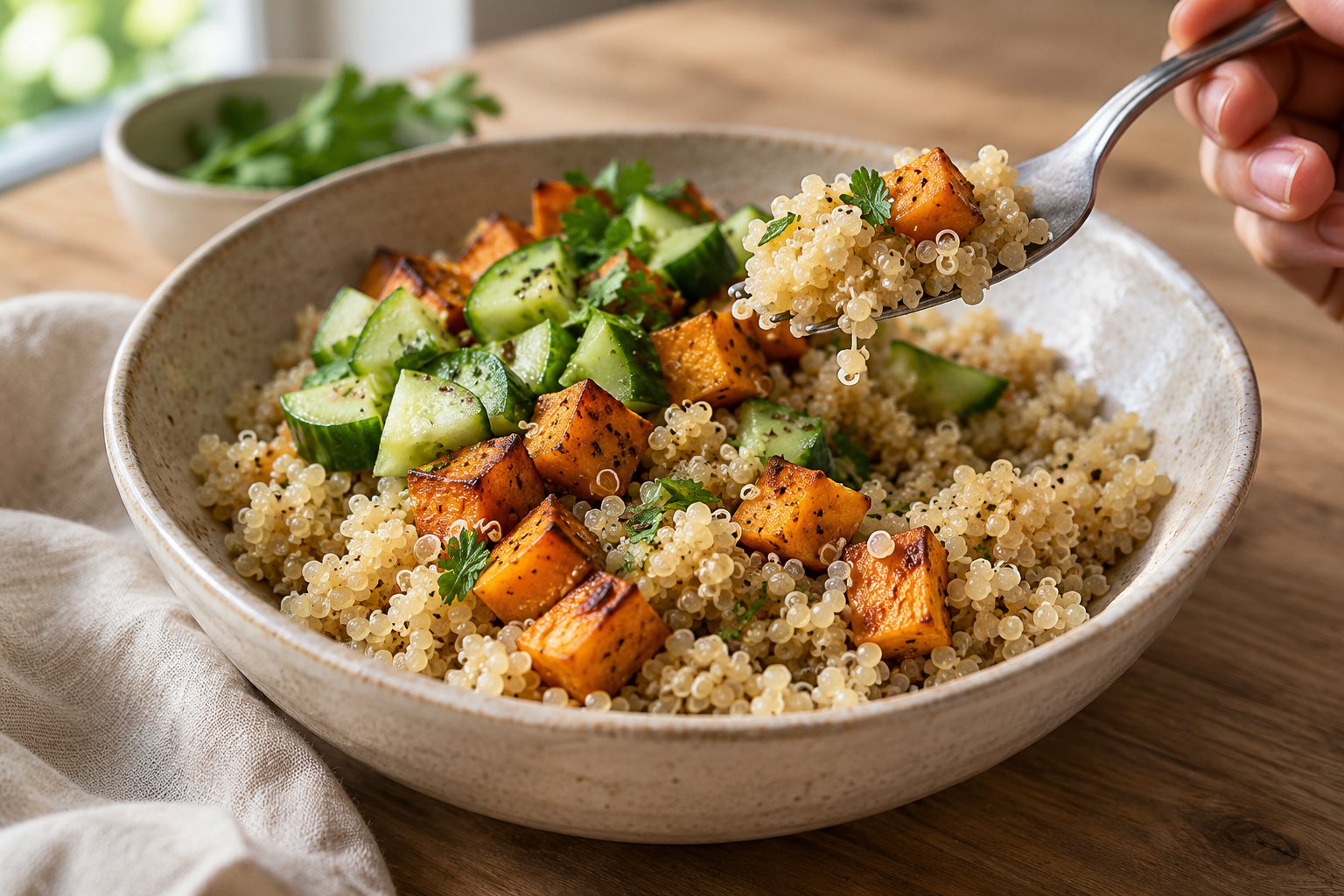
Use a 1:1 ratio by dry volume, with 2 cups of water per cup of quinoa instead of the 2½ cups millet takes.
Rinse quinoa before cooking to wash off its bitter coating. It also has more protein than millet, which makes it a small nutritional upgrade.
Skip if: you need a completely neutral backdrop for delicate flavors.
QUINOA
Works for: Grain bowls, salads, pilafs
Skip if: Mild flavor is essential
MILLET
Works for: Porridge, flatbreads, light sides
Skip if: You want more protein
2 – Couscous
Couscous cooks in under ten minutes: just pour boiling water over it and cover. The texture is softer and less distinct than millet's fluffy grains, but it absorbs dressings and sauces beautifully.
Swap at a 1:1 ratio by dry volume, and follow the box for the water, because couscous needs far less than millet does. The mild, slightly sweet flavor blends into almost anything without competing.
The main difference from millet is that couscous is tiny pellets of steamed semolina pasta, so it is wheat and not a whole grain.
3 – Amaranth
Amaranth shares millet's tiny grain size but cooks up stickier. That texture suits porridges and binding baked goods, less so fluffy pilafs where you want separation.
Here's what to know:
- Use a 1:1 ratio with about 2 cups of water per cup of amaranth, a little less than millet takes, to reduce stickiness.
- Toast the grains dry for 2 minutes before adding liquid to bring out the nutty flavor.
- Expect a denser result in any recipe calling for light, fluffy millet.
4 – Bulgur Wheat
Bulgur brings a chewy, hearty texture that holds up in tabbouleh, pilafs, and stuffed vegetables. The earthy flavor is more assertive than millet's subtle sweetness.
This grain is parboiled, so it rehydrates quickly. Pour boiling water over fine bulgur and let it sit covered for 15 minutes, or simmer coarse bulgur for 10 to 12 minutes with 2 cups of water per cup.
The essentials:
- Swap 1:1 by volume.
- Drain any excess liquid after soaking, because bulgur turns mushy if it sits too long.
- Season aggressively; the wheaty flavor can absorb a lot of herbs and acid.
- Works best in cold salads where chewy texture is a feature, not a flaw.
Skip if: you're cooking gluten-free.
5 – Brown Rice
Brown rice matches millet's mild, slightly nutty flavor profile. The grains are much larger and need the same 2½ cups of water per cup.
Cook time depends on the rice, from 25 to 45 minutes, so plan on about 40 and start checking at 25.
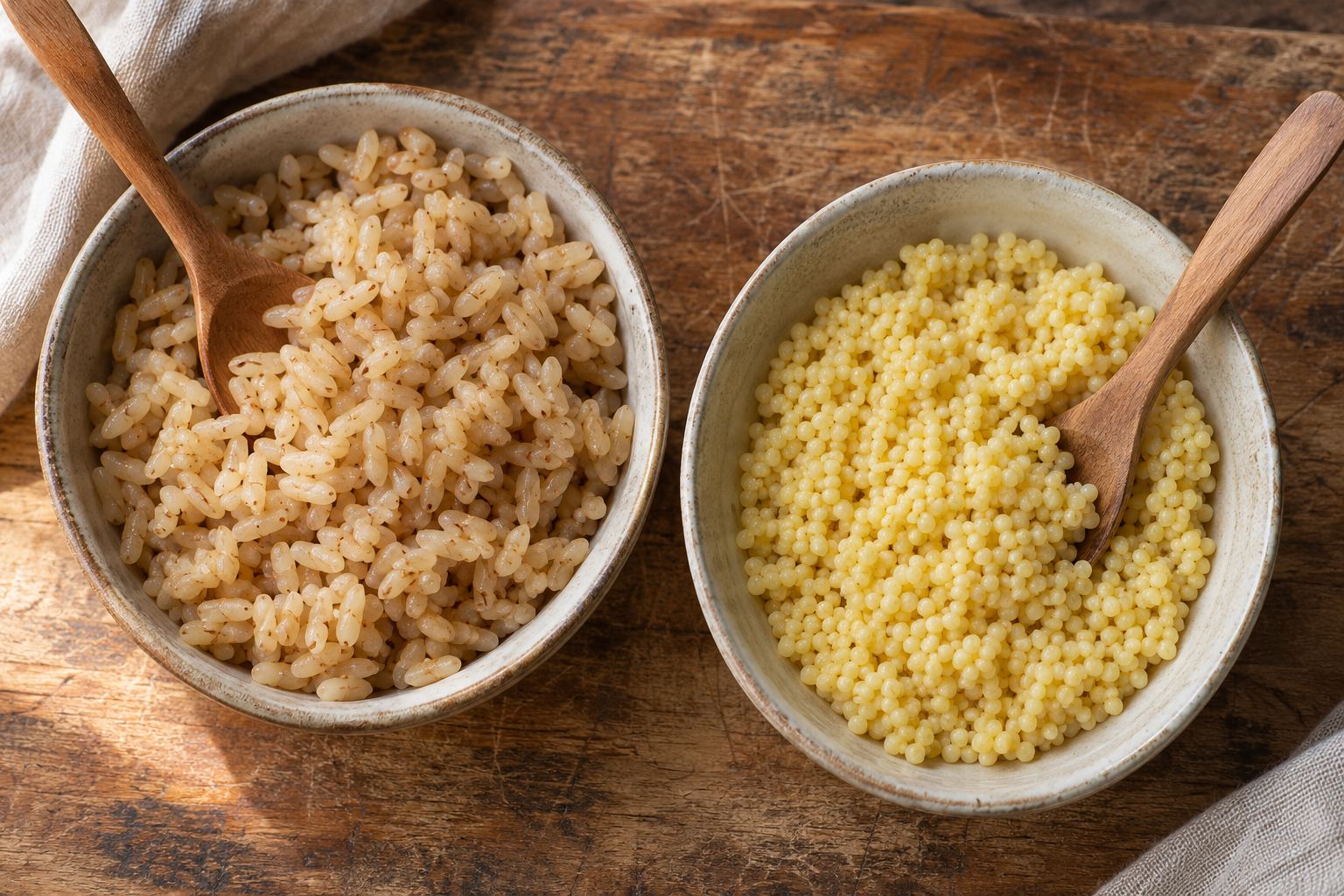
The texture is chewier with more bite, which pairs well with stir-fries and grain bowls.
6 – Teff
Teff is the tiniest grain on this list, even smaller than millet. It cooks into a creamy, porridge-like consistency that suits breakfast bowls and injera-style flatbreads.
The flavor carries a subtle molasses sweetness. It cooks in about 20 minutes, so check it early.
Key details:
- Swap 1:1 by dry volume, but use about 3 cups of water per cup of teff, more than millet takes.
- Teff turns porridge-like fast, so stir often to prevent sticking.
- Toast dry for a minute before adding water to deepen the nutty notes.
- Best for creamy applications, not fluffy grain salads.
Skip if: you want distinct, separate grains.
7 – Polenta
Polenta delivers a completely different texture: creamy and smooth when cooked, firm when cooled. The sweet corn flavor is more pronounced than millet's neutral taste.
Use instant polenta for speed or traditional cornmeal for better texture. Stir constantly to avoid lumps.
It needs much more water than millet, about 4 cups per cup of cornmeal, and 25 to 30 minutes of simmering.
| Use | Ratio | Notes |
|---|---|---|
| Creamy side dish | 1:1 | Cook soft, serve immediately |
| Firm slices for grilling | 1:1 | Spread in pan, chill, then slice |
| Baked goods | 1:1 | Adds corn sweetness and grit |
Skip if: you need fluffy, separate grains.
How to Choose a Millet Substitute
Start with the closest texture match. Quinoa and amaranth come nearest to millet's small-grain feel, though amaranth runs stickier.
For gluten-free cooking, stick to quinoa, amaranth, brown rice, teff, or polenta. Couscous and bulgur contain wheat.
These grains are naturally gluten-free, but they can pick up wheat in processing. If you cook for someone with celiac disease, buy bags labeled gluten-free.
- Closest match - Quinoa for similar size and fluffy texture
- Easiest grab - Couscous for speed and availability
- Gluten-free option - Amaranth for small-grain texture without wheat
The swap is 1:1 by dry volume, but each grain has its own water and time. Here is what 1 cup of dry grain takes once the water boils and the pot is simmering:
- Millet (the baseline) - 2½ cups water, 25 to 35 minutes
- Quinoa - 2 cups water, 12 to 15 minutes
- Amaranth - 2 cups water, 15 to 20 minutes
- Teff - 3 cups water, about 20 minutes
- Bulgur - 2 cups water, 10 to 12 minutes
- Brown rice - 2½ cups water, 25 to 45 minutes
- Polenta (cornmeal) - 4 cups water, 25 to 30 minutes
- Couscous - boiling water per the box, about 5 to 10 minutes of soaking
Treat these as a starting point. Grain age, variety and the pot change the result, so cook until the grain is tender.
Swaps for Millet Flour, Flakes, and Puffed Millet
Millet flour, millet flakes and puffed millet each need a different swap from the cooked grain above.
- Millet flour - Sorghum flour is the usual first pick in gluten-free baking, because it is mild and slightly sweet like millet. Brown rice flour is easier to find but can feel gritty if it is not finely milled.
- Millet flakes - Rolled oats or quinoa flakes make a porridge too, with a different flavor; follow the package for the water and time. Buy oats labeled gluten-free if gluten matters.
- Puffed millet - Plain puffed rice is the closest swap. Check the label, because some puffed rice cereals use malt flavoring, which comes from barley.
For flour, start with a cup-for-cup swap and adjust the liquid if the batter looks dry or loose.
Frequently Asked Questions
Quinoa works best for most recipes. It has a comparable fluffy texture, though the flavor is slightly earthier.
Yes, couscous works well in grain bowls. Keep in mind it contains gluten and has a softer texture than millet.
Yes. Per cup of dry grain, quinoa takes 12 to 15 minutes, teff about 20, brown rice 25 to 45 and millet 25 to 35, while couscous is ready in 5 to 10 minutes of soaking.
Amaranth or teff create the creamiest porridge. Both cook down into a soft, slightly sticky consistency similar to millet porridge.
Slightly: quinoa and amaranth taste nuttier, and polenta adds corn sweetness. Couscous and brown rice stay fairly neutral like millet.
Sorghum flour is the usual first choice, and brown rice flour is the easier one to find. Start with a cup-for-cup swap and adjust the liquid.
Millet is a gluten-free whole grain that cooks in 25 to 35 minutes. Couscous is tiny wheat semolina pasta that is ready in under ten minutes.
Plain puffed rice is the closest swap. Check the label for malt, which comes from barley, if the dish must be gluten-free.



