
Millet does something no other ancient grain does quite as cleanly: it shifts identity based on how you cook it. Simmer it short and you get light, fluffy grains ready to stand in for rice beneath a stew.
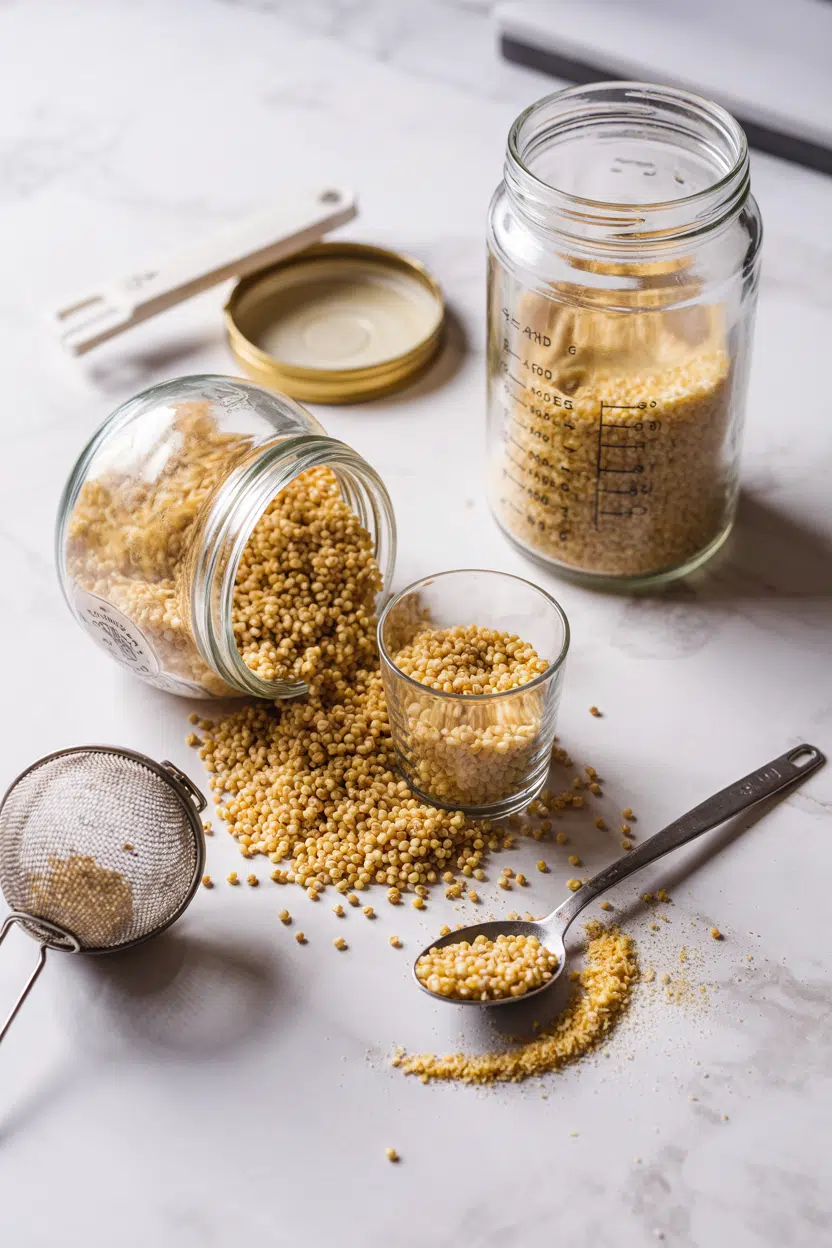
Cook it long with milk and it collapses into a creamy breakfast porridge. Toast it dry first and the whole flavor profile deepens.
That range - from neutral base to nutty, to creamy - is what makes millet flour and whole millet worth understanding before you reach for something more familiar.
Millet is a small cereal grain with a mild, nutty flavor that shifts from fluffy to creamy depending on cook time. It's naturally gluten-free, widely used across West Africa and South Asia, and works as a rice substitute, porridge base, or ground into flour.
What Is Millet?
Millet isn't a single plant - it's a collective name for several small-seeded grass species domesticated across East Asia and West Africa thousands of years ago. Pearl millet (Pennisetum glaucum), known as bajra across South Asia, is the most widely grown.
Remember it later
Planning to try this recipe soon? Save it for a quick find later!
Proso millet and finger millet round out the major types consumed as food.
The kernels are tiny, round, and range from ivory-yellow to gray or red depending on the variety. Like amaranth, millet is an ancient grain that predates many staple crops now considered standard.
Hulled versus pearled matters at the store. Hulled (whole-grain) millet retains its bran layer, giving it more fat, fiber, and nutrients. Pearled millet has that bran polished away, cooks faster, and stores longer without going rancid. Most millet sold in Western supermarkets is pearled.
- Pearl millet (bajra) - the dominant global variety; used in rotis, porridges, and fermented batters
- Proso millet - common in Eastern European and East Asian cooking; mild, quick-cooking
- Finger millet (ragi) - deep reddish-brown; stronger flavor, popular in South Indian cooking
What Does Millet Taste Like?
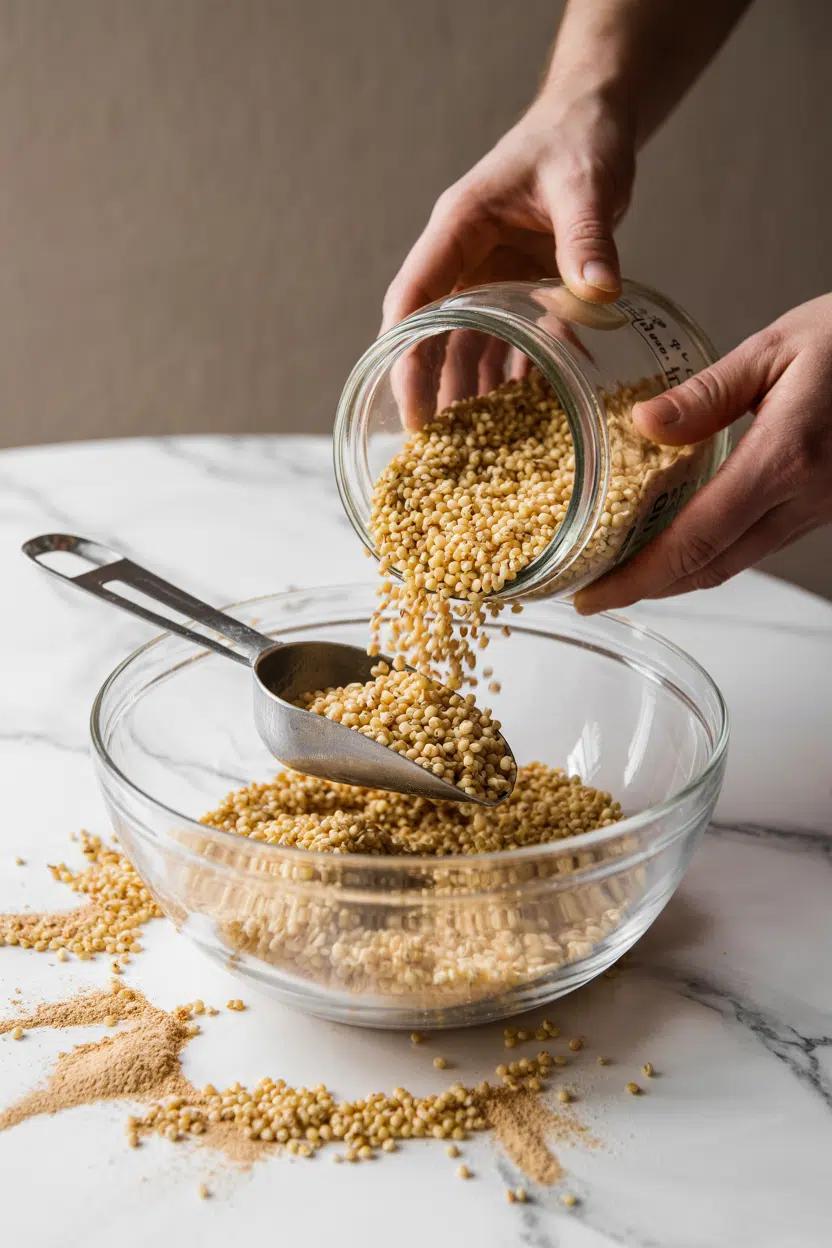
Raw millet tastes faintly grainy and grassy, which isn't especially appealing on its own. Cooking changes everything. Simmered in water, the grains turn mildly nutty and slightly sweet - closer to lightly toasted corn than anything sharp or assertive.
Compared to quinoa, millet is milder and less bitter. Farro has more chew and a wheat-forward depth that millet simply doesn't carry.
One caveat: unrinsed millet can carry a faint bitterness from surface saponins and natural compounds, so a quick rinse before cooking is standard practice.
Toasting the dry kernels in a hot pan for two to three minutes before adding water adds a noticeably deeper, popcorn-adjacent note. That one step is worth doing whenever you have time.
How to Use Millet
Millet's neutral baseline flavor makes it one of the more adaptable grains in a pantry. The cooking method you choose shapes what it becomes.
| Method | Best For | Tip |
|---|---|---|
| 🍚 Simmered | Rice substitute under stews, grain bowls, side dish | 1:2 millet-to-water ratio; don't stir during cooking |
| 🥣 Long-cooked porridge | Breakfast porridge with milk, sweetener, or fruit | Use 1:4 ratio and simmer 25-30 min, stirring often - similar to a [coconut milk rice porridge](https://forkliftkitchen.com/coconut-milk-rice-porridge/) approach |
| 🔥 Toasted then cooked | Pilaf base, salad topper, grain bowls needing more depth | Toast dry in a skillet 2-3 min before adding liquid |
| 🫓 Ground into flour | Bajra roti, gluten-free flatbreads, baked goods | Combine with a binding agent in baking - millet flour lacks gluten structure |
| 🫧 Fermented | Batter for injera-style crepes, regional fermented drinks | Soak 24-48 hours before blending for best fermentation |
West African cooking uses millet in stews and thick porridges. South Asian kitchens rely on bajra roti - unleavened flatbreads that pair with ghee, yogurt, and spiced lentils.
East Asian congee-style preparations cook millet very soft alongside rice or alone.
For pairings, millet's earthiness responds well to warm spices: cumin, coriander, and turmeric are natural fits. Roasted root vegetables - beet, carrot - add sweetness that complements the grain's own mild notes.
Legumes like lentils and chickpeas are classic partners across multiple cuisines.
Puffed millet works as a lighter swap for puffed rice in granola or snack bars. If you need a different grain entirely, a millet substitute guide covers the closest options by texture and use.
How to Buy and Store Millet
Hulled or pearled - that's the first decision at the store. Hulled whole-grain millet is ivory-to-golden with a slightly rough surface. Pearled millet is paler, smoother, and cooks about five minutes faster. Both should smell faintly grainy and clean.
At home, pearled millet stores fine in an airtight container in a cool pantry for 6-12 months. Hulled millet has higher natural oil content, which means it can go rancid faster - refrigerate or freeze it to get the full 6-month window without quality loss.
Millet flour is more perishable than whole kernels. Check the flour storage guide guidelines for ground grains, since milled forms degrade faster.
For whole kernels, storage timelines are similar to other ancient grains covered in the millet freshness guide guide.
Where to Start With Millet
Millet rewards low-commitment cooking. If you haven't used it before, start with simmered whole grains as a rice swap - it's the fastest way to understand its texture and flavor without any special technique.
From there, try a dry toast before cooking. That single step makes the largest flavor difference and costs nothing extra.
- For grain bowls and salads - simmer until just fluffy, cool, dress simply
- For breakfast - cook long with milk, a pinch of salt, and whatever sweetener you prefer
- For baking - use millet flour blended with another gluten-free flour for structure
Frequently Asked Questions
Botanically, it's both - millet kernels are the seeds of grass plants, and in culinary and nutritional contexts they're classified as cereal grains. The distinction rarely matters in practice, since millet is cooked and eaten exactly like other whole grains such as rice or quinoa.
Use a 1:2 millet-to-water ratio, bring to a boil, then reduce to a low simmer for 15-18 minutes without stirring. Remove from heat and let it steam, covered, for 5 more minutes before fluffing - stirring during cooking breaks the grains and causes mushiness.
Yes, millet is naturally gluten-free. People with celiac disease should verify the package is certified gluten-free, since cross-contamination during processing is possible when millet is handled in facilities that also process wheat or barley.
Pearl millet refers to the species Pennisetum glaucum, while hulled versus pearled describes the processing level applied to any millet variety. Hulled millet keeps its bran layer intact; pearled millet has it removed, making it cook faster but reducing fiber and healthy fat content.
Yes, though millet flour lacks gluten, so it needs a structural partner like tapioca starch or another gluten-free flour to hold baked goods together. Whole cooked millet can also be folded into muffin or quick-bread batters to add moisture and a mild grain texture.



