You open the pantry for Kamut flour and the container is lighter than expected. The recipe's already started, and this flour drives the structure and nutty flavor you're counting on.
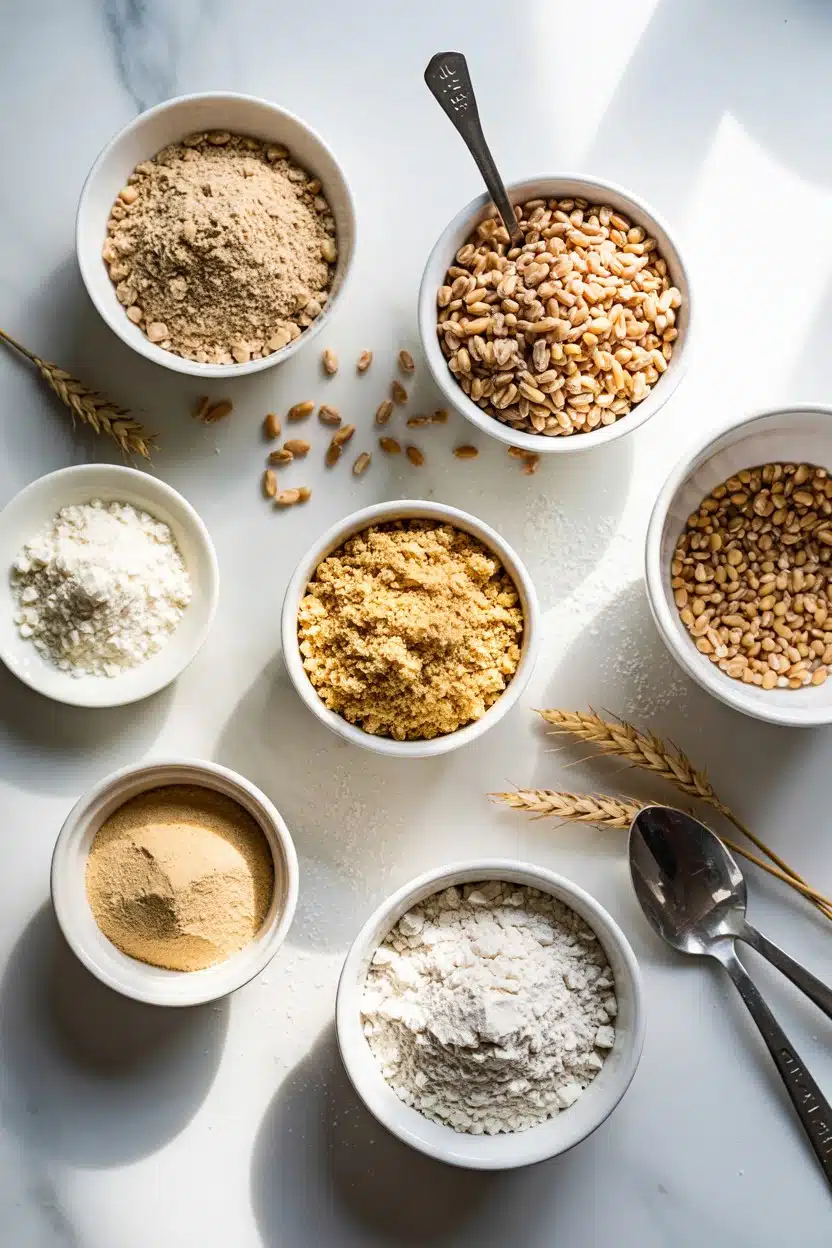
Kamut flour brings a distinct texture and sweetness that most all-purpose flours can't match. The best swap depends on mixing pancakes, or thickening a sauce-gluten content and absorption rates shift with each option.
| # | Substitute | Best For | Ratio | Key Note |
|---|---|---|---|---|
| 1 | Whole Wheat Flour | 🥧 Baking | 1:1 | Denser, nuttier flavor |
| 2 | All-Purpose Flour | ✨ Both | 1:1 | Lighter, neutral taste |
| 3 | Spelt Flour | 🥧 Baking | 1:1 | Sweeter, softer crumb |
| 4 | Durum Wheat Flour | 🍳 Cooking | 1:1 | Coarse, hearty texture |
| 5 | Rye Flour | 🥧 Baking | ¾ cup per 1 cup | Earthy, denser loaf |
| 6 | Barley Flour | 🥧 Baking | 1:1 | Mild sweetness, low gluten |
| 7 | Brown Rice Flour | 🌱 Gluten-Free | 1:1 + binder | Grainy, needs xanthan gum |
Whole wheat and spelt are top substitutes, focusing on flavor and texture first. Choose whole wheat for a nutty, dense crumb or spelt for a softer, sweeter result. Adjust hydration slightly to balance dough consistency when swapping Kamut flour.
7 Top Kamut Flour Alternatives That Hold Up
The options range from pantry staples to specialty grains. Pick based on what your recipe demands and what's already in reach.
Remember it later
Planning to try this recipe soon? Save it for a quick find later!
1 - Whole Wheat
Whole wheat flour delivers a bold, nutty flavor that works well in hearty breads and rustic baked goods. The texture runs denser than Kamut, so loaves come out slightly heavier with a tighter crumb.
Use it straight at a 1:1 ratio, but expect a stronger wheat taste that can overshadow delicate flavors. If you're also short on whole wheat flour, Whole Wheat Flour alternatives that absorb moisture similarly may help.
Skip if: You're making light cakes or pastries that need a tender texture.
Whole Wheat Flour
Works for: Dense breads, muffins, pancakes
Skip if: Aiming for airy, delicate crumb
Kamut Flour
Works for: Tender loaves, mild sweetness, flexible baking
Skip if: You want maximum whole-grain intensity
2 - All-Purpose
All-purpose flour strips out the bran and germ, leaving a neutral base that lightens texture across most recipes. The flavor stays mild, so dishes that rely on Kamut's nutty sweetness will taste flatter.
Swap at 1:1, but be ready to lose some nutritional density and color. The dough rises faster and bakes up softer, which suits cakes and quick breads more than rustic loaves.
What to expect:
- Lighter crumb with less chew
- Neutral taste that won't compete with other flavors
If you're out of all-purpose flour too, All-purpose Flour substitutes ranked by protein content can guide your next move.
Skip if: You're counting on whole-grain nutrition or a distinct wheat flavor.
3 - Spelt
Spelt flour tastes slightly sweeter than Kamut and creates a softer crumb in breads and pastries. The gluten structure is more delicate, so doughs can turn sticky if overmixed.
- Use 1:1 in most recipes
- Mix gently to avoid tough texture
Handle it like you would Kamut, but cut back on kneading time. No spelt flour either?
Spelt Flour substitutes ranked for similar nutty profiles can fill the gap.
Skip if: Your recipe requires strong gluten development or long kneading.
4 - Durum Wheat
Durum wheat flour runs coarser than Kamut and holds up well in pasta dough and dense breads. The hearty wheat flavor pushes forward, so it's not ideal for recipes that need subtlety.
Use it at 1:1 for pasta or pizza dough. For baked goods, the texture stays firm and slightly grainy.
If you're missing durum wheat as well, Rum substitutes for cooking won't help here-double-check your pantry for semolina or another high-protein flour instead.
- Pasta dough that needs bite
- Breads with a chewy crust
- Pizza bases that hold toppings
- Flatbreads with structure
Skip if: You're baking delicate cakes or pastries that need a fine crumb.
5 - Rye
Rye flour brings an earthy, slightly sour flavor that works best in dense artisan loaves. The gluten content runs lower than Kamut, so doughs don't rise as high and the crumb stays compact.
Use ¾ cup of rye for every 1 cup of Kamut flour to avoid overpowering the dish. The taste shifts toward tangy and bold, which suits sourdough-style breads but clashes with sweeter recipes.
- Reduces rise, increases density
- Adds tangy depth to breads
- Works well in rye-forward recipes
Out of rye flour too? Swaps when Rye Flour runs out can point you toward other dense-baking options.
Skip if: You need a light, airy texture or mild flavor.
| Use | Ratio | Notes |
|---|---|---|
| Hearty Breads | ¾ cup per 1 cup | Dense crumb, earthy flavor |
| Pancakes | ½ cup rye + ½ cup AP | Balance tang with neutral base |
| Cookies | Skip entirely | Flavor too strong for sweets |
6 - Barley
Barley flour delivers a mild, slightly sweet flavor that fits flatbreads and cookies better than structured loaves. The gluten content runs low, so it won't hold up in recipes that need strong rise or chew.
Use it at 1:1, but expect a softer texture and less structure. Flatbreads stay tender, and cookies spread more during baking.
- Low gluten-doughs stay soft
- Mild sweetness pairs well with honey or molasses
- Works in cookies and quick breads
- Not ideal for yeast breads
Missing barley flour too? Quick Barley replacements to try for similar mild profiles can guide you.
Skip if: Your recipe depends on strong gluten development or high rise.
7 - Brown Rice
Brown rice flour gives you a gluten-free option, but the texture runs grainier and the structure needs help from binding agents. The flavor stays mild with a faint nuttiness, but it won't mimic Kamut's chew or rise.
Use 1:1 with added xanthan gum or guar gum-about ½ teaspoon per cup-to hold the dough together. Baked goods crumble more easily without it.
Out of brown rice flour as well? Easy Brown Rice swaps that work for gluten-free cooking may help.
Skip if: You need traditional wheat structure or don't have a binder on hand.
How to Choose a Kamut Flour Substitute
The right substitute depends on your recipe and what texture you're after. For breads that need structure, stick with whole wheat or spelt; for neutral baking, all-purpose works fine.
Start with the closest match to Kamut's protein content if rise matters. If gluten-free is the goal, brown rice flour covers it with the right binder added.
- Closest match - Spelt flour for similar nutty sweetness
- Easiest grab - All-purpose flour for neutral, flexible swaps
- Gluten-free option - Brown rice flour with added binder
Frequently Asked Questions
Yes, but the texture will be lighter and the flavor more neutral. Kamut flour adds a nutty sweetness and denser crumb, while all-purpose produces a softer, airier loaf.
Spelt flour is slightly sweeter and creates a softer crumb. Both have a nutty flavor, but Kamut brings more wheat intensity and a chewier texture.
No, Kamut flour contains gluten. For gluten-free baking, use brown rice flour with a binder like xanthan gum to replicate structure.
Rye flour is denser and has less gluten, so it absorbs more liquid and produces a heavier crumb. Using ¾ cup of rye per 1 cup of Kamut keeps the texture balanced.
Durum wheat flour works best for pasta. It has a coarse texture and high protein content that holds up during boiling and delivers the right chew.
7 Best Substitutes for Kamut Flour
Ingredients
Method
- Choose your substitute based on the type of recipe: whole wheat or spelt for breads, all-purpose for lighter baking, durum for pasta, rye for dense loaves, barley for soft quick breads, brown rice for gluten-free.
- Measure the substitute accurately according to the ratios: typically 1:1 except rye flour at ¾ cup per 1 cup Kamut, and brown rice flour requiring added binder.
- Adjust wet ingredients if using barley flour by reducing liquids by about 10% to prevent sticky dough.
- When using brown rice flour, always add xanthan gum or a binder (about ½ teaspoon per cup) to hold the dough together.
- Mix substitutes gently if using spelt flour to avoid creating a tough texture from overmixing.
- Apply the substitute in your recipe as you would Kamut flour and monitor texture and rise to make necessary adjustments.
- Taste and texture test your baked goods or dough after baking to ensure the substitute delivers the expected result and adjust accordingly in future use.