Product note: ForkliftKitchen may earn a commission from qualifying purchases made through product links on this page. Learn more.
CJ Haechandle Hot Pepper Paste is the best gochujang sauce base for cooking. Its dense paste gives soups, stews, marinades, and glazes enough fermented chile character to survive dilution and other strong ingredients.
Five red tubs can look interchangeable until the first spoon refuses to pour, the heat label is missing, or the sugar level takes over a marinade. The package color tells you less than the texture, ingredient order, and words such as mild or medium.
We compared five exact retail tubs by concentration, labeled heat, ingredient profile, package size, and how much control each one gives you when you turn paste into sauce.
Every pick is a 500 g or 17.6 oz tub, so the ranking does not pretend that a thin squeeze bottle and a concentrated cooking base perform the same work.
Choose CJ Haechandle when cooking depth comes first. O'Food is the balanced medium option, Wang has the leanest current ingredient statement, Sempio carries the clearest mild cue, and Roland gives the most direct guidance for thinning the paste.
5 Best Gochujang Sauces When You Want Control From the Tub
CJ Haechandle is the strongest cooking-first answer. It leads a field of concentrated tubs that let you decide how much liquid, sweetness, acid, and fat enter the final sauce.
Save this ranking
Comparing these products later? Save this ranking for a quick return.
The remaining products are not filler behind the winner.
Each gives you a practical way to reduce one buying risk, whether that means a medium label, a shorter formula, a mild label, or explicit thinning instructions.
- 🥣 Concentration. A cooking paste should carry chile, fermented soybean, and rice character after it meets broth, oil, vinegar, or sweetener.
- 🌶 Heat clarity. Mild and medium labels reduce guesswork because the shade of a red paste cannot tell you how hot it will feel.
- 🔍 Ingredient signals. Rice, syrup, flour, sugar, garlic, and onion affect sweetness, body, and how much correction the finished sauce may need.
- 🍳 Sauce control. The best tub should move from stew seasoning to marinade, glaze, or dip without forcing one bottled consistency on every use.
| # | Product | Best For | Key Note |
|---|---|---|---|
| 1 | CJ Haechandle Hot Pepper Paste | 🏆 Best Overall | Concentrated cooking base |
| 2 | O'Food Premium Gochujang Medium | 🎯 Medium Heat | Balanced all-purpose tub |
| 3 | Wang Gochujang | 🌶 Savory Formula | Compact ingredient statement |
| 4 | Sempio Gochujang Mild Heat | 🌱 Mild Start | Explicit mild label |
| 5 | Roland Foods Gochujang | 🥣 Easy to Thin | Clear dilution guidance |
1. CJ Haechandle Hot Pepper Paste

CJ Haechandle takes first place because it is built for recipes where gochujang has to remain noticeable after dilution. A measured spoon can season a pot of stew, anchor a meat or tofu marinade, or become the body of a glaze without starting from a pre-sweetened squeeze sauce.
The paste is dense enough to cling to the spoon and resist cold liquid at first. Loosen it in a small bowl with a little warm stock, water, oil, or recipe liquid before adding the mixture to the pan.
That extra step prevents dark lumps from hiding in a soup or streaking through a marinade.
Its current 500 g listing gives you about 25 tablespoon-size servings. That is enough room to use small amounts as seasoning rather than treating the whole tub like a table condiment, and the wide container makes it easy to scrape a level spoon against the inner edge.
This is the choice for cooks who want the chile paste to survive garlic, ginger, soy sauce, browned meat, or a full pot of broth. O'Food is easier to read as a medium option, while Sempio is the safer package cue when heat uncertainty matters more than maximum depth.
The caveat is control. A concentrated paste can make a sauce too salty, sweet, or hot if you add it by the scoop and correct later.
Start with less than the finished dish seems to need, disperse it completely, then taste after the other salty ingredients are in place.
- Concentrated base for cooked dishes
- 500 g tub suits repeated small uses
- Works across broth, marinades, and glazes
- Too thick to pour straight
- Needs careful salt balancing
- Heat is less explicit than a mild label
2. O'Food Premium Gochujang Medium

O'Food is the practical second pick for a buyer who wants the package to name a middle heat before the seal comes off. The current medium variant takes one variable out of a shelf where similar red tubs often provide no useful clue on the front.
Brown rice, red pepper powder, garlic, onion, and soybean appear in the current listing, along with tapioca syrup. That combination points toward a rounded paste that already brings sweetness and aromatic support, so a finished marinade may need less added sugar than a formula built around chile, rice, soybean, and salt alone.
The medium label does not make every spoon mild. Concentration still matters, especially in a glaze that reduces or a dipping sauce with very little liquid.
It does make this tub easier to plan around when you want to increase gochujang flavor without selecting the hottest variant.
Choose O'Food for bibimbap sauce, barbecue marinade, or weeknight stir-fry when you want one tub to cover several jobs and do not mind adjusting sweetness as you go. Wang is the sharper contrast if a shorter ingredient statement carries more weight than a labeled heat level.
This tub also lists soy and notes possible wheat. Anyone buying for a dietary restriction should match the exact medium package rather than extending another O'Food variant's claims to this one.
- Clear medium heat label
- Broad cooking and sauce use
- Garlic and onion already in the formula
- Syrup can affect sweetness control
- Still needs thinning for dipping
- Package-specific allergen check required
3. Wang Gochujang
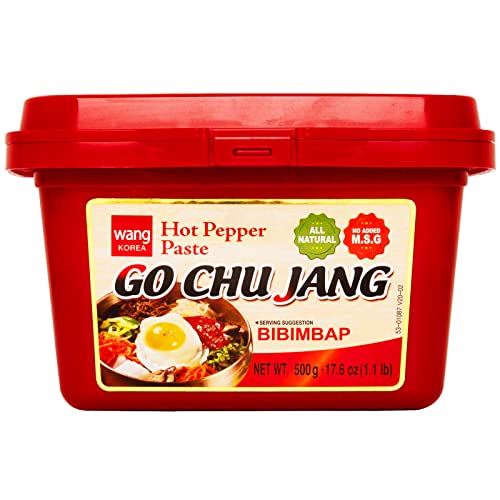
Wang stands apart when you want the shortest current ingredient statement in this ranking. The listing names sun-dried red chile pepper flakes, glutinous rice, fermented soybeans, and salt, so sweetness, garlic, and acid can remain decisions you make in the bowl.
That restraint changes how you use it. A dipping sauce needs more building than a ready-made bottle, but the paste is less likely to impose garlic, onion, vinegar, or a specific syrup before you decide what belongs beside grilled meat, vegetables, or dumplings.
The texture remains a true tub paste.
It will cling more readily than it drizzles, and straight tasting can make salt and chile feel stronger than they will after the paste is mixed with water, oil, or another condiment.
Pick Wang when savory control and a compact formula matter more than an explicit mild or medium front label. Sempio is easier for a heat-cautious first purchase, and O'Food requires less imagination when you want garlic and sweetness already present.
The current listing calls the product MSG-free and non-GMO, but package claims can change. Verify those words and the soy declaration on the tub that arrives rather than treating the entire brand as one permanent formula.
- Compact current ingredient statement
- Leaves sweetness and acid to the cook
- Useful base for savory dips and marinades
- No mild or medium cue in the selected title
- Needs more sauce-building work
- Soy is part of the formula
4. Sempio Gochujang Mild Heat

Sempio is the most legible first purchase for a cook whose main constraint is heat. The selected variant says mild heat in the product name, which is more useful than trying to estimate intensity from a red lid or dark paste.
Mild does not mean thin, unsalted, or ready to squeeze.
This is still a fermented chile paste in a tub, so a full spoon can feel concentrated when tasted alone and will behave differently after it is dispersed through rice, broth, mayonnaise, or a marinade.
The milder cue gives you room to use enough paste for body and savory character without making heat the only thing the dish communicates. That matters in creamy sauces and shared meals, where reducing the amount too far can also remove color, thickness, and fermented depth.
Choose Sempio when first-time users or mixed heat tolerances matter more than the strongest cooking presence. If everyone at the table already enjoys a firmer chile impression, CJ Haechandle or Wang gives you a more assertive starting point.
The current title includes vegan, non-GMO, and halal claims. It does not justify assuming gluten-free status, so check the exact ingredient and allergen panel when wheat avoidance is part of the purchase.
- Explicit mild heat variant
- Lets cautious cooks use enough paste for body
- 500 g size matches the other main picks
- Mild is not a universal heat guarantee
- Still too thick for direct drizzling
- Exact allergen panel controls dietary fit
5. Roland Foods Gochujang

Roland earns its place by explaining the step that frustrates many first-time tub buyers.
The brand tells cooks to thin the intense paste with oil, stock, or water, framing gochujang as a base whose final texture belongs to the recipe.
The ingredient statement includes corn syrup, rice, chile powder, garlic, onion, and fermented soybean powder. That makes it a fuller formula than Wang, with sweetness and aromatics already present before you add anything in the mixing bowl.
Use stock or water when the paste needs to disappear evenly through soup.
Reach for oil when a marinade must coat food, then bring acid or another liquid in gradually so the mixture does not slide off before cooking.
Roland fits the buyer who values direct instructions and a familiar 17.6 oz retail size. It ranks below the Korean-brand tubs because its sweeter formula can narrow how far you can pull a sauce back toward dry, savory chile character.
The official product information lists a 730-day unopened shelf life, but that number is not an instruction for an opened tub. Once the seal is broken, follow the package and keep the lid and inner surface clean.
- Explicit oil, stock, and water guidance
- Retail 17.6 oz tub
- Garlic and onion already included
- Corn syrup reduces sweetness control
- No mild or medium cue in the selected title
- Opened storage follows the package, not the unopened date
The Thick Tub Lets You Choose the Sauce
Judge the tub as a base, not as a finished drizzle.
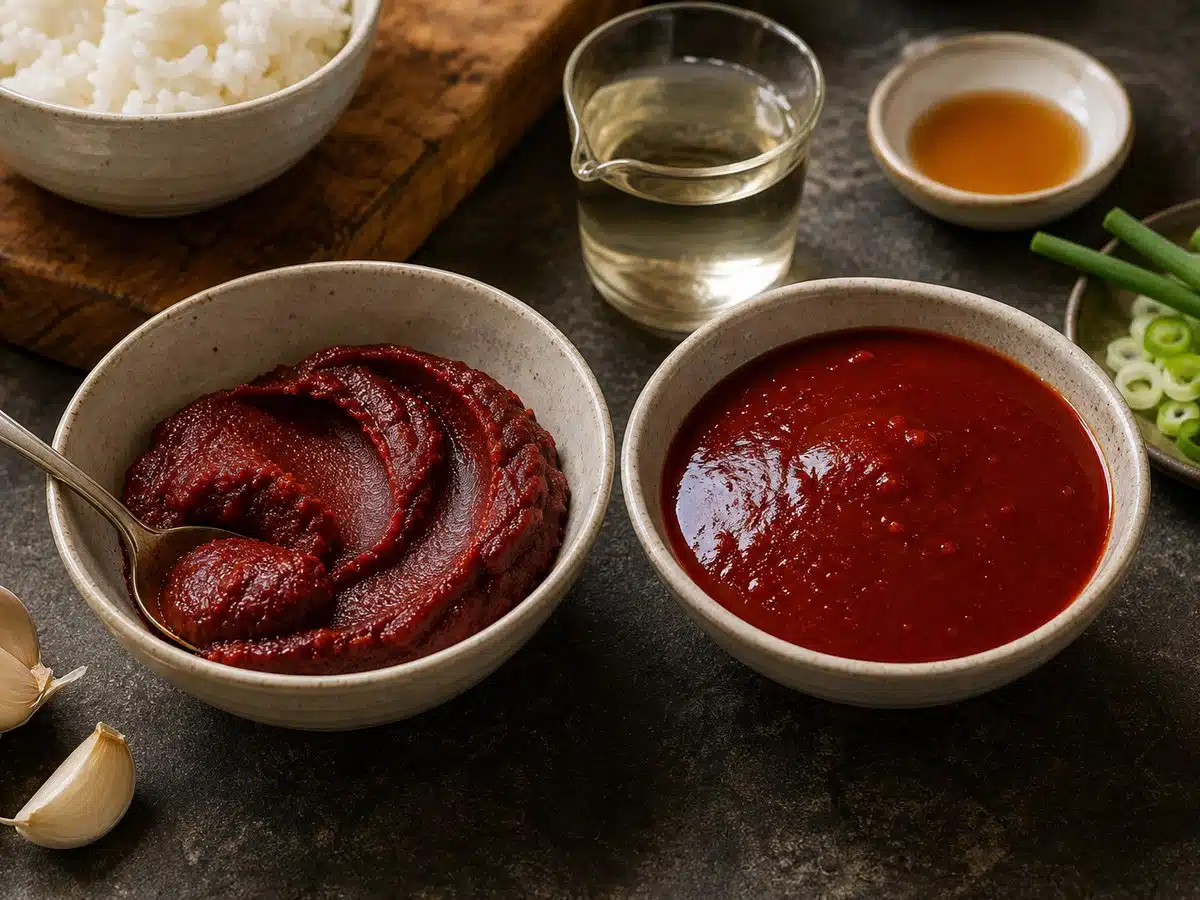
Gochujang paste carries concentrated chile, grain, soybean, salt, and sweetness in a texture closer to miso than ketchup.
A bottle labeled gochujang sauce usually solves the consistency in advance. Water, vinegar, sweetener, oil, or seasonings may already be present, which makes the bottle quick over rice or fried food but leaves less room to change the balance for a stew or marinade.
The tub asks for one extra bowl and gives you several outcomes. Thin a spoon with stock for soup, oil and acid for a marinade, a smaller splash for glaze, or equal spoonfuls of paste and liquid as a starting point for a dip.
The same concentration that feels inconvenient on day one becomes the reason one tub can replace several finished sauces.
Heat Labels Help More Than the Red Color
Read the heat word and the first ingredients. Sempio calls the selected tub mild, and O'Food calls its selected tub medium.
Those labels are more useful than comparing two shades of brick red through plastic.
Heat also changes with concentration. A mild paste tasted straight can feel stronger than a hotter paste dispersed through a large sauce, while a glaze becomes more intense as water cooks away.
Use the label to choose a starting point, then use quantity to control the finished dish.
Ingredient order reveals a different part of the decision. Rice and flour build body, syrup or sugar moves sweetness forward, and garlic or onion gives the paste a more finished profile.
Wang's current listing names red chile pepper flakes, glutinous rice, fermented soybeans, and salt, while O'Food and Roland include sweetener and aromatics.
Dietary claims must remain attached to the exact package. Wheat and soy appear in some formulas, and a vegan, halal, or non-GMO statement on one variant does not automatically cover every heat level or size from the same brand.
| Label Signal | What It Suggests | What to Check | Buyer Use |
|---|---|---|---|
| Mild | Lower heat starting point | Exact variant name | Shared or creamy dishes |
| Medium | Middle heat cue | Serving concentration | One all-purpose tub |
| Syrup or sugar | More built-in sweetness | Ingredient order | Glazes and barbecue |
| Short formula | More seasoning control | Allergen statement | Savory dips and marinades |
How to Use Gochujang for Soup, Marinade, Glaze, and Dip
Add liquid by the spoonful, not by the pour. A small amount can turn a dense paste into a smooth concentrate, while a careless splash can leave a marinade too thin to cling or a dip too weak to taste.
Start in a separate bowl.
Stir one spoonful of warm water, stock, oil, or another recipe liquid into one spoonful of paste until no dark streaks remain, then decide whether the job needs more flow or more body.
Soup can accept more water because the whole pot carries the seasoning. A marinade needs oil and enough acid to spread without running off.
A glaze should remain brushable and tacky, while a dipping sauce can move closer to an equal paste-and-liquid mixture before sesame oil, vinegar, or sweetener adjusts the finish.
Use warm stock or water. Make a smooth slurry first, then stir it into the simmering liquid and taste after other salty ingredients are added.
Use oil plus a smaller amount of acid or water. The sauce should coat the food in a thin layer instead of pooling at the bottom.
Add only enough liquid to make the paste brushable. Remember that heat will reduce water and concentrate salt, sugar, and chile.
Begin with equal spoonfuls of paste and liquid, then adjust sweetness, acid, sesame oil, and salt after the mixture is smooth.
Gochujang Questions From the First Scoop
The exact label controls heat, allergens, and storage. Use these answers to avoid the most common first-tub surprises without repeating the ranking.
Can you eat gochujang paste straight from the tub?
You can taste a small amount straight, but concentrated paste is usually mixed into a dish or loosened into sauce. Salt, sweetness, and heat often feel stronger on an undiluted spoon than they do after the paste meets broth, oil, vinegar, rice, or other food.
Should a first-time buyer choose mild or medium gochujang?
Choose mild when heat is the main concern or when you want to use more paste for color and body. Choose medium when you want one tub for several uses and the people eating already tolerate moderate chile heat.
The words belong to the exact variant, not the brand as a whole.
Is gochujang gluten-free?
Not automatically. Some formulas use wheat flour or carry wheat warnings, while others may be labeled gluten-free.
Read the exact ingredient and allergen panel rather than assuming fermented rice paste has one standard formula.
Does gochujang need refrigeration after opening?
Follow the storage direction on the current package. Keep the lid tight, use a clean utensil, and avoid leaving wet food or sauce inside the tub.
The unopened date does not tell you how to handle the product after the seal is broken.
Can bottled gochujang sauce replace paste in a recipe?
Not reliably one for one. Bottled sauce is already diluted and may contain more sweetener, vinegar, oil, or seasoning, so a recipe written for paste can lose body and chile concentration.
Add bottled sauce gradually and reduce other liquids only when the dish allows it.