
Sliced thin on a hot grill or shredded into a quick bread batter, zucchini shows up in more places than most cooks expect.

It's one of summer's most prolific vegetables - and one of the least understood in terms of flavor.
Raw, it's closer in character to cucumber than to any cooked squash, which explains why people who consider cucumber cooking methods often find zucchini a useful crossover.
Cooked, it softens into something mild and yielding, not unlike eggplant in the way it absorbs surrounding flavors - a parallel that also makes sense if you've ever tried swapping out eggplant in a layered dish.
Zucchini is a mild, tender summer squash with thin edible skin and soft seeds. Raw, it tastes faintly sweet and grassy; cooked, it turns creamy and absorbs flavors well. Best used grilled, sautéed, roasted, or shredded into baked goods. Store in the fridge and use within 1-2 weeks.
What Is Zucchini?
Zucchini is a summer squash - harvested young and eaten immature, unlike winter squash varieties that cure and harden on the vine.
Remember it later
Planning to try this recipe soon? Save it for a quick find later!
It belongs to the species Cucurbita pepo, which also includes pumpkin and delicata, though preparing pumpkin properly requires a very different approach given the denser, starchier flesh.
Domesticated originally in Central America, zucchini was refined into its current elongated form in Italy, which is why both names hold: zucchini (Italian plural of zucchino) and courgette (the French and British term). South Africans call it baby marrow.
It's all the same vegetable.
Most zucchini sold in markets is dark or medium green with pale green streaks, though yellow zucchini is common and behaves identically in cooking.
Understanding how squash cooking methods differ across the family helps place zucchini in context - it's the quickest-cooking and most water-dense of the group.
- 🟢 Standard green zucchini - the most widely available form, 4-8 inches at peak
- 🟡 Yellow zucchini - same flavor and texture, slightly milder skin bitterness
- ⚪ Round zucchini (Ronde de Nice) - compact, ideal for stuffing whole
- 🌸 Zucchini blossoms - the edible flowers, often stuffed and fried
What Does Zucchini Taste Like?
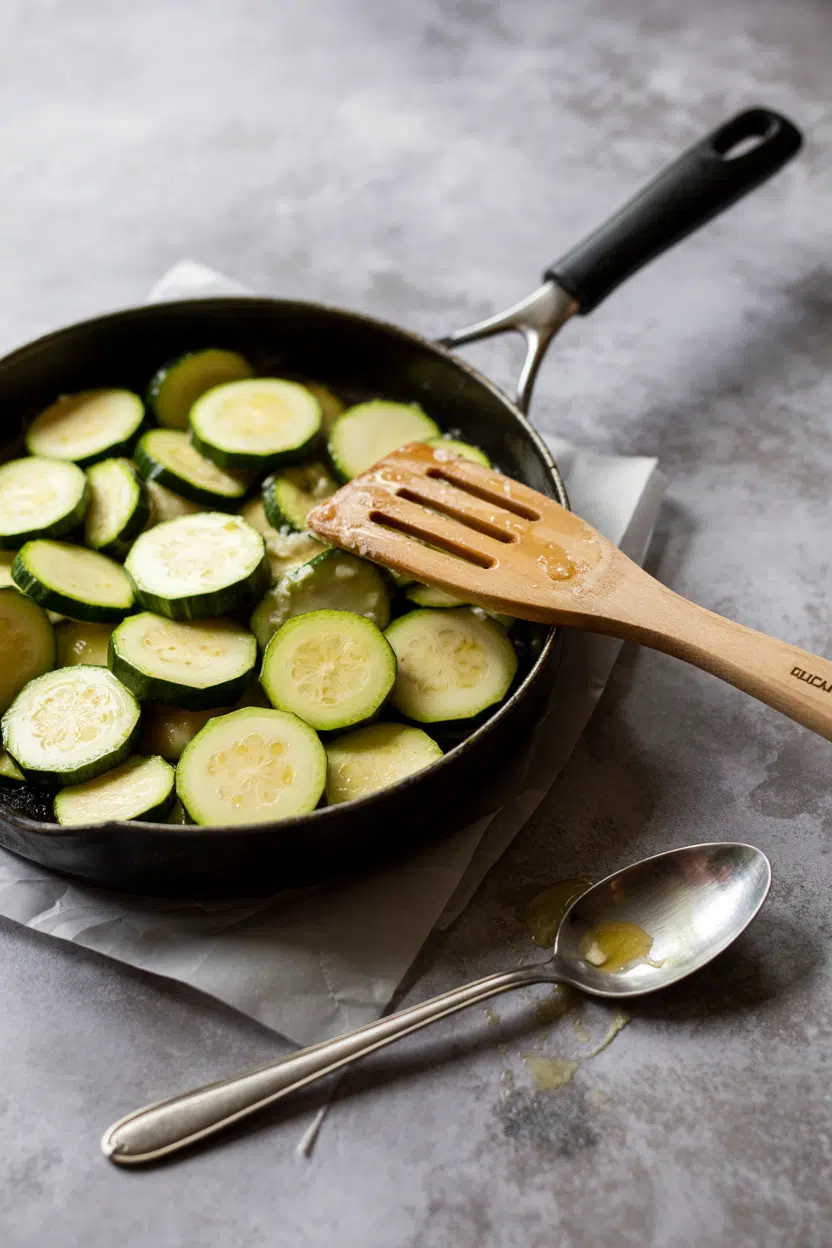
Raw zucchini has a mild, clean flavor - slightly sweet, faintly grassy, with a crisp texture and high water content that places it close to cucumber on the palate.
There's no bitterness in young specimens, and the thin skin adds just a hint of vegetal edge.
Heat changes the picture significantly. Sautéed or roasted zucchini becomes tender and creamy, with a subtle sweetness that deepens as surface moisture evaporates.
At that point, it behaves more like mild eggplant - absorbing garlic, olive oil, or tomato rather than asserting its own flavor.
Overcooking is the main risk. Past a certain point, zucchini turns watery and loses whatever texture it had - the goal in most cooking is tender but not collapsed.
How to Use Zucchini
Zucchini handles heat in multiple ways, and each method produces a noticeably different result. For a full breakdown of zucchini cooking methods and what works as a stand-in when you're out, that resource covers the options clearly.
| Method | Best For | Tip |
|---|---|---|
| 🥗 Raw | Salads, ribbons, quick pickles | Slice thin or ribbon with a peeler; salt briefly to soften |
| 🍳 Sautéed | Skillet sides, pasta additions, fritters | High heat, don't crowd - lets moisture escape before it steams |
| 🔥 Grilled | Side dishes, kebabs, antipasto | Cut ½-inch planks lengthwise; brush with olive oil before grilling |
| 🫙 Roasted | Sheet pan meals, casseroles, lasagna layers | 425°F (220°C) concentrates flavor; avoid overlapping |
| 🍞 Shredded & Baked | Zucchini bread, muffins, fritter patties | Squeeze out excess moisture before mixing into batter |
Italian cooking gets the most out of zucchini - think simple sautés with garlic and olive oil, layered pasta bakes, and ratatouille-style vegetable stews. Mediterranean and Middle Eastern kitchens stuff halved zucchini with spiced grains or meat.
North American home baking leans on shredded zucchini in quick breads and muffins, where its moisture adds structure without adding strong flavor.
For pairings, zucchini works best alongside parmesan or feta, lemon, tomato, and fresh herbs - particularly basil, mint, and dill. Eggs round it out in fritters.
A range of good sides for zucchini can help if you're building a plate around it.
How to Buy and Store Zucchini
Smaller zucchini are almost always better. Aim for 4-7 inch fruits with firm, glossy, unblemished skin and a fresh-cut stem end.
Avoid anything with soft spots, wrinkled skin, or a dull surface - those are signs of age and water loss.
Once home, store zucchini unwashed in a perforated plastic bag in the refrigerator crisper, away from ethylene-producing fruit like apples or bananas, which speed up softening.
Full advice on keeping zucchini fresh covers the specifics if you've got a glut from the garden.
Expect 1-2 weeks of usable life refrigerated. Larger, overgrown zucchini degrade faster due to fibrous seeds and looser flesh - use those first, or shred them for baking.
If you're rotating through alternatives to olive oil in a sauté, zucchini holds up fine regardless of the fat you choose.
Where to Start With Zucchini
Zucchini rewards simplicity. If you haven't cooked it much, start with a hot skillet sauté - sliced rounds, olive oil, garlic, and salt.
That single method shows you exactly what it can do and why it earns its place on so many plates.
From there, branch into grilling for char and texture, or shredding for zucchini bread when the garden gets ahead of you. Both directions take less effort than most people expect.
Frequently Asked Questions
Botanically, it's a fruit - it develops from a flower and contains seeds. In culinary use, however, it's treated as a vegetable in savory cooking. The distinction rarely matters in the kitchen.
Yes. Raw zucchini is safe and has a mild, crisp texture similar to cucumber. Slice thin or ribbon it with a peeler for salads - younger, smaller zucchini taste best raw.
Garden zucchini is ready at 4-7 inches - firm skin, no soft spots, and a fresh stem. Waiting longer produces large, seedy specimens with tougher flesh and weaker flavor.
Shred and freeze it in measured portions for zucchini bread or muffins year-round. Overgrown zucchini works especially well shredded since size and seed content matter less once grated.
No. The skin on young zucchini is thin, tender, and completely edible. Peeling is only worth considering on very large, older specimens where the skin has toughened.



