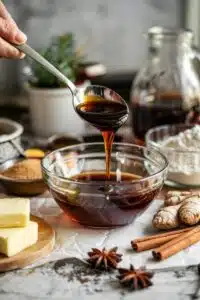
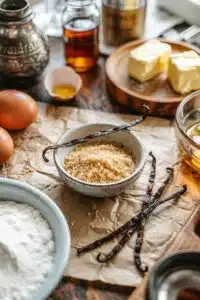
Pumpkin does something in cooking that few other vegetables manage: it carries both savory depth and natural sweetness without tipping fully into either camp.

That balance is why it works in a spiced pie, a coconut curry, and a roasted side dish with equal ease.
If you need a close stand-in, kabocha squash swaps that work are worth knowing, and so are sweet potato swaps that work for baked applications.
Pumpkin is a mild, earthy winter squash with starchy flesh that turns creamy when cooked. Smaller pie or sugar varieties deliver the best flavor. Use it roasted, pureed, or simmered. Whole, it stores for months; cut, it needs the fridge.
What Is Pumpkin?
Pumpkin is a winter squash in the Cucurbita genus, grown across North and Central America for thousands of years before spreading globally.
Remember it later
Planning to try this recipe soon? Save it for a quick find later!
Most cooking varieties belong to Cucurbita pepo, though some belong to Cucurbita maxima or Cucurbita moschata depending on region and variety.
The fruit - botanically a berry - grows on trailing vines, ripening into its familiar round, ribbed shape with a thick orange rind and dense, fibrous interior.
You'll hear it called field pumpkin, pie pumpkin, or sugar pumpkin depending on intended use. "Kabochi" occasionally appears as a regional name, though that more precisely refers to Japanese kabocha squash.
Not all pumpkins cook the same way. Here's how the main types compare:
- 🎃 Jack-o'-lantern varieties - Large, watery flesh; fine for carving, poor for eating
- 🥧 Pie or sugar pumpkins - Smaller, denser, sweeter; the standard for purees and baking
- 🌿 Heirloom varieties (Cinderella, Jarrahdale) - Richer, more complex flesh; excellent roasted
- 🌎 Regional types - Latin American and Southeast Asian varieties skew larger and starchier, suited for stews and curries
For a broader look at the winter squash family, acorn squash swaps that work show how closely related varieties compare in the kitchen.
What Does Pumpkin Taste Like?
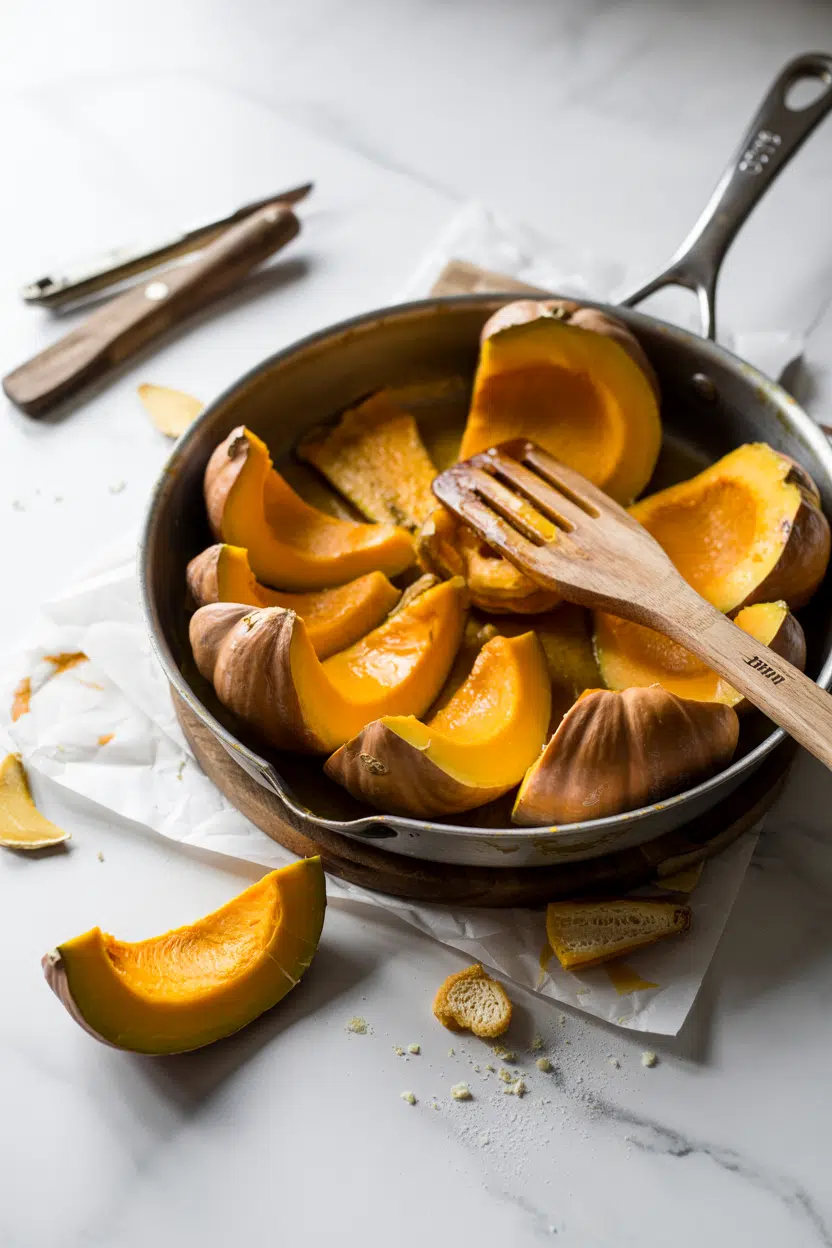
Raw pumpkin is bland. The flesh has a faint vegetal edge and firm, almost watery texture that doesn't offer much on its own. Heat changes everything.
Roasting concentrates the natural sugars, pushing the flavor toward a mellow nuttiness with earthy, warmly starchy notes underneath. The aroma shifts too - expect a slightly nutty, warmly vegetal smell that signals caramelization.
Steamed or simmered pumpkin is softer and more neutral, which is why pumpkin puree relies heavily on warm spices to build character.
Compared to the taste of sweet potato, pumpkin is less sweet and less dense - closer to a mild butternut squash with more moisture and a slightly flatter finish without added fat or spice.
How to Use Pumpkin
Pumpkin handles heat well across several methods, which is why it appears in North American Thanksgiving tables, Southeast Asian coconut curries, Latin American tamales and stews, and European roasted sides.
Roasting is the most reliable method for developing flavor. Cut into cubes or halves, tossed with oil, and roasted at high heat, pumpkin caramelizes on the edges while staying tender inside. Steaming and pureeing produces a smoother result suited to pies, soups, and breads - though you'll need to drain off excess moisture before baking.
| Method | Best For | Tip |
|---|---|---|
| 🔥 Roasting | Salads, grain bowls, side dishes | Cut evenly; don't crowd the pan |
| ♨️ Steaming + Puree | Pies, soups, muffins, sauces | Drain well before using in batters |
| 🍲 Simmering | Curries, dals, stews, porridge | Add late - it breaks down quickly |
| 🥧 Baking | Pies, breads, galettes, flatbreads | Use pie pumpkin puree, not jack-o'-lantern flesh |
| 🔥 Grilling | Charred slices, side dishes | Oil generously; slice at least 1 inch thick |
Pumpkin pairs best with maple syrup or brown sugar, warm spices like cinnamon, nutmeg, and ginger, and rich fats - cream, butter, or coconut milk.
Savory pairings include sage, roasted garlic, smoked bacon, and brown butter.
If a recipe calls for butter and you're working around dairy, knowing which butter swaps that work hold up in baked applications helps keep the texture right.
How to Buy and Store Pumpkin
At the market, pick up the pumpkin before committing. Heavy for its size means dense, moisture-rich flesh - light pumpkins tend to be hollow or dried out.
The rind should be hard with no soft spots, and the stem should be dry and intact; a missing stem invites rot at the top.
Storage depends on whether you've cut into it yet.
- Whole pumpkin - Keep at 50-55°F in a cool, dry spot with airflow; lasts 1-3 months
- Cut pumpkin - Wrap tightly, refrigerate in an airtight container; use within 3-5 days
- Cooked puree - Refrigerate up to 5 days, or freeze for 3-4 months in sealed portions
Watch for softening skin, mold at the stem end, or a sour smell - the full list of pumpkin spoilage signs is worth a quick check before cooking with anything stored more than a few weeks.
Where to Start With Pumpkin
Start with roasting a pie pumpkin. Halve it, scoop out the seeds, oil the cut sides, and roast at 400°F until the flesh is fork-tender.
From there, you can puree it for a pie or soup, cube the flesh for a grain bowl, or toss the seeds with salt and roast them separately.
If you can't find pie pumpkins, alternatives to pumpkin and swapping out butternut squash both cover the closest stand-ins for specific recipes.
Frequently Asked Questions
Botanically, it's a fruit - specifically a berry that develops from the plant's flower. In cooking, it's treated as a vegetable for savory dishes and as a starchy base for sweet applications.
No. Pie pumpkins (like 'Sugar Pie') are smaller with denser, sweeter flesh and less water. Carving pumpkins are bred for size and thin walls - their flesh is stringy, watery, and nearly flavorless when cooked.
Yes, raw pumpkin is safe to eat, but the texture is tough and the flavor is bland. Thin-shaved slices work in some salads, though most people find it far more appealing with heat applied.
Roasted pumpkin smells warmly vegetal with a light nuttiness from caramelized edges. It's subtle compared to roasted sweet potato - the aroma deepens noticeably when brown butter or warm spices are added alongside it.
Roast or steam a pie pumpkin until fully soft, then scoop the flesh and blend until smooth. Strain through a cheesecloth or fine mesh sieve to remove excess water before using in recipes that call for canned puree.