
Crêpes Suzette wouldn't be what they are without Grand Marnier - that amber pour that turns a simple folded pancake into a tableside spectacle. If you've ever wondered why crêpes turn up on fine-dining menus alongside a liqueur rather than plain orange juice, the answer is complexity.

Grand Marnier brings bitter orange peel, warm Cognac depth, and a hint of vanilla to any recipe, and that combination is harder to replicate than it sounds.
Grand Marnier is a French orange liqueur built on Cognac and bitter orange essence. It reads sweet-citrus up front, then delivers warm brandy heat and a faint caramel finish. Use it in cocktails, flambé desserts, glazes, and ganache.
What Is Grand Marnier?
Grand Marnier is a French liqueur created in Normandy in 1880 by Louis-Alexandre Marnier Lapostolle. It blends aged Cognac brandy from the Charente region with the essence of bitter wild oranges - specifically Citrus bigaradia, a variety distinct from the sweet oranges you'd eat fresh.
Remember it later
Planning to try this recipe soon? Save it for a quick find later!
The flagship expression is the Cordon Rouge, recognizable by its red ribbon and amber color. It sits in a category often labeled orange liqueur or curaçao, though it differs from most triple sec products because the Cognac base replaces neutral grain spirit.
That distinction gives it noticeably more depth.
Several expressions exist beyond Cordon Rouge:
- Cordon Rouge - the standard; ~40% ABV, the one most recipes call for
- Cuvée du Centenaire - aged longer in oak, richer and more spirit-forward
- Quintessence - a premium release using very old Cognac, rare and expensive
- Grand Marnier Raspberry Peach - flavored line, lighter and less traditional
Most cooking and cocktail recipes mean Cordon Rouge when they say Grand Marnier.
What Does Grand Marnier Taste Like?
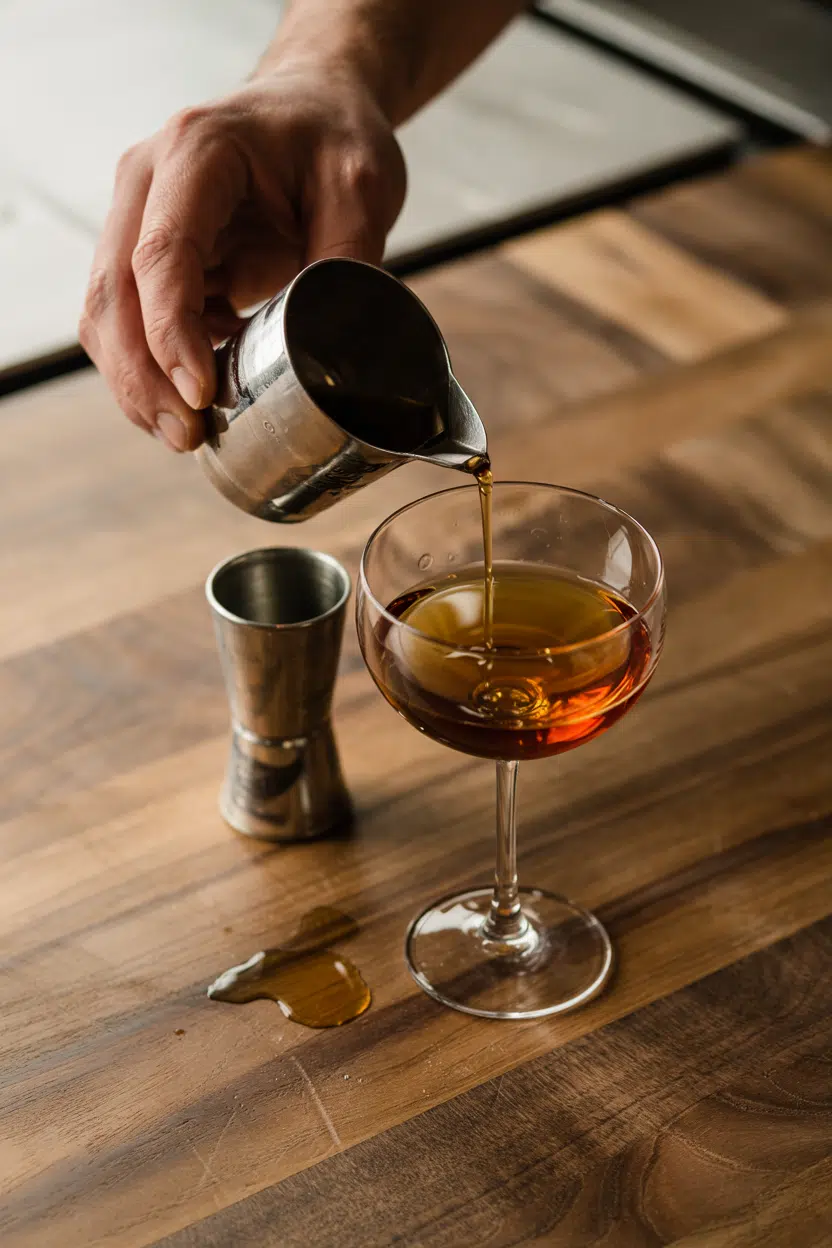
Grand Marnier opens with bright bitter orange, the kind that registers closer to dried peel than fresh juice.
Beneath that citrus note sits a layer of sweet marmalade, then warmth from the Cognac oak - faint vanilla, a touch of caramel, and a brandy heat that lingers well after the sip.
Compared to Cointreau, Grand Marnier is richer and heavier - Cointreau reads crisper and more neutral because it uses grain spirit. Grand Marnier also tastes distinctly warmer than blue curaçao, which is lighter and far sweeter.
In cooking, the alcohol cooks off but the bitter orange and caramel notes stay behind.
How to Use Grand Marnier
Grand Marnier works across a wider range of cooking applications than most spirits, because the Cognac backbone holds up to heat and fat in ways that lighter liqueurs don't.
| Method | Best For | Tip |
|---|---|---|
| 🔥 Flambé | Crêpes Suzette, cherries jubilee, bananas Foster riff | Tilt pan away from you; use a long match or lighter |
| 🍳 Deglaze | Pan sauces for duck, pork, foie gras | Add off-heat first, then return to flame to reduce |
| 🍒 Macerate | Cherries, citrus segments, stone fruits | 30 minutes minimum; overnight intensifies the flavor |
| 🎂 Bake | Brownie batter, chocolate ganache, orange cake | 2-3 tablespoons per batch; alcohol bakes off, orange stays |
| 🫙 Glaze | Roasted duck, pork tenderloin | Brush on during the final 10-15 minutes to avoid burning |
| 🍐 Poach | Pears or apples in spiced syrup | Combine with water, sugar, and spices; simmer gently |
In cocktails, a splash of Grand Marnier upgrades a standard Sidecar or adds citrus-brandy weight to Margarita-style drinks. It pairs especially well with dark chocolate, heavy cream, vanilla, coffee, and almonds - flavors that echo or complement the Cognac's oak character.
If you need a swap, consider options from our guide to grand marnier alternatives - some situations call for a lighter touch and a different citrus profile.
How to Buy and Store Grand Marnier
Cordon Rouge is the right starting point for almost every recipe. Look for the signature red ribbon, clear amber liquid, and a sealed cork - cloudy liquid or a cracked wax seal are both reasons to pass.
Store the bottle upright in a cool, dark place, away from direct sunlight or a hot stovetop. Heat degrades both the citrus oils and the Cognac character faster than anything else.
Unopened, Grand Marnier holds well for several years. Once opened, the grand marnier storage guide is best within one to three years - it won't spoil, however the citrus notes dull noticeably after that window.
Where to Start with Grand Marnier
Grand Marnier earns its place if you cook with duck or pork, bake with dark chocolate, or mix cocktails that call for orange liqueur with backbone.
Start with the Crêpes Suzette flambé if you want the full experience - it shows off every layer the liqueur has.
If you already own Cointreau or a brandy substitute and are weighing whether Grand Marnier is worth a separate purchase, the answer depends on the recipe. Cognac-forward dishes and richer desserts justify it.
Simple cocktails that need clean citrus brightness often don't.
Frequently Asked Questions
No. Grand Marnier uses aged Cognac as its base spirit; Cointreau uses neutral grain spirit. That makes Grand Marnier richer and warmer, while Cointreau tastes cleaner and crisper. They're not interchangeable in recipes where depth matters.
It's made from aged Cognac brandy, the essence of bitter wild oranges (Citrus bigaradia), and sugar. The Cognac comes from the Charente region of France and is blended with the orange distillate before bottling.
Grand Marnier is noticeably richer and more spirit-forward than most triple sec products. Triple sec tends to be sweeter and one-dimensional by comparison. The Cognac base in Grand Marnier adds vanilla, caramel, and oak notes that triple sec lacks entirely.
Yes - it's well suited to flambé, glazes, deglazing pan sauces, and baking. The alcohol burns or cooks off during heat application, leaving behind bitter orange and caramel flavor. Use 2-3 tablespoons in most baking applications.
Peak flavor holds for one to three years after opening when stored properly. It won't become unsafe beyond that point, however the bright citrus aroma fades and the overall character flattens noticeably over time.



