
You spot them on the shelf - wide, flat, pale beans that look more substantial than a navy bean or a chickpea. Butter beans have a quiet confidence about them, the kind of ingredient that doesn't shout but quietly anchors a dish.
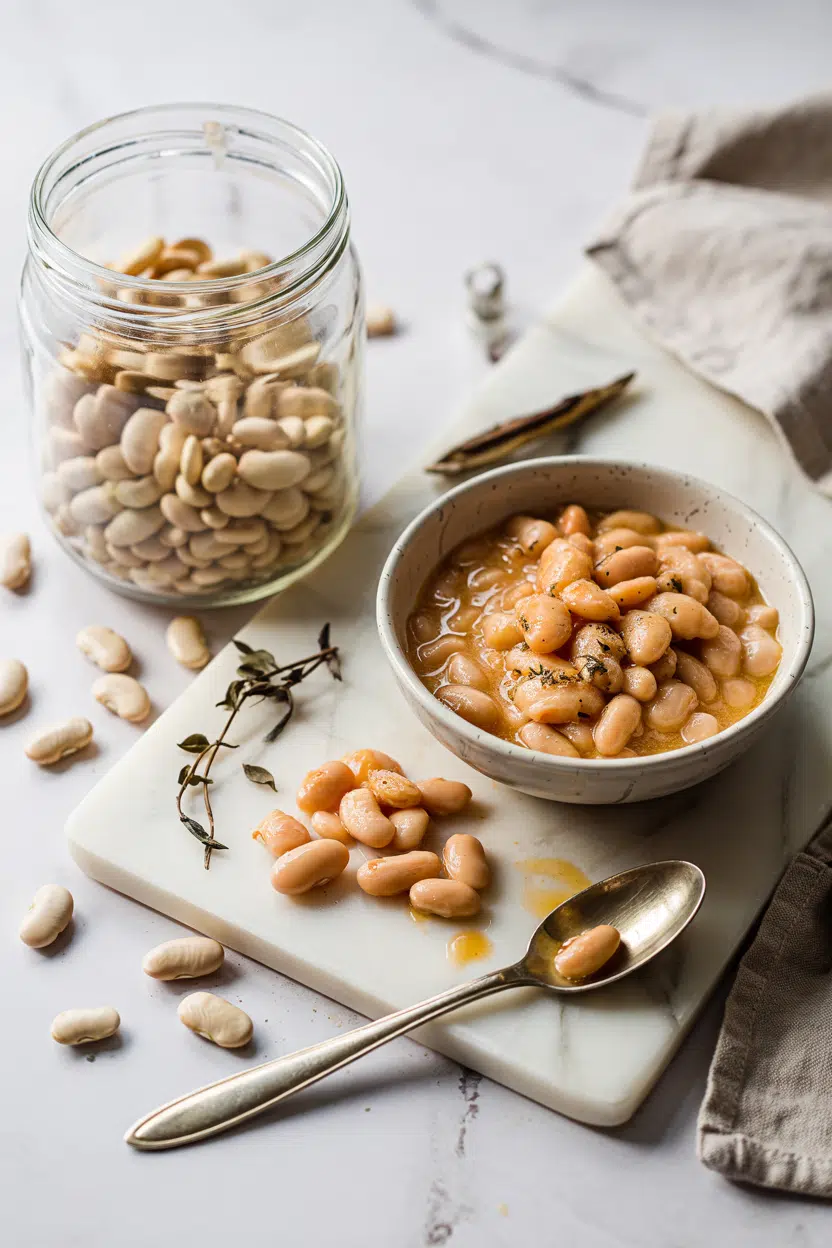
Butter beans are large, flat mature lima beans with a mild, creamy-starchy flavor. They shine in slow-cooked stews, purees, and braised dishes. Dried beans need soaking and long simmering; canned versions are kitchen-ready in minutes.
What Is Butter Bean?
Butter beans are the large, mature seeds of the lima bean plant (Phaseolus lunatus), harvested after the pods have fully dried on the vine. They are wide, flat, and distinctly kidney-shaped, typically cream to pale green in color depending on the variety and processing stage.
Remember it later
Planning to try this recipe soon? Save it for a quick find later!
The name "butter bean" is most common in the Southern United States, the Caribbean, and parts of the UK - though the bean itself is the same species as the standard lima. Large lima and butterbean (one word) are both accepted names for the same thing.
Baby limas are a related but smaller variety with a slightly different texture.
Originating in the Americas, butter beans moved into West African and Southern U.S. food traditions through centuries of agricultural exchange. Today they appear in Southern stews, Portuguese bean dishes, and Caribbean braises.
Two main forms are widely available:
- Dried butter beans - require soaking and extended simmering; give you the most control over final texture
- Canned butter beans - already cooked, convenient, and hold up well in most recipes that don't require hours of simmering
What Does Butter Bean Taste Like?
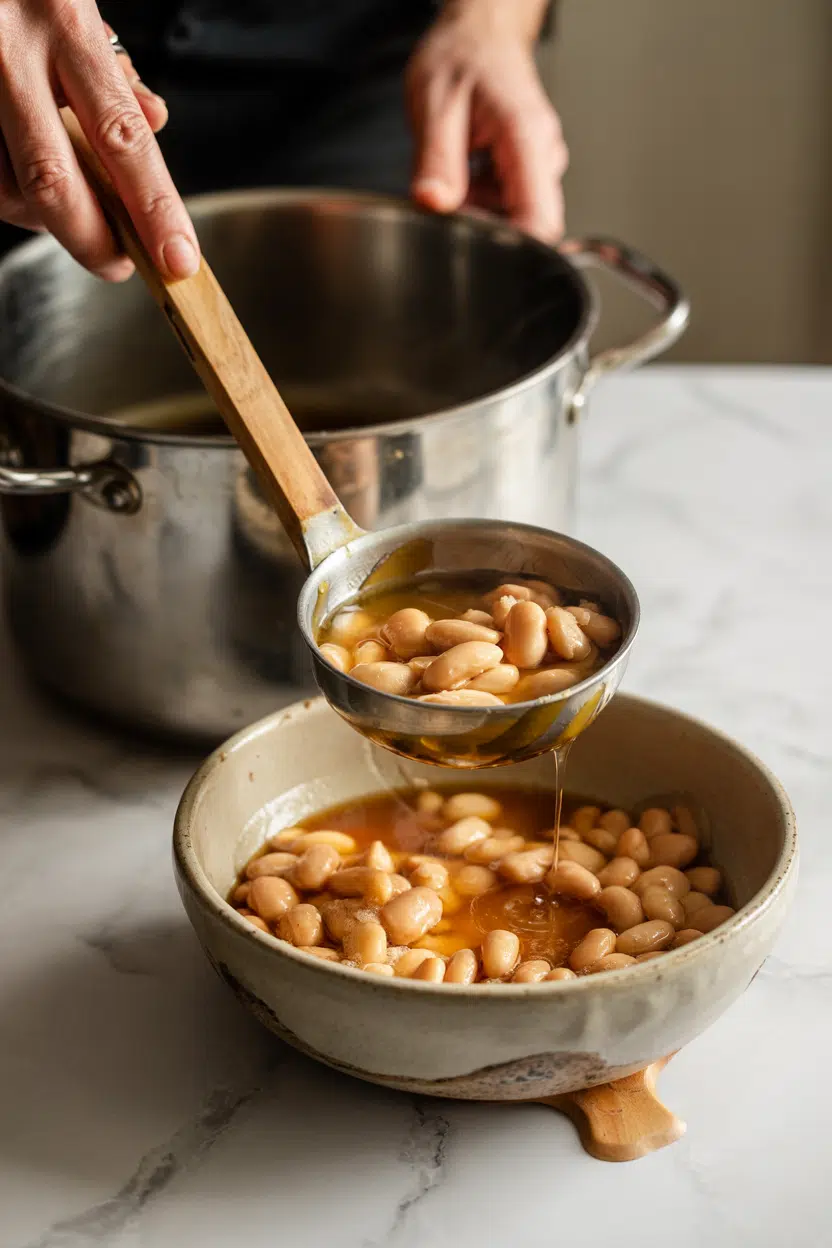
Butter beans have a mild, creamy-starchy flavor with a faint natural sweetness and a subtle nuttiness underneath. They don't have the iron-forward edge of a kidney bean or the sharp bite of a pinto.
Compared to a cannellini bean, butter beans taste milder and more buttery, with less of that dry, chalky finish.
The texture is where they really differ - long simmering turns a butter bean almost spreadably soft at the center while the exterior still holds its shape.
Heat intensifies the starchy quality. A butter bean pulled after 20 minutes of simmering tastes quite different from one braised for an hour with smoked pork - the longer cook pulls sweetness forward and softens any raw, beany edge.
How to Use Butter Bean
Butter beans absorb surrounding flavors readily, which makes them ideal for slow-cooked, savory dishes where fat, smoke, or acid can work into the bean over time.
They're a cornerstone of Southern cooking - braised with a ham hock and onion into a thick, brothy stew that eats like a full meal.
| Method | Best For | Tip |
|---|---|---|
| 🍲 Simmering | Stews, braises, ham hock dishes | Low heat, long time - avoid rapid boiling |
| 🥘 Braising | Garlic-lemon sides, greens-and-bean dishes | Add acid (lemon, vinegar) only near the end |
| 🥗 Chilled/Salad | Warm-grain salads, cold bean salads | Par-cook to just tender; cool in cold water |
| 🫙 Mashing/Pureeing | Dips, spreads, creamy sides | Add olive oil and garlic; blend while warm |
| 🫕 Baking | Casseroles, gratin-style dishes | Use canned beans to avoid over-drying |
Beyond the Southern table, butter beans appear in Caribbean braises alongside braised oxtail, and in Portuguese stews layered with smoked sausage. They pair naturally with garlic and onion as a base, with fresh thyme or parsley added late to keep the herb flavor bright.
A splash of vinegar or lemon juice at the end cuts through the starchy richness.
Butter beans also fold well into succotash alongside corn and bell pepper, where their creamy bite contrasts the sweet crunch of the corn. For a quick side, mash them with olive oil and lemon for a spread that works anywhere you'd use hummus.
They also pair well with collard greens and smoked pork in a single pot.
How to Buy and Store Butter Bean
For canned butter beans, look for plump, intact beans floating in clear liquid. Avoid cans with dents, rust, or bulging seams.
For dried butter beans, choose uniformly large, flat seeds with pale, even coloring - skip bags with broken, powdery beans or dark spots, which signal age or poor storage.
Storage is straightforward:
- Unopened cans - cool, dry pantry; good for 2-5 years
- Dried beans - airtight container away from light; use within 1-2 years for best texture
- Cooked or opened canned beans - sealed container in the fridge; use within 3-5 days
For a full breakdown of how long each form stays usable, see our guide on butter bean freshness guide.
Start With the Stew
New to butter beans? Begin with a simple braised version - canned beans, garlic, stock, and a drizzle of olive oil. That single cook will show you exactly how the texture shifts and how well they carry surrounding flavors.
Once you understand that baseline, every other use - butter bean alternatives, purees, casseroles - makes more sense. No better place to start.
Frequently Asked Questions
Yes - butter beans are the large-variety mature form of the lima bean. The name "butter bean" is used in the Southern U.S., the Caribbean, and the UK, while "lima bean" is more common elsewhere. Baby limas are a smaller, related variety.
After soaking overnight, dried butter beans typically simmer in 45-90 minutes over low heat. Older dried beans take longer. Skip soaking and they can take up to 2 hours.
No. Raw butter beans contain linamarin, a naturally occurring compound that can release hydrogen cyanide when consumed uncooked. Thorough cooking destroys it completely, making them safe to eat.
Soaking isn't strictly required, but it reduces cook time significantly and helps break down oligosaccharides that cause gas. An overnight soak in cold water is the standard method; a quick hot soak (boil for 2 minutes, rest 1 hour) works as a faster alternative.
Butter beans are milder and more starchy-creamy than cannellini, which have a slightly firmer bite and a cleaner, less sweet flavor. Cannellini hold their shape better in long braises; butter beans go softer and more spreadable over extended cooking.



