
Chickpeas do something few other legumes can: they hold their shape when you need them firm, collapse into silk when you need them creamy, and absorb surrounding flavors without losing their own. Unlike black beans, which have a pronounced earthiness, chickpeas stay mild enough to work across wildly different cuisines - from a spiced Indian chana masala to a bright Mediterranean stew.
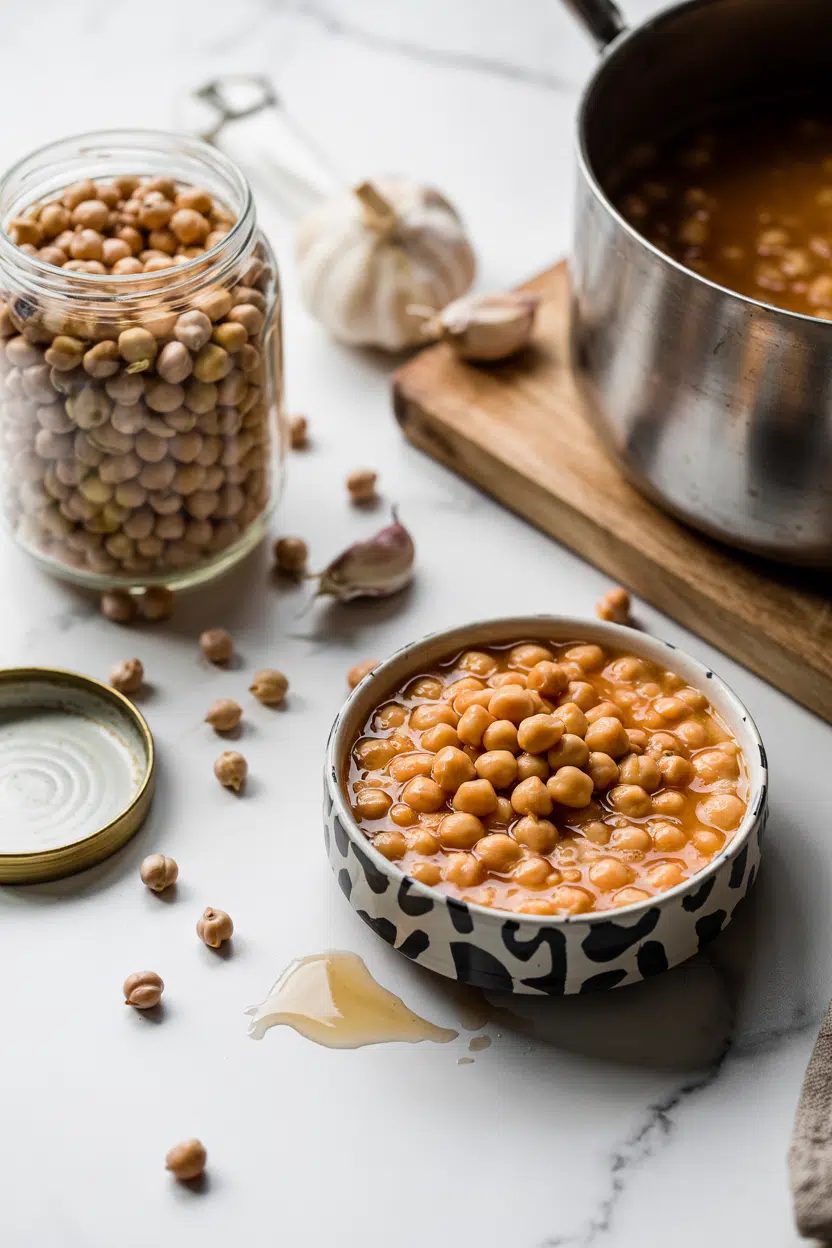
That range makes them one of the most genuinely useful things to keep in your pantry.
A mild, nutty legume sold dried or canned, chickpeas work whole, mashed, or pureed across Middle Eastern, Mediterranean, and South Asian cooking. Flavor is earthy and slightly sweet, with a texture that ranges from firm to creamy depending on how you cook them.
What Is Chickpea?
Chickpeas are a round, beige legume - a pulse crop in the same family as lentils and beans - originating from the Eastern Mediterranean and South Asia, where they've been cultivated for over 7,000 years.
Remember it later
Planning to try this recipe soon? Save it for a quick find later!
The seed sits inside a small papery pod, and each has a distinctive dimple at one end.
Two main types dominate markets worldwide. Kabuli chickpeas are the larger, pale-tan variety most common in Western grocery stores -
the kind you see in cans. Desi chickpeas (also called chana) are smaller, darker, and have a thicker skin; they're standard in South Asian cooking and ground into besan (gram flour) for batters and flatbreads.
You'll also see them called garbanzo beans (the Spanish name widely used in the US), kabuli chana, or simply chana depending on the regional context.
- Kabuli - Large, cream-colored, mild; the standard for hummus and Western salads
- Desi - Smaller, darker, nuttier; used in chana masala and ground into gram flour
- Black chickpea (Kala chana) - A desi subtype with a darker skin and firmer bite after cooking
If you're looking at chickpea alternatives for a recipe, cannellini beans are the closest match for texture and mild flavor.
What Does Chickpea Taste Like?
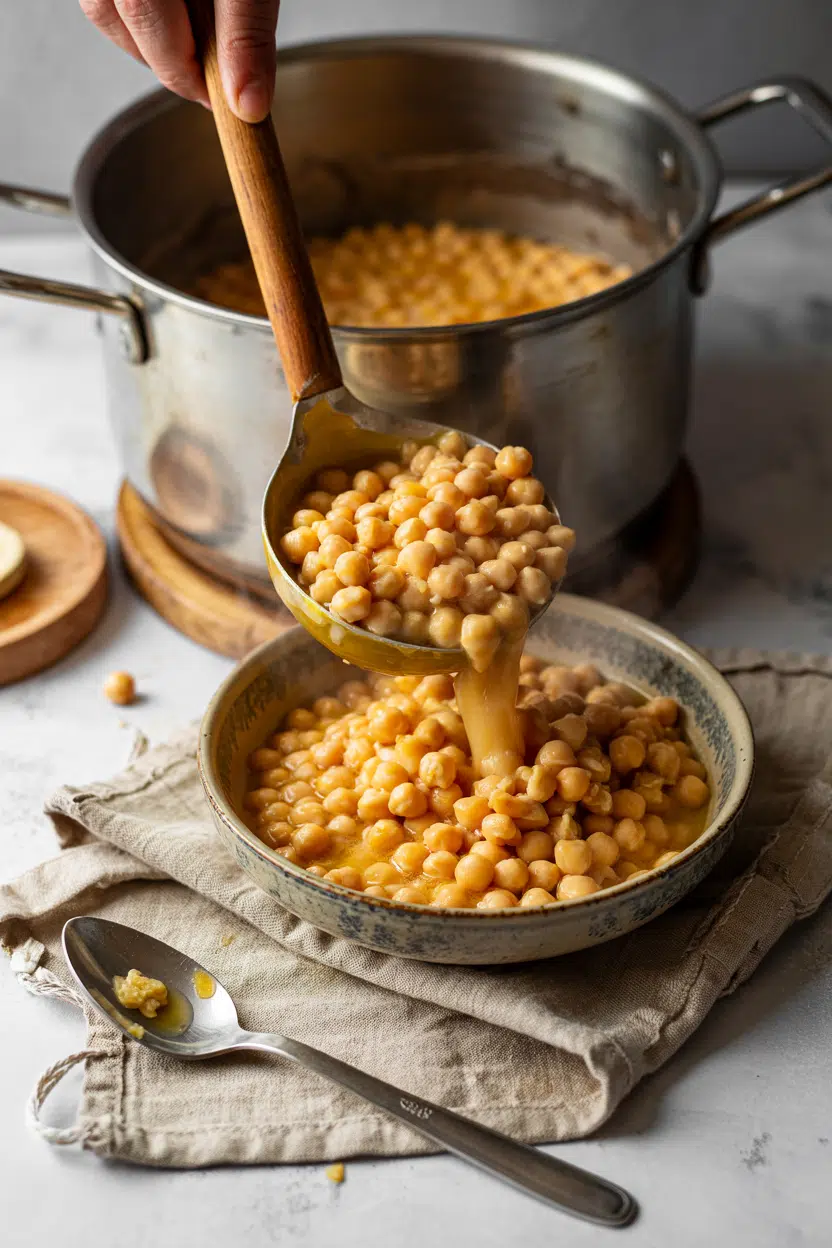
Chickpeas taste mild and nutty, with a faint sweetness and a low but present earthiness. The closest comparison is a mild, slightly grainy potato crossed with a cannellini bean - there's substance without sharpness.
Raw dried chickpeas have almost no aroma worth noting. Cooked, they develop a quiet, beany warmth that's easy to build on with spice.
Heat changes their texture more than their flavor. Pressure-cooking produces a creamier, more yielding bean.
Roasting concentrates the nuttiness and crisps the exterior into something close to a cracker.
How to Use Chickpea
Chickpeas sit at the center of several iconic dishes, and understanding those uses makes it easier to improvise. Hummus is the most recognized: dried or canned chickpeas pureed with tahini, lemon, and garlic into a smooth dip.
Blending warm, freshly cooked chickpeas produces a noticeably silkier result than cold canned ones.
In South Asian cooking, chana masala is the main event - chickpeas simmered in a spiced tomato-onion gravy until they soak up the heat of cumin, coriander, and garam masala. Desi chickpeas hold up better here than Kabuli because of their firmer skin.
Beyond those two anchors, the options spread quickly.
| Method | Best For | Tip |
|---|---|---|
| 🥗 Whole (cold) | Salads, grain bowls | Rinse canned chickpeas thoroughly; dry before adding |
| 🍲 Simmered | Stews, soups, chana masala | Add chickpeas in the final 15-20 min to avoid mushiness |
| 🔥 Roasted | Crunchy snacks, salad toppers | Dry completely before roasting; 200°C / 400°F for 25-30 min |
| 🫙 Pureed | Hummus, creamy soups, dips | Remove skins first for the smoothest result |
| 🫓 Ground (besan) | Batters, flatbreads, pakoras | Use gram flour immediately - it can turn bitter if stored open |
Pairing chickpeas is straightforward: tahini and lemon are the classic base for dips; cumin, coriander, and paprika work across both Mediterranean and South Asian applications. Olive oil, roasted garlic, and herbs like parsley carry the legume well in lighter preparations. A roasted eggplant salad with tahini is a strong example of chickpeas working alongside bold, smoky flavors without competition.
Chickpeas are less effective in raw preparations where crisp, watery vegetables set the texture - unless you've roasted them first. Also compare lentils if your recipe needs something that breaks down into a thicker, softer mass.
How to Buy and Store Chickpea
Canned chickpeas are the fastest option - look for plump, intact beans and clear (not murky) liquid in the can. Avoid any can that's dented at the seam. For dried, choose pale, uniform Kabuli seeds or firm, unbroken Desi seeds. Excess powder at the bottom of a bag signals age or moisture damage.
Storage by form:
- Dried chickpeas - Airtight container, cool dark pantry; good for 1-2 years
- Canned, unopened - Pantry shelf; check can date, typically 2-5 years
- Opened canned / cooked - Sealed container in the fridge; use within 3-4 days
For full guidance on chickpea storage guide across all forms, including freezing cooked chickpeas, see our dedicated storage guide.
Where to Start With Chickpeas
Start with canned. They're ready in minutes and cover most recipes without any planning.
Once you're cooking with them regularly, dried chickpeas give you better texture and lower cost per serving.
Try hummus first if you're new to the ingredient - it shows what the bean becomes when pureed. Move to roasted chickpeas next to understand the other end of the texture spectrum.
If you already cook with chickpeas and want to push further, besan (gram flour) opens a different set of applications entirely: batters, flatbreads, and savory pancakes that most Western pantries never touch.
Frequently Asked Questions
No - raw dried chickpeas are hard, indigestible, and can cause stomach upset. Canned chickpeas are pre-cooked and safe to eat straight from the can, but dried ones require soaking and cooking first.
Milder and nuttier than most. Black beans are earthier and more mineral; kidney beans are meatier. Chickpeas have a faint sweetness and a slightly grainy texture that sets them apart from creamier white beans.
Three to four days in a sealed container in the refrigerator. Transfer them out of the can; storing food in open cans accelerates off-flavors from the metal lining.
Kabuli and Desi. Kabuli are the large, pale-tan beans common in cans and Western recipes. Desi are smaller, darker, and have a thicker skin; they're standard in South Asian cooking and ground into gram flour (besan).
Yes, by most measures. A 100g cooked serving provides roughly 7-9g of plant protein, significant dietary fiber, iron, and folate. Some people experience gas from the oligosaccharides in chickpeas - soaking dried beans and discarding the water reduces this.



