
You're halfway through salsa macha and realize the cascabel chilies are missing. The recipe relies on their nutty warmth and balanced heat, not just generic spice.

Cascabel brings mild heat, subtle smokiness, and a rusty red color to sauces, moles, and stews. Without it, the dish can lose depth.
A few dried chilies in your pantry can fill that gap.
Ancho and guajillo chilies both stand in for cascabel at 1:1 by volume. Toast them first to deepen the flavor.
Pick ancho for moles and enchilada sauces, where its raisiny sweetness fits, and guajillo for soups, salsas and stews.
If you only have smoked paprika, use it 1:1 for color and smoke, then add cayenne or chili flakes for the heat.
| # | Substitute | Best For | Ratio | Key Note |
|---|---|---|---|---|
| 1 | Ancho Chili | ✨ Both | 1:1 | Sweeter, less pungent |
| 2 | Guajillo Chili | ✨ Both | 1:1 | Brighter, fruitier edge |
| 3 | Chipotle Chili | 🍳 Cooking | 1:2 | Strong smoky kick |
| 4 | Chili Flakes | 🍳 Cooking | ½-1 tsp | Heat without complexity |
| 5 | Smoked Paprika | ✨ Both | 1:1 | Color and smoke, mild heat |
| 6 | Pasilla Chili | ✨ Both | 1:1 | Earthier, darker tone |
| 7 | DIY Blend | ✨ Both | 2:1 | Custom ancho-paprika mix |
What Cascabel Does in a Dish
Cascabel is a small, round dried chile about an inch across. Its name means "little bell" in Spanish, because the seeds rattle inside the pod when you shake it.
Remember it later
Planning to try this recipe soon? Save it for a quick find later!
It is mild at roughly 1,000 to 3,000 Scoville units, with a nutty, toasted flavor and only a little smoke. That adds warmth and body to a sauce without making it hot.
Guajillo pods run four to six inches long and ancho pods are also much bigger than a cascabel, so measure these swaps by the volume of torn pieces, not by pod count.
- Ancho, 1,000 to 1,500 SHU: a touch milder than cascabel, and sweeter.
- Pasilla, 1,000 to 2,500 SHU: the same heat range, with an earthier, darker flavor.
- Guajillo, 2,500 to 5,000 SHU: equal to somewhat hotter, with a tangy, fruity edge.
- Chipotle, 2,500 to 8,000 SHU: hotter and much smokier, which is why it goes in at half.
The 7 Best Cascabel Chili Substitutes, Ranked
1 – Ancho Chili 🌶️
Ancho chili shares cascabel's mild heat and smoky undertone but runs sweeter. Use it 1:1 by volume in moles, enchilada sauces, and braised meats.
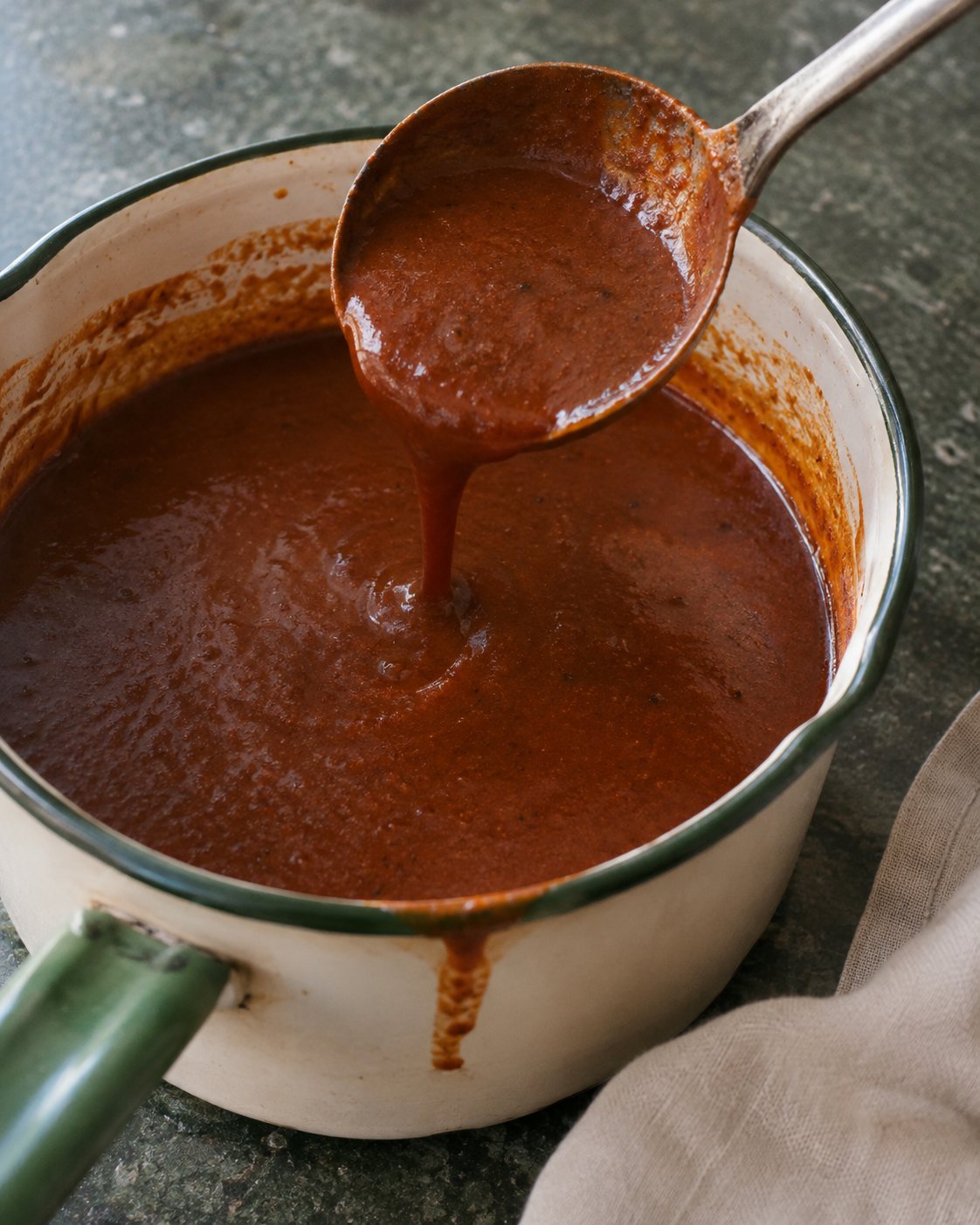
Ancho is a dried, fully ripened poblano, so the flavor leans toward raisiny sweetness instead of cascabel's nuttier punch. You won't miss much depth in layered sauces.
- ✅ Easy to find in most Latin markets
- ✅ Similar heat level and color
- ⚠️ Sweeter profile may soften savory dishes
- ⚠️ Less pungent aroma than cascabel
Ancho works best in recipes where other spices balance the sweetness.
2 – Guajillo Chili 🔥
Guajillo brings bright fruity notes and moderate heat, closer to cascabel's warmth than its earthy side. Swap 1:1 by volume in soups, salsas, and stews, and taste first because guajillo often runs a little hotter.
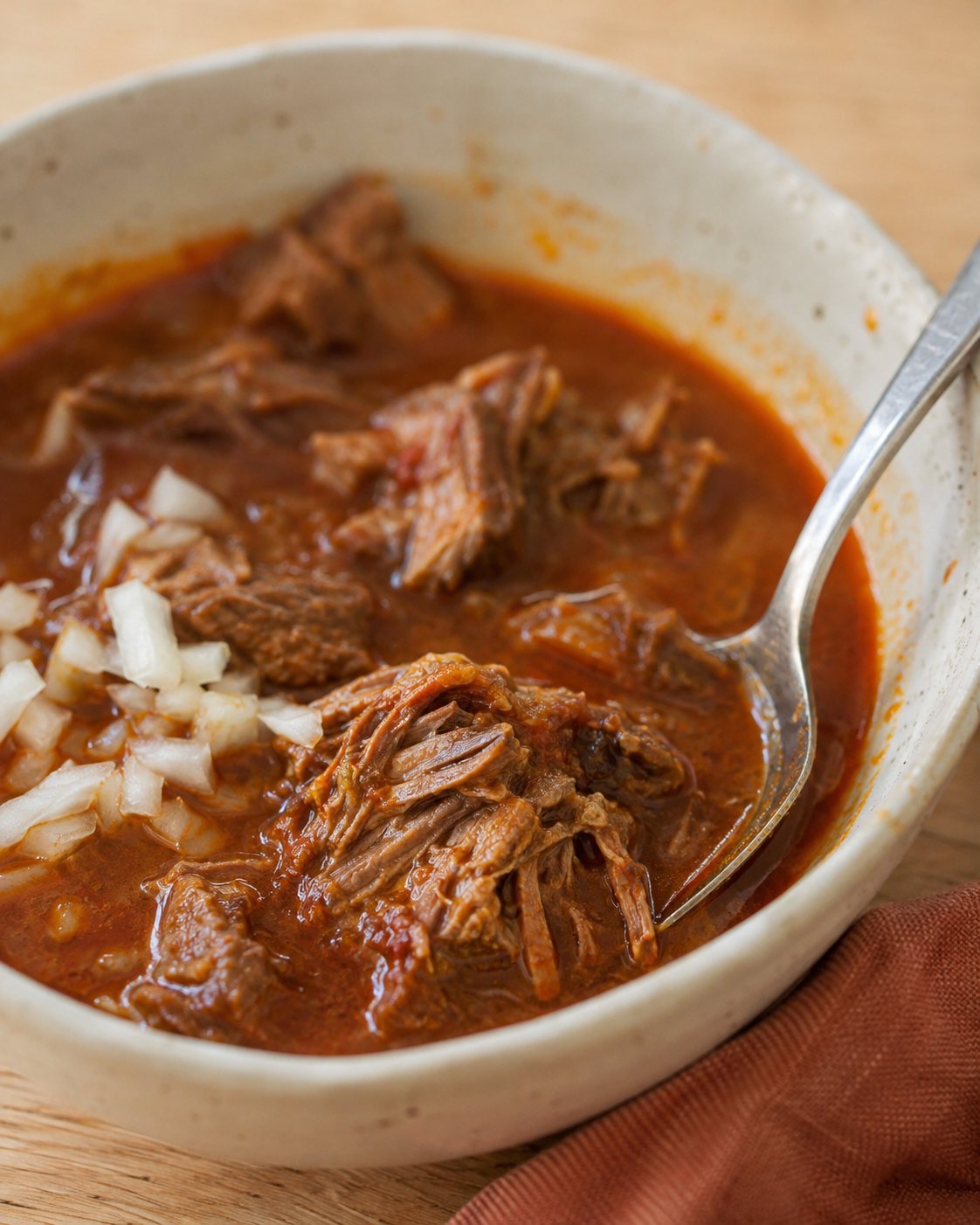
The texture is slightly thinner and the color a shade brighter. Guajillo won't mimic cascabel's nuttiness exactly, but it fills the gap in liquid-based dishes like slow-cooker birria, where you need balanced spice and color.
3 – Chipotle Chili 🔥
Chipotle delivers cascabel's smokiness but amps it up several notches. Use ½ the amount by volume, because chipotle's intensity can overpower lighter sauces.
Add it early in slow-cooked dishes so the smoke mellows. Chipotle shines in barbecue glazes, chili con carne, and braised pork.
- ✅ Strong smoky depth
- ✅ Works well in long-cooked dishes
- ⚠️ Too pungent for delicate sauces
4 – Chili Flakes 🌶️
Dried red chili flakes add heat without complexity. Use ½ to 1 teaspoon per tablespoon of cascabel when you need spice more than flavor depth.
Chili flakes work best as a finishing touch or quick seasoning. They won't replicate cascabel's nutty warmth or smoky undertone, but they keep dishes from tasting flat.
5 – Smoked Paprika 🌶️
Smoked paprika nails the color and smoky aroma but brings almost no heat. Use it 1:1 by volume and add cayenne pepper or chili flakes separately to match cascabel's spice level.
This swap works best in sauces where you control the heat independently. Paprika won't give you cascabel's pungency, but it keeps the visual and aromatic cues intact.
Cayenne runs far hotter than cascabel, at about 30,000 to 50,000 SHU, so add it a pinch at a time.
- ✅ Rich smoky flavor and deep red color
- ✅ Easy pantry staple
- ⚠️ Very mild heat, so add spice separately
- ⚠️ No chewiness or texture
6 – Pasilla Chili 🌶️
Pasilla leans earthier and darker than cascabel but matches the heat level. Use 1:1 by volume in stews, moles, and slow-simmered sauces.
The flavor runs more savory than nutty, closer to dried fruit and coffee than toasted seeds. Pasilla won't mimic cascabel's brightness, but it adds depth in heavily spiced dishes.
- ✅ Similar heat and complexity
- ⚠️ Earthier and less bright
7 – DIY Blend: Ancho + Smoked Paprika 🌶️
Mixing 2 parts ancho with 1 part smoked paprika rebuilds cascabel's balance at home. Ancho brings the heat and nutty sweetness, while paprika sharpens the smoke.
This combo works in custom chili powders, adobo sauces, and anywhere you'd grind cascabel yourself. It won't match cascabel's exact pungency, but it covers the flavor zones that matter most.
You'll need both ingredients on hand, so this swap takes more effort.
Match Your Cascabel Swap by Dish
- For moles and enchilada sauce: Ancho or guajillo work 1:1 and match heat, and red enchilada sauce is traditionally made from dried chiles like these.
- For stews and braises: Pasilla for earthy depth, chipotle for smoky punch
- For quick seasoning: Chili flakes + smoked paprika cover heat and smoke separately
- For color without heat: Smoked paprika alone, then adjust spice with cayenne
Frequently Asked Questions
Fresh chilies won't match cascabel's concentrated, nutty flavor or its deep smokiness, because dried chilies develop complexity through drying that fresh ones lack. If you only have fresh peppers, roast them first to add some depth, then use a larger amount, since fresh peppers are mostly water and far less concentrated than dried ones.
Cascabel offers balanced, nutty heat with subtle smoke, while chipotle brings intense smokiness from the drying process over wood and runs hotter and more pungent. Use half the amount of chipotle when swapping for cascabel to avoid overpowering your dish.
Start with half the recommended amount of any substitute, taste, then add more. Ancho and guajillo land close to cascabel's heat and work 1:1 in most recipes, while chipotle runs hotter (use less) and smoked paprika runs milder (add cayenne or chili flakes separately).
Ancho or guajillo will keep the dish closest to authentic, since both are traditional Mexican chilies with similar heat and depth. Pasilla works in moles where earthy complexity matters, but avoid generic chili powder or cayenne in traditional recipes, as they lack the layered flavor cascabel provides.
Yes, toasting ancho, guajillo, or pasilla chilies releases their oils and deepens their flavor just like cascabel, and it matters even more with substitutes. Heat a dry skillet over medium heat, press the chilies flat for 10-15 seconds per side until fragrant, then remove before they darken.
No, cascabel is a small, round, nutty chile, while guajillo is a long, smooth-skinned one with a tangy, cranberry-like flavor and a little more heat. They trade 1:1 in most sauces, but expect a brighter, fruitier result with guajillo.



