
Most cooks treat ancho chiles as a one-note heat source - and that's exactly the wrong read. Ancho chile pepper is the dried form of the poblano, and its real job is building depth: that low, sweet smokiness that makes a sauce taste like it's been cooking for hours.
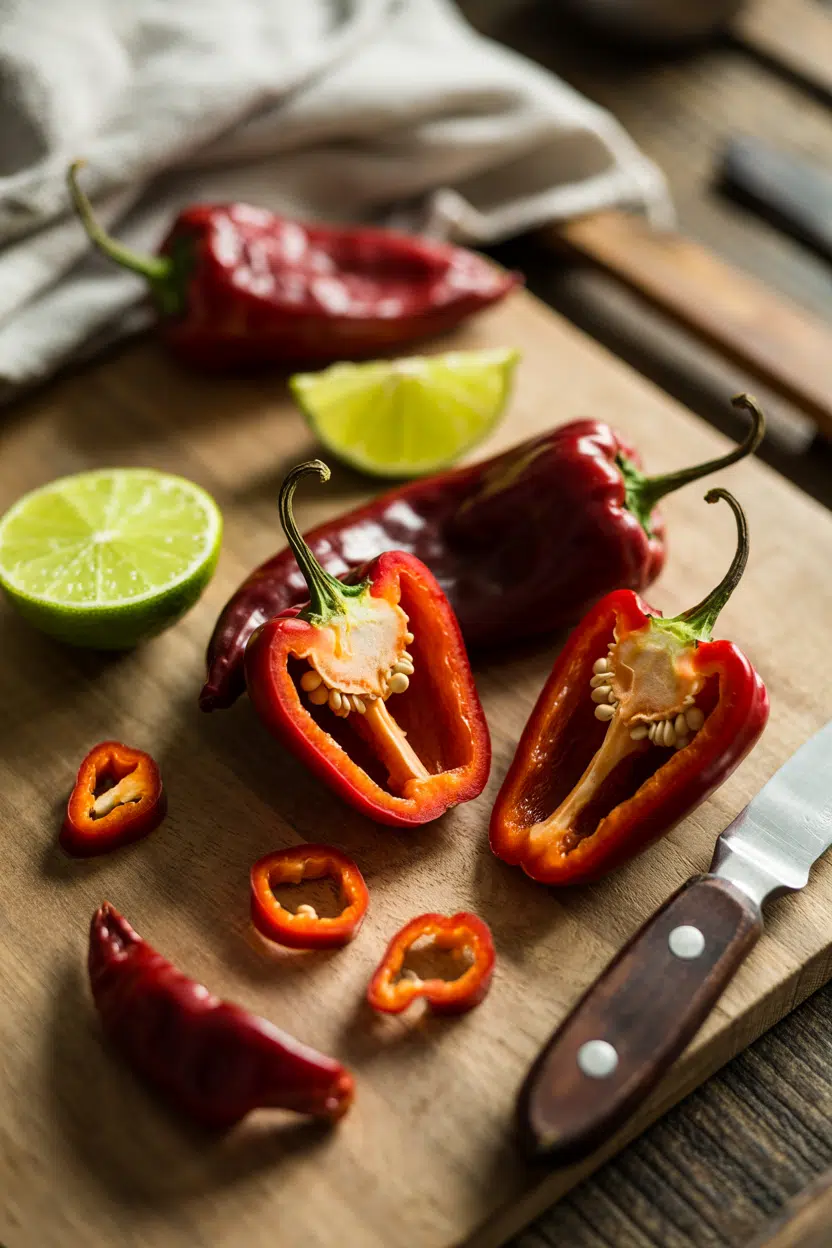
If you've ever reached for enchilada sauce in spice blends or wondered why your mole lacks body, ancho is usually what's missing.
It also shows up wherever replacements for adobo sauce are needed for a richer, fruitier base note.
Ancho chile pepper is a dried poblano with mild heat, sweet raisiny fruitiness, and a subtle cocoa backbone. It's the foundation of mole poblano and enchilada sauces, available whole or ground, with a shelf life of up to two years for dried pods.
What Is ancho chile pepper?
Ancho chile is a dried, mature poblano pepper - the same chile that, when picked green and fresh, fills chiles rellenos across Mexico.
Remember it later
Planning to try this recipe soon? Save it for a quick find later!
Once left to ripen fully to red and then dried, the poblano becomes the ancho: a wide, wrinkled, deep mahogany pod measuring roughly 4 inches long.
The name comes from the Spanish word for "wide," which describes its broad, flat shape well.
It originates in central Mexico, with Puebla being the most historically significant producing region. Outside Mexico, you'll see it labeled as dried poblano, ancho pepper, or ancho poblano - all the same thing.
It belongs to the Capsicum annuum species, the same family as bell peppers and jalapeños.
A note on related chiles worth knowing:
- ⚠️ Mulato chile - another dried poblano variant, but harvested later and darker; earthier, less sweet than ancho
- Pasilla chile - often confused with ancho at markets; longer and thinner with a more herbaceous character
- Guajillo chile - brighter, tangier, and hotter than ancho; frequently used alongside it in sauces
What Does ancho chile pepper Taste Like?
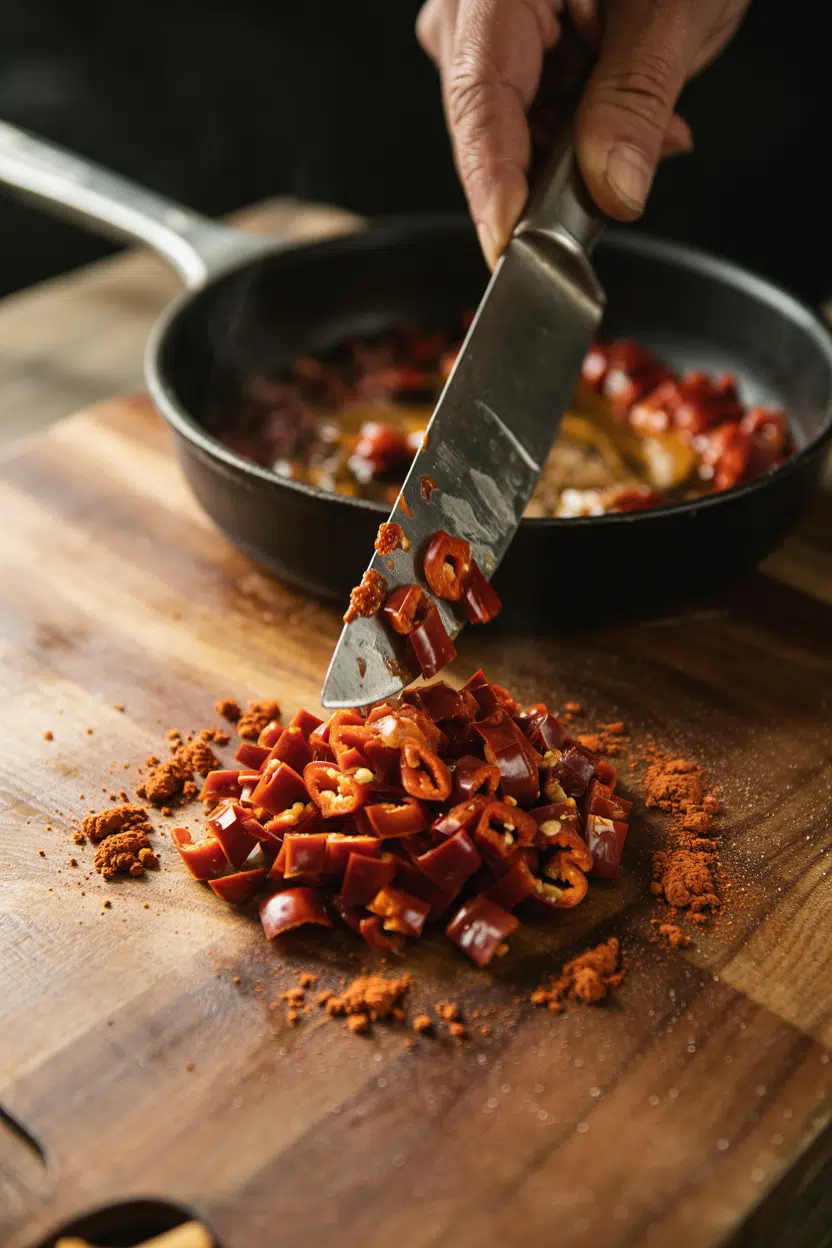
Ancho sits in a category of its own among dried Mexican chiles. The dominant note is a sweet, raisiny fruitiness - closer to a dried plum than a hot pepper.
Beneath that runs a quiet cocoa-like bitterness, a faint earthiness, and just enough heat to register without demanding attention.
Compared to guajillo, ancho is sweeter and less bright - guajillo has a sharper, berry-like tang that cuts through. Against pasilla, ancho reads as fruitier and milder.
Heat-wise, 1,000-1,500 Scoville units puts it at the low end - most people with any tolerance for spice won't notice it as hot at all.
Toasting the dried pod before rehydrating deepens the cocoa and smoky notes noticeably. Skip the toast and the flavor stays rounder and sweeter.
How to Use ancho chile pepper
Ancho works in two primary forms: whole rehydrated pods and ground powder. Each has its territory.
Knowing alternatives to cumin helps here too, since cumin is one of ancho's most natural spice partners in rubs and braising liquids.
| Method | Best For | Tip |
|---|---|---|
| 🔥 Toast + Rehydrate | Mole, enchilada sauce, braising liquid | Toast 30 seconds per side in a dry pan; soak in hot water 20 minutes |
| 🌿 Grind to Powder | Adobo rubs, marinades, spice blends | Remove seeds first; grind in a spice grinder for even texture |
| 🍲 Simmer Whole | Pozole, stews, braised meats | Add whole to pot early; remove and blend or discard stems and seeds after |
| 🥄 Puree into Sauce | Mole poblano, red enchilada base | Blend with soaking liquid for deeper flavor; strain for silky texture |
Mole poblano is the most complex application - anchos blended with dark chocolate, cinnamon, toasted nuts, tomatoes, and a dozen other ingredients into a sauce that takes most of a day to build. Enchilada sauce is more approachable: rehydrate, blend, strain, season. For grilled meats, ground ancho combined with cumin, garlic, and a little lime makes a dry rub that works especially well on pork shoulder or beef short ribs.
Ancho pairs tightly with cinnamon, dark chocolate, onion, garlic, tomato, and lime. Mexican cooking uses it most in Puebla-style and central Mexican preparations, but Tex-Mex and New Mexican fusion dishes pull from it heavily too.
Avoid pairing it with delicate floral desserts or raw seafood where the smoky character overshadows everything else.
How to Buy and Store ancho chile pepper
Good whole pods tell you immediately: pliable, not brittle. A fresh-enough dried ancho bends slightly without cracking and holds a deep mahogany color with no white powdery spots, which signal mold.
Faded, reddish-brown pods with an almost orange tint have lost most of their aromatic compounds. Avoid oily-feeling pods too - surface oil suggests improper storage or age.
For ground ancho powder, check the roast date on the label and open the bag to smell it. A good powder smells unmistakably of cocoa and dried fruit.
No scent means no flavor. Understanding ancho chile pepper's shelf life in more detail helps you decide whether to refrigerate or freeze ground powder for best results.
Store whole pods in an airtight container in a cool, dark pantry - they hold well for one to two years. Ground powder loses potency faster; refrigerate after opening and aim to use it within six to twelve months.
Where to Start With Ancho
If you've never cooked with ancho before, don't start with mole.
Rehydrate a single pod in hot water for twenty minutes, blend it with a little garlic and tomato, and use that puree as the base for a braised chicken dish instead.
Once you understand how the chile behaves - how its sweetness anchors a sauce and its smokiness deepens over heat - the more complex applications make sense quickly.
Anyone running short on anchos will find useful direction in alternatives to ancho chile pepper that preserve a similar flavor profile without hunting for a specialty shop.
Frequently Asked Questions
Same pepper, different stage. A poblano is the fresh green chile; an ancho is that same pepper left to ripen red and then dried. Drying concentrates the sugars and deepens the flavor significantly.
Mildly hot - 1,000 to 1,500 Scoville units, which is at the low end of the chile scale. A jalapeño runs roughly 3-5 times hotter. Most people notice warmth rather than heat.
You can, but the result will be brighter and tangier with less sweetness. Guajillo works better as a partial swap - use it alongside a sweeter dried chile like mulato to approximate ancho's depth.
Remove the stem and seeds, then submerge the pod in near-boiling water or warm broth for 20 minutes until soft and pliable. Save the soaking liquid - it carries flavor and works well added to sauces.
Toast whole dried pods briefly in a dry skillet, let them cool, then remove stems and seeds. Grind in a spice grinder until fine. Use within a few weeks for the strongest aroma.



