You're mid-enchilada prep and the recipe calls for ancho chile powder-but your spice drawer comes up empty. The dish needs that mild, fruity heat for a reason.

Ancho chiles bring sweet smokiness with gentle warmth, not just generic heat. Without them, sauces taste flat or one-dimensional.
A few dried chiles and spice blends can close the gap.
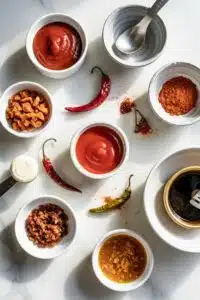
For mole and braised dishes, we reach for guajillo peppers or pasilla negro chiles first-both match ancho's mild heat and work 1:1. In dry rubs or quick marinades, mild paprika with cayenne gets close enough without hunting down dried chiles. Watch the smokiness level-chipotle overpowers delicate recipes.
| # | Substitute | Best For | Ratio | Key Note |
|---|---|---|---|---|
| 1 | Guajillo Pepper | 🍳 Cooking | 1:1 | Sharper heat, less sweet |
| 2 | New Mexico Chile | 🍳 Cooking | 1:1 | Lighter color, earthier tone |
| 3 | Chipotle Powder | 🍳 Cooking | ½ amount | Stronger smoke, use less |
| 4 | Paprika + Cayenne | ✨ Both | 1 tbsp:⅛ tsp | Less authentic, more accessible |
| 5 | Pasilla Negro | 🍳 Cooking | 1:1 | Earthier, less fruity sweet |
1. Guajillo Chile Pepper 🌶️
Guajillo peppers step in when you need ancho's mild heat and smoky sweetness. They lean slightly sharper and bring a cranberry-like tartness instead of ancho's raisin notes.
Remember it later
Planning to try this recipe soon? Save it for a quick find later!
Use 1:1 in sauces, stews, and braises. The flavor sits close enough that most dishes won't suffer.
- ✅ Similar heat level and color
- ⚠️ Less fruity sweetness-tastes brighter
Guajillo works best in recipes where smokiness matters more than sweetness. If you're making mole or enchilada sauce, it blends right in.
Skip it when the recipe depends on ancho's deep, sweet undertones-like chocolate-based moles or dessert sauces. If guajillo doesn't cut it, simple Guajillo Pepper substitutes list covers more options.
2. New Mexico Chile Powder 🌾
New Mexico chile powder brings mild heat and earthy tones without the fruity complexity ancho offers. The color runs lighter and the smoke stays subtle.
Use 1 tablespoon per 1 tablespoon ancho. It fits dry rubs, chili pots, and spice blends without rewriting the recipe.
The grassy, earthy notes work in Southwestern dishes where you want background warmth, not front-and-center chile flavor. It won't mimic ancho's sweetness, but it won't clash either.
Skip it in recipes where strong smoky depth is non-negotiable-like barbacoa or deeply flavored mole. The lighter profile won't hold up.
If you need more depth, New Mexico Chile alternatives to try has swaps that push smokiness further.
3. Chipotle Chile Powder 🔥
Chipotle powder shares ancho's smokiness but cranks it up. The heat runs hotter and the smoke tastes more pungent.
Use ½ tablespoon chipotle per 1 tablespoon ancho. Start small-you can always add more.
It shines in barbecue rubs, grilled meats, and hearty stews. The smokiness punches through fatty cuts and high heat.
Skip it when you're making light soups, delicate sauces, or anything with subtle flavors. Chipotle will dominate the plate.
If chipotle feels too strong, Chipotle Powder swaps by recipe type walks through gentler alternatives.
4. Paprika + Cayenne 🌶️
Mixing mild paprika with a pinch of cayenne rebuilds ancho's balance at home. Paprika brings sweetness and color, cayenne adds the heat.
Use 1 tablespoon paprika plus ⅛ teaspoon cayenne per 1 tablespoon ancho. Adjust cayenne if you want more kick.
- 🍳 In cooking: Works in dry rubs, finishing spice blends, and quick marinades
- 🥗 Raw: Sprinkle over roasted vegetables or beans
- ⚠️ Less authentic: Won't match ancho's depth in traditional recipes
- ✅ Accessible: Most kitchens already have both spices
This combo fits everyday cooking where you need heat and color without tracking down specialty chiles. It won't fool anyone in mole, but it works in chili, tacos, and spice rubs.
If paprika needs a swap too, common Paprika swaps ranked covers what works.
5. Pasilla Negro Chile 🖤
Pasilla negro brings mild heat and smoky earthiness with less sweetness than ancho. The flavor runs deeper and earthier, not fruity.
Use 1:1 in mole sauces, braises, and slow-cooked dishes. It blends into complex recipes without standing out.
- ✅ Complementary heat level
- ⚠️ Less sweet-tastes more earthy than fruity
Pasilla negro works best in layered dishes where multiple chiles combine-like mole negro or beef birria. The earthiness supports other flavors instead of leading them.
Skip it when you need fruity sweetness-like in chocolate-based desserts or sauces where ancho's raisin notes matter.
Match the Chile to Your Dish
- For mole and braised dishes: Guajillo or pasilla negro work 1:1
- For dry rubs and quick fixes: Paprika + cayenne gets close enough
- For bold barbecue or marinades: Chipotle adds smoke-use half the amount
Frequently Asked Questions
Regular chili powder works but tastes different-it's a blend with cumin, garlic, and other spices. Use it when you need generic heat, not ancho's specific fruity smokiness. Start with half the amount and adjust.
Ancho chiles are dried poblanos. Fresh poblanos taste grassy and mild; dried anchos develop sweetness, smokiness, and concentrated flavor. You can't swap fresh poblanos for dried anchos in most recipes without adjusting liquid and cooking time.
Toast whole dried anchos in a dry skillet until fragrant, about 30 seconds per side. Remove stems and seeds, tear into pieces, then grind in a spice grinder or blender until powdered. Store in an airtight container.
Cayenne alone won't work-it's much hotter and has no smokiness or sweetness. Mix it with paprika to mimic ancho's profile: 1 tablespoon paprika plus ⅛ teaspoon cayenne per tablespoon ancho.
Smoked paprika brings smokiness and color but lacks ancho's heat. Use it with a pinch of cayenne: 1 tablespoon smoked paprika plus ⅛ teaspoon cayenne per tablespoon ancho. It works best in dry rubs and finishing spice blends.
5 Best Substitutes for Ancho Chile Pepper
Ingredients
Method
- Select your substitute based on the dish type and desired flavor profile.
- If needed, blend or mix spices (e.g., paprika and cayenne) to match ancho flavor.
- Apply the substitute using recommended ratio to ancho chile pepper.
- Adjust seasoning to taste and consider the intensity of smokiness or heat.
- Use substitutes primarily in sauces, stews, rubs, or marinades as appropriate.
Notes
- Guajillo and pasilla negro peppers work well in recipes where smokiness and earthiness are key.
- Chipotle powder is strong; use cautiously to avoid overpowering flavors.
- Mixing paprika with cayenne provides an accessible, mild heat substitute when dried chiles are unavailable.