
White pepper is the closest swap for black pepper, used 1:1. It keeps the sting and loses the dark specks.
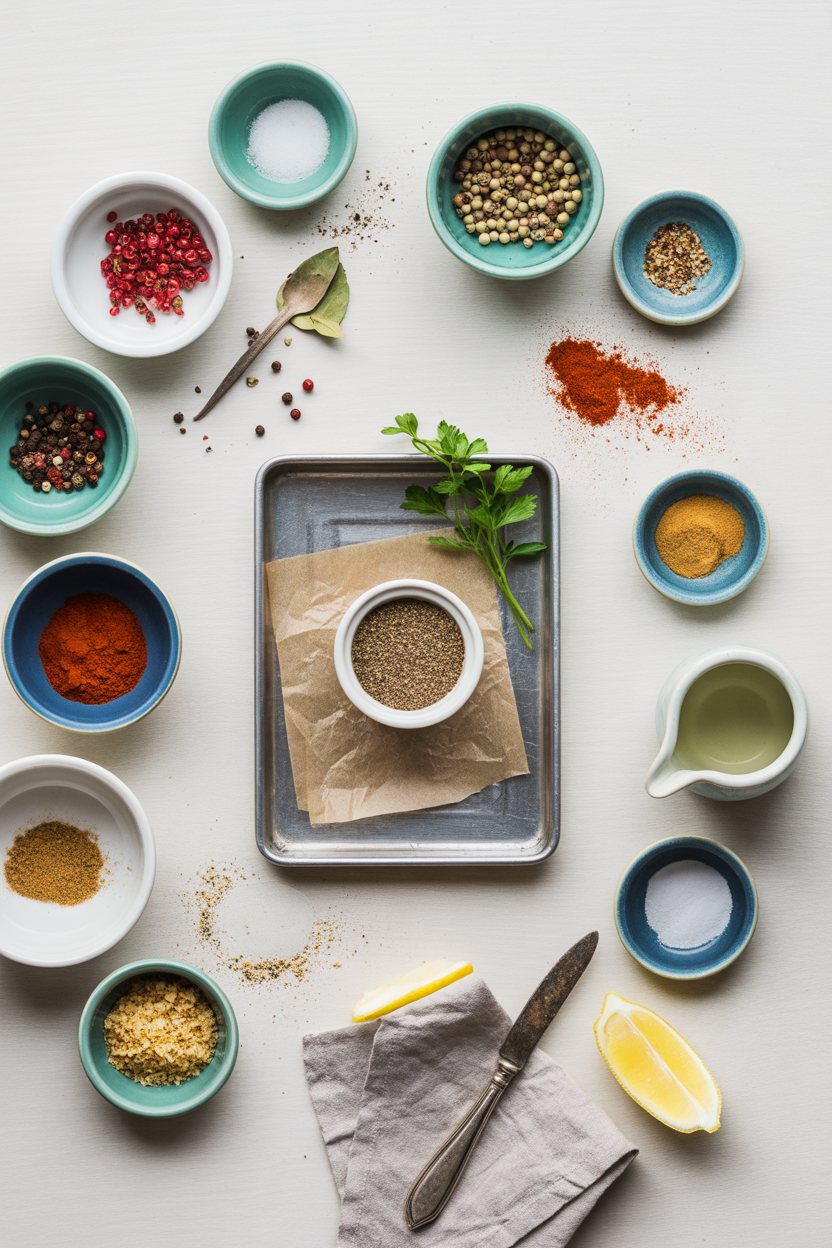
Black pepper does more than add heat. It lifts the other flavors in the pot and gives savory dishes their backbone.
Its sting comes mostly from piperine, and its aroma fades fast once the peppercorns are ground. So the right swap depends on whether your recipe needs the heat, the aroma, or just the dark flecks.
White pepper takes black pepper's place 1:1 in soups, light sauces and creamy dishes where black specks would show.
For stir-fries and noodle bowls, ground Szechuan peppercorn works, but it gives a numbing, citrusy tingle instead of a sharp bite, so start with half.
For steak, skip cumin and coriander, which give flavor but no heat. Cayenne works in a small pinch, added a little at a time, because it is far hotter than black pepper.
| # | Substitute | Best For | Ratio | Key Note |
|---|---|---|---|---|
| 1 | White Pepper | 🍳 Cooking | 1:1 | Milder aroma, lighter color |
| 2 | Szechuan Peppercorn | 🍳 Cooking | Start with ½ | Numbing, citrusy notes |
| 3 | Ground Coriander | 🍳 Cooking | 1:1 | Citrusy, no heat |
| 4 | Paprika | 🍳 Cooking | 1:1 | Smoky, sweet, mild heat |
| 5 | Ground Cumin | 🍳 Cooking | Start with ½ | Earthy, no heat |
The 5 Best Black Pepper Substitutes, Ranked
1 – White Pepper 🌾
White pepper comes from the same plant as black pepper. The berries are picked ripe and soaked, and the dark outer layer is rubbed off, so only the pale seed is left.
That is why it leaves no specks in cream sauces, white gravy or mashed potatoes.
Use 1:1 in soups, light-colored sauces, and any dish where black specks would stand out.
- ✅ Same kind of heat, with no dark flecks
- ⚠️ Plainer and earthier, because most of black pepper's citrusy, woody aroma sits in the outer layer
- ⚠️ Some cooks notice a musty, funky note, which can show in a delicate sauce
- ⚠️ No bold punch when sprinkled over a finished dish
2 – Ground Szechuan Peppercorn ⚡
Szechuan peppercorn brings a different kind of heat: tingly and numbing rather than sharp. The flavor leans citrusy with floral notes that work well in Asian-inspired dishes.
It is not related to the black pepper plant at all. The numbing comes from a different compound, hydroxy-alpha-sanshool.
Because the tingle builds as you eat, start with half the black pepper the recipe calls for and taste before adding more. Add it to stir-fries, marinades, or savory noodle bowls.
- ✅ Adds pungency and warmth
- ✅ Citrus notes complement ginger and garlic
- ⚠️ Numbing sensation feels unfamiliar in Western dishes
- ⚠️ Less sharp bite than black pepper
Toasting whole peppercorns in a dry pan for a minute and grinding them fresh gives a livelier flavor than the pre-ground jar.
3 – Ground Coriander 🌿
Ground coriander adds warm, citrusy notes without any heat. It won't replace pepper's bite, but it brings depth to spice blends and rubs.
Use 1:1 in recipes where you need flavor complexity more than heat. It works in curries, roasted vegetables, and spice rubs for meat.
- ✅ Adds savory depth to blends
- ⚠️ No pungency or heat
On its own, coriander seed can't carry the load black pepper does. Pair it with a pinch of cayenne or red pepper flakes when the dish still needs a little sting.
4 – Paprika 🌶️
Paprika offers mild heat and smoky sweetness rather than sharp pungency. The red color makes it a good choice for rubs, stews, and roasted dishes where looks matter.
Use equal amounts in barbecue rubs, chili, or roasted potatoes. Pick it when sweetness and smokiness suit the other ingredients.
The flavor skews sweeter and smokier than black pepper. It won't finish a dish the way cracked black pepper would.
5 – Ground Cumin 🥘
Ground cumin brings earthy, warm flavor without heat. It's a solid choice in hearty dishes like chili, curries, and bean stews where black pepper's bite isn't critical.
Cumin is much more assertive than pepper, so start with half the amount. Pair it with garlic, tomatoes, and other strong ingredients that can stand up to it.
- ✅ Adds bold, earthy warmth
- ✅ Works well in hearty, savory dishes
- ⚠️ No heat or pungency
Cumin can taste bitter if you add too much. Add a second pinch only after the dish has simmered a few minutes.
When the Pepper Is the Main Flavor
Pepper cooked into a soup or stew is easy to replace, because the other ingredients carry the dish. Pepper cracked over the top at the end, or used as the main seasoning, is the hard case.
In a steak crust or a pepper-forward pasta, nothing on this list matches the sharp bite of freshly ground black pepper. Pick the swap by what the dish does with the pepper.
Picking Your Black Pepper Swap
- 🏆 Closest match: White pepper for soups, sauces, and light-colored dishes
- 🍜 For Asian dishes: Szechuan peppercorn brings heat with citrus notes
- 🌶️ For rubs and stews: Paprika or cumin add warmth without sharp bite
Frequently Asked Questions
Cayenne is much hotter than black pepper, so start with a small pinch and taste. It suits spicy dishes but is too sharp, and not savory enough, for mild recipes.
White pepper is milder and earthier, with less of black pepper's woody aroma. The difference is small in cooked dishes but easy to notice when you finish a dish with it.
White pepper is the closest match for steak, and Szechuan peppercorn works if you don't mind citrus and numbing notes. Skip cumin and coriander, which lack the punch steak needs, or start from a steak seasoning blend that already has pepper in it.
A small pinch of ground coriander mixed into white pepper brings back some of the citrus aroma that black pepper has and white pepper lacks. It is not exact, but it is closer than white pepper alone.
Freshly cracked pepper is stronger, because pepper's aromatics evaporate quickly once it is ground. If you only have pre-ground, use slightly more to match the intensity.
Green peppercorns are unripe berries from the same plant, so they taste fresher and milder. Pink peppercorns come from a different plant and taste sweet and fruity with very little heat.



