You grab a jar of Castelvetrano olives to finish your antipasto platter - but there's only three left, and you need ten. Doubling a recipe comes with these moments.
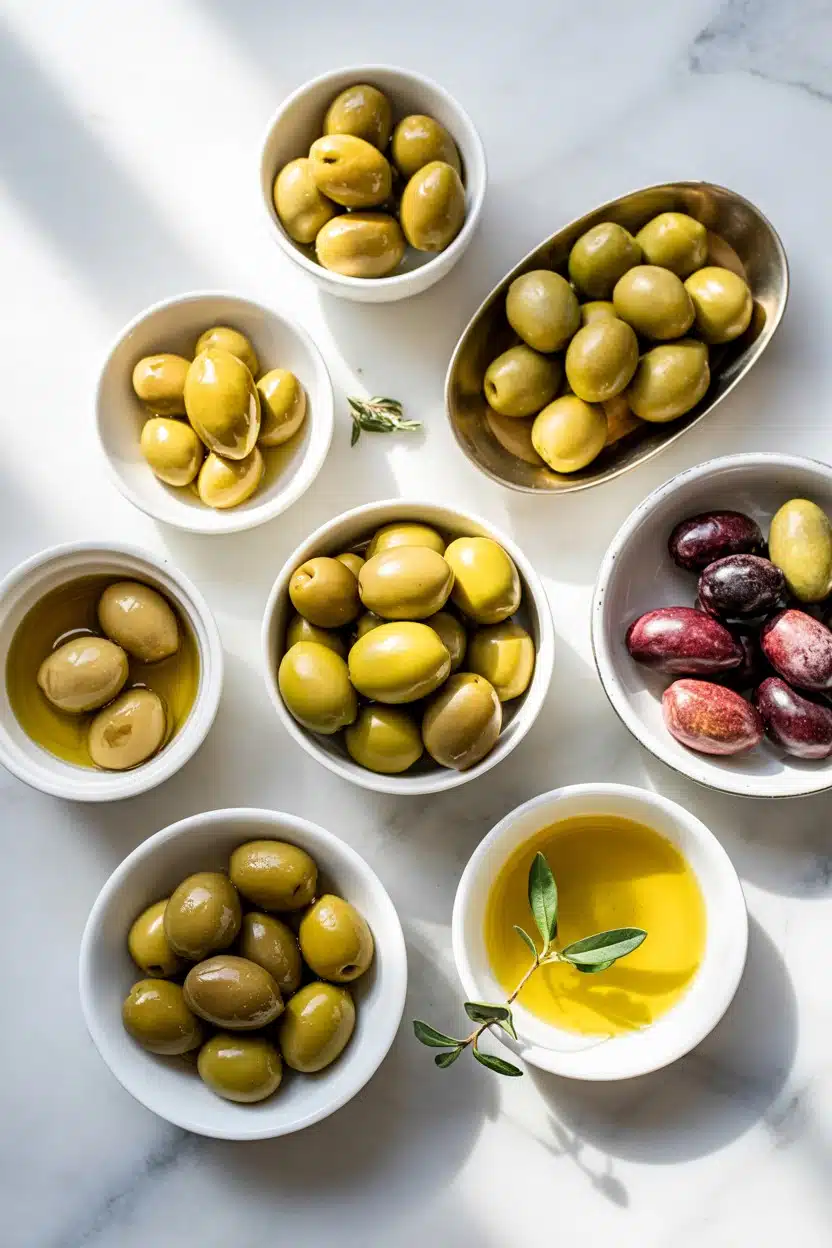

Nyon olives and Manzanilla olives are your closest matches for texture and mild brine. Both work 1:1, but they're less buttery. Most mistakes happen when cooks skip taste-testing first - stronger olives can overpower a dish.
5 Castelvetrano Olive Swaps That Keep Flavor Balanced
Texture and brine intensity vary more than you'd expect. Start with olives that won't throw off the balance.
Remember it later
Planning to try this recipe soon? Save it for a quick find later!
| # | Substitute | Best For | Ratio | Key Note |
|---|---|---|---|---|
| 1 | Nyon Olives | ✨ Both | 1:1 | Earthier, less buttery |
| 2 | Manzanilla Olives | ✨ Both | 1:1 | Saltier, slightly nutty |
| 3 | Kalamata Olives | 🍳 Cooking | 1:1 chopped | Stronger, fruity flavor |
| 4 | Green Queen Olives | ✨ Both | 1:1 | Mildly bitter, firm |
| 5 | Green Olive & Butter Mix | ✨ Both | 1 tablespoon + ¼ tsp | Mimics buttery richness |
1 - Nyon Olives
Nyon olives offer firm, crisp texture that holds up in salads and antipasto platters. They stay mild and briny without the Castelvetrano's signature buttery sweetness.
Use them 1:1 by volume. Expect earthier, slightly astringent notes that work better in Mediterranean dishes than sweet preparations.
Fresh Salads
Works for: Texture-focused dishes where crunch matters more than sweetness
Skip if: Recipe depends on buttery richness
Antipasto Platters
Works for: Mixed presentations where mild brine complements other flavors
Skip if: Castelvetrano is the star ingredient
Quick specs:
- Firmer bite than Castelvetrano
- More earthy, less sweet
2 - Manzanilla Olives
Manzanilla olives match the firm texture and mild brine. They lean saltier with a slight nuttiness that works in fresh applications.
Swap 1:1 by volume. Rinse briefly if they taste too salty straight from the jar.
Here's what to know:
- Best for salads and tapenade
- More salt, less butter
3 - Kalamata Olives
Kalamatas bring briny depth but with stronger, fruity flavor. They work best in cooked Mediterranean dishes where their richness blends into the overall profile.
Use equal volume, but chop them to reduce dominance. Their wrinkled texture and pungent taste can overpower lighter dishes.
If you're missing Kalamatas too, what to use instead of Kalamata covers milder picks that stay firm.
The essentials:
- Richer and fruitier than Castelvetrano
- Best in pasta or cooked sauces
- Chop finely for even distribution
Skip if: You need mild flavor or fresh crunch.
4 - Green Queen Olives
Green Queen olives deliver firm texture and mild brine. They're slightly more bitter and less sweet, making them practical for fresh salads and pizza toppings.
Swap 1:1 by volume. Their size matches Castelvetranos, so no extra prep needed.
Key details:
- Mildly bitter, salty finish
- Stays firm when sliced
- Size matches well for presentation
5 - Green Olive & Butter Mix
Combining chopped green olives with softened butter replicates the buttery richness Castelvetranos are known for. This works especially well in spreads or finishing dishes.
Use 1 tablespoon chopped green olives plus ¼ teaspoon softened butter per 1 tablespoon Castelvetrano. Mix thoroughly before adding to the dish.
What to expect:
- Mimics buttery sweetness
- Best for spreads or tapenade
- Requires mixing before use
- Works well as finishing touch
Out of green olives as well? Easy swaps for green olives has firmer alternatives worth trying.
| Use | Ratio | Notes |
|---|---|---|
| Spreads | 1 tablespoon olive + ¼ teaspoon butter | Blend until smooth |
| Finishing | 1 tablespoon olive + ¼ teaspoon butter | Add at end of cooking |
| Tapenade | 1 tablespoon olive + ¼ teaspoon butter | Pulse in food processor |
Skip if: You need whole olives with texture alone.
Making Castelvetrano Olive Substitutes Work
Nyon and Manzanilla olives stay closest to the texture and mild brine. Kalamatas work when you're cooking, not serving raw.
Match the function first - texture or flavor. Fresh dishes need firm, mild olives; cooked recipes can handle stronger, richer ones.
- Closest match - Nyon olives for mild earthiness
- Easiest grab - Manzanilla olives from most stores
- Buttery option - Green olive and butter mix
Frequently Asked Questions
Yes, but they're softer and less buttery. Nyon black olives work better than standard canned ones because they hold firm texture.
Most substitutes run saltier than Castelvetranos. Rinse them briefly or hold back on added salt until you taste the dish.
Olives aren't typically used in baking, but in savory breads or focaccia, Manzanilla or green Queen olives work well. Their firm texture holds through the oven.
Yes. Combining Nyon and Manzanilla adds texture variety and balances their individual flavors without overpowering the dish.
Kalamatas are riper when harvested and cured differently, giving them deeper, fruitier flavor. Castelvetranos are picked earlier, keeping them mild and buttery.
5 Best Substitutes for Castelvetrano Olive
Ingredients
Method
- Select the substitute based on your dish: Nyon or Manzanilla for fresh salads and antipasto, Kalamata for cooked dishes, Green Queen for salads and pizza, and Green Olive & Butter mix for spreads.
- If olives taste too salty, rinse them briefly before use.
- Chop Kalamata olives finely to reduce their strong flavor dominance in dishes.
- Use substitutes at a 1:1 ratio by volume, except for Green Olive & Butter mix which is 1 tablespoon chopped olives plus ¼ teaspoon butter per tablespoon of Castelvetrano.
- Mix chopped green olives and softened butter thoroughly before adding to spreads or finishing dishes.
- Taste the dish after adding olives to adjust seasoning and ensure balance without overpowering flavors.