
You spot yuca at the market - a thick, waxy root with what looks like bark for skin, sitting alongside other tubers you probably recognize. It's easy to walk past it if you don't know what it can do, especially when familiar options like sweet potato or potato flakes are nearby.
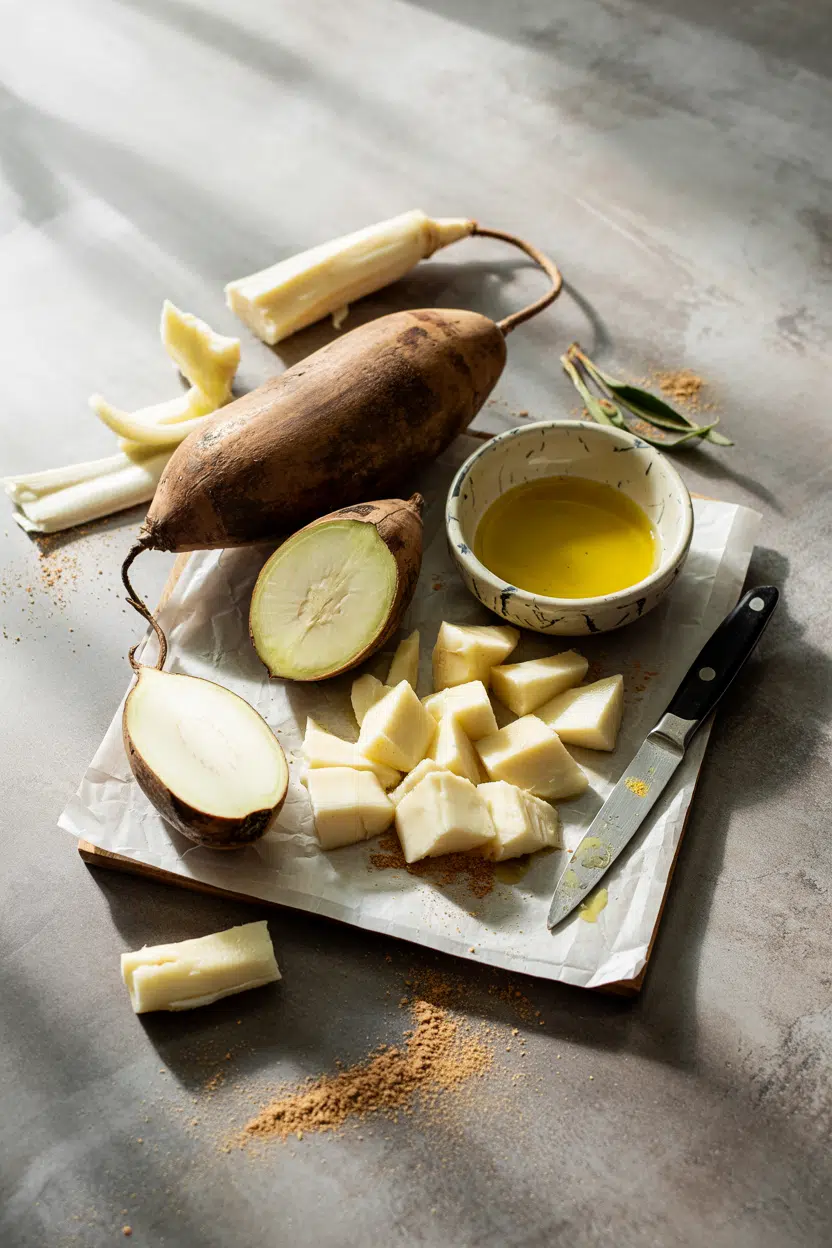
Yuca earns a place in your cart, and this guide explains exactly why.
Yuca (also called cassava or manioc) is a dense starchy root from South America, now grown across the tropics. It tastes like a denser, drier potato with mild sweetness. Boil it, fry it, or mill it into cassava flour. Always cook it - raw yuca contains compounds that require heat to neutralize.
What Is Yuca?
Yuca is a starchy tuber native to the Amazon basin and one of the most widely eaten roots on the planet. Outside the US, it goes by cassava or manioc - the same root, just different regional names.
Remember it later
Planning to try this recipe soon? Save it for a quick find later!
The outer skin is thick, dark brown, and genuinely bark-like. Underneath sits white to cream-colored flesh that's dense and smooth before cooking.
Two main types exist: sweet cassava (the variety sold in most US grocery stores and markets) and bitter cassava. Bitter cassava contains higher concentrations of cyanogenic glycosides - naturally occurring compounds that require thorough peeling, soaking, and cooking to break down.
Sweet cassava has far lower levels, but both types should always be cooked.
Cassava is also the source of tapioca, made from the extracted and processed starch, and cassava flour, which is the dried, milled root used in gluten-free baking. Garri, a fermented, dried cassava product common across West Africa, comes from the same root.
Think of yuca as the raw material behind several pantry staples you may already use - including a number of arrowroot powder swaps that rely on cassava starch.
What Does Yuca Taste Like?
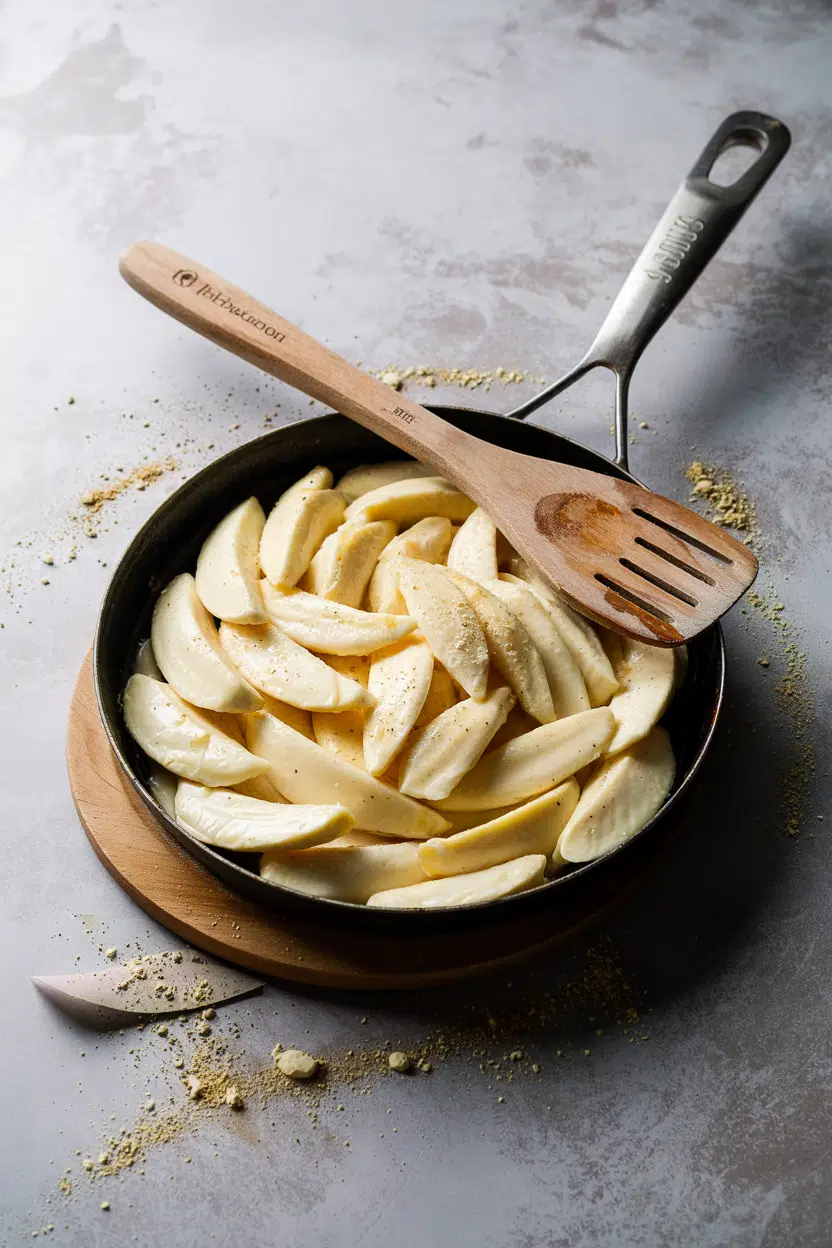
Raw yuca doesn't offer much - it smells neutral and the starch is tight and dry. Heat changes everything.
After boiling, the flesh turns creamy and slightly fibrous, with a mild sweetness that sits closer to taro than a standard potato. It's denser than a russet and drier than a Yukon Gold, with less inherent moisture in every bite.
If you've tried taro before, you'll recognize that same earthy, starchy base - yuca just skews a little sweeter and less purple.
Frying or roasting pulls out a toasty aroma and a faint nuttiness that doesn't show up when you boil it. The outer layer crisps while the interior stays soft.
How to Use Yuca
Yuca handles heat in several distinct ways, and each method produces a noticeably different result. Boiling with salted water until fork-tender is the most common starting point - from there, you can mash, cube, or fry it.
| Method | Best For | Tip |
|---|---|---|
| 🫕 Boiled | Mashed sides, stews, soups | Salt the water well; boil until a knife meets no resistance |
| 🍟 Fried | Yuca fries, chips | Boil first, then fry for a creamy interior and crisp shell |
| 🔥 Roasted/Baked | Wedges as a side dish | Toss in olive oil; high heat (425°F+) builds the best crust |
| 🫓 Grated & Pressed | Casabe flatbreads, garri | Press out excess moisture before cooking on a dry griddle |
| 🧁 Milled (flour/starch) | Gluten-free baking, thickening | Cassava flour and tapioca starch behave differently - check ratios |
Yuca fries are one of the best-known applications in Latin American and Caribbean cooking - boil the pieces first, then fry them in hot oil until golden. The double-cook method gives you a creamy interior and a crisp outer layer that fried plantains fans will appreciate for the same satisfying contrast.
Across cuisines, pairings lean on contrast. Garlic, cilantro, and lime cut through the dense starch in Colombian and Puerto Rican dishes.
Coconut milk enriches yuca in Caribbean stews. Pork and beef hold up well against its body.
In West African cooking, cassava gets fermented and dried into garri, used as a porridge or side with soups and stews.
Cassava flour works in place of wheat flour in gluten-free baking, and it's a frequent entry among tapioca flour alternatives when starch-based thickening is the goal.
How to Buy and Store Yuca
Good yuca is firm throughout, with intact brown skin that shows no cracks, soft spots, or deep splits. Heavier roots for their size signal higher starch content - that's what you want.
A sour smell means spoilage; skip those entirely.
Whole, unpeeled yuca keeps about one week at room temperature in a cool, dry spot. Refrigerate it wrapped in paper and it can last 2-3 weeks.
Once peeled and cut, submerge the pieces in water and refrigerate - they're good for up to 48 hours. For longer storage, check our full guide on yuca freshness guide for freezing options.
Where to Start With Yuca
New to yuca? Boil it first. Salt your water generously, cook until a knife slides through cleanly, then serve with garlic oil and lime. That single preparation covers most of what this root does well.
If you want a swap in a recipe that calls for a dense starchy tuber, the yuca alternatives page covers which roots hold up under the same conditions. Once you've worked with the boiled version a few times, frying and flour applications follow naturally.
Frequently Asked Questions
Yes - same root, different names. "Yuca" is standard in the US and Latin America; "cassava" or "manioc" is used across Africa, Asia, and international food contexts. Neither name indicates a different variety.
No. Raw yuca contains cyanogenic glycosides, which break down into hydrogen cyanide if not neutralized by heat. Always peel thoroughly and cook until fully soft - boiling is the most reliable method.
Remove the fibrous central cord that runs through the root - it stays tough regardless of cooking time. After pulling that out, boil the pieces in well-salted water until a knife meets no resistance, typically 20-30 minutes.
Bitter cassava has much higher cyanogenic glycoside content and requires soaking, fermenting, or prolonged cooking to be safe. Sweet cassava - sold in most markets - has lower levels but still must be cooked. Bitter varieties are mainly processed industrially into flour or garri.
No. Cassava flour is the whole dried and milled root; tapioca starch is extracted from the root's liquid and contains almost no fiber or protein. They don't swap 1:1 - cassava flour adds body while tapioca starch acts primarily as a thickener.



