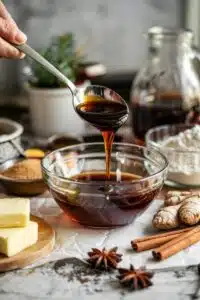
Penne alla vodka is the most convincing argument for keeping vodka in the kitchen. That splash of spirit does something neither the tomato nor the cream can do alone - it coaxes fat-soluble aroma compounds out of the tomato and holds the sauce together in a way water simply won't.
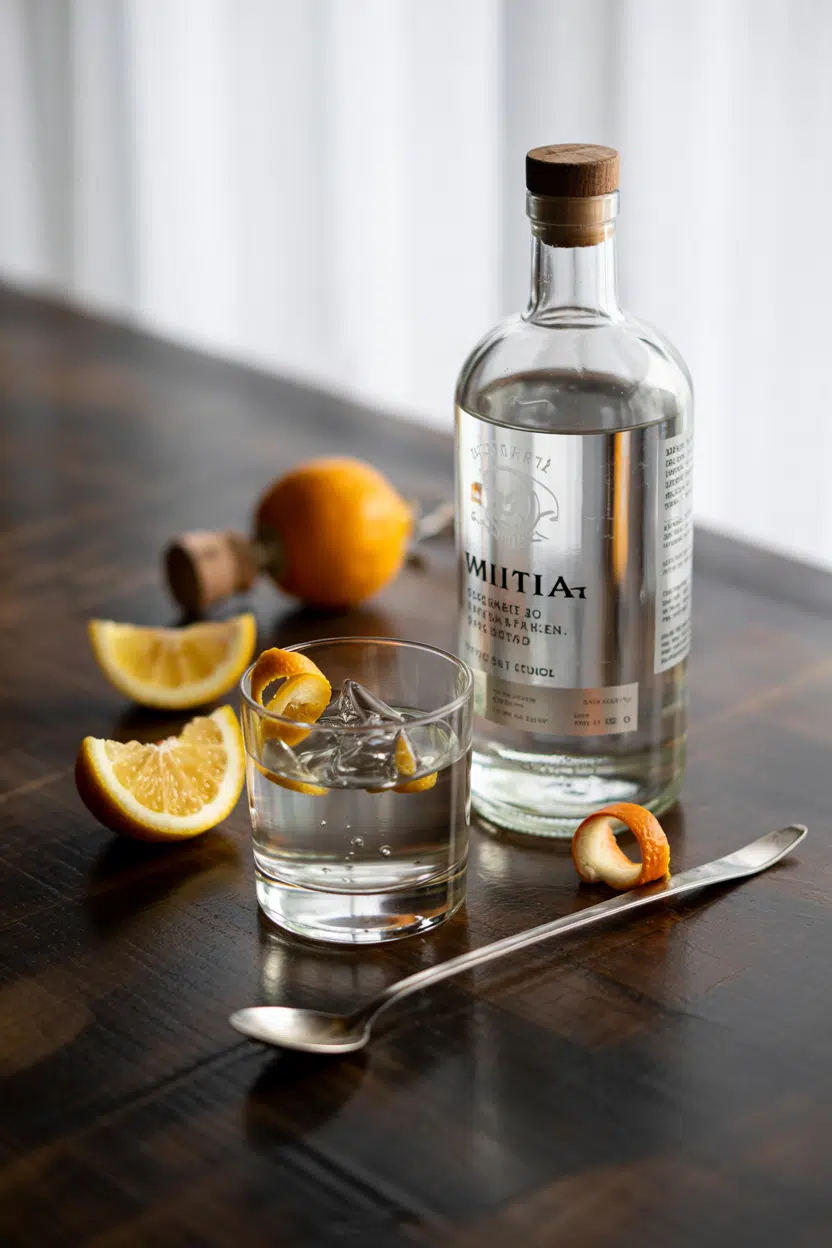
Unlike whiskey or rum, vodka brings almost no flavor of its own, which is exactly the point. Neutral by design, it works behind the scenes - in cocktails, sauces, frozen desserts, and even homemade extracts.
Vodka is a clear distilled spirit made from fermented grains or potatoes, filtered to near-neutrality. Its clean ethanol backbone makes it the default cocktail base and a useful cooking ingredient - especially where alcohol is needed without added flavor.
What Is Vodka?
Vodka is a distilled spirit originating from Eastern Europe, with Russia and Poland both claiming its earliest recorded production.
Remember it later
Planning to try this recipe soon? Save it for a quick find later!
It is made by fermenting a starch- or sugar-rich base - typically wheat, corn, rye, or potatoes - then distilling the liquid to a high ABV and filtering it, often through charcoal, to strip away congeners and impurities.
The result is a spirit that sits close to neutral grain alcohol, typically bottled at 40% ABV (80 proof) in most markets. Some craft producers deliberately preserve trace character from the base material, which is why potato vodka can taste slightly creamier and rye vodka can carry a faint spice.
Flavored vodka is a separate category entirely, infused with fruit, herbs, or spices after distillation.
Here's what sets vodka apart from other clear spirits:
- Base material - Grain, potato, grape, or even sugarcane; each leaves faint traces despite heavy filtration
- Distillation target - Typically distilled above 95% ABV before dilution, higher than most spirits
- Filtration - Charcoal or quartz filtration removes oils and esters that carry flavor
- ABV at bottling - Standard is 40%, though some reach 50% or higher for sipping
What Does Vodka Taste Like?
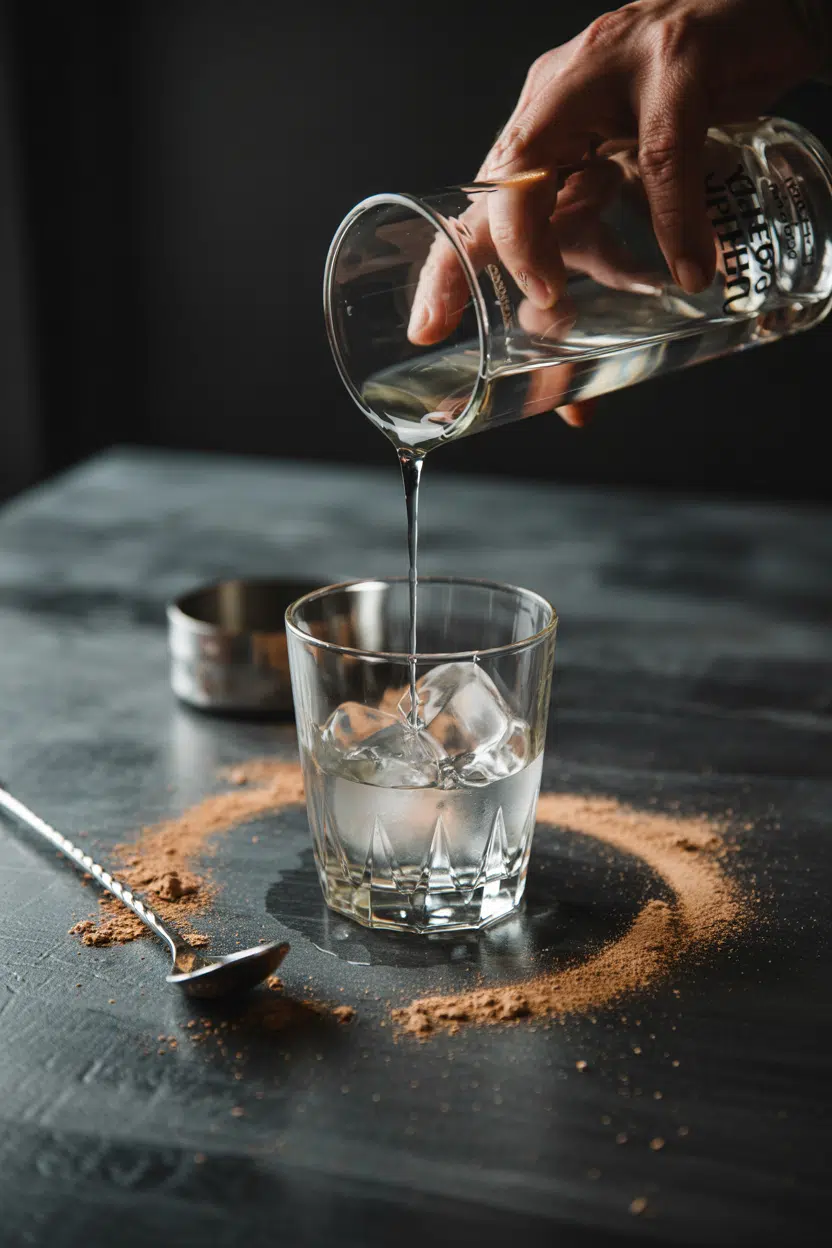
Vodka's reputation as tasteless is only half-true. A well-made neutral vodka reads as clean alcohol heat with the faintest grain or potato sweetness underneath.
Think of it as a very high-proof version of plain grain alcohol - present but not assertive.
Craft and artisan vodkas often retain a faint oiliness on the palate - a mouth-coating quality that mass-market versions filter out. The closest comparison is light gin stripped of all botanicals: same base spirit, none of the herbal interference.
That clean slate is what makes vodka useful in both a Moscow mule and a tomato cream sauce without pulling focus.
How to Use Vodka
Vodka earns its place in the kitchen mostly because of what it doesn't do. Its near-neutral flavor won't compete with other ingredients, and its ethanol content does real chemical work.
It emulsifies, tenderizes, lowers freeze points, and extracts fat-soluble aromatics from tomatoes and herbs.
| Method | Best For | Tip |
|---|---|---|
| 🍳 Sauce | Penne alla vodka, tomato-cream bases | Add before cream; simmer briefly to cook off harsh alcohol |
| 🥗 Marinade | Seafood, poultry; tenderizing and heat delivery | Keep ratios low - 1-2 tablespoon per cup of marinade |
| 🧊 Frozen | Sorbet, granita; lower freeze point for softer texture | 1-2 tablespoon per quart prevents an icy, hard freeze |
| 🫙 Extraction | Vanilla extract, herb macerations | Use 40% ABV minimum for clean, efficient extraction |
| 🍹 Cocktail base | Martini, vodka tonic, [Paloma-style builds](https://forkliftkitchen.com/paloma-tequila-grapefruit/) | Chill the bottle; dilution matters more than the brand |
Penne alla vodka is the canonical cooking example. The vodka goes in after the tomatoes and before the cream, and it's simmered down until the alcohol cooks off - what stays is an emulsification bridge between the acidic tomato and the fat-heavy cream. Without it, the sauce tends to break. Deglazing with vodka works similarly: it lifts browned fond cleanly without adding wine's acidity or beer's bitterness.
For frozen desserts, a small pour of vodka into a sorbet base prevents it from freezing rock-solid. Homemade vanilla extract uses the same maceration logic - vodka's neutral base lets the vanilla bean's compounds extract clearly over several weeks.
Vodka pairs well with tomato, heavy cream, citrus, dill, smoked salmon, olive brine, and vanilla - ingredients that benefit from a neutral carrier.
If you need a non-alcoholic swap, vodka swaps include water plus a splash of white vinegar for sauces, or plain sparkling water in frozen applications.
How to Buy and Store Vodka
Mid-shelf is usually enough. For cooking - sauces, marinades, extracts - a standard 40% ABV grain vodka does the job without wasting money on craft distillation. For cocktails or sipping, the base material becomes worth evaluating.
- Potato vodka - Slightly creamy, mildly earthy; good for martinis and spirit-forward sips
- Rye vodka - Faint spice and dryness; classic Eastern European character
- Wheat or corn vodka - Cleaner, sweeter baseline; mixes invisibly in most cocktails
- Flavored vodka - Infused after distillation; avoid for cooking unless the recipe calls specifically for it
Storage is straightforward. Keep the bottle upright in a cool, dark place - a cabinet away from the stove works fine.
Refrigerating or freezing is optional and mostly a preference for cocktail chilling. For a full breakdown of how long vodka holds up after opening, see our guide on vodka storage life.
Start Here If You're New to Cooking With Vodka
One recipe will tell you everything. Make penne alla vodka once with the vodka and once without - the difference in sauce cohesion is immediate and noticeable.
That single test explains why neutral ethanol earns a spot in the kitchen even for people who don't drink.
From there, try a simple vanilla extract: split two vanilla beans, drop them in a jar with 40% ABV vodka, and wait four weeks. Both applications show the same principle - vodka working behind the scenes, carrying flavor without competing with it.
Frequently Asked Questions
Not entirely. Quality vodka has faint traces of its base material - cereal sweetness, mild pepper, or slight creaminess. Mass-market versions filter these out more aggressively, which is why they read closer to neutral.
Most commercial vodka uses wheat, corn, rye, or potatoes as the fermentation base. Some producers use grapes or sugarcane. The base determines trace flavor even after distillation and filtration.
Ethanol releases fat-soluble aroma compounds in tomatoes that water and fat alone can't access. It also acts as an emulsifier, helping tomato and cream bind without breaking.
A standard 1.5 fl oz (44 ml) pour at 40% ABV has roughly 97 calories, all from ethanol. There are no carbohydrates, fat, or protein in a properly distilled neutral vodka.
Unopened vodka keeps indefinitely. Once opened, it remains safe and stable for years, though subtle aroma notes can soften if the bottle sits mostly empty for a long time.