
Bite into a warm scone fresh from the oven and there's a good chance those soft, amber pockets of sweetness are sultanas, not the dark raisins most people assume.

Understanding the taste of currant helps put sultanas in context - they're gentler, less intense, and noticeably lighter in color.
If you've ever needed raisins swaps that work in a pinch, sultanas are often the answer sitting right in your pantry. Mild, plump, and honey-bright, they behave differently from other dried grapes in ways that genuinely matter at the stove.
Sultanas are light golden, seedless dried grapes with a mild sweet flavor and slight tang. Softer and less concentrated than dark raisins, they hold their plump texture through baking and rehydration. Use them in scones, pilafs, chutneys, and salads. Store sealed in a cool pantry for up to 12 months.
What Is Sultanas?
Sultanas are small, seedless dried grapes originating in the Eastern Mediterranean, with Turkey historically being the largest producer. The name comes from the Ottoman word for the grape variety once favored in that region.
Remember it later
Planning to try this recipe soon? Save it for a quick find later!
In North America, they're widely sold as golden raisins - the same fruit treated with sulfur dioxide before drying to preserve that pale amber color.
Without that treatment, the same grape dries darker and becomes what most Americans simply call a raisin.
The base grape is typically Thompson seedless (known as Sultana in Turkey and Australia), a thin-skinned variety that dries into a particularly tender, plump piece of fruit. You'll also see them called sultane in some European labeling.
- 🌿 Also known as - golden raisins (US), Thompson seedless dried, sultane (Europe)
- 🇹🇷 Primary origin - Turkey, though also produced in Australia, South Africa, and California
- 💛 Color source - sulfur dioxide treatment preserves the golden-amber hue during drying
- 🍇 Base variety - Thompson seedless grape, naturally thin-skinned and low in tannins
What Does Sultanas Taste Like?
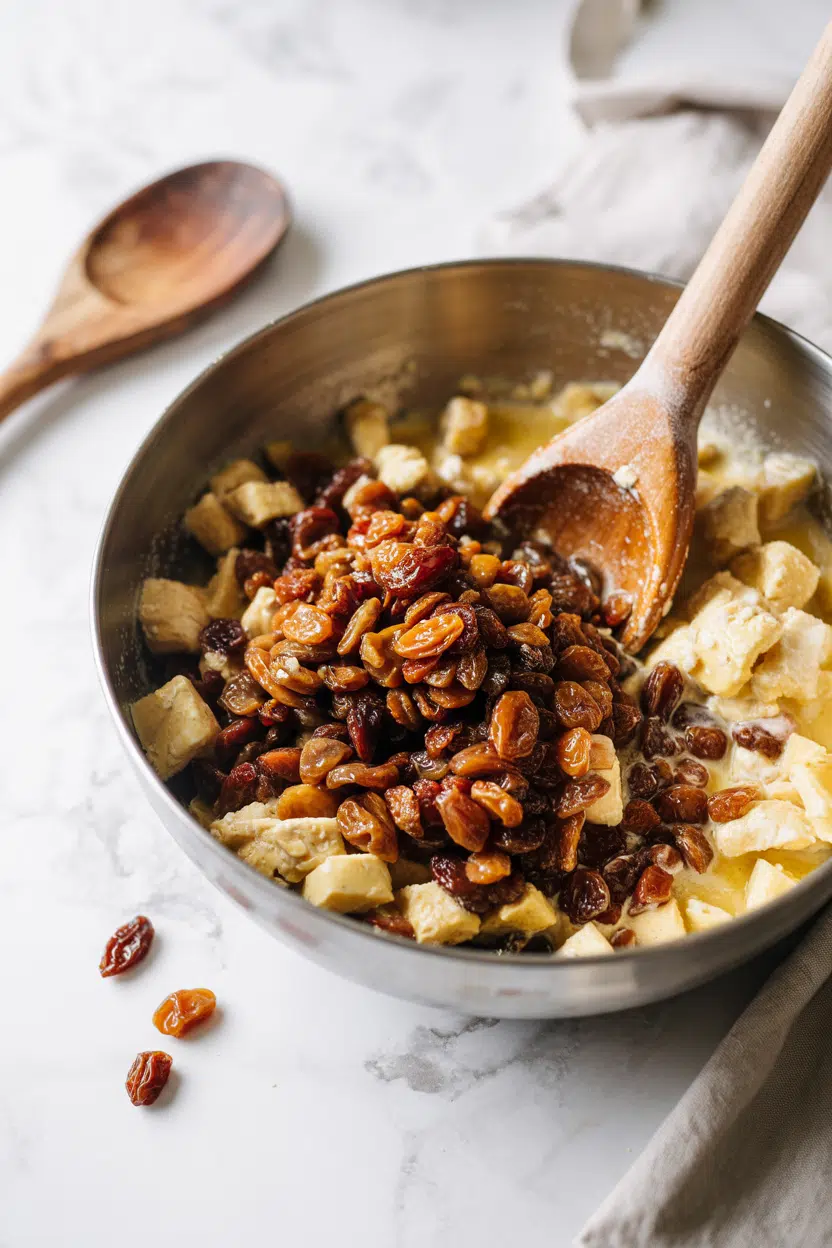
Sultanas lead with clean, bright sweetness - less heavy than dark raisins, and without the molasses-like depth that comes from sun-drying untreated grapes. Think of them as the lighter, fruitier end of the dried grape spectrum.
There's a mild vinous tang underneath the sweetness, almost like a faint wine note that keeps things from tasting flat. A subtle honeyed caramel edge rounds that out, particularly noticeable when you chew through the skin.
Heat softens them further and nudges the sweetness forward. Understanding raisins and its flavor shows the contrast clearly - sultanas consistently read as brighter and less concentrated than their darker counterparts.
How to Use Sultanas
Baking is where sultanas shine most consistently. Their thin skins and plump structure mean they stay tender through oven heat rather than drying into hard pockets the way some raisins can. Folded into scone dough or fruit bread batter, they hydrate from within as the dough bakes.
Rehydrating in rum, brandy, or strong tea unlocks their full potential for cake fillings and steamed puddings. The soaking liquid becomes part of the flavor. Beyond baking, a lemon herb quinoa pilaf recipe shows exactly how sultanas introduce gentle sweetness to grain dishes without overpowering the savory base.
Chutneys and compotes rely on their mild tang. Sultanas balance acidity and add body - they're a frequent addition to fruit-forward condiments where the kind of bold sweetness found in replacements for mango chutney isn't quite the right fit.
| Method | Best For | Tip |
|---|---|---|
| 🍞 Baking | Scones, fruit loaves, tea cakes | Plump first if batter is dense or dry |
| ♨️ Soaking | Cake fillings, puddings, compotes | Rum, brandy, or tea all work well |
| 🥗 Raw | Salads, muesli, yogurt, porridge | Toss with citrus vinaigrette for balance |
| 🍲 Stewing | Chutneys, tagines, pilafs, couscous | Add late to keep texture; avoid high-heat charring |
In salads, sultanas work particularly well against bitter greens or with a sharp citrus vinaigrette.
Pair them with walnuts, pecans, or soft cheeses like ricotta and mascarpone.
Cardamom and saffron are natural partners in Middle Eastern rice dishes.
For something quicker, scatter them into granola alongside cinnamon and mixed spice - they hold their chew and color better than many alternatives.
How to Buy and Store Sultanas
Look for plump, glossy, amber-colored fruit with no white powdery bloom on the surface. Hard or shriveled pieces indicate age.
A sour or fermented smell means the batch has gone past its best - skip it.
Once open, transfer to an airtight container and keep them in a cool, dark pantry. For detailed guidance on timelines, how long sultanas keeps covers pantry, fridge, and freezer windows with specific signs to check.
- Pantry (unopened) - 6 to 12 months in a sealed, cool, dark spot
- Refrigerated (open) - up to 18 months in an airtight container
- Freezer - up to 18 months; thaw at room temperature before using
Start With the Scone Test
If you haven't cooked with sultanas before, fold a handful into a basic scone recipe alongside lemon zest and a pinch of mixed spice.
That single bake demonstrates everything worth knowing: how they stay soft under heat, how their brightness cuts through butter and flour, and why British and Australian baking traditions reach for them so consistently.
Once comfortable there, move into grain dishes. A simple couscous or pilaf with sultanas, toasted pine nuts, and a little orange zest shows the savory side.
If you ever need swapping out sultanas for another dried fruit, that context makes the swap decision much easier.
Frequently Asked Questions
Not exactly. Both are dried grapes, however sultanas come specifically from seedless varieties and are treated with sulfur dioxide to stay golden. Dark raisins are typically sun-dried without treatment, producing a deeper color and more concentrated flavor.
Sultanas stay softer through baking because their skins are thinner and they're less concentrated than dark raisins. They also don't bleed color into pale dough, keeping the crumb clean and evenly golden.
Cover them in just-boiled water, tea, or warm rum for 10-15 minutes, then drain before using. For extra flavor, use the soaking liquid in the recipe itself rather than discarding it.
Nutritionally they're very close - both are calorie-dense from natural sugars and provide fiber, potassium, and small amounts of iron. The main difference is that sulfur dioxide used in sultana processing can trigger reactions in people with sulfite sensitivity.
Yes - they work well in tagines, pilafs, and chutneys where a note of gentle sweetness balances spice or acidity. Add them toward the end of cooking to preserve their texture rather than letting them stew down completely.



