Soft, milky, and almost cloud-like on the tongue, stracchino lands somewhere between a gentle crème fraîche and a young robiola cheese for creaminess: lactic, lightly tangy, with a buttery finish that doesn't overwhelm.
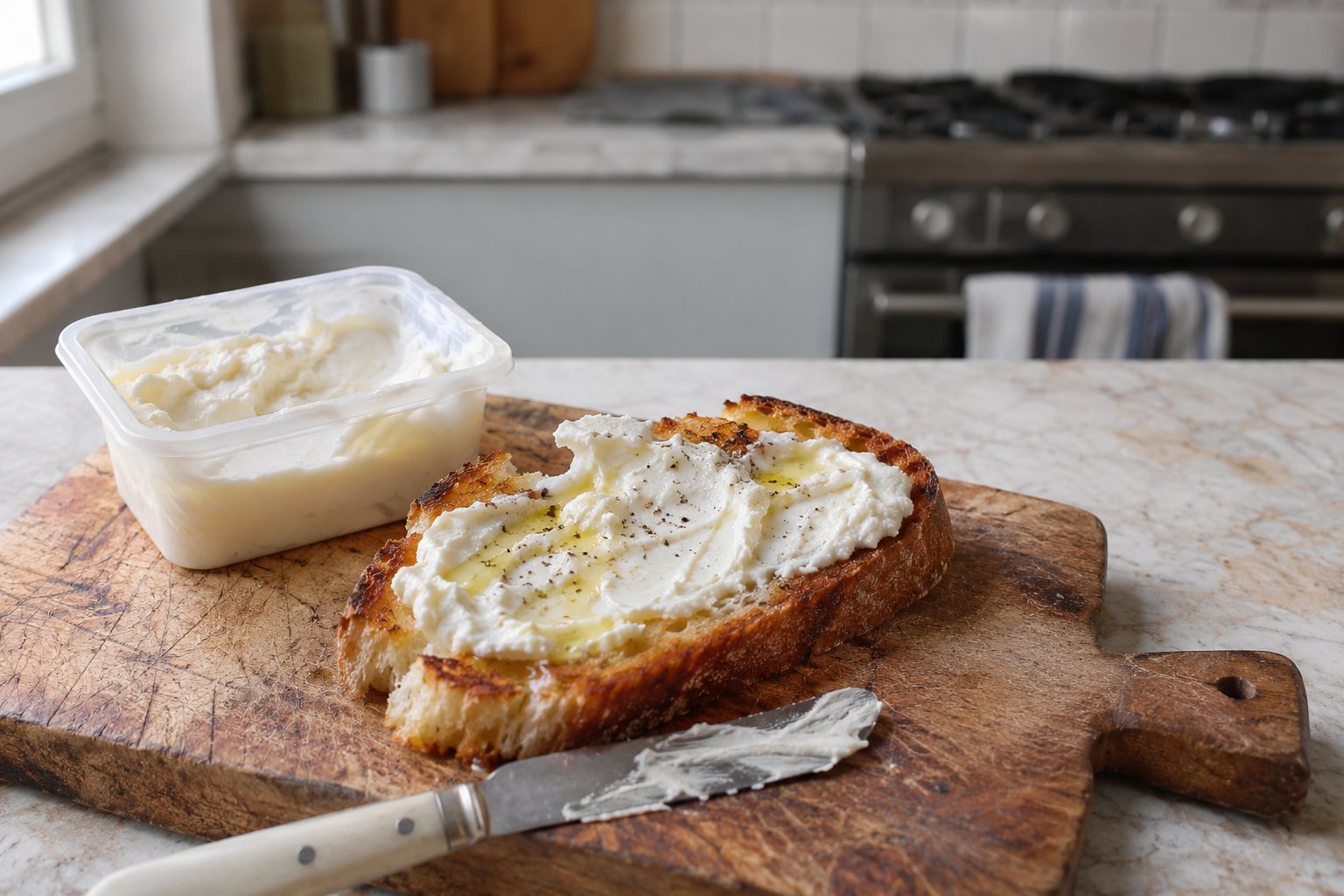
It's a northern Italian fresh cheese built for immediacy: spread it cold, melt it warm, or let it collapse into hot pasta just off the heat.
Stracchino is a soft, spreadable fresh cow's-milk cheese from Lombardy and Emilia-Romagna, with a mild lactic tang and a buttery finish.
Spread it cold on bread, melt it onto focaccia, or fold it into hot pasta just off the heat.
Once opened, it is best within 5-7 days. When buying, look for a uniform pale-ivory paste with no watery pooling or cracks.
What Is Stracchino Cheese?
Stracchino is a fresh cow's-milk cheese from Lombardy and Emilia-Romagna, where it has been made for centuries.
Remember it later
Planning to try this recipe soon? Save it for a quick find later!
The name comes from stracco, Italian for "tired" (stracch in Lombard). The usual story is that it was made from the milk of cows tired from walking down from the alpine summer pasture, though some sources treat that as a legend.
Today most stracchino is made in dairies and arrives in tubs or small wrapped wedges.
- 🌍 Region: Lombardy and Emilia-Romagna, northern Italy
- 🐄 Milk type: Pasteurized whole cow's milk
- 🧾 Also known as: Crescenza (linked but distinct), stracchino d'Italia
- 📦 Formats: Tubs, wrapped wedges, or small whole wheels
It belongs to the family of high-moisture Italian fresh cheeses, sitting close to crescenza. The two names are often used interchangeably, though when a producer separates them, crescenza tends to be slightly firmer and more structured, and stracchino softer and more spreadable.
The paste is pale ivory, smooth, and almost pudding-soft when it's at peak freshness. You may also see it labelled stracchino d'Italia in Italian delis, and some US shops list it as crescenza (stracchino).
Long ago, "stracchino" named a whole family of soft Lombard cheeses, and taleggio was sold under that name for centuries. Gorgonzola was once called "green stracchino" for its blue-green veins.
What Does Stracchino Cheese Taste Like?
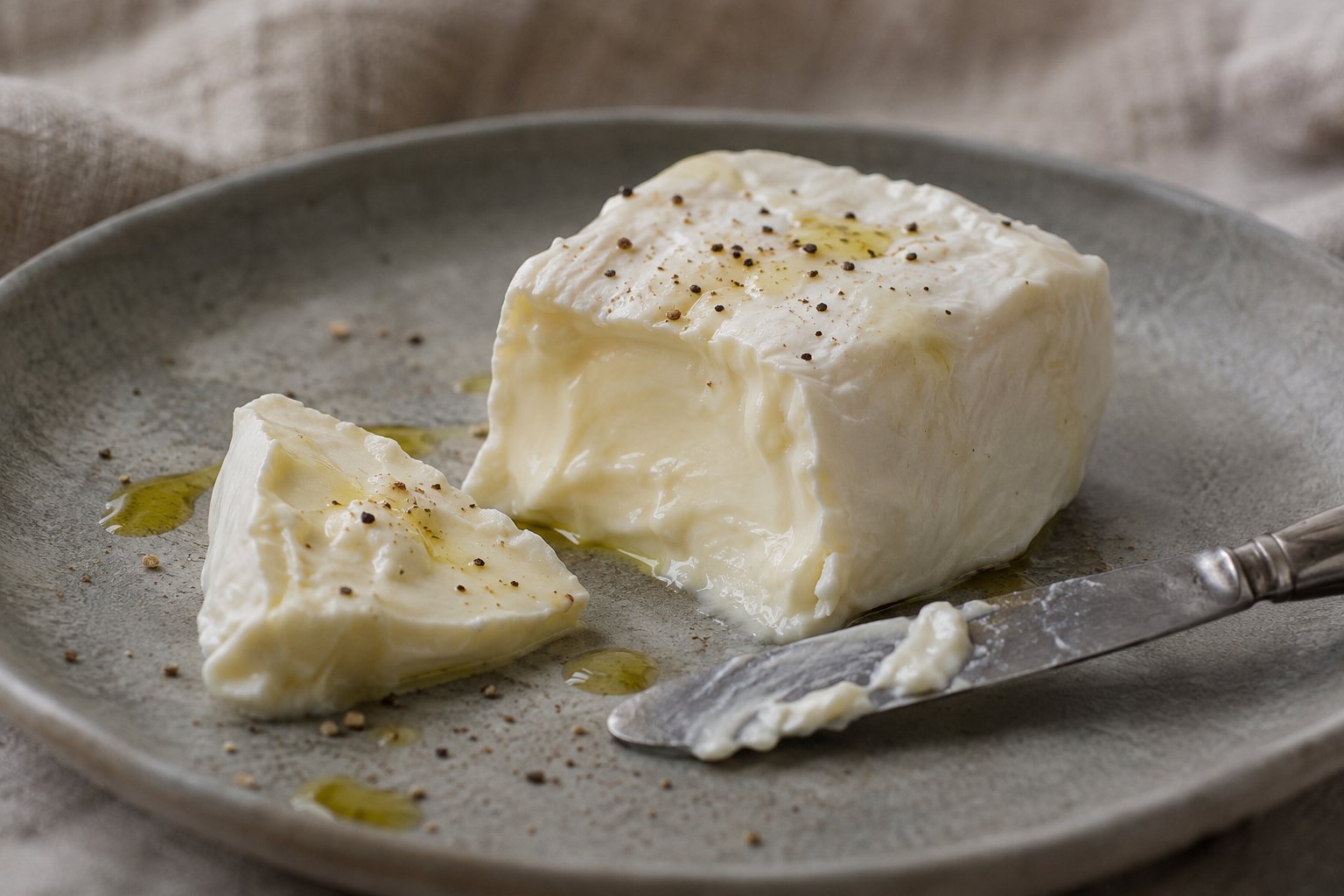
Stracchino is mild and lactic, the kind of cheese that tastes more like very good fresh dairy than anything aged or sharp. A slight tang registers at the back of the palate, followed by a clean buttery sweetness.
Warmed gently, the tang softens and the buttery note comes forward. That is why stracchino works so well folded into hot pasta just off the heat rather than cooked directly over flame.
Comparing it to mozzarella or ricotta misses the mark. Young robiola is a closer relative, and a mild crème fraîche lands in the same sensory neighbourhood.
How to Use Stracchino Cheese
Cold, stracchino behaves like a premium spreadable cheese: drag it across toasted rustic bread, pile it onto crostini with a few drops of olive oil and cracked pepper, or layer it into a panino against cured meats. Arugula pairs particularly well here, because its bitterness cuts stracchino's milky richness without overwhelming it.
Warm applications are where this cheese becomes genuinely useful. Folding stracchino into pasta off the heat creates a glossy, creamy sauce with no cream at all.
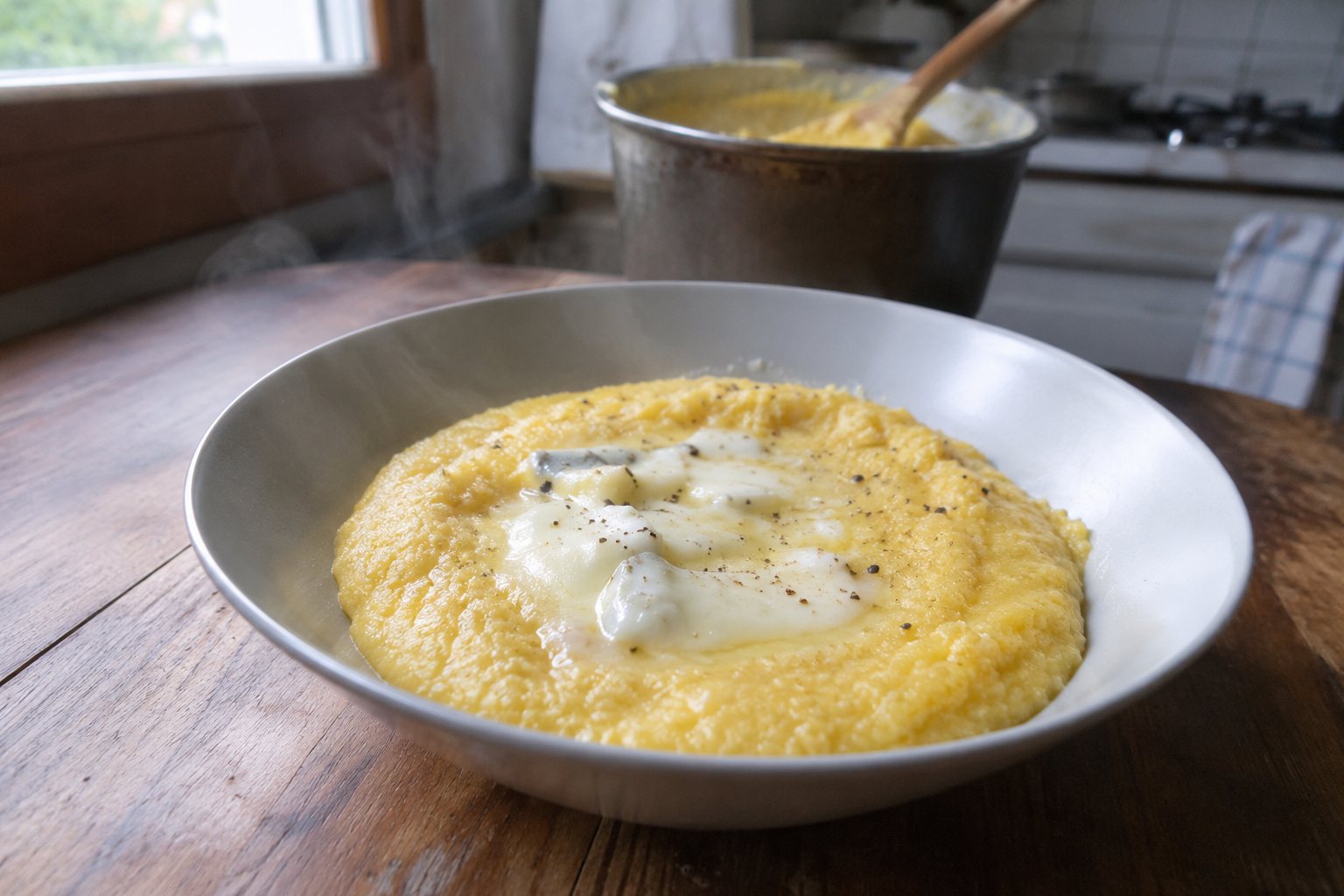
Dolloped onto hot polenta just before serving, it melts into a soft, silky pool.
Its most celebrated use is inside focaccia al formaggio, the Ligurian flatbread where two thin doughs sandwich a thick layer of cheese before baking.
In Recco, near Genoa, the protected (IGP) version names crescenza or stracchino as the filling.
In Romagna, a warm piadina spread with stracchino and topped with arugula, often with raw ham, is a common quick lunch.
| Method | Best For | Tip |
|---|---|---|
| 🥗 Cold/Spread | Crostini, panini, antipasto boards | Serve at room temperature for best spreadability |
| 🍝 Folded Off Heat | Pasta sauces, polenta topping | Add after removing from heat to preserve silky texture |
| 🫓 Baked In | Focaccia al formaggio, pizza bianca, vegetable gratins | Sandwich between dough layers to prevent direct heat contact |
For pairings, lean on prosciutto and other cured hams, roasted mushrooms, and bitter greens. Fresh figs or pear also work, because their sweetness sits well against its lactic mildness.
Light reds like Pinot Noir suit it better than heavily tannic wines, which can clash with the cheese's delicate acidity.
How to Buy and Store Stracchino Cheese
At the counter or deli case, look for a uniform pale-ivory paste: no sun-dried cracking at the edges, no dark spots, and no excess watery whey pooled inside the tub. For whole wheels, press gently: the interior should feel smooth and give evenly.
A thin, slightly tacky rind on a wheel is normal and desirable. Unopened, fresh stracchino stays good for two to three weeks, so pick the tub with the latest date on the label.
Once open, wrap it tightly in wax paper then plastic, or transfer to an airtight container and keep it in the coldest part of your fridge.
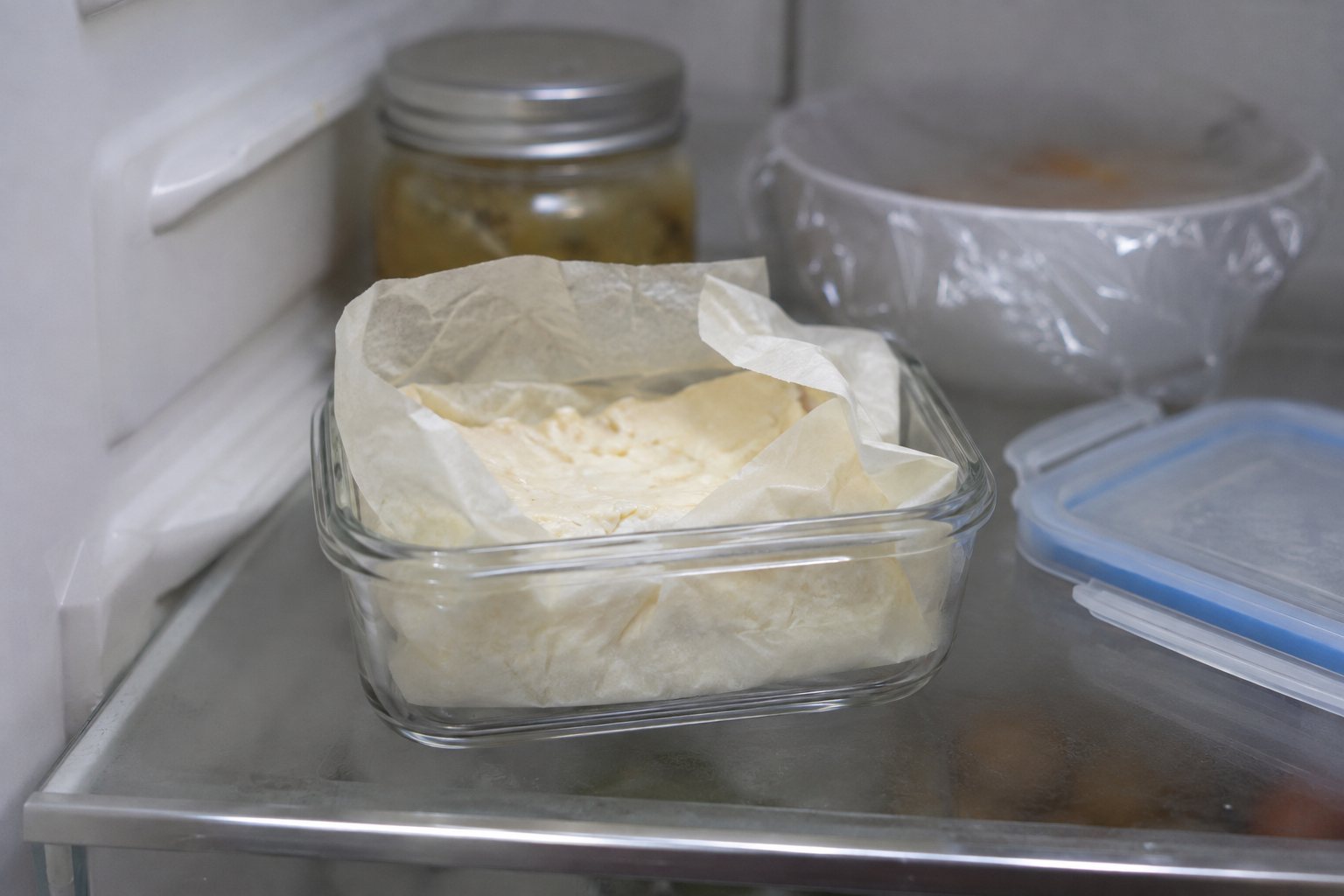
Use stracchino within five to seven days of opening for peak creaminess, and scoop it out with a clean spoon so the rest keeps.
Throw out a tub that shows any mold. The USDA says to discard soft cheese that has mold, because mold can spread through the soft paste where you cannot see it.
- 🗓️ Unopened: Refrigerated tubs keep 2-3 weeks
- 📅 Opened: Best within 5-7 days; texture degrades quickly
- ❄️ Freezing: Not recommended; high moisture causes grainy texture on thaw
- 🌡️ Serving: Pull from the fridge 15-20 minutes before serving cold
Where to Start with Stracchino
If you are new to this cheese, buy a small tub, toast a thick slice of bread, and spread it cold with olive oil and a pinch of salt. That single preparation shows its character.
From there, the next step is focaccia al formaggio or a simple pasta: both show what gentle heat does to stracchino's texture.
Frequently Asked Questions
They overlap a lot, and many producers use the two names for the same cheese. When a maker does separate them, crescenza is usually the firmer, more structured one.
Yes, under gentle heat. Fold it into hot pasta off the burner or bake it inside focaccia; direct high heat dries it out.
Young robiola and fresh crescenza are the closest matches. Mild cream cheese thinned with a little crème fraîche works in a pinch for cold uses, though the lactic tang won't match.
Unopened tubs keep 2-3 weeks refrigerated. Once opened, use it within 5-7 days; the texture becomes watery and the tang sharpens noticeably past that point.
Italian delis and specialty grocery stores with imported cheese sections carry it most reliably. Online Italian food retailers are a consistent source if you can't find it locally.
English has no separate name for it; recipes simply say stracchino, and some US shops list it as crescenza. Stracino, straccino and strachino are misspellings of the same word.