
Most people assume gorgonzola is just "strong blue cheese" and stop there - grabbing any crumbled blue off the shelf without realizing they've missed the entire point.
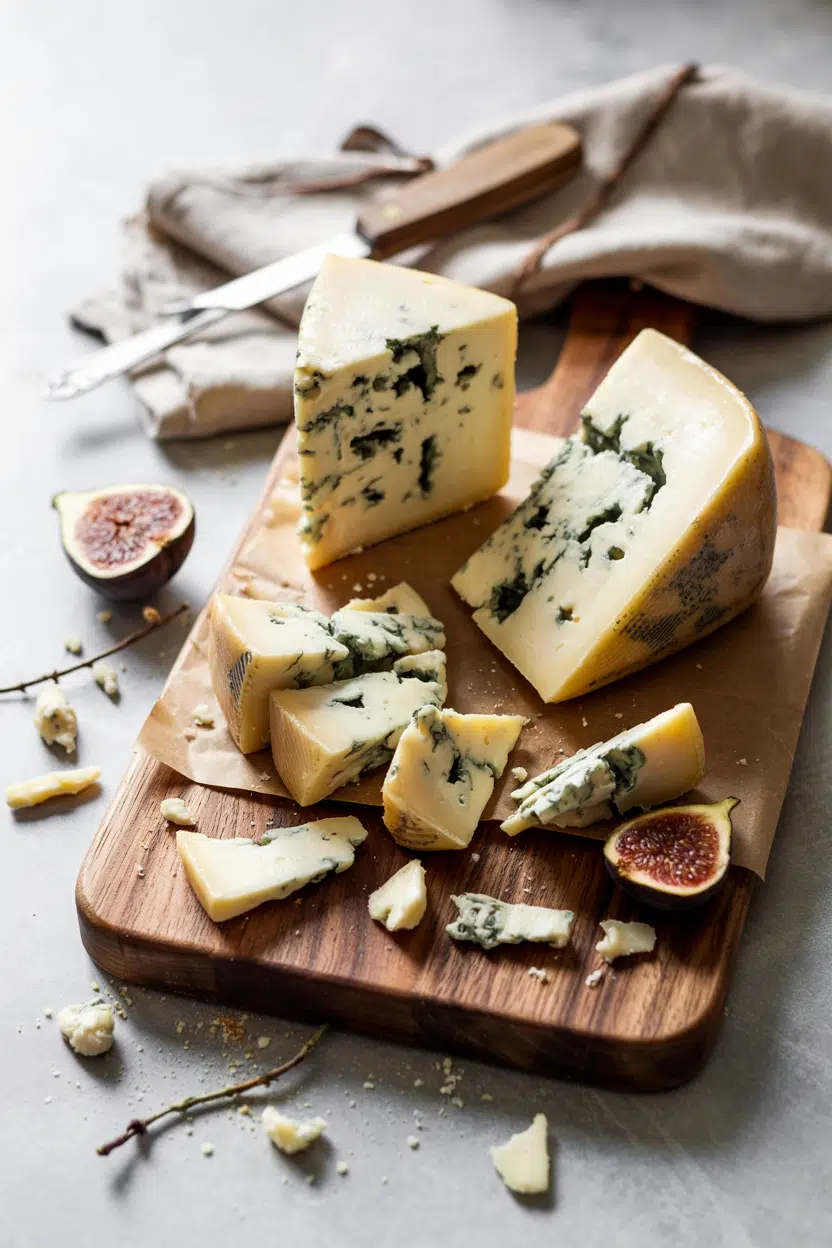
The difference between a creamy, sweet Gorgonzola Dolce spread on crostini and a sharp, crumbly Gorgonzola Piccante stirred into risotto is not subtle; they behave like different cheeses entirely.
Cooks who've struggled with watery, acidic results when substituting might find it easier to start with swapping out stilton cheese or even look at gouda cheese stand-ins before circling back to understand what makes gorgonzola genuinely distinct.
Gorgonzola is a PDO-protected Italian blue cheese from Northern Italy, made from cow's milk and aged to develop blue-green veins. Dolce is mild, creamy, and spreadable; Piccante is sharp, crumbly, and intense. Both melt, crumble, and pair well across a wide range of savory dishes.
What Is gorgonzola cheese?
Gorgonzola originates from the Lombardy and Piedmont regions of Northern Italy, and its production is protected under a PDO (Protected Designation of Origin) designation - meaning authentic gorgonzola can only come from specific Italian provinces.
Remember it later
Planning to try this recipe soon? Save it for a quick find later!
It's a mold-ripened blue cheese made exclusively from full-fat cow's milk, inoculated with Penicillium roqueforti cultures, then aged and hand-pierced with metal needles to open air channels that let the blue-green veining develop throughout the paste.
Two distinct varieties exist, and they're not interchangeable:
- 🧀 Gorgonzola Dolce - Aged 2-3 months; soft, moist, and spreadable with a mild, tangy-sweet profile. Also sold as Gorgonzola Cremificato when whipped with cream.
- 🧀 Gorgonzola Piccante - Aged 6-12 months; firm, crumbly, and sharply piquant with deeper earthy notes and a granular, slightly crystalline texture.
- 🌍 Common confusion - "Gorgonola" is a frequent misspelling, not a separate product. Always verify PDO labeling for regional authenticity.
When a recipe calls for a milder substitute, options for replacements for gorgonzola cheese can help you navigate between Dolce-style and Piccante-style swaps depending on what the dish needs.
What Does gorgonzola cheese Taste Like?
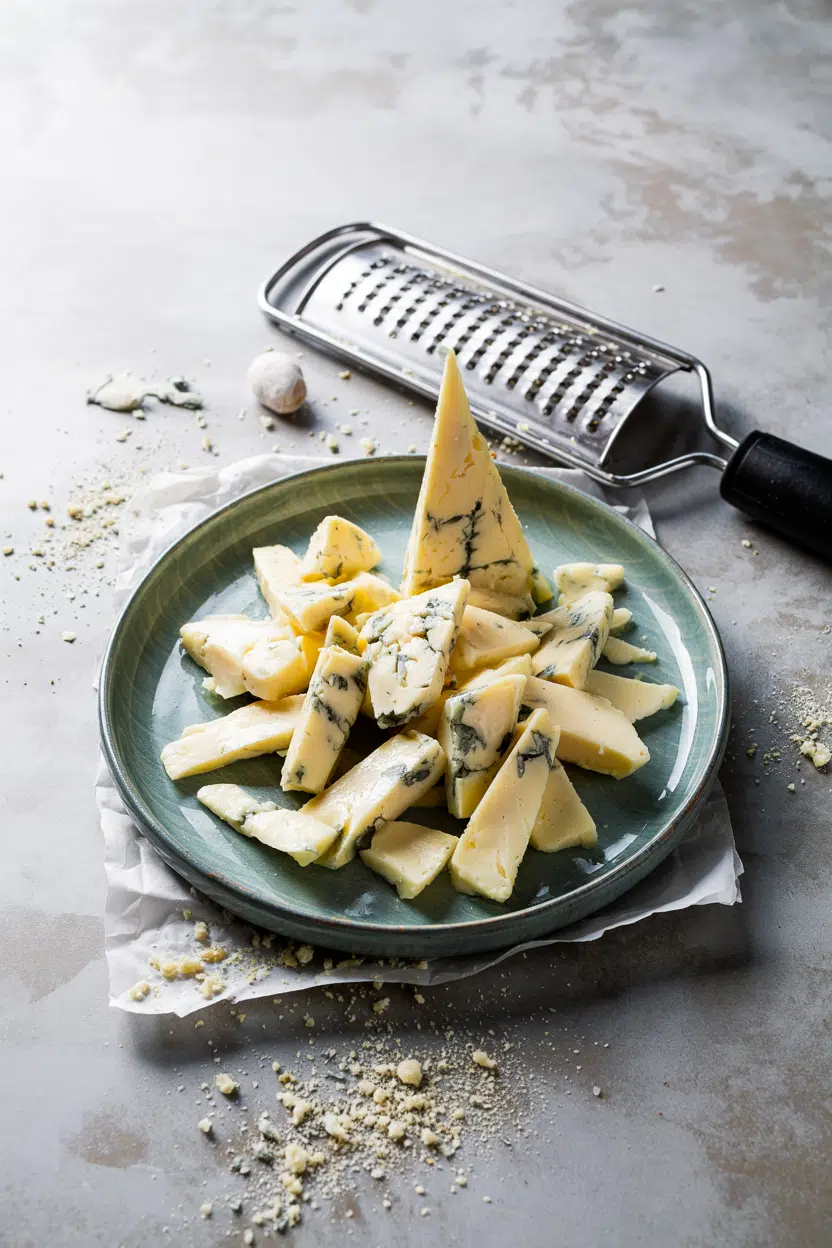
Gorgonzola's flavor depends heavily on which variety you're eating. Dolce tastes tangy and faintly sweet, with a milky creaminess and soft earthy notes that don't overwhelm - it's approachable for anyone new to blue cheeses.
Piccante is a different experience: sharp, salty, and persistently piquant, with pronounced mushroom-like earthiness from the extended mold activity. Unlike Roquefort - which can veer sulfurous from sheep's milk - gorgonzola stays rounder and less aggressive even at peak intensity, which is part of why it works so well in cooked applications.
Heat softens the sharpness noticeably - melted Piccante in a warm sauce loses some of its bite and gains a rounder, savory depth that raw crumbles won't give you.
How to Use gorgonzola cheese
Gorgonzola works across a wider range of preparations than most blue cheeses because the two varieties each suit different cooking contexts. Dolce is the melting choice; Piccante is the finishing and crumbling choice.
| Method | Best For | Tip |
|---|---|---|
| 🥗 Raw / Crumbled | Arugula-pear salad, cheese boards, pizza topping | Use Piccante for more punch; Dolce for a milder finish |
| 🍳 Melted into sauce | Risotto, creamy pasta with pancetta, polenta | Add off-heat or at low temperature to avoid graining |
| 🥖 Baked / Broiled | Crostini with fig jam, stuffed mushrooms | Keep oven time short - 5-8 minutes max before it splits |
| 🧈 Whipped / Blended | Compound butter for steak, dips, spreads | Blend Dolce with softened butter or cream cheese for balance |
Northern Italian cooking leans on gorgonzola heavily - risotto ai quattro formaggi, polenta con gorgonzola, and pasta with pancetta and walnut cream are all regional staples.
French bistro and modern American steakhouse menus borrow these ideas freely, pairing it with bitter greens like radicchio or arugula to cut through the richness.
For pairings, fresh pears, walnuts, honey, and aged balsamic are the reliable quartet. Strong reds like Barolo or a tawny Port stand up to the saltiness without being overwhelmed.
Avoid overly sweet syrupy glazes - they push past the savory mold notes rather than complementing them.
If you're building a sauce and want to understand how a comparable cheese behaves differently, using roquefort cheese for creaminess gives a useful side-by-side context.
Knowing the role roquefort cheese plays in French cooking also helps explain why gorgonzola melts more smoothly - cow's milk fat behaves more predictably under heat than sheep's milk fat.
How to Buy and Store gorgonzola cheese
At the cheese counter, look for clean, evenly distributed blue-green veining and a moist, unblemished paste for Dolce. Piccante should show a firmer, slightly granular crumb - visible crystallization is a sign of proper aging, not spoilage.
Reject any wedge with an ammonia smell or excessive pooled liquid in the packaging.
For storage, wrap in parchment first, then loosely in plastic or use a breathable cheese bag.
Store it in the coldest part of your refrigerator - the cheese drawer or the back of the bottom shelf - to slow moisture loss and mold overgrowth.
An unopened vacuum pack holds 3-6 weeks; an opened wedge is best used within 1-3 weeks.
The detail on using gorgonzola cheese for creaminess covers how storage method directly affects how the cheese performs when melted.
Where to Start With Gorgonzola
New to gorgonzola? Start with Dolce - it's the lower-commitment entry point.
Crumble it over a pear and arugula salad with walnuts and a drizzle of honey, and you'll understand immediately why this cheese earns its place on a board or in a pan.
Once you're comfortable with Dolce, move to Piccante in cooked preparations - stirred into risotto near the end of cooking, or crumbled over a finished steak. That's the range gorgonzola covers, and it's worth exploring both ends of it.
Frequently Asked Questions
Many markets sell pasteurized gorgonzola, which is generally considered safer during pregnancy - check the label directly. Unpasteurized versions carry a listeria risk and are typically avoided. Your healthcare provider can confirm what's appropriate for your situation.
An ammonia smell, pink or orange discoloration, or a slimy surface are the clearest signs. Normal blue-green veining and a sharp, pungent smell are expected - those aren't spoilage indicators.
Use low heat and add the cheese off direct flame - stir it into a warm sauce rather than a boiling one. Dolce melts more smoothly than Piccante because its higher moisture content helps it incorporate without breaking.
No - gorgonzola is made from cow's milk and is not suitable for vegan diets. Some plant-based blue-style cheeses exist as alternatives, though their flavor and melt behavior differ significantly.
Tawny Port and Barolo are the classic matches - their sweetness and tannin structure both hold up against the cheese's saltiness. For Dolce, a lighter Moscato d'Asti works well as a contrast pairing.



