Bite into a ripe fig and the experience is immediate: a rush of honeyed sweetness, a faint floral scent, and a jammy give that few other fruits can match.
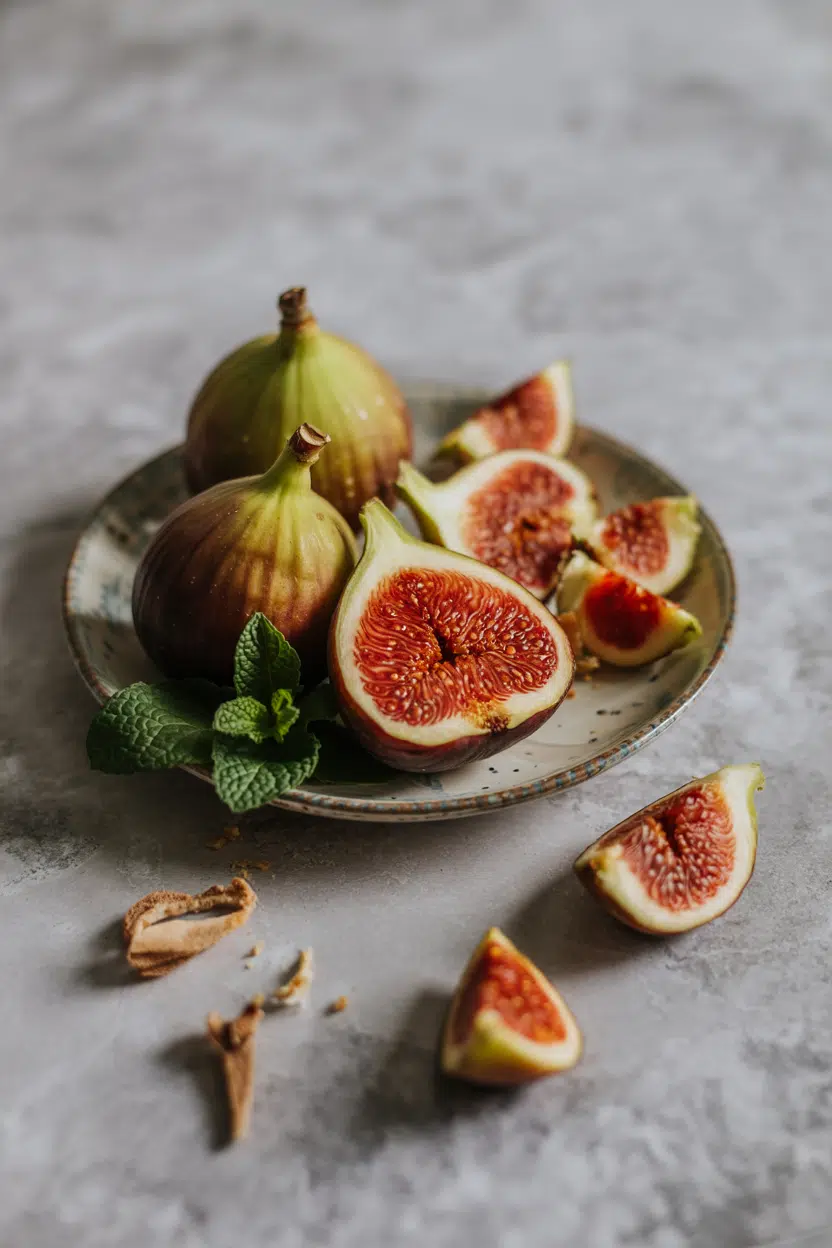
That gentle collapse of soft flesh against tiny crunchy seeds is what makes figs - draped over prosciutto or pressed into warm bread - so hard to replicate.
The fig is a soft, honey-sweet fruit with jammy flesh, crunchy seeds, and warm floral aroma. Fresh figs are delicate and short-lived; dried figs concentrate those sugars into a raisin-like intensity. Both work in savory and sweet cooking across Mediterranean and Middle Eastern traditions.
What Is Fig?
The fig is not technically a conventional fruit.
Remember it later
Planning to try this recipe soon? Save it for a quick find later!
It is a syconium - a swollen, hollow stem structure that encloses hundreds of tiny flowers and seeds, all fused into one edible package. Ficus carica, the common fig tree, originates in the Mediterranean and Western Asia, and remains central to Greek, Turkish, Italian, and North African food traditions to this day.
Several varieties reach markets and home kitchens regularly. Black Mission figs are dark-skinned and deeply sweet, with a rich berry note. Kadota figs are milder, green-skinned, and less assertive -
a better pick when you want fig texture without dominating sweetness. Calimyrna figs (also called Smyrna figs) are large, golden, and nutty, and appear frequently in dried form.
Fresh figs and dried figs behave quite differently in cooking. Fresh fruit is perishable and delicate.
Dried figs concentrate the sugars dramatically, shifting from gentle sweetness toward something closer to a date substitute in recipes that call for chewy, intense sweetness.
What Does Fig Taste Like?
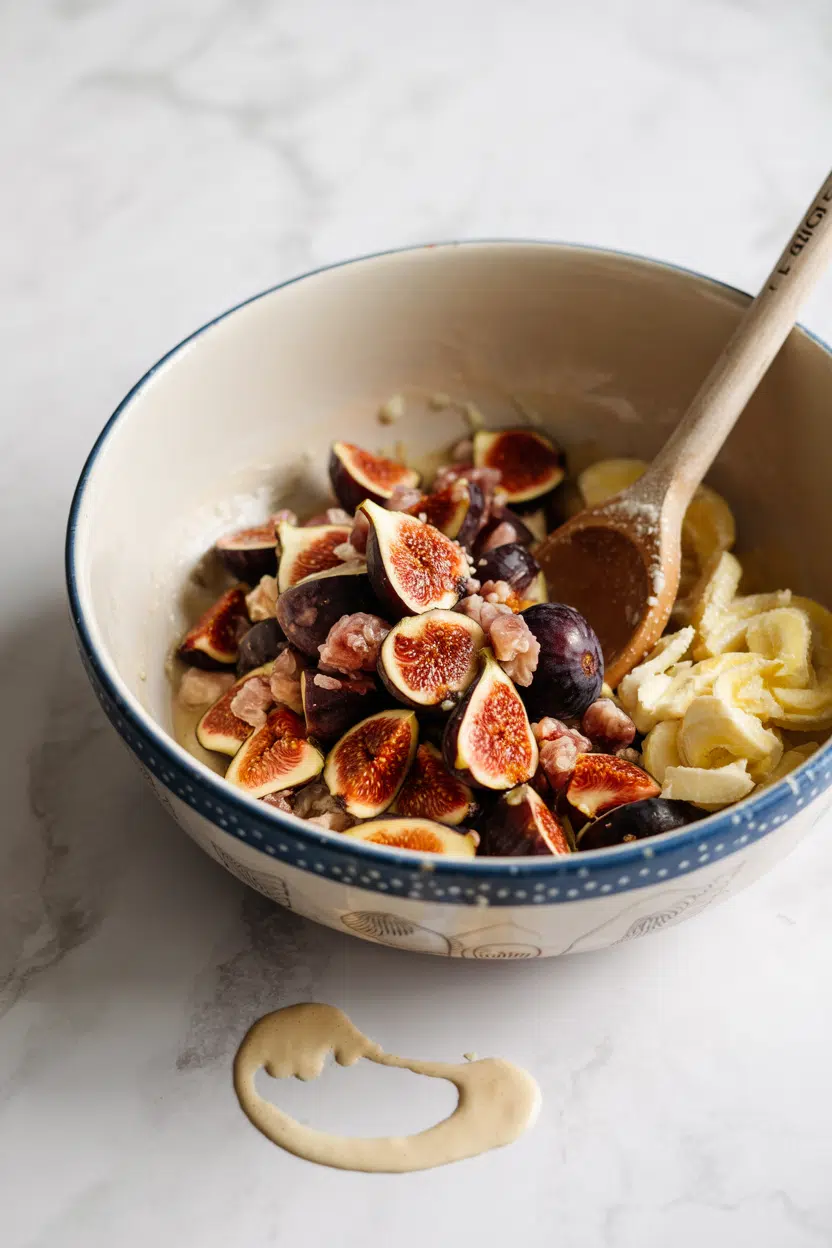
A fresh fig tastes like a soft pear crossed with honey and toasted nuts, with a faint edge of berry-like acidity underneath all that sweetness. The seeds contribute a mild, nutty crunch, and the skin adds a barely-there chewiness that keeps each bite interesting.
Heat changes everything.
Roasting or grilling a fresh fig concentrates its sugars rapidly, deepening the honey note and softening the acidity into something almost caramel-like. Dried figs move further still - the malty undertone intensifies, acidity drops away, and the sweetness becomes raisin-dense rather than floral.
How to Use Fig
Fresh figs need almost no preparation. Slice them over ricotta or chèvre with a thread of olive oil and cracked black pepper, and the dish is done in two minutes.
They also hold up well in salads alongside prosciutto, arugula, walnuts, and balsamic vinegar - the salt of the meat and the sharpness of the greens cut through the sweetness cleanly.
Cooking unlocks a different register entirely. Roasting fig halves with honey and thyme at high heat pulls out their sugar and concentrates their jammy interior, making them a strong savory-sweet side for roasted pork or duck.
Slow-simmering figs with sugar and lemon zest produces a fig compote or fig jam that stores well and works across a wide range of dishes - spread on toast, spooned over blue cheese, or used wherever you might reach for a fig jam substitute.
Dried figs are the more forgiving format for everyday cooking. Chop them into North African tagines, fold them into quick breads or galettes, or add them to trail mix where their concentrated sweetness functions as a natural binding note.
| Method | Best For | Tip |
|---|---|---|
| 🥗 Raw/Sliced | Cheese boards, salads, open-faced toasts | Use only fully ripe figs - unripe ones taste chalky |
| 🔥 Roasted/Grilled | Savory-sweet sides, meat pairings, warm salads | Halve the figs and roast cut-side up at 200°C/400°F for 15-20 min |
| 🫕 Slow-Simmered | Jams, compotes, chutneys, sauces | Add a splash of balsamic or citrus to balance sweetness |
| 🍞 Baked | Galettes, quick breads, tarts | Dried or fresh both work; dried figs need no pre-cooking |
| 🥘 Braised/Dried | Tagines, grain dishes, trail mix, stuffings | Rehydrate dried figs in warm water or juice for 20 min before using |
Pairings worth knowing: goat cheese and blue cheese are the classic matches; almonds, rosemary, orange zest, and aged balsamic all work in the same direction. If you want a substitute for the cheese element, explore your goat cheese alternatives before swapping in something neutral.
How to Buy and Store Fig
Ripe figs yield gently to pressure without feeling mushy, and the skin should be taut and unbroken. Avoid any fig that leaks clear sap from the stem or shows sticky residue - that signals overripeness. At the market, note the variety: Black Mission figs run darker and sweeter; Kadota figs are pale green and milder; Calimyrna are large and nutty.
Fresh figs are best used within 2-5 days of purchase - they do not hold like apples or pears. Dried figs store in an airtight container at cool room temperature for several months.
For longer storage, fig halves and pureed figs freeze well for up to six months. A full breakdown of storage timelines is covered in the fig freshness guide guide.
Where to Start With Fig
Fresh figs are the entry point worth trying first if you haven't cooked with them. Halve four ripe Black Mission figs, place them cut-side up on a baking sheet, drizzle with honey, scatter thyme, and roast for 15 minutes.
That single preparation shows you everything - the jammy texture, the deepening sweetness, and why figs work so well against salty, fatty counterparts.
- Start fresh - buy Black Mission or Kadota figs when in season (late summer to early fall) for the fullest flavor.
- Go dried first - if fresh figs aren't available, dried Calimyrna figs are widely stocked year-round and work in most cooked applications.
- Pair with salt - match figs with prosciutto, aged cheese, or olives before attempting sweet-only preparations.
- Try a fig substitute - when figs are out of season or unavailable, a few alternatives mimic the jammy sweetness in cooked dishes.
Frequently Asked Questions
A fig is a fruit - specifically an infructescence called a syconium, where the "flesh" is actually a swollen stem enclosing hundreds of tiny flowers. Botanically unusual, but firmly in the fruit category for cooking and nutrition purposes.
Fresh figs are lightly sweet, floral, and jammy with subtle berry acidity. Dried figs concentrate those sugars significantly - the malty undertone intensifies and the texture becomes dense and chewy, closer to a raisin or date.
Yes, fig skin is fully edible. It's thin, slightly chewy, and carries a mild earthy note that complements the sweet interior. Some people prefer to peel very thick-skinned varieties, but for Black Mission and Kadota, the skin is typically left on.
A ripe fig yields gently under light pressure and hangs heavy from the stem. Unripe figs feel firm and may seep milky sap from the stem end - that latex-like liquid is a reliable sign the fig needs more time.
They do, and often better than in sweet ones. Figs pair naturally with prosciutto, aged cheese, rosemary, and balsamic vinegar - their sweetness functions like a seasoning against salt and fat rather than as a dessert component.