
Most people assume sauvignon blanc is just a summer patio wine-something cold and green-tasting you pour without thinking much about.

That assumption undersells it considerably, and it also explains why so many pairings fall flat.
Understanding what this grape actually does, and why a Marlborough bottle behaves so differently from a Sancerre, makes it far more useful in both your glass and your kitchen.
If you're ever caught without a bottle, knowing white wine stand-ins that approximate its acidity can save a sauce.
Sauvignon blanc is a dry white wine with high acidity, grassy aromas, and citrus-forward flavor. Loire Valley expressions lean lean and mineral; New Zealand styles run riper and more tropical. It's a natural match for shellfish, goat cheese, and herb-driven dishes.
What Is Sauvignon Blanc?
Sauvignon blanc is a white wine grape originating in the Loire Valley of France, where it produces the celebrated appellations of Sancerre and Pouilly-Fumé.
Remember it later
Planning to try this recipe soon? Save it for a quick find later!
The name likely derives from the French sauvage (wild), referencing how vigorously the vine grows in the field.
It's classified as a dry white wine, though the flavor profile shifts noticeably depending on where the grapes are grown. Cooler climates, particularly the Loire, yield wines with lean, mineral character and sharp green-herb notes driven by aromatic compounds called pyrazines.
Warm-climate regions - especially Marlborough in New Zealand - push the grape toward riper passionfruit and pineapple expressions.
You'll also see it abbreviated as Sauv. blanc on wine lists or simply called "Sauvignon" in casual French usage. A few key style markers to know:
- 🇫🇷 Loire / Sancerre - Lean, stony, high-acid; distinct wet-stone minerality
- 🇳🇿 Marlborough - Ripe tropical fruit, intense grassy aromatics, bold finish
- 🇺🇸 California / Fumé Blanc - Sometimes lightly oaked, rounder texture than Loire
- 🇿🇦 South Africa - Mid-point between Loire and NZ; often fig and citrus notes
What Does Sauvignon Blanc Taste Like?
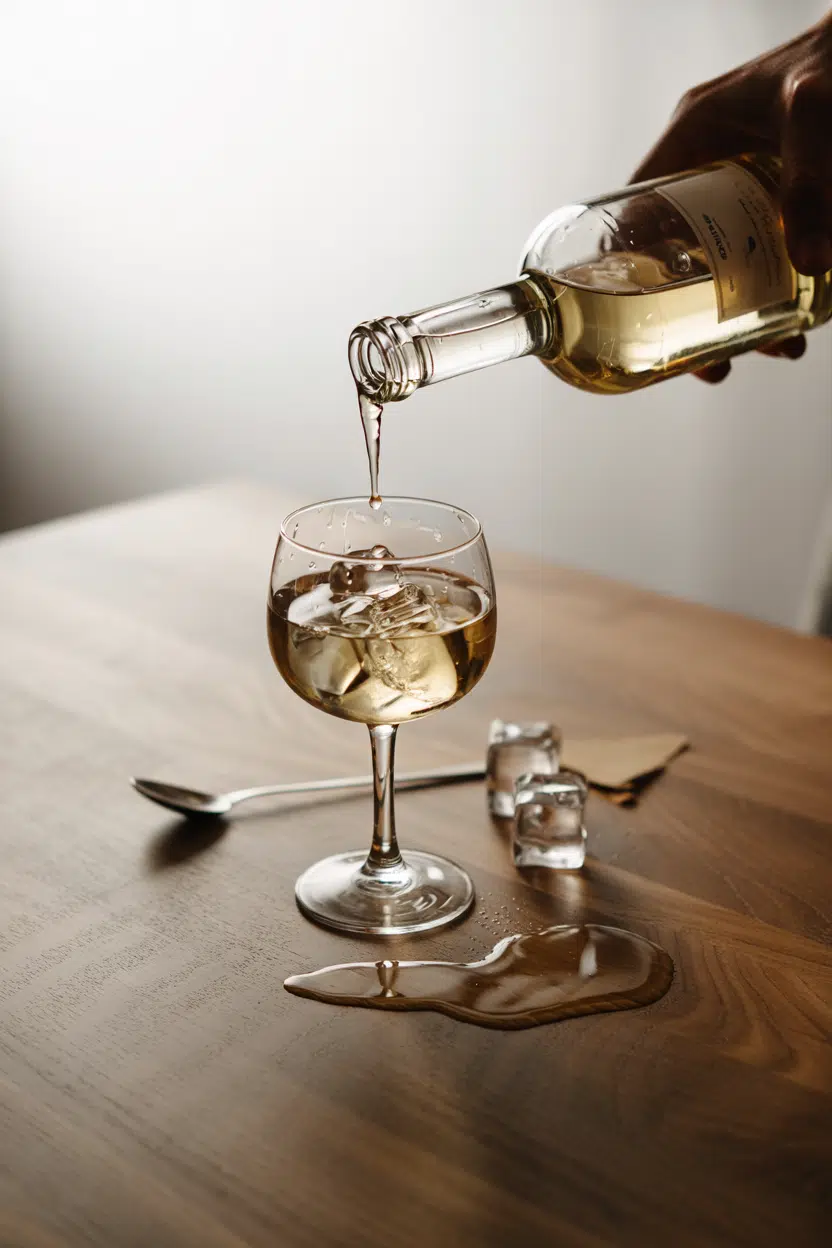
Think of sauvignon blanc as landing somewhere between an unoaked chardonnay and a dry riesling - comparable acidity to riesling, but far more herbaceous and citrus-driven than either.
The pyrazines responsible for that green-pepper and grassy quality are the grape's chemical signature; cooler vintages and cooler climates amplify them sharply.
On the palate, the texture is lean rather than creamy. There's no residual sugar softening the edges - the high acidity hits quickly and lingers.
Warm-climate bottles swap some of that green intensity for ripe tropical fruit, which makes them taste broader and less angular, though the acid backbone stays intact.
How to Use Sauvignon Blanc
Sauvignon blanc earns its place at the stove as much as on the table. Its high acidity does specific work: it brightens broth, cuts fat in pan sauces, and adds a sharp backbone to vinaigrettes without muddying their flavor.
| Method | Best For | Tip |
|---|---|---|
| 🥗 Raw | Vinaigrettes, marinades, cold sauces | Use in place of white wine vinegar; start with less and adjust |
| 🍳 Deglazing | Pan sauces for chicken, white fish, shallot butter sauces | Use a Loire-style bottle; tropical fruit notes can read flat when reduced |
| 🍲 Poaching | Fish, shellfish, light chicken breast | Add a splash late to keep citrus notes bright in the poaching liquid |
| 🍚 Risotto | Seafood risotto, herb-forward vegetable risotto | Add near the end of cooking so acidity stays lively rather than cooking out |
Pairings follow the herb-and-acid logic. Goat cheese - especially chèvre crostini or a classic Loire salad - is the benchmark pairing because the wine's acidity cuts the fat of the cheese cleanly.
Oysters and raw shellfish work for the same reason. Asparagus, parsley, and tarragon all mirror the wine's green herbaceous notes rather than clashing with them.
In French cooking, it's the backbone of classic beurre blanc sauce: shallots and white wine reduced hard, then finished with cold butter. Mediterranean applications lean toward grilled white fish with lemon and olive oil.
California-style cooking uses it alongside grilled vegetables and citrus-heavy dressings.
Heavy cream sauces and sweet desserts are where it stumbles. Against rich dairy fat, the lean body reads thin; against sugar, the acidity turns sharp in an unpleasant way.
If you're substituting in a recipe, replacements for sauvignon blanc that match on acidity include dry vermouth and certain styles of pinot grigio - pinot grigio in cooking covers where that grape holds up and where sauvignon blanc would be the stronger call.
How to Buy and Store Sauvignon Blanc
Region and producer tell you more than price does when buying sauvignon blanc. A Sancerre or Pouilly-Fumé label signals the lean, mineral Loire style; a Marlborough label signals the riper, bolder New Zealand expression. Vintage year matters for herb intensity - cooler years bring more pyrazine-driven green character.
For bottles you plan to drink within the year, screwcap beats cork at preserving citrus brightness. Most sauvignon blancs are built to drink young - within 1-4 years of vintage.
High-quality single-vineyard Loire wines can age longer, but the herbaceous freshness that defines the grape fades over time.
Once opened, guidance on storing sauvignon blanc correctly consistently points to the same approach: vacuum stopper plus refrigeration, and drink within 3-5 days. Beyond that, the citrus notes flatten and the acidity starts to feel harsh rather than bright.
Where to Start With Sauvignon Blanc
New to the grape? Start with a Marlborough bottle - the ripe tropical-fruit expression is immediately accessible and shows the grape's range clearly.
Once that baseline is set, try a Sancerre to understand how dramatically terroir shifts the flavor.
If you're cooking rather than sipping, a mid-range Loire-style bottle is the better kitchen workhorse. Its sharper acidity reduces cleanly into sauces without the tropical notes complicating the flavor.
For cheese boards, the classic goat-cheese pairing holds - though alternatives to goat cheese like fresh ricotta or cream cheese with herbs pair nearly as well against sauvignon blanc's acid.
Frequently Asked Questions
Dry. Virtually all sauvignon blanc produced commercially is fermented to dryness with no residual sugar. Ripe tropical-fruit aromas in Marlborough styles can read as sweetness, but the actual sugar level is very low.
Shellfish, goat cheese, grilled white fish, asparagus, and herb-forward salads. The wine's acidity and green-herb notes work best with ingredients that share or contrast that character - avoid pairing with very rich or sweet dishes.
Reseal with a vacuum stopper and refrigerate immediately. Drink within 3-5 days; after that, citrus freshness fades noticeably and the acidity loses its bright edge.
Both are Loire Valley sauvignon blancs, but they come from opposite banks of the Loire River. Sancerre tends toward floral and mineral notes; Pouilly-Fumé often shows a distinct smoky, gunflint character from its flinty soils.
Avoid anything labeled "cooking wine" - added salt distorts the sauce. A decent mid-range bottle works well; you don't need a Sancerre, but the wine should be something you'd drink.



