
Crack open a bottle of refined safflower oil and you'll notice almost nothing - a pale, barely-there color, a faint seed-like smell, and a thin, silky pour that vanishes into the pan.
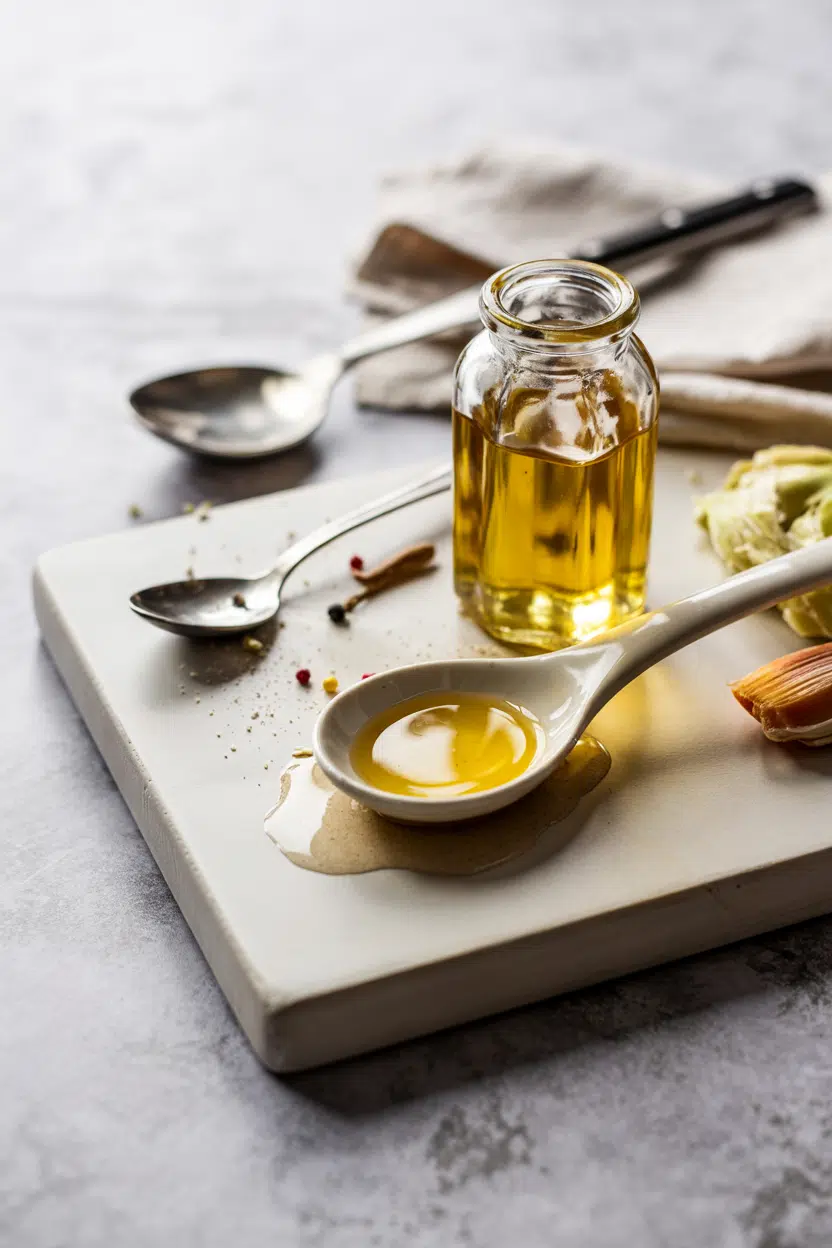
That near-invisibility is the whole point.
Like sunflower oil stand-ins or replacements for canola oil, safflower oil earns its place in the kitchen by stepping back and letting every other ingredient carry the flavor.
Safflower oil is a pale, neutral seed oil pressed from Carthamus tinctorius seeds. Its very mild flavor, near-zero aroma, and high smoke point make it a reliable all-purpose oil for frying, baking, and cold dressings.
What Is Safflower Oil?
Safflower oil is pressed from the seeds of Carthamus tinctorius, a thistle-like flowering plant native to the Mediterranean and parts of Asia.
Remember it later
Planning to try this recipe soon? Save it for a quick find later!
Commercially, it ranks as one of the most widely used seed oils in food manufacturing and home kitchens across Western markets.
Two distinct types exist, and they behave differently. Refined safflower oil is heat-processed to remove color, odor, and impurities -
the result is a clear, light oil with a smoke point reaching around 510°F, built for high-heat work. Cold-pressed safflower oil skips that processing, retaining slightly more flavor and nutrients, though its smoke point drops considerably.
You'll also encounter high-oleic safflower oil, a variety bred for a higher monounsaturated fat content, which improves stability under heat.
On labels, the oil appears under names like Carthamus oil, safflower seed oil, and safflower cooking oil.
Nutritionally, standard varieties are rich in linoleic acid (an omega-6 fatty acid) and vitamin E, with very low saturated fat - a profile that suits vegan cooking and low-saturated-fat diets well.
What Does Safflower Oil Taste Like?
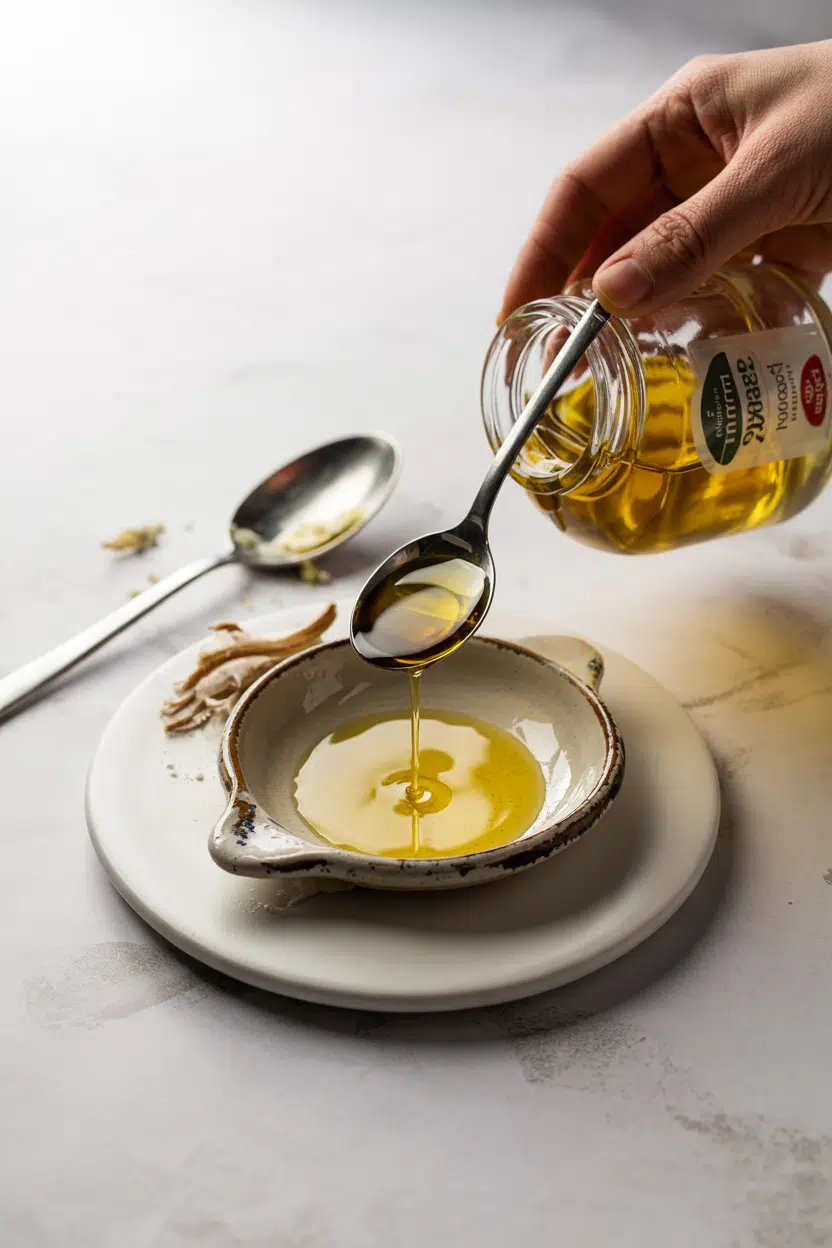
Safflower oil is about as close to flavorless as a cooking oil gets. The taste is very mild - a faint nuttiness and a whisper of sweetness, nothing assertive.
In a direct comparison, safflower oil tastes closest to refined sunflower oil or light grapeseed oil - all three read as neutral, though safflower has a marginally sweeter edge.
Cold-pressed versions carry slightly more character, closer to a mild walnut oil but without the bitterness.
Heat doesn't dramatically change safflower oil's flavor the way it would with extra-virgin olive oil.
It stays clean and transparent in taste even after frying, which is why it's the preferred carrier when dishes need the cooking fat to disappear.
If a recipe calls for swapping out olive oil in a context where fruitiness would interfere, safflower is a sound option.
How to Use Safflower Oil
Safflower oil's high smoke point makes refined varieties a reliable choice for any high-heat application. It handles deep frying and pan-searing without breaking down or imparting off-flavors, which matters when you're building a dish around delicate proteins.
| Method | Best For | Tip |
|---|---|---|
| 🍟 Deep Frying | Chicken, fish, doughnuts | Use refined only - cold-pressed will smoke and degrade |
| 🍳 Pan-Searing | White fish, chicken breast, sous-vide finishing sears | Preheat pan before adding oil for best crust |
| 🥗 Cold Emulsions | Vinaigrettes, homemade mayo | Cold-pressed gives a slightly richer body in dressings |
| 🧁 Baking | Cakes, muffins, quick breads | Swap 1:1 for vegetable oil; won't affect taste or crumb |
| 🌿 Infusing | Herb or chile finishing oils | Use cold-pressed as the base for better flavor absorption |
For cold applications, its silky, thin body works well in vinaigrettes alongside lemon juice and bright acids, or blended into mayonnaise where a light mouthfeel is the goal.
It pairs cleanly with fresh herbs like parsley and cilantro, garlic, shallots, and mild proteins - chicken, white fish - without competing.
Baked goods that call for neutral fat, from cakes to muffins, accept safflower oil without detectable change in flavor or texture.
Because safflower and grapeseed behave so similarly in cold preparations, readers researching replacements for grapeseed oil will find safflower near the top of most swap lists.
How to Buy and Store Safflower Oil
Start with the bottle itself. Dark glass or opaque packaging protects the oil from light degradation - avoid clear plastic containers unless you plan to transfer the contents immediately.
Check for a clear, pale yellow color when buying.
Cloudiness or visible sediment signals age or possible contamination - skip it.
On shelf life: unopened refined safflower oil holds around 12-18 months; once opened, aim to use it within 6-12 months. Cold-pressed safflower oil is more fragile - opened bottles should be used within 4-6 months, and refrigeration helps.
For questions about long-term storage, knowing the rules around freezing safflower oil is worth a look before stocking up in bulk.
Start With the Right Type
Reach for refined safflower oil first if high-heat frying or neutral baking is your primary use. It handles heat, stays clean in flavor, and costs less per use than specialty oils.
Switch to cold-pressed when raw applications - dressings, finishing drizzles, infused oils - are the goal.
If you're already holding a bottle and wondering whether it still works across your recipes, the guide on swapping out safflower oil walks through when other oils cover the same ground.
Frequently Asked Questions
Refined safflower oil reaches around 510°F (266°C), one of the highest smoke points among common cooking oils. Cold-pressed safflower oil sits much lower, around 225°F (107°C), and shouldn't be used for high-heat frying.
It's low in saturated fat and high in vitamin E. Standard varieties are rich in linoleic acid (omega-6); if you want more monounsaturated fat, choose high-oleic safflower oil, which has a fatty acid profile closer to olive oil.
Both are neutral seed oils with comparable smoke points and flavor profiles. Sunflower oil is more widely available and often cheaper; safflower oil tends to have a slightly higher smoke point in its refined form and a marginally thinner body.
Yes - refined safflower oil is well-suited to deep frying and pan-searing. Use only the refined type; cold-pressed has too low a smoke point and will degrade quickly under frying temperatures.
Cold-pressed safflower oil works well in vinaigrettes and light dressings where a neutral, silky base is needed. It won't add fruitiness or bitterness, so it suits salads where the acid or herbs should carry the flavor.



