
You spot a dense, dark loaf at the bakery counter and pause - it looks nothing like the sandwich bread at home. Rye bread earns that second glance.
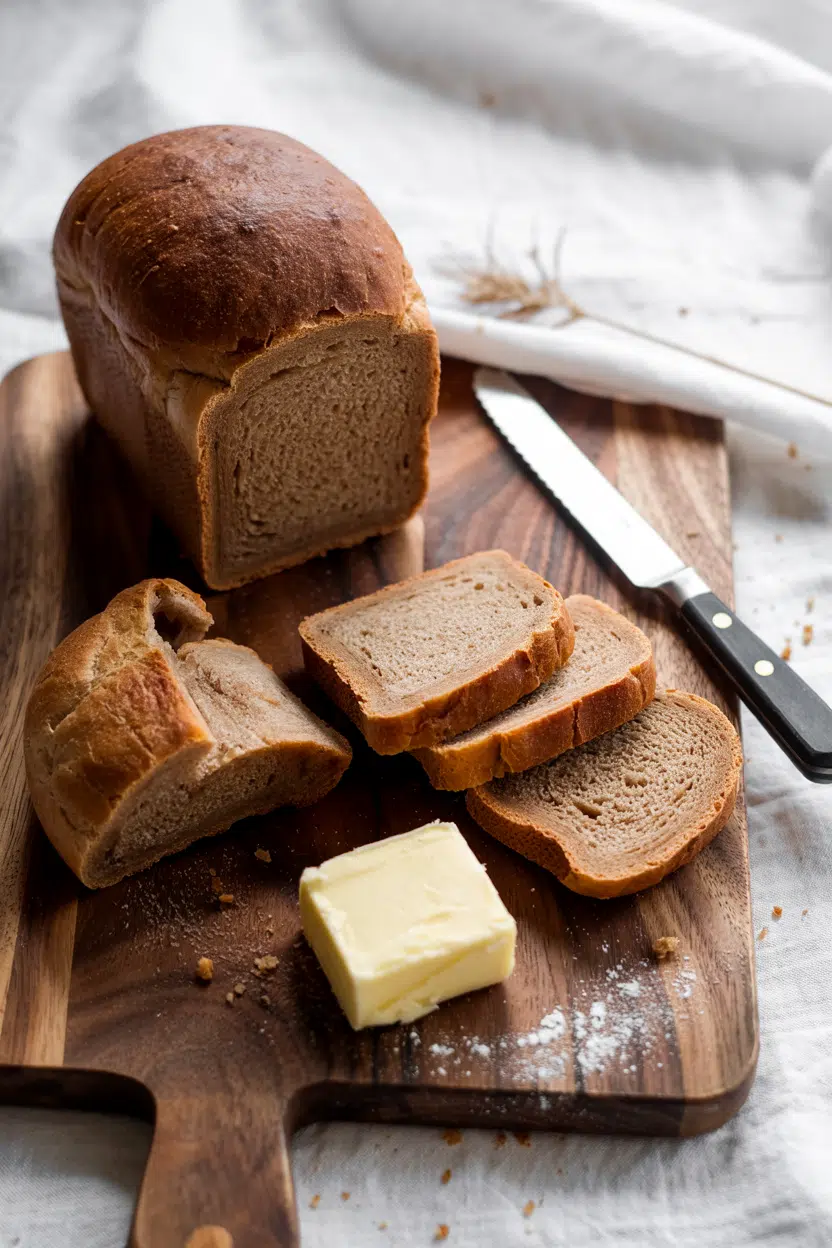
Made with a high proportion of rye flour rather than wheat, it carries a depth of flavor that makes it the backbone of some of Northern and Eastern Europe's most iconic food traditions. If your loaf goes uneaten for a few days, it's worth knowing how different breads hold up before you buy.
Rye bread is a dense, earthy loaf made with rye flour. It ranges from light mixed-rye to dark pumpernickel, with a tangy, slightly bitter flavor - especially in sourdough-fermented versions. Best for hearty sandwiches, smoked fish toasts, and stew-dipping. Contains gluten.
What Is Rye Bread?
Rye bread is a loaf made with rye flour as the dominant or sole grain, originating in Northern and Eastern Europe where rye thrived in cold, wet climates that defeated wheat crops.
Remember it later
Planning to try this recipe soon? Save it for a quick find later!
It falls under the broad category of dense, yeast-leavened breads - though many authentic versions use a sourdough starter rather than commercial yeast to achieve their characteristic tang.
The spectrum of styles is wide. At one end sits light rye, a softer loaf with a modest rye percentage blended with wheat flour.
At the other end is pumpernickel, a dense German-style dark rye slow-baked for up to 24 hours, turning malty and almost chocolate-dark through the Maillard reaction. In between, you'll find Danish rugbrød - a tightly crumbed, whole-grain staple - and Jewish Ashkenazi-style deli ryes that often feature caraway seeds for a herbaceous, anise-adjacent bite.
- Light rye - blended with wheat flour, softer crumb, milder flavor
- Dark rye / sourdough rye - high rye percentage, tangier, denser texture
- Pumpernickel - whole rye, long-baked, malty and nearly sweet
- Rugbrød - Scandinavian whole-grain style, very dense, often seed-studded
- Caraway rye - any style with caraway seeds added for an herbal note
What Does Rye Bread Taste Like?
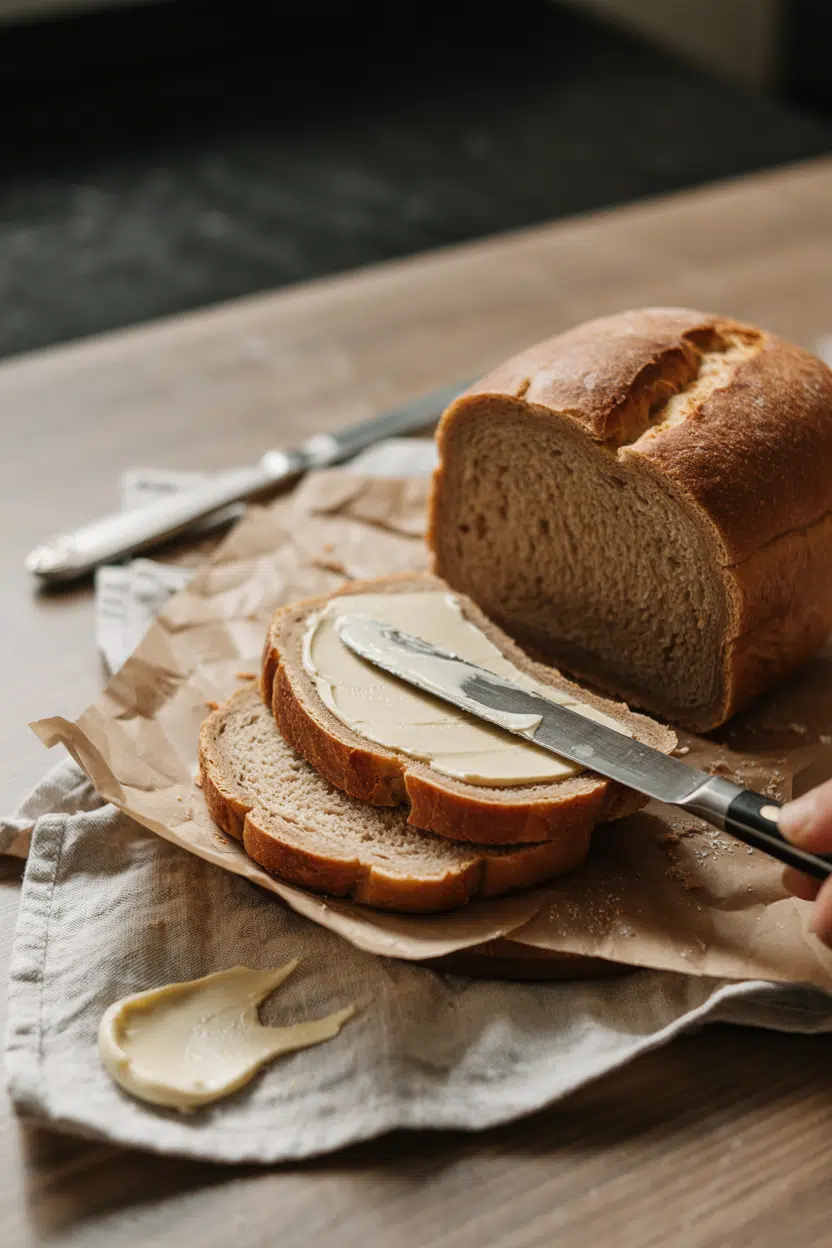
Rye bread tastes earthier and less sweet than whole-wheat bread, with a noticeable bitterness at the finish - particularly in darker, high-rye loaves.
The closest reference point is whole-wheat sourdough, but rye pushes that baseline further: more mineral, more sour, with a grainy depth that wheat doesn't quite reach.
Fermentation has an outsized impact. A sourdough bread made with rye flour develops pronounced lactic tang, while a commercial-yeast rye stays more neutral and mild.
Toasting sharpens the crust, drives off some sourness, and brings out a nutty, toasty note in the crumb.
Caraway-forward versions add a distinct herbal warmth that can read as licorice-adjacent on first bite. Pumpernickel, by contrast, rounds out that bitterness into something closer to malt - almost sweet at the finish despite having no added sugar.
How to Use Rye Bread
Rye bread does its best work where bold flavors can meet it head-on. Its structural density means it holds up under wet toppings without collapsing - a quality that makes it the right call for heavy, saucy, or briny builds.
| Method | Best For | Tip |
|---|---|---|
| 🥗 Untoasted | Reuben sandwiches, open-faced smørrebrød, charcuterie boards | Slice thin - dense crumb is filling, so thinner cuts balance a heavy topping |
| 🔥 Toasted | Smoked salmon and cream cheese toast, pâté slices, butter and jam | Toast on medium - high heat scorches the surface before the center warms |
| 🥘 Stew-dipped | Borscht, beef stew, bean soups | Rye keeps structure longer than white bread when dipped; leave it whole |
| 🍞 Diced and toasted | Croutons for hearty soups, breadcrumbs for meatballs and stuffings | Rye croutons add earthiness - pair with cabbage soup or lentil dishes |
Cuisines across Scandinavia, Germany, and Eastern Europe rely on rye as a daily staple. Jewish Ashkenazi cooking built the deli Reuben around it - corned beef, sauerkraut, and strong mustard demand a bread that won't fade into the background.
Options for pairings for corned beef almost always include rye for exactly this reason.
For pairings, lean into contrast and intensity. Smoked salmon and dill on toasted rye is a classic for good reason - the fat and smoke need the bread's tang to feel complete. smoked salmon freshness guide is short once opened, so assembling that toast same-day matters.
Sharp cheddar, horseradish, pastrami, pickled vegetables, and caraway-forward condiments all land well.
Avoid pairing rye with delicate raw fish served without strong condiments, or with subtle, sweet dessert preparations - the bread's earthiness will overpower both.
How to Buy and Store Rye Bread
At the bakery or store, choose loaves with a firm, slightly springy crust and a tight, moist crumb. Sourdough or "ryv-style" labels signal authentic fermentation, which brings fuller flavor.
Reject any loaf that smells metallic or stale through the bag.
Storage is straightforward. Wrap a whole loaf in paper, then place it loosely inside a plastic bag - this keeps the crust from softening without trapping moisture.
Sliced loaves dry out faster; refrigerate them if you won't finish within two to three days. For longer holds, the rye bread storage guide extends considerably in the freezer - slice before freezing so you can pull individual pieces as needed.
- Room temperature - 2-4 days, whole loaf wrapped in paper
- Refrigerated - up to 7 days for sliced loaves
- Frozen - 2-3 months; toast directly from frozen
If you've run out and need a swap, a guide to rye bread swaps can help you find the closest match for a given recipe.
Start with a Dark Loaf
New to rye bread? Skip light rye and go straight for a sourdough dark rye - the flavor is more distinctive, and it immediately shows you why this bread built centuries of cuisine around it.
Toast it, add butter and a sharp cheese, and you'll understand the appeal in one sitting.
If whole-grain rye feels too intense, a caraway rye or a mixed-flour loaf bridges the gap. Check the rye flour replacements guide if you're baking your own and need to adjust the grain ratio.
Either way, start with something assertive - rye rewards eaters who meet it on its own terms.
Frequently Asked Questions
Both are rye-based, but pumpernickel uses coarsely ground whole rye and bakes at low heat for up to 24 hours. That long bake creates the deep, malty, almost-sweet flavor and near-black color that standard rye bread doesn't develop.
Yes. Rye contains secalin, a gluten protein, making it unsuitable for anyone with celiac disease or a wheat-gluten intolerance. No rye-based bread is safe for a gluten-free diet.
Whole-grain rye bread generally has more dietary fiber, B vitamins, and a lower glycemic response than white bread. That said, many commercial "rye" loaves are mostly wheat flour - check the label before assuming the fiber benefit.
Yes - slice it first, then freeze in an airtight bag for up to three months. Toast slices directly from frozen; thawing at room temperature can make the crumb gummy.
Stale rye bread feels hard or crumbly rather than firm-moist, and the sour aroma flattens out. Visible mold - typically white or green - means discard the whole loaf, not just the affected slice.



