
Bite into a prune and you get something richer and more layered than fresh fruit - a dense, almost jammy sweetness with a low note of caramel and a clean plum tang underneath.

Much like the role currant plays in baking or replacements for date in sweetener swaps, prunes work across both sweet and savory territory in ways most dried fruits don't.
That range is exactly why they deserve a closer look.
A prune is a dried European plum - dark, chewy, and sweet-tart with deep caramel and molasses notes. It works as a natural sweetener, a moisture agent in baking, and a fruity counterweight in braises and tagines.
What Is Prune?
A prune is a dried plum - specifically from Prunus domestica, the European plum, rather than from the softer Asian varieties.
Remember it later
Planning to try this recipe soon? Save it for a quick find later!
France's Agen region and California's Central Valley produce the majority of commercial prunes, both relying on high-sugar freestone varieties that dry without fermenting.
You may see them sold as dried plums in some markets, which is the same thing - the name shift was a marketing move in the early 2000s.
Other names include French prune and prune plum, the latter sometimes used to describe the fresh fruit before drying.
Understanding alternatives to plum helps put the prune's concentrated character in context - fresh plum is mild where its dried form is intense. Two main styles appear in stores:
- 🟣 Pitted prunes - the standard option, ready to chop or use whole in most recipes
- ⚫ Unpitted (whole) prunes - slightly more moisture-retentive, preferred for poaching and stuffing
What Does Prune Taste Like?
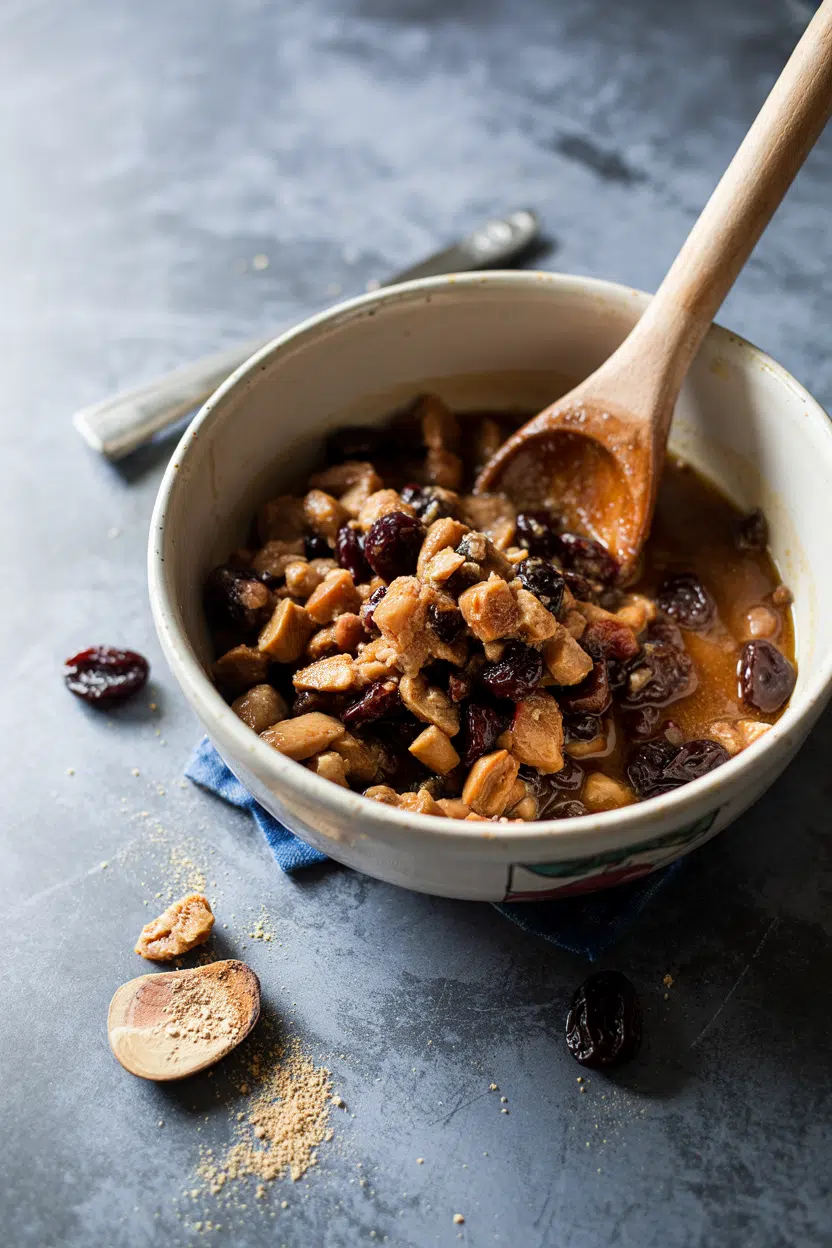
Prune flavor is concentrated plum - but cooked plum, not fresh. The drying process drives off water and intensifies natural sugars, pushing the fruit toward caramel and molasses territory rather than the bright, juicy acidity of fresh fruit.
There's also a mild earthy, almost smoky undercurrent that sets prunes apart from other dried fruits. A rehydrated prune softens back toward stewed-plum territory - the tang returns and the sweetness spreads more evenly.
Heat deepens the flavor further. Slow-braised prunes lose their chew and collapse into the sauce, contributing body and sweetness without tasting like fruit candy.
How to Use Prune
Prunes work in more cooking contexts than most people expect. The natural sugars and sorbitol content make them reliable for adding moisture and depth without extra fat.
| Method | Best For | Tip |
|---|---|---|
| 🍲 Braising | Tagines, pork stews, duck legs | Add in the last 30-40 minutes to prevent complete breakdown |
| 🧁 Baking | Quick breads, muffins, brownies | Fold in chopped or use prune puree to replace up to half the fat |
| 🍯 Pureeing | Glazes, barbecue sauces, marinades | Blend with vinegar or mustard to balance sweetness |
| ♨️ Poaching | Tarts, dessert syrups, compotes | Simmer in red wine, port, or spiced syrup for richer flavor |
| 🧀 Raw / stuffed | Cheese boards, devils on horseback | Pair with goat cheese or blue cheese to cut the sweetness |
Prunes are a natural fit with pork, duck, and lamb - the fruit's acidity cuts through fat while the sweetness adds contrast.
French cuisine leans on them in tartes and compotes; Moroccan cooking folds them into tagines with warm spices like cinnamon, clove, and star anise.
For a straightforward party bite, a devils on horseback prunes bacon recipe captures exactly how prune's richness balances salty, smoky flavors.
Prune puree also stands in for fat in baked goods, which is why you'll see it in low-fat brownie recipes.
If you're comparing substitutes, knowing the alternatives to prune or even swapping out apricot in a tagine can help you decide when prune is truly the right call.
How to Buy and Store Prune
Good prunes are plump and slightly glossy, yielding gently under light finger pressure.
Avoid packs where the fruit feels rock-hard, looks shriveled to the point of brittleness, or shows a white crystalline bloom (that's surface sugar - harmless, however it signals age and dryness).
- 🛒 Unopened bags - store in a cool, dark pantry for several months
- 🧊 Opened prunes - transfer to an airtight container and refrigerate; keeps 3-6 months
- ❄️ Freezer - extends shelf life up to 12 months with minimal quality loss
A deeper look at prune's shelf life covers the signs of spoilage and whether refrigerating them is always necessary. Once you've opened a bag, the fridge is the right call - room-temperature storage speeds stickiness and eventual mold.
Start Here if You're New to Prunes
If prunes are unfamiliar territory, start with a braise. Add a handful to a slow-cooked pork or lamb dish and they'll dissolve into the background - all depth, no obvious fruitiness.
Once you're comfortable there, move to baking. Folded into muffin batter or quick bread, chopped prunes add moisture and a subtle sweetness that doesn't read as "prune" to most people.
For making chicken tagine with apricots at home, swapping some apricot for prune gives a darker, richer result - a useful experiment once you know both fruits.
Frequently Asked Questions
Yes - they're the same fruit. "Dried plum" became a preferred label in some markets after 2000 to modernize the product's image. Both names refer to dried Prunus domestica, typically the Agen or d'Ente variety.
Prunes taste like cooked plum, not fresh. Drying concentrates the sugars and shifts flavor toward caramel and molasses - the bright, juicy acidity of fresh plum is replaced by a deeper, slower sweetness with a mild earthy note.
Simmer prunes in water, red wine, or juice for 10-15 minutes until softened. For a lighter rehydration, soak in hot liquid for 20-30 minutes off heat - this preserves more structure for tarts or stuffing applications.
Yes, with caveats. Prunes are tangier and less caramel-sweet than dates, so the result will have more acidity. The moisture contribution is similar, making them a workable swap in most quick breads and energy-style bars.
Not always - many brands sell unsweetened dried plums with no additives. However, some packs do include added sugar or preservatives, so checking the ingredient list is the only reliable way to know.



